

metro
Power Outage Hits Five States, Niger Republic as TCN Begins Transmission Line Repairs
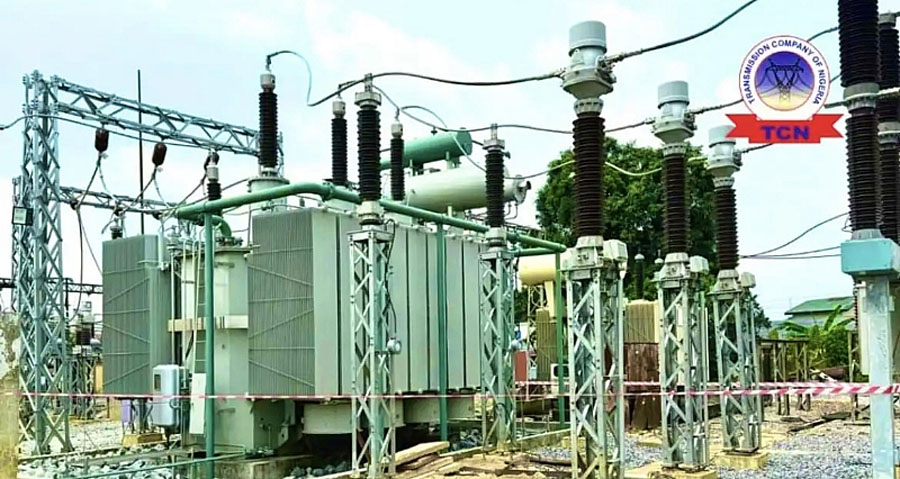
Power Outage Hits Five States, Niger Republic as TCN Begins Transmission Line Repairs
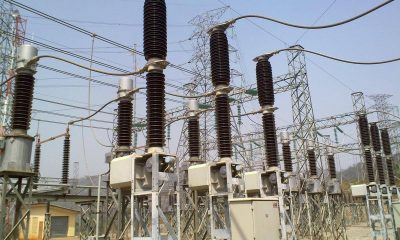
Abuja, Nigeria – The Transmission Company of Nigeria (TCN) has announced that Kano, Katsina, Jigawa, and parts of Bauchi and Yobe states, as well as consumers in Niger Republic, will experience a temporary power outage on Sunday as the company prepares to carry out work on a major transmission line serving the region. According to a statement signed by TCN’s General Manager, Public Affairs, Ndidi Mbah, the scheduled work, which will commence from 9:00 a.m. to 4:00 p.m. on May 31, 2026, is aimed at facilitating critical repair works on the Mando–Kumbotso 330kV Transmission Line, a key infrastructure component of the nation’s power transmission network. Mbah said TCN’s maintenance crew will carry out its annual maintenance exercise on the transmission line and simultaneously repair a damaged Red Phase Conductor located on Tower T187 along the route. She added that the maintenance work is necessary to ensure the continued reliability and stability of power supply across the affected region.
“The outage is necessary to enable TCN’s maintenance crew to repair a damaged Red Phase Conductor on Tower T187 along the line route. The Kano Electricity Distribution Company (KEDCO) , as a result of the maintenance exercise, will be unable to receive bulk electricity supply from TCN for onward distribution to customers during the period of the outage. The maintenance work is expected to affect electricity consumers in Kano, Katsina, and Jigawa states, as well as several communities in Bauchi and Yobe states. Also, customers in Gazaoua, Niger Republic, will experience a temporary loss of power. The company, however, called for consumers’ understanding while carrying out the maintenance work, assuring them that normal electricity supply would be restored immediately after the completion of the maintenance and repair works. TCN apologises for any inconvenience this will cause consumers in the affected areas,” the statement concluded.
The planned outage is scheduled to commence at 9:00 a.m. and end by 4:00 p.m., creating a seven-hour disruption across the affected areas. According to TCN, the maintenance operation will involve the replacement and amendment of a damaged Red Phase Conductor on Tower T187 located along the transmission corridor. As a result of the work, the Kano Electricity Distribution Company (KEDCO) will temporarily be unable to receive electricity from the national grid for distribution to customers across Kano, Katsina, and Jigawa states, while some parts of Bauchi and Yobe states will also experience power cuts. The company further stated that communities in Gazaoua, located in the Republic of Niger and connected to Nigeria’s transmission infrastructure, would equally be affected. The full list of affected areas includes Kano State (all KEDCO customers), Katsina State (all KEDCO customers), Jigawa State (all KEDCO customers), Bauchi State (several communities, partial), Yobe State (several communities, partial), and Gazaoua, Niger Republic (complete loss of power during maintenance).
READ ALSO:
- Toyota Motor Show Roars into Lagos Tomorrow with Test Drives, Debates, Free Diagnostics, Others
- Oyo Boils as Teachers Strike, Protesters Demand Freedom for Abducted Pupils
- ‘No Evidence’: Atiku Camp Fires Back at Babachir Lawal Over ADC Rigging Claims
TCN explained that the maintenance is critical to ensuring the continued reliability and stability of power supply across the affected region. The damaged conductor on Tower T187 requires immediate attention to prevent more serious technical failures that could trigger prolonged blackouts in the future. The annual maintenance exercise also allows TCN engineers to inspect and service the transmission line to forestall future disruptions. Energy experts maintain that such maintenance work is necessary for long-term stability, although they acknowledge that repeated outages continue to strain households and businesses that rely heavily on power for daily operations.
The announcement of the scheduled outage coincides with the release of the African Development Bank’s 2026 African Economic Outlook report, which highlighted the heavy toll of Nigeria’s chronic electricity shortages on businesses. According to the AfDB report, more than 70 per cent of firms in Nigeria now rely on generators, and power disruptions wipe out an estimated three per cent of annual sales. “Electricity outage losses amount to three per cent of annual sales in Nigeria, and because of this, generator reliance is widespread, with 70.7 per cent of firms in Nigeria owning or sharing generators,” the report stated. The AfDB warned that Nigeria’s power deficit reflects deeper structural and governance challenges that are forcing businesses and households to shoulder costs typically borne by the state. For millions of residents in the affected states, the seven-hour blackout means businesses will lose productive hours, households will be without power for cooking, cooling, and other daily activities, and those who can afford it will turn to expensive petrol or diesel generators. Small business owners, particularly those in the informal sector who rely on electricity for welding, tailoring, food processing, and phone charging, are likely to bear the brunt of the disruption.
The scheduled outage comes at a sensitive period for Nigeria’s electricity sector, which has been under increasing scrutiny following recent assurances by the newly appointed Minister of Power that Nigerians would begin to witness measurable improvements in electricity supply within two weeks. The planned outage also comes amid ongoing efforts by the Federal Government and the Nigerian Independent System Operator (NISO) to address frequent grid collapses. The Presidential Adviser on Power, Mr Lanre Babalola, recently met with NISO management to fashion out a permanent solution to grid disturbances, emphasising the importance of prudent resource management and enhanced operational discipline. The new Minister of Power, Joseph Olasunkanmi Tegbe, who was recently nominated by President Bola Tinubu following the exit of Adebayo Adelabu during the cabinet reshuffle, has pledged to improve grid stability, modernise electricity infrastructure, strengthen commercial operations and ensure accountability across the power value chain. During his Senate screening, Tegbe reportedly assured lawmakers that Nigerians would see visible improvement in the sector, though he clarified that broader reforms could take up to one year to implement. The government has also been implementing the Presidential Power Initiative (PPI) , popularly known as the Siemens deal, to strengthen the national grid and reduce system disturbances.
While TCN stated that the maintenance is expected to last between 9 a.m. and 4 p.m., the company assured that normal electricity supply would be restored immediately after the completion of the maintenance and repair works. Sunday’s planned outage may test public patience, even though TCN insists the interruption is necessary to prevent more serious technical failures. The company appealed to affected consumers for understanding and apologised for the inconvenience the temporary outage may cause. Key facts from the announcement include the following: the date of the outage is Sunday, May 31, 2026; the time is 9:00 a.m. to 4:00 p.m. (seven hours); the affected states in Nigeria are Kano, Katsina, Jigawa (fully affected), and Bauchi and Yobe (partially affected); the affected area in Niger Republic is Gazaoua; the transmission line involved is the Mando–Kumbotso 330kV Transmission Line; the reason for the outage is repair of a damaged Red Phase Conductor on Tower T187 plus annual maintenance; the distribution company affected is the Kano Electricity Distribution Company (KEDCO); and power restoration is expected immediately after completion of maintenance, estimated at 4:00 p.m.
Power Outage Hits Five States, Niger Republic as TCN Begins Transmission Line Repairs







metro
Outrage as Residents Scoop Groundnut Oil From Lagos Tanker Crash Scene

Outrage as Residents Scoop Groundnut Oil From Lagos Tanker Crash Scene
Residents have come under criticism after they were seen scooping spilled groundnut oil from the scene of a tanker accident around Ojota Bridge in Lagos, prompting a warning from the Lagos State Traffic Management Authority (LASTMA) over the potential health risks of consuming or selling the recovered product.
The tanker, reportedly carrying 33,000 litres of groundnut oil, overturned on Wednesday, October 14, 2026, along the Lagos-Ibadan Expressway, near Abiola Garden, Ojota, on the inward lane towards the Old Toll Gate.
A video circulating on social media showed some residents gathering around the accident scene to collect the spilled oil, using containers to scoop it from the road. Police officers and LASTMA personnel were also seen at the location.
LASTMA warned members of the public against consuming or selling groundnut oil recovered from the accident scene, stressing that the spilled product could have been contaminated by dirt, debris, water or other substances on the road. Although the oil was intended for human consumption, its exposure to the accident environment raises concerns about its safety. Residents were therefore advised not to collect, purchase or consume the recovered product.
READ ALSO:
- Shettima Attacks Atiku Over Tinubu Remarks, Questions Subsidy Plan
- 2027: We Know How to Stop Tinubu From Getting Second Term – Momodu
- Borno Woman Jailed Two Years for Sexual Exploitation of 16-Year-Old Girl
The agency’s rescue and recovery team reportedly arrived at the scene with high-capacity tow vehicles to assist in removing the overturned tanker and managing the resulting traffic disruption. Traffic officials worked with other emergency responders, including the police and relevant road safety agencies, to secure the area and facilitate recovery operations.
The crash caused disruption around Ojota Bridge and adjoining sections of the Lagos-Ibadan Expressway as emergency personnel worked to clear the scene and restore normal traffic flow. Motorists were advised to exercise caution and follow the instructions of traffic officers in the area.
No casualties were reported in the incident. Preliminary accounts suggested that brake failure might have caused the tanker to overturn, although the suspected cause had not been confirmed by a final investigation.
The incident has renewed concerns about tanker safety, emergency response and the risks people take when collecting products spilled during road accidents. Beyond the immediate danger of approaching an overturned tanker, recovered food products may be unsafe for consumption if their quality and cleanliness cannot be established.
Authorities continue to urge residents to keep away from accident scenes, allow emergency teams to work and avoid collecting spilled goods that may pose risks to public health.
Outrage as Residents Scoop Groundnut Oil From Lagos Tanker Crash Scene
metro
Borno Woman Jailed Two Years for Sexual Exploitation of 16-Year-Old Girl
Borno Woman Jailed Two Years for Sexual Exploitation of 16-Year-Old Girl
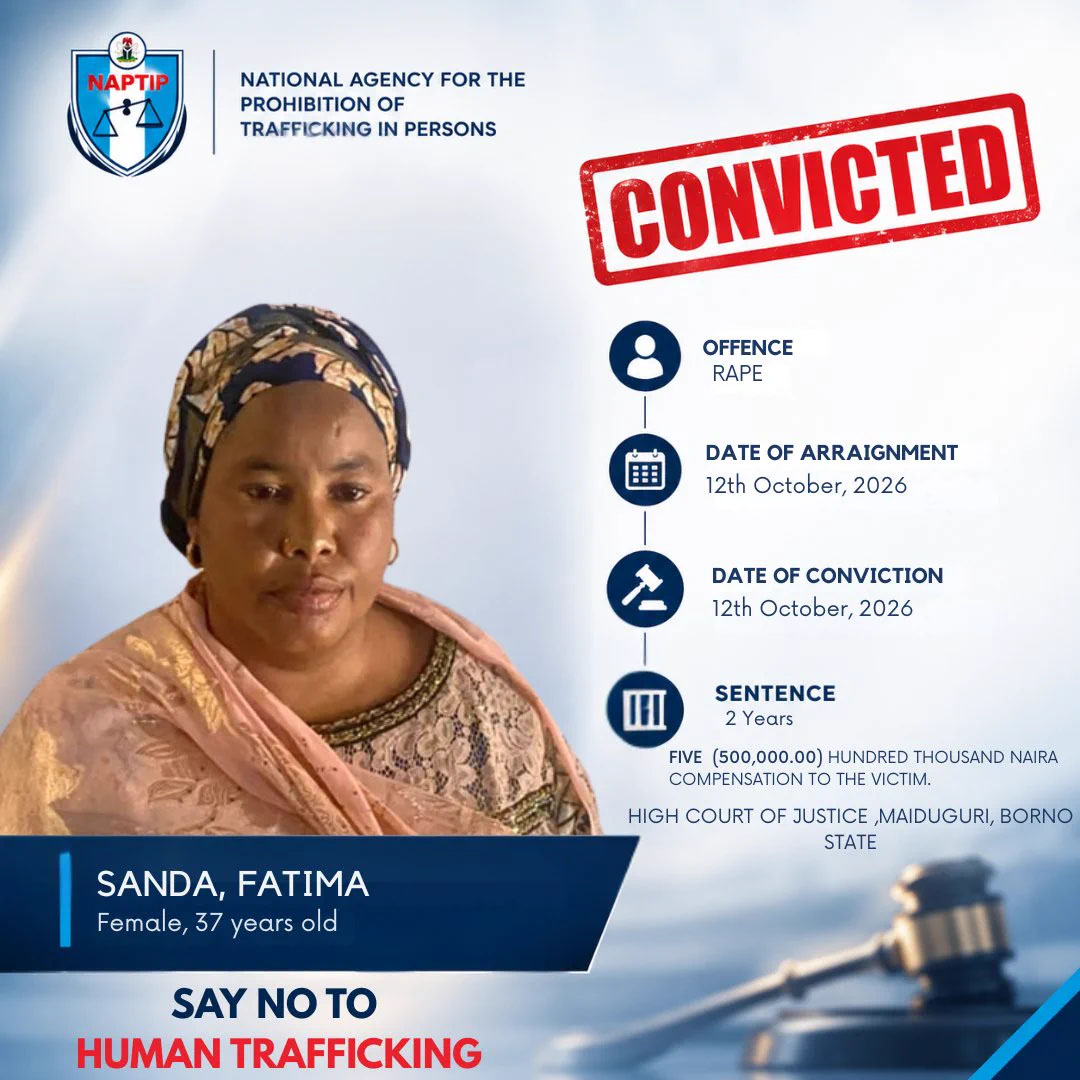
A Borno State High Court sitting in Maiduguri has sentenced a 37-year-old woman, Fatima Sanda, to two years’ imprisonment for procuring a 16-year-old girl for sexual exploitation.
The court also ordered Sanda to pay ₦500,000 in compensation to the victim after convicting her of an offence under Nigeria’s anti-trafficking law.
The conviction was secured by the National Agency for the Prohibition of Trafficking in Persons (NAPTIP) on Monday, October 12, 2026, according to reports published by Punch Metro and other Nigerian media outlets.
In a statement shared on its official Facebook page, NAPTIP said the judgment was delivered at Court 10 of the Borno State High Court in Maiduguri, presided over by Justice Aisha M. Ndume.
The agency said Sanda was convicted of procuring a 16-year-old girl and subjecting her to sexual exploitation by other people.
The offence contravenes Section 16(1) of the Trafficking in Persons (Prohibition) Enforcement and Administration Act, 2015, as amended.
Following the conviction, the court sentenced Sanda to two years in prison and ordered her to pay ₦500,000 in compensation to the victim.
READ ALSO:
- Cosmetics Top Fake Products as NAFDAC Seals 179 Establishments, Arrests 52
- Nigeria Secures UN Human Rights Council Seat With 172 Votes
- Houthi Missile Targeting Riyadh Shot Down as Debris Injures Four, Damages 15 Homes
The publicly available reports did not disclose further details about how the teenager was recruited, the identities of the other people involved or the circumstances surrounding the exploitation.
The judgment comes amid continued efforts by law enforcement agencies to investigate and prosecute cases involving the sexual abuse and exploitation of children.
In a related case in Niger State, a 27-year-old man, Hussaini Suleiman, was sentenced to seven years’ imprisonment for raping an eight-year-old girl at his residence behind the Prison Quarters in Minna.
The Niger State High Court, presided over by Justice Binta Bawa, convicted Suleiman after he pleaded guilty to the offence.
According to NAPTIP, the case was referred to its Niger State Command by the state command of the Nigeria Security and Civil Defence Corps (NSCDC) on April 16, 2026, following a report of the rape of the child.
The agency said Suleiman admitted committing the offence during the investigation and was arraigned before Court 8 of the Niger State High Court on September 10, 2026. He was subsequently sentenced to seven years in prison.
The conviction was reported on September 11, approximately one month before the Borno judgment was announced.
Although the two cases involved different offences and circumstances, both resulted in prison sentences following court proceedings.
The cases also highlight the importance of reporting suspected child sexual abuse, conducting thorough investigations and ensuring that cases are prosecuted before the appropriate courts.
NAPTIP is the federal agency responsible for coordinating Nigeria’s efforts to prevent and combat human trafficking, including the exploitation of vulnerable people. Its work includes investigating trafficking-related offences and prosecuting suspects under applicable legislation.
The Borno judgment combines a custodial sentence with a compensation order for the victim. However, no further information was available in the published reports on whether the compensation had been paid.
Protecting children from sexual abuse and exploitation requires effective law enforcement, access to justice and measures that safeguard victims’ privacy and dignity throughout investigations and court proceedings.
Borno Woman Jailed Two Years for Sexual Exploitation of 16-Year-Old Girl
metro
Attempted Suicide: ‘If You Survive, We’ll Jail You’ – Akpabio
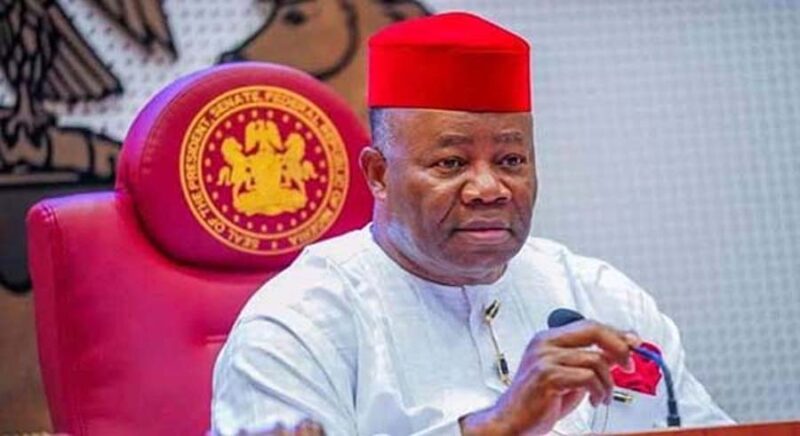
Senate President Godswill Akpabio has sparked controversy with his opposition to a bill seeking to decriminalise attempted suicide in Nigeria, insisting that people who survive suicide attempts should face imprisonment.
Akpabio made the remarks on Tuesday during a Senate debate on the proposed Suicide Prevention Bill 2026, which seeks to replace criminal punishment for suicide attempts with medical treatment, rehabilitation and support for survivors.
“As far as we are concerned, we are saying that suicide is a crime for now. Therefore, if you attempt it, you better succeed. If you don’t succeed, we will send you to prison,” Akpabio said.
He reiterated his position, warning that anyone who attempted suicide but survived would be jailed.
His comments came as the Senate passed the bill for second reading, allowing it to proceed to further legislative scrutiny despite his opposition.
Sponsored by Senator Asuquo Ekpenyong, who represents Cross River South, the bill seeks to establish a national framework for suicide prevention, early intervention, treatment and long-term support for people who survive suicide attempts.
Ekpenyong argued that Nigeria’s existing legal framework contains a contradiction because the National Mental Health Act 2021 recognises attempted suicide as a psychiatric emergency requiring intervention, while provisions of the Criminal Code and Penal Code continue to criminalise the act.
He specifically cited Section 327 of the Criminal Code and Section 231 of the Penal Code, which expose people who survive suicide attempts to possible criminal punishment under applicable laws.
READ ALSO:
- Yamal Inspires Barcelona Comeback to Sink Osimhen’s Galatasaray
- Press Freedom: Judge Blocks Trump’s Ban on Three Major US Media Outlets
- Money Rituals: Four Arrested in Kwara Over Suspected Human Parts
The senator said criminalising attempted suicide could discourage people experiencing severe emotional distress from seeking professional help. It could also make families conceal incidents for fear of prosecution and stigma, while undermining the collection of reliable data needed to strengthen prevention efforts.
Ekpenyong challenged lawmakers to consider whether a person who survives a suicide attempt should face prosecution or receive protection and medical care.
He maintained that decriminalising attempted suicide would not mean encouraging suicide or excusing anyone who assists, persuades or procures another person to take their life. Rather, the proposal would recognise suicide prevention as a public health responsibility requiring coordinated medical, psychological and social support.
The bill proposes a framework for medical assessment, referral services, rehabilitation and follow-up care for survivors. It also provides for crisis helplines, public awareness campaigns and training for police officers, teachers and healthcare workers to help them identify and respond appropriately to people experiencing suicidal distress.
Another proposed measure is the establishment of a national data system to improve understanding of suicide attempts and support evidence-based prevention programmes.
During the debate, Senator Ned Nwoko, representing Delta North, seconded the motion for the bill’s second reading but questioned how the proposed legislation would work in practice to prevent suicide.
Senate Leader Opeyemi Bamidele also raised concerns about the legal implications of the proposal, particularly how amendments involving the Criminal Code and Penal Code would apply across Nigeria’s states.
Bamidele urged lawmakers to examine the relationship between federal legislation and state legal frameworks to avoid conflicts during implementation.
Akpabio similarly called for input from state Houses of Assembly during the proposed public hearing, arguing that the legal implications of amending the existing provisions required careful consideration.
Senator Abdul Ningi, representing Bauchi Central, welcomed the proposal and said the legislative process would provide an opportunity for medical professionals, legal experts and other stakeholders to contribute to the debate.
The bill’s supporters argue that people who survive suicide attempts should not automatically be treated as criminals without consideration of the circumstances that led to the crisis. They maintain that punishment alone cannot address the underlying psychological, social or medical factors associated with suicidal behaviour.
The Senate’s decision to pass the bill for second reading does not mean that the proposed changes have become law. The legislation has been referred to the relevant Senate committees on health and judiciary for further consideration, including a public hearing.
Until the legislative process is completed and any resulting law takes effect, attempted suicide remains punishable under applicable provisions of Nigeria’s existing criminal laws.
The debate has brought renewed attention to Nigeria’s approach to suicide prevention and the treatment of survivors, with lawmakers now facing further scrutiny of whether criminal penalties or a health-centred response should take priority.
Attempted Suicide: ‘If You Survive, We’ll Jail You’ – Akpabio
-
 Politics3 days ago
Obi Positioning for SGF Role Under Atiku’s ADC Ticket – Sowore
-
 metro3 days ago
How Bandits Demand ₦300m Ransom for Abducted Kaduna Couple, Baby in Viral Video
-

 Politics3 days ago
Okonkwo Alleges Return of Subsidy, Accuses NNPC of Plotting Trillions in ‘Lost Profit’
-

 metro3 days ago
How Military Air Strike Crushed ISWAP Attack Plot, Killed Over 40 Fighters in Borno
-

 metro2 days ago
Oyo School Kidnappings: How ANSARU Allegedly Used Children to Pressure FG
-
 metro2 days ago
Tragedy in Ibadan as Truck Kills Female Corps Member, Injures Others
-

 Politics3 days ago
Oshiomhole Challenges Obi to Bible Oath Over Private Jet Controversy
-
 News2 days ago
Obasanjo Backs Higher Oil Derivation, Says 13% Is Only the Beginning