

News
Reps drop own State Police bill, adopt Tinubu’s version in major constitutional reform
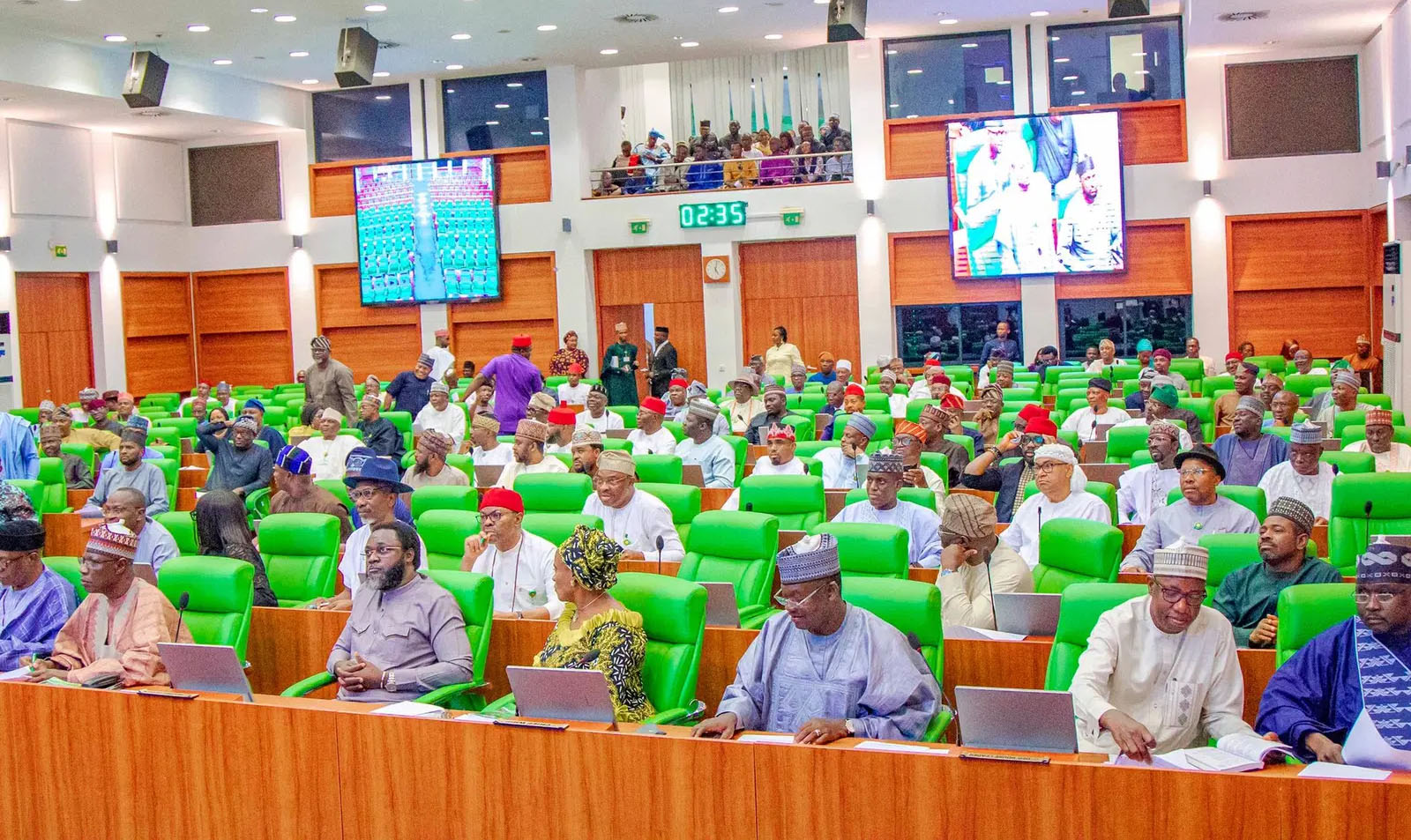
Reps drop own State Police bill, adopt Tinubu’s version in major constitutional reform
The House of Representatives has resolved to withdraw its earlier State Police Bill and adopt the Executive Bill transmitted by President Bola Tinubu, marking a significant shift in the National Assembly’s ongoing efforts to reform Nigeria’s security architecture through constitutional amendment.
Speaker of the House, Tajudeen Abbas, announced the decision on Tuesday while declaring open the 2026 National Assembly Open Week in Abuja. He explained that the Executive Bill is “more robust and more comprehensive” than the version previously passed by the House.
The decision effectively halts plans to harmonise the House and Senate versions of the earlier proposal, with lawmakers now set to begin fresh legislative consideration of the President’s bill.
Abbas said the Executive Bill incorporates additional constitutional safeguards developed by a presidential committee chaired by the President’s Chief of Staff and former Speaker of the House, Femi Gbajabiamila.
According to the Speaker, Nigeria’s growing security challenges have underscored the urgent need for a decentralised policing system.
“The deeper lesson is that a nation of this magnitude cannot be policed in perpetuity from a single command in Abuja,” Abbas said.
He noted that although the House had already passed its own State Police proposal through the Constitution Review Committee led by Deputy Speaker Benjamin Kalu, lawmakers would now recall that version to allow the Executive Bill to take precedence.
“I am able to share a development that speaks to the seriousness with which this administration regards the safety of Nigerians. His Excellency the President has now transmitted to the National Assembly an Executive version of the State Police Bill, one that is more robust and more comprehensive than the version this House earlier passed,” Abbas stated.
He assured Nigerians that the legislation would receive expedited consideration because of its importance to national security.
READ ALSO:
- UK-based Nigerian caregiver dies by suicide as coroner cites prolonged mental health struggles
- Spain Silence France, March into World Cup Final in Style
- NYSC warns employers over failure to provide accommodation for corps members
Responding to concerns that the proposal could be rushed through the National Assembly, Abbas insisted that the bill would undergo a transparent legislative process, including public hearings and stakeholder engagement.
He assured Nigerians that the proposed framework contains robust constitutional safeguards designed to prevent abuse of state police by governors or other political actors.
According to him, states will only be allowed to establish their own police services after meeting strict constitutional requirements relating to accountability, operational capacity, funding and respect for fundamental human rights.
“There will be accountability, the protection of fundamental human rights, and firm boundaries between federal and state authority, so that no state police force may ever be reduced to the private instrument of a governor,” he said.
Abbas also invited Nigerians, civil society organisations and security experts to participate in the public hearing process by submitting memoranda before the bill is passed into law.
President Tinubu, in a letter dated June 15, 2026, formally transmitted the Constitution of the Federal Republic of Nigeria (Alteration) (State Police) Bill, 2026 to both chambers of the National Assembly, urging lawmakers to accord it expedited consideration.
The President said the proposed legislation would create a constitutional framework for establishing State Police Services to complement the Nigeria Police Force in tackling the country’s worsening security challenges.
According to Tinubu, the bill builds on the constitutional amendment work already carried out by the House of Representatives while introducing additional safeguards recommended by a presidential committee established to review the framework for decentralised policing.
“The proposed legislation is a critical component of our administration’s strategy to reorganise Nigeria’s security architecture to better protect our citizens,” the President wrote.
The Executive Bill is expected to establish a dual policing structure, allowing both federal and state police institutions to operate within clearly defined constitutional responsibilities.
While State Police would primarily handle local law enforcement and community policing, the Federal Government would retain authority over national security matters such as terrorism, border protection, organised crime, intelligence coordination and other offences with nationwide implications.
For more than two decades, successive administrations, state governors, constitutional lawyers, security experts and civil society organisations have advocated the creation of State Police, arguing that Nigeria’s centrally controlled policing system has become overstretched.
Supporters believe decentralised policing would strengthen intelligence gathering, improve emergency response, deepen community policing and enable quicker responses to banditry, kidnapping, terrorism, communal clashes and other violent crimes.
The debate has intensified in recent years following the emergence of regional security outfits such as Amotekun in the South-West, Ebube Agu in parts of the South-East and several state-backed vigilante organisations established to complement federal security agencies.
However, critics have consistently warned that state police could be misused by governors to intimidate political opponents or interfere in elections if adequate constitutional safeguards are not entrenched.
To address those concerns, the Executive Bill reportedly includes stronger accountability measures, stricter oversight mechanisms and constitutional conditions that states must satisfy before establishing their own police services.
Importantly, the proposed amendment does not compel every state to establish a police force immediately. Instead, eligible states would be required to meet clearly defined constitutional standards before creating their own policing institutions.
The proposed constitutional amendment must secure the support of two-thirds of members of both the Senate and the House of Representatives before proceeding to the 36 State Houses of Assembly.
Under Section 9 of the 1999 Constitution, at least 24 state legislatures must approve the amendment before it can be transmitted to the President for assent.
With the House now aligning with the Executive proposal, attention is expected to shift to public hearings, stakeholder consultations and detailed legislative scrutiny of what could become the most far-reaching reform of Nigeria’s internal security system since the country’s return to democratic rule in 1999.
Reps drop own State Police bill, adopt Tinubu’s version in major constitutional reform






News
Delta Tragedy: Man Allegedly Kills Wife, Dies by Suicide After Land Dispute
A domestic dispute allegedly involving the sale of landed property and accusations of infidelity has left a couple dead in Agbarho community, Ughelli North Local Government Area of Delta State, leaving their four children without either parent.
The incident reportedly occurred on Owiri Street in Agbarho, where the man allegedly attacked and killed his wife before later dying by suicide after ingesting a poisonous substance.
According to a report published by Vanguard on Tuesday, October 13, 2026, the tragedy followed a disagreement between the couple over landed property and alleged infidelity. However, the full circumstances surrounding the confrontation have not been independently established.
A source quoted in the report said the man was reportedly angered by allegations concerning his wife’s fidelity and the sale of his landed property. The precise sequence of events leading to the couple’s deaths remains unclear.
A neighbour reportedly said the couple had experienced repeated physical confrontations before the incident, suggesting that tensions within the household may have persisted for some time. However, details of the earlier clashes and whether the authorities had previously been alerted have not been confirmed.
READ ALSO:
- VIDEO: Outrage as Indian National Assaults Nigerian Truck Drivers in Lagos
- Forgery Probe: Police Arrest Ex-Imo Governor Rochas Okorocha in Abuja
- INEC Demands Formal Complaints as Missing Candidates Rock 2027 Election List
The deceased man’s elder brother also reportedly expressed shock over the deaths, saying he was not fully aware of what had triggered the fatal confrontation. He confirmed that the couple had four children, with the eldest said to be about 21 years old, but declined to disclose their identities.
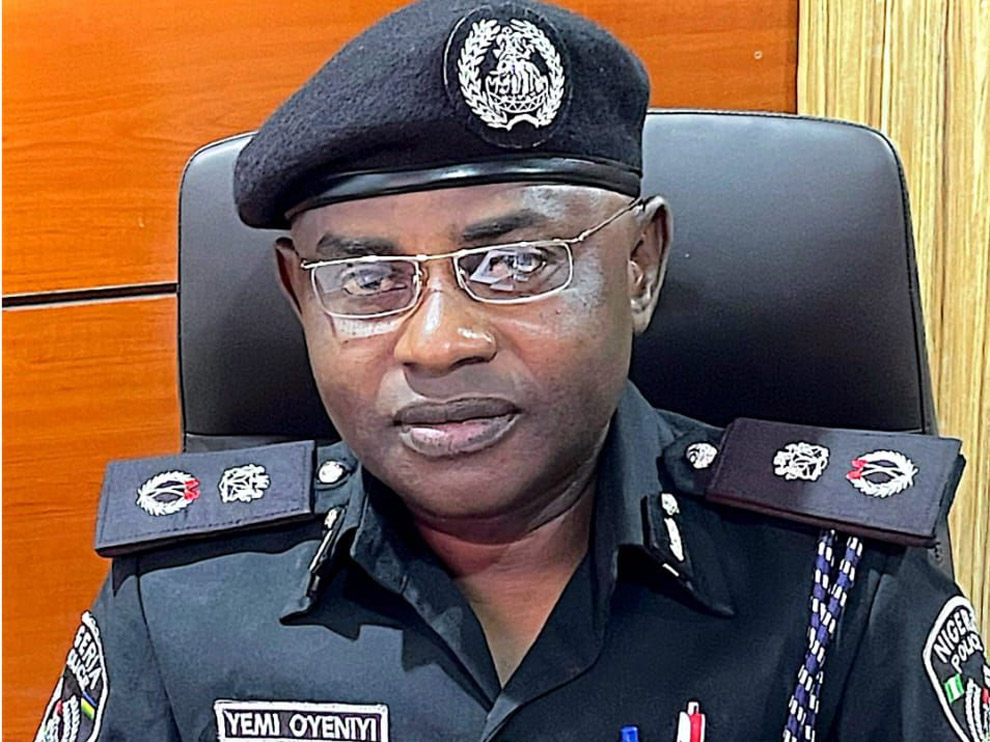
A senior police officer at the Agbarho Division reportedly confirmed the incident, saying officers evacuated the bodies to a morgue as investigations began. The officer also indicated that no formal complaint had been lodged by the families as of the time of the report.
Attempts to obtain further comments from the Delta State Police Command’s spokesperson, SP Bright Edafe, were reportedly unsuccessful before the report was published.
The deaths have left the couple’s four children facing the loss of both parents, adding to the devastating consequences of the incident. The circumstances surrounding the reported property dispute, the allegations of infidelity and the events immediately preceding the deaths remain subject to investigation.
The tragedy highlights the potentially devastating consequences of unresolved domestic conflict. Disagreements involving marital relationships, property ownership and land sales should be addressed through peaceful dialogue, appropriate support and lawful channels. Violence is never an acceptable way to resolve such disputes.
Delta Tragedy: Man Allegedly Kills Wife, Dies by Suicide After Land Dispute
News
Obasanjo Backs Higher Oil Derivation, Says 13% Is Only the Beginning
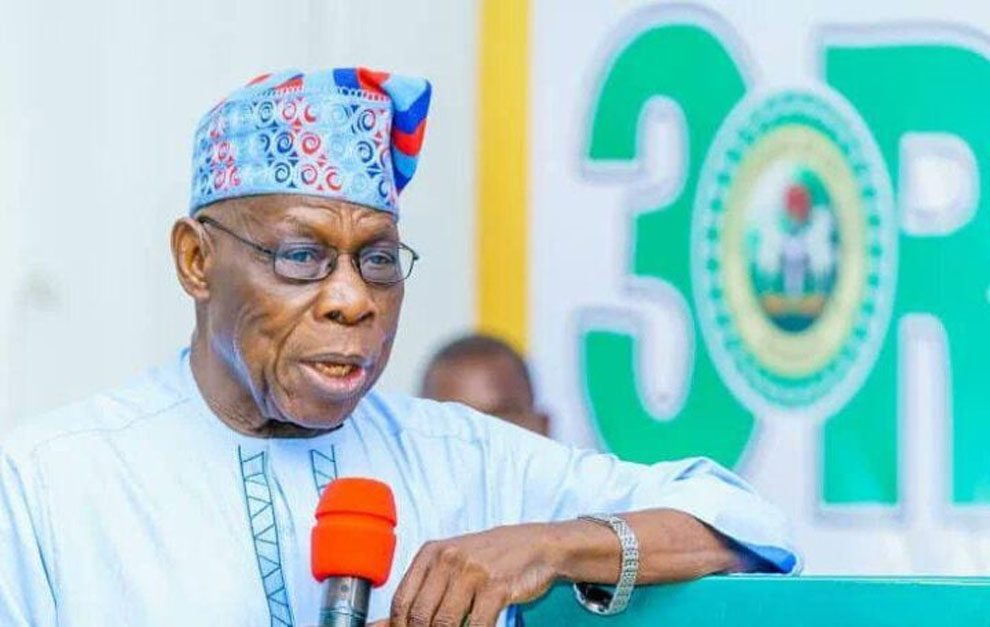
Obasanjo Backs Higher Oil Derivation, Says 13% Is Only the Beginning
Former President Olusegun Obasanjo has backed calls for an increase in the 13 per cent oil derivation fund allocated to oil-producing states, saying the existing arrangement should be regarded as a starting point rather than a final settlement.
Obasanjo made the position known on Monday during the inauguration of the Crude Distillation Unit (CDU) of the $1 billion Azikel Refinery at Obunagha in Yenagoa Local Government Area of Bayelsa State.
Addressing Bayelsa State Governor Douye Diri, the former president acknowledged that oil-producing states and communities had yet to receive what he considered a fair share of the benefits from the exploitation of their natural resources.
“You are right that the states and oil-producing communities have not got a fair deal so far. Thirteen per cent is the beginning. You can continue to talk,” Obasanjo said.
His remarks reinforced renewed demands for a review of Nigeria’s revenue-sharing arrangement, particularly from the Niger Delta, where crude oil production has remained central to the national economy.
Under the existing constitutional framework, oil-producing states receive at least 13 per cent of revenue accruing to the Federation Account directly from natural resources, in line with the principle of derivation.
However, the allocation has remained a source of debate, with stakeholders in the oil-producing region arguing that the revenue does not adequately address the environmental damage, infrastructure challenges and economic difficulties associated with petroleum exploration.
Diri also criticised the existing arrangement, insisting that communities where crude oil is extracted should have a greater say in how the resources are managed and how the resulting wealth is distributed.
READ ALSO:
- How Bandits Demand ₦300m Ransom for Abducted Kaduna Couple, Baby in Viral Video
- 2027 Elections: Atiku Demands Names of INEC Ballot Printers, Questions Secret Contracts
- ₦8.7bn Erosion-Control Budget Gap Raises Questions as Anambra Gullies Expand
The governor argued that the region had endured years of agitation over what residents perceive as an imbalance between the resources extracted from their communities and the benefits they receive.
He also faulted the Land Use Act, arguing that the distinction between state control of surface resources and Federal Government control of resources beneath the ground places oil-producing communities at a disadvantage.
Diri maintained that the Niger Delta was not demanding exclusive ownership of the proceeds from petroleum production but wanted to become a more active participant in decisions affecting the industry.
“We do not want to take all to ourselves. We just want to be co-players in determining how it is done. Thirteen per cent is not enough for the states,” he said.
The governor urged young people in Bayelsa to acquire relevant technical and professional skills to benefit from industrial investments, including the refinery project.
He warned that the presence of major oil and gas facilities would have limited benefits for local communities if residents lacked the expertise needed to secure employment and participate in their operations.
The refinery project, owned by Azikel Petroleum under the Azikel Group, is expected by its promoters to produce about 2.5 million litres of petrol and two million litres of diesel daily, alongside other petroleum products, when completed.
The installation of the crude distillation unit marks a significant stage in the development of the facility, whose foundation was laid by Obasanjo about eight years ago.
The former president commended Azikel Group President, Azibapu Eruani, for sustaining the project and urged him to complete the refinery within the next 12 months.
Obasanjo also acknowledged the contributions of the African Finance Corporation and the African Export-Import Bank (Afreximbank), calling for continued support to bring the investment to completion.
He praised Diri for supporting the project and commended the Bayelsa government for what he described as the productive use of the state’s available revenue.
Eruani said the refinery was conceived to position Bayelsa and the wider Niger Delta as active participants in the petroleum industry rather than merely suppliers of crude oil.
He expressed confidence that the project would support industrialisation, create economic opportunities and strengthen local participation in the oil and gas value chain.
The refinery initiative comes amid continuing debates over resource control, revenue allocation and development in the Niger Delta, with calls for oil-producing communities to receive greater economic benefits from the natural resources extracted from their territories.
Obasanjo Backs Higher Oil Derivation, Says 13% Is Only the Beginning
News
FG Approves Upward Review of Feeding Allowance for NYSC Members
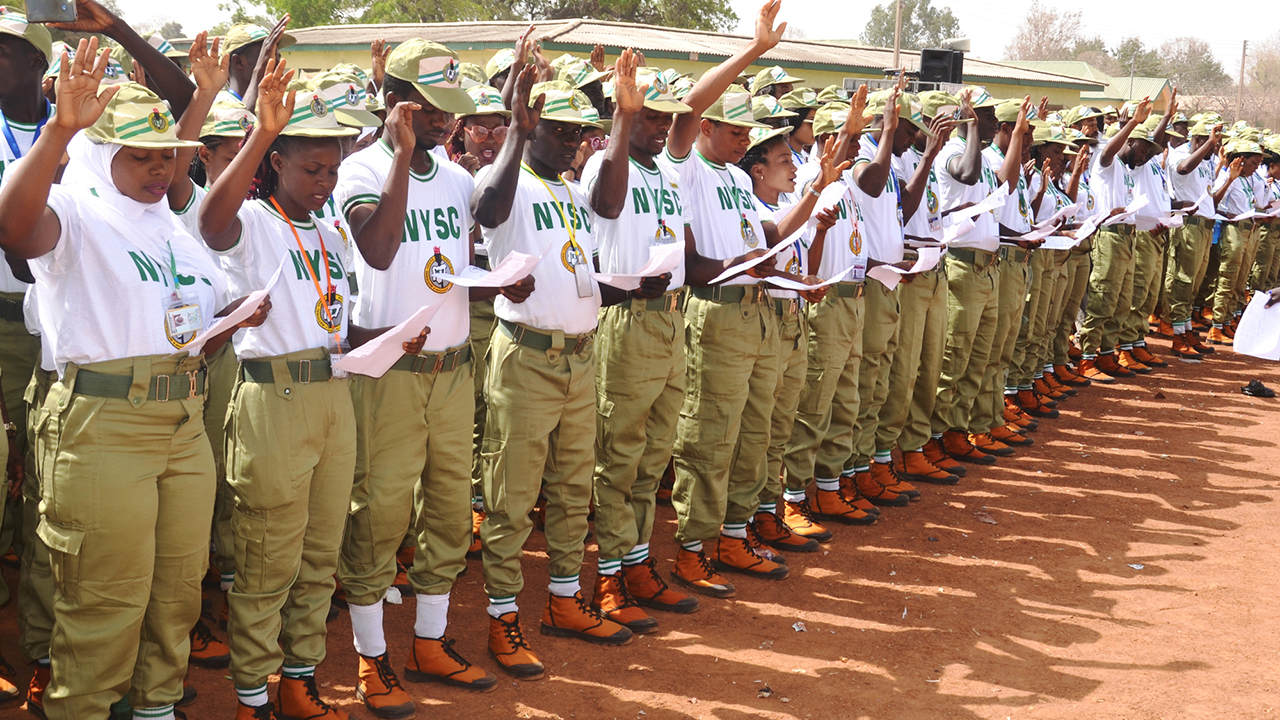
FG Approves Upward Review of Feeding Allowance for NYSC Members
Abuja — The Federal Government has approved an increase in the feeding allowance for members of the National Youth Service Corps (NYSC) during their orientation course, with implementation scheduled to commence in 2027.
The Director-General of the NYSC, Brigadier General Olakunle Nafiu, disclosed this while addressing the 2026 Batch C Stream One corps members at the NYSC Orientation Camp in Obubra, Cross River State.
According to the DG, the Budget Office has already been formally notified of the upward review of the allowance. However, the specific monetary value of the increment was not disclosed during the announcement.
READ ALSO:
- Fuel Subsidy May Ease Hardship Today, But Could Cripple Nigeria’s Economy Tomorrow — FG
- Petrol Price Hike Hits Abuja as MRS, AA Rano, Others Raise Rates Despite FG’s Discount Plan
- Kano Police Explain Blockade of ‘Tinubu Must Go’ Meeting
The approval comes amid persistent calls for improved welfare for corps members, particularly regarding the feeding and general upkeep provided during the mandatory three-week orientation exercise.
Beyond the financial announcement, Brigadier General Nafiu used the platform to counsel the corps members on financial responsibility. He advised them to spend wisely and cultivate a strong savings habit, stressing the importance of prudent resource management during their service year and beyond.
The DG’s visit to the Obubra camp was part of a broader tour to assess the welfare and conditions of corps members currently undergoing orientation across the country.
While the 2027 implementation timeline suggests a waiting period for the current batch, the approval signals the government’s intent to adjust the allowances in line with current economic realities. Further details regarding the exact amount and the modalities for the disbursement are expected to be communicated by the NYSC Directorate in due course.
FG Approves Upward Review of Feeding Allowance for NYSC Members
-

 metro2 days ago
Tension in Kano as Phone Traders Confront Chinese Sellers Over Cheaper Phones
-

 Entertainment2 days ago
‘My Wife Fed Actresses I Was Dating Despite Knowing About Our Affairs’ – Yinka Quadri
-
 metro1 day ago
₦8.7bn Erosion-Control Budget Gap Raises Questions as Anambra Gullies Expand
-

 International2 days ago
US Names 24 More Nigerians in Fresh Fraud, Money Laundering Crackdown
-
 Politics1 day ago
Obi Positioning for SGF Role Under Atiku’s ADC Ticket – Sowore
-

 Africa2 days ago
Djibouti Boat Disaster: 139 Migrants Dead, Dozens Missing
-

 Politics1 day ago
Okonkwo Alleges Return of Subsidy, Accuses NNPC of Plotting Trillions in ‘Lost Profit’
-

 News2 days ago
Oshiomhole Accuses Umahi of Bias in Road Projects, Demands Repairs Before New Construction