Senator Shehu Buba Denies Bandit Links, Says Viral Videos Manipulated - Newstrends
Connect with us

metro

Senator Shehu Buba Denies Bandit Links, Says Viral Videos Manipulated
Published

on

Senator Shehu Buba Denies Bandit Links, Says Viral Videos Manipulated
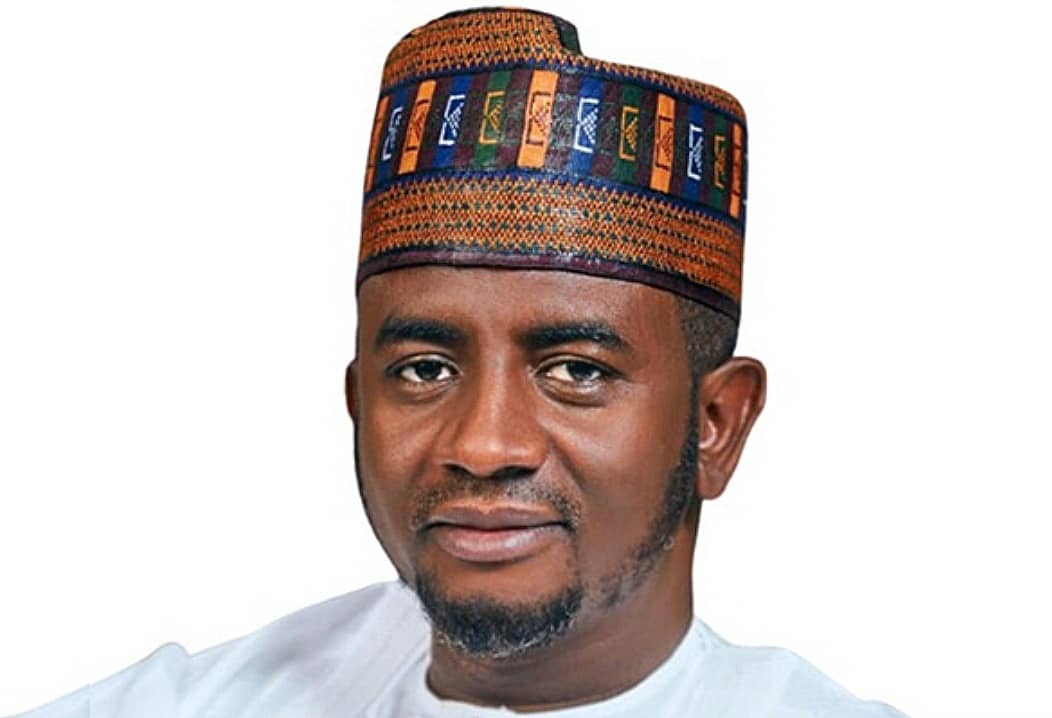
Senator Shehu Buba

Senator Shehu Buba Denies Bandit Links, Says Viral Videos Manipulated

The Bauchi South lawmaker rejects fresh banditry allegations, claims footage was spliced, and challenges accusers to provide evidence as Christian elders demand an independent probe.

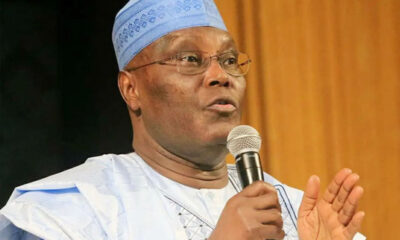
ABUJA, Nigeria – Senator Shehu Buba, representing Bauchi South Senatorial District, has forcefully denied fresh allegations linking him to banditry, describing viral videos and claims circulating on social media as part of a sustained campaign of disinformation and character assassination. Buba, a former Chairman of the Senate Committee on National Security and Intelligence and currently Chairman of the Senate Committee on Livestock and Animal Husbandry, has faced repeated accusations of having links with suspected bandits since 2024—claims he has consistently rejected. The latest controversy erupted after a content creator known as ‘D English Alhaji’ circulated videos allegedly showing suspected bandit kingpins visiting the senator’s residence. The allegations gained further traction after a resident identified as Hassan, in an interview with the social media influencer, accused Buba of being among politicians allegedly aiding bandits in the area. Hassan also claimed that individuals linked to notorious bandit leader Dogo Gide were brought to Abuja for specialised training, purportedly facilitated by an aide of the senator.

In a statement issued on Sunday titled, “Setting the Record Straight: My Response to Fabricated Videos, False Allegations and a Sustained Campaign of Disinformation,” Buba dismissed the allegations as false and malicious. He said a fact-check established that the viral material combined two unrelated clips: one showing Kaduna-based Hajj returnees who visited his residence in 2023, and another showing different individuals displaying passports. “The individuals in the first video spoke Fulfulde; those in the second spoke English. The claim that these clips constitute evidence of bandits visiting my residence is false,” Buba stated. The senator challenged anyone with credible evidence linking him to criminal activities to submit it to the appropriate security agencies, insisting that he had “nothing to hide and nothing to fear from any legitimate investigation”. He also urged journalists, editors, fact-checkers and civil society organisations to independently interrogate the allegations rather than accept viral social media materials at face value.

READ ALSO:

Buba traced the controversy to September 15, 2024, when Umar Shayi allegedly led a militia group described as hunters working for the Bauchi State Agency for Vigilante and Youth Empowerment. The group reportedly killed two charcoal sellers conducting their lawful business. As the elected senator representing the district, Buba said he visited the families of the deceased, demanded justice, and condemned the killings. He alleged that following his intervention, the Bauchi State Commissioner for Internal Security and Home Affairs, Abubakar Bununu, publicly linked his name to banditry—an allegation he rejected as false and unsupported by evidence. Subsequently, Governor Bala Mohammed petitioned President Bola Tinubu, alleging that Buba sponsored a “bandit kingpin” to perform the 2024 Hajj through an aide named Yahaya Ibrahim. Buba categorically denied the allegation, stating he had no aide by that name and inviting security agencies to investigate.

Rather than engage in a public exchange, Buba said he filed a defamation suit, marked CV/413/2024, before the High Court of the Federal Capital Territory. He also stated that he had taken legal action against individuals behind the allegations in courts in Nigeria and Niamey, Niger Republic. According to Buba, after the videos circulated and those sharing them demanded money as extortion, he petitioned the Nigeria Police Force on September 9, 2025. Five suspects were subsequently arraigned on October 30, 2025, before Justice Rita Ofili-Ajumogobia of the Federal High Court, Abuja, on charges including criminal conspiracy, cyberstalking, criminal defamation, advance-fee fraud and extortion. The next hearing is scheduled for September 29, 2026. Meanwhile, Buba disclosed that he had submitted a formal criminal complaint to the Public Prosecutor at the Tribunal of First Instance in Niamey, Niger Republic, through a legal practitioner in that country, seeking the criminal prosecution of Hassan Saleh Hussein for defamation and insult carried out via electronic communication.

Addressing the origin of photographs and videos now circulating online, Buba said a young man identified as Hassan Husseini had been introduced to him in 2024 as an orphan requiring educational assistance. He enrolled the young man in a private college and an Islamic school in Kaduna and also provided him with a bicycle. According to the senator, Husseini later abandoned his education and requested money to establish a car dealership—a request Buba declined, advising him to return to school. “I later discovered that, while under my care, he had recorded photographs and videos of visitors to my residence. These materials later formed the basis of allegations circulated on social media,” Buba said.

READ ALSO:

The controversy has drawn responses from various quarters. The Northern States Christian Elders Forum (NOSCEF) has called for a thorough, independent and transparent investigation into the allegations. The group, in a statement signed by its Chairman, Elder Sunday Oibe, described the allegations as “too serious to be ignored, dismissed, or allowed to be buried under political, ethnic, or religious sentiments”. NOSCEF urged President Bola Ahmed Tinubu, the leadership of the National Assembly, the Department of State Services (DSS) and the National Security Adviser to immediately initiate an investigation capable of establishing the truth or otherwise of the allegations. The group also called on Senator Buba to step aside from his legislative responsibilities pending the conclusion of the investigation, saying this would “demonstrate accountability and enable security agencies to conduct their work without interference or the perception of political influence”. Former Minister of Youth and Sports Solomon Dalung also urged the DSS to make public the outcome of its investigation into the allegations, stressing that the matter should not be treated as a mere political disagreement.

Buba claimed that his decision to leave the All Progressives Congress for the Peoples Redemption Party (PRP) and pursue his governorship ambition had heightened political attacks against him. He recalled that former Bauchi State Governor Mohammed Abubakar made remarks about the source of his wealth in July 2026, which he considered defamatory, and that he had opted for legal action in that instance. “Political disagreement should never justify character assassination. My decision to leave the APC for the Peoples Redemption Party, under whose platform I am pursuing my gubernatorial aspiration, should be debated on policies, competence and vision, not on fabricated allegations,” Buba said. The senator maintained that he was open to public scrutiny but insisted that such scrutiny must be based on verifiable facts. “There is a difference between investigation and fabrication, between criticism and blackmail, and between political opposition and deliberate character assassination,” he stated.

Buba explained that he initially refrained from responding to the allegations because of the sensitive nature of his previous responsibility as Chairman of the Senate Committee on National Security and Intelligence. “National security demands discretion. Operational successes cannot always be publicised without jeopardising ongoing efforts, exposing sources or endangering individuals and communities involved in sensitive interventions,” he said. He also rejected suggestions that his humanitarian and philanthropic activities were designed to conceal improper relationships, saying his sponsorship of pilgrims, educational programmes, medical interventions and empowerment initiatives were based on recommendations from community and religious leaders. Buba emphasised that Nigeria cannot defeat insecurity by military force alone, advocating complementary non-kinetic strategies involving community engagement, dialogue, intelligence gathering, deradicalisation and confidence-building. “Sustainable security requires winning the trust of vulnerable communities, strengthening local intelligence networks and creating pathways for cooperation with legitimate authorities,” he said.

The Bauchi State Police Command said it had no formal basis to comment on the allegations, as no petition had been received from any of the parties. The command’s spokesperson, Nafiu Habib, told Saturday Punch that the matter had not been formally brought before the state police authorities. The Force Public Relations Officer did not respond to calls or messages seeking clarification on the alleged arrests and investigation. A businessman and political ally of Buba, Mukhtar Gwarzo, called on security agencies and other relevant institutions to thoroughly investigate the allegations. Gwarzo, the Managing Director of Nixon Energy and Nixon Telecoms, said the accusations were too serious to be ignored because of their implications for national security. “I am not asking anyone to close their eyes. I am not asking for silence. Let every allegation be thoroughly investigated. Let the DSS speak clearly. Let the National Assembly examine the matter with the seriousness it deserves,” Gwarzo stated.

Senator Shehu Buba Denies Bandit Links, Says Viral Videos Manipulated

Loading

metro

Bauchi Mosque Removes Imam After Tinubu Campaign, Rejects Proposal to Rename Mosque
Published

on

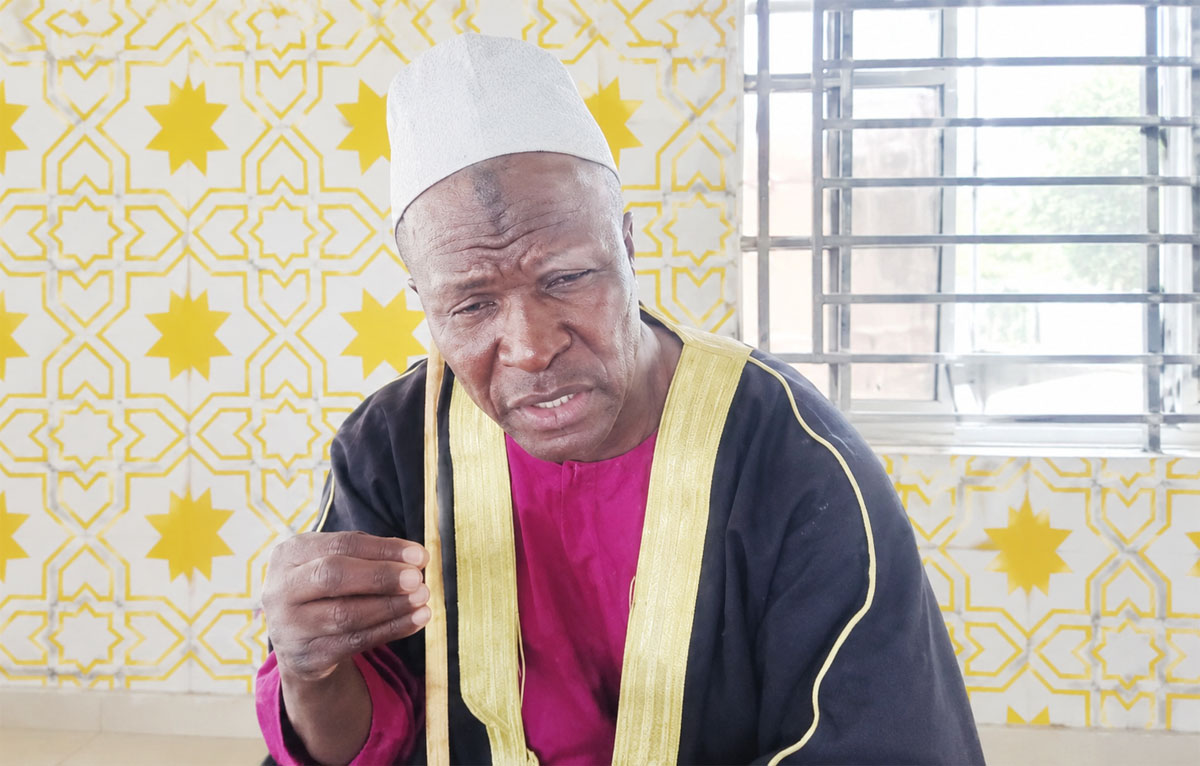
Imam Dahiru Abubakar
Bauchi Mosque Removes Imam After Tinubu Campaign, Rejects Proposal to Rename Mosque

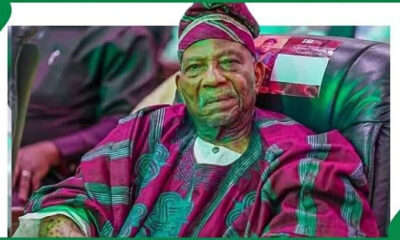
A mosque committee in Bauchi metropolis has removed Imam Dahiru Abubakar after he repeatedly urged worshippers to support President Bola Ahmed Tinubu’s re-election bid in 2027, triggering a dispute over the use of religious institutions for partisan political activities.

Abubakar served as the imam of Masjid Abdullahi Bin Zubbair in Madina Quarters, Bauchi, where he reportedly used sermons delivered after obligatory prayers to defend Tinubu’s administration against criticism over insecurity and economic hardship.

The cleric argued that the country’s challenges should not be blamed entirely on the President, describing insecurity and economic difficulties as problems requiring divine intervention, prayer and greater fear of God.

He also urged worshippers to give Tinubu another opportunity in the 2027 presidential election, maintaining that the country’s problems could not be resolved simply by blaming political leaders.

The disagreement reportedly intensified after Abubakar repeated his political messages following the early morning Subhi prayer on Sunday, October 18, 2026, despite previous warnings from the mosque committee.

Abubakar defended his position, saying his preaching was intended to encourage Nigerians to pray for the country rather than continually blame leaders for its difficulties.

“My preaching centred on telling people to embrace fear of God and stop blaming leaders for the insecurity,” he said, according to reports.

He cited security challenges in other African countries, including Sudan, Chad and Mali, questioning whether Tinubu could be held responsible for crises in those nations.

The imam maintained that he had encouraged worshippers to stop criticising Tinubu over insecurity and economic hardship and to support his administration for another term.

However, the mosque committee said the decision to remove him was not based solely on his political views but also on his alleged attempts to turn the mosque into a venue for political gatherings.

The committee’s chairman, Imam Abubakar Jibrin, confirmed the removal, explaining that the management had cautioned Abubakar several times against bringing partisan political activities into the mosque.


Jibrin alleged that the imam had been gathering people inside and outside the mosque to discuss politics despite repeated warnings. He said the committee considered the practice inappropriate for a place primarily dedicated to worship.

“We vehemently rejected the use of the mosque for political meetings,” Jibrin said, adding that the committee had repeatedly appealed to the imam to stop the practice.

According to the chairman, the committee’s position was that political meetings and campaign activities should take place at designated political venues rather than within mosque premises.

Jibrin also disclosed that the committee had convened discussions to address the matter before deciding to remove Abubakar. He indicated that the decision was final and that the former imam would not be reinstated.

Another major point of disagreement was the reported proposal to rename the mosque after Tinubu.

Jibrin said Abubakar had pushed for the mosque’s name to be changed from Masjid Abdullahi Bin Zubbair to Masjid Imam Bola Ahmed Tinubu. The committee unanimously rejected the proposal, insisting that the mosque belonged to the community and that its name should remain unchanged.

The chairman maintained that the committee was not campaigning for or against any presidential candidate but was determined to prevent the mosque from becoming a platform for partisan political mobilisation.

He suggested that anyone wishing to use a mosque exclusively for political activities should establish or acquire a separate facility rather than impose such an agenda on a community-owned place of worship.

The development has drawn attention to the debate over the role of religious leaders in Nigeria’s political process as preparations for the 2027 general elections gather momentum.

While religious leaders have the right to discuss governance and national challenges, the Bauchi incident highlights the tensions that can arise when sermons are perceived as direct endorsements of a political candidate.

Tinubu’s re-election ambition has generated differing reactions among religious leaders and political groups, with supporters defending his administration and critics pointing to insecurity, economic hardship and the rising cost of living.

The Bauchi mosque committee’s decision reflects its stated position that the mosque should remain focused on worship rather than serve as a venue for political meetings or campaign activities.

For Abubakar, however, his defence of Tinubu was rooted in his belief that prayer and faith were essential to addressing Nigeria’s challenges and that the President should not be blamed for every difficulty confronting the country.

The dispute leaves the mosque’s management and the former imam with sharply different views about the boundaries between religious preaching, political expression and the administration of community-owned places of worship.


Bauchi Mosque Removes Imam After Tinubu Campaign, Rejects Proposal to Rename Mosque

Loading

Continue Reading

metro

Shettima Blasts States Over Power Woes, Says Govs Must Stop Waiting for Abuja
Published

on

Shettima Blasts States Over Power Woes, Says Govs Must Stop Waiting for Abuja
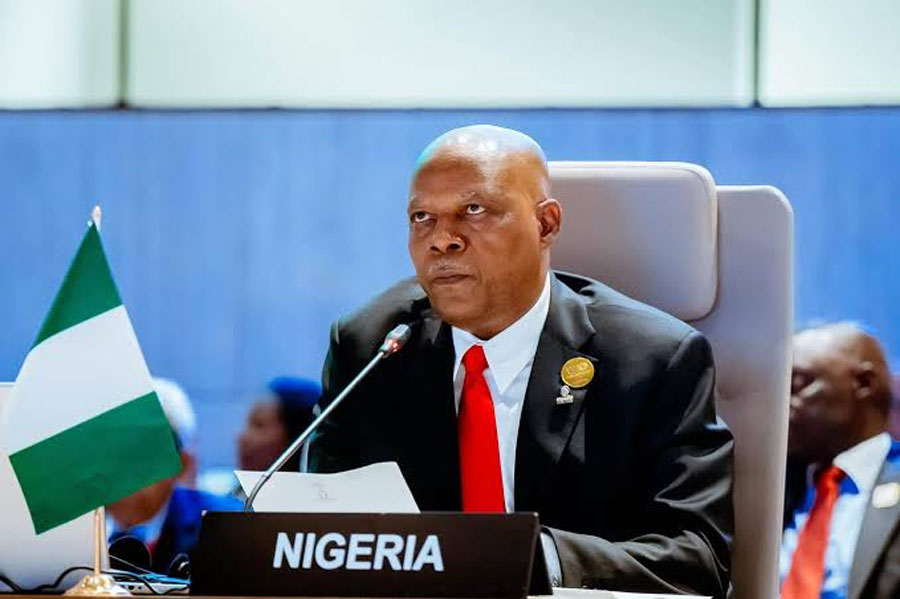
Vice President Kashim Shettima

Shettima Blasts States Over Power Woes, Says Govs Must Stop Waiting for Abuja

Vice-President Kashim Shettima has challenged state governments to take responsibility for addressing electricity problems in their jurisdictions, urging them to stop depending on the Federal Government for solutions and establish functional power markets.

Shettima made the call on Wednesday while declaring open the National Stakeholders’ Workshop on the Electricity Act 2023 at the State House Banquet Hall, Presidential Villa, Abuja.

Represented by the Deputy Chief of Staff to the President, Senator Ibrahim Hadejia, the Vice-President said Nigeria’s ambition to build a competitive industrial economy would remain constrained unless electricity reforms delivered reliable power to businesses, households and public institutions.

He said the Electricity Act 2023 had created an opportunity for states to decentralise electricity governance and develop power markets that reflect their economic needs and available energy resources.

“Electricity supply must become a shared responsibility, pursued with innovation and accountability across the Federation. Our States must shed the habit of waiting for Abuja to provide every answer,” he said.

Shettima identified the country’s diverse energy resources as an opportunity for states to expand electricity access and attract investment. He cited the solar energy potential of Sokoto, Borno and Katsina states, the gas resources of Delta, Rivers and Bayelsa states, and the hydroelectric opportunities in Niger and Kebbi states.

READ ALSO:

He urged governors to harness these resources to support agriculture, manufacturing, healthcare, education and other economic activities.

The Vice-President also warned that passing laws alone would not improve electricity supply, insisting that states must establish the institutions needed to regulate and manage their electricity markets effectively.

“Legislation cannot implement itself. States yet to act must begin their legislative and institutional preparations promptly. They need to establish functional electricity regulatory bodies with technical competence and capacity,” he said.

To accelerate implementation, Shettima proposed a voluntary National Electricity Reform Peer Review and Implementation Framework involving the Nigerian Electricity Regulatory Commission (NERC), the Federal Ministry of Power, the Nigeria Governors’ Forum and state electricity regulators.

The proposed framework would allow states to exchange experiences, strengthen regulatory capacity and assess their progress in electricity market development, investment readiness, consumer protection and access to electricity.

He said periodic reviews would help identify implementation challenges, encourage technical assistance and enable states to learn from jurisdictions that had made progress, without undermining their constitutional powers.

Shettima further stressed that government funding alone could not finance the transformation required in the electricity sector, calling for greater participation by private investors.

He said transparent licensing procedures, predictable regulations, commercially viable electricity markets, investment safeguards and credible dispute-resolution mechanisms would help build investor confidence.

The Vice-President also called for stronger consumer protection, warning against arbitrary billing, poor service delivery and unfair commercial practices. He maintained that electricity operators must be held accountable for the quality of service provided to consumers.

“The final verdict on this law will be delivered wherever a Nigerian reaches for a switch,” he said, stressing that the success of the reforms should ultimately be measured by improvements in electricity supply and the daily lives of Nigerians.

Meanwhile, the Director-General of the Nigeria Governors’ Forum, Abdulateef Shittu, said the forum was working on a standard tariff framework for state electricity markets, with the aim of protecting consumers while encouraging investment.

The Head of Compliance at NERC, Hauwa Yakubu, disclosed that the commission had issued regulatory transfers to 17 states, allowing them to assume regulatory responsibilities for electricity markets within their territories.

She said the commission was supporting emerging state regulators through technical engagement and peer-to-peer training.

Signed into law by President Bola Ahmed Tinubu in June 2023, the Electricity Act 2023 provides a framework for states to regulate electricity generation, transmission and distribution within their jurisdictions, subject to the applicable constitutional and statutory provisions. The national regulator retains oversight of electricity matters that fall within federal jurisdiction.

The law is expected to encourage competition, attract investment and expand electricity access. However, its impact will depend on effective implementation, functioning regulatory institutions and the ability of state governments to develop sustainable electricity markets.

Shettima Blasts States Over Power Woes, Says Govs Must Stop Waiting for Abuja

Loading

Continue Reading

metro

Fourth Gas Leak in Six Months: Over 100 Ogun Pupils Hospitalised, Schools Shut as Parents Panic
Published

on

Fourth Gas Leak in Six Months: Over 100 Ogun Pupils Hospitalised, Schools Shut as Parents Panic

Fourth Gas Leak in Six Months: Over 100 Ogun Pupils Hospitalised, Schools Shut as Parents Panic

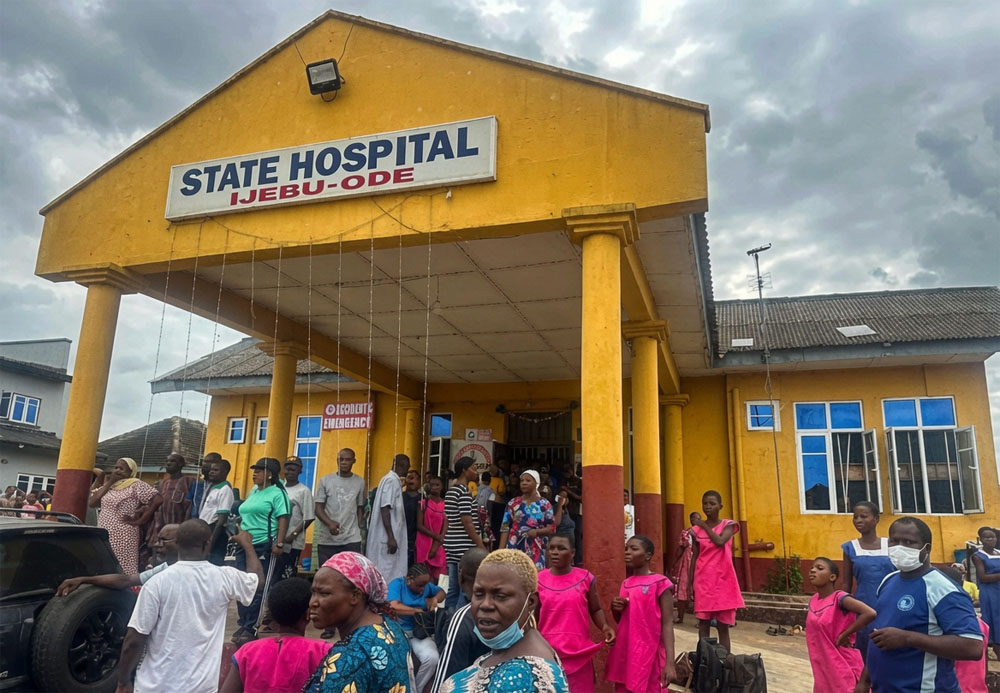
A fresh methane gas emission has forced schools to shut down and sent more than 100 pupils to hospitals across Ijebu-Ode, Ijebu-Igbo and Ago-Iwoye — the fourth such incident in Ogun State since April — as anxious parents demand answers and the government insists the situation is under control.

The incident unfolded on Wednesday morning, with students and staff at several secondary schools beginning to experience breathing difficulties at about 10 a.m. after inhaling an offensive gaseous substance. Some pupils fainted and were rushed to the State Hospital in Ijebu-Ode, the General Hospital in Ijebu-Igbo and other healthcare facilities for treatment. Among the worst-hit schools were Ijebu-Igbo Girls Grammar School, Anglican Girls Grammar School in Ijebu-Ode (both public and private sections), and Itamerin Comprehensive High School in Ago-Iwoye. A video circulating on social media showed pupils fainting as panic spread through the affected communities. A teacher at one of the affected schools, who spoke on condition of anonymity, said some schools in Ago-Iwoye were forced to close around 11 a.m. as the situation became “frightening and unbearable.” Worried parents rushed to the schools to pick up their children, with the teacher adding: “Nobody knows what is happening.”

A government assessment team visited the General Hospital in Ijebu-Ode, where more than 30 students were treated. According to medical findings, the symptoms included shortness of breath, stomach disorders and drowsiness. While some students required oxygen to stabilise their conditions, others received less intensive medical attention. By the time the assessment team left the hospital, most of the students had been discharged, while a few remained under medical observation. The team subsequently visited Ijebu-Igbo Girls Grammar School for further assessment. Findings indicated that the odour was not limited to school premises, as residents in neighbouring areas also reported experiencing it. The Chairman of Ijebu North Local Government Area confirmed perceiving the odour at the council secretariat. A team from the Nigerian Upstream Petroleum Regulatory Commission (NUPRC) also arrived at the scene to participate in the assessment and investigation.

READ ALSO:

Wednesday’s incident is the fourth reported gas emission in the Ijebu area since April 2026. The first incident in April affected about 40 students, while more than 120 were hospitalised following another exposure in May. A further 69 students were hospitalised on June 1 after a similar occurrence. Previous incidents affected schools including Our Lady of Apostles Secondary School in Ijebu-Ode, Anglican Girls Grammar School in Ijebu-Ode, and St Anthony Grammar School in Ijebu-Imusin. The recurrence has heightened anxiety among parents, teachers and residents, who are demanding that the government establish the precise source of the emissions and implement a lasting solution. TheCable reported in September that the Commissioner for Environment, Ola Oresanya, said the investigation that began in June had yet to be concluded.

The Ogun State Government has identified the substance as methane and linked the emissions to natural geological factors, specifically underground fractures along tectonic fault lines in the region. Kehinde Bello, General Manager of the Ogun State Environmental Agency, who visited the affected areas, said investigations indicated the phenomenon was “a natural occurrence associated with geological and tectonic fault lines, rather than sabotage or a gas pipeline leak.” He urged residents to remain calm and advised those exposed to the odour to cover their noses and mouths with wet handkerchiefs rather than wear nose masks. The state Commissioner for Environment, Ola Oresanya, said the government was “on top of the situation.” He also noted that the affected areas fall within the Ifewara-Zungeru Trans-Atlantic fault line, which stretches from Mojoda through Ijebu-Ode to Osun and Niger states. Governor Dapo Abiodun had previously said the state was working with the Ministries of Environment and Health, the Nigerian Midstream and Downstream Petroleum Regulatory Authority, and the Department of Geology at Olabisi Onabanjo University to determine the root cause of the emissions. Gas analysers were installed in affected schools after earlier incidents.

The recurring gas emissions have exposed a serious gap in environmental safety for schoolchildren in Ogun State. Despite government assurances that the situation is under control, the fact that this is the fourth incident in six months — with hundreds of pupils affected cumulatively — raises urgent questions about whether adequate measures have been taken to protect students and staff. The government has said it is awaiting a final report from professionals handling the investigation, but for parents and teachers in the affected communities, the wait has already come at a significant cost.

Fourth Gas Leak in Six Months: Over 100 Ogun Pupils Hospitalised, Schools Shut as Parents Panic

Loading

Continue Reading

Trending