

News
State Police Framework Ready Soon, Presidency Tells Nigerians
State Police Framework Ready Soon, Presidency Tells Nigerians
The presidency said Thursday that a constitutional amendment to establish state police will soon happen following months of consultations between the executive, the National Assembly, and security authorities.
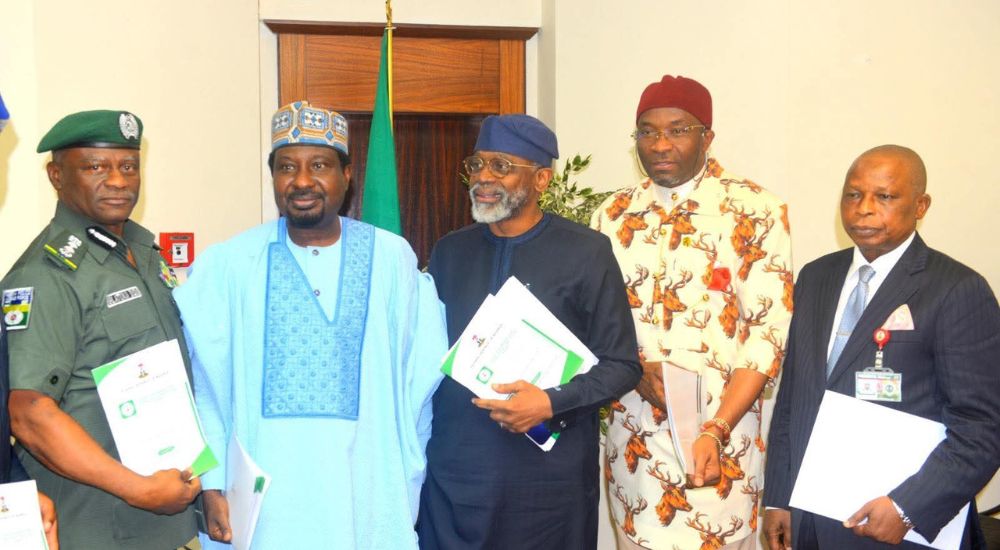
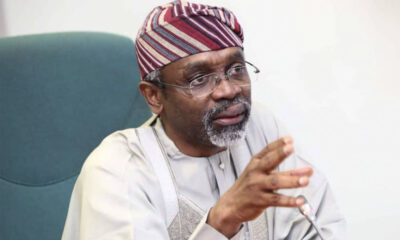
President Bola Tinubu’s Chief of Staff, Femi Gbajabiamila, briefed correspondents after a consultative meeting at the State House, Abuja, on Thursday, June 4, 2026. According to Gbajabiamila, discussions on the proposed state police framework began several months ago following a directive by President Bola Tinubu, and substantial progress has been achieved in developing the legal and constitutional pathways required for implementation.
“We started deliberations in the last three or four months on how to go about the establishment of state police as directed by Mr President,” he said. “Establishing state police is not something that you do with the snap of the fingers. There is a lot involved in terms of constitution and legalities, and thank God we have now gained a lot of traction.” Gbajabiamila expressed optimism that the constitutional amendment required to create state police would be introduced soon. “Hopefully, the amendment will come shortly, and the details of the amendment will come after that,” he added.
According to the Chief of Staff, the current focus is on the constitutional amendment itself, while enabling legislation would follow afterwards to define operational procedures and administrative frameworks for state police across the country. “Right now, what we are looking at is the constitutional amendment itself, and then the enabling law would follow thereafter. That is what we have been deliberating on in the last couple of hours,” Gbajabiamila stated. He further noted that there is now broad national consensus on the need for state police, stressing that discussions had evolved beyond the question of whether state police should exist. He said the focus had shifted toward ensuring the establishment of an effective legal and institutional framework capable of guaranteeing accountability and efficient operations.
READ ALSO:
- Kidnapping in South-West Is a Business, Not a Religious War — Ex-Minister Olanrewaju
- Osun 2026: Accord Party Chairman Shot in Osogbo as Police Begin Investigation
- FG Considers Tougher Age Limits for Social Media Use by Children
President Tinubu will receive a full report on the meeting’s outcome. He has consistently backed decentralised policing as a necessary response to Nigeria’s evolving security challenges, maintaining that such a structure would improve grassroots security, enhance intelligence gathering, and better protect lives and property across the country.
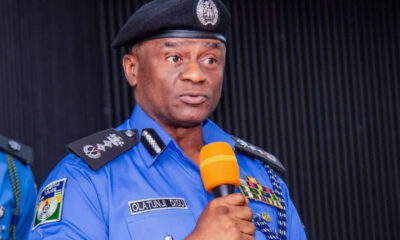
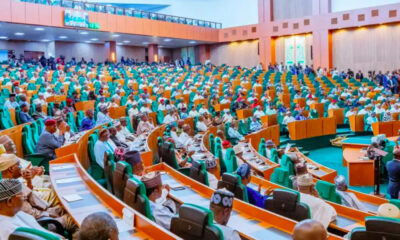
The consultative meeting was attended by a cross-section of senior government officials, demonstrating the administration’s commitment to the initiative. Those present included Deputy Senate President Jibrin Barau, Deputy Speaker of the House of Representatives Benjamin Kalu, Attorney-General of the Federation and Minister of Justice Lateef Fagbemi (SAN) , and Inspector-General of Police Tunji Disu. The meeting formed part of ongoing consultations by the Federal Government aimed at developing a workable and nationally acceptable framework for state police to enhance internal security and improve the ability of sub-national governments to tackle emerging security challenges.
The Thursday meeting followed recent kidnappings across the country that have reignited calls for security sector reforms. In May 2026, armed gunmen on motorcycles attacked schools in the Ahoro Esinle community of Oriire Local Government Area in Oyo State and abducted at least 39 pupils and 7 teachers. The assailants eventually killed one of the teachers in captivity. According to reports, the attackers stormed three schools on May 15, 2026 — Baptist Nursery and Primary School, Yawota; Community Grammar School, Esiele; and L.A. Primary School, Esiele — in what has been described as a highly organized operation. The attack marked one of the first mass school abductions of its scale in the South-West, a region previously considered relatively insulated from the mass kidnapping crises that have plagued Northern Nigeria.
Governor Seyi Makinde reported 32 total abductions and took decisive action in response to the crisis. The Oyo State Government ordered the immediate suspension of all school excursions, field trips, inter-school sports competitions, and any extracurricular activities that require students to leave school premises. The Ministry of Education issued a circular directing all school administrators to comply with the suspension until further notice, citing growing security concerns across the state.
The abduction took a tragic turn when reports emerged that a mathematics teacher, Michael Oyedokun, was later beheaded by his captors. Another teacher, identified as Joel Adesiyan (also reported as Adesiyan Adegboye), was killed during the initial raid on the schools. The deaths have sparked national outrage and triggered protests by teachers across the country. In a message marking Eid-al-Adha and National Children’s Day, Governor Makinde expressed deep solidarity with the families of the abducted school children and teachers. “As we mark this year’s Eid and Children’s Day, our thoughts are with every family awaiting the return of their loved ones, and with security agencies working to keep our communities safe,” he wrote on his official X handle. He reassured the state of his administration’s efforts to resolve the crisis, stating, “We are working to ensure the safe return of those who were kidnapped in Oriire LGA.”
The Oyo school abduction has triggered nationwide protests by the Nigeria Union of Teachers (NUT) . Members of the NUT, Kwara State wing, joined the nationwide solidarity rally organised by the national body of the union to protest the abduction and continued captivity of teachers and pupils. The rally, held in Ilorin, the Kwara State capital, saw teachers marching with placards bearing inscriptions such as “From Chibok to Oriire: Our children are still crying,” “We say no to attacks on schools,” and “Stop the killing and maiming of teachers in Nigeria.” The Deputy Secretary-General of the NUT in Kwara State, Mike Modesty, lamented that the victims had remained in captivity since May 15, adding that the continued attacks on teachers and learners showed that the government had not done enough to protect schools. “They have been abducted since May 15. One teacher has been killed and the remaining ones are still in captivity. And we are hearing that the bandits want to negotiate. Negotiate what? The lives of our children and the teachers?” he said.
The push for state police has gained renewed momentum amid growing concerns over insecurity and increasing calls for a more decentralised policing structure capable of addressing local security challenges across the federation. Supporters of the initiative have argued that Nigeria’s centralised policing structure has become overstretched amid rising security concerns including insurgency, banditry, kidnapping, and communal violence. Some states have already established regional and local security outfits, such as Amotekun in the South-West, but these operate without full constitutional backing. However, opponents have continued to raise concerns about possible political interference and the potential misuse of state police by state administrations, urging the inclusion of robust legal safeguards to prevent abuse. The state police bill has been one of the most contentious constitutional matters since 1999, with northern governors and some civil society groups previously expressing reservations. Nonetheless, Gbajabiamila expressed confidence that there is now a national consensus on the necessity of the reform.
The constitutional amendment, once finalised, will be presented to the National Assembly for consideration before the enabling legislation that will define the operational procedures and administrative frameworks for state police across the country. President Tinubu will receive a comprehensive briefing on the outcome of the meeting and the progress made toward actualising the long-awaited security reform. According to the administration, a decentralised policing structure would strengthen grassroots security, improve intelligence gathering, and enhance protection of lives and property across the country.
State Police Framework Ready Soon, Presidency Tells Nigerians





News
Delta Mourns as Former Governor Uduaghan Dies After Brief Illness
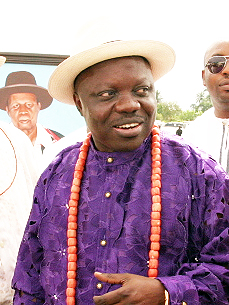
Delta Mourns as Former Governor Uduaghan Dies After Brief Illness
A former Governor of Delta State, Dr Emmanuel Eweta Uduaghan, has died at the age of 71 after a brief illness, his family announced on Monday.
Uduaghan, who governed Delta State for eight years between 2007 and 2015, died on the morning of October 19, 2026, according to a statement issued by the family and signed by Toju Andre Uduaghan.
The family described his death as a devastating loss, saying his life and years of public service touched many people across Delta State and Nigeria.
The statement, titled “Announcement of the Passing of His Excellency, Dr Chief Emmanuel Eweta Uduaghan,” read in part, “It is with hearts weighed down by immeasurable grief and profound sorrow that we announce the passing to glory of our beloved Father, Brother, Uncle, and Patriarch.”
The family said Uduaghan was a source of strength and a respected elder whose contributions to public service and family life would remain indelible.
“He served as Commissioner for Health from 1999 to 2003, Secretary to the Delta State Government from 2003 to 2007, and Governor of Delta State from 2007 to 2015,” the statement said.
It added that throughout his years in public service, the former governor demonstrated a commitment to the human and infrastructural development of the state.
The family described his death as a profound loss not only to his relatives but also to the people of Delta State and the country at large.
While expressing gratitude to God for his life and legacy, the family prayed for the repose of his soul and for divine comfort for those mourning his death.
“We pray that Almighty God, in His infinite mercy, will grant his soul eternal rest and comfort our family, friends, associates, former colleagues, and all who mourn this painful loss,” the statement added.
The family said Uduaghan’s memory would remain alive through the lives he touched and the legacy he left behind.
“Rest well, our beloved Father, Brother, and Uncle. Your memory will forever remain in our hearts, and your legacy will endure in the lives of those you touched,” it said.
The statement concluded with a prayer for the peaceful repose of his soul.
News
FG Challenges World Bank’s 124% Debt-to-Revenue Warning, Cites Rising Income
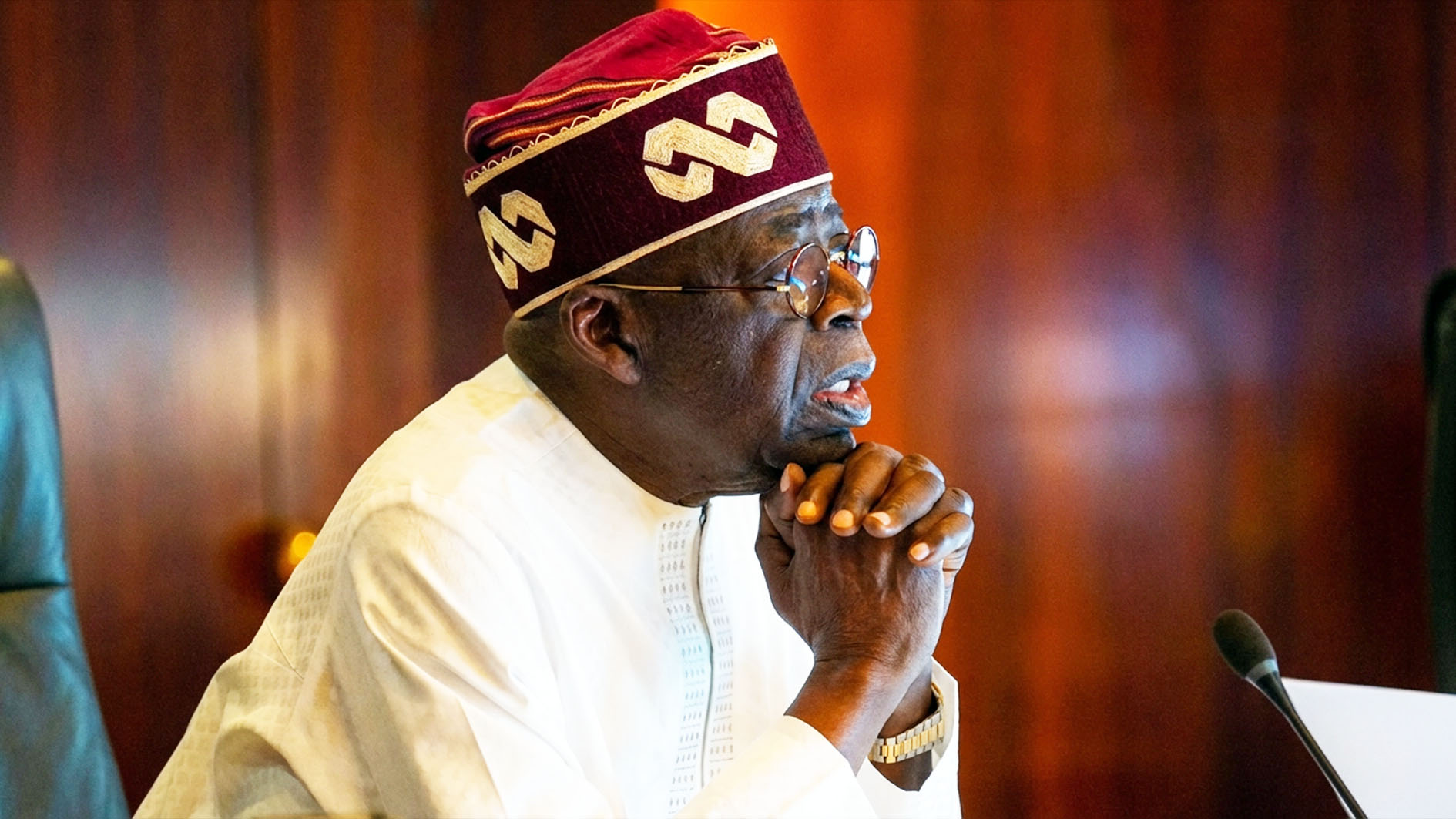
FG Challenges World Bank’s 124% Debt-to-Revenue Warning, Cites Rising Income
The Federal Government has disagreed with the World Bank’s assessment that its interest payments consumed 124 per cent of revenue in the first half of 2026, describing the calculation as misleading and arguing that it fails to capture the full picture of Nigeria’s public finances.
The dispute followed the World Bank’s October 2026 Nigeria Development Update, which reported that the Federal Government spent ₦7.7 trillion on interest payments between January and June 2026, compared with revenue of ₦6.2 trillion.
The figures imply an interest-to-revenue ratio of approximately 124 per cent, meaning the government’s interest bill exceeded its reported revenue by about ₦1.5 trillion during the six-month period.
However, the Federal Ministry of Finance, in a statement issued on Sunday, October 18, argued that the comparison combined debt obligations covering different tiers of government with a revenue figure that did not include all government earnings.
The ministry said the interest-payment figure included debts serviced by the Federal Government on behalf of other tiers of government, including external loans obtained by state governments.
It argued that comparing these obligations with federal revenue alone overstated the ratio because the figures did not cover the same level of government.
The ministry also said the revenue figure excluded independent income already earned by government agencies and enterprises but not yet remitted to the Treasury.
According to the ministry, the timing of tax collections also affects first-half revenue figures, as some statutory payments are concentrated in the second half of the year. It therefore maintained that a six-month comparison should not be treated as a definitive assessment of Nigeria’s debt sustainability.
READ ALSO:
- Mbappé Runs Riot as Real Madrid Crush Sevilla 4-1 Ahead of El Clásico
- Ogun House Fire Horror: Husband Arrested After Wife Dies Following Domestic Dispute
- NLC, Falana Mobilise Nigerians Against Petrol Price Hike, Mount Pressure on Tinubu Govt
To support its position, the government highlighted an improvement in revenue collection between the first halves of 2025 and 2026.
The ministry said Federal Government revenue increased by 72 per cent, rising from ₦3.6 trillion in the first half of 2025 to ₦6.2 trillion in the corresponding period of 2026.
Interest payments, meanwhile, rose by 38 per cent, from ₦5.6 trillion to ₦7.7 trillion over the same period.
The ministry said the difference between interest payments and revenue consequently narrowed from ₦2 trillion in the first half of 2025 to ₦1.5 trillion in the first half of 2026.
It added that the interest-to-revenue ratio fell from 156 per cent to 124 per cent, a decline of 32 percentage points.
The government attributed the improvement to its economic reforms, arguing that revenue was growing faster than interest costs and that the figures did not, on their own, establish that Nigeria was facing a debt crisis.
The ministry further argued that debt sustainability should be assessed using full-year figures, rather than a six-month snapshot that may not reflect the timing of revenue collection and debt payments.
It cited the World Bank’s projection that Nigeria’s full-year 2026 debt service, covering both interest and principal repayments, would amount to 46 per cent of revenue.
The ministry described the projected full-year ratio as a more appropriate benchmark for assessing the government’s debt obligations.
It also defended the Federal Government’s borrowing programme, insisting that borrowing remained within the limits approved by the National Assembly under the 2026 Appropriation Act and the approved borrowing plan.
According to the ministry, the government’s borrowing activities comply with the Fiscal Responsibility Act 2007 and the Debt Management Office (Establishment) Act 2003, with debt information published regularly by the Debt Management Office.
Despite the government’s objections, the reported figures highlight the pressure that rising interest costs can place on public finances. When interest payments absorb a large share of government revenue, fewer resources may be available for infrastructure, healthcare, education and other public services.
The central disagreement, therefore, concerns the appropriate basis for measuring Nigeria’s debt burden. While the World Bank’s reported figures point to interest payments exceeding federal revenue in the first half of 2026, the Finance Ministry insists that differences in government coverage and revenue timing make the ratio an incomplete measure of the country’s fiscal position.
FG Challenges World Bank’s 124% Debt-to-Revenue Warning, Cites Rising Income
News
NLC, Falana Mobilise Nigerians Against Petrol Price Hike, Mount Pressure on Tinubu Govt

NLC, Falana Mobilise Nigerians Against Petrol Price Hike, Mount Pressure on Tinubu Govt
The Nigeria Labour Congress (NLC), human rights lawyer Femi Falana, and pro-democracy activists have called on Nigerians to unite against rising petrol prices and worsening economic hardship, accusing the Federal Government of pursuing policies that have placed an unbearable burden on workers and low-income households.
The labour leaders and activists made the call at a symposium in Lagos held as part of the first memorial activities in honour of late labour activist Abiodun Aremu. They demanded an immediate reduction in petrol prices, improved wages and a review of economic policies they said had eroded the purchasing power of millions of Nigerians.
NLC President, Joe Ajaero, represented by the union’s Acting General Secretary, Benson Upah, said the removal of the petrol subsidy had significantly increased the cost of living, citing rising transport fares, food prices, electricity tariffs and the depreciation of the naira.
Ajaero said workers were struggling to meet basic needs as the cost of essential goods and services continued to rise faster than their earnings.
He argued that many workers had been forced to make difficult choices between paying high transportation costs and walking long distances to their workplaces, while small businesses were also struggling with increasing operating expenses.
The labour leader further criticised the government for failing to provide sufficient relief to cushion the effects of its economic reforms, arguing that the burden of adjustment had fallen disproportionately on ordinary Nigerians.
According to him, the ₦70,000 national minimum wage has lost much of its purchasing power amid rising inflation and the soaring cost of petrol.
“When the minimum wage was set at ₦70,000 in July 2024, petrol sold for approximately ₦668.30 per litre. Today, prices in many parts of the country have exceeded ₦1,400 per litre,” the NLC said in its address.
READ ALSO:
- Buhari Feared Tinubu Presidency, Resisted Pressure to Back Him – Baba-Ahmed Claims
- NAFDAC Probes Corps Member’s Death at Enugu Camp as Fake Drug Claims Emerge
- Nigerian Universities Have Not Expired, Only Teaching Methods, Professor Tells Ojuolape
Ajaero described the situation as unacceptable, insisting that a worker earning ₦70,000 monthly could no longer cope with the rising cost of transportation, food, rent, education and healthcare.
He warned that organised labour would intensify pressure on the government if urgent measures were not taken to address the situation.
The NLC president also disclosed that the union had issued a two-week ultimatum to the Federal Government on October 9, demanding an immediate reduction in petrol prices.
He said the ultimatum was intended to compel the government to respond to workers’ concerns and address the widening gap between wages and the cost of living.
According to the union, failure to meet its demands could force organised labour to consider further action.
Beyond petrol prices, the NLC called for measures to stabilise the naira, reduce inflation, strengthen domestic refining capacity and improve workers’ earnings.
Falana, who chaired the symposium, also challenged the Federal Government’s position on petrol subsidy removal, arguing that governments in other countries continued to subsidise essential goods and services to protect citizens from economic shocks.
The Senior Advocate of Nigeria questioned why Nigeria should treat the withdrawal of petrol subsidies as the only available policy option when other countries provide support for fuel, education, healthcare and other essential services.
He argued that the government should consider alternatives capable of reducing the burden on households rather than allowing rising energy costs to deepen poverty.
Falana also criticised the government’s discussion of a possible petrol landing cost of ₦1,350 per litre, noting that transportation and distribution expenses could push the final pump price higher in different parts of the country.
He said Nigerians needed concrete measures that would make petrol more affordable and ease the pressure on households and businesses.
The lawyer also referred to political figures, including Omoyele Sowore and Donald Duke, who he said had advocated petrol prices below ₦500 per litre if given the opportunity to govern.
Meanwhile, Rashidat Adesina, representing the Joint Action Front (JAF), said the increase in petrol prices since the removal of the subsidy in 2023 had placed a disproportionate burden on workers and poor Nigerians.
Adesina recalled that petrol sold for approximately ₦165 per litre before the subsidy was removed, before rising to around ₦500 and subsequently ₦600 per litre.
She said prices had since climbed to between ₦1,350 and ₦1,400 per litre in some locations, depending on the filling station.
Using ₦1,400 per litre as an example, Adesina noted that a worker earning the national minimum wage of ₦70,000 could purchase only 50 litres of petrol with an entire month’s salary.
She argued that the calculation illustrated the pressure on workers, who must also pay for food, rent, school fees, transportation and other household necessities.
Adesina further accused the government of failing to adequately protect low-income earners from the consequences of its economic policies, calling for a change in the country’s economic priorities.
The speakers collectively demanded lower petrol prices, better wages, measures to stabilise the naira and increased investment in domestic refining as part of efforts to address the cost-of-living crisis.
The renewed calls come amid mounting pressure on the Tinubu administration over the impact of petrol subsidy removal and other economic reforms introduced since 2023.
The NLC’s ultimatum has also raised the prospect of further confrontation between organised labour and the Federal Government if an agreement is not reached within the stipulated period.
The labour movement maintains that urgent intervention is necessary to prevent further deterioration in workers’ living standards, while the activists have urged Nigerians to unite in demanding policies that prioritise economic relief and social welfare.
NLC, Falana Mobilise Nigerians Against Petrol Price Hike, Mount Pressure on Tinubu Govt
-

 metro3 days ago
FG Begins Rollout of 3,700 Telecom Towers to Connect 20m Nigerians
-
 Education3 days ago
Tinubu Scraps Recruitment Waiver Requirement for Federal Universities
-
 metro3 days ago
Oyo Baby Trafficking Scandal: Mother, Doctor Arrested Over Alleged ₦2m Sale of Infant
-
 News3 days ago
Akpabio Under Fire as Senators Move to Secure His Return as Senate President in 2027
-

 Sports3 days ago
Lamine Yamal Shines as Barcelona Thrash Real Betis 5-2
-
 metro3 days ago
Kano: Soldiers Kill Two Kidnappers, Rescue Victim, Recover ₦10m
-

 metro2 days ago
NAFDAC Probes Corps Member’s Death at Enugu Camp as Fake Drug Claims Emerge
-

 Africa3 days ago
Nairobi Mother Says Husband Abandoned Her During Childbirth, Paid Dowry for Another Woman