

Auto
Suzuki by CFAO rolls out all-new Grand Vitara, Eeco passenger, delivery van

Suzuki by CFAO rolls out all-new Grand Vitara, EECO passenger/delivery van
Suzuki by CFAO, a subsidiary of CFAO Group and authorised distributors of the brand, on Friday rolled out an all-new Grand Vitara SUV in Nigeria.
It also announced its comeback into the passenger and logistics segment with the introduction of Suzuki Eeco coming as 7-seater and 2-seater mini buses.
Addressing motoring journalists in Lagos Friday hours before the official unveiling of the Grand Vitara and the Eeco panel van and passenger mini buses, Aissatou Diouf, general manager of Suzuki by CFAO, said the model change SUV is completely different from the predecessor models in terms of design cues, interior finishing and exterior design that is timeless with amazing technology and a lot of comfort.
While the all-new Grand Vitara has a starting price tag of N22m, the EECO mini buses are sold at N9.5m.
Diouf said last year, the franchisee sold over 3,500 units across all models, making the automotive outlet one of the most successful auto dealerships in Nigeria which earned it a number of outstanding industry awards.
The Grand Vitara, according to her, is a new SUV model conceptualized, designed and developed by Suzuki and shares a number of collaborations with Toyota.
Diouf said the automaker had developed the new Grand Vitara as a global flagship SUV showcasing the best of the automotive brand design, trendsetting technology and amazing on and off-road performance.
With powerful exterior styling, flushed hood & crafted chrome grill, its long shoulders emphasize the overall length while the shoulder line and the front/rear fenders, gives it a muscular and assertive SUV exterior.
The all-new Grand Vitara, the general manager said has the front face with distinctive three-point signature lamps, chrome grille bar which connects right and left lamps, and polygonal grille adds up to give the vehicle a premium look.
Its other features are sophisticated layered instrument panel that expresses luxury and the thick console that enhances the appearance as a confident SUV.
It is coming with a black and burgundy dual tone interior with silver stitched synthetic leather in the instrument panel and the trims create a luxurious cabin.
Apart from the ventilated seats and 360 view camera, it also offers built-in Suzuki Connect, wireless charging and rear AC vents that contributes to great comfort.
In addition to Smart Hybrid, it also offers Intelligent Electric Hybrid, the first system for Suzuki to be introduced in some markets.
The 4WD variant is equipped with Allgrip Select for the first time, a system that allows the driver to choose from four selectable driving modes.
Suzuki will seek to expand its share of the market in Nigeria with the introduction of the all-new Grand Vitara in the mid-SUV segment.
Suzuki by CFAO has also shown its readiness to play big in the small mini-bus segment with the unveiling of the 1.2 litre 2-seater Eeco panel van and the 7-seater passenger mini bus that will meet the needs of commercial transport operators and logistics operators.
Aimed primarily at last-mile cargo deliveries, the event industry, school runs, the pharmaceutical supplies, florists and any other urban freight service, the Eeco has a large rear single-door opening as well as sliding doors on either side to facilitate loading and unloading in any position or space.
The cargo box itself is 1,620 mm long by 1 300 mm wide and 1,070 mm tall with no intrusion from the wheel arches. In fact, the whole vehicle construction is quite ingenious with a good portion of the engine and the battery located beneath the front passenger seat.

With the full length of the Eeco measuring 3,673 mm with 1,475 mm wide riding on a wheelbase of 2,350 mm and 13-inch wheels and tyres, it is undeniably cute and well priced.
The cabin space is enough for two passengers to sit quite comfortably. The Eeco comes standard with dual front crash bags, anti-lock braking, electronic stability control, and manual air-conditioning. It is factory-fitted with the wiring for a radio and comes with 12-volt power socket.


Auto
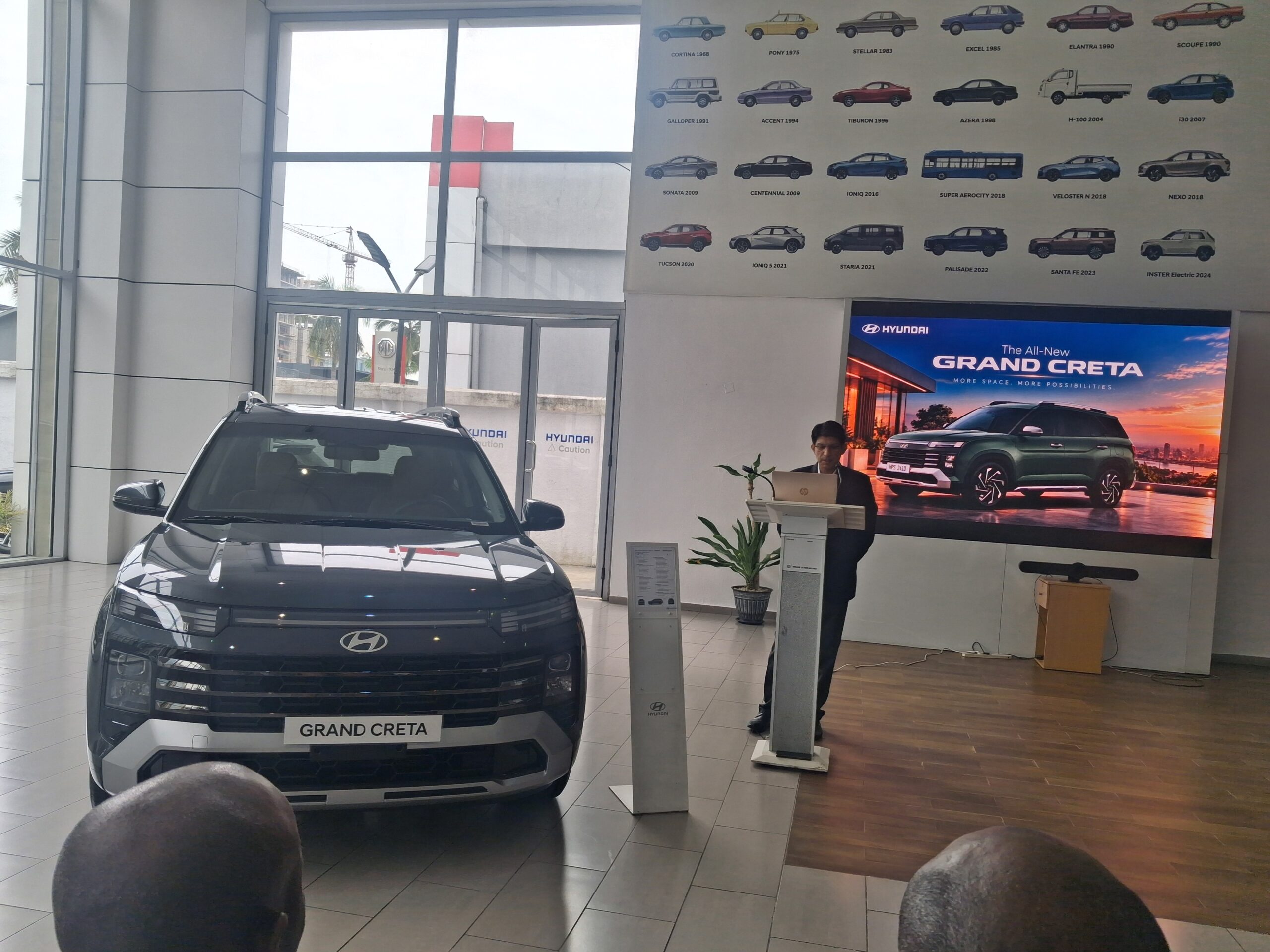
Happening now: Hyundai unveiling of Mufasa and Grand Creta
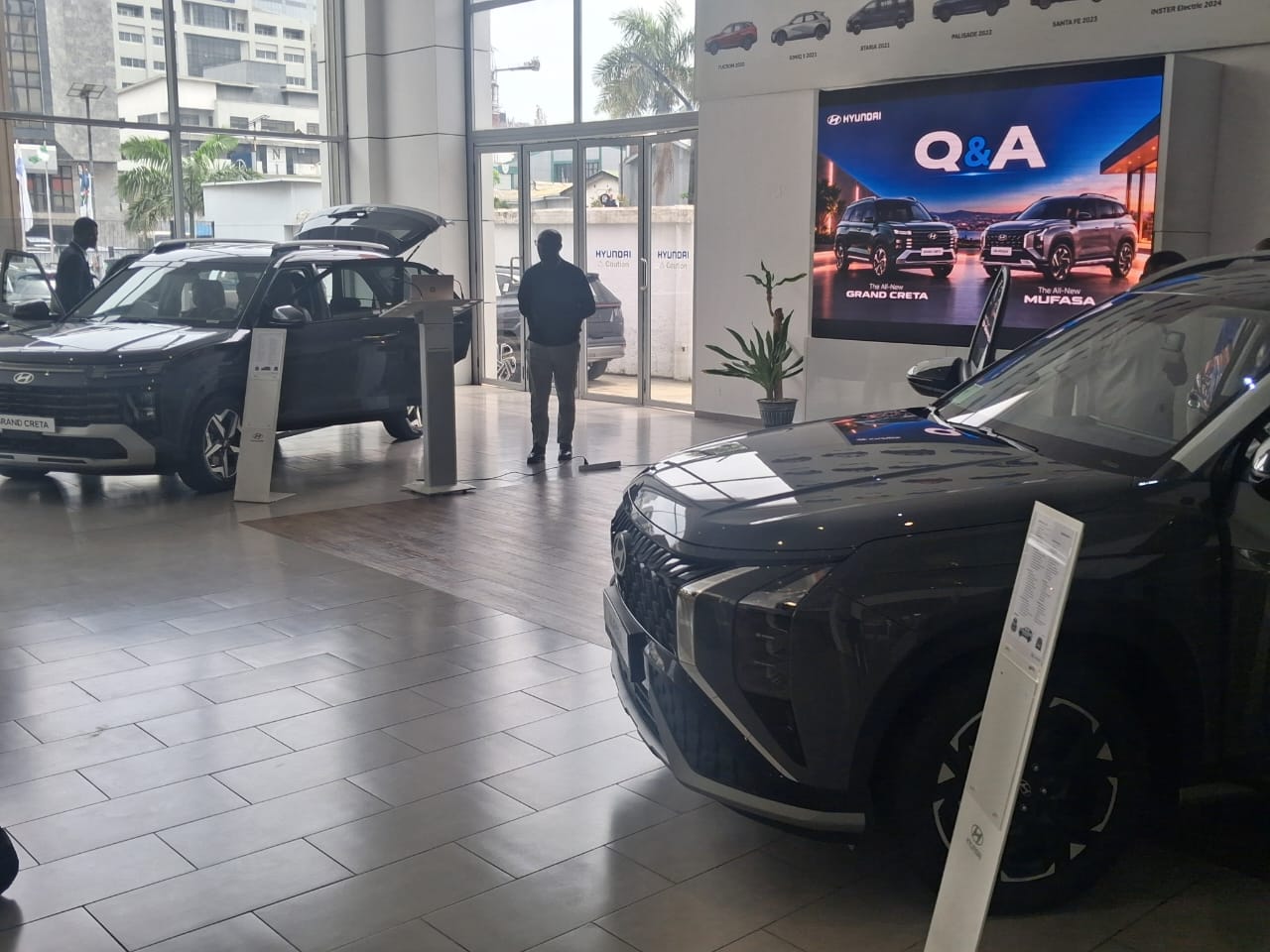
Happening now: Hyundai unveiling of Mufasa and Grand Creta (photos)
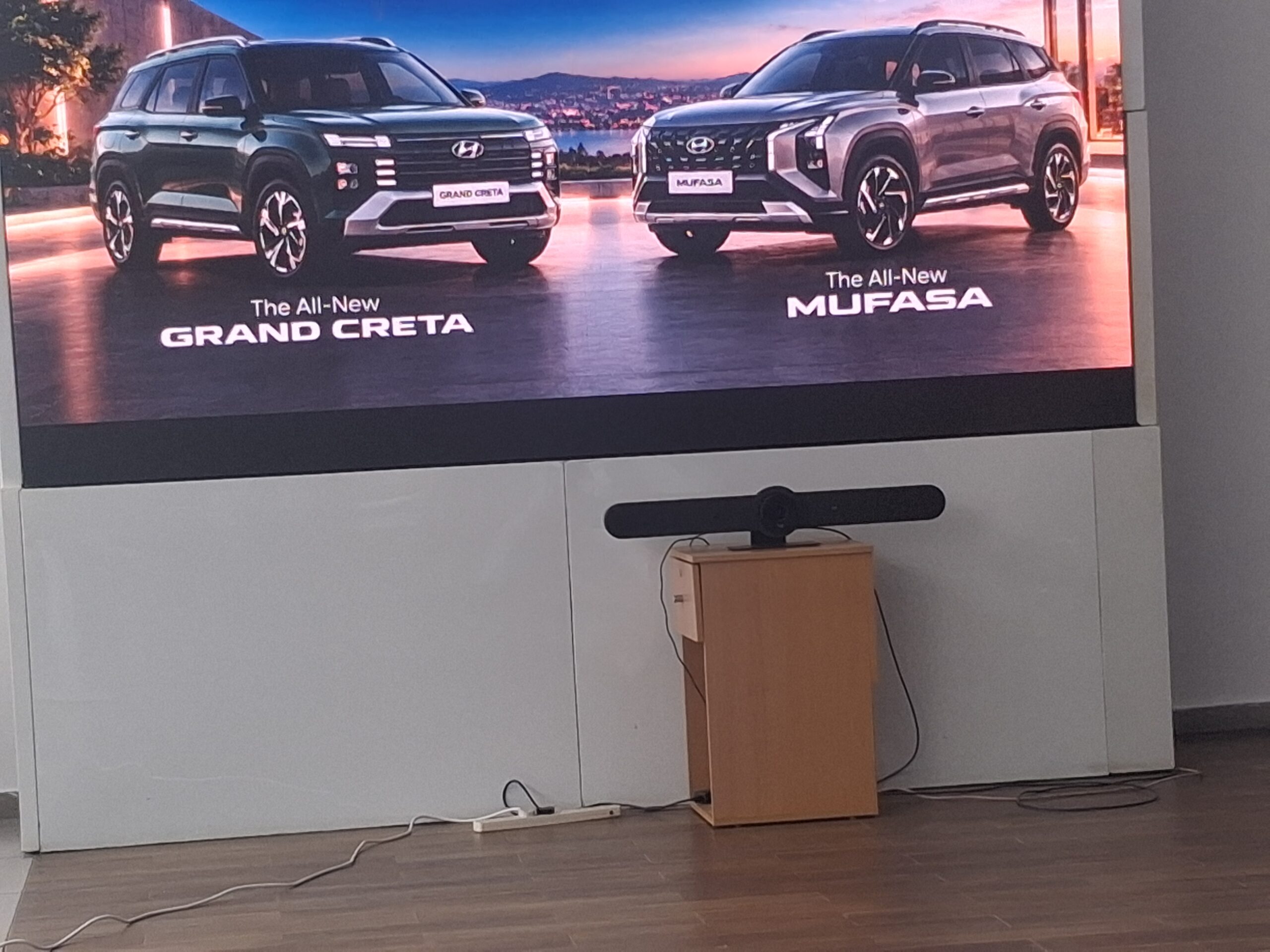
Two latest models of Hyundai auto brands are currently being officially rolled out in Lagos. The new vehicles are Mufasa and Grand Creta.
The unveiling is taking place at the Hyundai showroom on Akin Adesola Street Victoria Island, Lagos.
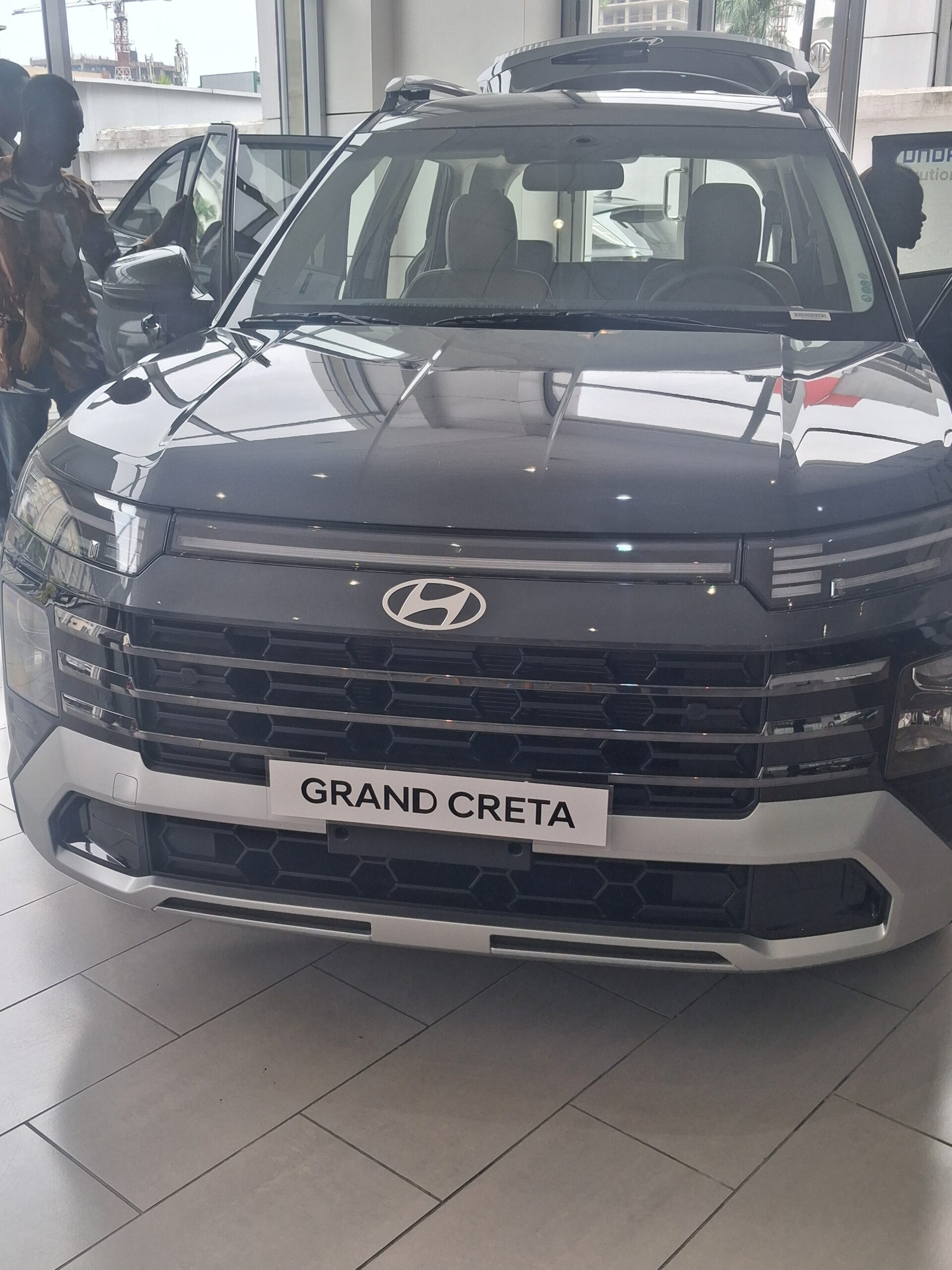
Auto
No 5% Petrol Tax Plan, Oyedele Says, Amid Public Concerns
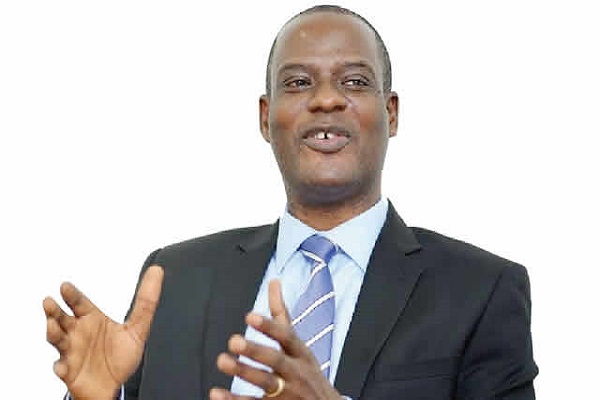
No 5% Petrol Tax Plan, Oyedele Says, Amid Public Concerns
The Federal Government has no plan to introduce a new tax on petrol, Minister of Finance and Coordinating Minister of the Economy, Taiwo Oyedele, has said, dismissing reports that the administration of President Bola Tinubu intends to impose a five per cent levy on petroleum products.
Oyedele clarified the issue in a statement posted on his X account on Tuesday, insisting that a fuel tax was not being considered by the government.
“In my interview with ARISE News, I was clear: a fuel tax is not on the table,” he said.
His statement follows reports linking him to the proposed five per cent tax, which sparked concerns about a possible increase in the cost of petrol amid Nigeria’s persistent cost-of-living crisis.
Petrol prices have remained a major driver of transportation and distribution costs since the removal of the fuel subsidy, contributing to higher prices of food and other essential goods and services.
The prospect of an additional levy had raised fears that households and businesses could face further financial pressure.
However, Oyedele’s clarification indicates that the Federal Government is not currently considering the proposed fuel tax, amid broader efforts to reform Nigeria’s tax system and strengthen public finances.
Auto
Beyond the Showroom: Why After-Sales Service Will Define Auto Industry Winners

Beyond the Showroom: Why After-Sales Service Will Define Auto Industry Winners
Nigeria’s automotive industry must look beyond vehicle prices, specifications and flashy new models if it hopes to win lasting customer confidence. The real test of competition increasingly lies in what happens after the sale — when a vehicle needs servicing, spare parts, repairs or warranty support.
A car purchase is not a one-off transaction. It marks the beginning of an ownership journey that could last several years, during which the quality of after-sales service can determine whether a customer remains loyal to a brand or regrets the decision to buy it.
When customers struggle to obtain genuine parts, secure timely repairs or get clear answers to warranty claims, their frustration can damage confidence not only in a dealer but also in the manufacturer and the wider automotive market.
After-sales service must therefore move from the background to the centre of automotive competition in Nigeria.
Promises must translate into performance
Effective customer care starts with clear, credible commitments. Buyers deserve to understand warranty coverage, servicing schedules, access to genuine parts, repair procedures and the support available when problems arise.
But promises alone are not enough. A warranty has limited value if customers cannot access a competent service centre. A roadside assistance number means little without an effective response system. And a repair-time guarantee is only as good as the technicians, parts and processes supporting it.
Automotive distributors and dealers must ensure that their marketing promises are matched by the operational capacity to deliver.
Buyers, on their part, should ask questions before committing their money, examine warranty conditions and establish what support they can realistically expect throughout the vehicle’s lifespan.
Competing on ownership experience
Nigeria’s automotive market would benefit enormously if brands competed not only on the vehicles they sell but also on the quality of ownership experience they provide.
Such competition could drive improvements in service delivery, warranty transparency, spare-parts availability, technical training, repair turnaround and customer communication.
Some players are already putting more structured after-sales propositions before buyers. Carloha’s CarlohaCare 6-6-7 programme, for instance, combines a six-year warranty, six years of free servicing and a seven-day repair promise, subject to applicable terms and conditions. Its CarlohaCare Rescue service extends the proposition to assistance beyond the workshop.
These offerings illustrate how clearly defined service commitments can become part of a vehicle’s value proposition, rather than an afterthought.
However, the objective should not be to crown a permanent winner or single out one company as the industry benchmark. Every provider must demonstrate that its commitments are practical, transparent and consistently delivered.
The wider industry should embrace continuous improvement, with customers ultimately judging brands by their real-world experiences.
Automotive journalism must ask tougher questions
Automotive journalism has a critical role in broadening the conversation.
Coverage of the sector often focuses on vehicle launches, new technologies, prices, specifications and expansion plans. These remain important, but consumers also need independent reporting on the realities of vehicle ownership.
Journalists can examine warranty conditions, investigate spare-parts availability, interview service managers and fleet operators, document consumer experiences and assess how effectively companies resolve complaints.
They should celebrate genuine improvements while holding businesses accountable when their public commitments fall short.
The Nigerian Automotive Journalists Association (NAJA) is well positioned to encourage this conversation through informed reporting, industry analysis, interviews and stakeholder engagement.
The goal should be to bring manufacturers, distributors, dealers, fleet operators and consumers around a fundamental question: What level of care should Nigerians reasonably expect after buying a vehicle?
That conversation must remain independent, balanced and evidence-led, rather than becoming a promotional platform for individual brands.
Make after-sales service a buying criterion
The shift towards stronger customer care will gather momentum when Nigerians begin to assess after-sales support as seriously as they consider engine performance, fuel economy, safety features and purchase price.
A private buyer should ask about warranty coverage, servicing costs and the location of authorised workshops. A fleet operator should evaluate parts availability, repair turnaround and vehicle downtime alongside acquisition costs. Families should know what assistance is available when a vehicle breaks down far from home.
Dealers that offer transparent terms and dependable support should earn a competitive advantage. Those that fall short should have a clear incentive to improve.
This is particularly important in a market where vehicle ownership involves significant financial commitment and prolonged exposure to maintenance costs. A seemingly attractive purchase can become expensive if parts are difficult to source or repairs take too long.
The industry must therefore recognise that customer care is not merely a cost centre. Properly managed, it can build loyalty, strengthen brand reputation, generate repeat business and encourage referrals.
The real test begins after payment
Nigeria does not need an automotive market in which businesses compete only to sell more vehicles. It needs one in which they also compete to keep customers satisfied long after the keys have been handed over.
The true measure of a brand is not simply how attractively it markets a vehicle or how efficiently it closes a sale. It is how responsibly it responds when the customer needs help most.
As competition intensifies, the companies that combine good products with reliable service, accessible parts and transparent customer support will have a stronger foundation for lasting success.
For buyers, the message is equally clear: look beyond the showroom, ask the difficult questions and compare the support behind the badge.
Buy the car. Demand the care.
-

 metro23 hours ago
Army Major, Soldiers Killed in ISWAP Ambush in Yobe State
-

 Politics3 days ago
Buhari Feared Tinubu Presidency, Resisted Pressure to Back Him – Baba-Ahmed Claims
-
 News2 days ago
FG Challenges World Bank’s 124% Debt-to-Revenue Warning, Cites Rising Income
-

 metro3 days ago
NAFDAC Probes Corps Member’s Death at Enugu Camp as Fake Drug Claims Emerge
-
 metro3 days ago
Ogun House Fire Horror: Husband Arrested After Wife Dies Following Domestic Dispute
-

 Entertainment2 days ago
Nollywood Mourns as Actress, Beauty Queen Tenia Abraham Dies at 32
-

 News3 days ago
NLC, Falana Mobilise Nigerians Against Petrol Price Hike, Mount Pressure on Tinubu Govt
-

 metro23 hours ago
Breaking: Afenifere Leader Pa Fasoranti Dies at 100