

News
Tension heightens in S/East as gunmen renew killings

The peaceful atmosphere being enjoyed in the South East geopolitical zone after the activities of the infamous unknown gunmen strikes that led to the death of many people in the area has again been cut short following renewed attacks in parts of the zone.
In the last two weeks, no fewer than 20 lives have been lost, including high profile personalities like the Director General of federal government –owned Science Equipment Development Institute, SEDI, Enugu, Professor Samuel Ndubuisi, Anambra State –born billionaire and philanthropist, Chief Philip Udala, team manager of Udala Football Club in Anambra State, Managing Director and Chief Executive Officer of AutoEase Service Limited, Ifeanyi Okeke, two soldiers attached to the 82 Division of the Nigerian Army, Enugu, as well as a police orderly of Chief Udala, among others.
For instance, the killing of Udala, who hailed from Uke in Idemili, was so bizarre as it happened in the full glare of passersby and traders at the Eke Agu market in Abatete in Idemili North local government area of the state. When Udala left his house that fateful morning, little did he know that he would not come back alive. His assailants had ambushed his convoy around the market and opened fire at close range and when their guns could not do the work, they applied other means.
An eyewitness who gave her name as Chioma said: “The attackers shot him severally, but the bullets did not penetrate. They then stabbed him with knife, pushed him inside his Lexus jeep as he attempted to run away and set the car ablaze with him in the car. He struggled to come out of the car while the fire was raging, but couldn’t and he fell off the car door after he was completely burnt. The assassins also killed his driver, Peter, the team manager of his club,, Godsent, his security detail, Paul and another policeman riding with him.”
According to Chioma, who claimed to be familiar with the victim, Udala returned from Lagos the previous day, not knowing that his life would come to an end the following day. Chioma added: “Udala wedded his new wife only last month and she is heavily pregnant. His new mansion at the 3 -3 area of Onitsha is at the finishing level and the opening of the new house was already being planned. He was a very generous man and did not deserve this kind of death.”
As questions were still being asked as to the motive behind the killing of Udala and his aides, suspected cultists struck in Awka the following day in a daylight operation, killing three people in the process. The suspected cultists numbering three operated in a tricycle and shot repeatedly at the popular Aroma junction unchallenged for about 20 minutes before heading to the Ifite area of the state capital where they gunned down the three persons.
Police spokesman in the state, Mr. Tochukwu Ikenga said investigations into the incidents had begun. Although cult activities had become rampant in many towns in the state, even among secondary school boys, the problem reduced after some villages in Awka formed what looked like the dreaded Bakassi Boys that held sway during the administration of former Governor Chinwoke Mbadinuju and started killing and burning suspected cultists on the streets. As the people of Anambra State were wondering the cause of the return of the street killings, the Coal City of Enugu, considered as one of the safest cities in Nigeria, started recording frightening incidents of murder. Before the killing of the Director-General of the Science and Equipment Development Institute, Prof. Ndubisi along the Enugu –Port Harcourt expressway, a former High Court Judge in the state, Justice Nnaji, was shot and killed in his car in a busy area of the city. The police orderly attached to Ndubisi was also killed as they were returning from work. Forty eight hours before the killing of Ndubisi, the Managing Director and Chief Executive Officer of AutoEase Service Limited, Mr. Ifeanyi Okeke, was also murdered in the city in the presence of his eight-year-old son.
As the people of Enugu State were wondering the cause of the increasing insecurity in the state, the Nigerian Army reported the loss of two soldiers, alleging that operatives of the Indigenous People of Biafra’s militant arm, Eastern Security Network, ESN, attacked its location at Iggah and Asaba checkpoint in Uzo Uwani local government area of the state.
According to the Director of Army Public Relations, Brig Gen Onyema Nwachukwu,, the fallen troops were deployed to checkmate the activities of gunmen at Adani community in the local government when they came under the attack of the operatives of the ESN.
“Sadly, during the fire fight that ensued between the Army and ESN, two soldiers paid the supreme price. Troops are currently on the trail of the criminals.
“We assure the general public of our commitment to provide adequate security in the general area in collaboration with other security agencies. We also urge members of the public to complement the effort of the security agencies by remaining law abiding and providing useful information on the fleeing gunmen,” Gen Nwachukwu said.
While some people blame the killings on increasing rate of cultism in the society, others finger the ESN, which they believe, appears to be regrouping after the break that followed the arrest of the IPOB leader, Mazi Nnamdi Kanu. There were also those who believe that lack of central security outfit in the zone was fueling the insecurity.
A retired civil servant, Mr. Godwin Olisakwe said the killing of prominent people, like the SEDI DG, the football club owner or the retired High Court Judge could not be mere coincidence, arguing that those who carried out the acts must have planned their execution weeks or even months before striking.
He said: “ Apart from the soldiers that were killed at checkpoint, the other killings could be properly planned assassinations, which could either be due to business gone sour, or betrayals on the part of the victims. That is why people must be very careful with what they do, especially at this period in the country where most people appear to be frustrated about happenings and could be easily provoked.”
According to him, the governors in the various states in the zone appear to have relaxed on the issue of security, which is why the people he described as hoodlums were regrouping and causing havoc in the society.










News
ICPC Recovers ₦5.3bn in Seven States, FCT as LG Financial Probe Uncovers Irregularities

The Independent Corrupt Practices and Other Related Offences Commission (ICPC) has recovered more than ₦5.3 billion following a review of local government accounts in seven states and the Federal Capital Territory (FCT).
The anti-corruption agency has also announced plans to make all 774 local government areas in Nigeria publish their financial records online, in a move aimed at strengthening transparency and accountability in the management of public funds.
ICPC Chairman, Dr Musa Adamu Aliyu, disclosed the recoveries on Thursday, November 12, 2026, in Lafia, Nasarawa State, during the launch of the ICPC-National Information Technology Development Agency (NITDA) Local Government Websites Pilot.
According to the commission, the review of local government accounts exposed financial risks at the grassroots level and demonstrated the importance of monitoring how public allocations and other revenues are managed.
Aliyu said the recovery of more than ₦5.3 billion showed what scrutiny could achieve, adding that the proposed digital disclosure initiative would help prevent further financial abuses.
He explained that the programme was designed to ensure that local governments made information about their finances and activities accessible to residents, journalists and relevant oversight institutions.
The initiative comes against the backdrop of the Supreme Court’s July 2024 judgment on local government financial autonomy, which affirmed that statutory allocations due to democratically elected councils should be paid directly to them rather than being controlled by state governments.
Aliyu said the judgment had increased the responsibility of local government authorities to account for funds received and ensure that public resources were used for the benefit of residents.
READ ALSO:
- From Family Opposition to World Champion: Flamingos Captain Recounts Her Football Struggles
- Oyo Police Arrest Serving Corporal, Eight Others in Cultism, Kidnapping Crackdown
- 2027 Election: Atiku’s ADC Candidacy Hangs in Balance as Court Ruling Remains in Force
“Autonomy brings responsibility. Funds that now flow directly to the councils must be spent openly and for the benefit of the people,” he said.
Under the new arrangement, local government councils will be required to publish information in five major areas, including financial records, public procurement, human resources, citizen engagement and anti-corruption measures.
The financial disclosures will cover budgets, statutory allocations, internally generated revenue, expenditure, audit reports and debts.
The platforms will also provide information on procurement processes, staffing and opportunities for residents to submit feedback, complaints and whistleblowing reports.
Aliyu said regular publication of these records would enable citizens to monitor how public funds were spent, while journalists and oversight agencies would have better access to information needed to identify possible irregularities.
He urged local government chairpersons to appoint dedicated officers to manage the websites and ensure that the information published was accurate, current and regularly updated.
The ICPC chairman warned that launching the websites without maintaining them would undermine the purpose of the initiative.
He added that the commission intended to approach the programme as a partnership for preventing corruption rather than an instrument for witch-hunting local government officials.
The National Information Technology Development Agency, led by its Director-General, Kashifu Inuwa Abdullahi, is providing the technological support for the project.
Abdullahi disclosed that NITDA would register domain names, develop the websites and provide hosting services for at least one year for all 774 local government areas.
While NITDA will provide the digital infrastructure, the ICPC will establish the content standards and accountability framework to guide the information councils are expected to publish.
He said the initiative was designed to improve governance, strengthen citizen engagement and create economic opportunities by making government information easier to access.
READ ALSO:
- FG Moves to Scrap 269 Obsolete Laws, Prepares 663 Others for NASS Review After 22 Years
- Toluwanisings: Envy + Jealousy = Wickedness
- Lagos-Ibadan Expressway Horror: Seven Dead, 11 Injured as Truck Crushes Passenger Bus
Abdullahi also said the project would reduce the difficulties residents face when trying to obtain information about community projects or lodge complaints with their local councils.
The pilot programme commenced in Nasarawa State, making it the first state to begin implementing the ICPC-NITDA local government website initiative.
Governor Abdullahi Sule, who formally flagged off the programme in Lafia, designated the Nasarawa State Information Technology and Digital Economy Agency as the state’s technical partner.
Sule directed local government councils to take responsibility for the accuracy of information published on their platforms and appoint officers to verify records before uploading them.
He said the success of the initiative would depend on whether residents could easily access useful and up-to-date information, rather than merely on the launch of the websites.
The governor also challenged the ICPC and NITDA to extend the financial disclosure initiative to state governments, offering Nasarawa as the first state willing to participate.
He said publishing information about funds meant for local governments would help citizens establish where such allocations were held up and improve accountability across the different levels of government.
The Speaker of the Nasarawa State House of Assembly, Danladi Jatau, pledged the legislature’s support for the programme, noting that the Constitution empowers state assemblies to oversee local government finances.
The Emir of Lafia, Justice Sidi Bage Muhammad I (retd.), also commended the ICPC, NITDA and the Nasarawa State Government for the initiative.
The nationwide rollout is expected to extend the digital disclosure system to all 774 local government areas, giving residents a more direct way to scrutinise council budgets, allocations, spending and development projects.
For the ICPC, the initiative represents an effort to complement the recovery of public funds with preventive measures designed to make financial information accessible and strengthen accountability at the grassroots.
However, the commission’s disclosure did not identify the seven states or provide a breakdown of the amounts recovered from each state and the FCT. The ₦5.3 billion figure therefore represents the aggregate recovery announced by the agency.
ICPC Recovers ₦5.3bn in Seven States, FCT as LG Financial Probe Uncovers Irregularities
News
FG Moves to Scrap 269 Obsolete Laws, Prepares 663 Others for NASS Review After 22 Years
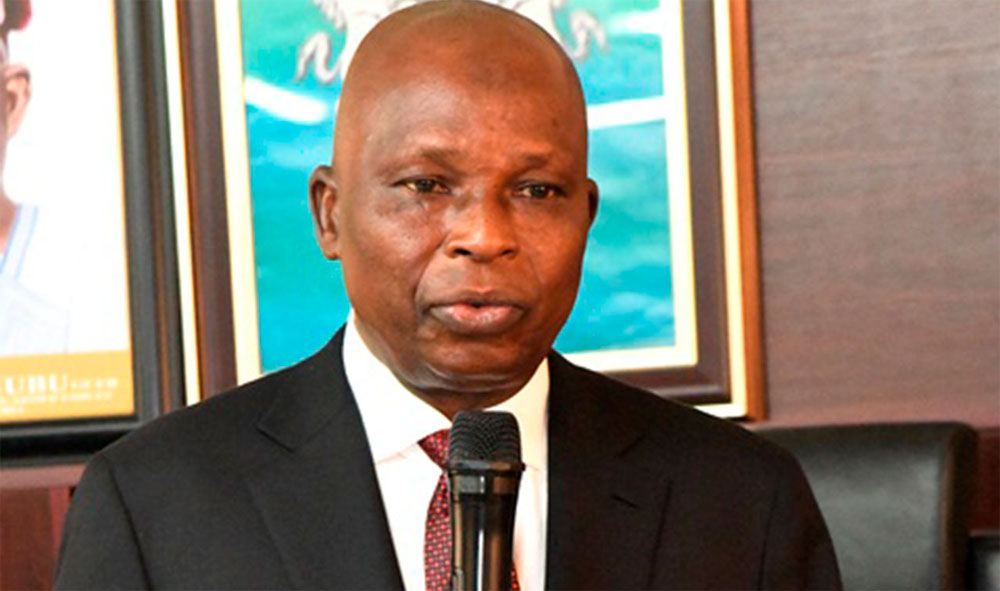
The Federal Government has concluded a comprehensive review of Nigeria’s federal laws, identifying 269 obsolete, archaic or spent enactments for removal from the statute books while recommending 663 others for inclusion in the proposed 2025 edition of the Laws of the Federation of Nigeria (LFN).
The exercise, which covers more than two decades of legislative developments, represents the first comprehensive review and consolidation of the country’s federal laws since 2004.
The Attorney-General of the Federation and Minister of Justice, Lateef Fagbemi (SAN), disclosed the development on Thursday, November 12, 2026, in Abuja while receiving the final report of the Committee on the Review, Update and Consolidation of the Laws of the Federation.
Fagbemi explained that the committee examined 932 federal enactments and 731 pieces of subsidiary legislation as part of efforts to modernise Nigeria’s legal framework and eliminate outdated provisions.
Of the 932 enactments reviewed, 663 were identified for inclusion in the proposed Laws of the Federation of Nigeria 2025, while 269 were classified as obsolete, spent or repealed.
The Attorney-General said the reviewed legislation, together with relevant subsidiary laws, would provide a more reliable and accessible legal reference for courts, legal practitioners, government institutions, investors and members of the public.
He explained that the next step would be to present the committee’s report to President Bola Ahmed Tinubu for onward transmission to the National Assembly for the necessary legislative consideration and action.
Fagbemi urged lawmakers to cooperate with the executive arm of government to ensure the timely consideration of the proposed legislative measures.
He described the exercise as a significant milestone in the Federal Government’s efforts to strengthen the justice sector, improve the administration of justice and bring Nigeria’s legal system in line with contemporary realities and international best practices.
According to him, more than 20 years have passed since the last official consolidation of the Laws of the Federation in 2004, during which Nigeria experienced substantial legislative, constitutional, institutional and technological changes.
READ ALSO:
- Toluwanisings: Envy + Jealousy = Wickedness
- Lagos-Ibadan Expressway Horror: Seven Dead, 11 Injured as Truck Crushes Passenger Bus
- Offa Robbery: Saraki, Ahmed Await Appeal Court Verdict as Battle Over Trial Judge Intensifies
He noted that several new laws and amendments had accumulated over the period, making a comprehensive review necessary to ensure that federal legislation remained coherent, current, accessible and responsive to the country’s needs.
Fagbemi warned that Nigeria must avoid another prolonged gap between comprehensive reviews, stressing the importance of establishing a sustainable system for regularly updating the country’s laws.
He said the quality, accuracy and practical usefulness of the revised legal framework must remain priorities, adding that the laws should promote the rule of law, protect citizens’ rights, strengthen governance and support national development and security.
Why the Federal Government is removing obsolete laws
Earlier, the chairman of the review committee, Olawale Fapohunda (SAN), disclosed that the assignment took more than two years and involved extensive legal research, legislative analysis, harmonisation and consolidation of existing federal legislation.
He explained that the committee’s responsibility went beyond compiling existing laws, as it also examined their continuing relevance, identified conflicting provisions and recommended the removal of redundant legislation.
According to Fapohunda, the exercise was designed to eliminate obsolete statutes, resolve inconsistencies and incorporate contemporary social, economic and technological developments into Nigeria’s legal framework.
The committee discovered several weaknesses in existing legislation, including archaic statutory language, cumbersome cross-references, outdated chapter numbers and inconsistencies in the sequencing of some Acts.
It also identified statutory fines and fees that no longer reflect current economic realities.
Some of the penalties prescribed under existing laws were as low as ₦10 and ₦50, despite significant changes in the country’s economic conditions over the years.
Fapohunda said such outdated provisions required further legislative attention to ensure that penalties and statutory charges remained relevant and effective.
How the review was conducted
The committee adopted a structured approach involving 14 thematic working groups supported by technical teams responsible for research, collation, drafting, quality assurance and editorial review.
The groups also participated in retreats and technical engagements across different locations to harmonise their findings, examine international best practices and improve the accuracy of the revised legislation.
The exercise involved consultations with several institutions, including the National Assembly, the Nigerian Law Reform Commission, the National Institute for Advanced Legal Studies and the Lagos State Law Reform Commission.
International and technical partners, including the Law Commission of England and Wales, LexisNexis South Africa and Law Pavilion, also contributed to the process.
Fapohunda further disclosed that the committee recommended the establishment of a centralised national repository of federal legislation to make existing laws easier to access and facilitate regular updates.
He explained that the absence of a comprehensive and easily accessible database of federal laws had made the committee’s assignment more difficult.
The committee also recommended that the Attorney-General issue an advisory note to ministries, departments and agencies (MDAs) outlining established procedures for reviewing their enabling laws and subsidiary legislation.
The recommendation followed recurring deficiencies in legal drafting by some government institutions, which could result in ambiguities, conflicting provisions and difficulties in implementing laws.
What happens next?
With the submission of the final report and draft 20-volume edition of the Laws of the Federation of Nigeria 2025, the Federal Government is expected to forward the proposed measures to President Tinubu.
The President will subsequently transmit the relevant proposals to the National Assembly for consideration and necessary legislative action.
The proposed changes are expected to improve access to federal legislation, remove redundant provisions and provide a more organised legal framework for governance, business, investment and the administration of justice.
However, the proposed removal of the 269 obsolete enactments and the legislative measures arising from the review will require the appropriate legal and legislative processes before they can take effect.
Fagbemi said the government would work towards establishing a continuous review mechanism to ensure that future laws, amendments and subsidiary legislation are properly tracked and incorporated without another prolonged delay.
FG Moves to Scrap 269 Obsolete Laws, Prepares 663 Others for NASS Review After 22 Years
News
Tragedy in Nsukka as Six UNN Graduates Reportedly Found Dead After Final Exams
Tragedy in Nsukka as Six UNN Graduates Reportedly Found Dead After Final Exams
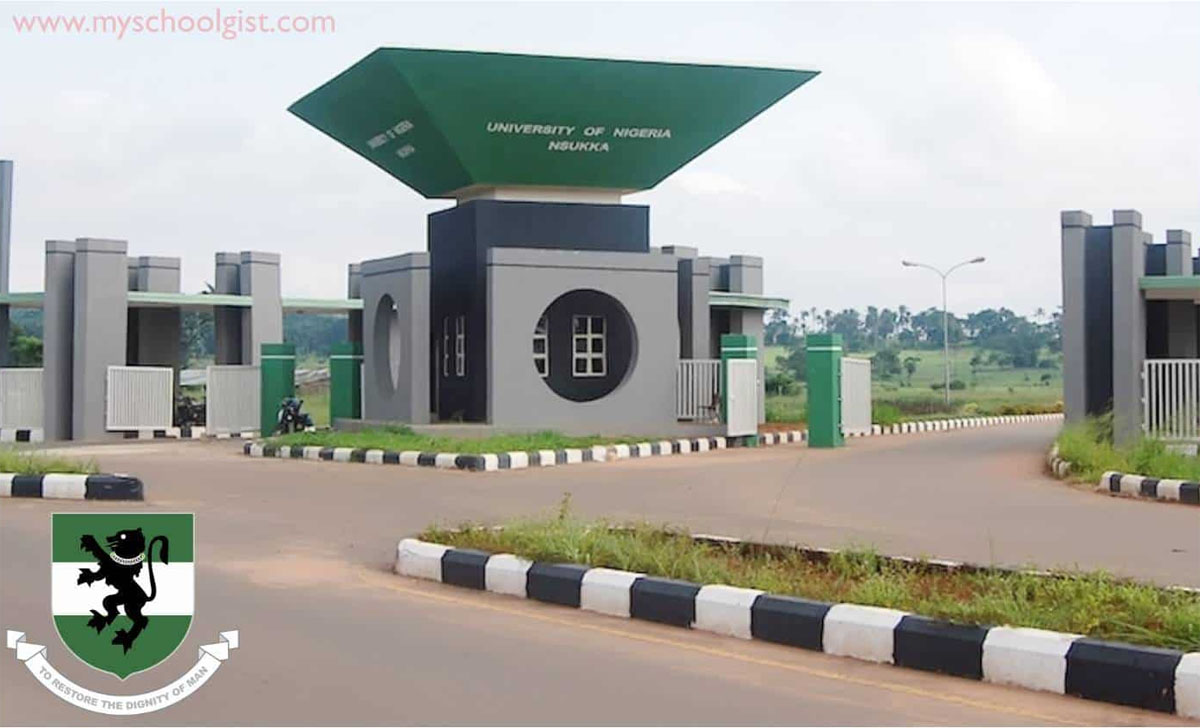
NSUKKA, ENUGU STATE — Tragedy has struck the University of Nigeria, Nsukka (UNN), following reports that six fresh graduates of the institution have been found dead inside an apartment in the Hilltop area of Nsukka, Enugu State.
The victims, reportedly comprising five females and one male, were said to have been discovered lifeless on Thursday morning, barely a day after completing their final examinations.
The incident has thrown the university community into mourning, with students and residents struggling to come to terms with the shocking development.
According to reports, the deceased had recently concluded their academic activities and were said to have participated in sign-out celebrations marking the completion of their studies.
The gathering, which was expected to be a moment of excitement and celebration after years of academic pursuit, reportedly ended in tragedy.
READ ALSO:
- Schoolboy Foils Kidnap Attempt After Suspect Uses Father’s Name to Lure Him
- BREAKING: Manchester United Sack Michael Carrick After Disastrous Start to Season
- NELFUND Loan: How Parents Can Stop Children from Collecting School Fees Twice
The circumstances surrounding the deaths remain unclear, as there are conflicting reports about the number of victims and what transpired inside the apartment.
Meanwhile, the Acting Public Relations Officer of the university, Inya Agha Egwu, has acknowledged receiving enquiries about the incident and assured journalists that the university management would issue an official statement.
Efforts to obtain an immediate response from the Enugu State Police Command were reportedly unsuccessful as calls to the Police Public Relations Officer, Daniel Ndukwe, were unanswered.
As of the time of filing this report, the identities of the deceased and the actual cause of their deaths had yet to be officially established.
The tragic development has raised concerns across the university community, with students and residents awaiting further information from the police and university authorities.
Further details will be provided as official statements emerge.
Tragedy in Nsukka as Six UNN Graduates Reportedly Found Dead After Final Exams
-
 metro2 days ago
Court Orders Final Forfeiture Of 48 Properties Worth N212bn Linked To Malami
-

 metro2 days ago
Ogbomosoland Grand Chief Imam, Sheikh Teliat Ayilara II, Marks Five Years in Office
-
 International2 days ago
US Lawmakers to Hold Fresh Hearing on Nigeria’s Insecurity, Christian Killings
-

 News2 days ago
Tinubu’s Chicago Varsity Certificate Row: Omokri Challenges Journalists to Verify Fresh Allegations
-

 Auto2 days ago
After-Sales Support Will Define Future of Nigeria’s Auto Industry – Carloha Marketing Chief
-

 News1 day ago
BREAKING: Manchester United Sack Michael Carrick After Disastrous Start to Season
-

 metro2 days ago
Two Arrested as Police Recover ₦600,000, Nine Phones in Kano Robbery
-

 Sports2 days ago
Tinubu Rewards Flamingos With ₦100m Each After Historic World Cup Triumph