

Opinion
Tinubu’s anti-people, reverse Robin Hoodist “courage” – Farooq Kperogi
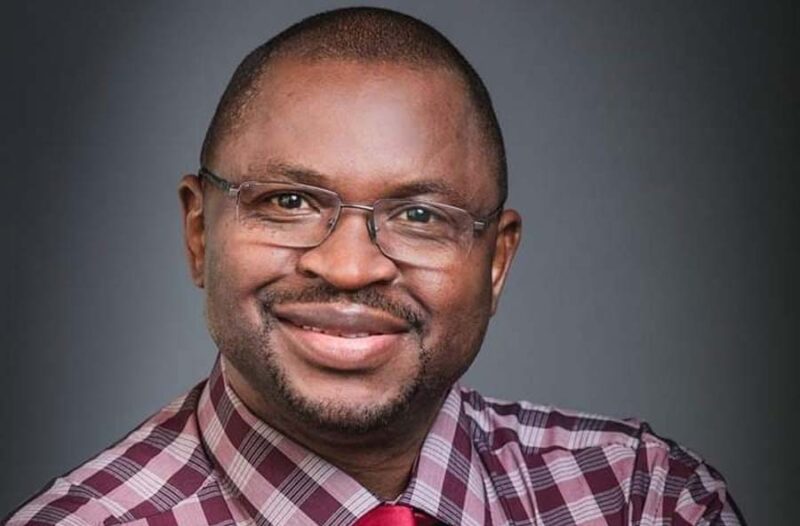
Tinubu’s anti-people, reverse Robin Hoodist “courage” – Farooq Kperogi
President Bola Ahmed Tinubu is so inordinately inebriated by his IMF-motivated decision to remove subsidies on petrol that at every opportunity he has he brags about it in giddily superlative terms.
For example, during a meeting with the Nigerian community in France on June 24, 2023, he couched his decision to impose the Tinubu fuel tax (to borrow from his 2012 characterization of Goodluck Jonathan’s subsidy removal) on Nigerians in epiphanic, providential, and inspirational terms.
He told Nigerians in France that during his inaugural speech on May 29, 2023, he was suddenly overcome by a mysterious force of unusual courage, which propelled him to veer off his prepared speech to announce the removal of fuel subsidies. “When I got to the podium, I was possessed with courage, and I said, ‘subsidy is gone!’” he said with a smug glow of perverse, meanspirited self-satisfaction.
Again on November 22, 2023, Tinubu boasted to investors at the 10th German-Nigerian Business Forum that his courage to remove petrol subsidies and visit unheard-of economic violence on poor, luckless Nigerians was a gargantuan feat of derring-do worthy of acknowledgement in the Guinness World Records.
“Nigeria voted for me for reforms, and from day one of my inauguration, I started the reforms,” he said. “To me, if you didn’t mention me in the Guinness Book of Records, I’d strive to find a way to insert myself because I did it without expectation.”
Well, the IMF, whose approval he desperately seeks and on whose behalf he is harming Nigerians, has approbated his policies, which should be more important to him than an entry in the Guiness World Records for sadistic governance.
“The new [Tinubu] administration has made a strong start, tackling deep-rooted structural issues in challenging circumstances,” the IMF said on February 14. “Immediately, it adopted two policy reforms that its predecessors had shied away from: fuel subsidy removal and the unification of the official exchange rates.”
READ ALSO:
- FG to launch new national ID card for payment, others
- New electricity tariff : NERC slams N200m fine on AEDC
- Israel fires two officers after finding grave errors in strike on aid workers
The IMF then instructed that “electricity subsidies are costly, do not reach those that most need government support and should be phased out completely.”
On February 16, that is, exactly two days after this IMF directive, Minister of Power Adebayo Adelabu announced that the government would withdraw electricity subsidies. That’s precisely why the government has approved a more than 200 percent hike in electricity tariffs this week. As I’ve repeatedly said, the IMF is the de factor ruler of Nigeria. Tinubu and his henchmen are mere cushy neo-imperialist surrogates.
Well, I don’t know of any halfway rational human being in the world who will see courage in choosing to hurt the dispossessed who can’t fight back. There is no courage in trampling on the poor, the weak, and the defenseless.
There is no courage in kicking people who are already down, people who are down on their luck, and people who are down in the dumps as a consequence of being serial victims of a steady succession of cruel and self-serving governments who are servile errand boys of the racist sadists at the IMF.
There is no courage in oppressing the oppressed. That’s cowardice. That’s callousness. It’s unrelieved maliciousness. And it’s not something to be proud of, not something to make a song and dance about. On the contrary, it’s something to be mortally ashamed of.
Real courage comes from standing up to bullies, which the World Bank and the IMF are, and from defending the defenseless against oppressors. Courage comes from shielding the weak from the untoward designs of the strong and the unjust. It comes from protecting the underdog from the unprovoked aggression of the top dog.
Since Tinubu came to power nearly a year ago, he has never implemented any policy that gives even an ounce of solace to the poor. Instead, like Muhammadu Buhari before him, he is a proud reverse Robin Hood who takes from the poor to enrich the already rich, with the recent IMF-directed astronomical increase in electricity tariffs—which makes electricity in Nigeria more expensive for “Band A” users than I pay in the United States—the latest example.
The only people who will benefit from the latest tariff hikes are Tinubu’s friends who own power generation and distribution companies. As a Tinubu-supporting friend pointed out to me on Friday, “This is a government of the elite, for the elite, and by the elite.”
In the United States where the IMF is headquartered, there are electricity subsidies for low-income households, yet it wants none for anybody in Nigeria. The primary federally funded electricity subsidy program here is called the Low Income Home Energy Assistance Program (LIHEAP).
READ ALSO:
- Court convicts Bobrisky for naira abuse
- Worshippers narrowly escape as truck crashes into Niger mosque
- Six Russian warplanes destroyed, 20 feared killed in Ukraine drone strike
LIHEAP provides eligible households with financial assistance for energy bills, emergency energy services to prevent disconnection, and low-cost home improvements, known as weatherization, to help make homes more energy efficient.
LIHEAP is funded by the federal government, but the program is administered at the state level, which means eligibility requirements and the form of assistance offered can vary from one state to another.
Generally, to qualify for LIHEAP, a household’s income must fall below a certain threshold, which is typically set at a percentage of the federal poverty level or a percentage of the state’s median income level.
In addition to LIHEAP, some states, utilities, and non-profit organizations offer additional assistance programs or subsidies to help low-income households with their energy needs. These programs may provide direct bill assistance, energy-efficient home improvements, or emergency aid for utility shutoff prevention.
Yet, the IMF has bludgeoned the Nigerian government into removing subsidies for electricity that isn’t even constant and reliable. And being the slavish lackeys that they are, they obeyed like dutiful, well-trained poodle dogs. Of course, it’s because it doesn’t hurt them, their immediate families, or their associates.
The IMF never tells Third Word leaders to increase the minimum wages of workers. Maybe that’s why Tinubu’s Guinness-World-Records-size courage is absent when it comes to approving a minimum wage for Nigerian workers.
The 30,000 naira minimum wage that the Muhammadu Buhari regime approved for workers expired in March. The Tinubu government had promised that a new minimum wage would start on April 1. That has turned out to be a cruel April Fools’ joke on Nigerians.
The last we heard of this issue is that the minimum wage committee would “reconvene mid-April to continue further negotiations and consultations on the new minimum wage expected to be announced by President Bola Tinubu on May 1, 2024.”
This is the same committee that requested 1.8 billion naira (which it later scaled back to 1 billion naira) just to sit in comfort and decide how much the least remunerated government worker will receive. “Start with N500million first,” Tinubu wrote in a leaked memo.
As senator Shehu Sani quipped on Twitter, “The minimum wage committee… allocated the maximum wage for themselves.” What exactly does the 37-member committee—made up of governors who don’t pay the current 30,000-naira minimum wage even when money realized from petrol subsidy removal has tripled their monthly allocations— want to use a billion naira (later reduced to 500 million naira) to do?
There was no committee when petrol subsidies were removed. There was no committee for the removal of electricity subsidies, which will now ensure that Nigeria descends into total darkness. But when it comes time to increase the minimum wage of workers, an expensive committee is needed.
In other words, where the welfare of everyday folks is concerned, Tinubu loses his magisterial, self-affirming courage. He transforms from a lion to a chicken. His courage only emerges when he oppresses the poor and recedes when he is required to help the poor. May God save Nigerians from Tinubu’s courage.
Tinubu’s anti-people, reverse Robin Hoodist “courage” – Farooq Kperogi
Farooq Kperogi is a renowned Nigerian newspaper columnist and United States-based Professor of Journalism.








Opinion
Ejimakor: Kanu, IPOB Members Should Not Be Jailed Over Biafra Agitation
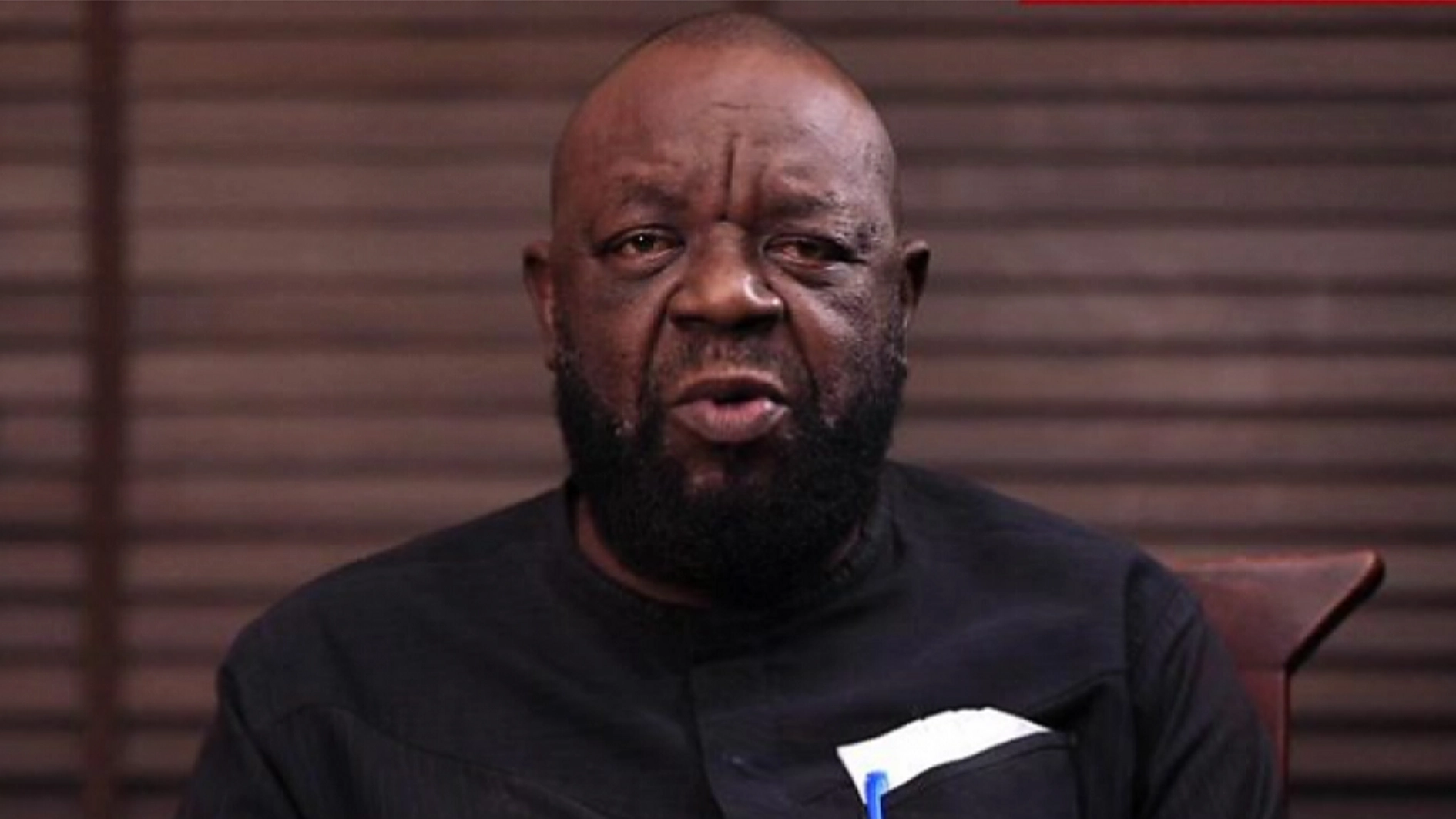
Aloy Ejimakor, Special Counsel to Indigenous People of Biafra (IPOB) leader Nnamdi Kanu, has called for the release of people he described as prisoners of conscience ahead of Nigeria’s 2027 general elections.
Ejimakor made the demand while arguing that the continued imprisonment of Kanu and other alleged IPOB members for their separatist position could further deepen political and social divisions in the country.
In a statement issued on Saturday, the lawyer said the Nigerian government should address the grievances driving calls for Biafra rather than relying on prosecution and imprisonment.
He maintained that advocating for self-determination, regardless of how controversial or forceful the expression may be, should not automatically amount to terrorism or treason.
According to Ejimakor, democratic societies should have room for political opinions that are unpopular or challenging to the existing order.
He warned that punishing people for expressing separatist aspirations could create greater resentment and make efforts at national reconciliation more difficult.
The lawyer also pointed to examples of countries and territories where demands for self-determination had resulted in political processes, including referendums.
Ejimakor argued that Nigeria should similarly consider political engagement and dialogue as a way of addressing the Biafra question.
He further criticised what he described as the criminalisation of political dissent, saying the government should focus on resolving the grievances behind the agitation.
The lawyer consequently urged the Federal Government to consider freeing what he called prisoners of conscience before the 2027 elections, arguing that dialogue and a political settlement would offer a more sustainable path to peace.
Health
“Cheap Alcohol Fuels Banditry”: NAFDAC Chief Stands Firm on Sachet Ban
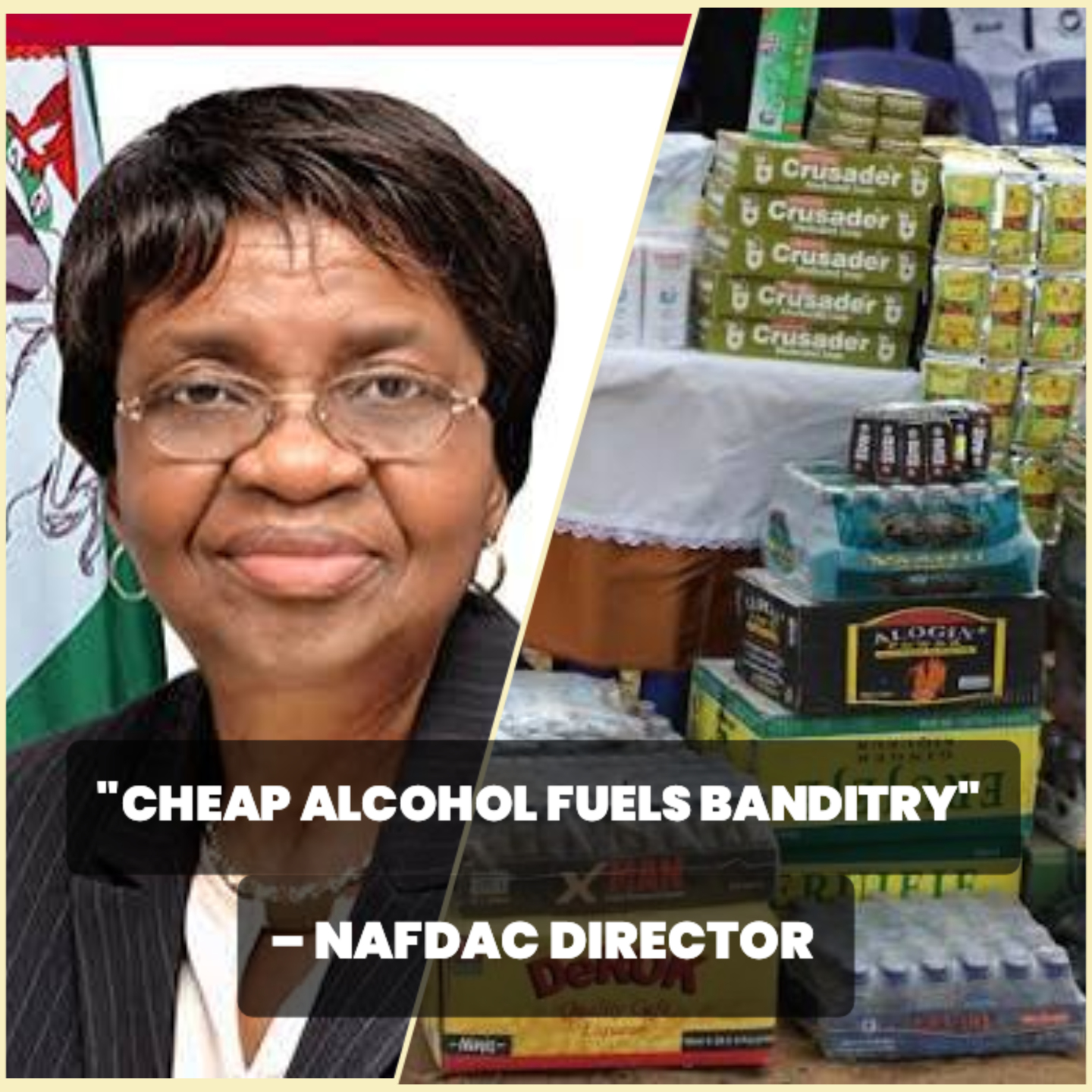
Nigeria’s top food and drug regulator has linked the widespread availability of pocket-sized alcohol directly to violent crime and a mounting public health crisis.
Opinion
2027: Tinubu May Get Less Than 10% of Northern Votes — Ard
2027: Tinubu May Get Less Than 10% of Northern Votes — Ard
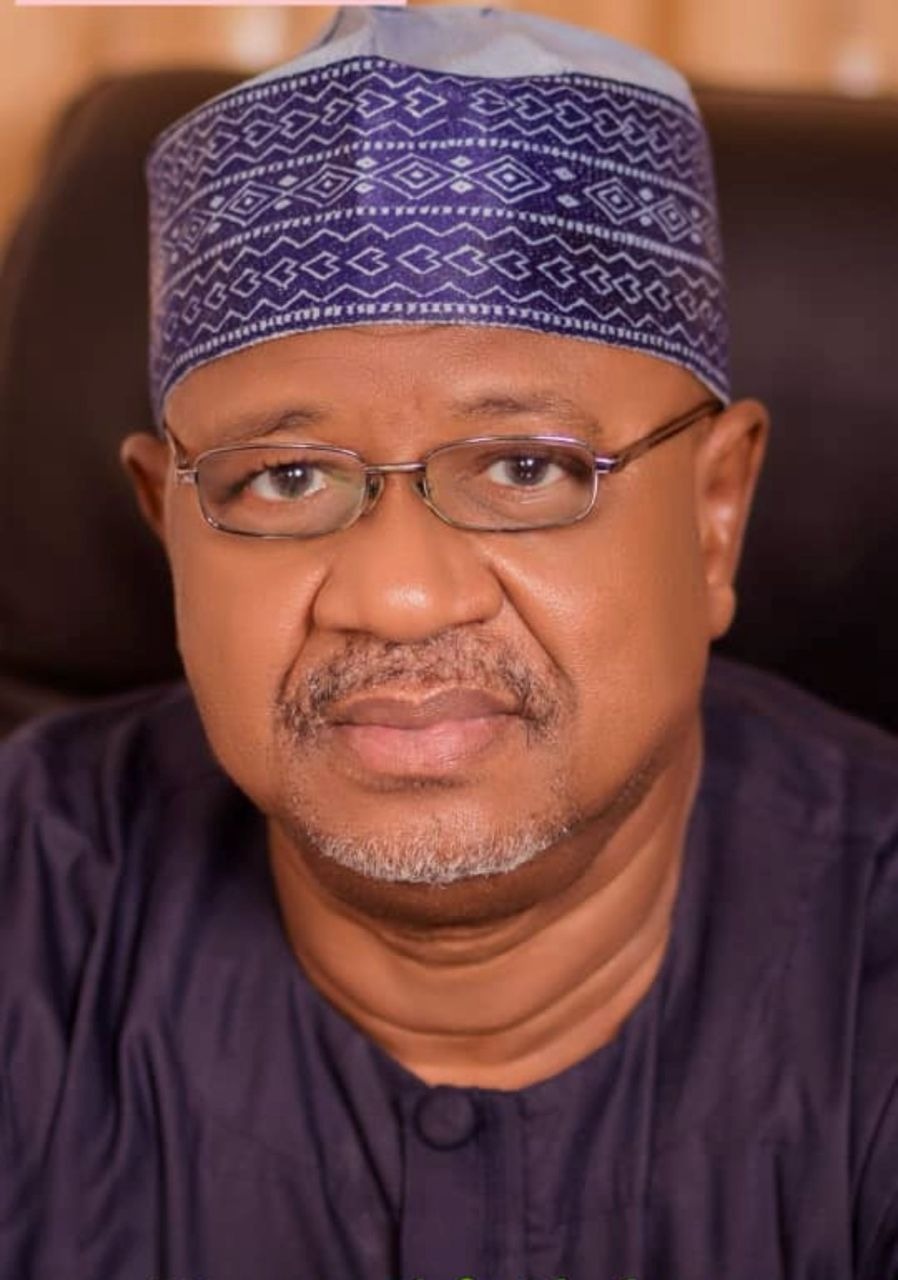
President Bola Tinubu could suffer a dramatic collapse in his Northern support in the 2027 presidential election, securing less than 10 per cent of votes from the region if the poll is free and credible, Convener of the League of Northern Democrats and key promoter of the All-Democratic Alliance (ADA), Dr Umar Ardo, has predicted.
Ardo made the prediction on Monday in an interview on Frontline, a current affairs programme on Eagle 102.5 FM, Ilese-Ijebu, Ogun State, arguing that the outcome would largely reflect how Northern voters assess the Tinubu administration’s performance.
He identified insecurity, worsening poverty, economic hardship and the rising cost of living as major issues likely to influence voting decisions in the region.
According to him, the persistent insecurity affecting communities, farmers, traders and businesses remains one of the administration’s biggest challenges.
READ ALSO:
- JUST IN: Tension in Benue as Suspected Thugs Attack Peter Obi’s Convoy, Block Access
- FIFA, CAF suspend NFF election as Nigeria football reforms face fresh review
- NNPC Disowns Cannabis-Laden Tanker, Threatens Legal Action Over Brand Misuse
“You can solve the issue of insecurity and insurgency in one year,” he said, insisting that the Federal Government could significantly reduce the crisis with the right strategy and sufficient political will.
Ardo also faulted the administration’s economic reforms, particularly the removal of fuel subsidy, questioning whether ordinary Nigerians had experienced corresponding benefits.
“Subsidy removal, is it a benefit?” he asked, arguing that the reforms had eroded purchasing power and made basic necessities increasingly unaffordable.
He said the impact had been particularly severe in Northern Nigeria, where a large proportion of the population is economically vulnerable.
“The economic reform has pushed from the state of poverty to destitution,” he said.
The political commentator also raised concerns about political representation under the Tinubu administration, arguing that the composition of government could shape public perception of its commitment to different regions.
Ardo said Northern voters should not be assumed to be permanently aligned with the voting pattern recorded in 2023, stressing that prevailing economic and security conditions would determine their choices in 2027.
“If a free, fair and credible election is conducted in Nigeria, Tinubu can’t get 10 percent of the Northern part,” he declared.
His prediction puts the spotlight on the opposition’s capacity to exploit any erosion of Tinubu’s Northern support, with former Vice President Atiku Abubakar and other opposition figures potentially positioned to benefit from any major electoral realignment.
2027: Tinubu May Get Less Than 10% of Northern Votes — Ard
-

 metro2 days ago
Police Arrest Woman Over Fake OPay Shutdown Notice
-

 metro23 hours ago
Woman disguises as Muslim woman in Niqab to steal in Ado-Ekiti market, video sparks outrage
-

 Politics2 days ago
Amaechi will be caged politically, Wike shouldn’t bother about Ikwerre votes — Wihioka
-
 metro2 days ago
Residents Cry Out Over Poorly Constructed Entrance of Ademola Abiola Street, Demand Urgent Intervention
-
 Politics2 days ago
Remi Tinubu Appeals To South-East Voters, Says She Wants To ‘Enjoy Nigeria’ In Old Age
-
 Politics2 days ago
Breaking the Cycle of Collective Guilt: When a Ruling Party Voice Backs Peter Obi
-

 News1 day ago
AI on the Roads: LASTMA Turns to China to Fix Lagos Traffic
-
 Business9 hours ago
Dangote: ₦525 Refinery Shares Could Rise to ₦10,000