

International
Trump Can Resume Third-Country Deportations Temporarily, US Supreme Court Rules
Trump Can Resume Third-Country Deportations Temporarily, US Supreme Court Rules
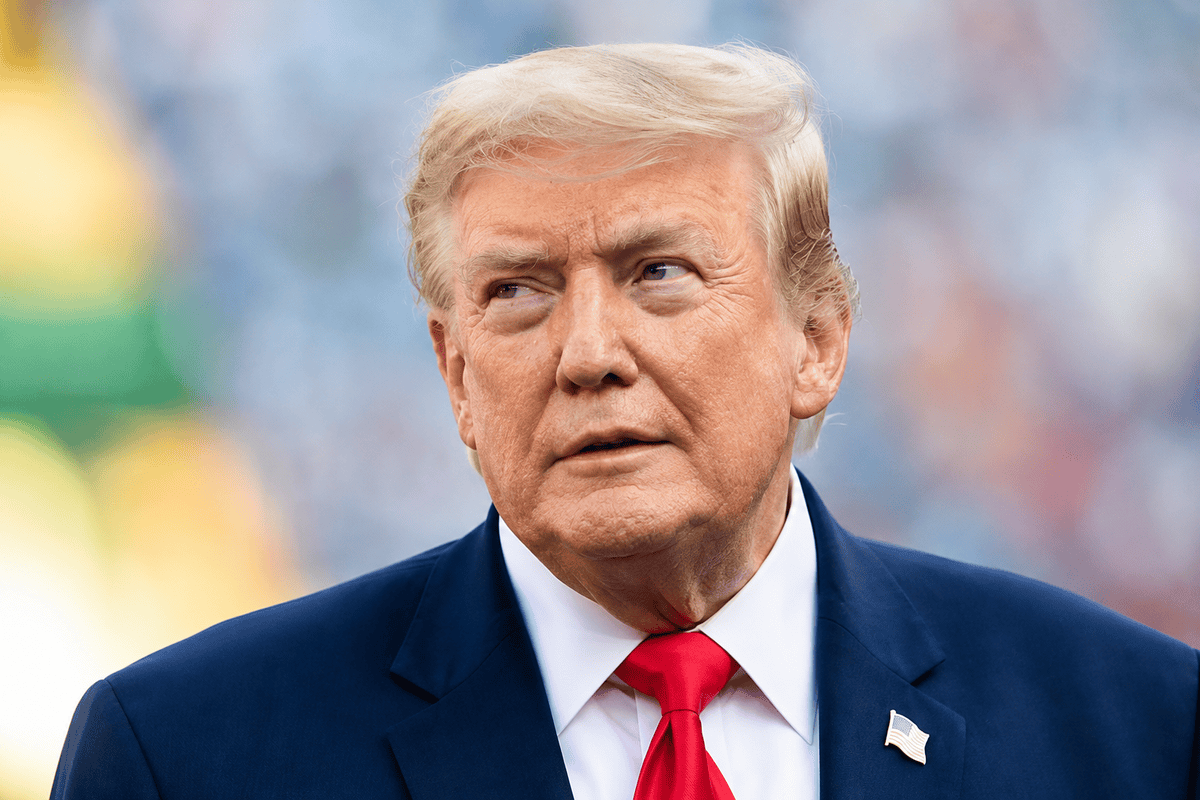
The US Supreme Court has temporarily cleared the way for President Donald Trump’s administration to resume deporting migrants to countries other than their own while the justices consider the legality of the policy.
The emergency order issued Tuesday temporarily suspends a lower-court restriction that required migrants facing third-country deportation to receive adequate notice and an opportunity to raise concerns about possible persecution or torture in the country to which they were being sent.
The Supreme Court’s action is not a final ruling on the legality of the deportation policy. Instead, it allows the Trump administration to proceed with the removals for now while the broader legal challenge moves forward.
The justices have agreed to hear arguments on the case in December, when they are expected to consider whether the policy violates migrants’ due-process rights and whether lower courts had the authority to impose restrictions on the deportations.
The dispute centres on the administration’s policy of sending migrants to third countries rather than returning them directly to their countries of citizenship. Such removals have been used where migrants cannot be returned to their home countries or where those countries refuse to accept them.
READ ALSO:
- Flood Cuts Off Part of Agbarho-Ughelli Road, Strands Commuters in Delta
- Dangote Draws Battle Lines as Fuel Import Fight Heads Back to Court
- Tinubu Returns After 30 Days in Europe, Says ‘I’m Healthy and Ready to Work’
The Trump administration has defended the policy as an important immigration enforcement tool, saying receiving countries provide assurances that deported migrants will not be persecuted or tortured.
The legal challenge intensified after a federal judge in Boston ruled that migrants should have a meaningful opportunity to raise safety concerns before being removed to a third country. A federal appeals court subsequently upheld the requirement, prompting the administration to seek emergency intervention from the Supreme Court.
Tuesday’s order temporarily puts that lower-court restriction on hold. This means third-country deportations can continue for now, but the Supreme Court has not yet determined whether the administration’s policy complies with US law.
The Supreme Court’s unsigned emergency order did not provide an explanation for the decision. Justices Sonia Sotomayor, Elena Kagan and Ketanji Brown Jackson indicated that they would have left the lower-court restriction in place.
The administration has already deported more than 25,000 migrants to third countries, according to figures presented in the legal proceedings. The destinations have included countries in Latin America and Africa.
Government lawyers have argued that lower-court restrictions have created logistical difficulties for immigration authorities, including cancelled deportation flights and delays in carrying out removal orders.
Lawyers representing migrants, however, have challenged the policy on due-process and safety grounds, arguing that people facing removal should have an opportunity to explain why they fear persecution, torture or other serious harm in the countries where they are being sent.
The case therefore remains unresolved. The Supreme Court’s latest order merely allows the deportations to proceed temporarily while the court reviews the underlying legal questions.
The December hearing will give the justices an opportunity to consider the broader dispute and determine whether the administration can continue the policy under the legal framework being challenged.
Until that review is completed and a final ruling is issued, Tuesday’s action should be understood as a temporary suspension of the lower-court restrictions, rather than a final Supreme Court approval of Trump’s third-country deportation policy.
Trump Can Resume Third-Country Deportations Temporarily, US Supreme Court Rules






International
Abdul El-Sayed, Seven Other Muslims Make History In US Midterm Elections
Abdul El-Sayed, Seven Other Muslims Make History In US Midterm Elections
Muslim Candidates Also Secure State Senate Seats In New York, Illinois And Georgia
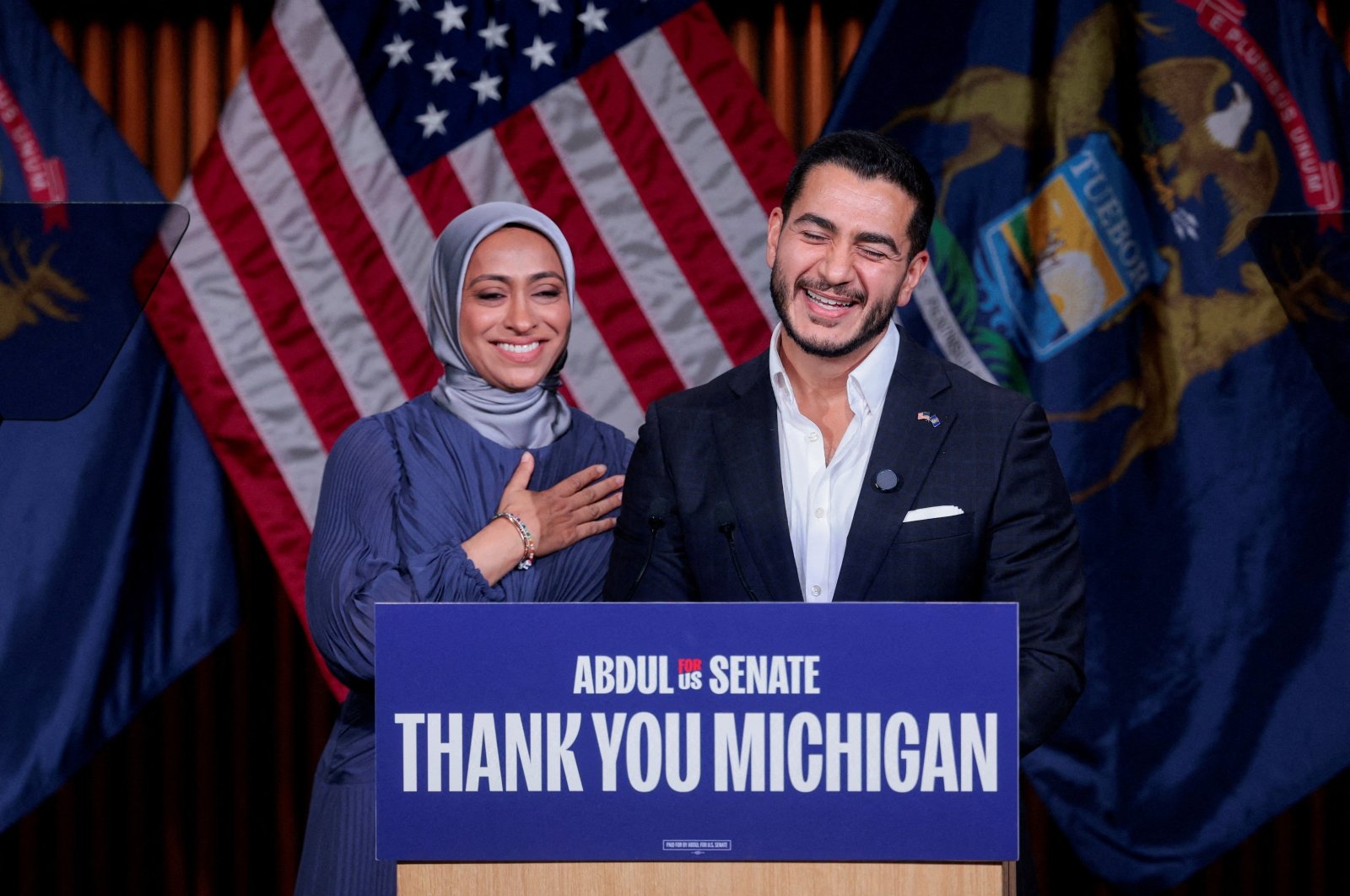
WASHINGTON, United States — Muslim candidates have recorded significant electoral victories in the November 3, 2026, United States midterm elections, with Democrat Abdul El-Sayed making history as the first Muslim elected to the US Senate, while at least seven other Muslim candidates secured seats in the House of Representatives.
The electoral successes, which also saw Muslim politicians win state legislative positions across different parts of the country, represent a significant development in the political participation and representation of Muslim Americans.
El-Sayed’s victory in Michigan’s Senate election stands out as one of the most remarkable achievements of the elections, breaking a longstanding barrier for Muslim representation in the upper chamber of the US Congress.
The physician and former public health official defeated Republican challenger Mike Rogers in the contest, securing a seat in the Senate and making history as the first Muslim American elected to the institution.
His victory adds a new dimension to the growing influence of Muslim politicians in American public life, particularly at a time when debates over immigration, civil rights, healthcare and US foreign policy continue to shape the country’s political landscape.
Beyond El-Sayed’s historic achievement, Muslim candidates also recorded notable victories in the House of Representatives.
Among them is Congresswoman Ilhan Omar, who secured re-election in Minnesota’s 5th Congressional District.
Omar, one of the most prominent Muslim politicians in the United States, has remained a major voice in congressional debates involving immigration, healthcare, civil rights and American foreign policy.
Another incumbent, Rashida Tlaib, also retained her seat representing Michigan’s 12th Congressional District.
Tlaib, who has consistently advocated Palestinian rights and criticised US military support for Israel, remains one of the most recognisable Muslim lawmakers in the American legislature.
Democratic Congressman André Carson equally secured another term representing Indiana’s 7th Congressional District, extending his presence as one of the longest-serving Muslim members of the US Congress.
In California, Lateefah Simon won re-election in the 12th Congressional District, while Adam Hamawy secured victory in New Jersey’s 12th Congressional District.
Hamawy’s victory is particularly significant because he becomes the first Muslim to represent New Jersey in the US Congress.
Another notable winner was Darializa Avila Chevalier, who secured New York’s 13th Congressional District.
The congressional victories bring the number of Muslim candidates elected to the US House of Representatives to at least six, in addition to El-Sayed’s historic Senate victory.
Muslim women also recorded significant achievements in state legislative elections.
In New York, Aber Kawas won the State Senate’s 12th District, marking an important milestone for Palestinian-American political representation.
Similarly, Nabeela Syed secured victory in Illinois State Senate District 26, defeating Republican incumbent Darby Hills.
In Georgia, Palestinian-American politician Ruwa Romman also won the State Senate District 7 contest, further strengthening Muslim representation in the state’s political institutions.
The victories came amid a major political shift in Washington, with Democrats recording significant gains in the midterm elections, creating fresh political challenges for President Donald Trump’s Republican administration.
The elections were contested against the backdrop of intense debates over the economy, immigration, healthcare, civil liberties and America’s foreign policy, particularly its relationship with Israel and the Palestinian question.
Muslim candidates have increasingly become visible in these debates, with several advocating policies involving civil rights, humanitarian assistance, healthcare access, immigration and social justice.
Reports published after the elections indicated that at least 36 Muslim candidates had won or were leading in various federal, state and local contests, although some results remained subject to further counting and verification.
The Council on American-Islamic Relations (CAIR) had earlier tracked more than 160 Muslim-American candidates seeking elective positions across different levels of government.
The latest victories therefore represent another important chapter in the political participation of Muslim Americans, whose representation has continued to expand in America’s democratic institutions.
With El-Sayed’s historic Senate victory, the successes of Muslim congressional candidates and the emergence of other Muslim lawmakers in state legislatures, the 2026 midterm elections have delivered a significant boost to Muslim political representation in the United States.
However, unofficial election projections and results remain subject to formal certification by the relevant electoral authorities.
Abdul El-Sayed, Seven Other Muslims Make History In US Midterm Elections
International
Musk Breaks Silence After $458M Gamble Backfires in Historic Democratic Sweep
Musk Breaks Silence After $458M Gamble Backfires in Historic Democratic Sweep
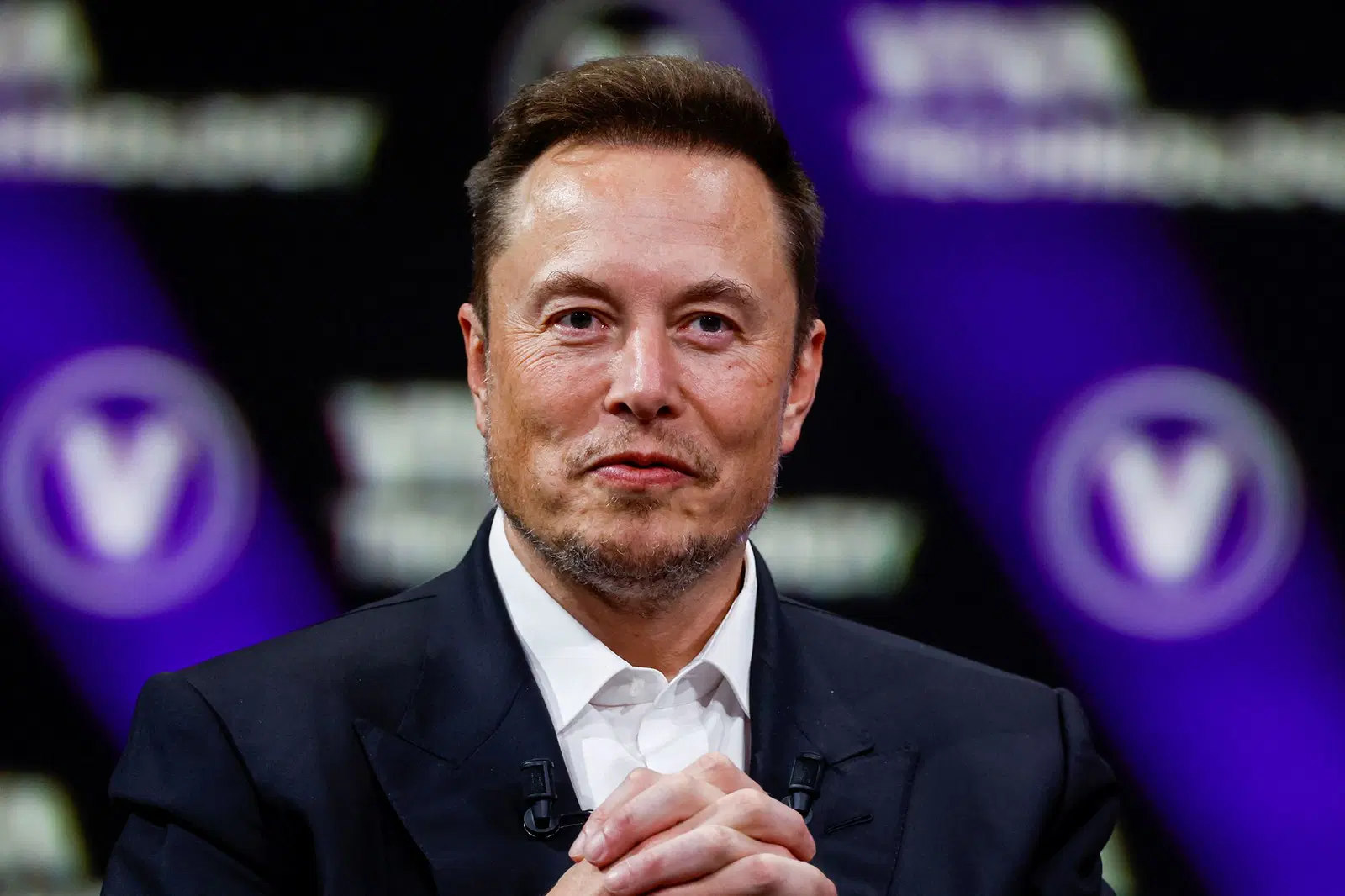
WASHINGTON, D.C. — Billionaire technology entrepreneur Elon Musk has broken his silence following a stunning Democratic victory in the 2026 United States midterm elections, making sarcastic remarks after spending hundreds of millions of dollars to support Republican candidates who suffered major electoral setbacks.
Musk, the world’s richest man and founder of SpaceX and Tesla, reportedly committed approximately $458 million to political groups and candidates backing Republicans in the elections, making him the biggest individual political donor in the 2026 election cycle.
However, the massive financial investment failed to prevent Democrats from securing a sweeping victory, taking control of both chambers of Congress and recording significant gains in several traditionally Republican strongholds.
Reacting to the outcome on Tuesday night, Musk took to his social media platform, X, where he appeared to make light of the electoral setback.
“Data centers in space looking pretty appealing right now,” he wrote.
In another post, the billionaire added: “Guess my election-interfering space lasers didn’t work this time.”
The comments, which attracted considerable attention online, appeared to reflect his frustration with the outcome, although they were delivered in his characteristic sarcastic style.
Musk’s political investment had been directed towards strengthening Republican chances of retaining control of Congress, with substantial financial backing going to political action committees and groups supporting candidates across several states.
One of the most expensive political battles involved Texas, where Musk reportedly spent more than $200 million supporting Republican Senate candidate Ken Paxton.
Despite the enormous financial backing, Democratic candidate James Talarico defeated Paxton, delivering a major blow to the Republican campaign and another setback for Musk’s political influence.
Other Republican-backed candidates also suffered significant defeats, reinforcing the scale of the Democratic resurgence.
The results have raised fresh questions about the influence of wealthy political donors in American elections, particularly whether massive campaign spending can overcome voter dissatisfaction with government policies and political leadership.
Meanwhile, Musk appeared to acknowledge the significance of the election outcome when he reacted with a brief “Interesting” to exit polling data suggesting that although Republican voters remained supportive of President Donald Trump’s immigration policies, the ongoing conflict involving Iran had become a major electoral liability for the party.
The election results suggest that economic concerns, rising living costs and dissatisfaction with the Trump administration, alongside the Iran conflict, played significant roles in shaping voters’ decisions.
The Democratic victories have also created a major political challenge for Trump, whose administration is expected to face increased congressional scrutiny during the remaining two years of his presidency.
With Democrats now controlling both chambers of Congress, the party will have greater power to obstruct Republican legislative proposals, scrutinise government activities and investigate policies of the Trump administration.
For Musk, the outcome represents a significant setback after his unprecedented financial involvement in the election cycle.
Although political donations do not automatically translate into electoral victories, the results have reignited debate over the limits of billionaire influence in American democracy.
His latest comments also suggest that the billionaire may be turning his attention back to his ambitious space technology projects as the political consequences of the Democratic victory begin to unfold.
Musk Breaks Silence After $458M Gamble Backfires in Historic Democratic Sweep
International
Abdul El-Sayed Makes History, Defeats Republican Rival To Become First Muslim US Senator
Abdul El-Sayed Makes History, Defeats Republican Rival To Become First Muslim US Senator
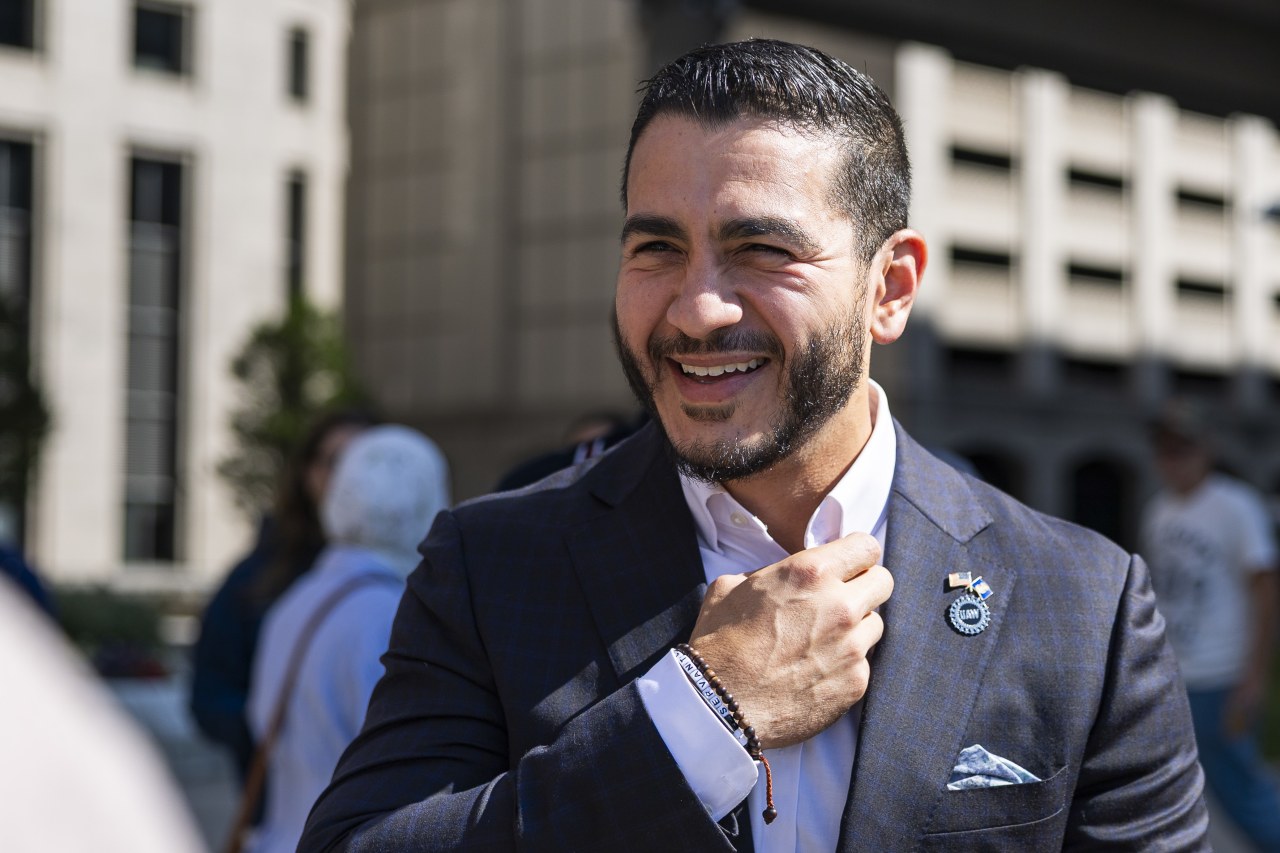
Democrat Abdul El-Sayed has won Michigan’s closely watched United States Senate election, making history as the first Muslim to be elected to the US Senate.
El-Sayed defeated Republican candidate Mike Rogers in the November 3, 2026, midterm elections, according to projections by the Associated Press.
His victory marks a historic milestone for Muslim representation in American politics and brings an end to more than two centuries without a Muslim serving in the US Senate.
The election was one of the most closely watched contests in the country, as Democrats and Republicans battled for control of the Senate.
According to Michigan Advance, the Associated Press called the race for El-Sayed with approximately 85 per cent of the votes counted. He was leading Rogers with 51.9 per cent against 46.1 per cent.
The victory means El-Sayed will succeed retiring Democratic Senator Gary Peters, who did not seek re-election.
Born on October 31, 1984, in Rochester Hills, Michigan, El-Sayed is the son of Egyptian immigrants.
The 42-year-old politician built his career around public health before venturing into electoral politics.
He graduated from the University of Michigan in 2007, earning degrees in biology and political science. He subsequently obtained a doctorate in public health from the University of Oxford as a Rhodes Scholar and later earned a medical degree from Columbia University in 2014.
In 2015, at the age of 30, he was appointed Detroit’s health director, making him one of the youngest officials to occupy the position.
He later served as head of Wayne County’s health department from 2023 to 2025.
Although he previously contested the Michigan governorship in 2018, he lost the Democratic primary to Gretchen Whitmer.
His election to the Senate therefore represents a significant turning point in his political career.
During the campaign, El-Sayed promoted an ambitious progressive agenda, including universal healthcare, popularly known as Medicare for All.
He also advocated measures to address medical debt, increase taxes on billionaires, reduce corporate influence in politics and limit the role of wealthy interest groups in election financing.
On foreign policy, he called for an end to the war involving Iran and a reassessment of America’s relationship with Israel, particularly over the conflict in Gaza.
His positions attracted support from prominent progressive politicians, including Senator Bernie Sanders and Congresswoman Alexandria Ocasio-Cortez.
Former President Barack Obama and former Vice President Kamala Harris also campaigned in Michigan in support of his candidacy.
El-Sayed’s campaign was marked by controversies surrounding his Muslim faith, Egyptian heritage and criticism of Israel.
President Donald Trump and other Republican figures questioned his loyalty to the United States and made allegations linking him to extremist organisations.
El-Sayed rejected the allegations, while the Associated Press reported that there was no evidence supporting claims of terrorist links.
His Democratic primary opponent, Congresswoman Haley Stevens, also endorsed Republican candidate Mike Rogers shortly before election day, following disagreements over El-Sayed’s positions.
Despite the divisions, El-Sayed secured the Democratic Party’s support and went on to defeat Rogers in the general election.
El-Sayed’s election is particularly significant for Muslim representation in the United States Congress.
Although Muslims have previously served in the House of Representatives, including Keith Ellison, Ilhan Omar and Rashida Tlaib, no Muslim has ever served in the US Senate.
His victory will therefore open a new chapter in the representation of Muslims in America’s highest legislative chamber.
He is expected to assume office in January 2027, succeeding retiring Senator Gary Peters.
His victory also gives progressive Democrats a prominent new figure in Washington as the party prepares for future political contests.
For El-Sayed, the historic achievement marks the culmination of a political journey that began with public health advocacy and has now taken him to the United States Senate.
Abdul El-Sayed Makes History, Defeats Republican Rival To Become First Muslim US Senator (more…)
-

 metro2 days ago
FG’s N50,000 Relief: OPay Details Eligibility Check Process, Issues Strong Warning Against Scams
-

 metro2 days ago
Bandits Demand Over ₦100m Ransom for 15 Abducted Islamiya Students in Niger
-

 metro3 days ago
Tears In Ebonyi Community As Newlyweds, Groom’s Mother, Seven Others Perish In Crash
-

 International3 days ago
Australia Under Pressure To Scrap $368bn US-UK Nuclear Submarine Deal As Inquiry Warns Of China War
-

 Politics3 days ago
DSS Denies Plot to Disrupt ADC Rally, Orders Probe into Atiku’s Allegations
-

 metro3 days ago
‘I Went to My Pastor for Deliverance, Ended Up in Bed With Him’ – Lady Recounts Encounter
-

 International2 days ago
Musk Breaks Silence After $458M Gamble Backfires in Historic Democratic Sweep
-

 News2 days ago
Omoda and Jaecoo Race Past 1.4m Sales, Expand Push into AI, Electrification