
International
Trump, Israel Clash Over South Pars Strike as Iran Conflict Escalates
Trump, Israel Clash Over South Pars Strike as Iran Conflict Escalates
A sharp disagreement has emerged between U.S. President Donald Trump and Israeli officials over a controversial airstrike on Iran’s South Pars gas field, highlighting tensions within the U.S.–Israel alliance as the conflict with Iran intensifies.
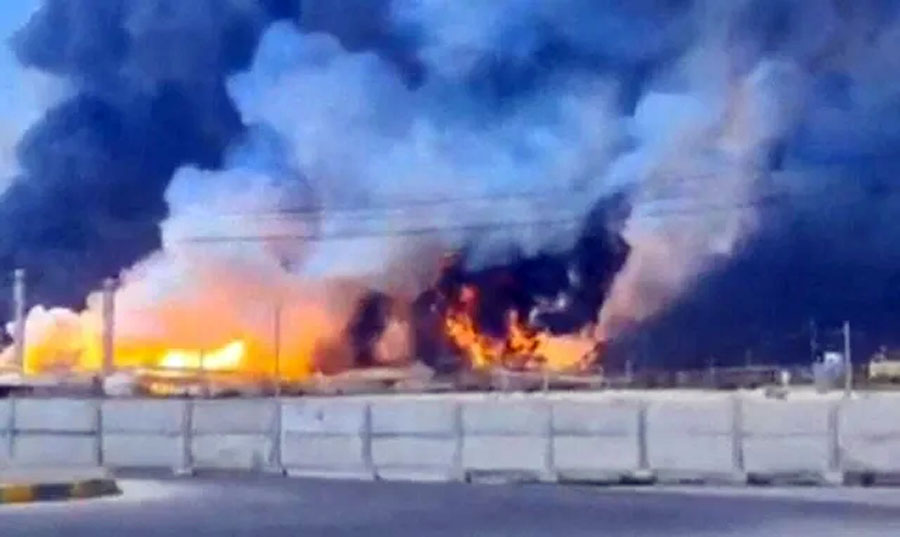
The strike, carried out on Wednesday, March 18, targeted critical infrastructure at the South Pars gas field — the world’s largest natural gas reserve, jointly shared by Iran and Qatar. The attack caused fires and damage to gas processing facilities, marking one of the most significant hits on Iran’s economic lifeline in the current conflict.
Iran responded swiftly with missile and drone strikes targeting energy infrastructure across the Gulf, including facilities linked to Qatar’s Ras Laffan LNG hub, oil refineries in Saudi Arabia, installations in the United Arab Emirates, and sites in Kuwait. The retaliation heightened fears of a broader regional war and triggered volatility in global oil and gas markets.
READ ALSO:
- Fani-Kayode, Dele Momodu Trade Fresh Insults in Escalating Social Media Feud
- Messi Joins Ronaldo in 900-Goal Club as Miami Exit Tournament
- Kwara Christians Demand Christian Governor in 2027
In a post on Truth Social, Trump publicly distanced the United States from the strike, stating that Washington “knew nothing about this particular attack” and emphasising that Qatar had no involvement. He described Israel’s action as a forceful response to regional tensions but suggested it struck only a limited section of the gas field.
Trump further declared that no additional Israeli strikes on South Pars would occur unless Iran escalated by attacking Qatar, warning that any such move could prompt a massive U.S. response against the entire gas facility.
However, the narrative shifted on Thursday when Israeli officials disclosed that the United States had been informed ahead of the operation, suggesting prior coordination. They indicated the strike was a one-off action and acknowledged that Trump’s public distancing was not unexpected.
Speaking later at the White House, Trump struck a more nuanced tone, stating that the U.S. and Israel are “coordinated”, while also noting he had cautioned Israeli Prime Minister Benjamin Netanyahu against further attacks on critical energy infrastructure.
Netanyahu, in a subsequent briefing, maintained that Israel acted independently in carrying out the strike but confirmed that, following discussions with Trump, Israel would refrain from additional attacks on the South Pars facility.
The strike represents a major escalation in the conflict, which intensified following joint U.S.–Israel operations earlier in the year. Targeting South Pars — a cornerstone of Iran’s gas production — directly threatens the country’s economy and domestic energy supply.
At the same time, Iran’s retaliatory strikes on Gulf energy assets have raised alarms about global energy security, particularly as the region plays a critical role in oil and liquefied natural gas (LNG) exports.
Key shipping routes such as the Strait of Hormuz remain under heightened risk, with analysts warning that any sustained disruption could drive sharp increases in global energy prices and trigger wider economic consequences.
Gulf nations, including Qatar and Saudi Arabia, have condemned the attacks and sought clarification from Washington regarding its role and level of involvement.
Despite attempts to contain the situation, uncertainty remains over the extent of U.S.–Israel coordination and whether further strikes or retaliatory actions could draw more countries into the conflict.
Trump, Israel Clash Over South Pars Strike as Iran Conflict Escalates






International
Iran: US Authorises $16.5bn Arms Sale to UAE, Kuwait, Jordan
Iran: US Authorises $16.5bn Arms Sale to UAE, Kuwait, Jordan
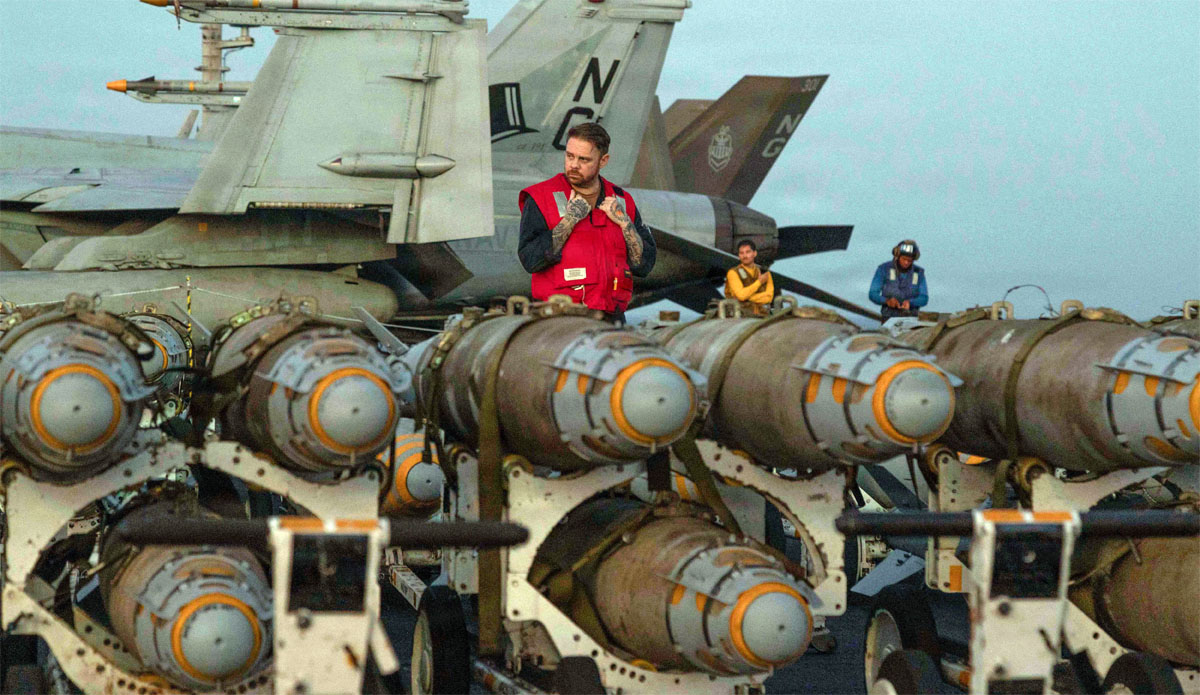
The United States has approved a $16.5 billion arms sale to key Gulf allies — including the United Arab Emirates, Kuwait, and Jordan — as tensions escalate between Washington and Iran over regional security and military confrontations.
The approval was issued by the United States Department of State, which said the package is aimed at strengthening air defence, missile systems, and overall military readiness among allied nations in the Middle East. The deal allocates approximately $8.4 billion in advanced military equipment for the UAE, including drones, missiles, radar systems, and upgrades for F-16 fighter aircraft. Kuwait is set to receive about $8 billion worth of air and missile defence radar systems, while Jordan will receive around $70.5 million in aircraft support equipment and munitions.
Officials said the package is intended to enhance the defensive capabilities of partner countries and support broader U.S. strategic interests in maintaining stability in the region. The State Department noted that the UAE remains a key security and economic partner, describing the deal as consistent with U.S. foreign policy objectives aimed at improving the security of allied nations.
READ ALSO:
- ISWAP Commander Killed as Troops Foil Adamawa Terror Attack
- Eid-el-Fitr: Tinubu Calls for Patriotism, Unity Among Nigerian Muslims
- Nigeria, UK Sign Landmark Deal to Deport Failed Asylum Seekers
The transaction was approved under emergency provisions, with Secretary of State Marco Rubio authorising the sale without the usual congressional review, citing urgent national security considerations. Major U.S. defence contractors involved in the deal include RTX Corporation, Northrop Grumman, and Lockheed Martin.
The arms deal comes amid heightened hostilities linked to the ongoing conflict involving Iran. The administration of U.S. President Donald Trump has been engaged in military coordination with allies following reported strikes on Iranian targets, including energy infrastructure. The escalation has raised fears of a broader regional war, with Iran issuing warnings against attacks on its interests and threatening retaliation against energy assets in allied countries such as Saudi Arabia and Qatar.
The conflict has also disrupted global energy markets, particularly through tensions around the Strait of Hormuz, a critical shipping lane that carries a significant share of the world’s oil supply. Rising instability has contributed to increased fuel prices in the United States, with averages climbing from around $3.10 per gallon to $3.88 per gallon, reflecting the broader economic impact of the geopolitical crisis. Iran’s actions in the region, including threats and reported interference with tanker traffic, have further heightened concerns over global supply chains and energy security.
The arms approval coincides with a push by the U.S. Department of Defense for additional funding to sustain military operations. Reports indicate the Pentagon may seek up to $200 billion in extra funding, on top of previously approved defence spending increases. U.S. officials have emphasised the need for expanded resources to address evolving global threats, with Trump noting that increased spending reflects broader international security challenges. Any additional funding would require congressional approval, highlighting ongoing debates in Washington over defence priorities and fiscal policy.
Iran: US Authorises $16.5bn Arms Sale to UAE, Kuwait, Jordan
International
China Slams Killing of Iran’s Ali Larijani, Urges Immediate Ceasefire
China Slams Killing of Iran’s Ali Larijani, Urges Immediate Ceasefire
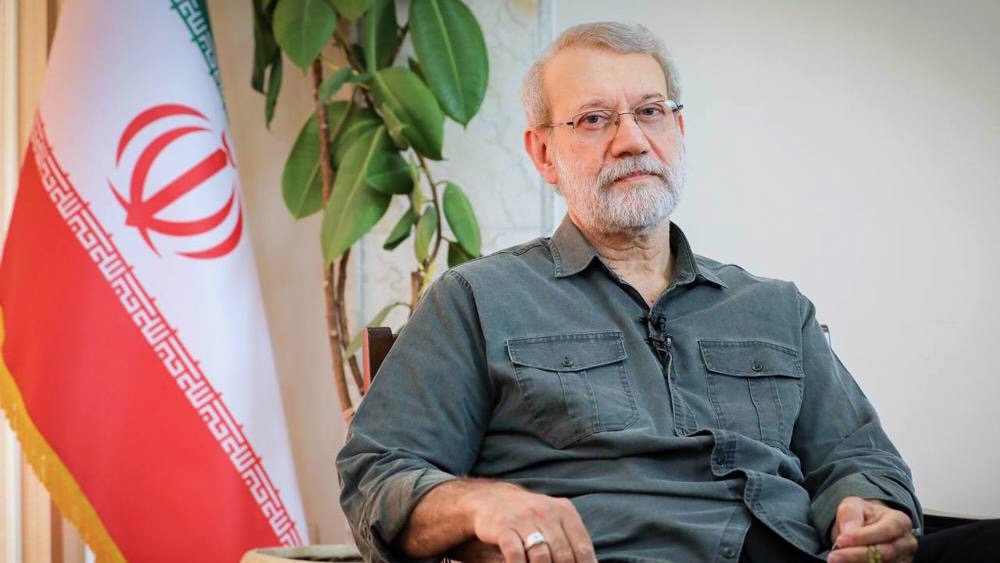
China has strongly condemned the killing of Iranian National Security Chief Ali Larijani, describing the strike as “unacceptable” and warning that escalating violence could push the Middle East into deeper instability.
Speaking on Thursday, Chinese Foreign Ministry spokesperson Lin Jian said Beijing opposes the use of force in international relations, particularly the targeting of senior government officials and civilians.
According to Lin, the killing of the former Iranian national security chief in a reported Israeli airstrike marks a dangerous escalation in the ongoing conflict involving Iran, Israel and the United States.
He stressed that such actions are “unacceptable” and urged all parties to immediately halt military operations to prevent the crisis from spiralling out of control.
READ ALSO:
- Iran Again Threatens to Destroy Region’s Energy Facilities if Attacked
- Tinubu, Starmer Meet as UK Backs £746m Lagos Port Upgrade Deal
- Sham Marriage, Tax Fraud: Kazeem Faces Denaturalisation in US
The death of Larijani is one of the most high-profile casualties since the war began on February 28, following a wave of coordinated strikes that reportedly killed several top Iranian officials. The development has heightened global concerns over a broader regional confrontation.
While maintaining close ties with Tehran, China has also criticised Iran’s retaliatory attacks, particularly those targeting Gulf countries hosting US military bases. Beijing’s position reflects a broader call for restraint from all sides involved in the conflict.
As part of its diplomatic response, China has intensified mediation efforts led by its Middle East envoy, Zhai Jun. The envoy has held high-level talks across key regional powers, including Saudi Arabia, United Arab Emirates, Bahrain, Kuwait and Egypt.
During the meetings, Zhai emphasised the need to avoid attacks on civilian infrastructure and safeguard critical shipping routes, warning that disruptions to maritime trade could have far-reaching global consequences.
Chinese officials described the envoy’s tour as part of “intensive diplomatic mediation efforts”, adding that Beijing will continue engaging all parties until the conflict subsides.
Beyond diplomacy, China has also pledged humanitarian assistance to countries affected by the war, including Iran, Lebanon, Jordan and Iraq.
Analysts say China’s response underscores its strategic interest in maintaining stability in the Middle East, a region vital to global energy supplies and trade routes.
With tensions continuing to rise, fears are mounting that further targeted killings and retaliatory strikes could trigger a wider regional crisis with significant geopolitical and economic implications.
China Slams Killing of Iran’s Ali Larijani, Urges Immediate Ceasefire
International
Iran Again Threatens to Destroy Region’s Energy Facilities if Attacked
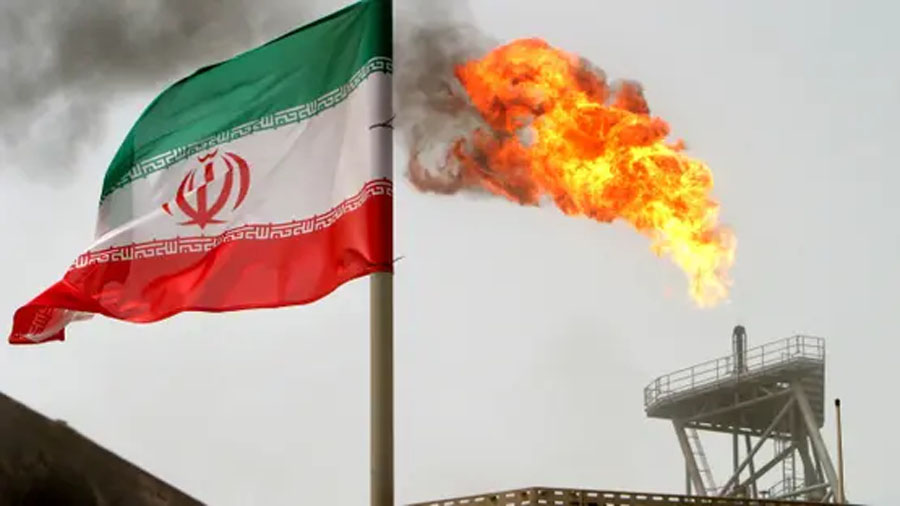
Iran Again Threatens to Destroy Region’s Energy Facilities if Attacked
Iran has renewed its warning that it will target and destroy energy infrastructure across the Middle East if further strikes are carried out against its territory, signalling a dangerous escalation in the ongoing regional conflict.
Iranian military officials said any new attacks—particularly on its oil and gas assets—would trigger retaliatory strikes on energy facilities in neighbouring countries, including those in the Gulf.
The latest threat follows recent strikes on Iran’s critical energy infrastructure, including the South Pars gas field, one of the world’s largest natural gas reserves.
In response, Iran has warned it could hit oil refineries, gas fields, and export terminals across the region, raising fears of a wider economic and military confrontation. Officials described the situation as a “new stage” of the conflict, with Tehran prepared to escalate further if what it calls “aggression” continues.
READ ALSO:
- Tinubu, Starmer Meet as UK Backs £746m Lagos Port Upgrade Deal
- Sham Marriage, Tax Fraud: Kazeem Faces Denaturalisation in US
- PDP Crisis Deepens as Party Suspends Wike-Aligned Chairman
Recent developments have already seen missile and drone strikes targeting energy installations in Gulf countries, including key facilities linked to global oil and liquefied natural gas (LNG) supply chains.
The escalating threats have sparked serious concerns about global energy security, as the Gulf region accounts for a significant share of the world’s oil and gas exports. Oil prices have surged sharply amid fears of supply disruption, while gas markets have also reacted due to risks to major LNG hubs. The strategic Strait of Hormuz, a critical route for global energy supplies, remains under heightened threat.
Analysts warn that a sustained escalation could severely disrupt global markets, with potential ripple effects on fuel prices, inflation, and economic stability worldwide.
The warnings come amid intensifying hostilities involving Iran and Israel, with both sides increasingly targeting critical infrastructure. Iran has also called for regional coordination with countries such as Turkey, Egypt, and Pakistan, urging a collective response to what it describes as foreign destabilisation efforts.
Despite international calls for restraint, the conflict continues to expand, with energy infrastructure now emerging as a central battleground.
Iran Again Threatens to Destroy Region’s Energy Facilities if Attacked

-
 News2 days ago
Eid‑el‑Fitr in Nigeria Confirmed for Friday, March 20, 2026
-

 metro3 days ago
Just In: Federal Govt Announces Public Holidays for Eid-el-Fitr
-

 metro2 days ago
BREAKING: Eid-el-Fitr Date Confirmed in Saudi Arabia, Nigeria Awaits Sultan’s Decision
-

 metro2 days ago
Court Confirms Nigerians’ Right to Record Police During Stop-and-Search Operations
-

 Sports2 days ago
CAF strips Senegal of AFCON title, Morocco declared winners
-

 Sports2 days ago
Sadio Mané Slams CAF After Senegal Stripped of 2025 AFCON Title
-
 metro1 day ago
Lagos communities face 4-month blackout, power firm alerts
-

 metro19 hours ago
Fani-Kayode, Dele Momodu Trade Fresh Insults in Escalating Social Media Feud