

Education
UNILAG 51st convocation to begin June 30
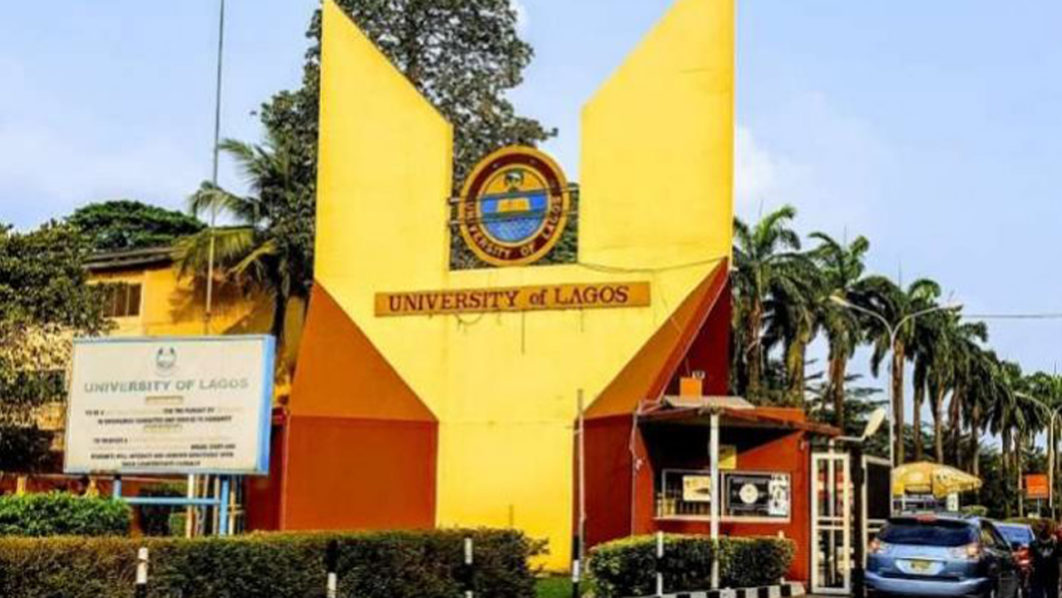
The University of Lagos has set aside June 30 to July 9 for activities to mark its 51st convocation ceremony (2019).
A statement issued on Thursday by Nonye Oguama, principal assistant registrar at the corporate affairs department of the institution said a pre-convocation news conference fixed for June 30 would herald activities lined up for the ceremony.
It said that there would be a rehearsal for hooding ceremonies on July 1 at the School of Post Graduate Studies, various faculties and the Distance Learning Institute (DLI).
The statement added that Friday, July 2, had been set aside for the convocation ceremonies, special Jumat Service, while a Thanksgiving Service would hold on July 4.
According to the statement, there will be an Opening of Exhibition and Commissioning of projects that will be preceded by a convocation lecture on Monday July 5.
It also stated, “On Tuesday July 6, there will be a congregation for the award of first degree, diploma certificates and prizes to graduating students of the Faculties of Education, Social Sciences, Arts, Environmental Sciences and Sciences.
“The congregation for the award of first degrees, diploma, certificates and prizes to graduating students of the Faculties of Law, Engineering, Management Sciences, Basic Medical Sciences, Clinical Sciences Dental Science, Pharmacy and DLI will come up on Wednesday, July 7.
“That for the Post Graduate Degrees and Masters will also hold on the same day.”






Education
South-West Leaders Challenged to Emulate Kwankwaso, Invest in Education of Poor Children

South-West Leaders Challenged to Emulate Kwankwaso, Invest in Education of Poor Children
A call has been made to political leaders across Nigeria’s South-West region to invest more deliberately in the education and professional development of brilliant children from poor and disadvantaged backgrounds, with emphasis on overseas scholarships and specialised skills acquisition.
The call was made by a concerned citizen, Adeagbo Suraj Ademola, who questioned the commitment of political leaders in the region to sustainable human capital development, arguing that the transformation of young people from economically disadvantaged families should be considered one of the greatest measures of good governance.
Ademola, in a statement, drew attention to reports about the scholarship initiative introduced by former Kano State Governor, Senator Rabiu Musa Kwankwaso, under which thousands of young people from the state were reportedly sponsored to pursue postgraduate studies abroad.
He cited the account of a Hausa man who reportedly benefited from the programme, travelled to the United States for further studies and eventually became a university lecturer in America.
According to him, the reported figure of more than 3,000 beneficiaries under the initiative raises important questions about the priorities of political leaders in the South-West, particularly regarding investments in education and opportunities for children whose parents cannot afford quality education.
He recalled similar initiatives introduced by former Osun State Governor, Ogbeni Rauf Aregbesola, noting that his administration sponsored 85 medical students of Osun State University (UNIOSUN) to Ukraine to complete their medical education.
Ademola also highlighted the decision of the Aregbesola administration to sponsor 31 graduates to Germany for specialised training in automobile mechatronics, while another 20 young people were reportedly sent to Germany for advanced agricultural training.
He described the mechatronics initiative as particularly significant, recalling that a friend of his, whose mother was a local leaf seller, benefited from the programme.
According to him, the experience demonstrated how government-sponsored educational and professional opportunities could transform the lives of young people from ordinary homes who would otherwise struggle to access such opportunities.
He maintained that programmes of this nature should not be treated merely as political empowerment schemes but as strategic investments capable of producing skilled professionals who would contribute to national development.
The South-West leaders were also reminded of the scholarship initiative introduced by former Ekiti State Governor, Dr Kayode Fayemi, during his first administration.
The programme, known as the Fayemi Scholars initiative, reportedly supported outstanding graduates to pursue postgraduate studies in reputable institutions in countries including the United Kingdom, the United States and China.
For Ademola, these examples demonstrate that visionary leadership goes beyond the construction of roads, bridges and public buildings. It also involves identifying talented young people, providing them with opportunities and preparing them to become future professionals and leaders.
He, however, argued that the South-West could achieve much more if its six state governments adopted deliberate and sustainable programmes to sponsor brilliant but financially disadvantaged young people for specialised education and professional training.
He proposed that each state should consider sponsoring at least 500 or even 1,000 qualified young people annually to study specialised courses in reputable institutions within and outside Nigeria.
According to him, such an initiative could significantly strengthen the region’s capacity in critical sectors, including medicine, engineering, artificial intelligence, agriculture, manufacturing, technology and scientific research.
He stressed that the benefits would extend beyond the individual scholarship recipients, as the region and the country would eventually gain from the expertise, innovation and professional contributions of the beneficiaries.
Ademola further argued that political leadership should not be assessed exclusively by the number of infrastructure projects executed, political appointments made or conventional empowerment programmes organised.
Rather, he said, the number of ordinary children whose lives have been transformed through access to quality education, specialised training and life-changing opportunities should also be an important measure of governance.
He therefore challenged governors and other political leaders across the South-West to explain the deliberate, sustainable and transparent programmes they have established to identify, train and support brilliant children whose parents lack the financial resources to provide them with opportunities available to children from wealthy families.
He emphasised that many of the country’s future professors, medical experts, engineers, innovators, researchers and national leaders could currently be growing up in communities where poverty has limited their access to quality education and professional development.
The statement further called for scholarship programmes that would be transparent, merit-based and sustainable, ensuring that beneficiaries are selected based on their academic abilities and potential rather than political connections or family backgrounds.
Ademola maintained that investing in disadvantaged children was not simply an act of charity but a strategic responsibility that could determine the economic and technological future of the region.
He argued that the greatest legacy of any administration should not be limited to physical structures constructed during its tenure but should also include the quality of human beings it prepares to sustain development long after leaving office.
He concluded with a message to political leaders across the South-West, urging them to place greater emphasis on human capital development and deliberately create opportunities for children from poor families.
“We must invest in PEOPLE, not just PROJECTS,” he declared.
The statement was signed by Adeagbo Suraj Ademola of Adenle Onile-Aran’s Compound
South-West Leaders Challenged to Emulate Kwankwaso, Invest in Education of Poor Children
Education
After N375bn Student Loan Payout, NELFUND Begins Major Structural Review
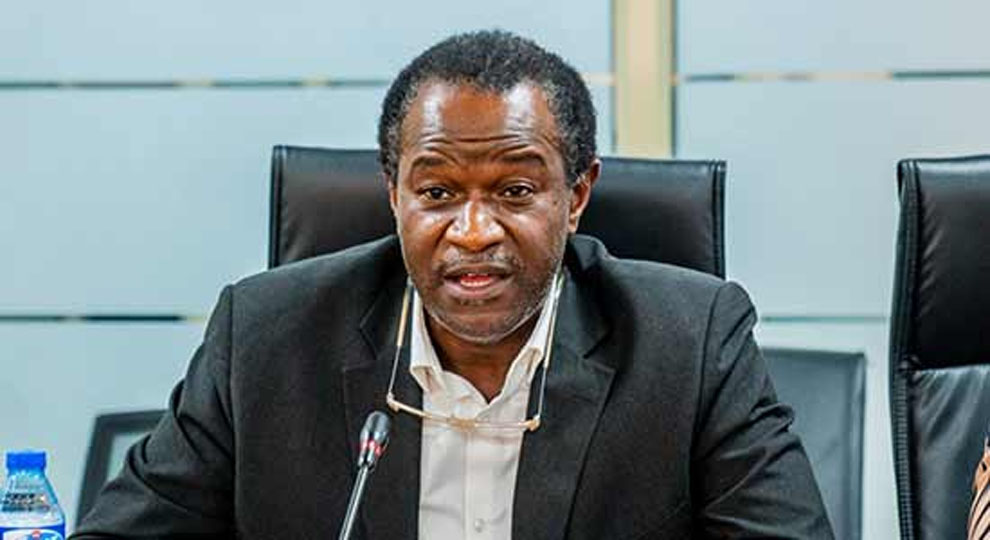
The Nigerian Education Loan Fund (NELFUND) has commenced a strategic organisational review following the disbursement of more than ₦375 billion in student loans to about 870,000 beneficiaries, in a move aimed at strengthening its operations and improving service delivery.
The review is expected to reposition the Fund, enhance institutional efficiency and ensure its organisational capacity keeps pace with the growing demands of Nigeria’s student loan programme.
NELFUND announced the development in a statement issued by its Director of Strategic Communications, Oseyemi Oluwatuyi, explaining that the expansion of the scheme had made it necessary to reassess the Fund’s internal structures, operational processes and administrative framework.
The exercise is designed to identify areas requiring improvement, strengthen institutional capacity, streamline responsibilities and build a more effective system for managing the growing volume of student loan applications, approvals and disbursements.
As part of the process, NELFUND has engaged an independent professional consulting firm with expertise in organisational development and institutional reforms to conduct the review and provide recommendations.
The engagement, according to the Fund, followed the procedures outlined in the Public Procurement Act 2007 and other relevant regulations, underscoring its commitment to transparency, accountability and prudent management of public resources.
The consulting firm is expected to carry out an independent assessment and develop evidence-based recommendations to help the Fund improve its performance and strengthen its ability to deliver on its mandate.
READ ALSO:
- Gombe: Three Killed, 13 Injured as Alleged Military Shooting Sparks Outcry
- Jimmy Odukoya Sues Sister, Church Trustees Over Removal as Senior Pastor
- UNILAG Gets 10 CNG Buses as FG Expands Campus Transport Scheme to 60 Institutions
NELFUND said the review was necessary to consolidate its achievements, address emerging institutional challenges and build a sustainable organisational framework capable of supporting the long-term implementation of the student loan scheme.
The Fund, however, assured students, tertiary institutions and other stakeholders that the organisational review would not affect the operations of the loan programme.
It stressed that loan applications, processing, approvals and disbursements would continue uninterrupted throughout the exercise, noting that the review was strictly an internal institutional development initiative.
NELFUND said its objective was to build a stronger, more efficient and sustainable institution capable of meeting the growing needs of students seeking financial assistance to pursue higher education.
The student loan scheme was established to ease financial barriers to higher education by providing eligible students with access to funding for their academic pursuits.
With the number of beneficiaries and the volume of disbursements increasing, the Fund said strengthening its operational capacity was crucial to sustaining the programme and expanding access to higher education financing across Nigeria.
The organisational review is expected to help NELFUND improve its systems, enhance accountability and ensure it remains equipped to fulfil its responsibilities to students and the country’s tertiary education sector.
After N375bn Student Loan Payout, NELFUND Begins Major Structural Review
Education
UNILAG Gets 10 CNG Buses as FG Expands Campus Transport Scheme to 60 Institutions
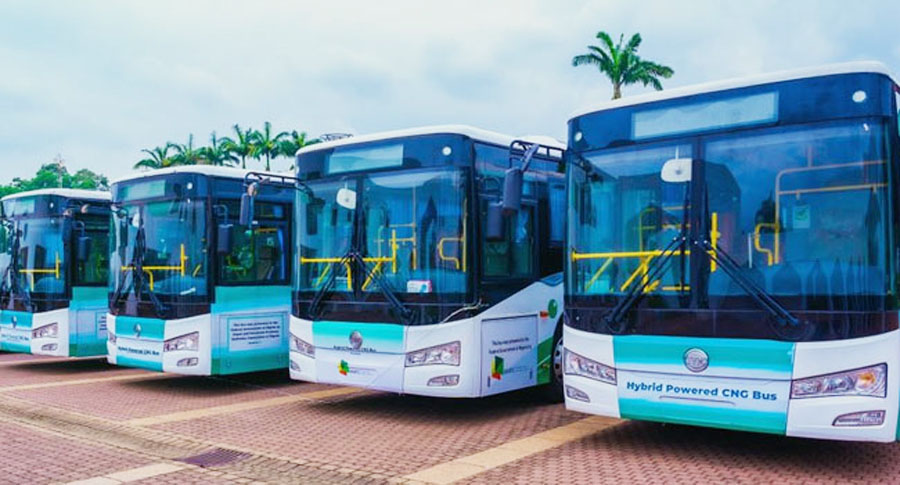
UNILAG Gets 10 CNG Buses as FG Expands Campus Transport Scheme to 60 Institutions
The Federal Government has announced plans to expand its Compressed Natural Gas (CNG) campus transportation programme to 60 tertiary institutions, with the University of Lagos (UNILAG) set to receive 10 CNG-powered buses to ease the movement of students and staff.
The Minister of Education, Dr Maruf Tunji Alausa, announced the intervention on Friday, November 20, 2026, during the commissioning of a CNG daughter station and vehicle conversion centre at UNILAG.
The initiative is being implemented under the Federal Government’s Special Palliative Relief on University Transportation (Project SPROUT), which seeks to reduce transportation costs in tertiary institutions through the adoption of cleaner and more affordable energy.
Similar facilities were commissioned at the University of Ibadan (UI), the Federal University of Technology, Akure (FUTA), and the Federal University Oye-Ekiti (FUOYE), with representatives of the institutions participating remotely in the ceremony.
Alausa said the programme initially targeted 20 federal universities but would be extended to an additional 40 federal tertiary institutions, bringing the total number of intended beneficiaries to 60.
He explained that the provision of CNG-powered buses and conversion facilities was designed to reduce the financial burden on students who make several trips daily between their hostels, lecture halls, laboratories and other parts of their campuses.
Under the arrangement, UNILAG will receive 10 CNG buses, while the University of Ibadan, FUTA and FUOYE will each receive five buses.
The minister also announced plans to provide 1,000 vehicle conversion kits for members of staff at UNILAG, as part of efforts to encourage the transition from petrol-powered vehicles to CNG.
He urged university managements and transport operators to ensure that the savings from using CNG were reflected in affordable transportation fares and reliable shuttle services.
Alausa illustrated the potential savings by comparing the cost of travelling from Lagos to Ibadan. According to him, a journey that could cost about N10,000 using petrol would cost approximately N2,500 with CNG.
READ ALSO:
- Military Kills 21 ISWAP Fighters in Borno Airstrikes, 26 Surrender
- Doctor Shortage: FG Increases Medical Student Admissions by 140%
- 2027: Tinubu Urges Oyo Voters to Stick With APC, Promises More Development
He challenged the university management and students to monitor the impact of the intervention, promising to engage the Vice-Chancellor if transportation fares did not reduce within three months.
The minister also said the conversion centres would serve as practical training facilities for students studying engineering, technology and related disciplines, exposing them to vehicle conversion, gas infrastructure management and maintenance.
Beyond transportation, Alausa highlighted other Federal Government interventions planned for UNILAG, including the provision of more than 2,000 hostel bed spaces and a 12-megawatt solar mini-grid project to improve electricity supply.
He said the government was working towards delivering more than 50,000 hostel bed spaces across tertiary institutions by the end of 2027. UNILAG is expected to benefit from 1,700 bed spaces at its Akoka campus and another 350 at its College of Medicine.
The Vice-Chancellor of UNILAG, Professor Folasade Ogunsola, described the commissioning of the CNG station and conversion centre as a significant development in the university’s efforts to promote sustainability, cleaner energy and improved welfare for students and staff.
She said the facility would also create opportunities for research, teaching, innovation and practical engagement with emerging energy technologies.
Ogunsola disclosed that the university would offer 10 complimentary vehicle conversion slots to selected beneficiaries through a ballot, while other members of the university community would have access to conversion services at discounted rates.
The Executive Director of the Nigerian Midstream and Downstream Gas Infrastructure Fund (MDGIF), Oluwole Adama, said the project demonstrated the Federal Government’s commitment to expanding domestic gas utilisation and ensuring that the country’s natural gas resources delivered practical benefits to Nigerians.
He disclosed that the fund’s portfolio comprised 31 projects involving 205 infrastructure assets across the country.
Adama also said the UNILAG facility was among the CNG infrastructure projects being delivered through collaboration between the Federal Government and private-sector partners.
The Managing Director of FEMADEC Energy Limited, Fola Akinnola, said the company was working with the government to expand CNG infrastructure across tertiary institutions.
He explained that the facilities would provide more than transportation support, serving as training hubs where students could acquire practical skills in gas infrastructure operations, vehicle conversion, maintenance and safety management.
The President of the National Association of Nigerian Students, Akinteye Babatunde Afeez, welcomed the intervention, describing Project SPROUT as a practical response to the transportation difficulties faced by students.
He, however, called on university managements, transport operators and students to ensure that the facilities were properly maintained and that the expected savings translated into lower fares.
The Federal Government’s expansion plan comes amid continuing concerns over the cost of transportation and the financial pressures facing students in Nigerian tertiary institutions.
With the proposed extension to 60 institutions, the government says it hopes to improve campus mobility, reduce dependence on petrol and promote the use of Nigeria’s natural gas resources.
UNILAG Gets 10 CNG Buses as FG Expands Campus Transport Scheme to 60 Institutions
-

 metro3 days ago
FG’s ₦100,000 Family Grant: Eligibility, How to Apply and Payment Procedure Revealed
-
 Sports3 days ago
Ex-Super Eagles Captain Segun Odegbami Survives Death as Three Assailants Machete Him in Abeokuta Home
-

 metro3 days ago
Cleveland Girl, 11, Gets 7-Year Juvenile Sentence Over Rape, Attempted Murder of 5-Year-Old
-

 metro2 days ago
Hoodlums Descend on Tinubu’s Praise Singer Rarara at Abuja Mosque, Tear His Clothes
-

 metro3 days ago
Honesty Cost Lagos Taxi Driver His Job, Marriage After Returning ₦21,000 Passenger Left in His Cab
-

 metro3 days ago
Bandits Storm Rival Kidnappers’ Hideout, Free Abducted Victims in Shocking Video
-

 metro19 hours ago
Chibok Girl Escapes After Eight Years in Boko Haram Captivity, Reveals 20 Classmates Still Held
-

 Politics3 days ago
Tinubu Personally Asked Me to Fight Governor’s Impeachment, Warned Democracy Could Collapse – Olanipekun