

Education
WAEC: Parents, group want exams cancelled due to massive failure
WAEC: Parents, group want exams cancelled due to massive failure
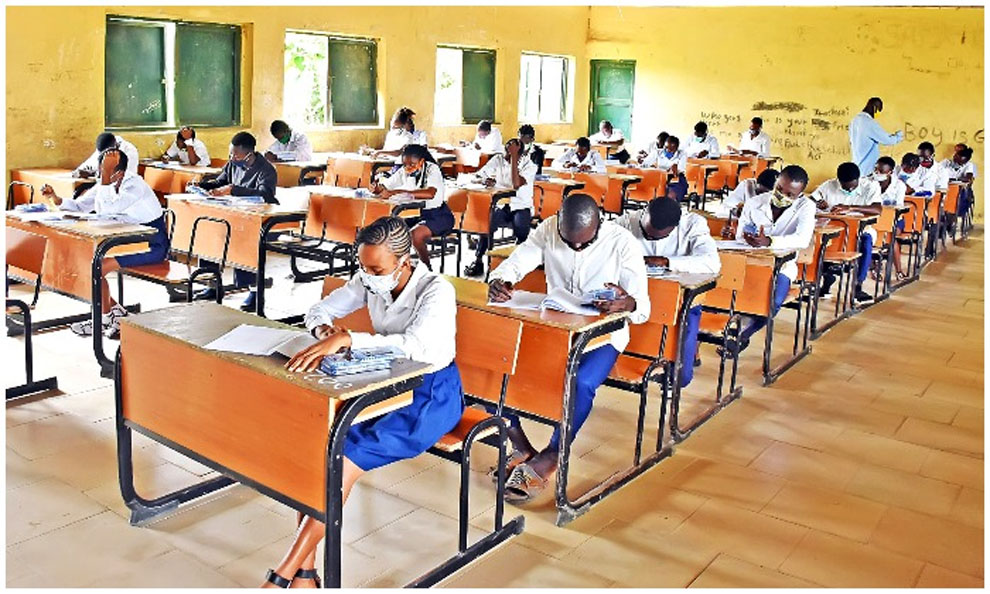
Strong reactions against the mass failure of candidates in this year’s Senior Secondary School Certificate Examinations, SSCE, continued yesterday, with parents and some groups calling for the cancellation of some of the papers, especially English Language.
This is even as the National Association of Proprietors of Private Schools, NAPPS, in criticising the conduct of the examination during nighttime hours, described it as unacceptable and detrimental to performance.
Recall that only 38.32% passed English language and Mathematics at the credit level. Both papers are key to securing university admission in the country.
Commentators on the development, especially parents, blamed the mass failure on lapses on the part of the West African Examinations Council, WAEC, regarding the time the English Language exam was written by the candidates.
Those on the platform of Concerned Parents and Educators Network, CPE, called for the cancellation of the English Language paper and an inquest into why some candidates wrote the paper at night.
In a post on the CPE platform by Adegoke Bimpe Atoke, she wrote: “Almighty WAEC has done it again. The pregnancy of a few months ago has finally given birth. Mass failure in Mathematics and English. 450-word essays written with a phone torchlight at 10:30 pm under the rain, with candidates swatting mosquitoes. How did we arrive here?
READ ALSO:
- Police officer, 8 others killed in renewed attack on Benue communities
- Lagos begins entrepreneurship training for youths
- Meet Nafisa Aminu, 17-year-old Nigerian student named world best in English
‘’Our systems need drastic, strategic, urgent reforms. I can’t even eat. I have lost my appetite. Which way is the way forward? If WAEC is not working and has lost relevance, can we have something else? A better mechanism that will address our context as a country.
In another reaction, Abiodun Adesanya Adeleke said: “The necessary body should help to do the needful. The English Language is supposed to be retaken with all the nonsense that happened on that day. Students writing exams till past 9:00 pm with torchlight and in mosquito-infested classes. How do we call that a standardised exam?”
WAEC: Parents, group want exams cancelled due to massive failure








Education
NANS Threatens UNIOSUN Shutdown Over Arrest of Three Student Leaders
NANS Threatens UNIOSUN Shutdown Over Arrest of Three Student Leaders
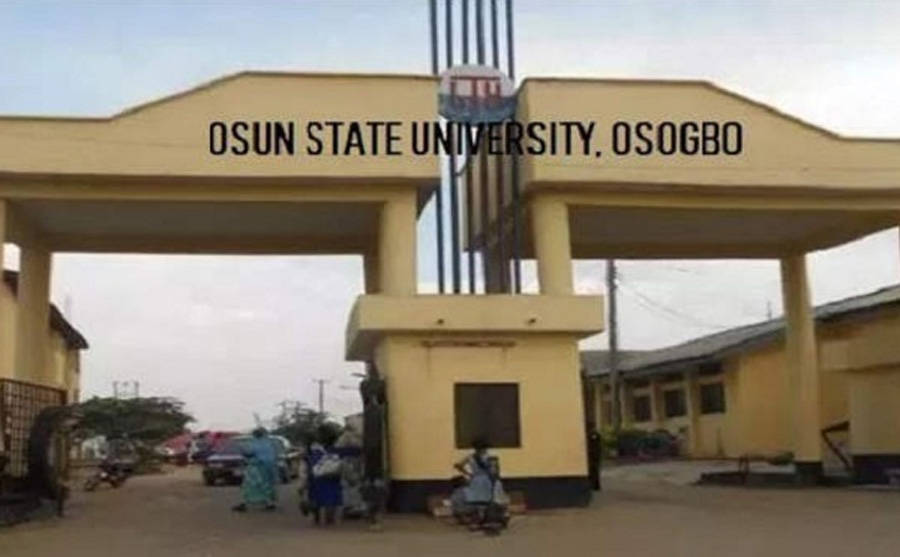
The National Association of Nigerian Students (NANS) and the management of Osun State University (UNIOSUN) have disagreed over the arrest and arraignment of three Students’ Union Government (SUG) officials accused of assaulting a 100-level student.
The disagreement followed NANS’ threat to mobilise students nationwide to shut down the university and occupy the Osun State Government Secretariat over the arrest of the SUG president.
NANS National President, Babatunde Akinteye, accused the university’s Vice-Chancellor, Professor Clement Adebooye, of allegedly ordering the arrest of the student union president, describing the development as an attack on the rights and dignity of Nigerian students.
In a statement issued on Tuesday, November 24, Akinteye said the SUG president had been arrested, charged before a court and remanded in prison.
He subsequently directed the NANS zonal coordinator and the Osun State Joint Campus Committee chairman to mobilise students for a coordinated shutdown of UNIOSUN and a peaceful occupation of the state government secretariat to demand the Vice-Chancellor’s removal.
He also said NANS structures nationwide had been activated to relocate to Osun State until the matter was resolved.
However, the university management gave a different account, saying the three student leaders were arrested and prosecuted over their alleged involvement in the assault of a 100-level student, Emmanuel Onifade.
READ ALSO:
- ADC Asks Tinubu to Resign or Face Impeachment Over Kano Court Allegation
- Kwankwasiyya Supporters Carry Sticks But Never Harm Anyone – Obi
- Iran Flogs Singer, Four Others 74 Times Over Hijab-Free Performance
The university’s Public Relations Officer, Ademola Adesoji, said the incident occurred on Friday night, November 20, and involved three student union executives.
The accused students were identified as Layonu Idowu Akintayo, a 500-level Medicine and Surgery student and SUG president; Adesanmi Tijesunimi, a 400-level Computer Science student and assistant general secretary; and Oyedeji Samsideen, a 400-level Information Technology student and faculty chairman.
According to the university, preliminary findings indicated that the disagreement started after Onifade allegedly used the institution’s logo and the Office of Student Affairs as the identity of a WhatsApp platform.
He was also accused of threatening another student, Oyebode Oluwatobi Jomiloju Barnabas, a 200-level Computer Science student, over a video posted on social media concerning the university.
The management said Oyebode reported the matter to the Students’ Union executives, after which the union president contacted Onifade and asked him to meet at the downtown area of the university’s main campus.
The university alleged that Onifade was subsequently taken in a Students’ Union vehicle to a mechanic workshop in Osogbo, where he was beaten and seriously injured by the assistant general secretary and other individuals.
It further alleged that the victim was taken to another location, where he encountered the union president and was assaulted again by the assistant general secretary and Samsideen.
The university said Onifade was eventually released with serious bodily injuries, prompting his father to report the incident at the Oja-Oba Divisional Police Headquarters in Oke Baale, Osogbo.
Following the complaint, the three student leaders were handed over to the police and subsequently charged before a magistrate’s court in Oke-Fia, Osogbo.
The university disclosed that the accused students had been granted administrative bail, while the case was adjourned until December 23, 2026.
As part of its response to the incident, UNIOSUN management announced the indefinite suspension of all Students’ Union activities pending the resolution of the issues surrounding the alleged assault.
The institution reaffirmed its commitment to students’ safety and welfare, urging members of the university community to conduct themselves responsibly and in accordance with the law.
NANS Threatens UNIOSUN Shutdown Over Arrest of Three Student Leaders
Education
South-West Leaders Challenged to Emulate Kwankwaso, Invest in Education of Poor Children

South-West Leaders Challenged to Emulate Kwankwaso, Invest in Education of Poor Children
A call has been made to political leaders across Nigeria’s South-West region to invest more deliberately in the education and professional development of brilliant children from poor and disadvantaged backgrounds, with emphasis on overseas scholarships and specialised skills acquisition.
The call was made by a concerned citizen, Adeagbo Suraj Ademola, who questioned the commitment of political leaders in the region to sustainable human capital development, arguing that the transformation of young people from economically disadvantaged families should be considered one of the greatest measures of good governance.
Ademola, in a statement, drew attention to reports about the scholarship initiative introduced by former Kano State Governor, Senator Rabiu Musa Kwankwaso, under which thousands of young people from the state were reportedly sponsored to pursue postgraduate studies abroad.
He cited the account of a Hausa man who reportedly benefited from the programme, travelled to the United States for further studies and eventually became a university lecturer in America.
According to him, the reported figure of more than 3,000 beneficiaries under the initiative raises important questions about the priorities of political leaders in the South-West, particularly regarding investments in education and opportunities for children whose parents cannot afford quality education.
He recalled similar initiatives introduced by former Osun State Governor, Ogbeni Rauf Aregbesola, noting that his administration sponsored 85 medical students of Osun State University (UNIOSUN) to Ukraine to complete their medical education.
Ademola also highlighted the decision of the Aregbesola administration to sponsor 31 graduates to Germany for specialised training in automobile mechatronics, while another 20 young people were reportedly sent to Germany for advanced agricultural training.
He described the mechatronics initiative as particularly significant, recalling that a friend of his, whose mother was a local leaf seller, benefited from the programme.
According to him, the experience demonstrated how government-sponsored educational and professional opportunities could transform the lives of young people from ordinary homes who would otherwise struggle to access such opportunities.
He maintained that programmes of this nature should not be treated merely as political empowerment schemes but as strategic investments capable of producing skilled professionals who would contribute to national development.
The South-West leaders were also reminded of the scholarship initiative introduced by former Ekiti State Governor, Dr Kayode Fayemi, during his first administration.
The programme, known as the Fayemi Scholars initiative, reportedly supported outstanding graduates to pursue postgraduate studies in reputable institutions in countries including the United Kingdom, the United States and China.
For Ademola, these examples demonstrate that visionary leadership goes beyond the construction of roads, bridges and public buildings. It also involves identifying talented young people, providing them with opportunities and preparing them to become future professionals and leaders.
He, however, argued that the South-West could achieve much more if its six state governments adopted deliberate and sustainable programmes to sponsor brilliant but financially disadvantaged young people for specialised education and professional training.
He proposed that each state should consider sponsoring at least 500 or even 1,000 qualified young people annually to study specialised courses in reputable institutions within and outside Nigeria.
According to him, such an initiative could significantly strengthen the region’s capacity in critical sectors, including medicine, engineering, artificial intelligence, agriculture, manufacturing, technology and scientific research.
He stressed that the benefits would extend beyond the individual scholarship recipients, as the region and the country would eventually gain from the expertise, innovation and professional contributions of the beneficiaries.
Ademola further argued that political leadership should not be assessed exclusively by the number of infrastructure projects executed, political appointments made or conventional empowerment programmes organised.
Rather, he said, the number of ordinary children whose lives have been transformed through access to quality education, specialised training and life-changing opportunities should also be an important measure of governance.
He therefore challenged governors and other political leaders across the South-West to explain the deliberate, sustainable and transparent programmes they have established to identify, train and support brilliant children whose parents lack the financial resources to provide them with opportunities available to children from wealthy families.
He emphasised that many of the country’s future professors, medical experts, engineers, innovators, researchers and national leaders could currently be growing up in communities where poverty has limited their access to quality education and professional development.
The statement further called for scholarship programmes that would be transparent, merit-based and sustainable, ensuring that beneficiaries are selected based on their academic abilities and potential rather than political connections or family backgrounds.
Ademola maintained that investing in disadvantaged children was not simply an act of charity but a strategic responsibility that could determine the economic and technological future of the region.
He argued that the greatest legacy of any administration should not be limited to physical structures constructed during its tenure but should also include the quality of human beings it prepares to sustain development long after leaving office.
He concluded with a message to political leaders across the South-West, urging them to place greater emphasis on human capital development and deliberately create opportunities for children from poor families.
“We must invest in PEOPLE, not just PROJECTS,” he declared.
The statement was signed by Adeagbo Suraj Ademola of Adenle Onile-Aran’s Compound
South-West Leaders Challenged to Emulate Kwankwaso, Invest in Education of Poor Children
Education
After N375bn Student Loan Payout, NELFUND Begins Major Structural Review
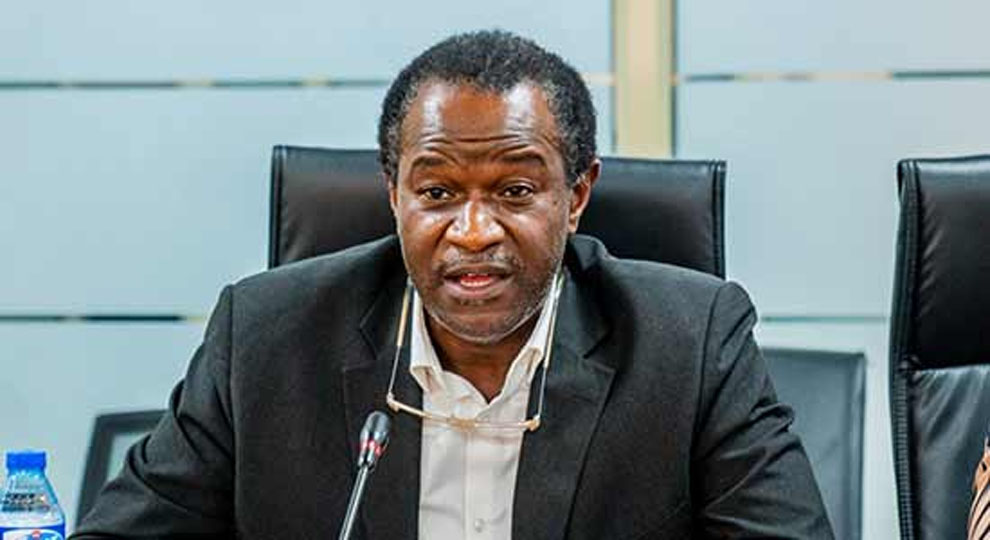
The Nigerian Education Loan Fund (NELFUND) has commenced a strategic organisational review following the disbursement of more than ₦375 billion in student loans to about 870,000 beneficiaries, in a move aimed at strengthening its operations and improving service delivery.
The review is expected to reposition the Fund, enhance institutional efficiency and ensure its organisational capacity keeps pace with the growing demands of Nigeria’s student loan programme.
NELFUND announced the development in a statement issued by its Director of Strategic Communications, Oseyemi Oluwatuyi, explaining that the expansion of the scheme had made it necessary to reassess the Fund’s internal structures, operational processes and administrative framework.
The exercise is designed to identify areas requiring improvement, strengthen institutional capacity, streamline responsibilities and build a more effective system for managing the growing volume of student loan applications, approvals and disbursements.
As part of the process, NELFUND has engaged an independent professional consulting firm with expertise in organisational development and institutional reforms to conduct the review and provide recommendations.
The engagement, according to the Fund, followed the procedures outlined in the Public Procurement Act 2007 and other relevant regulations, underscoring its commitment to transparency, accountability and prudent management of public resources.
The consulting firm is expected to carry out an independent assessment and develop evidence-based recommendations to help the Fund improve its performance and strengthen its ability to deliver on its mandate.
READ ALSO:
- Gombe: Three Killed, 13 Injured as Alleged Military Shooting Sparks Outcry
- Jimmy Odukoya Sues Sister, Church Trustees Over Removal as Senior Pastor
- UNILAG Gets 10 CNG Buses as FG Expands Campus Transport Scheme to 60 Institutions
NELFUND said the review was necessary to consolidate its achievements, address emerging institutional challenges and build a sustainable organisational framework capable of supporting the long-term implementation of the student loan scheme.
The Fund, however, assured students, tertiary institutions and other stakeholders that the organisational review would not affect the operations of the loan programme.
It stressed that loan applications, processing, approvals and disbursements would continue uninterrupted throughout the exercise, noting that the review was strictly an internal institutional development initiative.
NELFUND said its objective was to build a stronger, more efficient and sustainable institution capable of meeting the growing needs of students seeking financial assistance to pursue higher education.
The student loan scheme was established to ease financial barriers to higher education by providing eligible students with access to funding for their academic pursuits.
With the number of beneficiaries and the volume of disbursements increasing, the Fund said strengthening its operational capacity was crucial to sustaining the programme and expanding access to higher education financing across Nigeria.
The organisational review is expected to help NELFUND improve its systems, enhance accountability and ensure it remains equipped to fulfil its responsibilities to students and the country’s tertiary education sector.
After N375bn Student Loan Payout, NELFUND Begins Major Structural Review
-

 metro3 days ago
Chibok Girl Escapes After Eight Years in Boko Haram Captivity, Reveals 20 Classmates Still Held
-

 metro2 days ago
‘I Paid My Ex-Husband Before He Slept With Me’ – Islamic Preacher Kaola Makes Shocking Revelation
-

 Politics2 days ago
Kwankwaso Made Me Swear on Qur’an to Join APC After Election Victory — Gov Yusuf Reveals Tinubu Deal
-
 Politics2 days ago
2027: Makinde Invokes 1966 Coup, Questions Obi-Kwankwaso Ticket
-

 Education2 days ago
South-West Leaders Challenged to Emulate Kwankwaso, Invest in Education of Poor Children
-

 News16 hours ago
Omokri Arrives in Mexico to Assume Duty as Nigerian Ambassador, Thanks Govt for Ministerial Reception
-
 Politics3 days ago
Shehu Sani Warns Northerners Against Celebrating Abuja Attack on Tinubu, Fears Ethnic Reprisals
-

 Politics1 day ago
Uduere Killings: Ughelli Chairman Accuses Omo-Agege’s Camp of Triggering Deadly Clash, Demands IGP Probe