

Politics
2027: Dino Melaye heads to court over NRS chairman’s role in Tinubu campaign team
2027: Dino Melaye heads to court over NRS chairman’s role in Tinubu campaign team
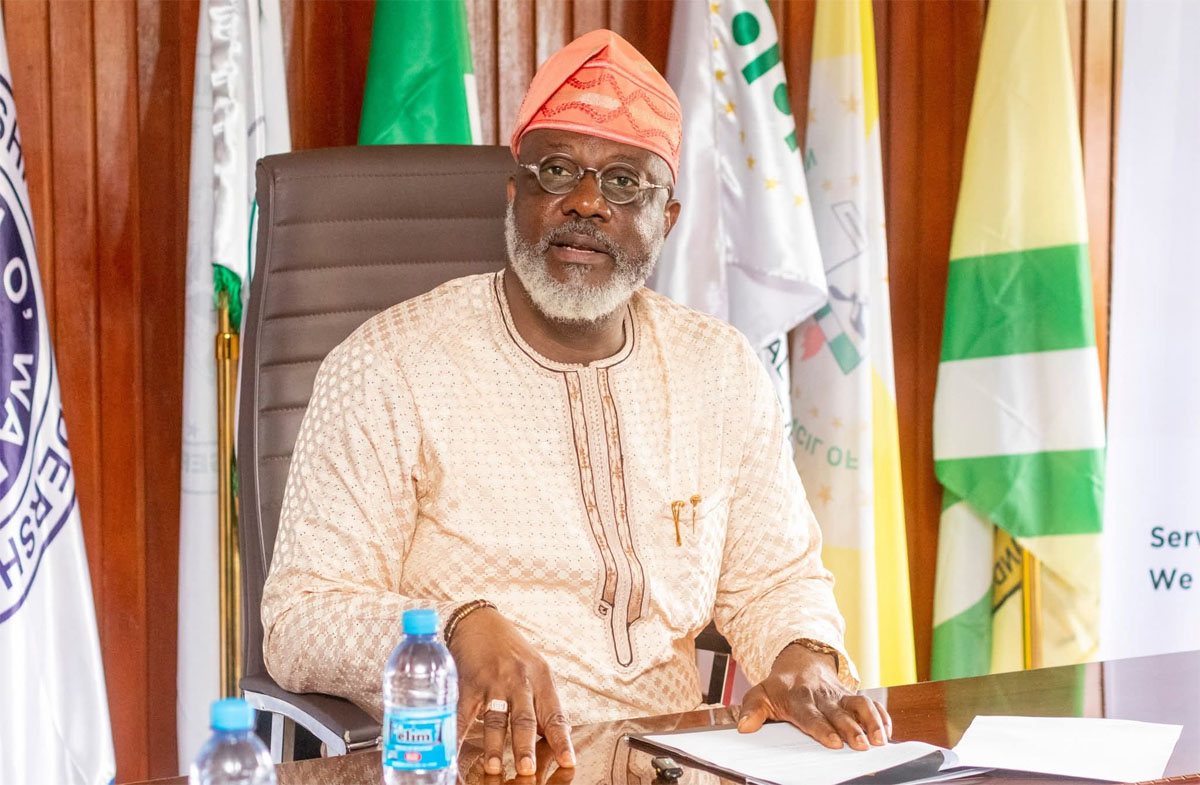
Former Kogi West Senator Dino Melaye has announced plans to approach the court over the appointment of Nigeria Revenue Service (NRS) Executive Chairman Zacch Adedeji as Deputy Director of Fundraising in President Bola Tinubu’s 2027 presidential campaign council.
Melaye argued that Adedeji’s position as the head of Nigeria’s revenue-collecting agency raises serious questions about his participation in a partisan campaign organisation, particularly because the fundraising role involves mobilising financial support for Tinubu’s re-election bid.
The former senator, who is now a prominent member of the opposition African Democratic Congress (ADC), disclosed his plan in a video shared on his Facebook page.
He said he would commence legal proceedings on Monday, August 24, to challenge what he described as a potential conflict of interest involving the NRS chairman.
“The most disturbing part of the list released by the APC is seeing the chairman of the Nigerian Revenue Service, the body that collects our revenue, serving as Deputy Director in charge of fundraising for Tinubu’s presidential campaign,” Melaye said.
“Is there no conflict in this? As a lawyer, by the grace of God, on Monday, I’m heading to court. We have to test that. If that is not a conflict of interest, then I don’t know what would be.”
Melaye further argued that Adedeji is a public official who receives a government salary and is expected to comply with the rules governing public service.
He questioned how a serving head of a federal revenue agency could simultaneously occupy a senior political position in a presidential campaign structure.
READ ALSO:
- Lagos Moves to Tackle Housing Deficit, Inaugurates 2026 World Habitat Day Committee
- Lagos Moves to Tackle Housing Deficit, Inaugurates 2026 World Habitat Day Committee
- Hawk Fire in US Rages On, Burns 10,500 Acres in Nevada, Forces Mass Evacuations
“That a civil servant, a man who earns a salary and is supposed to adhere to public service rules, is not just supporting a presidential candidate but serving as Deputy Director in charge of fundraising,” he added.
The controversy followed the unveiling of the APC Presidential Campaign Council for the 2027 election.
Under the structure announced by the ruling party, President Bola Tinubu is the chairman of the campaign council, while Vice President Kashim Shettima serves as Vice Chairman I and APC National Chairman Nentawe Yilwatda as Vice Chairman II.
Former Zamfara State Governor Abdulaziz Yari was named Director-General, while Imo State Governor Hope Uzodimma was appointed Secretary.
Ogun State Governor Dapo Abiodun was named Director of Fundraising, with Adedeji appointed Deputy Director of Fundraising.
Other senior figures were also given responsibilities across mobilisation, administration, election planning, logistics, parliamentary mobilisation and other areas of the campaign.
The APC has presented the structure as part of its preparations to secure victory for Tinubu in the 2027 presidential election.
Melaye, however, has criticised both the composition of the council and Tinubu’s decision to serve as chairman of his own re-election campaign structure.
He questioned the size of the campaign council and argued that the arrangement raised concerns about how the ruling party was organising its campaign ahead of the election.
His planned lawsuit, however, is specifically focused on the role of the NRS chairman in the campaign fundraising structure.
The proposed legal action could bring renewed attention to the rules governing the participation of serving public officials in partisan political activities.
The legal question will ultimately depend on the specific provisions Melaye relies upon and the interpretation placed on those provisions by the court if the suit is formally filed.
ADC attacks Tinubu campaign council
The controversy over Adedeji’s appointment comes alongside a separate criticism of the campaign council by the African Democratic Congress.
The opposition party accused the APC of using the campaign structure to provide political rehabilitation for individuals who, according to the ADC, still face unresolved questions relating to allegations of corruption and financial misconduct.
The party specifically questioned the inclusion of former Humanitarian Affairs Minister Betta Edu and former Nigeria Social Insurance Trust Fund chairman Ngozi Olejeme.
ADC National Publicity Secretary Bolaji Abdullahi said the government should explain the status of previous investigations involving the two former officials if they had been cleared of wrongdoing.
“If they have been cleared, the government should show how and when and by whom they were cleared,” Abdullahi said.
The opposition party argued that Nigerians deserved transparency regarding the outcome of corruption investigations before individuals previously associated with such controversies returned to prominent political positions.
The ADC alleged that some financial-crime investigations under the Tinubu administration had gradually disappeared from public attention before some of the individuals involved resurfaced in political activities.
The party said political usefulness should not replace accountability, particularly where allegations involving public funds had previously been raised.
ADC says 2027 election will test Tinubu’s record
The ADC also argued that the 2027 presidential election would be a referendum on Tinubu’s record since taking office in May 2023.
The opposition party said political mobilisation and campaign appointments would not erase the economic challenges facing Nigerians.
It pointed to concerns over the cost of living, inflation, food prices, transportation costs and household economic pressure, arguing that voters would ultimately judge the administration on its performance.
The party also renewed its call for measures aimed at cushioning the impact of economic reforms on Nigerians, including a targeted and controlled intervention on fuel prices.
The ADC proposed that any such intervention should have a clear spending limit, budgetary backing and independent auditing to ensure transparency.
The opposition party maintained that the 2027 election would therefore be fought not only around political alliances and campaign structures but also around governance, accountability and economic performance.
Melaye’s legal threat adds to growing 2027 contest
Melaye’s proposed court action introduces a legal dimension to the growing political contest ahead of the 2027 general election.
At the centre of the dispute is whether a serving head of a federal revenue agency can simultaneously perform a senior role in the campaign organisation of a presidential candidate, particularly one involving fundraising.
Melaye has said he intends to ask the court to determine whether the arrangement is compatible with the rules governing public officials.
As of Sunday, August 23, there was no indication that a court had already ruled on the matter. Melaye’s comments therefore amount to an announcement of planned legal action, rather than confirmation of a concluded court case.
The controversy is expected to attract further attention as political parties intensify preparations for the 2027 election and opposition groups increase scrutiny of the APC’s campaign structure.
For now, the APC has unveiled its campaign machinery, while Melaye has promised to test the legality of Adedeji’s appointment in court.
The dispute over the NRS chairman’s campaign role is likely to become part of the wider debate over public-sector neutrality, political participation by serving officials and the boundaries between government responsibilities and partisan electioneering ahead of 2027.
2027: Dino Melaye heads to court over NRS chairman’s role in Tinubu campaign team







Politics
Killings, Hardship: Northern Islamic Clerics Tell Tinubu to Drop 2027 Ambition
Killings, Hardship: Northern Islamic Clerics Tell Tinubu to Drop 2027 Ambition
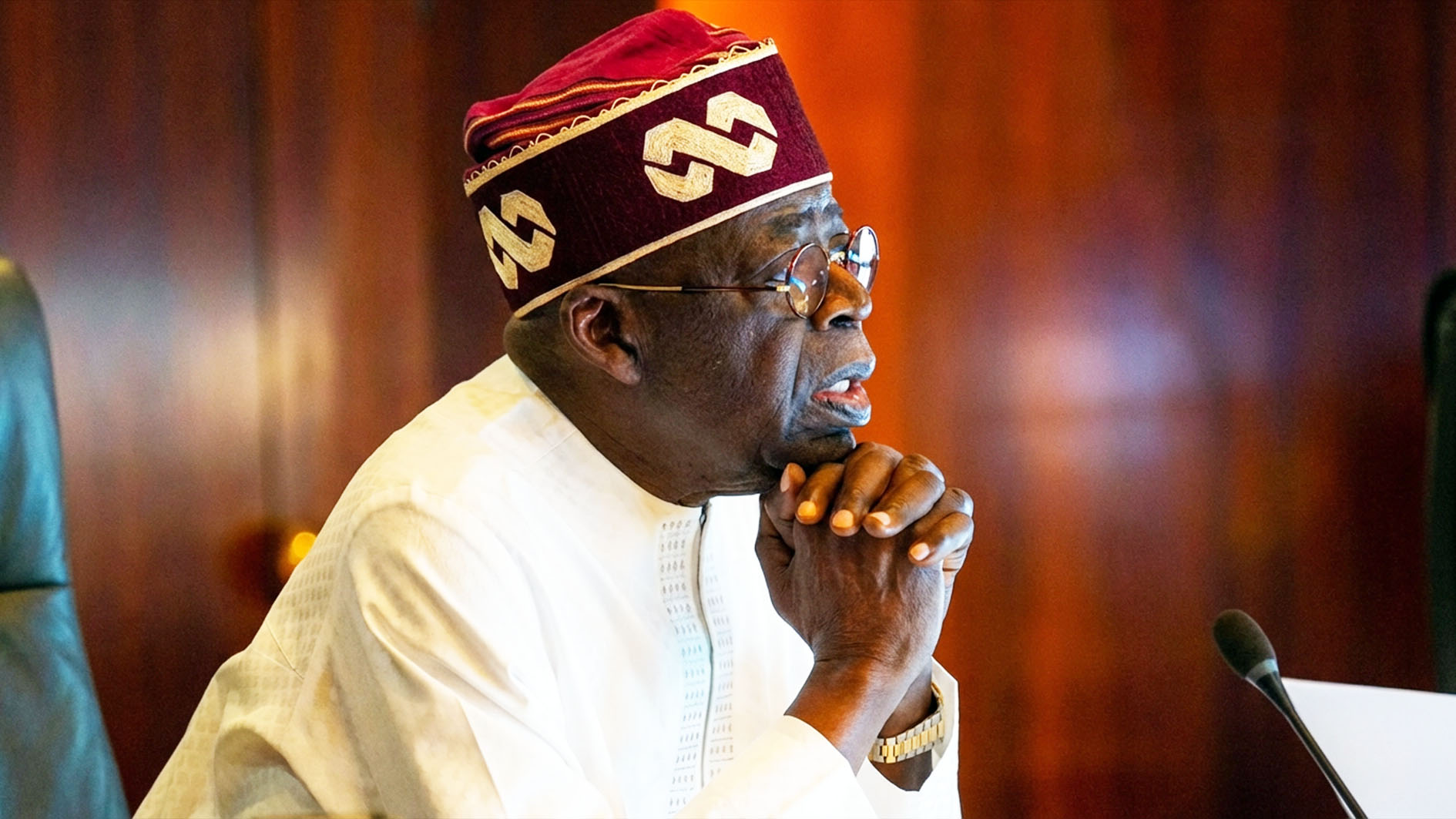
More than 1,000 northern Islamic clerics have called on President Bola Ahmed Tinubu to abandon his ambition to seek re-election in 2027, citing persistent killings, kidnappings, terrorism and economic hardship across the country.
The clerics made the demand in a communiqué issued after a national conference in Kano titled “An Assessment of the State of the Nation under President Tinubu and the 2027 General Elections.”
The conference was organised under the Ko Da Naka platform in collaboration with the AFAQ Educational Foundation.
The clerics expressed particular concern over worsening insecurity in the North-West, where communities have continued to face attacks, kidnappings and other forms of violence.
They urged the Federal Government to take stronger and more effective measures to protect lives and property, warning that the security situation should be a major consideration in determining who Nigerians support in the 2027 elections.
The clerics also asked Tinubu to reconsider his plan to seek another term in office.
They said that if the President decides to contest despite what they described as the country’s worsening security and economic challenges, Nigerians should reject his candidacy at the polls.
The group said political leaders must be judged by their performance in office rather than party affiliation, ethnic identity or regional interests.
READ ALSO:
- [UPDATED] 20 NYSC Prospective Corps Members Freed After Seven Days in Captivity
- 2027 Election Cases: CJN Warns Tribunal Judges, Says Conduct Will Be Monitored
- NSCIA Rejects Genocide Claims, Demands Urgent Security Overhaul
The clerics also criticised key economic policies of the Tinubu administration, including the removal of the fuel subsidy, changes to the foreign exchange regime, increases in electricity tariffs and ongoing tax reforms.
They argued that the policies had contributed to rising living costs and increased pressure on households, businesses and vulnerable Nigerians.
According to the clerics, the government should review policies that have increased the cost of living and focus more on improving citizens’ welfare.
They also raised concerns about the continued migration of skilled Nigerian professionals, including doctors, teachers and engineers, to other countries.
The clerics attributed the trend partly to poor working conditions, inadequate facilities, unemployment and economic pressures, urging the government to create better opportunities for professionals to remain in Nigeria.
They further called on Islamic scholars and religious leaders to remain independent and speak against wrongdoing regardless of the political party, ethnicity or religion of those involved.
The clerics urged Nigerians to place national interest above religious, ethnic and political considerations when choosing leaders in 2027.
They said voters should assess political candidates based on their competence, integrity, experience and policies rather than relying solely on party loyalty.
The intervention comes as political parties and presidential aspirants intensify preparations for the 2027 general elections, with insecurity, economic hardship and governance expected to feature prominently in the political debate.
The clerics’ position adds another voice to the growing scrutiny of the Tinubu administration as political activities ahead of the 2027 presidential election gather momentum.
Killings, Hardship: Northern Islamic Clerics Tell Tinubu to Drop 2027 Ambition
Politics
2027: Donald Duke Pledges To Bring Petrol Price Down To N300 Per Litre
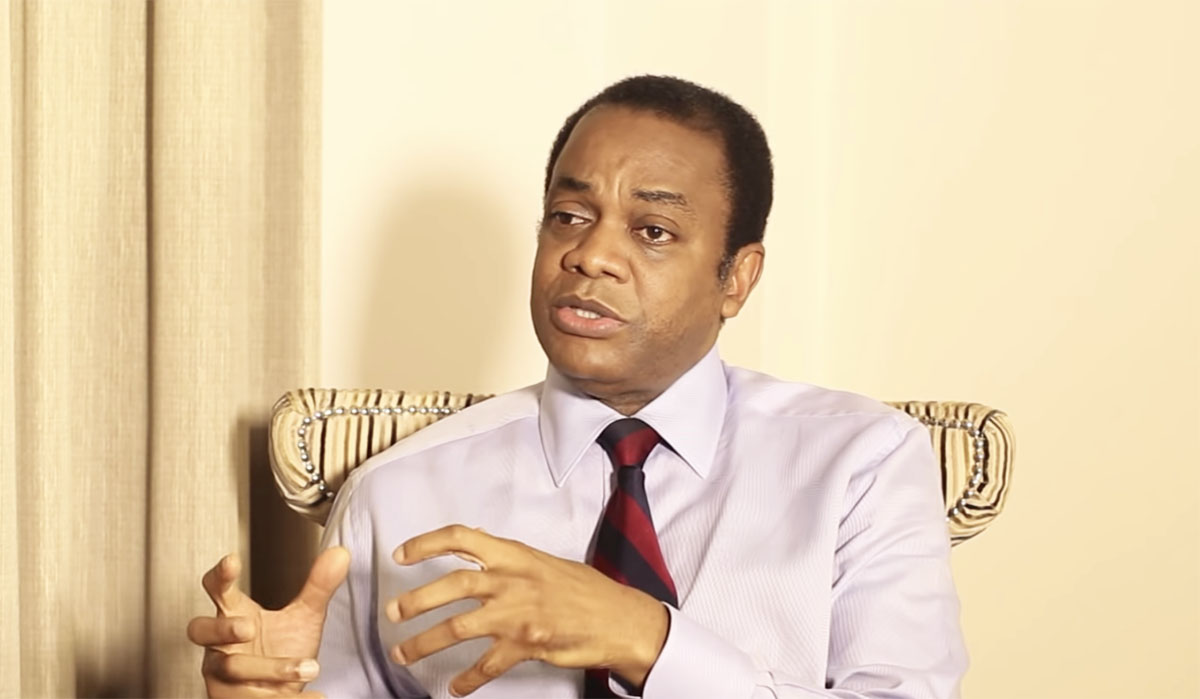
2027: Donald Duke Pledges To Bring Petrol Price Down To N300 Per Litre
Presidential candidate of the Peoples Redemption Party (PRP), Donald Duke, has pledged to work towards reducing the price of petrol to about N300 per litre if elected president in the 2027 presidential election.
Duke, a former governor of Cross River State, made the pledge during an interview on Channels Television’s The Morning Brief, where he outlined his proposed approach to the petroleum sector and Nigeria’s wider economy.
The PRP candidate said petroleum products for domestic consumption should be priced based on the cost of production rather than being fully exposed to international market prices.
He proposed allocating about 600,000 barrels of crude oil per day for domestic consumption, while selling the remaining crude on the international market.
Asked what petrol could cost under his proposed administration, Duke said: “I will try and bring it to about N300.”
He acknowledged that the target could appear ambitious but maintained that his proposed crude allocation and domestic pricing model could make it achievable.
READ ALSO:
- Olu of Warri Denies N2.7tn Pipeline Deal, Demands Evidence From Dokubo
- BREAKING: NLC Shuts Down Abuja Indefinitely Over FCT Teachers’ Promotion Dispute
- Troops Crush Four-Front ISWAP Assault, Kill Over 25 Terrorists In Borno
Duke argued that fuel prices have a direct impact on transportation, businesses and household expenses, making affordable energy important to economic activity.
“Fuel drives your economy. It should be available. It should be affordable,” he said.
The former Cross River governor also indicated that he would pursue a different economic approach from the policies of President Bola Tinubu if elected.
His proposal comes amid continuing debate over petrol prices, fuel subsidy removal, domestic refining and crude oil allocation in Nigeria.
The N300 target is part of Duke’s proposed 2027 economic agenda and would depend on the implementation of the policies he has outlined if he wins the presidential election.
2027: Donald Duke Pledges To Bring Petrol Price Down To N300 Per Litre
Politics
2027: Obi Makes U-Turn, Vows to Restore Fuel Subsidy If Elected
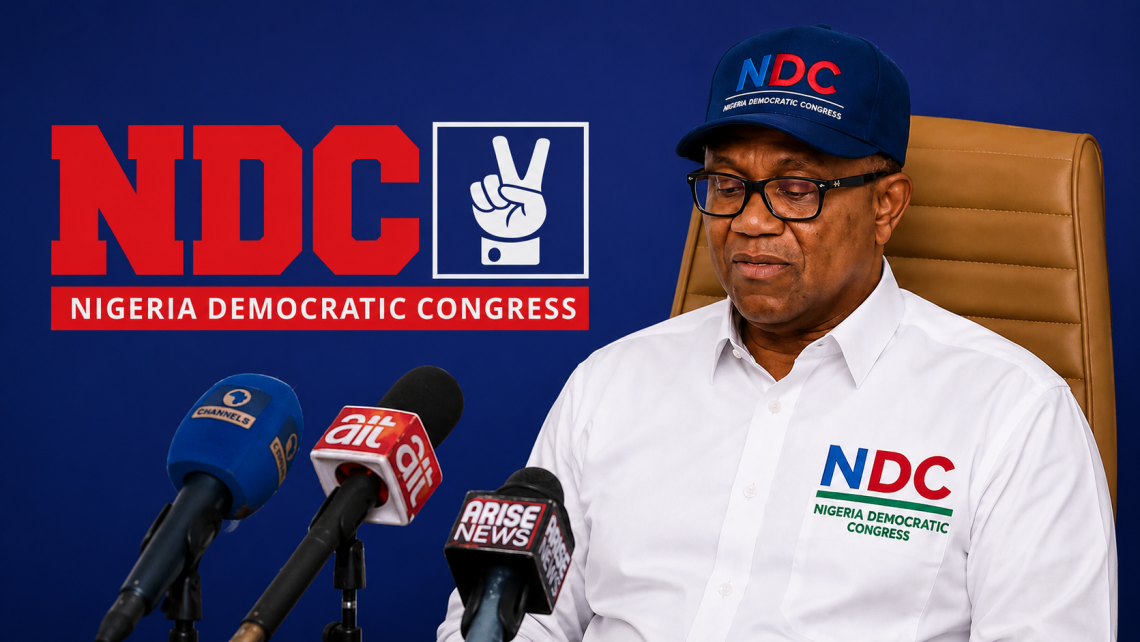
2027: Obi Makes U-Turn, Vows to Restore Fuel Subsidy If Elected
Peter Obi, presidential candidate of the Nigeria Democratic Congress (NDC), has said he would restore Nigeria’s petrol subsidy if elected president in 2027, arguing that the major problem with the policy is the corruption surrounding its implementation.
Obi made the declaration during a recent interview with the BBC, where he was asked directly whether he would bring back the subsidy if elected.
“Yes. But remember, I have qualified it, not with the corruption that’s associated with it. I’ll remove the corruption and retain the subsidy,” he said.
The position marks a significant shift from comments Obi made in August, when he said the removal of fuel subsidy should not be reversed simply because proceeds from the policy were allegedly being mismanaged.
Speaking at the Nigerian Bar Association (NBA) Annual General Conference in Port Harcourt, Rivers State, Obi said at the time that he supported subsidy removal but argued that the savings should be properly invested in healthcare, education and other productive sectors.
“I subscribe, and I maintain that you need to remove subsidy. Mismanagement of the proceeds should not be the reason for not removing it,” he had said.
Obi has now drawn a distinction between the subsidy itself and what he describes as the corruption associated with the scheme.
READ ALSO:
- 2027: Galadima Alleges APC Offering N50m, N200m to Lawmakers to Step Aside
- ‘No Decent Wages, No Credible Elections’ — Sowore Threatens 2027 Boycott
- NSITF Exposes Fake Recruitment Scam, Warns Nigerians Against Fraudsters
“From day one, I’ve talked about subsidy. I talked about corruption; corruption is the problem of subsidy,” he told the BBC.
The latest position also comes shortly after his running mate, Rabiu Kwankwaso, said an NDC administration would introduce fuel subsidy in its own way if the party wins the 2027 presidential election.
Kwankwaso had argued that the party would seek ways to make petrol more affordable while improving domestic refining and petroleum production.
The fuel subsidy debate has remained a major political and economic issue since President Bola Ahmed Tinubu announced its removal on May 29, 2023.
The decision caused petrol prices to rise sharply and has remained a contentious issue amid concerns over inflation, living costs and household purchasing power.
The Federal Government has continued to defend subsidy removal as a necessary economic reform, while opposition politicians have proposed different approaches to reducing the impact of petrol prices on Nigerians.
Obi also addressed the question of opposition unity ahead of the 2027 election, rejecting suggestions that he should step aside for another candidate if opposition parties eventually agree to a consensus candidate.
“We don’t need to step down. We need to do the right thing,” he said, arguing that opposition parties should focus on mobilising more voters.
On corruption, Obi said his approach would begin with his own conduct and that of his family. He also contrasted his proposed leadership style with that of former President Muhammadu Buhari, saying he would exercise greater control over his administration if elected.
With the 2027 presidential election approaching, Obi’s renewed pledge to retain or restore fuel subsidy is expected to keep the policy at the centre of economic and political debates, particularly as parties present competing proposals on petrol pricing and the cost of living.
2027: Obi Makes U-Turn, Vows to Restore Fuel Subsidy If Elected
-

 metro3 days ago
Tragedy Strikes FMC: Medical Director Loses Two Daughters—A Doctor and a Pharmacist—Within 48 Hours
-

 metro3 days ago
Transporters Urge IGP Disu to Arrest Illegal Highway Tax Collectors
-
 Politics3 days ago
2027: Soludo Govt Accuses Peter Obi Of Plot To Destroy APGA
-
 metro3 days ago
Army, DSS, Amotekun Kill ISWAP Commander Planning Attacks in Southern Nigeria
-

 News3 days ago
BREAKING: Many Feared Dead as Helicopter Crashes in Ondo Community
-

 metro3 days ago
Grand Chief Imam of Oyoland Urges Rabitah 1964 to Regulate ‘Yorubaland’ Islamic Titles
-
 metro2 days ago
Ondo Air Tragedy: Soldiers, Families Among 32 Killed In NAF Crash
-
 metro3 days ago
27-Year-Old Woman Allegedly Kills Newborn Hours After Giving Birth in Abuja