Atiku, Obi Make Moves on Campaign Councils as APC Takes Early Lead in 2027 Race - Newstrends
Connect with us

Politics

Atiku, Obi Make Moves on Campaign Councils as APC Takes Early Lead in 2027 Race
Published

on

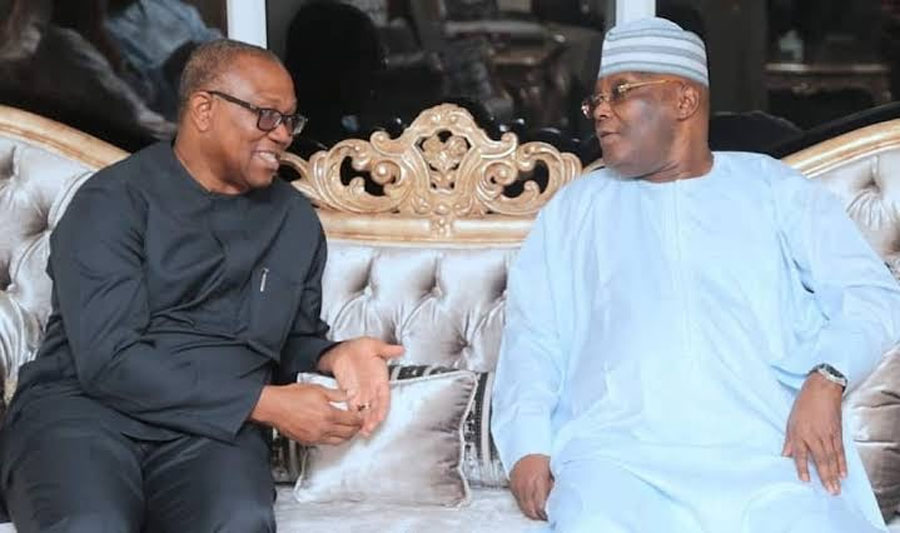
Atiku, Obi Unite in Fresh Bid to Unseat Tinubu as 2027 Election Campaign Heats Up

Atiku, Obi Make Moves on Campaign Councils as APC Takes Early Lead in 2027 Race
Opposition parties race to complete campaign teams as ruling party takes early lead in presidential race

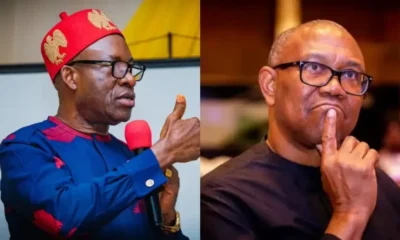
Political parties and presidential candidates are stepping up preparations for the 2027 general elections, with former Vice President Atiku Abubakar and Peter Obi’s National Democratic Congress (NDC) moving to finalise their campaign structures as the ruling All Progressives Congress (APC) has already unveiled its 223-member Presidential Campaign Council. The development follows the formal opening of the campaign period by the Independent National Electoral Commission (INEC) on August 19, 2026, allowing political parties and candidates to begin their campaigns in line with the electoral timetable. Under the 2026 Electoral Act, campaigns are approved to commence 150 days before Election Day, setting the stage for what promises to be a highly competitive electoral contest.

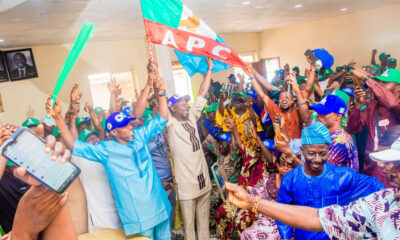
President Bola Tinubu has constituted the All Progressives Congress Presidential Campaign Council, appointing former Zamfara State Governor Senator Abdulaziz Yari as Director-General and Imo State Governor Hope Uzodimma as Secretary. The list of members was released on Saturday, August 22, 2026, by the State House. President Tinubu will serve as Chairman of the council, while Vice President Kashim Shettima will be Vice Chairman. APC National Chairman, Professor Nentawe Yilwatda, will also serve as Vice Chairman. The council includes a body of advisers comprising Chief Bisi Akande, Chief Segun Osoba, Senator Rochas Okorocha, Senator Abdullahi Adamu, and Senator Florence Ita Giwa. Senate President Godswill Akpabio, Speaker of the House of Representatives Tajudeen Abbas, and Yobe State Governor Mai Mala Buni have been appointed Deputy Directors-General for the South and North. They will work with Senator Opeyemi Bamidele and Deputy Senate President Jibrin Barau in coordinating the two geopolitical blocs. Other key appointments include Adams Oshiomhole as Deputy Director-General in charge of mobilisation, James Abiodun Faleke as Deputy Director-General for Election Planning, Coordination and Monitoring, Muiz Adeyemi Banire, SAN as Director of the Legal Directorate, Mohammed Idris Malagi as Coordinating Director for Media and Strategic Communication, Dele Alake as Lead Spokesperson, and Segun Dada as Director of New Media. President Tinubu charged all council members to work tirelessly to deliver victory for the party in the January 2027 elections, while also encouraging leaders of the various directorates to reach out to other party members who may not have been formally listed to join their efforts.

READ ALSO:

While the ruling APC has already announced its campaign council, Atiku Abubakar’s African Democratic Congress (ADC) is still consulting on the composition and leadership of its campaign team. The party’s National Publicity Secretary, Mallam Bolaji Abdullahi, had indicated last week that the party was ready to unveil its campaign structure, but the delay has sent some signals. Investigations revealed that an intense debate has been ongoing among the party’s hierarchy on the exact pattern the campaign structure would take. A source stated that while the National Chairman, Senator David Mark, and the presidential candidate, Atiku Abubakar, have had discussions on the way forward, some “i’s and T’s” are still being dotted and crossed. The discussion has reportedly been about mixing things up and introducing new dimensions to the campaign while some insist on including the old regular faces who have always dominated campaigns. One of the issues to be resolved is the geopolitical configuration of the headship of the campaign council, with Atiku from the North-East zone and his running mate, former governor Rotimi Amaechi, from the South-South. Atiku’s Senior Special Assistant on Public Communication, Phrank Shaibu, said Nigerians would be informed once the consultations were concluded, adding that the former vice-president’s campaign council would be announced at the appropriate time, alongside details of the formal campaign launch. Shaibu also disclosed that Atiku’s campaign would have its own fundraising framework, which he said would comply with the law and be transparent, accountable and consistent with applicable campaign-finance regulations. According to him, Atiku’s immediate priority is to engage Nigerians on the issues affecting them and present his proposed alternatives to the policies of the current administration, particularly pointing to Atiku’s support for what he called a targeted fuel subsidy linked to domestic production and aimed at encouraging local refining while reducing the financial burden on Nigerians.

Attention is also turning to the campaign structure of the National Democratic Congress (NDC) , which has Peter Obi as its presidential candidate. The NDC is expected to hold a meeting next weekend to determine the composition of its campaign council and settle on the date and venue for the formal commencement of its campaign. The party’s National Publicity Secretary, Osa Director, said some prominent figures were expected to feature in the campaign structure, specifically mentioning Prof Pat Utomi, Buba Galadima and Bishop Idahosa as some of the names expected to be involved. Director said the NDC planned to take its campaign to all 36 states and the Federal Capital Territory, although the party was yet to decide where it would begin, adding that they might even visit some states twice. Meanwhile, Obi has unveiled a region-by-region economic strategy for Nigeria, promising to leverage the comparative advantages of each part of the country to drive production, investment, employment and shared prosperity if elected in 2027. The North-West is positioned to expand agriculture, livestock, irrigation, agro-processing and manufacturing; the North-East will focus on reconstruction, livelihood restoration, agriculture, education, enterprise and regional trade; the North-Central will strengthen food production and processing while developing mineral resources responsibly; the South-West will build on existing strengths in manufacturing, technology, finance, trade and the creative economy; the South-East will leverage entrepreneurial and industrial base through improved infrastructure, stronger connectivity and greater access to investment; the South-South will extract greater value from oil and gas while expanding maritime services, fisheries and agriculture; and the FCT will become a model for efficient urban planning, transportation, housing, sanitation, security and public services. “Every region must produce. Every region must contribute. Every region must benefit,” Obi said. He has also taken his campaign message to Nigerian youths through football, challenging them to channel the same passion they invest in European football into the pursuit of good governance and national development, noting that Nigeria’s challenge is not a lack of talent but the absence of systems that reward merit, invest in infrastructure, ensure security, and promote accountability.

READ ALSO:

The Young Progressives Party (YPP) has already fixed a date for the commencement of its presidential campaign, with its candidate, Prof Peter Agada, announcing September 9 as the date for the formal launch of his campaign, with Lagos expected to serve as the starting point before the campaign moves to other parts of the country. Agada emerged as the YPP presidential candidate at the party’s Presidential and Vice-Presidential Substitution/Affirmation Programme, securing 71 votes out of the 83 votes cast, with his running mate being Ndidi Patience Key. Agada said his campaign organisation had been in preparation for months and was not waiting for the official opening of the campaign period to begin its work. He explained that a political structure known as The Movement Nigeria had been established about four months ago and would form a major part of his campaign machinery. After resigning from the Obidient Movement, Agada said many Obidients did not go with Peter Obi but came with him, leading to the establishment of The Movement Nigeria. Agada proposed YPP Deputy National Chairman, Ambassador Nana Aisha Mahmoud, as Director-General of his campaign council, subject to final approval, while also identifying Prof Osaze as the proposed secretary and Evelyn Ohiole as the Director of Media. Agada said his campaign would adopt a nationwide approach, beginning with major locations before expanding into the various geopolitical zones, listing Lagos, Kano, Kaduna and Abuja as some of the first areas of focus. The YPP candidate also said technology would play a major role in his campaign, particularly in demonstrating the party’s proposed approach to governance. “Our party is driven by GPS. It is a GPS governance system. We intend to demonstrate that capability utilising ICT to showcase how government can be run with GPS. So, we are going to deploy it in this campaign to the eyes of everyone,” Agada said. He added that coordinators had already been put in place across states, local government areas and wards.

The unveiling of the APC council has drawn criticism from the NDC vice-presidential candidate, Senator Rabiu Kwankwaso, who asked Yari to reconsider his decision to lead Tinubu’s re-election campaign. Kwankwaso argued that Yari, as a former governor of Zamfara State, was familiar with the security and economic difficulties facing many Nigerians and should consider whether heading the campaign for the continuation of the present administration was consistent with his understanding of those challenges. He also questioned the involvement of senior public officials, including the Executive Chairman of the Nigeria Revenue Service (NRS), Dr Zacch Adedeji, and the Director-General of the Budget Office of the Federation, Dr Tanimu Yakubu Kurfi, in the campaign’s fundraising and finance structures. Kwankwaso said officials responsible for public revenue and national finances should maintain institutional neutrality and called for clarification on their participation in partisan campaign activities. Former Kogi West Senator Dino Melaye has also threatened to challenge Adedeji’s appointment in court, arguing that his position as head of the country’s revenue-collecting agency could create a conflict of interest, stating that he would test the constitutionality of the appointment in court. Kwankwaso maintained that the strength of any campaign structure would ultimately depend on the electorate, declaring that “no campaign council is more powerful than the Nigerian people.”

The Labour Party, meanwhile, is yet to announce its campaign timetable. Its presidential candidate, Dr Chibuzor Okereke, said the decision would be left to the party’s strategy team, adding that the party had not decided whether its campaign would begin in a state or the FCT. “You will be informed when we unveil it. Be rest assured that we are going to roll out everything once a decision has been taken,” Okereke said. The APC National Secretary, Senator Ajibola Basiru, however, said the ruling party had not fixed the date or venue for the campaign launch, stating that “a date and state for the kick-off can’t be announced until the campaign council meets to discuss it.” As the political landscape continues to evolve, all eyes remain on the various parties as they finalise their strategies and prepare for what promises to be a fiercely contested 2027 presidential election.

Atiku, Obi Make Moves on Campaign Councils as APC Takes Early Lead in 2027 Race

Loading

Politics

Killings, Hardship: Northern Islamic Clerics Tell Tinubu to Drop 2027 Ambition
Published

on

Killings, Hardship: Northern Islamic Clerics Tell Tinubu to Drop 2027 Ambition
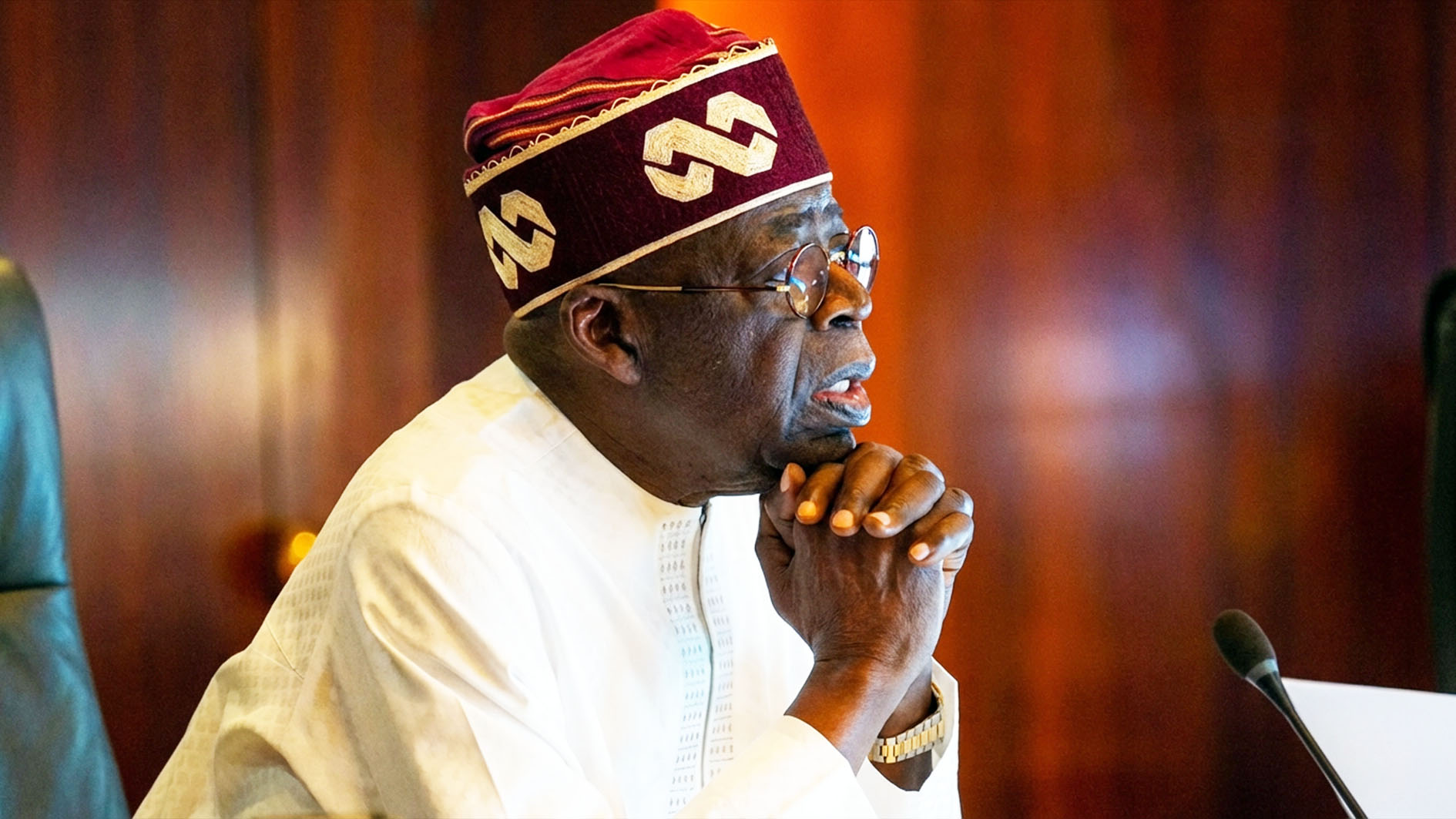
President Bola Ahmed Tinubu

Killings, Hardship: Northern Islamic Clerics Tell Tinubu to Drop 2027 Ambition

More than 1,000 northern Islamic clerics have called on President Bola Ahmed Tinubu to abandon his ambition to seek re-election in 2027, citing persistent killings, kidnappings, terrorism and economic hardship across the country.

The clerics made the demand in a communiqué issued after a national conference in Kano titled “An Assessment of the State of the Nation under President Tinubu and the 2027 General Elections.”

The conference was organised under the Ko Da Naka platform in collaboration with the AFAQ Educational Foundation.

The clerics expressed particular concern over worsening insecurity in the North-West, where communities have continued to face attacks, kidnappings and other forms of violence.

They urged the Federal Government to take stronger and more effective measures to protect lives and property, warning that the security situation should be a major consideration in determining who Nigerians support in the 2027 elections.

The clerics also asked Tinubu to reconsider his plan to seek another term in office.

They said that if the President decides to contest despite what they described as the country’s worsening security and economic challenges, Nigerians should reject his candidacy at the polls.

The group said political leaders must be judged by their performance in office rather than party affiliation, ethnic identity or regional interests.

READ ALSO:

The clerics also criticised key economic policies of the Tinubu administration, including the removal of the fuel subsidy, changes to the foreign exchange regime, increases in electricity tariffs and ongoing tax reforms.

They argued that the policies had contributed to rising living costs and increased pressure on households, businesses and vulnerable Nigerians.

According to the clerics, the government should review policies that have increased the cost of living and focus more on improving citizens’ welfare.

They also raised concerns about the continued migration of skilled Nigerian professionals, including doctors, teachers and engineers, to other countries.

The clerics attributed the trend partly to poor working conditions, inadequate facilities, unemployment and economic pressures, urging the government to create better opportunities for professionals to remain in Nigeria.

They further called on Islamic scholars and religious leaders to remain independent and speak against wrongdoing regardless of the political party, ethnicity or religion of those involved.

The clerics urged Nigerians to place national interest above religious, ethnic and political considerations when choosing leaders in 2027.

They said voters should assess political candidates based on their competence, integrity, experience and policies rather than relying solely on party loyalty.

The intervention comes as political parties and presidential aspirants intensify preparations for the 2027 general elections, with insecurity, economic hardship and governance expected to feature prominently in the political debate.

The clerics’ position adds another voice to the growing scrutiny of the Tinubu administration as political activities ahead of the 2027 presidential election gather momentum.

Killings, Hardship: Northern Islamic Clerics Tell Tinubu to Drop 2027 Ambition

Loading

Continue Reading

Politics

2027: Donald Duke Pledges To Bring Petrol Price Down To N300 Per Litre
Published

on

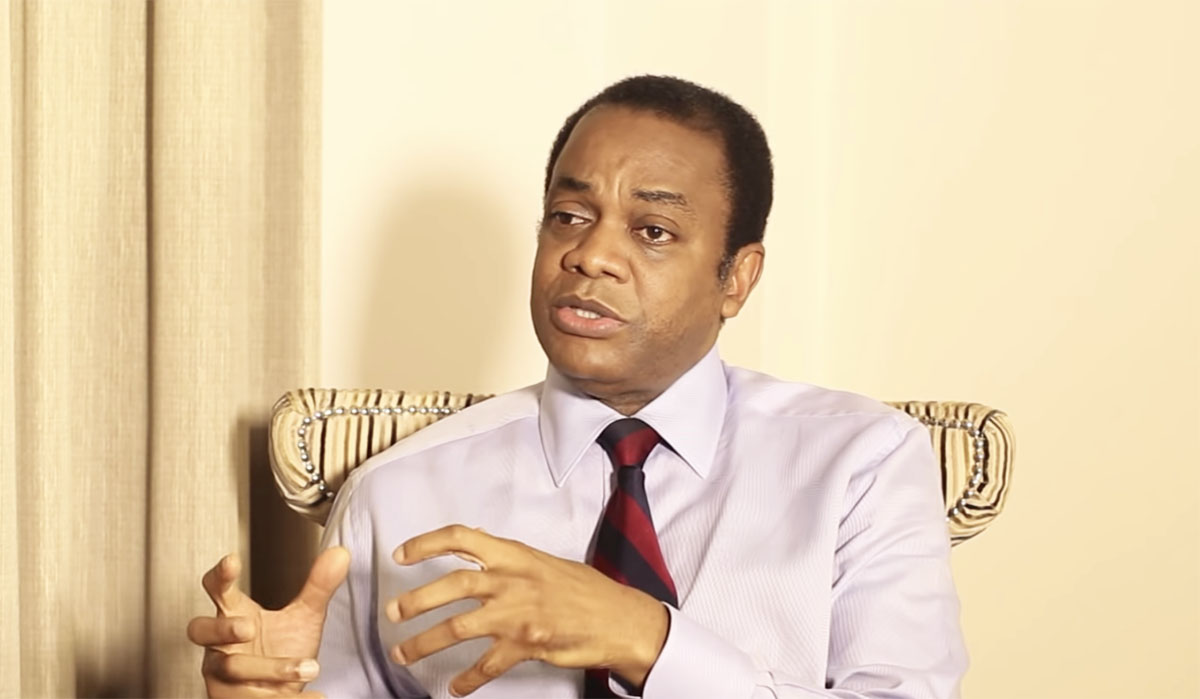
Presidential candidate of the Peoples Redemption Party (PRP), Donald Duke
Donald Duke

2027: Donald Duke Pledges To Bring Petrol Price Down To N300 Per Litre

Presidential candidate of the Peoples Redemption Party (PRP), Donald Duke, has pledged to work towards reducing the price of petrol to about N300 per litre if elected president in the 2027 presidential election.

Duke, a former governor of Cross River State, made the pledge during an interview on Channels Television’s The Morning Brief, where he outlined his proposed approach to the petroleum sector and Nigeria’s wider economy.

The PRP candidate said petroleum products for domestic consumption should be priced based on the cost of production rather than being fully exposed to international market prices.

He proposed allocating about 600,000 barrels of crude oil per day for domestic consumption, while selling the remaining crude on the international market.

Asked what petrol could cost under his proposed administration, Duke said: “I will try and bring it to about N300.”

He acknowledged that the target could appear ambitious but maintained that his proposed crude allocation and domestic pricing model could make it achievable.

READ ALSO:

Duke argued that fuel prices have a direct impact on transportation, businesses and household expenses, making affordable energy important to economic activity.

“Fuel drives your economy. It should be available. It should be affordable,” he said.

The former Cross River governor also indicated that he would pursue a different economic approach from the policies of President Bola Tinubu if elected.

His proposal comes amid continuing debate over petrol prices, fuel subsidy removal, domestic refining and crude oil allocation in Nigeria.

The N300 target is part of Duke’s proposed 2027 economic agenda and would depend on the implementation of the policies he has outlined if he wins the presidential election.

2027: Donald Duke Pledges To Bring Petrol Price Down To N300 Per Litre

Loading

Continue Reading

Politics

2027: Obi Makes U-Turn, Vows to Restore Fuel Subsidy If Elected
Published

on

2027: Obi Makes U-Turn, Vows to Restore Fuel Subsidy If Elected

2027: Obi Makes U-Turn, Vows to Restore Fuel Subsidy If Elected

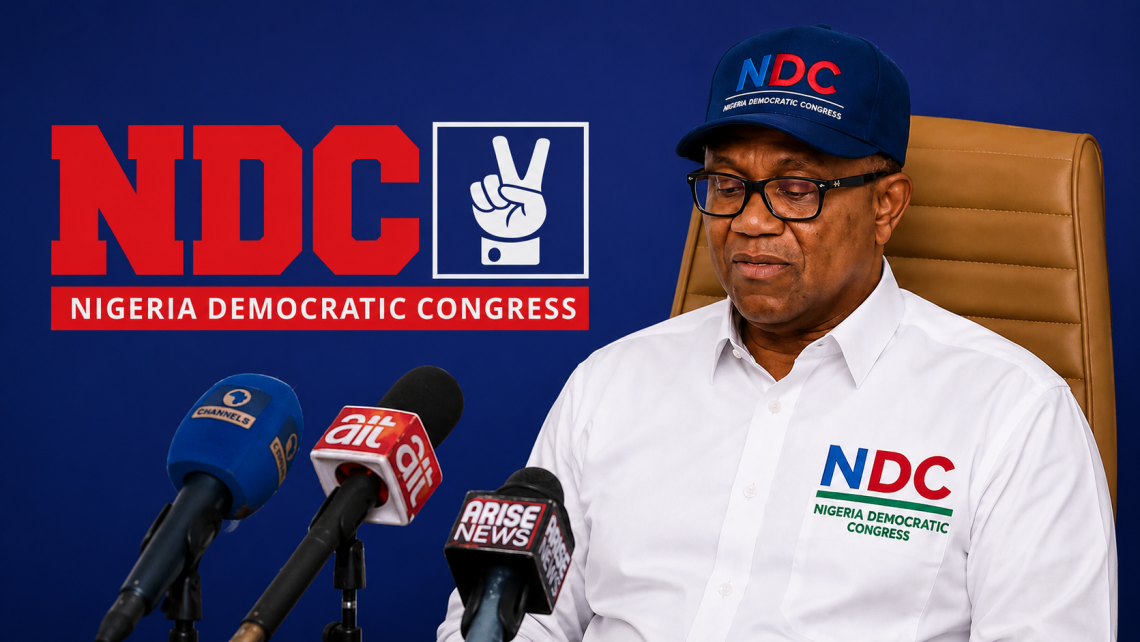
Peter Obi, presidential candidate of the Nigeria Democratic Congress (NDC), has said he would restore Nigeria’s petrol subsidy if elected president in 2027, arguing that the major problem with the policy is the corruption surrounding its implementation.

Obi made the declaration during a recent interview with the BBC, where he was asked directly whether he would bring back the subsidy if elected.

“Yes. But remember, I have qualified it, not with the corruption that’s associated with it. I’ll remove the corruption and retain the subsidy,” he said.

The position marks a significant shift from comments Obi made in August, when he said the removal of fuel subsidy should not be reversed simply because proceeds from the policy were allegedly being mismanaged.

Speaking at the Nigerian Bar Association (NBA) Annual General Conference in Port Harcourt, Rivers State, Obi said at the time that he supported subsidy removal but argued that the savings should be properly invested in healthcare, education and other productive sectors.

“I subscribe, and I maintain that you need to remove subsidy. Mismanagement of the proceeds should not be the reason for not removing it,” he had said.

Obi has now drawn a distinction between the subsidy itself and what he describes as the corruption associated with the scheme.

READ ALSO:

“From day one, I’ve talked about subsidy. I talked about corruption; corruption is the problem of subsidy,” he told the BBC.

The latest position also comes shortly after his running mate, Rabiu Kwankwaso, said an NDC administration would introduce fuel subsidy in its own way if the party wins the 2027 presidential election.

Kwankwaso had argued that the party would seek ways to make petrol more affordable while improving domestic refining and petroleum production.

The fuel subsidy debate has remained a major political and economic issue since President Bola Ahmed Tinubu announced its removal on May 29, 2023.

The decision caused petrol prices to rise sharply and has remained a contentious issue amid concerns over inflation, living costs and household purchasing power.

The Federal Government has continued to defend subsidy removal as a necessary economic reform, while opposition politicians have proposed different approaches to reducing the impact of petrol prices on Nigerians.

Obi also addressed the question of opposition unity ahead of the 2027 election, rejecting suggestions that he should step aside for another candidate if opposition parties eventually agree to a consensus candidate.

“We don’t need to step down. We need to do the right thing,” he said, arguing that opposition parties should focus on mobilising more voters.

On corruption, Obi said his approach would begin with his own conduct and that of his family. He also contrasted his proposed leadership style with that of former President Muhammadu Buhari, saying he would exercise greater control over his administration if elected.

With the 2027 presidential election approaching, Obi’s renewed pledge to retain or restore fuel subsidy is expected to keep the policy at the centre of economic and political debates, particularly as parties present competing proposals on petrol pricing and the cost of living.

2027: Obi Makes U-Turn, Vows to Restore Fuel Subsidy If Elected

Loading

Continue Reading

Trending