

Politics
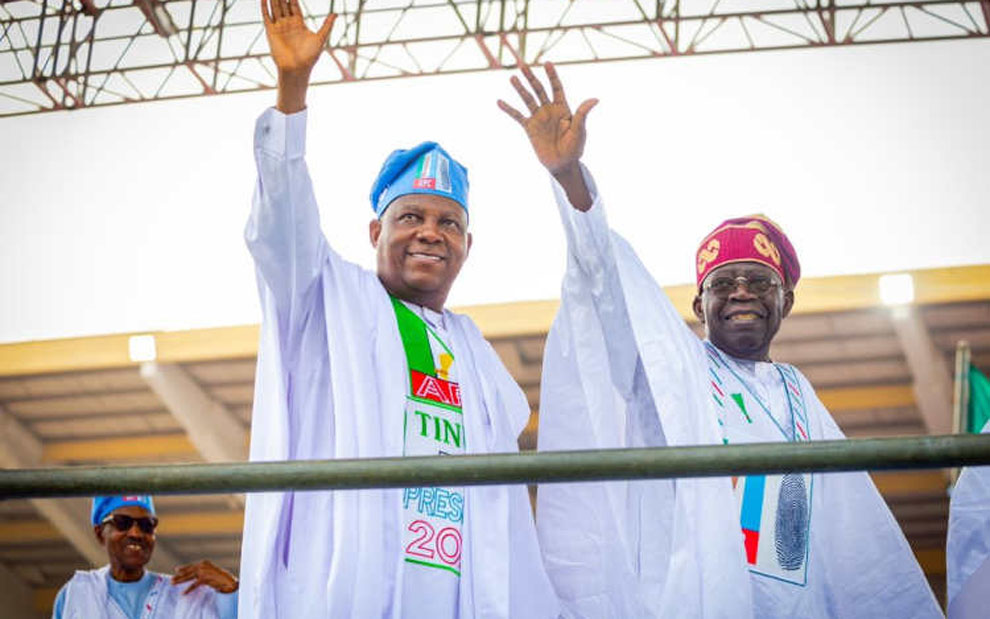
2027 election: APC confirms Tinubu, Shettima joint ticket as INEC nomination deadline closes
2027 election: APC confirms Tinubu, Shettima joint ticket as INEC nomination deadline closes
President Bola Tinubu will contest the 2027 presidential election with Vice President Kashim Shettima as his running mate after the All Progressives Congress (APC) confirmed the submission of their nomination documents ahead of the deadline set by the Independent National Electoral Commission (INEC).
The development puts an end to months of intense speculation over the political future of Shettima, whose place on the APC ticket had been the subject of sustained public debate following reports that some influential figures within the ruling party wanted a different vice-presidential candidate for the 2027 election.
The confirmation came less than 24 hours before the close of INEC’s window for the submission of presidential and National Assembly candidates, as APC leaders received the completed nomination forms of President Tinubu and Vice President Shettima during a ceremony in Abuja attended by governors, federal lawmakers and senior party officials.
The nomination documents were presented on behalf of the Presidency by the President’s Special Adviser on Political and Other Matters, Ibrahim Masari, who submitted the forms to the APC National Working Committee.
Receiving the documents, APC National Chairman, Prof. Nentawe Goshwe Yilwatda, said the party was fully united behind President Tinubu’s re-election bid, describing the submission of the nomination forms as another important milestone in the APC’s preparations for the 2027 general election.
According to him, millions of APC members had overwhelmingly endorsed President Tinubu during the party’s presidential primary, expressing confidence that the ruling party would secure another electoral victory in 2027.
Yilwatda also urged APC governors, elected officials and party leaders to intensify public engagement by highlighting what he described as the achievements of the Tinubu administration across key sectors, including infrastructure, agriculture, security, education, healthcare, economic reforms and social investment.
READ ALSO:
- REVEALED: Inside the intelligence-led operation that forced Oyo kidnappers to flee
- Trump says US will ‘completely decimate’ Iran if he is assassinated
- Tinubu upgrades Federal Polytechnic to specialised university
The event attracted several APC governors, including Hope Uzodimma, Chairman of the Progressive Governors Forum (PGF) and Governor of Imo State, alongside Governors of Borno, Kano, Kebbi, Adamawa, Kaduna and Yobe states, deputy governors, members of the National Assembly and other senior party stakeholders.
The confirmation of the Tinubu-Shettima ticket follows months of political uncertainty fuelled by repeated endorsements of President Tinubu that omitted any reference to the Vice President, prompting speculation that the APC could replace Shettima before the 2027 election.
Political observers had linked the speculation to efforts by some party stakeholders to broaden the APC’s electoral appeal, while others argued that retaining the existing ticket would demonstrate continuity and internal stability within the ruling party.
However, senior Presidency and APC sources disclosed that Shettima had already completed the necessary nomination documentation required by the party, effectively confirming his status as the APC’s vice-presidential candidate for the election.
Under Nigeria’s electoral laws, a duly nominated vice-presidential candidate can only be substituted under conditions provided by the Electoral Act 2026, including voluntary withdrawal or other circumstances recognised by law.
The latest development is expected to strengthen confidence among APC supporters after months of uncertainty surrounding the composition of the party’s presidential ticket.
Meanwhile, the Independent National Electoral Commission (INEC) has continued to remind political parties to comply strictly with the timetable for submitting candidates through its electronic Candidate Nomination Portal (ICNP).
According to the commission, all political parties are required to upload the names and particulars of candidates who emerged from valid party primaries within the period stipulated by the Electoral Act 2026.
Section 29 of the Act provides that political parties must submit the names of their candidates not later than 120 days before the date fixed for a general election, while every nominated candidate must also submit an affidavit confirming that constitutional requirements for the office sought have been satisfied.
INEC’s timetable fixed June 27 to July 11, 2026, as the period for political parties to electronically submit the nomination forms of their presidential and National Assembly candidates.
The commission is expected to publish the final list of presidential and National Assembly candidates on August 25, 2026, while the deadline for the withdrawal or substitution of candidates is August 29, 2026, in line with the Electoral Act.
As of the time of filing this report, INEC had yet to publicly announce the complete list of successfully uploaded presidential nominations, although party officials expressed confidence that all statutory requirements would be met before the deadline expired.
The confirmation of the Tinubu-Shettima ticket signals the beginning of another major phase in Nigeria’s political calendar as parties prepare for campaigns ahead of the 2027 presidential election.
With the APC settling its presidential ticket, attention is expected to shift to opposition parties, many of which are still finalising their own nominations and campaign strategies before the election season gathers momentum.
2027 election: APC confirms Tinubu, Shettima joint ticket as INEC nomination deadline closes









Politics
2027: Makinde Reveals Plan With Atiku, Peter Obi To Stop Tinubu’s Re-Election
2027: Makinde Reveals Plan With Atiku, Peter Obi To Stop Tinubu’s Re-Election
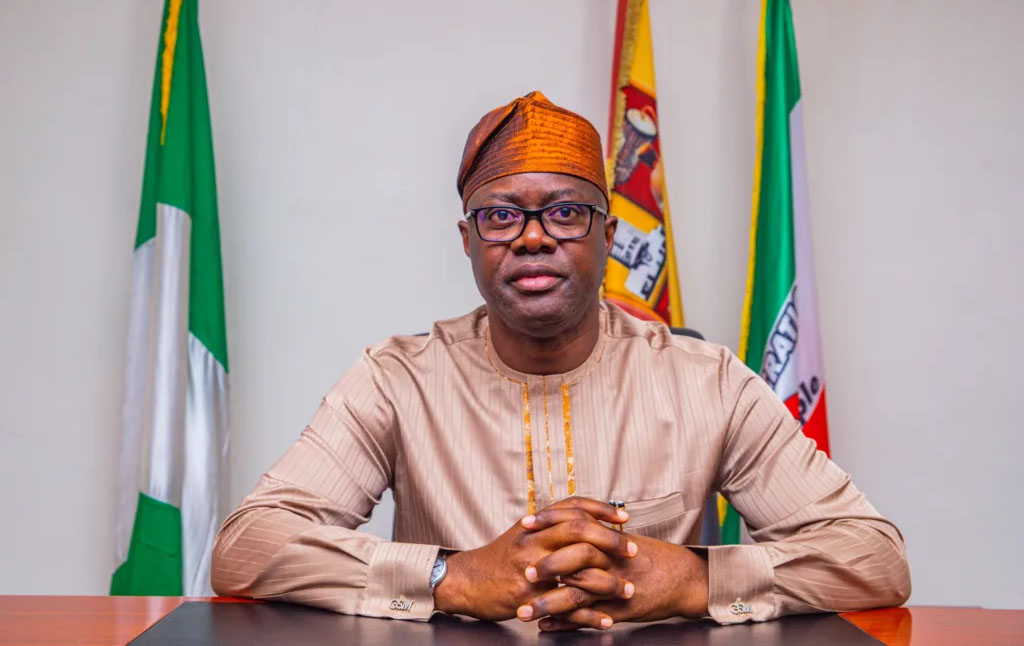
Oyo State Governor, Seyi Makinde, has disclosed that he is working towards a political arrangement involving former Vice-President Atiku Abubakar and former Anambra State Governor Peter Obi to prevent President Bola Ahmed Tinubu from securing a second term in the 2027 presidential election.
Makinde, who is also the presidential candidate of the Allied Peoples Movement (APM), said the proposed understanding among the three opposition figures would be aimed at presenting a formidable challenge to the ruling All Progressives Congress (APC).
The governor made the disclosure during a conversation with Nigerian media personality, Chude Jideonwo, where he discussed the political calculations and possible opposition alliances ahead of the 2027 general elections.
According to Makinde, the proposed arrangement would not necessarily involve a formal merger of political parties, as witnessed during the formation of the APC ahead of the 2015 general elections.
He explained that the opposition figures were considering a different political understanding that could enable them to work together towards defeating Tinubu at the polls.
“There will be an arrangement between myself, Atiku, and Obi to stop President Tinubu from winning the 2027 presidential election, but it won’t be a coalition like the one Tinubu led in 2015 when opposition parties merged before the 2015 general election,” Makinde was quoted as saying.
The governor’s latest revelation comes amid growing consultations among opposition leaders seeking a common political strategy to challenge the APC’s hold on power in 2027.
Makinde has previously confirmed that discussions were ongoing between him, Atiku and Obi over a possible working relationship ahead of the election.
During an earlier interview with ARISE Television, the Oyo State governor indicated that the outcome of the discussions would depend on political realities, available data, public sentiment and the ability of the opposition to identify the most viable path forward.
He also maintained that the negotiations should be guided by national interest rather than individual presidential ambitions.
Makinde’s position suggests that opposition leaders may be considering a political arrangement that goes beyond conventional party alliances, particularly as they seek to avoid splitting votes among major contenders against the incumbent president.
However, the governor did not provide further details about the proposed arrangement, including whether it would involve a consensus presidential candidate, an agreement to support one of the three politicians or another form of electoral cooperation.
At the time of filing this report, neither Atiku Abubakar nor Peter Obi had publicly reacted to Makinde’s latest statement.
The development is expected to generate fresh debate within opposition political circles, particularly over the possibility of putting aside individual ambitions to present a united challenge to Tinubu in 2027.
With the next presidential election approaching, the ability of opposition leaders to reach an acceptable political understanding could become a major factor in determining the strength of the challenge against the ruling APC.
2027: Makinde Reveals Plan With Atiku, Peter Obi To Stop Tinubu’s Re-Election
Politics
Gunmen Allegedly Attack Peter Obi’s Supporters in Benin Ahead of Visit
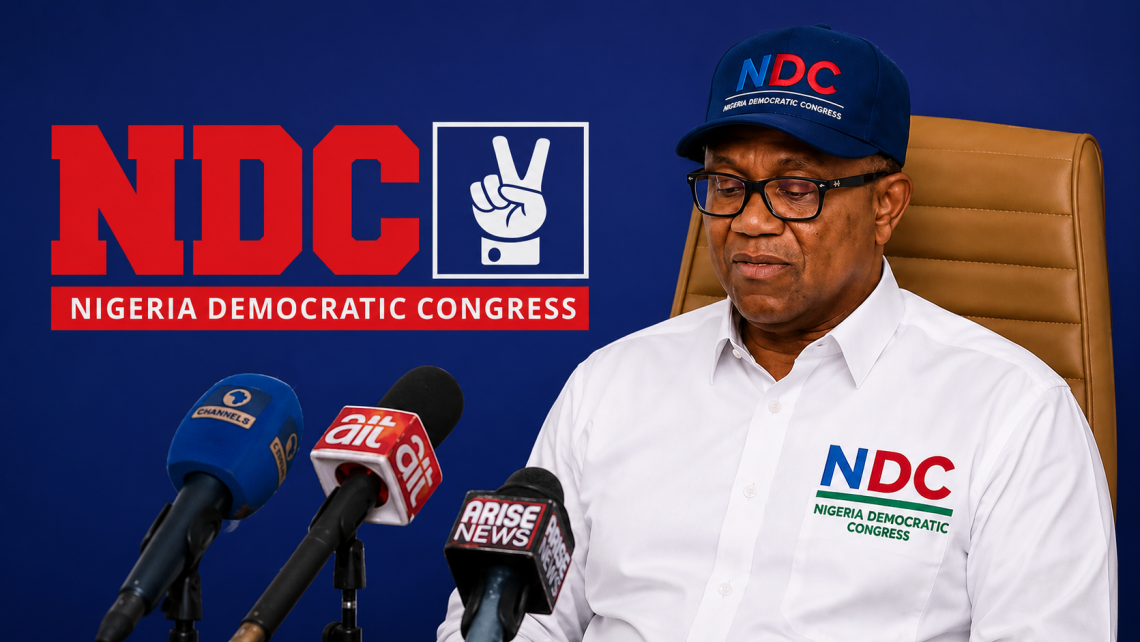
Tension has heightened in Benin City, Edo State, following reports that suspected political thugs opened fire on supporters of Nigeria Democratic Congress (NDC) presidential candidate, Peter Obi, ahead of his scheduled visit to the state on Wednesday.
The alleged attack reportedly occurred along Airport Road, where NDC supporters were gathering in preparation for Obi’s town hall meeting with residents of the state capital.
Initial accounts said the assailants targeted party supporters and campaign vehicles, with several people reportedly injured in the incident.
The attack has raised concerns over Obi’s safety and the security of political gatherings as activities intensify ahead of the 2027 general elections.
The NDC has condemned the alleged violence, accusing political thugs of attacking its supporters and vandalising campaign billboards in parts of Edo State.
The party called on security agencies, particularly the police, to investigate the incident, identify those responsible and ensure they are brought to justice.
READ ALSO:
- Daura Controversy: Agunbiade Urges Probe Into Palace Security Lapses
- ‘Nothing Must Happen to Peter Obi in Benin’ – Rufai Oseni Raises Alarm
- ADC Asks Tinubu to Resign or Face Impeachment Over Kano Court Allegation
The reported attack comes amid heightened political tension surrounding Obi’s visit to Benin City, where the opposition presidential candidate is expected to hold a town hall meeting as part of his political engagement with residents.
The visit has reportedly encountered venue-related challenges, with the party insisting that the meeting would proceed despite the difficulties.
The incident also comes days after reported violence disrupted an NDC-related political gathering in Ughelli North Local Government Area of Delta State, where suspected thugs allegedly attacked supporters of former Deputy Senate President Ovie Omo-Agege and left several people injured.
The succession of reported attacks has renewed concerns about political violence, intimidation and the safety of opposition figures and their supporters ahead of the 2027 elections.
As of the time of reporting, Edo State security agencies had not publicly confirmed the alleged gun attack, the number of injured persons or any arrests.
The situation remains fluid, with further details expected as authorities and party officials respond to the incident.
Gunmen Allegedly Attack Peter Obi’s Supporters in Benin Ahead of Visit
Politics
ADC Asks Tinubu to Resign or Face Impeachment Over Kano Court Allegation
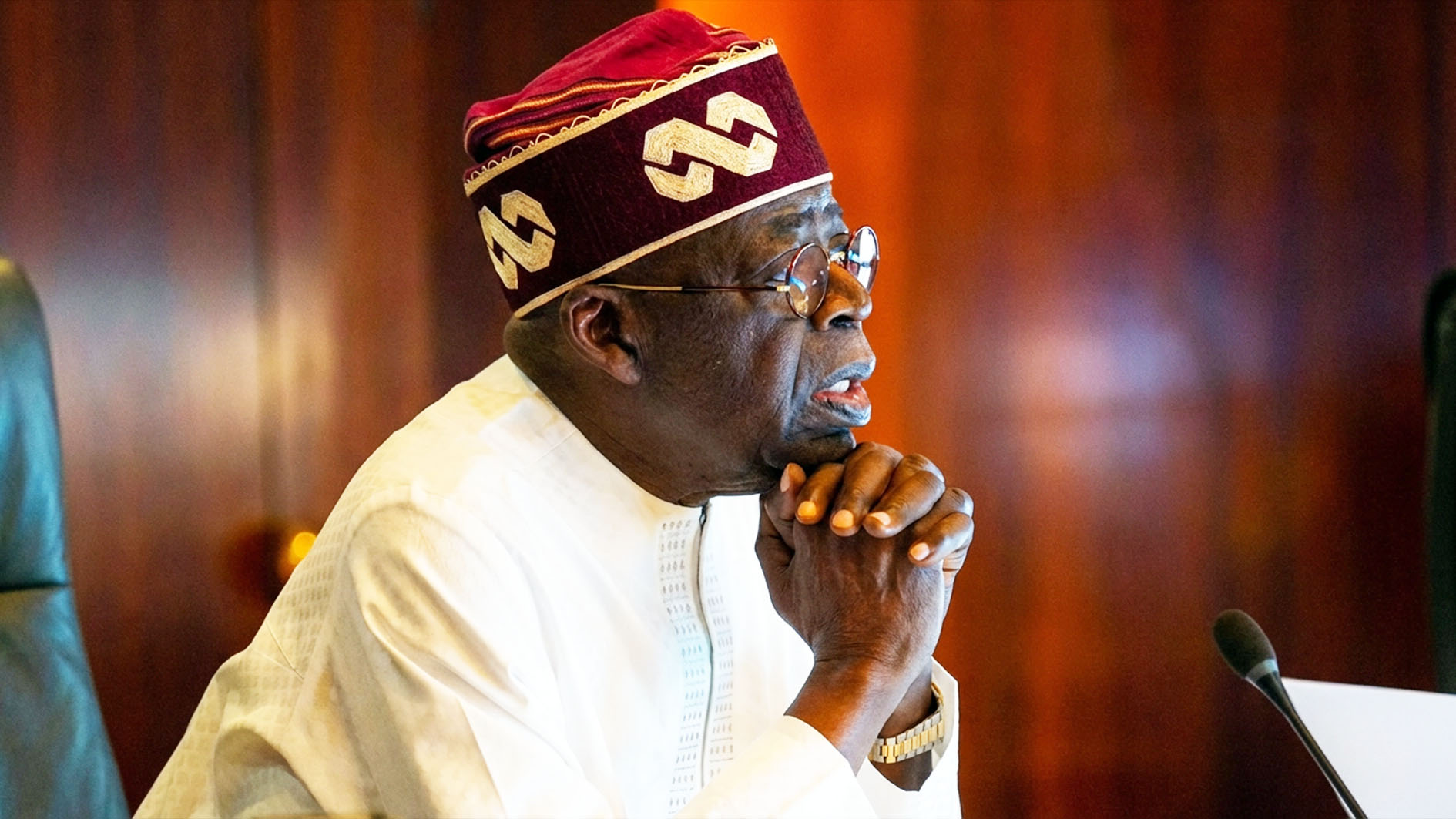
ADC Asks Tinubu to Resign or Face Impeachment Over Kano Court Allegation
The African Democratic Congress (ADC) has called on President Bola Ahmed Tinubu to resign or face impeachment over allegations of political interference in the Supreme Court’s 2023 Kano State governorship election judgment, following revelations by Governor Abba Kabir Yusuf.
The opposition party also urged the National Assembly to investigate the allegation and summon those involved to provide explanations, warning that the controversy could undermine public confidence in the judiciary and Nigeria’s democratic institutions.
The ADC made the demand in a statement issued on Tuesday by its National Publicity Secretary, Bolaji Abdullahi, following Yusuf’s interview with the BBC Hausa service, in which the governor recounted discussions surrounding the legal battle over his election victory.
Yusuf reportedly said his former political mentor, Rabiu Musa Kwankwaso, sent him to meet Tinubu while the governorship election dispute was pending before the Supreme Court, with a proposal that they would join the All Progressives Congress (APC) if the court upheld his election.
According to the governor’s account, the discussions also involved a request for Tinubu not to interfere in the judicial proceedings.
The ADC, however, interpreted the revelation as suggesting a possible political arrangement involving the President and the outcome of the court case, describing the allegation as a serious threat to judicial independence.
In the statement, the party accused Tinubu of potentially using the administration of justice as an instrument of political bargaining and said such conduct, if established, would amount to a betrayal of the President’s constitutional oath.
“No conduct can be more heinous on the part of a democratically elected President than to make the administration of justice an instrument of political bargaining. No betrayal of the presidential oath can be more profound than to pervert the cause of justice in pursuit of personal political advantage,” the ADC said.
READ ALSO:
- Iran Flogs Singer, Four Others 74 Times Over Hijab-Free Performance
- Nollywood Legend Pete Edochie Dies at 79 After Battle With Prostate Cancer
- BREAKING: Court Sacks Omo-Agege as NDC Senatorial Candidate, Orders INEC to Remove His Name
The party alleged that Yusuf’s account raised questions about whether the President had used his office to secure a favourable Supreme Court outcome in exchange for a political commitment.
It insisted that the matter required a thorough investigation, urging lawmakers to compel all parties to explain the circumstances surrounding the alleged agreement.
“The Supreme Court is not an extension of the APC national secretariat, and the President of Nigeria is not the proprietor of the Nigerian judiciary,” the party said.
The ADC argued that the allegation, if substantiated, could constitute gross misconduct warranting Tinubu’s removal from office and challenged the National Assembly to demonstrate its commitment to constitutional accountability.
It called on lawmakers to begin impeachment proceedings against the President, insisting that the allegations should not be ignored because of political considerations.
However, Governor Yusuf’s reported account does not establish that Tinubu influenced Supreme Court justices or dictated the court’s ruling. The allegation of judicial interference remains unproven, and the ADC has called for an investigation to establish the facts.
The controversy has also drawn attention to the political fallout between Yusuf and Kwankwaso, who was his political mentor before the governor defected from the New Nigeria Peoples Party (NNPP) to the APC in January 2026.
The Kwankwasiyya Movement has denied Yusuf’s account that Kwankwaso directed him to negotiate a political arrangement with Tinubu, challenging the governor to provide verifiable details, including the date, participants and terms of the alleged agreement.
Kwankwaso, who is now the Nigeria Democratic Congress (NDC) vice-presidential candidate alongside Peter Obi, has rejected attempts to link him to Yusuf’s decision to join the APC.
The 2023 Kano governorship election dispute saw Yusuf’s victory challenged by the APC candidate, Nasiru Gawuna. The election tribunal initially nullified Yusuf’s victory, a decision upheld by the Court of Appeal before the Supreme Court overturned the lower courts’ rulings in January 2024 and restored Yusuf as governor.
The ADC’s demand has reignited debate over the independence of the judiciary, political bargaining, defection deals and the constitutional powers of the National Assembly to hold the President accountable.
Under Section 143 of the 1999 Constitution, a Nigerian president may be removed from office for gross misconduct through a prescribed impeachment process involving the National Assembly. The process requires specific constitutional thresholds and cannot be triggered solely by a political party’s demand.
As of the time of reporting, no official response from the Presidency or the Supreme Court addressing the ADC’s specific allegations had been reported.
The ADC maintained that the National Assembly must investigate the matter to protect the integrity of the judiciary and uphold the Constitution.
ADC Asks Tinubu to Resign or Face Impeachment Over Kano Court Allegation
-
 metro21 hours ago
Oyoland Grand Chief Imam Moves to End Feud, Seeks Reconciliation Among Markaziyya, Adabiyyah, Mahdul ‘Arabi
-

 metro3 days ago
‘I Paid My Ex-Husband Before He Slept With Me’ – Islamic Preacher Kaola Makes Shocking Revelation
-

 Education3 days ago
South-West Leaders Challenged to Emulate Kwankwaso, Invest in Education of Poor Children
-

 News1 day ago
Omokri Arrives in Mexico to Assume Duty as Nigerian Ambassador, Thanks Govt for Ministerial Reception
-
 Politics3 days ago
2027: Makinde Invokes 1966 Coup, Questions Obi-Kwankwaso Ticket
-
 Politics2 days ago
Uduere Killings: Ughelli Chairman Accuses Omo-Agege’s Camp of Triggering Deadly Clash, Demands IGP Probe
-

 metro2 days ago
‘Shame on You’: Fayose Blasts Nigerian Youths Over Poor Protest Turnout
-
 metro3 days ago
Sexual Assault: 92-Year-Old Emir Under Fire as Daura Palace Opens Probe