
metro
FEC approves N28bn to augment FCT road projects

The Federal Executive Council (FEC) has approved N28.1 billion for the augmentation of road and infrastructural projects in the Wasa District of the federal capital territory (FCT).
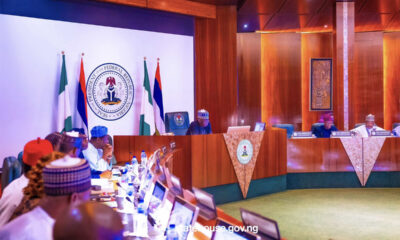
The council gave the approval on Wednesday in a meeting presided over by President Muhammadu Buhari in Abuja.
Speaking to journalists after the meeting, Minister of the FCT, Mohammed Bello, said the augmentation was a ripple effect of inflation, which had overtaken the initial approval of N56 billion for the Wasa district projects.
“The initial contract for that project was awarded in 2014 at the sum of N56 billion but as time went by and due to inflation and some other factors, we had to vary the contract and the price to reflect current realities and that is the reason why the augmentation request was presented to council and council approved,” he said.
Bello said the total project sum was N85 billion with a completion period of 42 months.
The council also ordered the buyers of two seized properties in Lagos to pay the government the cost of the prevailing price in 2001 when they were purchased.
Minister of Works and Housing, Babatunde Fashola, said N18 million and N20 million were to be paid for the Lagos-based properties earlier purchased for N5 million and N2 million, respectively.
He said the government was short-paid in the transaction.
“They were properties sold as a result of prosecution for narcotics by NDLEA. So, they were proceeds of drug crimes, but the valuation process followed the NDLEA Act instead of the Financial Regulations Act. So essentially, those policy proposals were approved by the government,” he said.
“The addresses of the properties, the first one is a four-bedroom bungalow with two room boys’ quarters at Adeniyi Jones in Ikeja Lagos, and the other one was a five-bedroom duplex with two room boys’ quarters at Amadasun street, GRA Ikoyi, so they were sold for N5m and N2m respectively in 2001.
“At that time, the valuation we got was that if they were properly valued, they should have been sold for N18m and N20m respectively.”
He noted that the NDLEA Act of the time gave precedence to the directives from the ministry of justice and regulations were made according to powers under the act.
He said, “But they did not take cognisance of the procurement law and the financial regulations of the time.
“So, we are now saying, going forward, the financial regulations must take precedence. So, those are all proposals that will come as a new law when the Ministry of Finance finishes with them so that you cannot have different regulations for the disposal of assets that have been forfeited to the government. They must be subject to one superior procedure.”
The minister also said the council approved a policy recommendation to extend the usage life of government assets such as plants, equipment, land, property and machinery.
“The purpose of the policy memorandum was to seek better enforcement of the financial regulations of the government, especially the revised 2009 regulations with regards to valuation process for plants, equipment, land, property and machinery, and also how they are disposed of when they reach the end of life,” Fashola said.
“This policy is premised on Executive Order 11 that enthrones maintenance as a conscious government policy. And we think that because of that, government assets should last longer than the life cycle usually prescribed in the existing financial regulations, such as four years and nine years for other classes of machinery.
“The other context behind the policy was also to help the government manage expenditure in the face of revenue challenges on certain items of governance. For example, if you slow down the depreciation policy on vehicles, your replacement rate slows down as well.”
He added that with the new approval, the depreciation threshold for vehicles would change from four to six years.










metro
Fake Image of Governor Alia Bowing to Sultan Sparks Controversy, Palace Reacts

Fake Image of Governor Alia Bowing to Sultan Sparks Controversy, Palace Reacts
The Sultan of Sokoto, Muhammadu Sa’ad Abubakar III, has dismissed a viral image circulating on social media that allegedly shows the Governor of Benue State, Hyacinth Alia, bowing before him in an act described by some users as “worship.”
The image, which spread rapidly across WhatsApp, Facebook, and other platforms, triggered widespread reactions online, with some users linking it to religious undertones and ongoing security tensions in Benue State. The post was widely shared with claims suggesting that the governor was seen in a submissive or worshipful posture during a visit to the Sultan.
However, the Sultan firmly rejected the claims, describing the image as false, misleading, and part of a coordinated attempt to spread disinformation capable of inciting religious and ethnic tension in Nigeria.
In a statement issued by his media team and signed by Prince Bashir Adefaka, the Sultan’s office clarified that the viral content titled “leaked photo of Governor Hyacinth Alia worshipping the Sultan of Sokoto” was fabricated and designed to mislead the public.
The statement stressed that the content was likely AI-generated or digitally manipulated, warning that such material is increasingly being used to distort public perception and create division.
READ ALSO:
- Tinubu Aide Defends Early INEC Statement Release on Amupitan Controversy
- Nigeria-Kenya Comparison Won’t Solve Economic Crisis — Peter Obi Replies Tinubu
- Trump Sparks Global Outrage After Calling Pope Leo XIV “Weak, Terrible”
According to the Sultan’s media team, the viral narrative was not only false but also deliberately structured to drag the monarch into political and security issues unrelated to his office.
The statement further explained that the accompanying commentary falsely accused the Sultan of religious bias, warning that such narratives could worsen tensions in already sensitive regions.
It added that the circulation of such content reflects a growing trend of online misinformation and disinformation campaigns aimed at destabilising national unity by exploiting religious and ethnic sentiments.
The Sultan’s office also emphasized that the monarch has consistently promoted peace, unity, and interfaith dialogue in Nigeria, noting his roles in various national and international religious and traditional leadership councils.
It urged Nigerians to disregard the viral post and avoid sharing unverified content capable of causing panic or division, especially in sensitive periods of insecurity.
“As custodians of the image and public communication of the Sultan of Sokoto… we condemn these acts in the strongest terms,” the statement said, calling for responsible use of social media.
The statement also appealed to Nigerians to verify information before sharing, warning that the spread of fake images and manipulated content poses a serious threat to national unity, religious harmony, and public peace.
Fake Image of Governor Alia Bowing to Sultan Sparks Controversy, Palace Reacts
metro
Zulum Defends NAF Airstrike, Says Jilli Market Closed Five Years Ago
Zulum Defends NAF Airstrike, Says Jilli Market Closed Five Years Ago
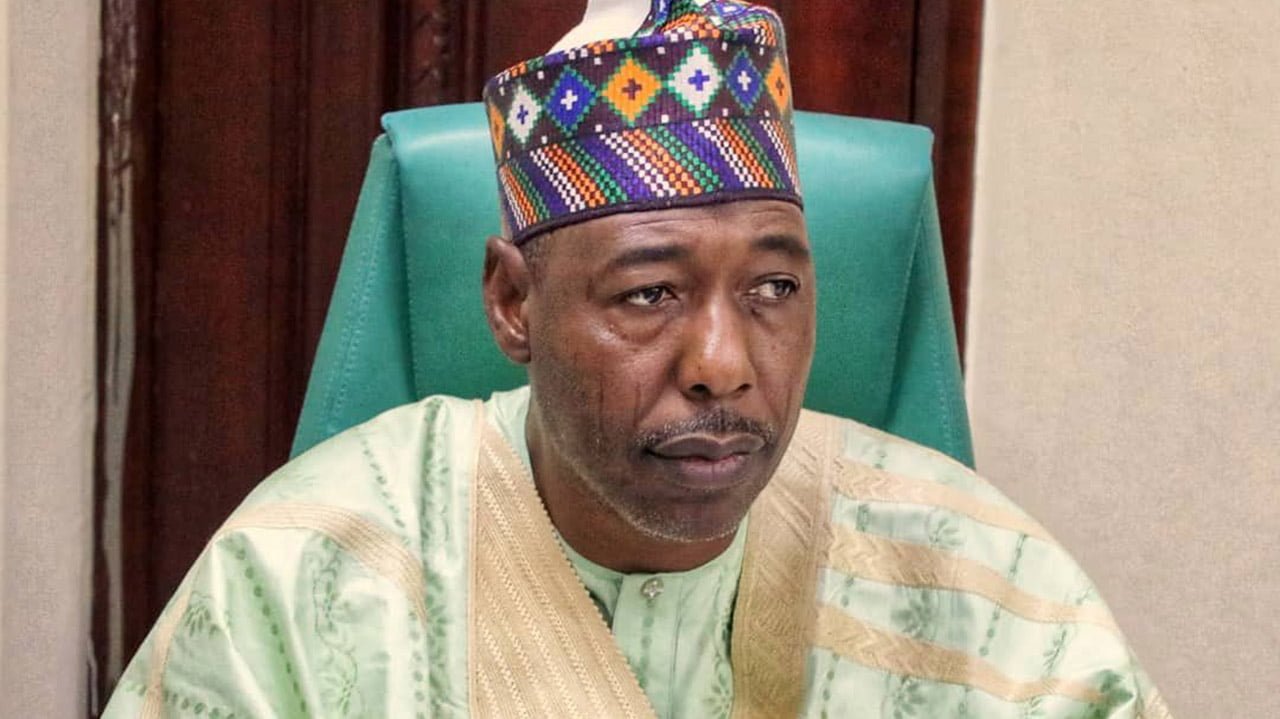
Borno State Governor Babagana Zulum has defended the Nigerian military over a controversial airstrike in Jilli, insisting that the location widely described as a “market” had been shut down for years due to insurgency.
In a statement issued on Sunday by his Special Adviser on Media, Dauda Iliya, the governor said the Jilli market in Gubio Local Government Area—located along the Borno–Yobe border—was officially closed about five years ago as part of security measures to curb terrorist activities.
Zulum described Jilli as a notorious hub allegedly used by insurgents and their logistics networks, stressing that it no longer functioned as a legitimate civilian marketplace.
“I have been properly briefed on the airstrike carried out by the Air Component of Operation Hadin Kai on Jilli market… Let me state categorically that the Borno State Government closed Jilli and Gazabure markets five years ago,” the governor said.
He added that his administration is in active consultation with the Yobe State Government and military authorities to fully assess the situation and ensure proper coordination going forward.
The airstrike, carried out on April 11, 2026, by the Air Component of Operation HADIN KAI in collaboration with the Nigerian Army, reportedly targeted suspected terrorist positions in the area following intelligence reports and earlier operations in the corridor.
READ ALSO:
- Dabiri-Erewa Warns Obidients Could Hurt Peter Obi’s 2027 Ambition
- BREAKING: Troops Arrest 15-Year-Old Linked to Killing of Gen Braimah in Borno
- Fayose Warns Makinde May Query Olubadan Over Absence at Ibadan Coronation Event
However, initial reports indicated that over 50 people were feared killed, sparking concern over possible civilian casualties and raising questions about the nature of the target.
Eyewitness accounts suggested that the strike hit a location believed by locals to be a weekly trading point, triggering panic among residents as explosions rocked the area.
In response, Zulum emphasised that the Borno State Government maintains strict protocols before reopening markets or resettling communities affected by insurgency, noting that such decisions are made in close coordination with security agencies.
He reiterated his administration’s commitment to protecting civilians while supporting military operations aimed at dismantling insurgent networks across the North-East.
The governor also urged residents to remain vigilant and cooperate with security forces by providing credible intelligence that could aid ongoing counterinsurgency efforts.
Military authorities have yet to release a detailed official report confirming casualty figures or clarifying the full circumstances of the strike.
Security analysts say the incident highlights the complex challenges of counterinsurgency warfare, where distinguishing between civilian activity and insurgent logistics hubs remains difficult, particularly in volatile border communities.
Despite the controversy, the Nigerian military has continued intensified operations across key areas in Borno and neighbouring states, targeting supply routes and strongholds used by extremist groups.
Zulum Defends NAF Airstrike, Says Jilli Market Closed Five Years Ago
metro
BREAKING: Troops Arrest 15-Year-Old Linked to Killing of Gen Braimah in Borno
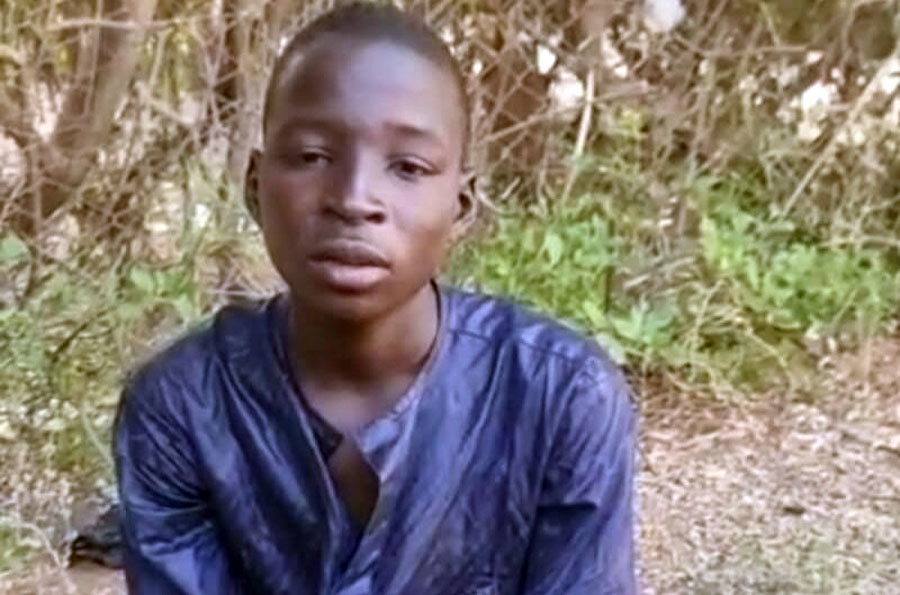
BREAKING: Troops Arrest 15-Year-Old Linked to Killing of Gen Braimah in Borno
Troops of the Joint Task Force (North East), Operation HADIN KAI (OPHK), have arrested a 15-year-old suspect allegedly involved in the deadly attack that killed Brigadier General Oseni Omoh Braimah, another officer, and two soldiers in Borno State.
The suspect, identified simply as Tijjani, was apprehended on Sunday in Ngamdu while reportedly on an errand to procure food supplies for members of his group.
In a video recorded after his arrest, the teenager confessed to being part of the armed group responsible for coordinated attacks in Benisheik and Ngamdu, areas that have witnessed renewed insurgent activity in recent months.
According to the suspect, the group operated from Jilli, a location described by military sources as a known logistics and movement hub for insurgents in the region. He said they moved from Jilli to carry out the attack and later returned to the same location.
Tijjani further disclosed that he had been sent with about ₦850,000 to collect logistics supplies from Ngamdu before his arrest. He added that he left his colleagues behind at Jilli and was unaware of subsequent developments following the operation.
READ ALSO:
- Fayose Warns Makinde May Query Olubadan Over Absence at Ibadan Coronation Event
- Manchester City Beat Chelsea 3–0 to Close Gap on Arsenal
- Police Arrest Suspect Over Fake Job Interview Robbery in Magodo
The late General Braimah, who commanded the 29 Task Force Brigade under Operation HADIN KAI, was killed on Thursday when suspected Boko Haram fighters launched an assault on a military base in the area. The attack also claimed the lives of another officer and two soldiers, underscoring the persistent threat posed by insurgent groups in the North-East.
Military sources indicate that the arrest of the teenage suspect is part of ongoing intelligence-led operations aimed at dismantling terrorist networks and cutting off their supply chains across Borno State.
Security analysts say the involvement of minors in insurgent activities highlights a disturbing pattern of recruitment by extremist groups, who often deploy young individuals for logistics, surveillance, and operational roles.
The Nigerian military has intensified surveillance and clearance operations across key corridors such as Jilli, Ngamdu, and Benisheik, following recent attacks, with the aim of preventing further assaults and restoring stability in the region.
Authorities have yet to issue a comprehensive official statement on the arrest, but security operations are expected to continue as efforts to track down other members of the group intensify.
The development comes amid renewed commitment by Operation HADIN KAI to sustain pressure on insurgents and disrupt their activities across the North-East.
BREAKING: Troops Arrest 15-Year-Old Linked to Killing of Gen Braimah in Borno

-
 metro2 days ago
JUST IN: FG Publishes List of 48 Individuals, Groups Linked to Terrorism Financing in Nigeria
-

 metro19 hours ago
BREAKING: Troops Arrest 15-Year-Old Linked to Killing of Gen Braimah in Borno
-

 metro2 days ago
42-Year-Old Married Woman Declared Missing Found in Hotel with Man
-
 Politics2 days ago
Did Faleke Just Reveal Lagos’ Next Governor? Party Moves Begin
-

 Education3 days ago
Germany Opens Fully Funded Scholarships for Nigerians, Africans
-

 Politics2 days ago
2027: Oyo APC Governorship Aspirant Saheed Oladele Resigns From Party
-
 metro2 days ago
ADC Threatens Civil Disobedience To Force INEC Chairman To Resign
-

 Entertainment2 days ago
EFCC, Police Investigate Blessing CEO Over Alleged ₦300m Cancer Scam