

Business
62 agencies collecting revenue causing tax leakages, says FIRS chairman

62 agencies collecting revenue causing tax leakages, says FIRS chairman
Chairman of the Federal Inland Revenue Service (FIRS), Zacch Adedeji, says there are leakages in the tax collection in the country.
He attributed the worrisome situation to several government agencies collecting revenues.
Adedeji spoke on Wednesday when he appeared before the House of Representatives Committee on Finance to defend the FIRS’ 2024 budget.
The FIRS chairman said a single revenue-collection agency is responsible for collecting revenue in other countries, which he found as a better approach.
“But here in Nigeria we have more than 62 agencies collecting (revenues) one way or the other on behalf of the federal government,” Adedeji said.
“And when you see people (agencies) instead of going to their area of strength, everybody tries to collect (revenue) — the leakage is all there.”
Adedeji said the nation’s obsolete laws are also responsible for tax leakages.
“Most of them (laws) are obsolete. For example, the digital tax that we are talking about — no law in Nigeria empowers us to effectively tax all these digital businesses which we know is on the rise,” he said.
The FIRS boss said President Bola Tinubu had approved that contractors should be paid directly instead of transferring the money to ministries, departments and agencies (MDAs), most especially capital funding.
He said this would enable the FIRS to deduct tax directly from the contractors and improve cash management.
Adedeji advocated a single window of revenue collection to prune leakages.
“We are also doing a lot of reform, including the single window. Because if you look at FIRS, what we collect mainly is company income tax which is the result of the difference between cost of sales and gross sales,” he said.
“But the cost of sales if inflated means you would have less profits and less taxes. Today, we don’t have anywhere to confirm the major cost of sales of all these companies because when they do the valuation sometimes, they do not have verifiable value to do that.
“I use NIMASA as an example, the basis of (revenue) collection for NIMASAA is three percent of FOB.
“That has nothing to do with marine. If you use the single window, you know the total number of vessels coming into the country and going out and the fee is just three percent. So what does NIMASA need to do about that?
“What we are saying is that these agencies were set up to do core duties. When you talk about customs, it is border and trade facilitation. Revenue is not the core mandate of customs. Customs is about border and trade facilitation.
“The real principle of the single window is that everything coming to the country is in advance, so you know the number of containers coming, the volume, what is there and you know the amount and they pay you once. When you do that, the customs collecting this and that or the NPA collection would go.
“If you go to the UK or South Africa, you don’t see customs collecting revenue.“
Adedeji said FIRS was working to block tax leakages to ensure that more people are brought into the tax net.
He said within two weeks to one month, a bill would be sent to the national assembly to make it mandatory for Nigerians to have one means of identification which is the national identity number (NIN).
“The plan is to make sure everything we do as citizens is linked directly to this NIN,” Adedeji said.
“This would help address the issue of tax leakage.”








Auto
Hyundai Unveils Mufasa, Grand Creta SUVs to Strengthen Nigeria Line-up (Updated)
Hyundai Unveils Mufasa, Grand Creta SUVs to Strengthen Nigeria Line-up (Updated)
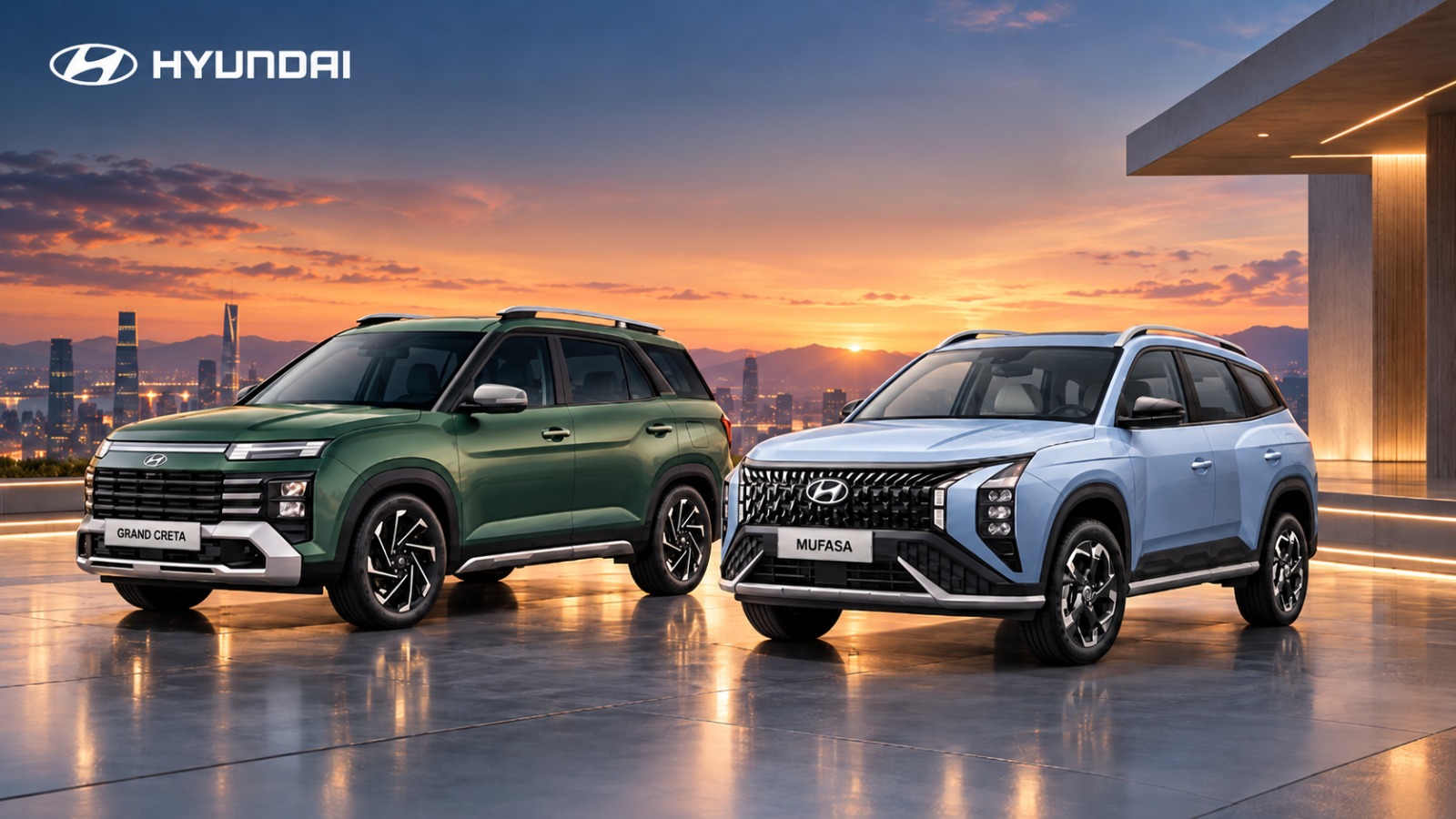
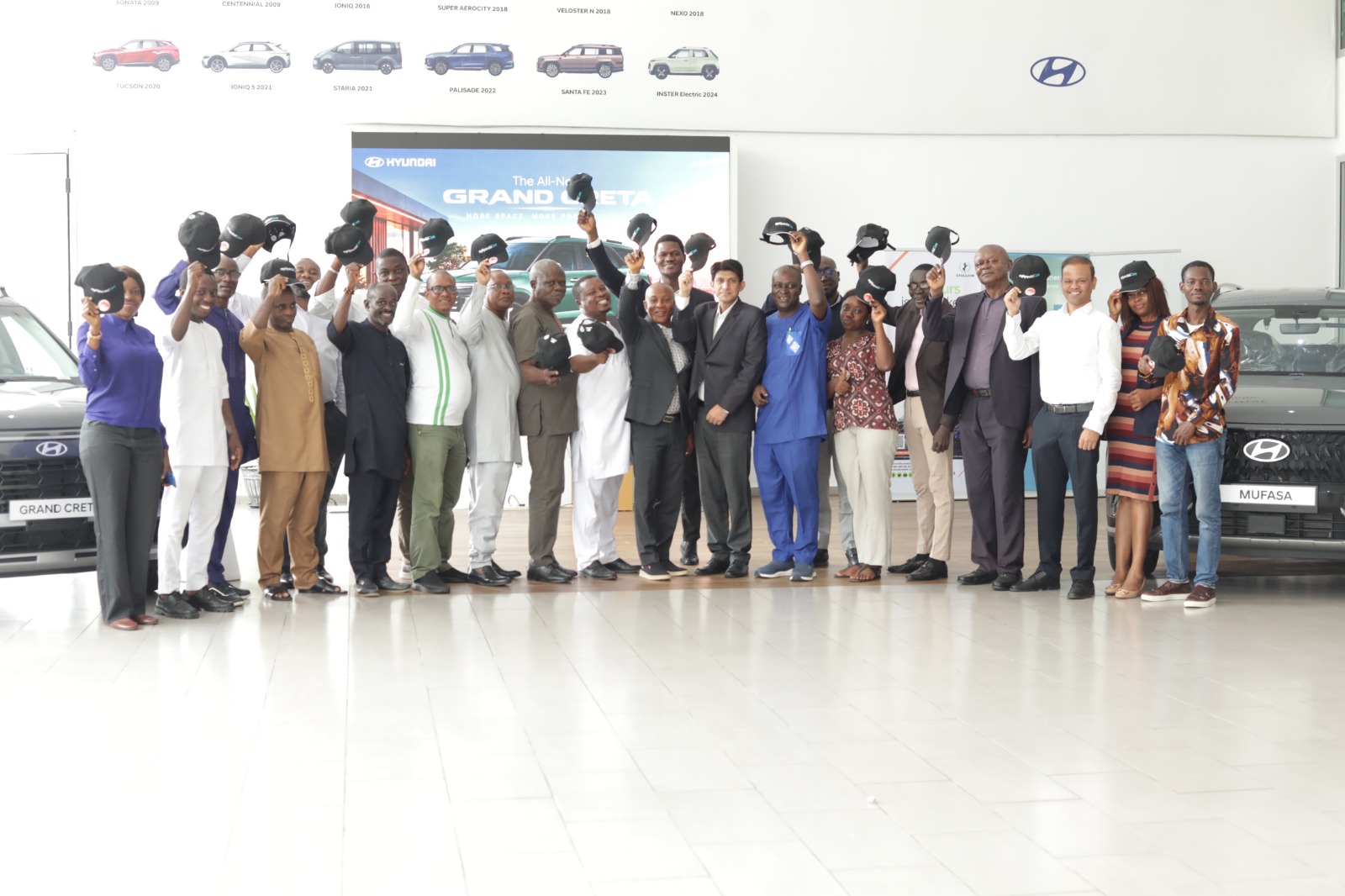
Hyundai Motors Nigeria has expanded its sport utility vehicle (SUV) range with the introduction of the all-new Mufasa and Grand Creta, offering Nigerian motorists more choices in styling, performance, technology and passenger comfort.
The two models, unveiled in Lagos on Wednesday, are targeted at different customer segments, with the Mufasa designed for motorists seeking a stylish, five-seater SUV, while the Grand Creta offers a three-row, seven-seater configuration suited to larger families and customers requiring additional passenger space.
The launch underscores Hyundai’s efforts to strengthen its presence in Nigeria’s competitive automotive market, where demand for versatile vehicles that combine comfort, safety, performance and practicality continues to shape consumer preferences.
Speaking at the launch, Hyundai Motors Nigeria’s General Manager, Sales and Marketing, Mr Gaurav Vashisht, said the new models reflected the company’s commitment to providing vehicles that meet the changing needs of Nigerian customers.
“The SUV segment continues to attract strong interest in Nigeria, as customers increasingly prioritise comfort, safety, technology and versatility,” Vashisht said.
He also gave a rundown of the two new vehicles’ features even as he stated that the Mufasa and Grand Creta were designed to meet different lifestyle requirements while maintaining Hyundai’s global standards of quality and innovation.
Mufasa targets style-conscious motorists
The Hyundai Mufasa combines bold exterior styling with a spacious cabin and features designed for everyday driving. Its distinctive front grille, signature LED lighting and muscular bodywork give it a commanding road presence.
Power comes from a 2.0-litre Smartstream multipoint fuel injection (MPi) petrol engine paired with a six-speed automatic transmission. Depending on the market specification, the engine produces approximately 150–160 horsepower and 193Nm of torque.
The five-seater SUV measures about 4,475mm in length, with a 2,680mm wheelbase, providing room for passengers and luggage while retaining a practical footprint for urban driving and longer journeys.
Its cabin features a modern dashboard, digital displays and storage spaces, while available equipment, depending on the variant, includes touchscreen infotainment, smartphone connectivity, automatic climate control, wireless charging and selectable driving modes.
Safety and driver-support features include anti-lock braking, electronic stability control, airbags and parking assistance, subject to the vehicle specification.
The Mufasa is positioned as an option for professionals, younger motorists and families seeking a combination of contemporary design, technology and everyday usability.
Grand Creta offers seven-seat flexibility
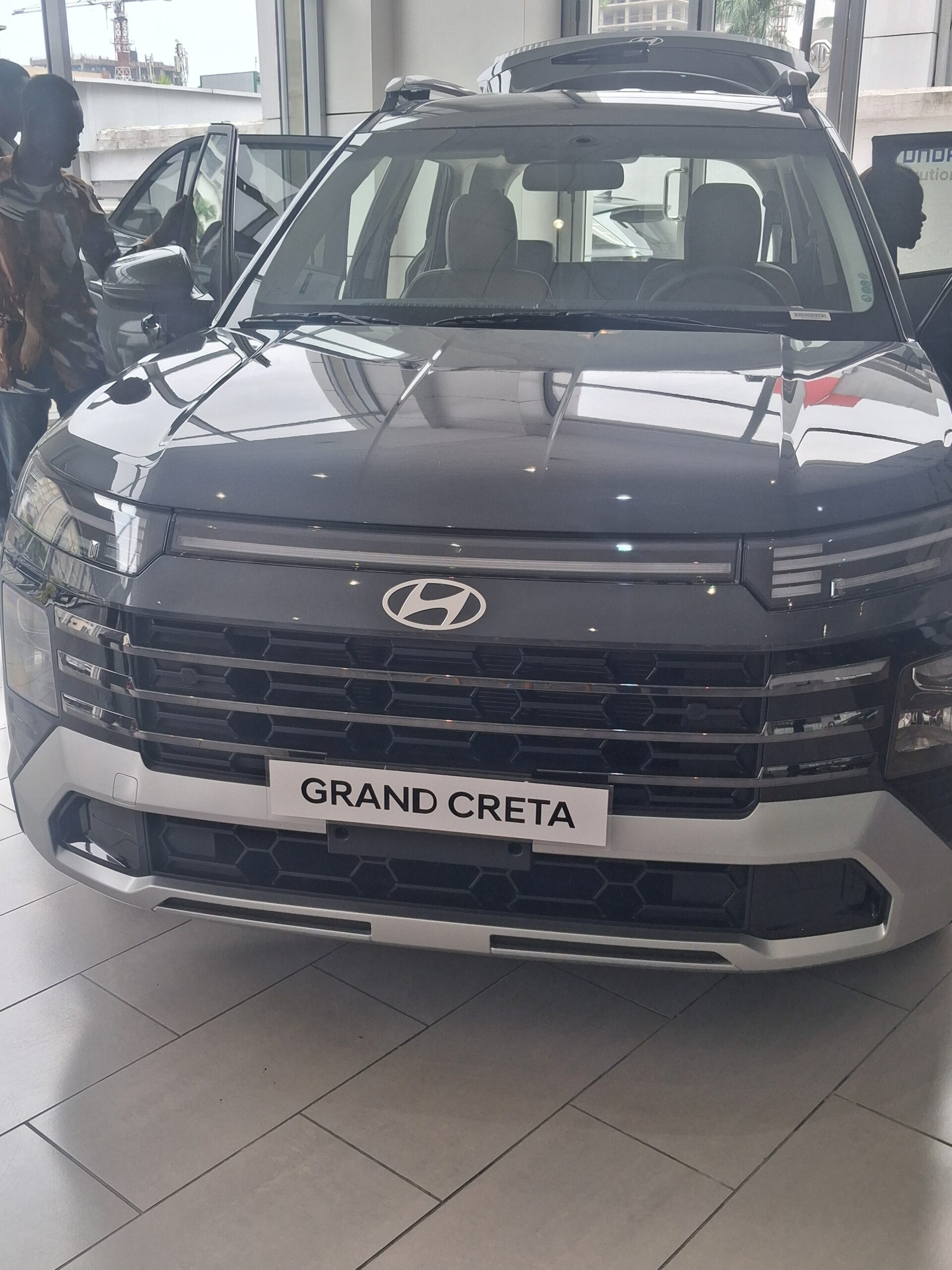
The Grand Creta complements the Mufasa with a larger cabin and seating for up to seven occupants, making it suitable for families and motorists who prioritise passenger capacity and interior flexibility.
The SUV is powered by an available 2.0-litre Smartstream petrol engine producing approximately 159 horsepower and 191Nm of torque. A six-speed automatic transmission is offered on automatic variant.
Its 2,760mm wheelbase supports a spacious three-row layout, while the flexible seating arrangement allows occupants to adjust the cabin to accommodate passengers or luggage.
Depending on the trim, convenience features include an eight-inch touchscreen infotainment system with smartphone connectivity, rear air-conditioning vents, keyless entry, push-button start and a digital instrument cluster.
Higher-specification versions may also feature leather-appointed seats, ventilated front seats, automatic climate control, wireless charging and a panoramic sunroof.
Safety equipment offered across the range includes six airbags, anti-lock braking, electronic stability control, hill-start assist, rear parking sensors, a rear-view camera and ISOFIX child-seat mounting points.
The model is aimed particularly at larger families seeking additional space and comfort without sacrificing the styling and versatility associated with SUVs.
After-sales support in focus
Beyond the new models, Hyundai Motors Nigeria says it is focused on delivering a comprehensive ownership experience through its authorised dealership network, after-sales services and access to genuine spare parts.
Vashisht said the Mufasa would appeal to customers seeking bold styling, modern technology and dynamic performance, while the Grand Creta would cater to those requiring greater passenger capacity, comfort and versatility.
“Our objective is not simply to introduce new vehicles but to deliver a complete ownership experience,” he said, reaffirming the company’s commitment to building long-term customer confidence in the Hyundai brand.
The two additions expand Hyundai’s existing SUV portfolio, which includes the Creta, Tucson, Santa Fe and Palisade.
Their introduction comes as automakers compete to attract Nigerian buyers with vehicles offering a balance of comfort, safety, technology, performance and long-term ownership value.
With the Mufasa and Grand Creta, Hyundai is seeking to broaden its appeal across different customer categories while strengthening its position in Nigeria’s increasingly competitive SUV market.
Auto
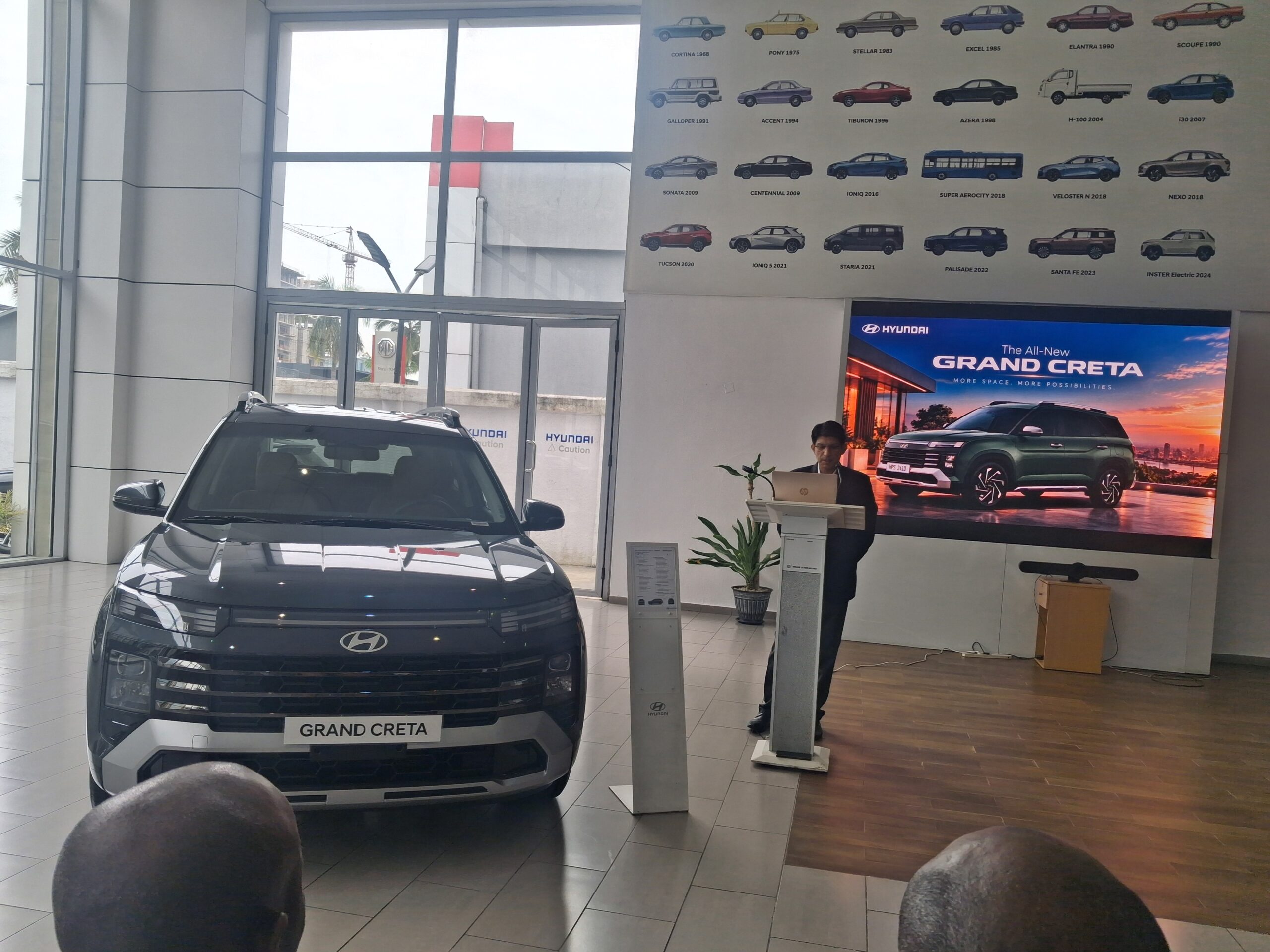
Happening now: Hyundai unveiling of Mufasa and Grand Creta
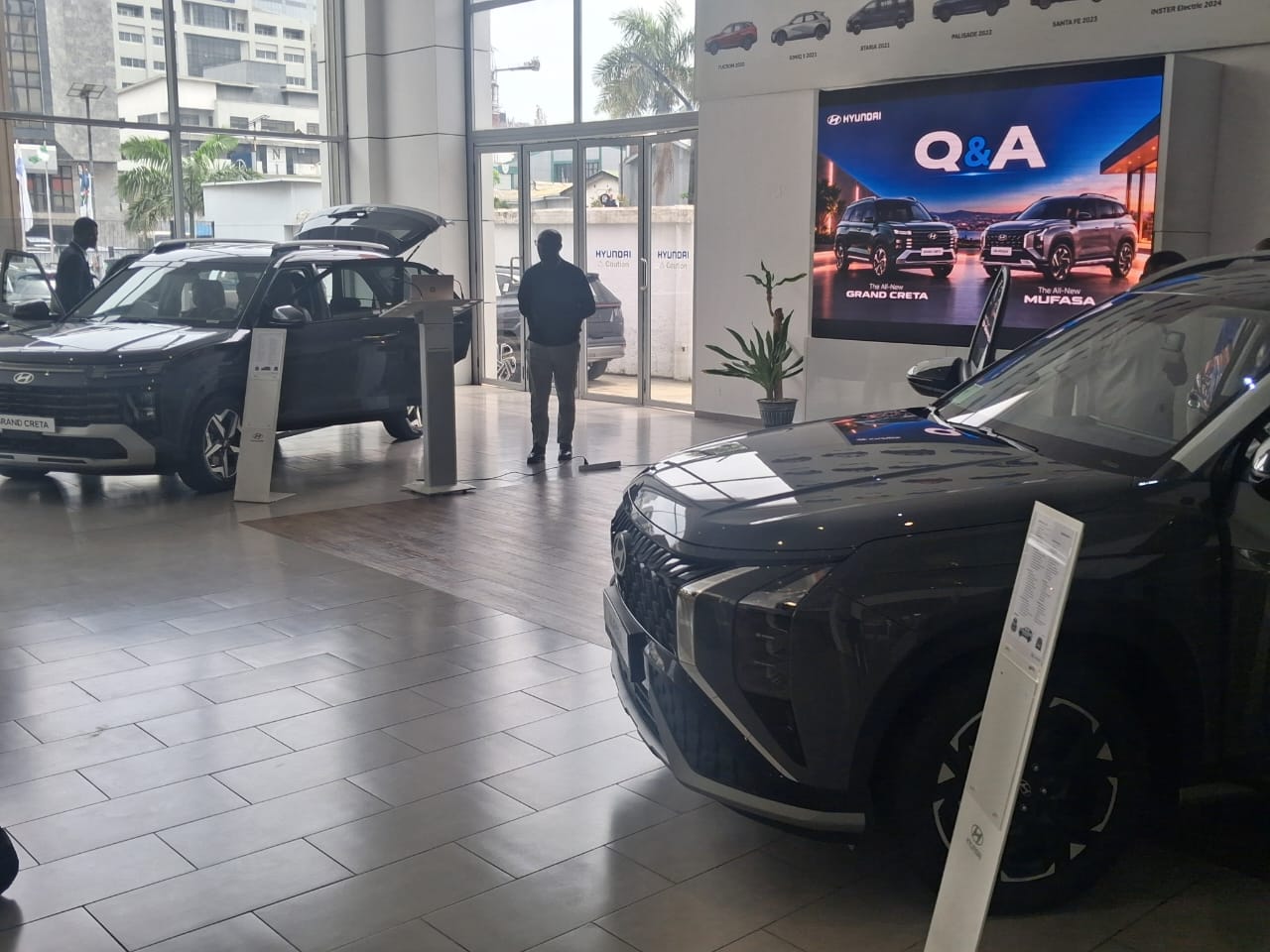
Happening now: Hyundai unveiling of Mufasa and Grand Creta (photos)
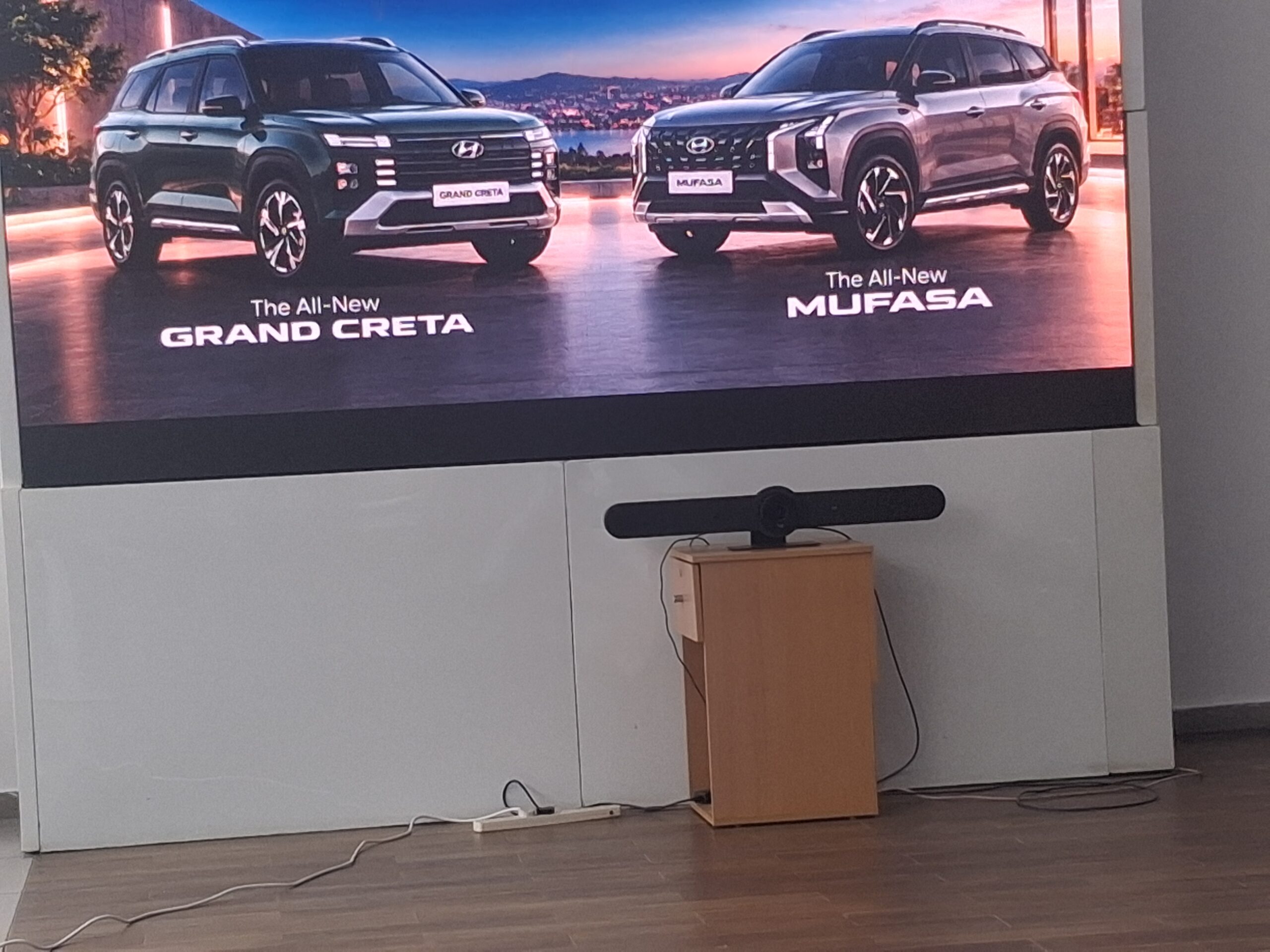
Two latest models of Hyundai auto brands are currently being officially rolled out in Lagos. The new vehicles are Mufasa and Grand Creta.
The unveiling is taking place at the Hyundai showroom on Akin Adesola Street Victoria Island, Lagos.
Auto
No 5% Petrol Tax Plan, Oyedele Says, Amid Public Concerns
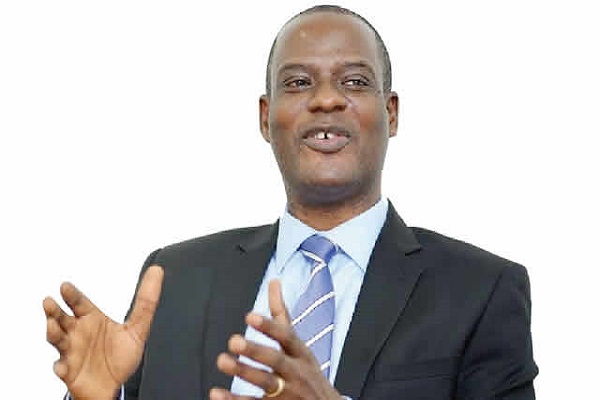
No 5% Petrol Tax Plan, Oyedele Says, Amid Public Concerns
The Federal Government has no plan to introduce a new tax on petrol, Minister of Finance and Coordinating Minister of the Economy, Taiwo Oyedele, has said, dismissing reports that the administration of President Bola Tinubu intends to impose a five per cent levy on petroleum products.
Oyedele clarified the issue in a statement posted on his X account on Tuesday, insisting that a fuel tax was not being considered by the government.
“In my interview with ARISE News, I was clear: a fuel tax is not on the table,” he said.
His statement follows reports linking him to the proposed five per cent tax, which sparked concerns about a possible increase in the cost of petrol amid Nigeria’s persistent cost-of-living crisis.
Petrol prices have remained a major driver of transportation and distribution costs since the removal of the fuel subsidy, contributing to higher prices of food and other essential goods and services.
The prospect of an additional levy had raised fears that households and businesses could face further financial pressure.
However, Oyedele’s clarification indicates that the Federal Government is not currently considering the proposed fuel tax, amid broader efforts to reform Nigeria’s tax system and strengthen public finances.
-

 metro2 days ago
Army Major, Soldiers Killed in ISWAP Ambush in Yobe State
-

 metro1 day ago
‘We Don’t Know What Else to Do’ — Mother Begs for Release of Abducted Children
-
 metro1 day ago
Atiku: US Lobbying Firm Raises Alarm Over Alleged Assassination Plot
-
 metro2 days ago
Breaking: Afenifere Leader Pa Fasoranti Dies at 100
-
 metro23 hours ago
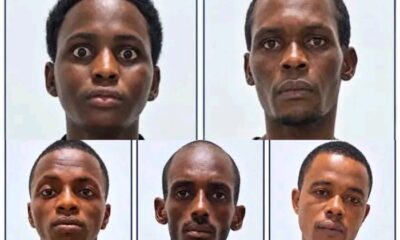
Five Arraigned Over Kidnapping of 20 Prospective NYSC Members in Imo
-
 metro2 days ago
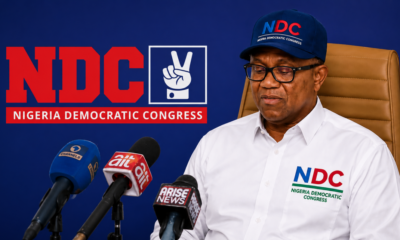
‘I Never Asked Them to Abandon Loved Ones’ — Obi Clarifies Diaspora Remarks
-
 Auto1 day ago
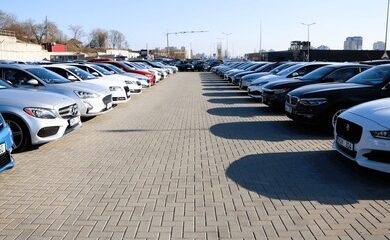
Beyond the Showroom: Why After-Sales Service Will Define Auto Industry Winners
-
 News1 day ago
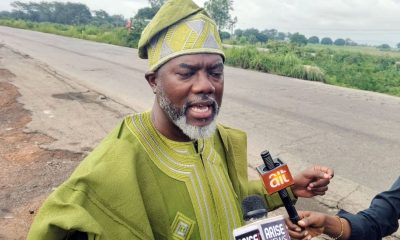
Mexico Clears Reno Omokri as Nigeria’s Ambassador After Eight-Month Wait