

Business
Naira sustains gains, appreciates to N1,595/$

Naira sustains gains, appreciates to N1,595/$
The Naira yesterday appreciated to N1,595 per dollar in the parallel market from N1,610 per dollar on Monday.
Thus the Naira has recorded N45 week-on-week, WoW appreciation from N1,640 per dollar Tuesday last week.
Though the Naira was stable at N1,499 per dollar in the official Nigerian Foreign Exchange Market (NFEM), yesterday, it however recorded N27.3 WoW appreciation from N1,526.3 per dollar last Tuesday.
Consequently, the margin between the parallel market and NFEM rate narrowed to N96 per dollar from N113.7 per dollar Tuesday last week.
The Naira has been on the upward trend since Thursday January 23rd, when it appreciated to N1,665 per dollar in the parallel market from N1,670 per dollar on Wednesday January 22nd.
READ ALSO:
- BREAKING: Tinubu signs North-Central Development Commission bill into law
- Court clears Fani-Kayode of EFCC’s medical report forgery case
- The historical reasons why I strongly support Tinubu – Omokri
Similarly, the Naira in the official market appreciated on Thursday January 23rd, to N1,548 per dollar from N1,553 per dollar on Wednesday January 22nd.
Since then, the Naira had gained N75 and N54 in the parallel and official market respectively.
Currency traders attributed the upward trend of the Naira to weak dollar demand occasioned by the Chinese New Year holiday.











Business
NCC Deploys Device Checker App to Tackle Fake, Cloned Phones in Nigeria

The Nigerian Communications Commission (NCC) has deployed a new device-checking application to strengthen efforts to eliminate counterfeit, cloned and unauthorised mobile phones from Nigeria’s telecommunications market.
The application, designed to help authorised industry stakeholders verify mobile devices, allows users to scan International Mobile Equipment Identity (IMEI) numbers and upload device information directly to the commission’s Device Checker Platform.
The NCC Lagos Zonal Controller, Tunji Jimoh, disclosed this on Thursday during a media briefing at the commission’s zonal office in Lagos.
Jimoh, who represented the Executive Vice-Chairman of the NCC, Aminu Maida, said the initiative was part of efforts to ensure that devices connected to Nigerian telecommunications networks comply with established technical and regulatory standards.
According to him, the platform supports the verification of the Type Approval status of SIM-enabled devices and will help address the circulation of counterfeit, cloned and unauthorised equipment in the country.
Jimoh explained that the application would make it easier for authorised stakeholders, including importers, distributors and phone dealers, to verify large volumes of devices and identify irregularities in their identification numbers.
He said the commission had also intensified engagements with industry players to improve compliance with its device verification and licensing requirements.
The NCC official disclosed that the commission had streamlined its licensing and regularisation process, enabling several device dealers in Kano State to obtain the necessary licences.
READ ALSO:
- Romance Scam: FBI Declares Nigerian Woman Wanted, Offers ₦6.7m Reward
- ₦50,000 Monthly Relief: FG Begins Cash Payments to Vulnerable Nigerians
- Zamfara Kidnap: Three Imams Regain Freedom After Weeks in Captivity, Three Others Still Held
He added that the commission had conducted sensitisation programmes for importers and other industry participants in Lagos and other parts of the country to educate them on their responsibilities under the Device Checker framework.
Jimoh said the measures were designed to strengthen accountability across the mobile device supply chain, improve regulatory compliance and protect consumers from substandard products.
Addressing concerns about privacy, the NCC representative stressed that the Device Checker Platform was not designed to monitor mobile phone users or access their personal information.
He explained that the system does not access private messages, photographs, contacts, financial information or other personal content stored on mobile devices.
According to him, the platform’s functions are limited to device identification and verification of compliance with regulatory requirements.
The commission also urged manufacturers, importers, distributors and dealers to familiarise themselves with its Type Approval and Device Verification guidelines.
Meanwhile, the NCC has encouraged consumers to check the approval status of mobile phones before purchasing them, particularly second-hand devices, to avoid buying counterfeit or non-compliant products.
Consumers can access the commission’s *Device Checker service by dialling 315# or visiting its official website at https://www.ncc.gov.ng/DeviceChecker.
To verify a device, users may need its 15-digit IMEI number, which can be retrieved by dialling *#06# on the phone.
The commission explained that the IMEI is a unique identification number assigned to mobile devices and helps distinguish one device from another. Some phones, particularly dual-SIM models, have more than one IMEI.
The NCC has also clarified that the enhanced device verification framework, which took effect on October 7, 2026, does not require existing phone users to register their devices again. Devices already connected to Nigerian networks before the implementation date were automatically verified.
New devices brought into Nigeria by importers, however, must undergo the applicable verification process before accessing local telecommunications networks.
The commission said the framework covers SIM-enabled devices, including smartphones, feature phones, tablets, routers, laptops and Point-of-Sale terminals.
It further advised consumers to patronise reputable and licensed dealers and use only official NCC channels for device verification.
The initiative forms part of the commission’s broader efforts to combat phone theft, device cloning, counterfeiting and the circulation of unauthorised telecommunications equipment in Nigeria.
NCC Deploys Device Checker App to Tackle Fake, Cloned Phones in Nigeria
Railway
Nigeria Loses ₦3.6tn to Logistics Inefficiencies as NRC Pushes Integrated Transport System
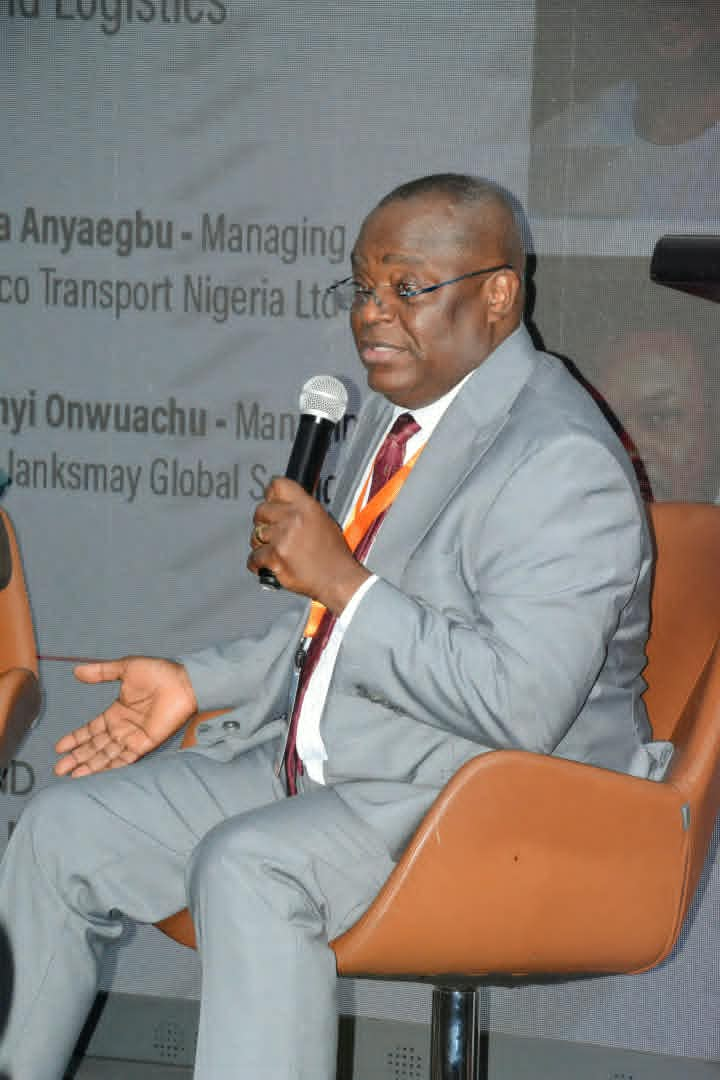
Nigeria Loses ₦3.6tn to Logistics Inefficiencies as NRC Pushes Integrated Transport System
The Nigerian Railway Corporation has unveiled an ambitious plan to expand Nigeria’s railway network from approximately 4,000 kilometres to 10,000 kilometres within five years.
This is coming as it pushes for an integrated transportation and logistics system to reduce business costs, boost trade and strengthen the nation’s economic competitiveness.
The NRC also has a long-term target of extending the rail network to about 20,000 kilometres, with plans to optimise existing railway assets, revive dormant corridors, expand freight operations and attract private investment into passenger and cargo services.
Managing Director of the corporation, Dr Kayode Opeifa, disclosed these plans at the BusinessDay Mobility and Logistics Conference in Lagos, where he identified an efficient, interconnected transport system as a critical driver of economic resilience and productivity.
Speaking on the theme, “Scaling the Future: Building a Resilient and Efficient Mobility and Logistics Ecosystem in Nigeria,” Opeifa warned that inefficiencies across the country’s transportation network were contributing to congestion, rising logistics costs, delayed deliveries, reduced productivity and higher prices of goods and services.
He argued that integrating rail, road, maritime and air transportation would help address these challenges by improving connectivity between production centres, markets, seaports and distribution hubs.
According to him, rail transportation occupies a strategic position in developing an efficient national transport network because of its capacity to move large volumes of passengers and freight over long distances while reducing pressure on highways.
“Rail should not be viewed as a competitor to road, maritime or air transportation, but each should continue to develop as complementary components of an effective integrated transport system,” he said.
Opeifa explained that while road transport remained essential for cargo collection and last-mile delivery, maritime transport facilitated international trade, and inland terminals supported cargo handling and distribution, rail provided the high-capacity link connecting these facilities with industrial and commercial centres.
He said seamless coordination among the different modes would reduce avoidable logistics costs, promote regional commerce, improve access to markets and enhance the competitiveness of Nigerian products.
PRIVATE SECTOR PARTICIPATION
Outlining the NRC’s priorities since assuming office, the managing director highlighted the corporation’s track access policy, which provides opportunities for private investors to operate passenger and freight services along designated railway corridors.
He said the policy was part of efforts to improve the utilisation of existing infrastructure, expand railway services and mobilise investment to accelerate the development of the sector.
Under its Vision 2:5:10:20, the corporation is focusing on optimising existing railway assets, restoring viable dormant corridors, expanding freight operations, strengthening private-sector partnerships and progressively extending the national network.
Opeifa said immediate priorities included improving the utilisation of Nigeria’s two legacy narrow-gauge lines and three standard-gauge lines, restoring operational capacity, expanding freight services and strengthening connections between railway infrastructure, ports and inland terminals.
He maintained that maximising the value of existing assets would be essential to achieving the corporation’s expansion targets and building a more commercially viable railway system.
NEW RAILWAY PROJECTS
The NRC chief also highlighted ongoing and planned railway infrastructure projects under President Bola Ahmed Tinubu’s administration, including efforts to extend the standard-gauge railway to Apapa Port and establish a connection to Tin Can Island Port in Lagos.
The proposed connections are expected to strengthen the relationship between rail and maritime transportation, improve cargo evacuation and reduce the pressure on roads leading to the ports.
Opeifa further said the Kano–Maradi railway line was expected to be completed in 2027, while plans were ongoing for a central railway corridor linking the Warri–Itakpe line to Abuja.
He added that the government planned to commence construction of the Marina–Lekki railway line, alongside efforts to support the Kaduna–Kano inter-state train service and the Kano State Government’s proposed intra-state rail services.
The projects, he said, formed part of broader efforts to expand rail connectivity, improve passenger mobility and facilitate the movement of goods across the country.
₦3.6TRN LOGISTICS LOSSES
Also speaking at the conference, the Director-General of the Africa Centre for Supply Chain, Dr Obiora Madu, estimated that Nigeria loses more than ₦3.6 trillion to inefficiencies and distortions in the transportation and logistics sector.
He warned that small-scale businesses would continue to struggle to operate efficiently unless the country addressed the disconnect among its transport and logistics networks.
“If we don’t get the logistics right, the small-scale businesses would not be optimised. We do not need digital islands, we do not need superlative infrastructure, what we need is connected systems,” Madu said.
He argued that building a resilient logistics ecosystem required more than expanding individual infrastructure projects, stressing the importance of coordination, connectivity and the ability of the entire system to withstand disruptions.
Similarly, the Managing Director of JanksMay Global Services Ltd., Ifeanyi Onwuachu, said infrastructure deficits continued to undermine the operations of small-scale players in the logistics industry.
He called attention to the need for better infrastructure and more efficient transport connections to support businesses and improve operational performance.
Earlier, the Deputy Editor-in-Chief of BusinessDay, Dr Innocent Nna, described the conference as a platform for examining persistent gaps in Nigeria’s logistics sector and identifying practical solutions.
He urged stakeholders to engage in frank discussions on the challenges confronting the industry and develop strategies to improve efficiency across the sector.
The conference brought together industry stakeholders to explore ways of building an integrated, efficient and resilient mobility and logistics ecosystem capable of supporting economic growth and improving the competitiveness of Nigerian businesses.
Auto
AutoFast By CFAO Assures Former Moove Drivers of Continued After-Sales Support, Free Diagnostics
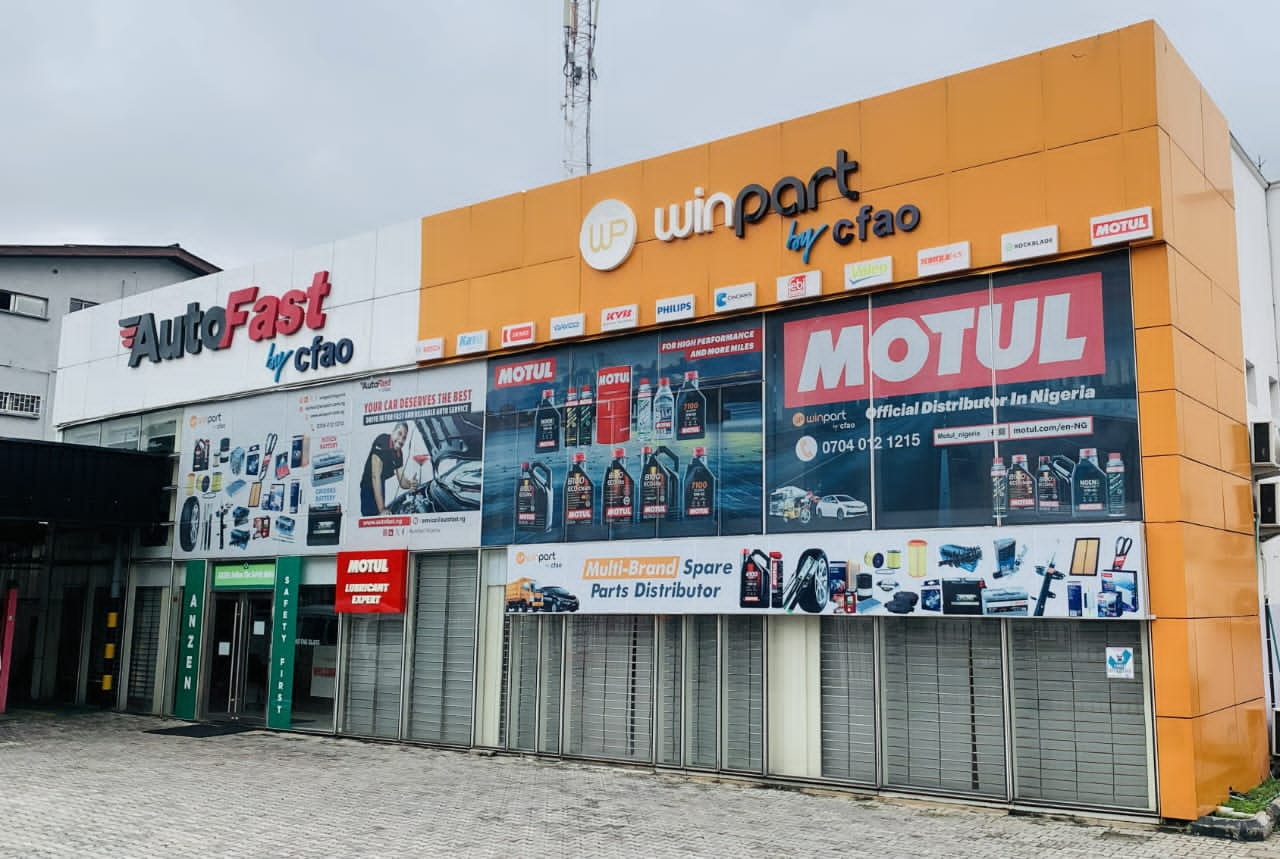
AutoFast By CFAO Assures Former Moove Drivers of Continued After-Sales Support, Free Diagnostics
As the exit of mobility platform Moove from Nigeria raises concerns over vehicle maintenance and repair costs among affected drivers, AutoFast by CFAO has moved to reassure them of continued access to professional servicing, quality lubricants and affordable spare parts.
The company said its commitment to supporting former Moove drivers remained unchanged, despite the platform’s withdrawal from the Nigerian market, stressing that it would continue helping them keep their vehicles roadworthy, minimise downtime and protect their livelihoods.
AutoFast by CFAO, which has serviced and maintained the vehicles for more than four years, said it understood the concerns drivers might face regarding maintenance, repairs and the availability of essential spare parts following Moove’s exit.
To address these challenges, the company is introducing dedicated service support for former Moove drivers, including free vehicle diagnostics, access to quality Motul lubricants and a loyalty programme offering exclusive discounts to returning customers on their third service.
The initiative, according to the company, is designed to make vehicle maintenance more accessible, convenient and affordable, while enabling drivers to get their vehicles back on the road without unnecessary delays associated with service approvals.
Speaking on the initiative, General Manager of Winpart by CFAO and AutoFast by CFAO, Mr. Eric Fantodji, said the company recognised the critical role the vehicles played in the daily operations and income generation of the drivers.
“Our relationship with these drivers spans more than four years, and we understand how important their vehicles are to their livelihoods. Our priority is to ensure they continue to have access to dependable after-sales support, professional servicing and affordable maintenance solutions,” Fantodji said.
He also underscored the importance of using the appropriate engine lubricants, particularly for vehicles equipped with small-capacity engines that require specific lubricant standards.
“From the beginning of our partnership, we have used Motul lubricants to service these vehicles. Maintaining consistency with the manufacturer-recommended lubricant specification is particularly important for the sensitive 0.8-litre or one-litre engines. Switching to unsuitable or lower-quality lubricants can have serious consequences for engine performance and potentially increase repair costs,” he said.
 According to him, using the correct lubricant helps protect engine components, maintain performance and reduce the risk of avoidable mechanical problems.
READ ALSO:
- US Extradites Nigerian Over Alleged $100m Tax Refund Fraud
- Panic as Gunmen Storm Kaduna Estate at Midnight, Abduct Residents
-
NSCDC Evidence Scandal: Tunji-Ojo Says Officers Tampered With Evidence in Miners’ Deaths
He therefore urged drivers to adhere to the recommended lubricant specifications when servicing their vehicles, warning that cutting corners on essential maintenance could lead to more expensive repairs in the long run.
Beyond routine servicing, Fantodji said AutoFast by CFAO was also making essential maintenance components, including oil filters, air filters, brake pads and other spare parts, available at affordable prices.
“We want drivers to know that they can continue to count on AutoFast by CFAO for quality products, professional service and support that recognises their needs,” he added.
The company said former Moove drivers could access the support services at its Sanusi Fafunwa and Amuwo Odofin service stations, where offerings include free diagnostics, priority servicing, quality spare parts, lubricants and a customer loyalty programme.
AutoFast by CFAO provides multi-brand vehicle maintenance, servicing and repair solutions for individual motorists and businesses. Its services are complemented by access to spare parts and lubricants supplied through Winpart by CFAO.
The latest initiative underscores the importance of reliable after-sales support in Nigeria’s automotive and mobility sectors, particularly for drivers whose vehicles are essential income-generating assets.
For former Moove drivers, continued access to professional maintenance, appropriate lubricants and affordable spare parts could prove critical to keeping their vehicles operational, controlling repair expenses and sustaining their daily earnings following the platform’s exit from the country.
AutoFast By CFAO Assures Former Moove Drivers of Continued After-Sales Support, Free Diagnostics
-

 metro2 days ago
Eight Days After Abduction, Kidnappers Demand ₦50m for Nasarawa Teacher
-

 metro2 days ago
Ajaero Fires Back at TUC Over Rejection of FG’s ₦70,000 Allowance
-

 International2 days ago
Hackers Leak Details of 41,000 US Homeland Security Personnel in Major Data Breach
-

 metro1 day ago
Captured Bandit Exposes Alleged Military Arms Supplier, Claims Gang Collected ₦1bn From Two Customs-Linked Kidnappings
-

 Entertainment3 days ago
Emeka Ike Loses ₦10bn Privacy Suit Against Wike’s Aide, INEC
-

 metro3 days ago
TUC Rejects Tinubu’s ₦70,000 Transport Allowance, Demands ₦300,000 Salary
-

 News2 days ago
Ijeh Barracks Mosque: Police Promise to Monitor Reconstruction as MURIC Urges Calm
-

 Politics3 days ago
2027: APC Chieftain Boasts Tinubu Will Defeat Atiku Even in His Polling Unit