

News
FG launches N300bn Sukuk for road projects
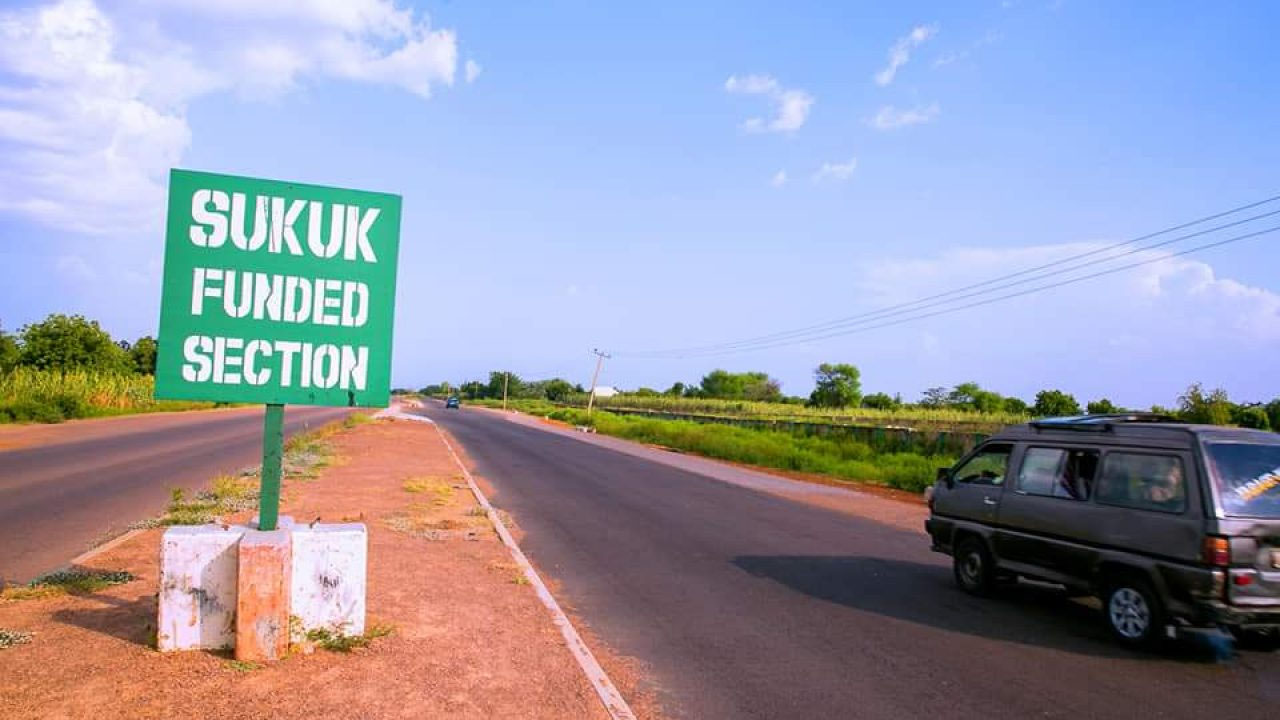
FG launches N300bn Sukuk for road projects
The federal government is seeking to raise some N300 billion through a new Sukuk issuance as part of efforts to diversify government’s funding sources and accelerate the pace of infrastructural development.
The N300 billion Sovereign Sukuk is a seven-year Sukuk due 2032; a non-interest, alternative instrument designed in a form of annual rental income. The annual rental income is 19.75 per cent. Sukuk is a non-interest, asset-backed instrument, based on the principles of Islamic finance.
The Debt Management Office (DMO), which oversees Nigeria’s government debt issuances and management, indicated yesterday that the offer would open today with a minimum subscription of N10,000. The offer closes on May 20, 2025.
The Sukuk serves the dual purposes of diversifying government’s funding for critical national infrastructural projects and also expanding the domestic investment market to meet the need of ethical investors.
The Sukuk is being offered at N1,000 per unit, subject to a minimum subscription of N10,000 and in multiples of N1,000 thereafter.
The rental payment will be made half-yearly while the bullet repayment will be done on the date of maturity.
As a sovereign issuance, the Sukuk is backed by the full faith and credit of the Federal Government and it qualifies as securities in which trustees can invest under the Trustee Investment Act. It also qualifies as government securities within the meaning of Company Income Tax Act and Personal Income Tax Act for tax exemption for pension funds among other investors. It is also classified as liquid asset by the Central Bank of Nigeria (CBN) and certified by the Financial Regulation Advisory Council of Experts of the CBN.
READ ALSO:
- NNPP attacks Ganduje over comment on one-party system
- I’m not desperate to return as Rivers gov – Fubara
- Arms worth trillions of naira in B/Haram’s hands – Rep
The N300 billion Sukuk will be listed on the Nigerian Exchange (NGX) and FMDQ Securities Exchange Limited upon completion.
Managing Director, Arthur Steven Asset Management, Mr. Olatunde Amolegbe, described the Sukuk as a high-yielding investment with predictable cashflows.
According to him, the Sukuk provides a good route for wealth accumulation and investment compounding.
“Aside from the fact that it is a gilt edge bond that is covered by the full faith and credit of the Federal Government, this particular instrument has good rate of return at nearly 20 per cent. It also provides an excellent investment outlet for ethical investors that do not what interest-based investment to put their investments in,” Amolegbe said.
Sources said the government could raise more than N300 billion, citing the historical issuance trend.
The federal government had in 2017 launched its sovereign Sukuk issuance as a strategic initiative to support the development of critical infrastructure, promote financial inclusion and deepen the domestic securities market.
Sukuk as an alternative instrument to conventional bonds and it is based on the tenets of Islam which prohibits usury or lending with interest payments. Sukuk does not indicate the existence of any debt obligation as the issuer uses the proceeds from the certificate to purchase an asset, of which the investor also receives partial ownership.
READ ALSO:
- Nigeria, others affected in UK clampdown on care workers’ visas
- 78 Nigerian girls rescued from Côte d’Ivoire traffickers return home
- West Ham bury Man United 2-0 as Amorim continues poor domestic form
Nigeria’s N150 billion third sovereign Sukuk issuance had recorded oversubscription of N519.12 billion, sustaining a trend of oversubscription that started with the maiden issuance 2017. The Federal Government had in June 2020 issued a N150 billion seven-year Ijarah Sukuk due June 2027 with approximate rental of 11.200 per cent per annum.
The Federal Government had in September 2017 floated its first sovereign Sukuk, a N100 billion seven-year issue with a rental rate of 16.47 per cent. It was oversubscribed by 5.8 per cent. Government followed in 2018 N100 billion seven-year tenored Sukuk Al Ijarah (Lease) with annual rental rate of 15.743 per cent. It was also oversubscribed.
Director General, Debt Management Office (DMO) Ms Patience Oniha, had said the government recognised the need to issue more Sukuk bonds given the increasing success and strong investor’s appetite for the alternative non-interest bonds.
According to her, the Sukuk initiative by DMO, which oversees national debt management, has been increasingly successful given the strong level of awareness that has been created.
She attributed the success of the Sukuk issuances to the increased confidence from market participants given that the Sukuk bonds are tied to specific projects that can be tracked.
“Looking ahead, we recognise the need to upscale issuances to include other standalone projects beyond road infrastructure, but more importantly, we are looking to support projects that are revenue generating to service the Sukuk,” Oniha said.
FG launches N300bn Sukuk for road projects







metro
Katsina Police Rescue Two Kidnapped Women, Arrest Suspected Kidnappers
Katsina Police Rescue Two Kidnapped Women, Arrest Suspected Kidnappers
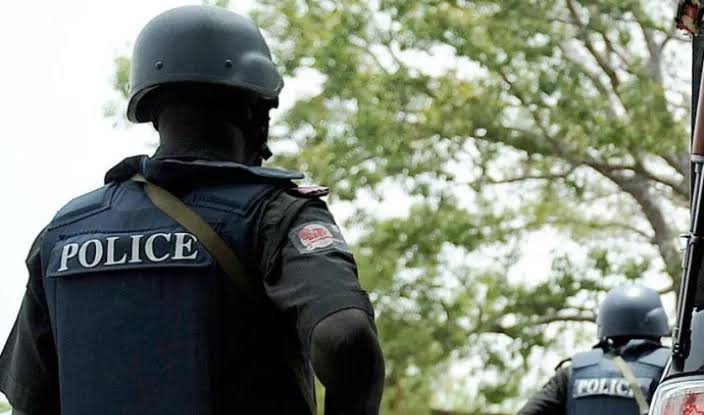
Two women have been rescued from armed bandits in Katsina State after police officers engaged their abductors in a gun battle.
The rescue was one of several operations announced by the Katsina State Police Command, which also reported the arrest of suspected members of a kidnapping syndicate and an alleged informant.
The two women were taken from Sha’iskawa Fulani Village in Kankia Local Government Area after bandits attacked the community.
Police operatives responded to the incident and exchanged gunfire with the attackers. The confrontation forced the bandits to withdraw, giving the officers an opportunity to rescue both victims unharmed.
Elsewhere in Dutsin-Ma, the police said they dismantled a three-member kidnapping syndicate during a patrol based on credible intelligence.
The operation was carried out by the command’s Violent Crime Response Unit.
Police alleged that one of those arrested admitted to conspiring with other members of the group to abduct his grandfather.
The older victim was said to have remained in captivity for 16 days. He was eventually released after his family paid ₦3 million to the kidnappers.
The suspects remain in custody while investigators examine their alleged criminal activities and search for other people connected to the syndicate.
Katsina Commissioner of Police Ali Umar Fage commended the officers involved in the operations and said the command would continue to intensify its fight against banditry and kidnapping.
In a statement issued by police spokesperson DSP Abubakar Sadiq, residents were encouraged to stay vigilant and provide security agencies with timely and reliable information.
The command said cooperation between communities and security agencies remains essential to tackling criminal networks and protecting residents across Katsina State.
Katsina Police Rescue Two Kidnapped Women, Arrest Suspected Kidnappers
Health
Adamawa Health Officials Report 20 Deaths from Suspected Diphtheria Cases
Adamawa Health Officials Report 20 Deaths from Suspected Diphtheria Cases
Parents and caregivers are advised to seek early medical help and update childhood vaccinations as response teams expand outreach.
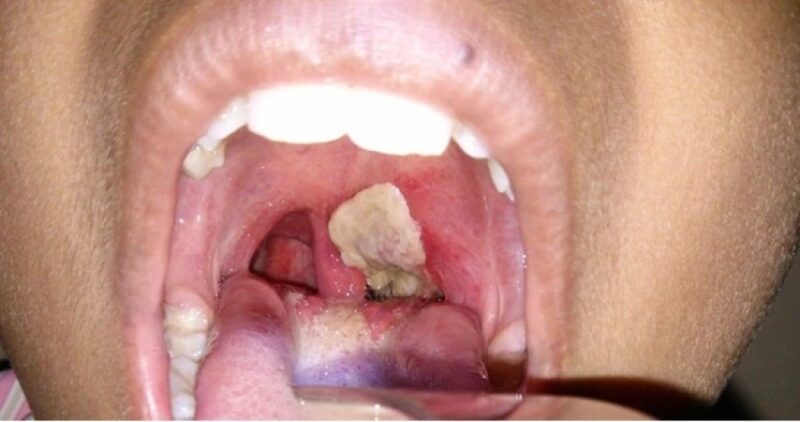
Health authorities in Adamawa State are responding to a diphtheria outbreak that has caused 20 deaths across 13 local government areas. Speaking on Wednesday, State Epidemiologist Jones Steven Kadabiyu confirmed that health workers have recorded 126 suspected cases throughout the state, with six patients currently receiving medical care in local hospitals.
Diphtheria is a serious bacterial illness that spreads through airborne droplets from coughing or close personal contact. It mainly affects the throat and airway, causing sore throats, mild fevers, swollen neck glands, and difficulty swallowing or breathing.
READ ALSO:
- Kara Bridge Repairs, Multiple Crashes Trigger 14-Hour Gridlock on Lagos-Ibadan Expressway
- 2027: Court Gives Atiku Seven Days to Serve Tinubu Through APC in Eligibility Suit
- 2027: Northern Students Back Tinubu, Pledge Campus-to-Campus Mobilisation
Health officials emphasized that the biggest risk to patients has been waiting too long to visit a health center, as some families try informal remedies at home first before seeking professional medical attention.
The state government is working alongside health partners to track new cases, provide specialized antibiotics and treatments, and protect medical workers and family members.
Officials stressed that while diphtheria can affect people of any age, young children are the most vulnerable to serious complications. Parents and guardians are strongly encouraged to ensure their children are up to date on their routine vaccines and to visit the nearest clinic immediately if anyone develops throat swelling or breathing issues.
Adamawa Health Officials Report 20 Deaths from Suspected Diphtheria Cases
News
Blue Line Rail, Hospitals Get Boost as Lagos Approves ₦200bn Bond and Budget Reordering
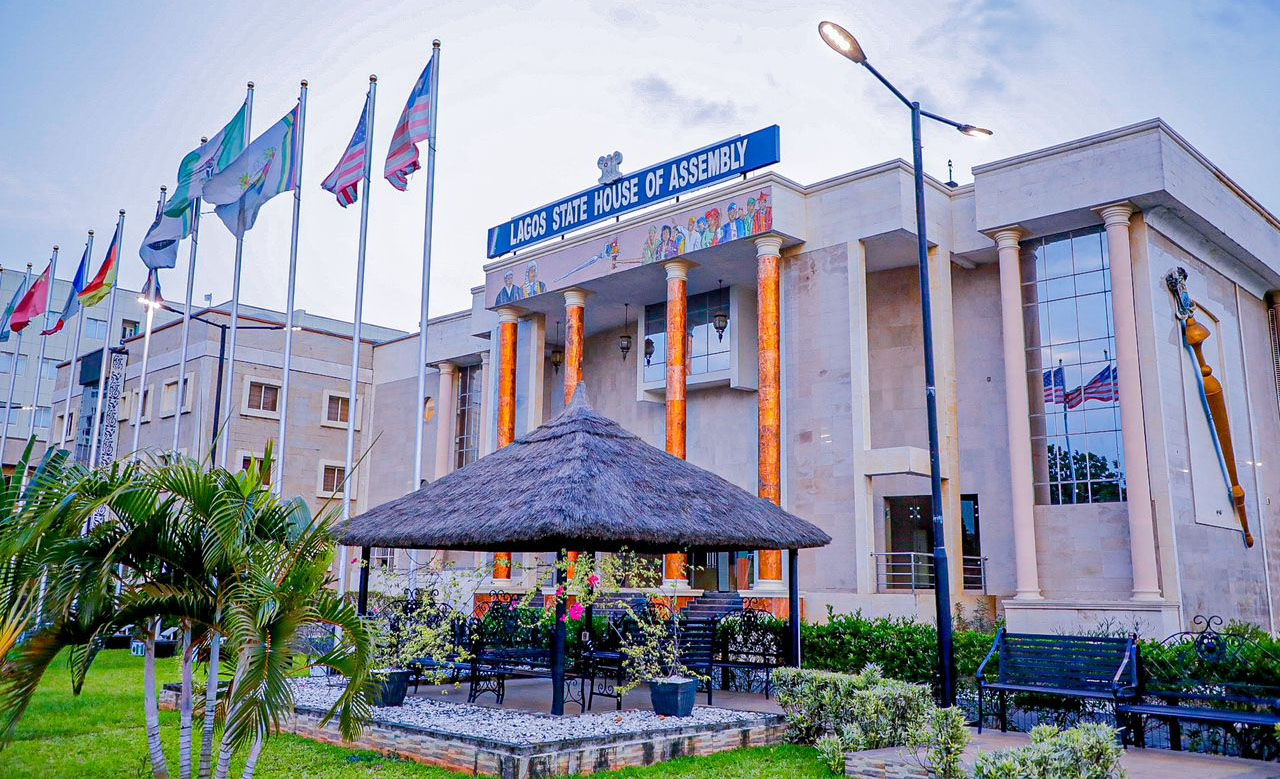
Blue Line Rail, Hospitals Get Boost as Lagos Approves ₦200bn Bond and Budget Reordering
Following Governor Sanwo-Olu’s request, the state legislature approves expanded capital financing for the final months of the fiscal year.
The Lagos State House of Assembly has approved changes to the state’s 2026 spending plan to speed up work on key community infrastructure, including public transit lines, general hospitals, and flood prevention systems.
The decision came after Governor Babajide Sanwo-Olu requested a review of the budget to make sure government funds are directed where they are needed most during the rest of the year.
To support these priority projects, lawmakers agreed to raise the state’s infrastructure bond from ₦150 billion to ₦200 billion. Budget committee chairman Lukmon Olumoh explained that this financial adjustment will help contractors finish essential public facilities faster.
The revised funds will help extend the Blue Line train service between Mile 2 and Trade Fair Station, complete the new Massey Street Children’s Hospital, and finish the 280-bed General Hospital in Ojo.
The amended plan also sets aside funds for fixing potholes on neighborhood roads, clearing drainage channels to prevent flooding, and buying new service vehicles for sanitation and traffic teams.
Lawmakers emphasized that legislative committees will closely monitor how these funds are spent to ensure projects are delivered on schedule and within clear standards. Speaker Mudashiru Obasa confirmed that the approved bill has been sent to the governor to be officially signed into law.
Blue Line Rail, Hospitals Get Boost as Lagos Approves ₦200bn Bond and Budget Reordering
-
 Politics2 days ago
2027: Northern Lecturers Back Tinubu, ASUU Disowns Endorsement
-
 metro2 days ago
Police Arrest Mother Over Alleged Brutal Abuse of 7-Year-Old Girl in Anambra
-

 Sports2 days ago
‘I Was Never the Chosen One’ — Dembele Responds to Mbappe
-
 News3 days ago
Nwifuru Dismisses Cubana Chief Priest as ‘Attention-Seeker’
-

 Education2 days ago
JAMB Moves 2027 UTME Time — Here’s What Candidates Need To Know
-
 Politics3 days ago
2027: Sowore Promises ₦500,000 Minimum Wage, Free Education, 24-Hour Electricity
-
 metro2 days ago
Grand Chief Imam calls for professional communication structure for Rabitoh 1964
-
 Politics1 day ago
2027: APC Governors Reject Wike’s Rainbow Coalition, Insist on Party Loyalty