

International
At least 27 dead, 90 injured in Gaza shooting

At least 27 dead, 90 injured in Gaza shooting
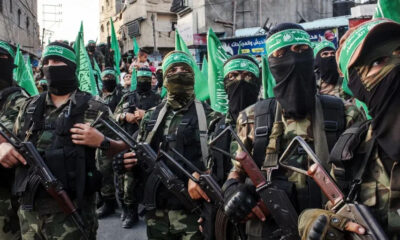
At least 27 people were killed and over 90 injured by Israeli forces near a humanitarian aid distribution center in the southern Gaza Strip on Tuesday morning, according to the Hamas-run Ministry of Health in Gaza.
This marks the second fatal incident in three days near an aid site. The ministry said victims were waiting to collect food when the shooting began.
Of those killed, 24 bodies and 37 injured individuals were brought to the Nasser Medical Complex in Khan Younis. The hospital’s director-general, Atef Al-Hout, stated that most casualties were the result of gunfire.
The Israel Defense Forces (IDF) acknowledged a shooting took place roughly 500 meters from an aid site run by the US- and Israel-backed Gaza Humanitarian Foundation (GHF).
“Earlier today, during the movement of the crowd on the regulated routes on the way to the distribution complex, about half a kilometer from the complex, IDF forces identified a number of suspects moving towards them while deviating from the access routes,” the IDF said in a statement.
“The forces fired evasive shots, and after they did not move away, additional shots were fired near the individual suspects who were advancing towards the forces,” the statement continued.
READ ALSO:
- Troops intercept truck conveying live 164,000 cartridges in Anambra
- Obi condemns Tinubu in public, but benefits from his economic policies – Reno Omokri
- Simon Ekpa sues former ally Ngozie Orabueze, alleges database hijack
The IDF noted that it is aware of reports of casualties and confirmed that “details of the incident are under investigation.” It also emphasized that it does not obstruct civilians from reaching aid centers.
“IDF forces do not prevent Gaza residents from reaching the aid distribution complexes,” the military said. “The shooting was carried out about half a kilometer from the distribution complex at individual suspects who approached the forces in a manner that endangered them.”
GHF also issued a statement, asserting that its aid distribution operations on Tuesday were completed “safely and without incident at our site today.”
However, GHF acknowledged the IDF’s ongoing investigation into whether civilians were harmed after “moving beyond the designated safe corridor and into a closed military zone.”
“This was an area well beyond our secure distribution site and operations area,” the organization said. “We recognize the difficult nature of the situation and advise all civilians to remain in the safe corridor when traveling to our distribution sites.”
GHF’s efforts have faced scrutiny from humanitarian agencies, including the United Nations, which has refused to participate over concerns that GHF lacks independence from Israeli military operations.
Just two days earlier, Gaza’s Health Ministry reported that dozens were killed and more than 200 injured by Israeli fire near another aid distribution site outside Rafah. The IDF and GHF have challenged that version of events.
In response, U.N. Secretary-General António Guterres has called for an independent investigation into the incident.
A GHF spokesperson told ABC News on Monday, “There hasn’t been what we would consider a major incident at our distribution sites or the surrounding facility and so far it is going relatively well.”
“However, we are looking for ways to improve it so we can get more meals delivered,” the spokesperson added. “We are encouraged by our operations in the first week and the fact that we were able to provide nearly six million meals in first full week.”
At least 27 dead, 90 injured in Gaza shooting
(ABC News)








International
US plans largest mass visa revocation in history, up to 200,000 foreigners targeted
US plans largest mass visa revocation in history, up to 200,000 foreigners targeted
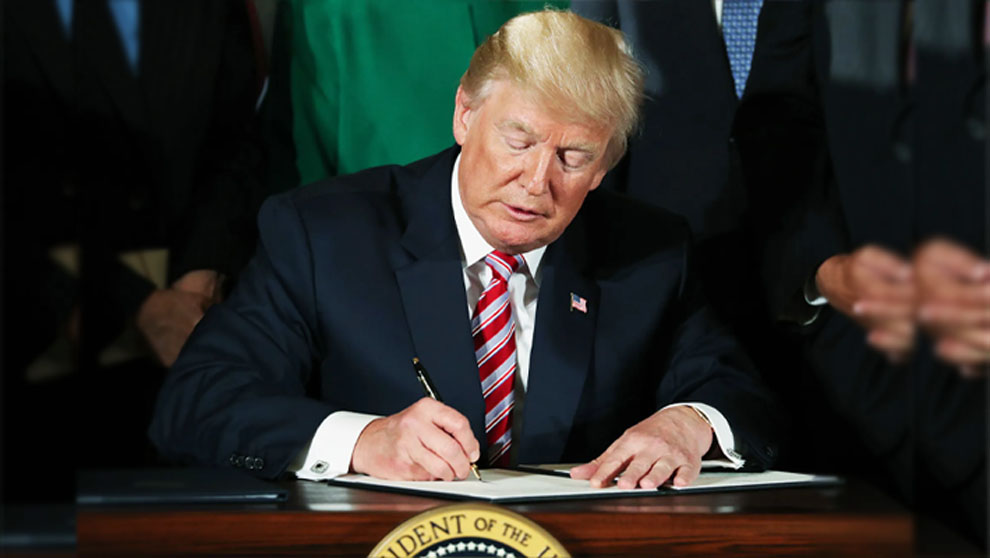
The administration of US President Donald Trump is preparing to revoke the business and tourism visas of up to 200,000 foreigners who have applied for or are currently seeking asylum in the United States.
If implemented at the reported scale, the measure would become the largest single mass visa revocation in US history and is likely to trigger legal challenges.
The planned action targets holders of B1 and B2 visas issued between 2016 and 2026 who have sought or are currently seeking asylum in the United States.
The US State Department is expected to begin announcing the revocations in the coming weeks, unless the policy is revised or challenged. The department is coordinating the process with the Department of Homeland Security (DHS) to identify affected visa holders.
State Department spokesman Tommy Pigott said the government was working with DHS to identify and revoke the nonimmigrant visas of foreigners who entered the United States as short-term visitors but later filed for asylum.
However, Pigott did not confirm that exactly 200,000 visas would be revoked. He said the number would remain dynamic because the process would be conducted on a rolling basis.
The reported 200,000 figure should therefore be regarded as an estimate rather than a final government tally.
The proposed visa revocations would also not necessarily result in the immediate deportation of everyone affected.
Officials said most people with pending asylum cases would be recategorised but would lose their status as business or tourism visitors. Visa cancellation would therefore be separate from an automatic deportation order.
READ ALSO:
- Lagos-Ibadan Expressway crash: Seven killed, two injured in three-vehicle collision
- Traffic Alert: Lagos Announces Diversion as Oke-Afa Bridge Undergoes Rehabilitation
- Warri-Itakpe Derailment: 4 Dead, 64 Injured – Opeifa Explains What Really Happened
A B1 visa is generally issued for temporary business travel, while a B2 visa is commonly used for tourism, visiting family or friends and certain medical purposes.
The Trump administration argues that some foreigners have misused short-term visitor visas by entering the United States as tourists or business travellers and subsequently filing asylum claims to remain in the country.
Deputy Secretary of State Christopher Landau criticised the practice, arguing that the US asylum system should not be used as a means of circumventing immigration laws.
The planned US visa revocation is part of a wider immigration crackdown by the Trump administration, which has introduced tougher screening and restrictions for prospective and existing visa holders.
The measures include increased scrutiny of applicants’ social media activity, new financial requirements for some visa applicants and restrictions on visa issuance to citizens of certain countries.
The State Department has also revoked more than 175,000 visas since President Donald Trump returned to office for his second term. The revocations have involved foreign nationals accused or convicted of crimes and people whose conduct or circumstances were deemed grounds for visa cancellation.
The administration has also intensified efforts to curb so-called birth tourism, in which foreign nationals travel to the United States to give birth.
Trump has separately sought to restrict birthright citizenship, although those efforts have faced legal challenges.
The latest visa plan could face further litigation because of its unprecedented scale and its potential impact on people with pending asylum applications.
Rights groups have criticised the administration’s broader immigration policies, raising concerns about due process and civil liberties. The Trump administration has defended the measures as necessary to strengthen border security, enforce immigration laws and prevent abuse of the immigration system.
The review of existing B1 and B2 visa holders reportedly began after the State Department received information about asylum applications from US Citizenship and Immigration Services.
For now, the final number of people whose visas will be revoked remains uncertain. The State Department has indicated that the process will be conducted on a rolling basis, meaning the eventual figure could change as officials complete their review.
If the policy proceeds at the reported scale, it would represent an unprecedented US immigration crackdown and the biggest single mass cancellation of US visas in the country’s history.
US plans largest mass visa revocation in history, up to 200,000 foreigners targeted
International
Iran Warns Countries Backing New US Sanctions, Threatens Strait of Hormuz Closure
International
Hawk Fire in US Rages On, Burns 10,500 Acres in Nevada, Forces Mass Evacuations
-

 metro2 days ago
Lagos Police arrest five suspected telecom vandals, recover truckload of iron rods
-

 Entertainment2 days ago
Veteran Nollywood Actor Taiwo Hassan ‘Ogogo’ Dies at 66 After Cancer Battle
-

 metro1 day ago
MUSCOYS Honours Pioneering Educationist with Commendation Award
-

 Politics2 days ago
Opposition Unity Cracks as Atiku, Obi, Kwankwaso Diverge on 2027 Strategy Against Tinubu
-

 metro2 days ago
Lagos Moves to Tackle Housing Deficit, Inaugurates 2026 World Habitat Day Committee
-

 metro2 days ago
2027: Over 500 Northern Muslim Clerics Endorse Tinubu for Second Term
-

 Politics2 days ago
2027: Alfindiki tackles Atiku over Tinubu’s FBI records
-

 Politics2 days ago
2027: Wike explains why he won’t join Tinubu’s campaign council