

News
Alleged Christian killings: China warns U.S against interfering in Nigeria’s internal affairs
Alleged Christian killings: China warns U.S against interfering in Nigeria’s internal affairs
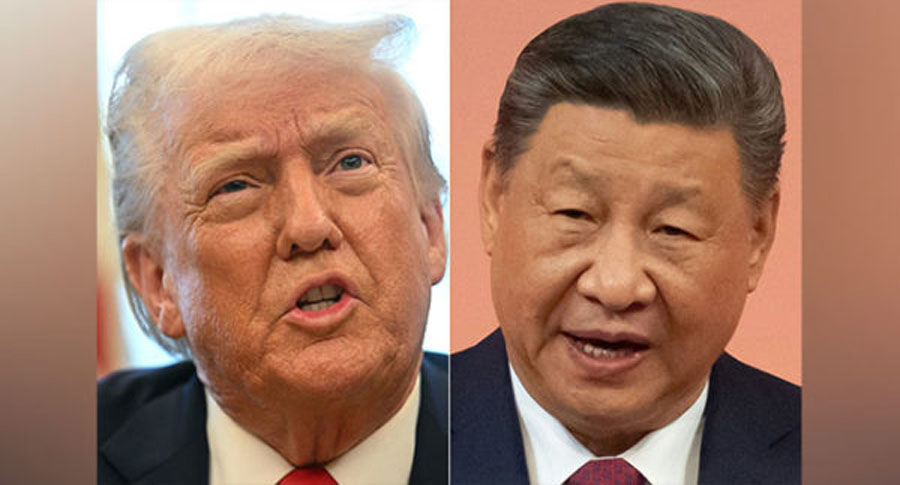
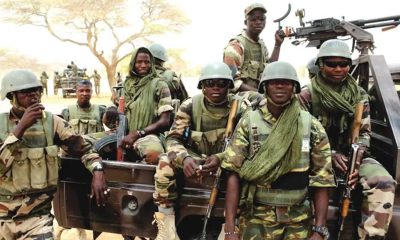
In a sharp rebuke to what it described as foreign meddling, the Chinese government has publicly rejected any form of outside interference in the internal affairs of Nigeria. The statement follows a dramatic escalation from the Donald Trump administration in Washington, which announced that the United States Department of Defense (Pentagon) has been ordered to prepare military options against Nigeria over allegations of persecution of Christians.
At a Tuesday press briefing, Chinese Foreign Ministry spokeswoman Mao Ning declared that Beijing “firmly opposes any country using religion and human rights as an excuse to interfere in other countries’ internal affairs, and threatening other countries with sanctions and force.” She also reiterated China’s support for Nigeria as a “comprehensive strategic partner” and voiced confidence in the government of Bola Tinubu to lead Nigeria on a development path suitable to its national conditions.
The tension arises after President Trump said over the weekend that he had instructed the Pentagon to draw up plans for possible deployment of U.S. troops or air strikes in Nigeria, citing what he described as record-killings of Christians by Islamist extremists in the country. The U.S. also re-added Nigeria to its “Countries of Particular Concern” list for alleged violations of religious freedom.
Nigeria Pushes Back
The Nigerian government promptly rejected the U.S. threats. Presidential spokesman Daniel Bwala called the claim of “Christian genocide” based on outdated and misleading information, and described the tactic as coercive. He emphasised that any military operation would require Nigeria’s consent, noting the country’s sovereignty. President Tinubu, in turn, affirmed that Nigeria is not a religiously intolerant state and reiterated commitment to protecting the rights of all faiths.
Analysts say Nigeria’s security crisis is complicated. While attacks by Boko Haram and armed gangs continue to brutally impact communities, the violence is not purely sectarian—in many cases both Christians and Muslims are victims. The geography of conflict, weak governance and inter-communal strife are major factors.
READ ALSO:
- Justice Omotosho warns Kanu may forfeit right to defence
- Advocacy group rejects U.S military intervention, urges governance reforms to tackle insecurity
- Wike dismisses ‘Christian genocide’ claims, says allegation politically motivated
China’s Role and Nigeria’s Strategic Partnerships
Meanwhile, China’s recent engagements with Nigeria underscore the growing complexity of great power competition in Africa. In early 2025, Chinese Foreign Minister Wang Yi visited Abuja and pledged military assistance to Africa – including Nigeria – signalling Beijing’s intent to deepen security ties. Nigeria and China have also signed agreements for local arms production, maintenance of hardware and training of defence personnel, a move seen as helping Nigeria reduce reliance on Western arms suppliers.
For its part, the United States has offered Nigeria arms sales such as a potential US$346 million deal to supply munitions and rockets, designed to bolster Nigeria’s security capability. The U.S. sees Nigeria as a key partner in the fight against terrorism and in stabilising West Africa—but its recent unilateral military posture risks straining the relationship.
Implications and Outlook
The diplomatic clash not only raises the stakes for Nigeria’s foreign policy, but also highlights how African nations increasingly find themselves in the cross-currents of great power rivalry. Nigeria’s insistence on sovereignty and its partnerships with China show a deliberate diversification of its security and diplomatic ties.
Going forward, several questions remain:
Will the United States follow through on military threats, and if so, under what legal or diplomatic framework? How will Nigeria balance its relationships with Washington and Beijing without becoming a geopolitical battleground? Can Nigeria’s government address the root causes of its insecurity—governance gaps, community grievances, and weak institutions—so as to reduce the externalisation of its conflict?
For journalists and observers alike, this episode is a reminder that interventions framed around religion or human rights often intersect with broader strategic interests—in this case, security, influence and access. How Nigeria navigates these pressures will have consequences not only for its own stability, but for regional dynamics across West Africa.
Alleged Christian killings: China warns U.S against interfering in Nigeria’s internal affairs








Education
Niger State Urges Local Communities to Protect Newly Completed Public Schools
Niger State Urges Local Communities to Protect Newly Completed Public Schools
Basic education officials deliver modern classrooms to help children learn safely, kicking off an ambitious statewide renovation drive.
State education leaders in Niger State are calling on neighborhood residents and parent groups to take good care of newly renovated primary schools.
On Wednesday, the head of the Niger State Universal Basic Education Board, Dr. Ibrahim A. Liman, reminded communities that public classrooms belong to everyone, warning that state funding can only make a lasting difference when local people watch over these shared spaces.
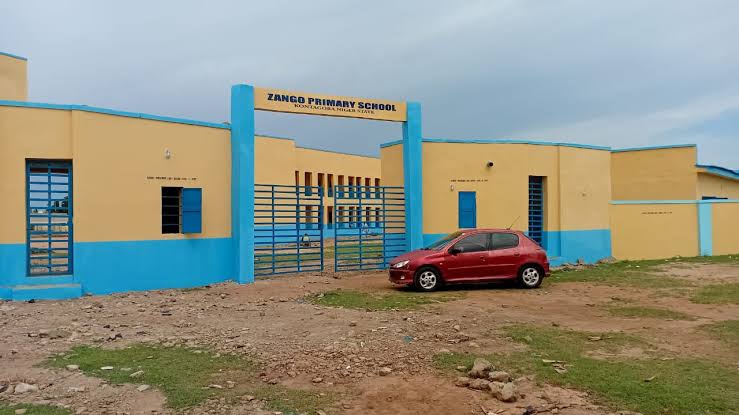
To prepare for handing over the keys, board officials visited Zango Primary School in Kontagora and Richard Lander Primary School in New Bussa. These two locations are the first to finish out of seven model schools currently under construction.
During their visits, team members inspected classrooms to make sure builders followed high safety standards, while encouraging neighbors to keep the grounds secure, tidy, and ready for pupils.
Furthermore, state officials explained that these building projects are part of a larger plan to improve early education across every community. Alongside these new classrooms, the board is starting repair work on about 400 primary schools throughout the state.
In addition to fixing desks and roofs, authorities are upgrading classroom teaching tools and supporting teachers. As a result, children across all backgrounds will have safe, welcoming spaces to learn and grow together.
Niger State Urges Local Communities to Protect Newly Completed Public Schools
Health
Adamawa Health Officials Report 20 Deaths from Suspected Diphtheria Cases
Adamawa Health Officials Report 20 Deaths from Suspected Diphtheria Cases
Parents and caregivers are advised to seek early medical help and update childhood vaccinations as response teams expand outreach.
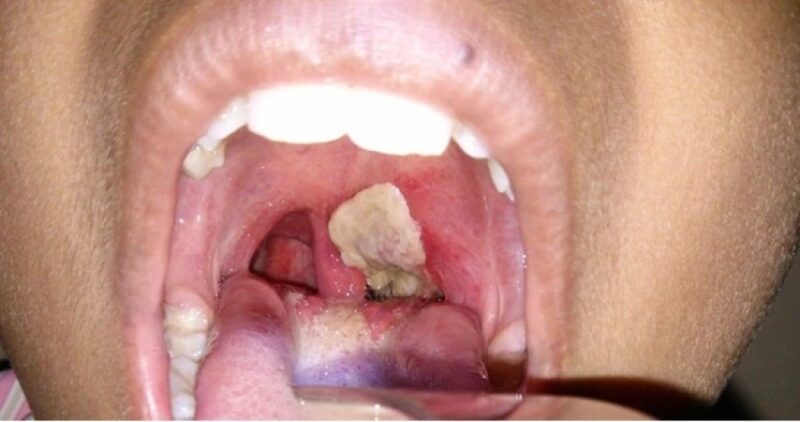
Health authorities in Adamawa State are responding to a diphtheria outbreak that has caused 20 deaths across 13 local government areas. Speaking on Wednesday, State Epidemiologist Jones Steven Kadabiyu confirmed that health workers have recorded 126 suspected cases throughout the state, with six patients currently receiving medical care in local hospitals.
Diphtheria is a serious bacterial illness that spreads through airborne droplets from coughing or close personal contact. It mainly affects the throat and airway, causing sore throats, mild fevers, swollen neck glands, and difficulty swallowing or breathing.
READ ALSO:
- Kara Bridge Repairs, Multiple Crashes Trigger 14-Hour Gridlock on Lagos-Ibadan Expressway
- 2027: Court Gives Atiku Seven Days to Serve Tinubu Through APC in Eligibility Suit
- 2027: Northern Students Back Tinubu, Pledge Campus-to-Campus Mobilisation
Health officials emphasized that the biggest risk to patients has been waiting too long to visit a health center, as some families try informal remedies at home first before seeking professional medical attention.
The state government is working alongside health partners to track new cases, provide specialized antibiotics and treatments, and protect medical workers and family members.
Officials stressed that while diphtheria can affect people of any age, young children are the most vulnerable to serious complications. Parents and guardians are strongly encouraged to ensure their children are up to date on their routine vaccines and to visit the nearest clinic immediately if anyone develops throat swelling or breathing issues.
Adamawa Health Officials Report 20 Deaths from Suspected Diphtheria Cases
News
Blue Line Rail, Hospitals Get Boost as Lagos Approves ₦200bn Bond and Budget Reordering
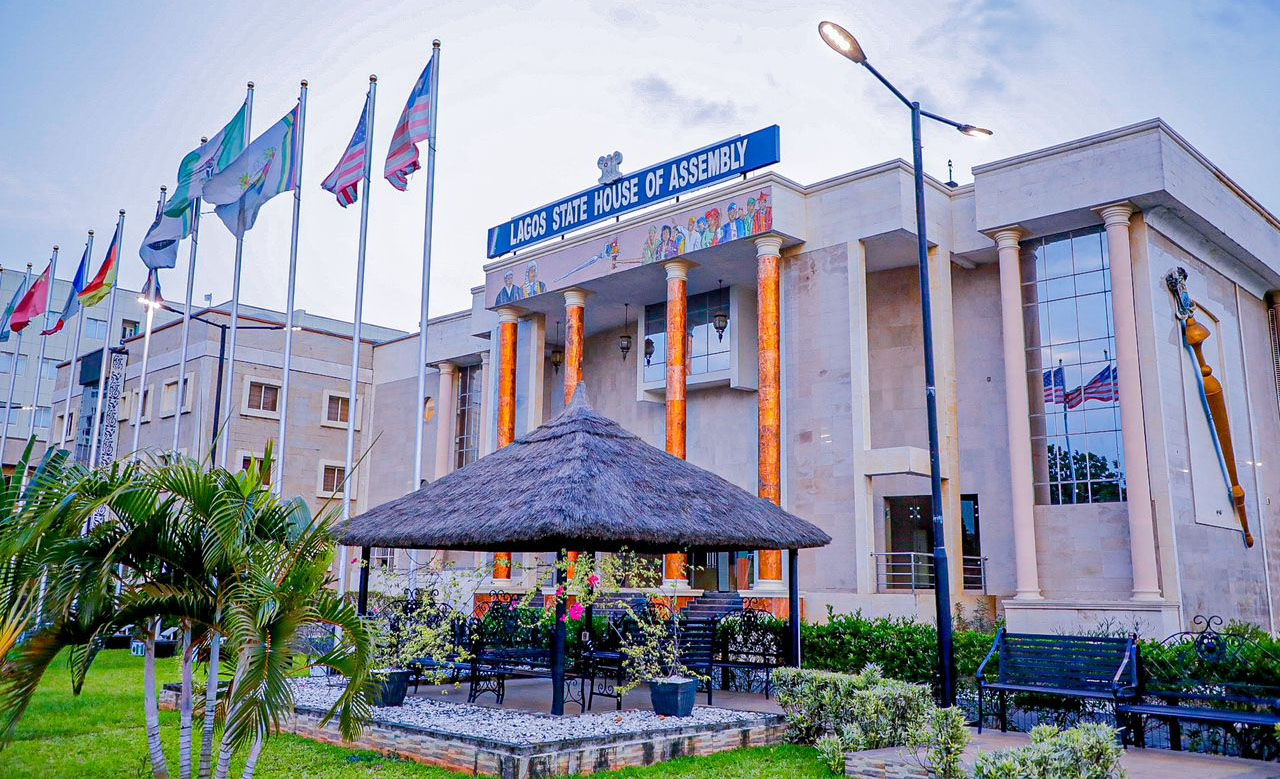
Blue Line Rail, Hospitals Get Boost as Lagos Approves ₦200bn Bond and Budget Reordering
Following Governor Sanwo-Olu’s request, the state legislature approves expanded capital financing for the final months of the fiscal year.
The Lagos State House of Assembly has approved changes to the state’s 2026 spending plan to speed up work on key community infrastructure, including public transit lines, general hospitals, and flood prevention systems.
The decision came after Governor Babajide Sanwo-Olu requested a review of the budget to make sure government funds are directed where they are needed most during the rest of the year.
To support these priority projects, lawmakers agreed to raise the state’s infrastructure bond from ₦150 billion to ₦200 billion. Budget committee chairman Lukmon Olumoh explained that this financial adjustment will help contractors finish essential public facilities faster.
The revised funds will help extend the Blue Line train service between Mile 2 and Trade Fair Station, complete the new Massey Street Children’s Hospital, and finish the 280-bed General Hospital in Ojo.
The amended plan also sets aside funds for fixing potholes on neighborhood roads, clearing drainage channels to prevent flooding, and buying new service vehicles for sanitation and traffic teams.
Lawmakers emphasized that legislative committees will closely monitor how these funds are spent to ensure projects are delivered on schedule and within clear standards. Speaker Mudashiru Obasa confirmed that the approved bill has been sent to the governor to be officially signed into law.
Blue Line Rail, Hospitals Get Boost as Lagos Approves ₦200bn Bond and Budget Reordering
-
 Politics2 days ago
2027: Northern Lecturers Back Tinubu, ASUU Disowns Endorsement
-
 metro3 days ago
Police Arrest Mother Over Alleged Brutal Abuse of 7-Year-Old Girl in Anambra
-

 Sports2 days ago
‘I Was Never the Chosen One’ — Dembele Responds to Mbappe
-
 News3 days ago
Nwifuru Dismisses Cubana Chief Priest as ‘Attention-Seeker’
-
 Politics3 days ago
2027: Sowore Promises ₦500,000 Minimum Wage, Free Education, 24-Hour Electricity
-
 metro3 days ago
Grand Chief Imam calls for professional communication structure for Rabitoh 1964
-

 Education2 days ago
JAMB Moves 2027 UTME Time — Here’s What Candidates Need To Know
-
 Politics2 days ago
2027: APC Governors Reject Wike’s Rainbow Coalition, Insist on Party Loyalty