

News
Political leaders, labour, civil society launch movement for credible elections ahead of 2027 polls
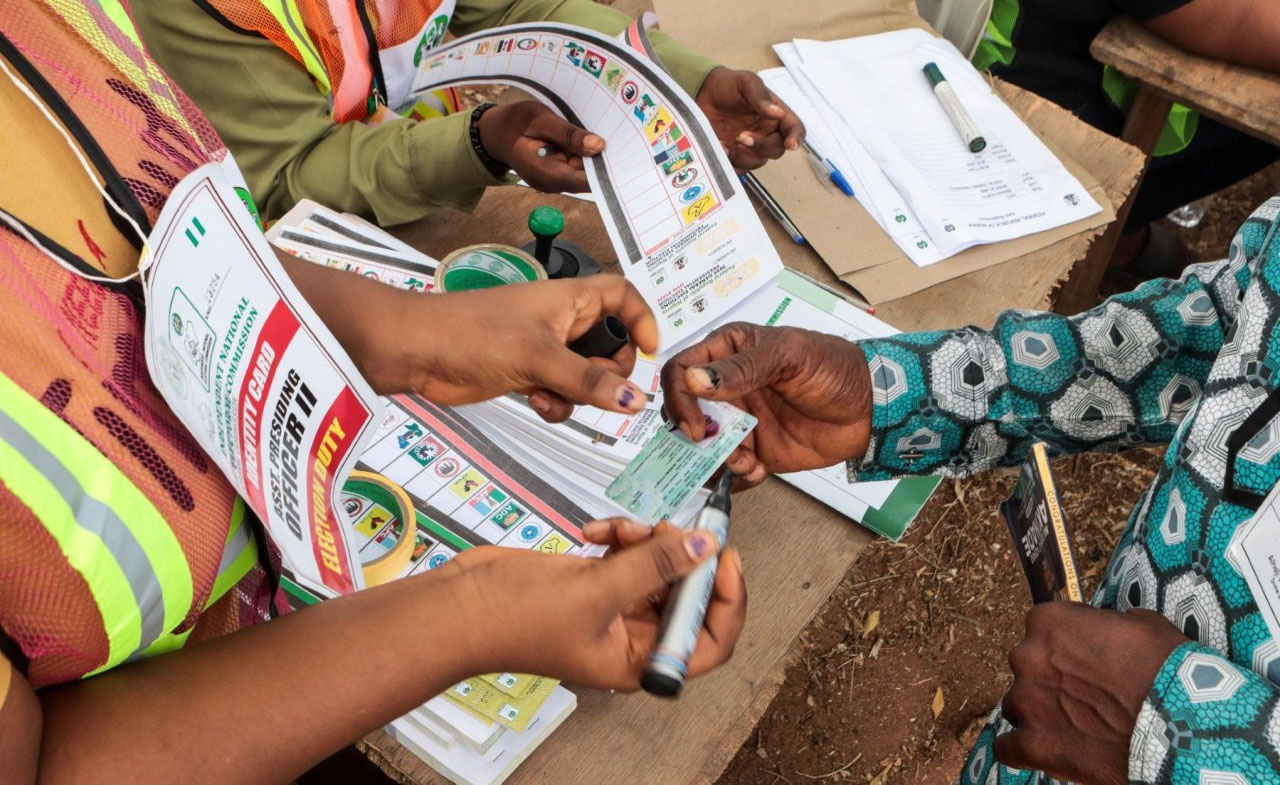
Political leaders, labour, civil society launch movement for credible elections ahead of 2027 polls
A coalition of prominent political figures, labour leaders, and pro-democracy activists has launched a new nationwide campaign to reform Nigeria’s electoral system ahead of the 2027 general elections.
The initiative, known as the Movement for Credible Elections (MCE), was formally unveiled at the 2025 National Political Summit on Credible Elections and Political Stability, held Tuesday in Abuja.
Organised by the National Consultative Front (NCFront) in partnership with the Labour & Civil Society Front (LCSF), the summit brought together more than 600 participants, including former heads of state, serving governors, party leaders, academics and diaspora representatives. The theme was “Critical & Mandatory Constitutional Amendments for Credible Elections in 2027.”
Notable contributors included former President Goodluck Jonathan, former Vice President Yemi Osinbajo, Kano State Governor Abba Yusuf, former Rivers Governor Rotimi Amaechi, 2023 presidential candidate Peter Obi, NLC President Joe Ajaero, Prof. Pat Utomi, Oby Ezekwesili, Shehu Sani, IPAC Chairman Mamman Dantalle and legal expert Adewole Adebayo.
Speakers warned that worsening insecurity poses a direct threat to the 2027 polls, saying that banditry, terrorism and political violence could prevent millions from voting. Some participants also referenced international warnings about Nigeria’s stability, arguing that foreign interference may become easier if elections hold under chaotic conditions.
READ ALSO:
Osimhen leads Nigeria into must-win World Cup play-off clash against DR Congo
Anthony Joshua in talks for £70m showdown with Jake Paul in Miami
Paystack co-founder Ezra Olubi suspended over sexual misconduct allegations
Delegates condemned the entrenched culture of vote buying, ballot snatching, rigging, voter suppression and judicially decided election results, insisting that credible polls cannot occur unless systemic abuses are eliminated.
A key demand was the urgent restructuring of the Independent National Electoral Commission (INEC). Stakeholders proposed:
- Direct funding for INEC from the Federation Account
- Full public scrutiny of INEC’s budget
- Legal powers for INEC to prosecute electoral offenders
- Constitutional approval for electronic voting, diaspora voting, early voting and real-time electronic transmission of results
They further called for a new appointment process for INEC commissioners that excludes the Executive, warning that judicial resolution of election disputes has eroded public trust.
The summit also recommended constitutional provisions for special seats for women and marginalised groups, and a reversal of the electoral burden of proof — forcing INEC, not candidates, to defend declared results.
A major highlight was the inauguration of a 23-member Interim Steering Council to lead the MCE. Prof. Pat Utomi will serve as Chairman, with former NLC President Ayuba Wabba as Co-Chair. Other key members include Femi Falana, Shehu Sani, Usman Bugaje, Nkoyo Toyo, Ankio Briggs, Bilikisu Magoro and Ene Obi.
A signed communiqué named James Ezema as Media Coordinator and Olawale Okunniyi as Secretary, alongside directors for finance, mobilisation, youth outreach and communication.
The Movement for Credible Elections will operate as a nationwide citizen-driven platform to confront electoral manipulation and mobilise Nigerians to protect the integrity of the 2027 polls.
Political leaders, labour, civil society launch movement for credible elections ahead of 2027 polls







News
BREAKING: Tinubu Orders Immediate Rescue of Niger Mosque Abduction Victims
BREAKING: Tinubu Orders Immediate Rescue of Niger Mosque Abduction Victims
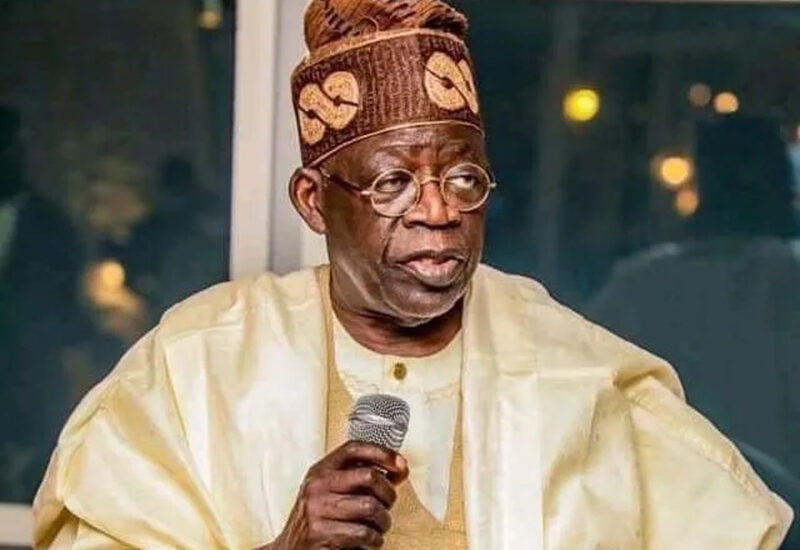
President Bola Ahmed Tinubu has ordered the Armed Forces, the Nigeria Police Force, the Department of State Services, and all relevant security and intelligence agencies to intensify efforts to immediately rescue victims of the Niger mosque abduction. The directive was disclosed in a State House statement on Tuesday by the President’s Special Adviser on Information and Strategy, Bayo Onanuga. Tinubu expressed outrage over the abduction and killing of innocent citizens by criminal elements in the state.
Tinubu described those responsible for the attack as “enemies of peace and enemies of humanity” and vowed that they would not go unpunished. “Those who carried out this cowardly attack on defenceless Nigerians are enemies of peace and enemies of humanity, who will not go scot-free,” the President said. The President extended his condolences to the families of those killed in the assault. “I extend my deepest condolences to the families of those who were killed in this barbaric assault and pray that Almighty God grant them eternal rest, and grant their loved ones the fortitude to bear this painful loss,” he said. He assured the affected communities of the nation’s support: “You are not alone. The entire nation shares your anguish. We will not rest until your sons, daughters, mothers and fathers are brought back safely to you.”
The President has directed the Service Chiefs to provide him with regular briefings on the progress of the rescue operation until all those abducted are accounted for. “Terror will not cow Nigeria. We will defend our people, protect our communities, and uphold the sanctity of human life,” Tinubu affirmed. The Federal Government has pledged to support the Niger State Government with all necessary resources for recovery, relief, and security reinforcement.
READ ALSO:
- 47 Dead, 22 Injured as Gangs Target Displaced Persons Camp in Haiti Church
- Kano diphtheria outbreak: Over 50 children reportedly dead as lawmakers demand urgent action
- 2027: APC Denies Withdrawing Tinubu Campaign Council List Amid Controversy
The attack occurred on Friday, August 21, 2026, when suspected terrorists invaded a mosque in Gidan-Zana, Kpenya village, Dekara District, Borgu Local Government Area of Niger State. The gunmen reportedly stormed the mosque at about 2 p.m. during Juma’at prayers and immediately began taking worshippers away. Children, women, and elderly residents were among those reportedly taken, while some villagers fled into a nearby forest to escape the attackers. Among those reportedly taken were the village head of Ka’ada, who had recently regained freedom from captivity, and the 90-year-old father of the District Head of Dekara. An armed group posted a video on Facebook and WhatsApp showing what residents said were hundreds of women, children, and older people abducted during the attack. The footage shows children crying while an armed man speaking Hausa addresses the families of those being held and asks them to identify their relatives. If confirmed, it would rank among Nigeria’s largest mass kidnappings in recent years.
The Niger State Government has acknowledged that the number of persons abducted is still being verified. In a statement issued by the Commissioner for Information and Orientation, Obed Nuhu Nana, the government urged the public to refrain from circulating unverified reports or casualty figures that could heighten anxiety or compromise ongoing security efforts. The Chairman of Borgu LGA, Mohammed Nasir Abdullahi, confirmed that about 30 of those abducted had been killed by their captors, adding that “from the records I have, those kidnapped were a little above 60.” Residents, however, have given higher estimates, with some estimating between 60 and 80 people were kidnapped, while others suggested as many as 600 may have been taken.
Amnesty International has urged Nigerian authorities to act urgently to secure the victims’ release and address the growing wave of abductions targeting rural communities across northern Nigeria. The organisation described the incident as particularly concerning because the victims were abducted while observing Friday prayers. Amnesty said at least 1,100 people were abducted between January and April 2026, while noting that available figures vary and may significantly underestimate the actual scale of the problem. The organisation warned that victims of previous mass abductions had reported severe abuses, including torture, starvation, sexual violence and amputation.
Niger State has experienced repeated violent attacks in recent years, including banditry and kidnapping, as Nigeria continues to battle terrorism, abduction, and other security challenges across its northern and central regions. The Borgu-Kainji corridor has become a hotspot for armed groups operating around Kainji Lake National Park. Residents have reported that seven out of ten wards in Borgu LGA are currently affected by insecurity, with hundreds of people, mostly farmers, displaced and dozens killed in recent months. Over 300,000 people are estimated to be displaced in the area. The Kpenya attack occurred barely a week after gunmen killed at least 32 people during Friday prayers at a mosque in Ungushi community, Sokoto State, including the mosque’s imam. Mass abductions for ransom have become common in parts of northwestern and north-central Nigeria, where heavily armed criminal gangs frequently raid villages, schools, and highways.
BREAKING: Tinubu Orders Immediate Rescue of Niger Mosque Abduction Victims
News
Warri-Itakpe Derailment: 4 Dead, 64 Injured – Opeifa Explains What Really Happened
Warri-Itakpe Derailment: 4 Dead, 64 Injured – Opeifa Explains What Really Happened
The Nigerian Railway Corporation has released a preliminary report indicating that a sudden wheel or bogie defect may have caused the June 8 train derailment in Delta State that killed four people and injured 64 others.
NIGERIA – The Nigerian Railway Corporation (NRC) has said that a “possible sudden development of a bogie or wheel defect” may have been the primary factor in the June 8, 2026 derailment of the Warri-Itakpe Train Service in Delta State. The corporation also identified the “possible manner of brake application” as a factor that may have contributed to the severity of the incident. However, the NRC stressed that both remain working hypotheses pending the conclusion of a comprehensive investigation. The NRC disclosed this in its preliminary report on the incident, which occurred at about 4:17 p.m. while the train was approaching the Outer Home signal of the Goodluck Jonathan Railway Station at kilometre 177, Owa-Oyibu, Agbor. “Based on the internal investigation carried out by the NRC inquiry team, preliminary observations indicate the possible sudden development of a bogie/wheel defect while en route. This observation is being investigated further as a potential primary factor in the derailment,” the NRC said in the report signed by its Managing Director, Kayode Opeifa. “A wheel defect of this nature may have generated abnormal wheel-rail interaction, excessive impact loading, and loss of running stability”.
READ ALSO:
- Iran Warns Countries Backing New US Sanctions, Threatens Strait of Hormuz Closure
- 5,000 Zamfara Quran Reciters Hold Special Prayers for Tinubu/Shettima 2027 Re-election
- Tears Flow in Ilaro as Nollywood Veteran Ogogo Is Laid to Rest
The train had departed Itakpe at noon with 482 people on board, comprising 442 passengers and 40 operational personnel. Five coaches, one locomotive, and a power car derailed, with three coaches and the power car overturning. The incident resulted in four confirmed deaths – three adults and one child – while 64 people sustained various injuries. Of those injured, 28 were treated and discharged at the Railway Hospital in Owa-Oyibu, while 36 others were taken to general hospitals in Owa-Oyibu, Owa-Alero, and Central Hospital, Agbor. Most of those admitted were discharged within 72 hours, though three people, including an NRC staff member who required surgery, remained under specialist medical care. All passengers were evacuated within two hours of the incident, with emergency response operations involving the Delta State Government, Nigeria Police Force, Federal Road Safety Corps, National Emergency Management Agency, and local authorities.
Importantly, the NRC inquiry team found that the railway points were intact and detected no evidence of track vandalism at the accident location. This distinguishes the June incident from two previous Warri-Itakpe accidents on November 1 and November 8, 2025, which were attributed to track vandalism. The NRC said the Nigerian Safety Investigation Bureau (NSIB) has commenced an independent investigation in line with statutory requirements, with the NRC fully cooperating with the process. The NSIB has recovered critical evidence from the accident scene, including witness statements, operational records, maintenance documentation, and technical data, which are undergoing detailed analysis. “The NSIB final report remains pending,” Opeifa stated.
The corporation said the track has been fully recovered and restored, while the locomotives are undergoing reconditioning. However, resumption of the Warri-Itakpe service would depend on the completion of a detailed track and equipment safety audit. The NRC’s preliminary report also recommended comprehensive inspections and safety audits of rolling stock, tracks, and railway infrastructure; strengthened maintenance and condition-monitoring programmes; updated operational procedures; and stronger enforcement of safety standards.
Warri-Itakpe Derailment: 4 Dead, 64 Injured – Opeifa Explains What Really Happened
News
Subsidies or Student Loans? Minister Poses Tough Questions to Critics
Subsidies or Student Loans? Minister Poses Tough Questions to Critics
Information Minister Mohammed Idris cautions that restoring petrol subsidy would undermine fiscal progress, weaken investor confidence, and return Nigeria to the economic crisis of 2022, as the government highlights ₦6.47 trillion in infrastructure spending and over 10 million households reached with social transfers.
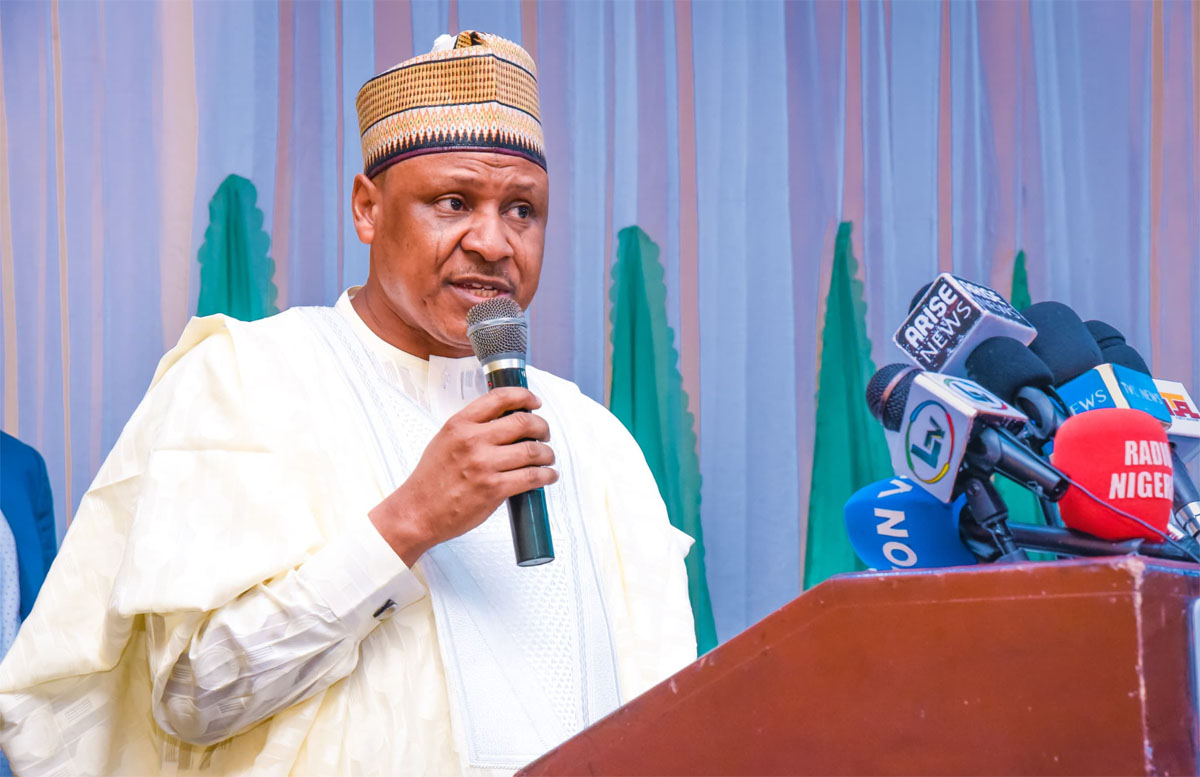
ABUJA, Nigeria – The Minister of Information and National Orientation, Mohammed Idris, has issued a firm warning against renewed calls to restore the petrol subsidy, declaring that such a move would reverse the economic gains recorded under President Bola Tinubu’s administration and plunge Nigeria back into the fiscal crisis that characterised the old subsidy regime. In an Op-Ed titled “Restoring Fuel Subsidy Will Reverse Nigeria’s Economic Gains,” published on Monday, August 24, 2026, in several national dailies, the minister outlined the fiscal benefits of subsidy removal, the economic risks averted, and the difficult trade-offs that would confront the country should petrol subsidy be reintroduced. According to a statement issued by his Media Aide, Rabiu Ibrahim, in Abuja, Idris argued that proponents of subsidy restoration must confront the real opportunity costs of such a decision, asking whether Nigerians are willing to sacrifice student loans, consumer credit, infrastructure funding, and social protection for the return of a policy that proved economically devastating.
“Restoring subsidy would almost instantly return Nigeria to the economic conditions of 2022, recreating the same fiscal pressures, distortions, scarcity and incentives for arbitrage that made the old system unsustainable,” Idris said. The minister recalled that in 2022, amid declining oil production and weak revenues, Nigeria spent about $10 billion on fuel subsidies, while the World Bank warned that the subsidy was consuming resources that could otherwise have supported education, healthcare, infrastructure and social protection. He noted that the legacy Ways and Means financing, which stood at about ₦30 trillion in May 2023 and has since been curtailed, would have doubled to ₦60 trillion or more without the reforms, while 27 states that were unable to reliably pay salaries would have seen their situations worsen considerably.
READ ALSO:
- Police vow to arrest killers of 10 officers slain in Kebbi gun battle
- Police vow to arrest killers of 10 officers slain in Kebbi gun battle
- Salah scores brace as Trabzonspor beat Basaksehir 2-1
Idris posed a series of pointed questions to those calling for subsidy restoration, challenging them to consider what would be sacrificed. “Do we restore petrol subsidy, or sustain student loans and consumer credit for young Nigerians? Do we restore subsidy, or preserve higher allocations to states and local governments? Do we restore subsidy, or continue funding roads, rail, power and security? Do we restore subsidy, or strengthen the fiscal capacity required to expand healthcare, education and social protection for vulnerable Nigerians?” he asked. The minister emphasised that these are not rhetorical questions but real policy choices that would confront the nation. He noted that the Organised Private Sector and the wider economic community have also cautioned against reversing the reform, recognising that Nigeria cannot build tomorrow’s economy by returning to yesterday’s unsustainable subsidy regime.
Citing the Federal Government’s recently presented “Nigeria’s Reform Scorecard: The Benefits, Costs and Harms Prevented,” Idris noted that the Minister of Finance and Coordinating Minister of the Economy, Dr. Taiwo Oyedele, disclosed that subsidy savings mobilised ₦15.8 trillion in resources for the Federation between June 2023 and December 2025. He explained that approximately ₦5.43 trillion accrued to the Federal Government, ₦6.52 trillion to states, and ₦3.88 trillion to local governments—clarifying that the ₦15.8 trillion was not a separate pool of cash but resources released within the Federation’s wider fiscal system. The minister noted that the increased fiscal space has strengthened the capacity of states and local governments to meet salary and pension obligations while enabling major federal investments in infrastructure, security, agriculture, and human capital. According to Idris, the Reform Scorecard recorded approximately ₦6.47 trillion in additional expenditure on strategic infrastructure, including major national corridors such as the Lagos-Calabar Coastal Highway, Sokoto-Badagry Superhighway, and the Trans-Sahara Superhighway.
Beyond infrastructure, the minister highlighted that more than ₦400 billion has been committed to major social investment initiatives, including the Nigeria Education Loan Fund (NELFUND) with ₦223.8 billion, the MOFI Real Estate Investment Fund (MREIF) with ₦150 billion, and the Nigerian Consumer Credit Corporation (CREDICORP) with ₦50 billion. He added that social transfers have reached more than 10 million Nigerian households, providing critical support to vulnerable families across the country. Idris also pointed to renewed investor confidence, noting that the Nigerian stock market is the world’s best-performing in 2026, external reserves are at their highest level in nearly 20 years, and oil production has exceeded its OPEC quota for the first time in years. These indicators, he said, reflect the positive trajectory of the economy under the current reform agenda.
READ ALSO:
- Seven killed, seven injured in Bida-Kutigi road crash
- Kwara Monarch, Baale’s Wife Abducted as Fresh Wave of Kidnappings Hits Communities
- KWAM 1 Breaks Down on Stage in Emotional Tribute to Late Nollywood Icon Ogogo
The minister further warned that Nigeria is already carrying a substantial electricity subsidy estimated at ₦3.14 trillion between June 2023 and December 2025. This subsidy helps bridge the gap between actual power production costs and the capped tariffs paid by most consumers. According to figures from the Ministry of Finance, electricity subsidy payments rose sharply from N177 billion in 2023 to N1.48 trillion in 2024—an increase of more than 740 percent—before declining marginally to N1.47 trillion in 2025. “Reintroducing a petrol consumption subsidy on top of this would deal a double blow to Nigeria’s fiscal position,” Idris warned, noting that the combined burden would severely constrain the government’s ability to invest in critical sectors and maintain fiscal stability.
The minister also detailed the economic harm that the reforms have helped Nigeria avert. Had the subsidy regime remained unaddressed, he said, petrol scarcity would have returned, pushing prices above ₦3,000 per litre on the black market. The legacy Ways and Means financing, which stood at about ₦30 trillion in May 2023 and has since been curtailed, would have doubled to ₦60 trillion or more. The Scorecard projects that, without the reforms, the inherited situation of 27 states unable to reliably pay salaries would undoubtedly have worsened. Idris noted that the Centre for the Promotion of Private Enterprise (CPPE) recently backed the Federal Government’s economic reform programme, saying the measures have produced measurable improvements in Nigeria’s fiscal and macroeconomic position, though it urged a shift from economic stability to productivity, investment, and improved living standards.
The minister acknowledged that Nigerians are facing difficulties arising from the reforms but maintained that reversing course is not the solution. “We are not claiming that the reforms have solved all of Nigeria’s economic challenges; there is indeed still much work to be done to translate improved fiscal capacity into better services, jobs, infrastructure and living standards,” he said. He urged citizens to view the reforms in the context of the country’s long-term economic stability and the need to build a stronger, more productive economy. “Nigeria cannot build tomorrow’s economy by returning to yesterday’s unsustainable subsidy regime. We have moved beyond that model,” Idris concluded.
Subsidies or Student Loans? Minister Poses Tough Questions to Critics
-
 metro3 days ago
Lagos Police arrest five suspected telecom vandals, recover truckload of iron rods
-

 Entertainment2 days ago
Veteran Nollywood Actor Taiwo Hassan ‘Ogogo’ Dies at 66 After Cancer Battle
-
 metro2 days ago
MUSCOYS Honours Pioneering Educationist with Commendation Award
-

 Politics3 days ago
Opposition Unity Cracks as Atiku, Obi, Kwankwaso Diverge on 2027 Strategy Against Tinubu
-

 metro3 days ago
Lagos Moves to Tackle Housing Deficit, Inaugurates 2026 World Habitat Day Committee
-
 metro15 hours ago
LASG Moves to Fix Ikotun Junction, Seeks Community Support
-
 metro3 days ago
2027: Over 500 Northern Muslim Clerics Endorse Tinubu for Second Term
-
 Politics3 days ago
2027: Alfindiki tackles Atiku over Tinubu’s FBI records