

Entertainment
How Death Threats During #EndSARS Made Me Rethink Activism – Omotola
How Death Threats During #EndSARS Made Me Rethink Activism – Omotola
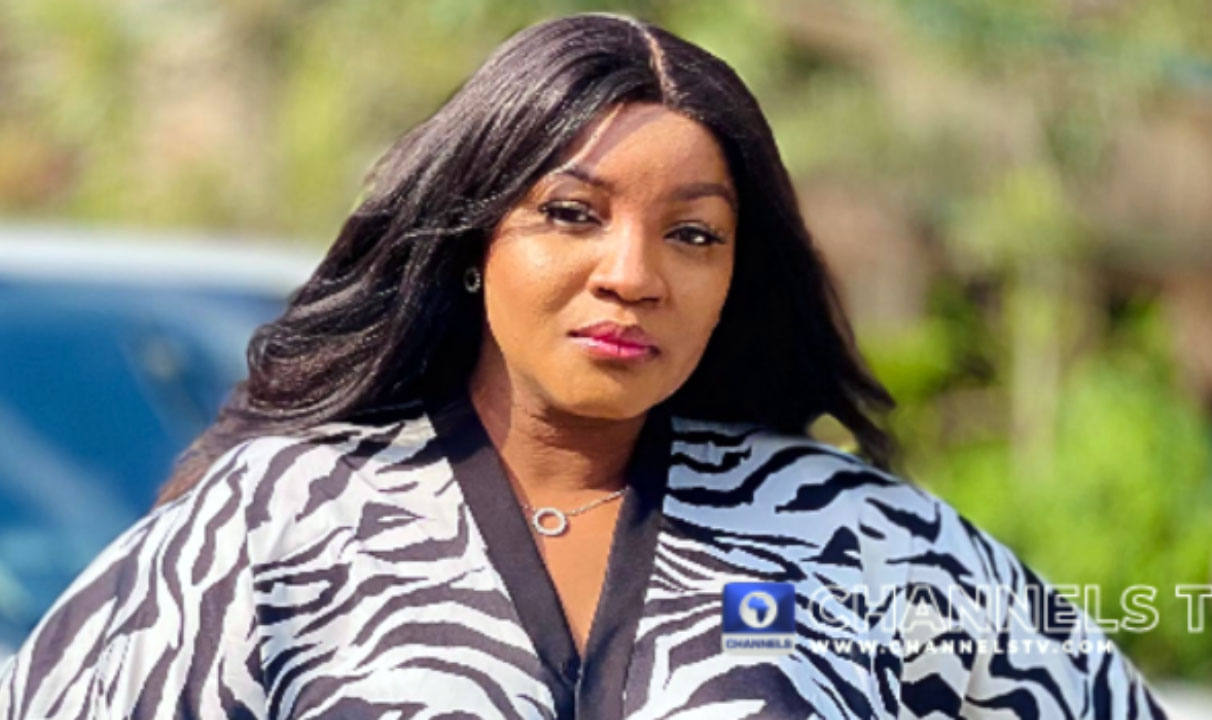
Veteran Nollywood actress and filmmaker Omotola Jalade-Ekeinde has disclosed that her children received death threats during the 2020 #EndSARS protests, prompting her to rethink how she engages in activism and public advocacy. The revelation highlights the personal risks faced by public figures and their families when participating in social movements.
Speaking during an interview on Channels Television’s Rubbin’ Minds, the 48-year-old actress described the period as the most intense and threatening chapter of her life. “I am used to death threats; I have received them many times,” she said. “But I have never seen anything like what happened during #EndSARS. It was intense. My kids started getting death threats. That was when it became weird.”
Omotola said she had been actively involved in the decentralized nationwide movement, which demanded an end to police brutality and the abuses of the now-disbanded Special Anti-Robbery Squad (SARS). Her activism included street protests, international advocacy, and media engagement, and she spoke with global outlets like CNN while liaising with international NGOs and embassies.
READ ALSO:
- Electronic Transmission of Election Results Must Remain Mandatory – Adegboruwa
- OWN Calls for Immediate Resignation of INEC Chairman
- Nigeria Not Technologically Ready for Real-Time Election Result Transmission — NICO Chief
However, as threats against her family escalated — including reports of people showing up at her home and workplace — Omotola said she had to shift away from street-level activism to strategic advocacy to protect her children. “When people started coming physically to my home and place of work to look for me, I knew I had to worry about other people and not just myself,” she said.
Omotola emphasized that, while she was willing to risk her own safety, she could not expose her children to danger. “I can’t control where they go, I can’t protect them as much, and I don’t want my children to become victims of choices that I have made,” she added.
The #EndSARS movement, which erupted in October 2020, saw millions of Nigerians protest against police brutality, extrajudicial killings, harassment, and extortion by SARS operatives. The protests gained global attention after alleged shootings at the Lekki Toll Gate in Lagos, a defining and controversial moment in Nigeria’s social activism history.
Despite the Federal Government’s decision to disband SARS and initiate reforms, many protester demands — including justice for victims, accountability for abuses, and comprehensive police reforms — remain unresolved years later. Human rights groups like Amnesty International have reported that some protesters continue to face detention or legal challenges, highlighting ongoing struggles in the fight against police brutality.
Omotola’s candid reflection underscores the lasting impact of #EndSARS on activists and illustrates how personal safety concerns can shape public advocacy strategies, even for high-profile figures. Her experience also reinforces the continued relevance of the movement in discussions about democracy, accountability, and civic activism in Nigeria.
How Death Threats During #EndSARS Made Me Rethink Activism – Omotola








Entertainment
Tears Flow in Ilaro as Nollywood Veteran Ogogo Is Laid to Rest
Tears Flow in Ilaro as Nollywood Veteran Ogogo Is Laid to Rest
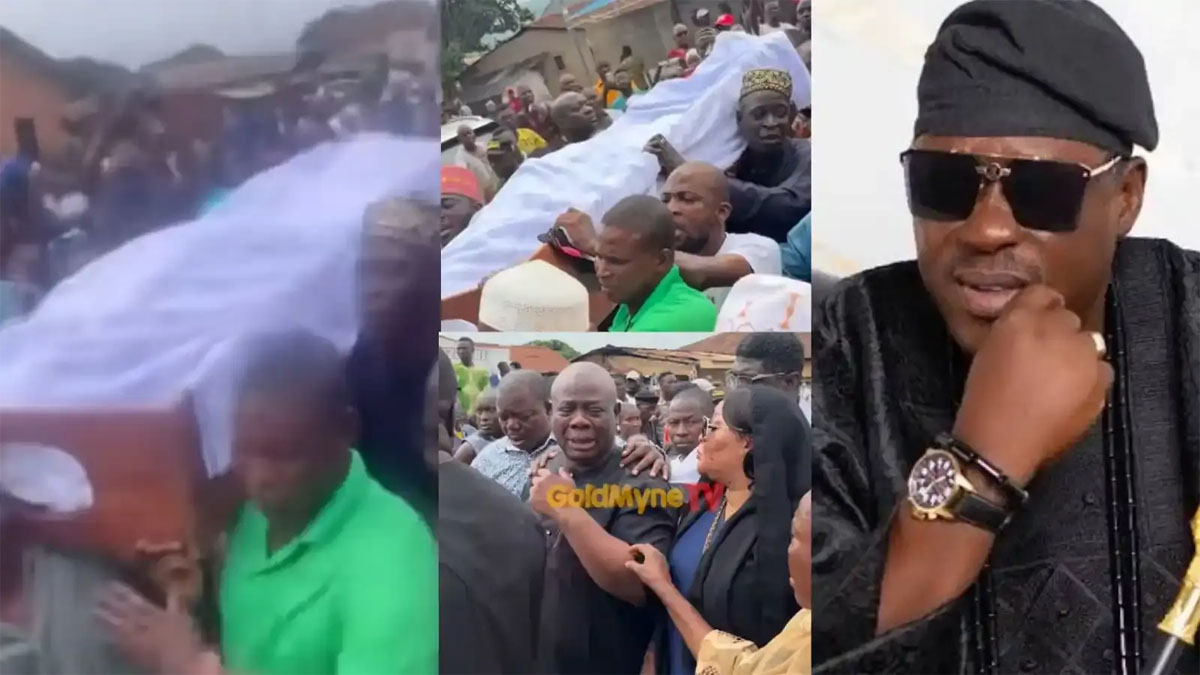
Family, colleagues, and fans gathered in Ilaro, Ogun State, on Monday to bid an emotional farewell to veteran Nollywood actor Taiwo Hassan, popularly known as Ogogo, who was buried according to Islamic rites following his death from stage-four cancer at the age of 66.
OGUN STATE, Nigeria – Tears flowed freely in Ilaro, Ogun State, on Monday as the remains of veteran Nollywood actor Taiwo Hassan, affectionately known as Ogogo, were taken to their final resting place. An emotional atmosphere pervaded the burial site as family members, friends, colleagues, and sympathizers gathered for the funeral ceremonies of the 66-year-old actor. A video of the funeral procession showed mourners carrying Ogogo’s remains toward the burial location in accordance with Islamic tradition. The actor’s remains had been transported to his hometown of Ilaro a day earlier, following his death on Sunday, August 23, 2026, at approximately 3 p.m. The burial prayer took place at 10 a.m. at the Asade Agunloye Pavilion in Ilaro, as announced by the Ilaro Chief Imam. A lying-in-state ceremony was held at the Pavilion from 11:00 a.m. on Monday, attended by family, colleagues and well-wishers.
Among those attending the burial was Ogogo’s close friend and colleague, Yinka Quadri, who was seen crying excessively as mourners tried to console him. The heartbreaking sequence highlighted the anguish of the actor’s colleagues and loved ones as they bid him farewell. Videos of Quadri’s emotional breakdown, alongside Jide Kosoko and other colleagues, were widely shared on social media. Yinka Quadri had shared a decades-long friendship and bond with Ogogo, and the two actors were born in the same year, making Ogogo’s death a particularly painful loss for Quadri. His grief was palpable as Ogogo’s remains were carried for the final burial rites.
READ ALSO:
- Flood Submerges Homes, Destroys Property Worth Millions in Akwa Ibom Communities
- Subsidies or Student Loans? Minister Poses Tough Questions to Critics
- Police vow to arrest killers of 10 officers slain in Kebbi gun battle
Prominent Nollywood actors arrived in Ilaro for the funeral, including Jide Kosoko, Fathia Balogun (also known as Faithia Williams), Femi Adebayo, Mr Latin, and Toyosi Adesanya. Ireti Osayemi, Bisi Omo Logbalogba, Dele Odule, Olaiya Igwe, Rafiu Balogun, and Bisi Ibidapo-Obe were also in attendance, along with other colleagues, family members, and friends. Jide Kosoko, who announced Ogogo’s death on Sunday, had stated that the actor’s remains would be transported to Ilaro, where the burial would take place on Monday. The Ilaro Muslim Community arranged the burial prayer for the legendary actor.
Ogogo died just days after his daughters, Kaira and Lima Taiwo, made an emotional public appeal for medical help for their father, who was suffering from stage-four cancer. In a viral video, Kaira pleaded for help, saying, “I no want my papa to die” and revealed that doctors had advised the family that they could no longer administer chemotherapy due to his condition. Kaira disclosed that the family was not seeking financial assistance but wanted medical experts or anyone with the expertise to treat her father. She revealed that hospitals had refused to treat him and that although he had secured an Indian visa, he was declared unfit to fly abroad for treatment. She also disclosed that Senator Solomon Olamilekan Adeola, popularly known as Senator Yayi, had been footing the bill for Ogogo’s treatment. Before his death, Ogogo reportedly received hundreds of offers of medical, spiritual and other forms of assistance from Nigerians, colleagues and well-wishers. Yinka Quadri had disclosed that more than 300 people, and possibly over 500, contacted the family with offers of assistance.
The actor was a towering figure in Nigeria’s film industry, particularly for his work on Yoruba-language films, with a career stretching more than four decades. He appeared in over 100 films and became one of the most recognizable faces in Yoruba cinema. Ogogo’s breakthrough role came in 1995 with “Owo Blow,” directed by Tade Ogidan, which earned him the Best Actor of the Year award at the 1997 THEMA Awards and turned him into a household name almost overnight. Other notable films that defined his career include “Agbelebu” (1995), “Danfo Driver” (1995), “Okan Soso” (2004), “Ekun-Ayo” (1996), “Omin” (2008), “Elewon” (2009), “Omo Ghetto” (2010), and “Bank Alert” (2023). His role as Alaafin Ademuyiwa in Kunle Afolayan’s 2022 Netflix film “Aníkúlápó” introduced him to a global audience and earned him a Best Supporting Actor nomination at the 2023 Africa Magic Viewers’ Choice Awards (AMVCAs). He reprised the role in the sequel, “Aníkúlápó: Rise of the Spectre” (2024), marking one of the final major roles of his career.
Before his acting career took off, Ogogo worked as a mechanic in 1981. He later worked at the Water Corporation for about 13 years before leaving in 1994 to pursue acting full-time. He attended Christ Church School in Ilaro for his primary education and Gazikia College in Lagos for his secondary education. Ogogo came from a family of twins – his forefather was a twin, his father was a twin, and his mother gave birth to twins four times. He was the last surviving of his parents’ twins. His parents had 13 children, of whom only three survived. He was also a trained boxer, a skill he did not hide. The actor had previously spoken about battling chronic ulcer for six to seven years, describing it as one of the darkest chapters of his life. As the Yoruba film industry mourns the loss of one of its most beloved figures, Ogogo’s legacy as a talented actor, dedicated filmmaker, and cultural ambassador will continue to inspire generations of Nigerian creatives.
Tears Flow in Ilaro as Nollywood Veteran Ogogo Is Laid to Rest
Entertainment
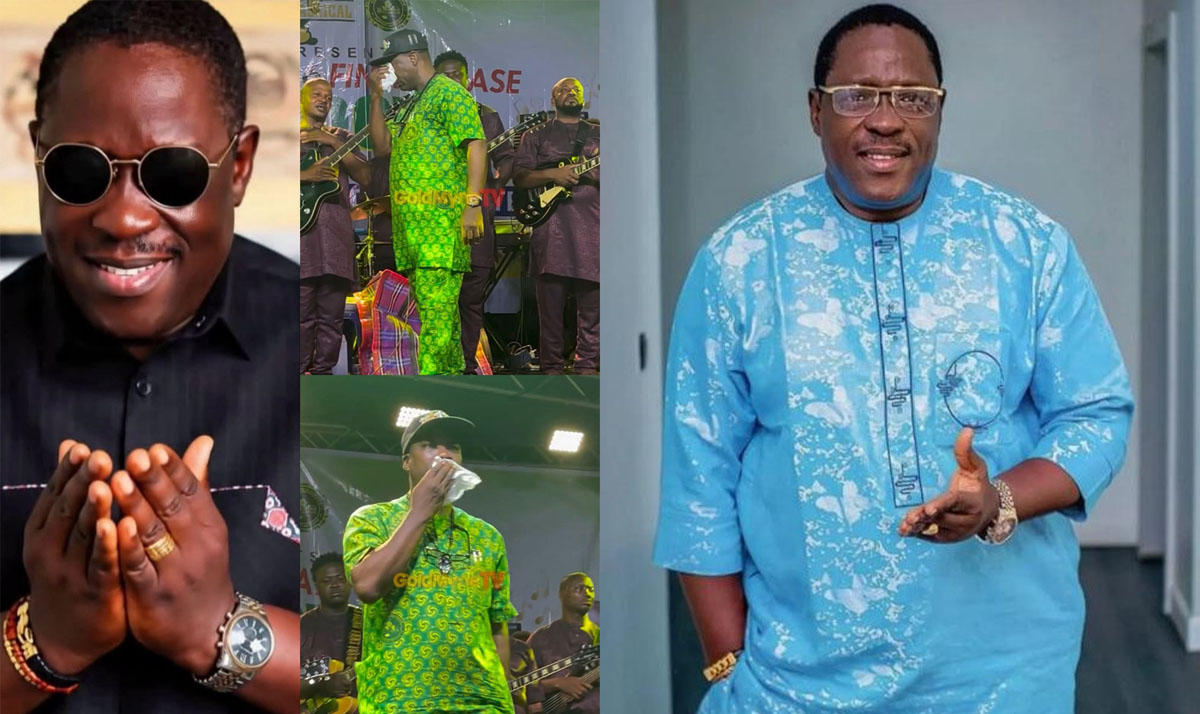
KWAM 1 Breaks Down on Stage in Emotional Tribute to Late Nollywood Icon Ogogo
Entertainment
Veteran Nollywood Actor Taiwo Hassan ‘Ogogo’ Dies at 66 After Cancer Battle
Veteran Nollywood Actor Taiwo Hassan ‘Ogogo’ Dies at 66 After Cancer Battle
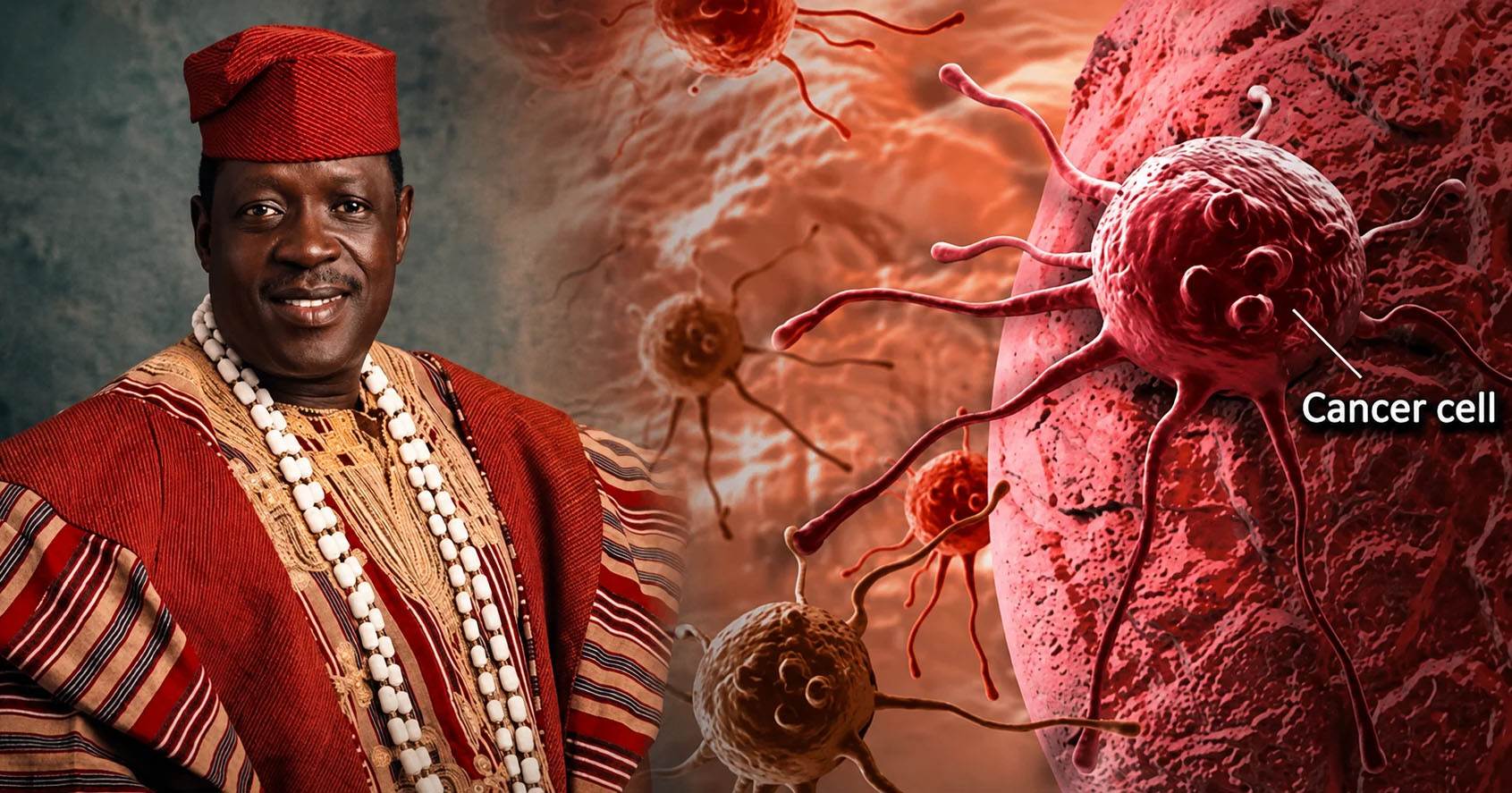
Veteran Nollywood actor and filmmaker, Taiwo Hassan, popularly known as Ogogo, has died at the age of 66, days after his family publicly disclosed his battle with stage-four cancer.
The actor reportedly died on Sunday, August 23, 2026, following a deterioration in his health. His death was confirmed in reports quoting people close to the actor, while his daughter, Kaira Taiwo, was seen in tears during an Instagram Live session, struggling to come to terms with the development.
The founder of Best of Nollywood, Seun Oloketuyi, also announced the actor’s death in a social media post, writing: “Taiwo Hassan Ogogo is dead. He finally lost the battle of life.”
News of the actor’s death has triggered an outpouring of grief from colleagues, fans and associates across the Nigerian film industry.
READ ALSO:
- Ronke Oshodi Oke: I Won’t Object If My Husband Marries Second Wife
- Lagos Moves to Tackle Housing Deficit, Inaugurates 2026 World Habitat Day Committee
- Lagos Moves to Tackle Housing Deficit, Inaugurates 2026 World Habitat Day Committee
Veteran actor and filmmaker, Saheed Balogun, mourned Hassan in an Instagram post, saying, “Inna lillahi wa inna ilayhi raji’un. You can rest now my brother Taiwo Hassan Ogogo. May Almighty Allah guide you through Aljannah. This is truly painful.”
The death came barely a week after Ogogo’s daughters, Kaira and Lima Taiwo, made emotional appeals for urgent medical assistance for their father.
The sisters had disclosed that the actor was battling stage-four cancer and appealed to medical professionals, hospitals and others with access to possible treatment options to come to his aid. According to Kaira, doctors had told the family that chemotherapy could no longer be administered because of his condition.
The family’s appeal sparked widespread concern among Nigerians and members of the entertainment industry, with colleagues rallying around the actor and urging the public to continue praying for him.
Before his death, fellow veteran actor Jide Kosoko disclosed that more than 500 people had offered various forms of assistance to Ogogo, as the family and colleagues searched for appropriate treatment options.
Hassan was one of the most recognisable figures in Nigeria’s Yoruba-language film industry, with a career spanning several decades as an actor, filmmaker and producer.
He earned widespread recognition for his distinctive performances in Yoruba films and remained a respected figure in Nollywood throughout his long career.
His death marks the loss of one of the enduring personalities of Nigeria’s indigenous-language cinema.
Veteran Nollywood Actor Taiwo Hassan ‘Ogogo’ Dies at 66 After Cancer Battle
-
 metro2 days ago
Lagos Police arrest five suspected telecom vandals, recover truckload of iron rods
-

 Politics2 days ago
Opposition Unity Cracks as Atiku, Obi, Kwankwaso Diverge on 2027 Strategy Against Tinubu
-

 metro1 day ago
Lagos Moves to Tackle Housing Deficit, Inaugurates 2026 World Habitat Day Committee
-

 Entertainment1 day ago
Veteran Nollywood Actor Taiwo Hassan ‘Ogogo’ Dies at 66 After Cancer Battle
-
 Politics2 days ago
2027: Wike explains why he won’t join Tinubu’s campaign council
-

 metro2 days ago
Rivers Monarch Escapes Assassination as Gunmen Raze Palace, Several Wounded
-
 Politics2 days ago
2027: Alfindiki tackles Atiku over Tinubu’s FBI records
-
 metro2 days ago
2027: Over 500 Northern Muslim Clerics Endorse Tinubu for Second Term