

Africa
Starvation Cult Preacher Faces Expanded Murder, Terrorism Charges in Kenya
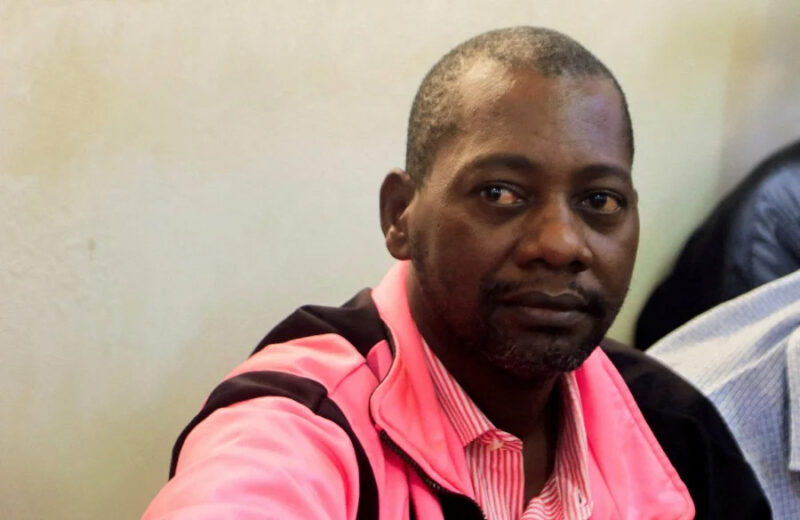
Starvation Cult Preacher Faces Expanded Murder, Terrorism Charges in Kenya
A Kenyan court has expanded charges against self‑proclaimed preacher Paul Nthenge Mackenzie and seven associates over the deaths of 52 more victims linked to the notorious Good News International Church starvation cult. The new charges come as part of ongoing investigations into one of the deadliest cult-related tragedies in Kenya.
Mackenzie, already facing trial in Mombasa for multiple counts of murder, manslaughter, and terrorism, appeared in court Wednesday with the seven co-accused. Prosecutors allege that even after his initial arrest in 2023, Mackenzie continued to influence followers through radical teachings, encouraging them to travel to Kwa Binzaro, where victims died from prolonged starvation.
Authorities say the additional 52 deaths occurred between January and July 2025, in shallow graves near Kwa Binzaro in Kilifi County. Prosecutors describe the group as a structured criminal sect, using extremist ideology to coerce followers into life-threatening practices. The defendants face charges including organized criminal activity, radicalization, and facilitating terrorism.
READ ALSO:
- Lagos Allocates 180 Shops to Displaced Alabarago Market Traders
- Cubana Chief Priest Vows to Oppose Peter Obi in 2027 Presidential Race
- US Lawmakers Introduce Bill to Sanction Kwankwaso, Miyetti Allah
All eight accused pleaded not guilty, and the next hearing is scheduled for March 4, 2026. Legal experts note that the expanded charges reflect the complexity of prosecuting cult-related killings and the ongoing effort to hold both leaders and their network accountable under Kenya’s legal system.
The Shakahola Forest case first drew global attention in 2023, when investigators discovered hundreds of bodies in shallow graves, following claims that Mackenzie had persuaded followers and children to starve themselves to “meet Jesus.” Over 400 victims were recovered from Shakahola, making it one of the worst cult-linked tragedies in modern Kenyan history.
Authorities warn that the expanded prosecution aims to dismantle the deadly network and prevent future tragedies, while sparking national debate about the regulation of fringe religious groups and doomsday cults in Kenya.
Starvation Cult Preacher Faces Expanded Murder, Terrorism Charges in Kenya










Africa
17 Dead as Gunmen Launch Two Fresh Mass Shootings in South Africa
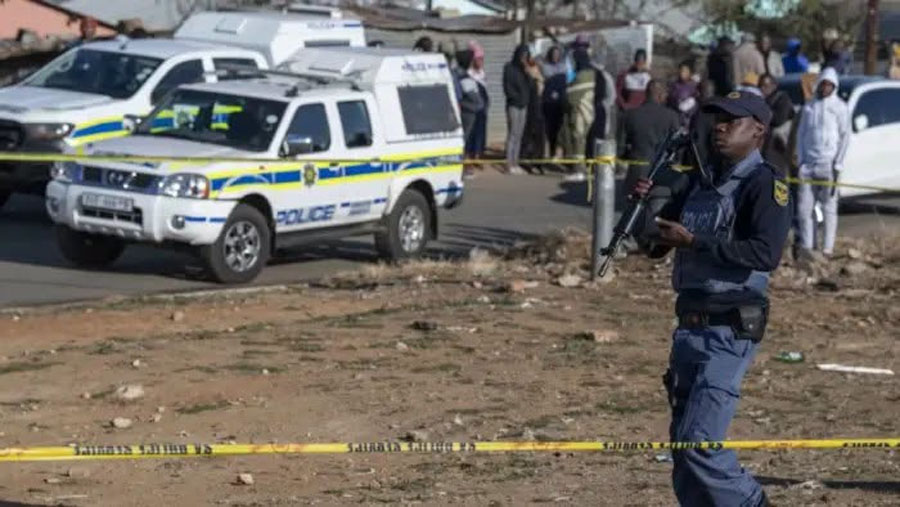
17 Dead as Gunmen Launch Two Fresh Mass Shootings in South Africa
At least 17 people have been killed in two separate mass shootings in South Africa, with gunmen attacking communities in two provinces in the latest outbreak of deadly gun violence in the country.
The attacks, which occurred on Sunday, November 15, 2026, claimed nine lives in an informal settlement near Pretoria and eight others in an area outside Pietermaritzburg, according to the South African Police Service.
In the first incident, six men and three women were found shot dead inside a four-room shack in Jeffsville, an informal settlement in Atteridgeville, west of Pretoria, the country’s administrative capital.
Police said they were alerted to the shooting at about 7:30 a.m. on Monday, November 16. Preliminary investigations indicated that the attack occurred between 10 p.m. and 11 p.m. on Sunday.
Gauteng Provincial Police Commissioner, Lieutenant General Tommy Mthombeni, said the killings might be connected to an earlier shooting in the nearby Saulsville informal settlement in 2025, which left 12 people dead and 13 others injured.
According to police, one of the victims in the latest attack was a person of interest in the earlier incident. Investigators have not ruled out the possibility that the latest killings were a retaliatory attack.
In the second incident, eight men were found dead inside a white seven-seater vehicle in Mabane Section, Sweetwaters, outside Pietermaritzburg in KwaZulu-Natal Province.
READ ALSO:
- Regulatory Violations: NSCDC Seals Seven Security Firms, Arrests 13 Guards in Delta
- Bahrain Under Attack as Iran Targets US Military Installation With Drones
- Chatham House Protest: UK-Based Lawyer Alleges Anti-Amupitan Demonstrators Were Paid Actors
Police discovered the bodies after responding to reports of gunfire in the semi-rural community. The victims, believed to be between 20 and 30 years old, reportedly sustained multiple gunshot wounds and were pronounced dead at the scene.
KwaZulu-Natal police spokesperson, Colonel Robert Netshiunda, said investigators were working to identify the victims and establish the circumstances surrounding the attack.
He cautioned against speculation about the motive, noting that investigations were still at an early stage.
National Police Commissioner, General Fannie Masemola, condemned the killings, describing the continued mass shootings across the country as unacceptable.
Masemola said a multidisciplinary investigation team, led by intelligence officers, was pursuing promising leads in the Atteridgeville attack. He also directed the provincial police commissioners in Gauteng and KwaZulu-Natal to ensure that both investigations received adequate attention and resources.
The police chief expressed condolences to the bereaved families and communities, promising that those responsible would be tracked down and brought before the courts.
The latest killings have renewed concerns about South Africa’s persistent problem of violent crime, illegal firearms and mass shootings.
The country has recorded several deadly shooting incidents in recent months, with criminal gangs, territorial disputes and other forms of organised violence frequently cited among the factors behind gun-related killings.
However, authorities have yet to establish whether the two latest attacks were connected or determine the motives behind them.
Police have appealed to residents to provide credible information that could assist investigators in identifying and arresting those responsible.
17 Dead as Gunmen Launch Two Fresh Mass Shootings in South Africa
Africa
DR Congo Sentences 66 Soldiers to Death for Cowardice, Mutiny
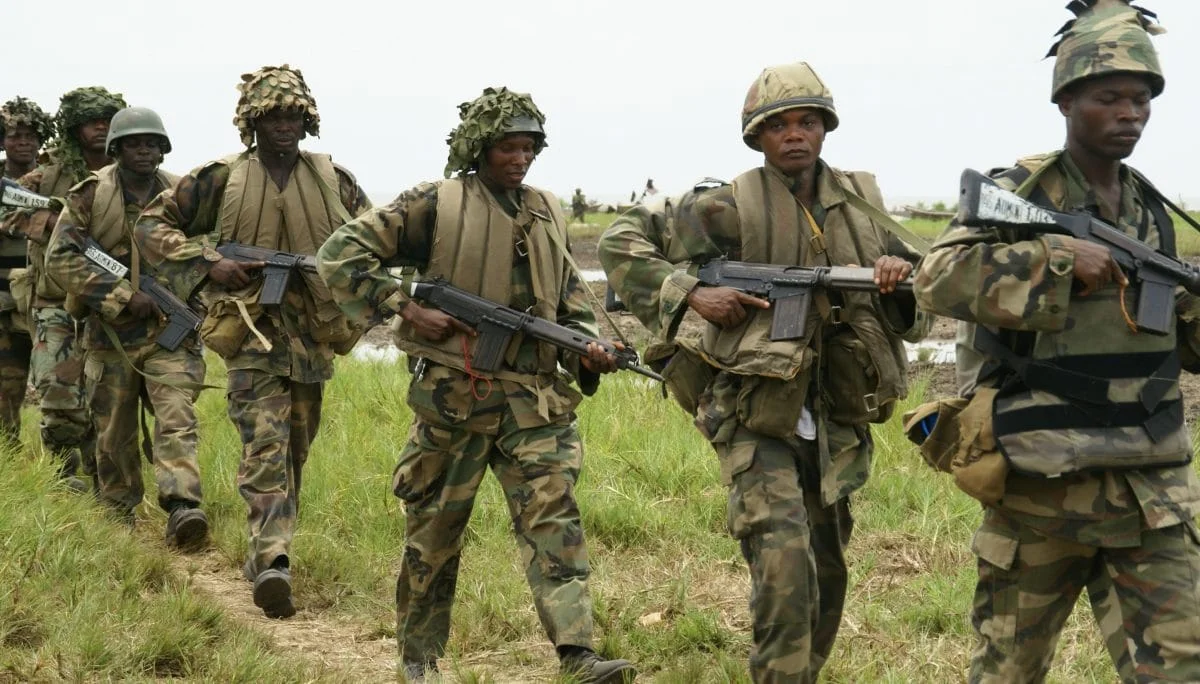
DR Congo Sentences 66 Soldiers to Death for Cowardice, Mutiny
A military court in the Democratic Republic of Congo (DR Congo) has sentenced 66 soldiers to death after finding them guilty of cowardice, mutiny and disobeying orders during military operations against rebel groups in the country’s conflict-ridden eastern region.
The soldiers were convicted by the Goma Garrison Military Court, which conducted the trial in Walikale territory, North Kivu Province, following accusations that they abandoned their positions and fled during clashes with rebel fighters.
The trial involved 71 members of the Congolese armed forces, including troops from the army’s 3415th Regiment, who were arrested on October 20 over alleged offences committed in the area.
According to reports by local media, the proceedings lasted approximately 12 days, with prosecutors seeking the death penalty for 70 defendants while requesting a 10-year prison sentence for an intelligence officer.
At the conclusion of the trial, the court sentenced 66 soldiers to death, acquitted four others and handed a 10-year prison sentence to another defendant.
The charges included mutiny, failure to obey orders and cowardice in the face of the enemy.
The military authorities said the trial was partly intended to strengthen discipline within the armed forces as government troops continue to battle armed groups in eastern DR Congo.
READ ALSO:
- Lookman’s Atletico Future Under Question After Simeone Leaves Him Out Against Barcelona
- UK Councillor Gets 150 Hours Community Service Over ‘Melt Nigerians’ Post
- Three Broken-Down Trucks Paralyse Abuja-Kaduna Highway, Travellers Spend Eight Hours in Gridlock
Major Dieudonne Kasereka, the army’s communications chief in the affected region, said the prosecution was necessary to reinforce discipline among soldiers operating in North Kivu and South Kivu.
Eastern DR Congo has experienced decades of armed conflict involving government forces and several rebel organisations, including the March 23 Movement (M23), which operates as part of the broader Alliance Fleuve Congo/Front for the Refoundation of the Nation (AFC/FRN) coalition.
The latest convictions come amid renewed fighting in the mineral-rich region, where government troops have struggled to contain rebel advances.
The military has faced persistent challenges, including desertions, poor organisation, inadequate equipment and complaints by soldiers over poor pay and working conditions.
The latest death sentences also follow a similar military court ruling in October, when 27 Congolese soldiers were sentenced to death for cowardice after allegedly withdrawing from frontline positions during clashes with AFC/M23 rebels.
DR Congo lifted a moratorium on executions in March 2024, ending a suspension that had lasted for more than two decades.
The government defended the decision as part of efforts to tackle treason and other serious offences within the armed forces, particularly amid the security crisis in the country’s east.
However, the resumption of death sentences has attracted criticism from international human rights organisations.
Amnesty International has repeatedly warned that military trials in the country raise serious concerns about fair-trial standards and the growing use of capital punishment.
The organisation has called on Congolese authorities to halt plans to resume executions and work towards abolishing the death penalty.
Although dozens of soldiers have received death sentences since the government lifted the moratorium, no executions have been officially reported since the decision.
The latest convictions therefore represent death sentences handed down by the military court, not confirmation that the soldiers have been executed.
DR Congo Sentences 66 Soldiers to Death for Cowardice, Mutiny
Africa
“This Is Not A Church”: Passengers Challenge Pastor Preaching Inside Moving Bus

“This Is Not A Church”: Passengers Challenge Pastor Preaching Inside Moving Bus
ACCRA, Ghana – A disagreement reportedly broke out inside a moving commercial bus after a pastor attempting to preach to passengers was confronted by commuters who demanded that he stop the sermon and return to his seat.
The incident, captured in a video circulating on social media, showed passengers expressing displeasure over the preacher’s decision to turn their journey into an impromptu religious gathering.
The pastor, who had reportedly stood up to address commuters while the vehicle was in motion, encountered resistance from passengers who insisted that they had not consented to participate in a religious service.
The disagreement reportedly escalated into a heated exchange, with some commuters making it clear that they wanted to enjoy their journey without being subjected to unsolicited preaching.
One of the arguments raised by passengers was the need to respect people’s personal space and freedom to decide when and where they wish to participate in religious activities.
The incident has since generated conversations about the growing practice of religious preaching inside commercial vehicles, particularly in Ghana, where pastors and other religious evangelists sometimes use public transport as an opportunity to reach commuters.
While some people consider such encounters an opportunity to spread the gospel, others believe passengers should not be compelled to listen to religious messages while travelling.
Critics of the practice argue that boarding a commercial vehicle does not automatically amount to consenting to a religious gathering. They also maintain that passengers deserve a peaceful journey without unwanted interruptions.
However, supporters of public evangelism insist that preaching outside conventional places of worship remains one way of reaching people who might otherwise never attend church services.
The latest confrontation has reignited debate over the limits of religious expression in shared public spaces and whether commuters should have the right to reject unsolicited preaching.
As reactions continue to trail the footage, the incident has raised a broader question: Should pastors be allowed to preach inside commercial vehicles without the consent of passengers?
“This Is Not A Church”: Passengers Challenge Pastor Preaching Inside Moving Bus
-

 Politics3 days ago
Peter Obi, NDC in Fresh Storm as Keyamo Gives Dickson 48 Hours Over Old National Anthem, Raises Secession Alarm
-

 metro3 days ago
Kwankwaso’s Daughter, Kano Governor’s Wife, Files for Divorce, Offers to Refund Dowry
-

 metro3 days ago
“I Cheated Because I’m Human Too” — Divorced Restaurant Owner Accuses Ex-Husband of Sleeping With Over 16 Women
-

 metro2 days ago
Tragedy: “I Suffered With This Man When He Had Nothing” — Woman Who Begged Alleged Rival To Leave Her Family Dies At 39
-

 Business2 days ago
OPay Faces ₦994m Regulatory Fines Over Money Laundering, Terrorism Financing Breaches
-

 metro3 days ago
Pastor Remanded Over Viral Video of Toluwanisings’ Corpse After Failed Attempt to Raise Singer From Dead
-

 Business16 hours ago
Petrol Prices Crash as Dangote Refinery, NNPCL, MRS Adjust Rates Nationwide
-

 metro14 hours ago
Goodluck Jonathan’s Second Wife, Ayima, to Unveil Memoir ‘Gold Dust’ in Abuja at 50