

metro
Amnesty Exposes Alleged Torture, Extortion, Deaths at Imo Police Tiger Base
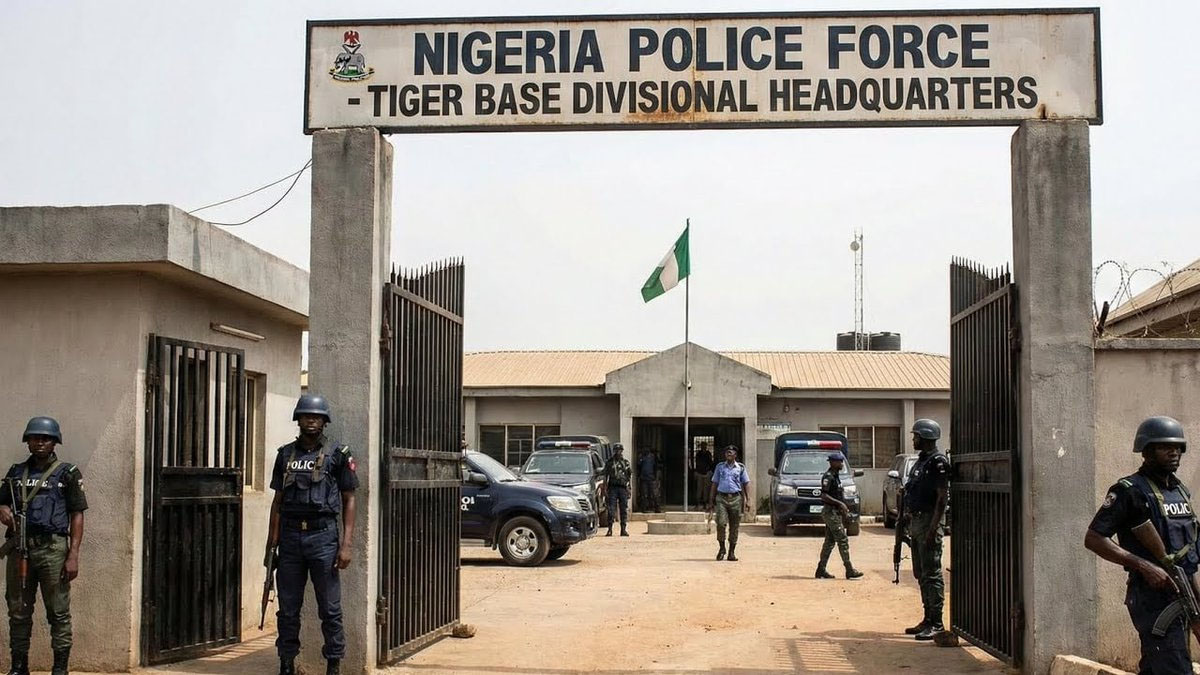
Amnesty Exposes Alleged Torture, Extortion, Deaths at Imo Police Tiger Base
Amnesty International has released a damning report accusing operatives of the anti-kidnapping unit of the Nigeria Police Force in Imo State, popularly known as Tiger Base, of engaging in systemic torture, extortion, prolonged detention without trial and deaths in custody.
The report, unveiled in Enugu, described the Owerri-based facility as a unit that has “veered far from its original mandate” of combating kidnapping and now allegedly operates as a centre for widespread human rights abuses.
Amnesty said its findings were based on three research missions conducted between May 2025 and February 2026, during which it interviewed 19 survivors, former detainees and relatives, alongside a review of legal and medical records.
According to the report, detainees at Tiger Base are frequently held for months and even years without being charged to court, in violation of Nigeria’s Constitution and international human rights obligations. One detainee, identified as Ugbala, was allegedly detained for 809 days without trial, while a woman was reportedly held for 399 days without being formally charged.
READ ALSO:
- REVEALED: How Dispute Over VIP Police Protection, State Policing Led to Egbetokun’s Exit as IGP
- Super Eagles Goalkeeper Suspended Over Match-Fixing Allegation
- History and psychoanalysis of El-Rufai’s troubles with Ribadu – Farooq Kperogi
Another survivor, Ndukwe, said he was arrested over allegations of purchasing stolen items but remained in detention despite denying the accusation. He alleged that officers demanded millions of naira from his family in exchange for his release.
Amnesty further alleged that Tiger Base operatives routinely deny detainees access to lawyers, relatives and medical care, effectively isolating them and making them vulnerable to abuse. Families, the organisation said, are often pressured to pay huge sums of money, sometimes running into tens of millions of naira, without any guarantee that their loved ones would be released.
The report also detailed allegations of severe torture and ill-treatment, including beatings with sticks and cables, suspension with ropes, starvation and denial of medical treatment for serious injuries. Female detainees were said to have faced sexual coercion, intimidation and forced labour, including being compelled to work on construction projects within the facility.
Amnesty raised alarm over deaths in custody, referencing the 2022 case of Okechukwu Ogbedagu, who was reportedly handed over to Tiger Base operatives and later died while in detention. Former detainees interviewed claimed to have witnessed multiple deaths, attributing them to illness, hunger and physical abuse, with little or no medical intervention.
While the Imo State Police Command has previously dismissed similar allegations as exaggerated and insisted that Tiger Base operates within the law, Amnesty said there has been no transparent investigation or accountability for the reported abuses.
The rights organisation called on federal and state authorities to immediately investigate the allegations, suspend officers implicated in abuses and ensure that Tiger Base facilities are opened to independent inspection. It also urged the Imo State Government to amend sections of the Administration of Criminal Justice Law (2020) to ensure detention without court approval does not exceed 24 to 48 hours.
Amnesty warned that failure to act could further erode public trust in law enforcement and deepen insecurity in the South-East.
Amnesty Exposes Alleged Torture, Extortion, Deaths at Imo Police Tiger Base








metro
Five Injured as 40-Foot Truck Rams Two Buses on Lagos-Ibadan Expressway
Five Injured as 40-Foot Truck Rams Two Buses on Lagos-Ibadan Expressway
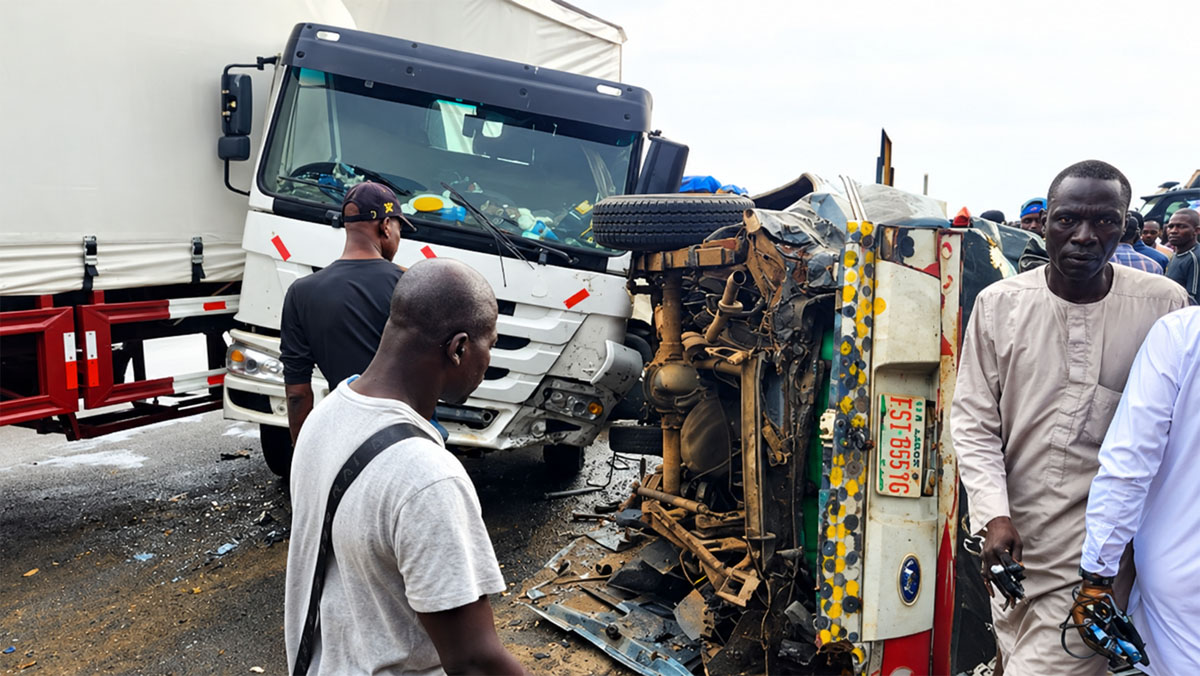
Five people have sustained serious injuries after a 40-foot truck crashed into two commercial buses around Ojodu-Berger on the Lagos-Ibadan Expressway in Lagos State.
The accident reportedly occurred at about 1:45 p.m. on Tuesday, October 13, 2026, near the Berger Pedestrian Bridge, inward Kara Bridge, causing significant traffic congestion along the busy highway.
The Lagos State Traffic Management Authority (LASTMA) said the truck, identified as a 40-foot HOWO vehicle, collided with an interstate commercial Mazda bus and a Toyota Hiace bus, both carrying passengers.
According to the agency, its operatives stationed around the Ojodu-Berger axis responded to the crash and rescued five seriously injured people, comprising three women and two men, including a driver.
The victims were taken to the Lagos State Emergency and Trauma Centre at Toll Gate for medical assessment and treatment. Motorists assisted in transporting the injured, accompanied by LASTMA officials, while police officers from the Isheri Division also supported the rescue operation.
READ ALSO:
- 2027: Tompolo Unveils 57 Tinubu Campaign Vehicles, Warns Lagosians Against 2023 Repeat
- Shell Exits Nigeria’s Gas Distribution Business, Sells Stake to Vaaris Energy
- Delta Tragedy: Man Allegedly Kills Wife, Dies by Suicide After Land Dispute
The collision triggered a traffic backlog extending towards Otedola Bridge, disrupting movement along the expressway, which connects Lagos with Ogun State and other parts of the South-West.
LASTMA officials managed traffic around the affected area and worked to remove the damaged vehicles from the carriageway to prevent further incidents and restore normal movement.
The vehicles involved, including the truck, were subsequently handed over to the police for investigation into the circumstances surrounding the crash. The precise cause of the collision had not been established in the available reports.
LASTMA urged operators of heavy-duty vehicles to ensure their trucks were properly maintained and roadworthy before travelling. The agency also advised drivers to observe speed limits, comply with traffic regulations and follow instructions from traffic officials, particularly along busy highways.
The incident adds to a series of serious road crashes involving heavy-duty vehicles reported on Lagos roads in recent weeks, renewing concerns about vehicle safety and the risks posed by collisions involving trucks and passenger buses.
Motorists travelling through Ojodu-Berger, Kara Bridge and the Otedola axis were advised to exercise caution and anticipate delays while traffic officials managed the aftermath of the crash.
Five Injured as 40-Foot Truck Rams Two Buses on Lagos-Ibadan Expressway
metro
VIDEO: Outrage as Indian National Assaults Nigerian Truck Drivers in Lagos
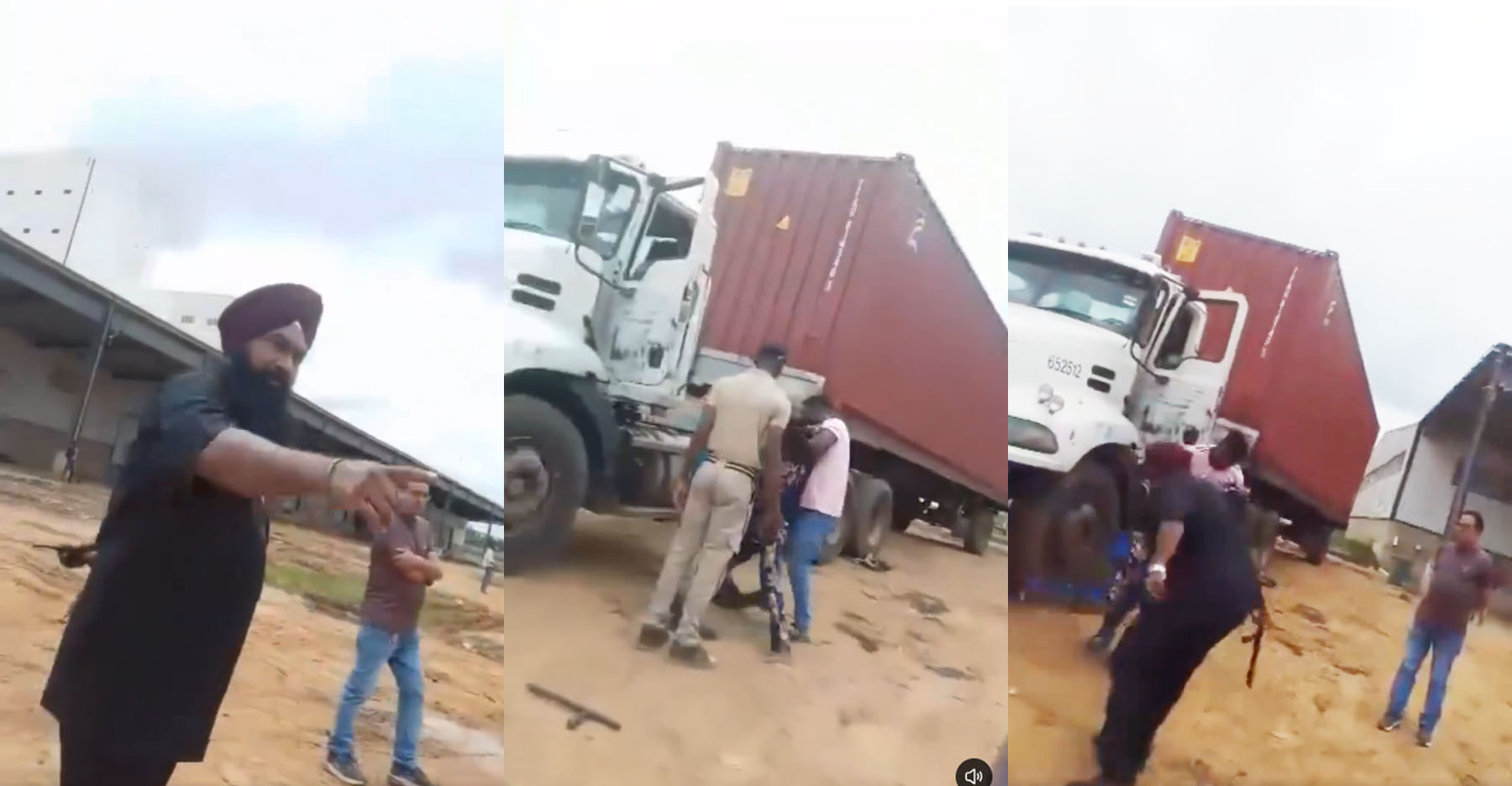
A viral video showing an Indian national allegedly assaulting two Nigerian truck drivers at a company’s premises along the Lagos-Ibadan Expressway has sparked outrage, with transport stakeholders demanding justice and calling for an investigation.
The incident reportedly occurred on Saturday, October 10, 2026, at the premises of Karma Agric Feed & Foods Ltd, around Km 12 of the Lagos-Ibadan Expressway, opposite the old Ratcoc Quarry. The footage circulated widely on social media on Monday, October 12.
The two transport workers were identified as Rilwan Olajide, a truck driver, and Taiwo Yinusa, his motor boy. The video appears to show a confrontation between the drivers and individuals at the company’s premises, with the disagreement reportedly involving truck keys and a demand for demurrage compensation.
The situation allegedly escalated when a man identified in media reports as an Indian national struck one of the drivers with a stick. Another worker appeared to be restrained by other individuals and kicked while on the ground.
However, the full circumstances leading to the confrontation remain unclear, and the allegations have yet to be conclusively established.
The Association of Maritime Truck Owners (AMATO) condemned the alleged assault, describing the reported treatment of the workers as unacceptable. The association said the available video footage and other materials raised concerns about the alleged involvement of individuals connected with the company.
READ ALSO:
- Forgery Probe: Police Arrest Ex-Imo Governor Rochas Okorocha in Abuja
- INEC Demands Formal Complaints as Missing Candidates Rock 2027 Election List
- Tragedy in Ibadan as Truck Kills Female Corps Member, Injures Others
AMATO stressed that disagreements over payments, truck keys or other commercial matters should be resolved through lawful means rather than violence or intimidation. It also emphasised that every person in Nigeria is entitled to dignity and protection under the law, regardless of nationality or occupation.
The association called on the relevant police authorities to conduct a thorough and impartial investigation, preserve available evidence and identify everyone involved. It urged the authorities to prosecute anyone found culpable in accordance with the law.
AMATO also appealed to the management of Karma Agric Feed & Foods Ltd to cooperate with investigators and take appropriate steps to prevent a recurrence. It maintained that accountability should be based on the actions of individuals and should not be used to stigmatise Indian nationals generally.
In a separate response, the Lagos State Trucks and Cargo Committee (LASTCOC) reportedly directed truck owners and drivers to suspend the delivery and collection of consignments to and from the company pending further action over the incident.
The directive could affect cargo movement involving the company while transport operators await the outcome of efforts to address the allegations. LASTCOC also warned that operators who disregarded the directive could face sanctions.
The reported suspension underscores the growing tension between transport stakeholders and the company following the circulation of the video.
The incident has renewed concerns about the safety and treatment of Nigerian truck drivers and motor boys, who play a critical role in moving goods across the country. Transport stakeholders have insisted that workplace and commercial disputes must be handled through established procedures, with violence and intimidation investigated and addressed appropriately.
As of the latest available reports, there was no confirmed public announcement of an arrest or a formal police finding on the incident. The company’s response was also not available. The allegations therefore remain subject to investigation, and the responsibility of each person involved must be determined through due process.
VIDEO: Outrage as Indian National Assaults Nigerian Truck Drivers in Lagos
metro
$1bn Arms Fund: Buratai Challenges Defence Ministry to Account for Money

$1bn Arms Fund: Buratai Challenges Defence Ministry to Account for Money
Former Chief of Army Staff, Lieutenant General Tukur Buratai (retd.), has challenged the Ministry of Defence to explain how the $1 billion approved for military equipment procurement during his tenure was spent, insisting that neither he nor the Nigerian Army, Navy and Air Force handled the funds.
Buratai made the demand on Monday at the third conference of the Defence Correspondents Association of Nigeria (DECAN) in Abuja, where he called for greater transparency in Nigeria’s defence spending and accountability for public funds allocated to national security.
The retired army chief said the National Economic Council (NEC) approved the $1 billion for defence procurement, but the money was released to the Ministry of Defence, which he said managed the procurement process.
“Not a single dollar of that fund passed through my hands or through the accounts of the Nigerian Army, Navy, or Air Force,” Buratai said.
He maintained that the armed services did not receive any portion of the money to initiate procurement directives, arguing that responsibility for explaining how the funds were disbursed and which contracts were awarded rested with the ministry that managed them.
Buratai described allegations surrounding the money as “political and malicious”, saying they first emerged during the 2019 general election period, when opposition figures alleged that the funds had been diverted for political purposes.
According to him, the Federal Government publicly denied the allegation at the time, but the controversy continued to damage the reputations of military service chiefs.
He faulted the Ministry of Defence for failing to publicly provide a detailed account of the disbursements and contract awards, insisting that accountability should rest with the institution responsible for managing the funds.
READ ALSO:
- Forgery Probe: Police Arrest Ex-Imo Governor Rochas Okorocha in Abuja
- INEC Demands Formal Complaints as Missing Candidates Rock 2027 Election List
- Tragedy in Ibadan as Truck Kills Female Corps Member, Injures Others
“The $1 billion arms procurement controversy festered because the institution that managed the funds, the Ministry of Defence, remained silent while Service Chiefs absorbed criticism,” he said.
Buratai called for the establishment of a Defence Procurement Transparency Portal to publish information on contracts awarded, contractors and delivery timelines, subject to legitimate national security restrictions.
He said the proposed platform would help the public understand how defence procurement funds were utilised without exposing sensitive operational information.
“When the media asks where the money went, the answer should come from the ministry that spent it, not from military officers who never touched it,” he said.
The former army chief also called for quarterly accountability bulletins summarising court-martial outcomes involving alleged human rights violations and operational misconduct.
He said such disclosures should protect the rights of accused personnel and avoid compromising ongoing military operations.
On allegations of human rights violations by security personnel, Buratai said credible complaints should be investigated and prosecuted where evidence substantiated wrongdoing.
“The military is not above the law,” he said, stressing the need for transparent disciplinary procedures capable of addressing misconduct at all levels.
At the same conference, former Senate President and Chairman of the Senate Committee on Defence, Ahmad Lawan, called for more predictable funding for the Armed Forces and other security agencies.
Lawan proposed dedicating a portion of national revenue to defence and security spending, alongside making military and security agency budgets a first-line charge to reduce delays in releasing funds.
He argued that troops could not be expected to achieve better operational results without adequate weapons, equipment and other resources.
Lawan said the National Assembly had consistently supported executive requests for security funding, adding that improved funding arrangements could help the military procure equipment in bulk and plan operations more effectively.
Meanwhile, Minister of Information and National Orientation Mohammed Idris said military force alone could not resolve Nigeria’s security challenges.
Idris, represented by Voice of Nigeria Director-General Jibrin Ndace, said military operations needed to be supported by reliable intelligence, modern technology, coordination among security agencies and cooperation with local communities.
He said the Federal Government was pursuing military modernisation, improved surveillance and intelligence-led operations to address terrorism, banditry and other security threats.
Idris also disclosed that President Bola Ahmed Tinubu had directed the preparation of a comprehensive National Threat Assessment and a rolling five-year Strategic Defence Operations Plan in August 2026.
According to the minister, the initiatives were intended to establish security priorities, improve coordination and guide the deployment of resources.
He said the President had also approved salary increases of between 30 and 80 per cent for Armed Forces personnel, effective September 2026, to recognise their sacrifices and improve welfare.
Idris urged journalists to verify information and report responsibly on security operations, while emphasising that responsible reporting should not shield the government or security agencies from scrutiny.
He said the media must continue asking difficult questions and holding public institutions accountable while respecting legitimate operational sensitivities.
Buratai’s demand has renewed attention on the management of the $1 billion defence procurement fund, with the former army chief insisting that the Ministry of Defence should provide an account of how the money was spent. His remarks do not, on their own, establish that the funds were misappropriated.
$1bn Arms Fund: Buratai Challenges Defence Ministry to Account for Money
-

 metro3 days ago
Tension in Kano as Phone Traders Confront Chinese Sellers Over Cheaper Phones
-

 Entertainment3 days ago
‘My Wife Fed Actresses I Was Dating Despite Knowing About Our Affairs’ – Yinka Quadri
-
 metro2 days ago
₦8.7bn Erosion-Control Budget Gap Raises Questions as Anambra Gullies Expand
-
 Politics1 day ago
Obi Positioning for SGF Role Under Atiku’s ADC Ticket – Sowore
-
 International2 days ago
US Names 24 More Nigerians in Fresh Fraud, Money Laundering Crackdown
-
 metro2 days ago
Child Soldiers, Baby Factories: US Raises Alarm Over Official Complicity in Nigeria
-
 Africa2 days ago
Djibouti Boat Disaster: 139 Migrants Dead, Dozens Missing
-

 Politics1 day ago
Okonkwo Alleges Return of Subsidy, Accuses NNPC of Plotting Trillions in ‘Lost Profit’