

Health
Popular Brain Supplement Amino Acid May Reduce Longevity in Men
Popular Brain Supplement Amino Acid May Reduce Longevity in Men
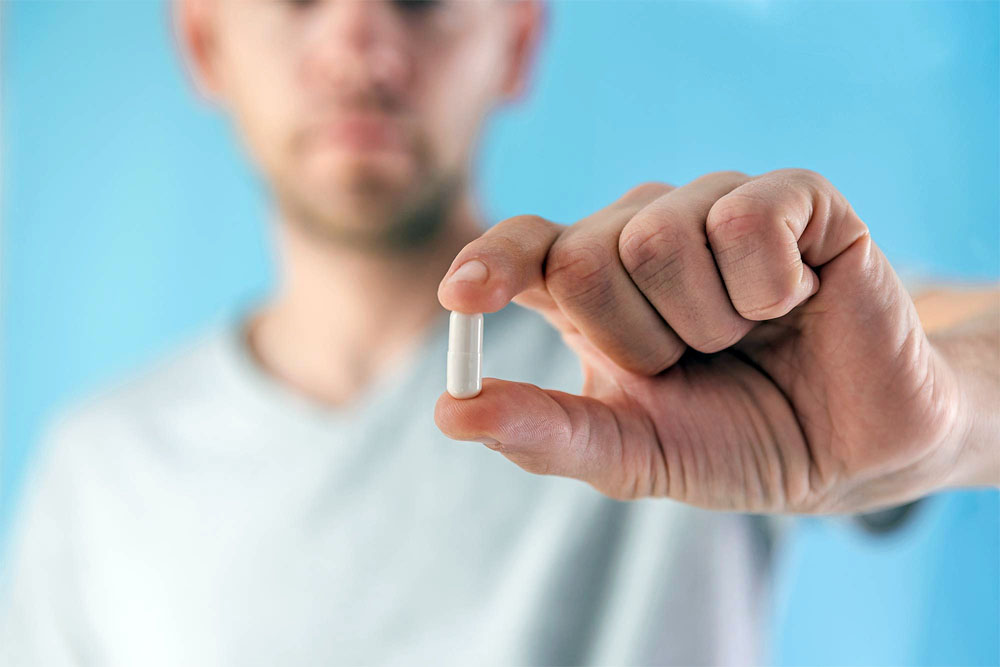
A massive study of more than 270,000 people has revealed that higher blood levels of tyrosine, a common amino acid found in protein-rich foods and popular focus-boosting supplements, are associated with shorter life expectancy in men. Researchers suggest that men with elevated tyrosine levels could live nearly one year less on average than those with lower levels, sparking questions about the long-term health effects of both diet and supplements.
The study, led by scientists from the University of Hong Kong and the University of Georgia, analyzed health, genetic, and biochemical data from participants in the UK Biobank, one of the largest population-based studies in the world. The researchers focused on tyrosine and phenylalanine, two amino acids essential to metabolism and neurotransmitter production, including dopamine, which plays a key role in mood, motivation, and cognitive performance.
READ ALSO:
- Amnesty Exposes Alleged Torture, Extortion, Deaths at Imo Police Tiger Base
- REVEALED: How Dispute Over VIP Police Protection, State Policing Led to Egbetokun’s Exit as IGP
- Super Eagles Goalkeeper Suspended Over Match-Fixing Allegation
Using observational and genetic modeling techniques, the researchers found that while phenylalanine had no consistent effect on lifespan, tyrosine showed a clear and potentially causal link to reduced life expectancy in men. No similar association was observed in women, suggesting that biological and hormonal differences may influence how tyrosine affects aging in men versus women.
Scientists are still investigating why tyrosine might impact longevity. One possible explanation is insulin resistance, a risk factor for age-related diseases, which tyrosine may influence. Another theory involves stress-related neurotransmitters and hormonal pathways that may react differently in men, potentially explaining why the effect was sex-specific.
Although the study did not directly test tyrosine supplements, it raises questions about their long-term safety, particularly for men who may already have high systemic levels. Nutrition experts advise moderation and recommend monitoring protein intake. Common dietary sources of tyrosine include beef, pork, lamb, chicken, turkey, salmon, tuna, mackerel, shrimp, lobster, eggs, dairy, soy, whole grains, nuts, and seeds.
The researchers emphasized the need for further studies to confirm these findings, understand the mechanisms linking tyrosine to male longevity, and explore whether dietary or lifestyle interventions could safely reduce tyrosine levels and promote healthy aging.
Popular Brain Supplement Amino Acid May Reduce Longevity in Men






Health
FG Confirms Ebola Case in Abuja, Identifies 44 Contacts

FG Confirms Ebola Case in Abuja, Identifies 44 Contacts
The Federal Government has confirmed a case of Ebola virus disease (EVD) in the Federal Capital Territory (FCT), Abuja, after laboratory tests returned positive for a woman who recently arrived in Nigeria from Uganda.
The Coordinating Minister of Health and Social Welfare, Professor Muhammad Ali Pate, announced the development on Tuesday, October 20, 2026, saying health authorities had identified 44 close contacts and commenced contact tracing to prevent further transmission.
According to the minister, the patient was admitted to a private hospital in Abuja, where she received medical attention for several days before the infection was confirmed. She is currently in isolation and receiving medical care.
The Federal Ministry of Health and Social Welfare is coordinating the response with the Nigeria Centre for Disease Control and Prevention (NCDC), the FCT Health Services Secretariat and other relevant authorities.
Public health teams are tracing and monitoring people who may have been exposed to the patient, including healthcare workers, other patients, caregivers and people who travelled with her.
The government said surveillance had been intensified, while the hospital where the woman received treatment was receiving support to strengthen infection prevention and control measures.
The minister urged public and private healthcare facilities across Nigeria to remain on high alert and promptly identify, isolate and report suspected cases to the appropriate public health authorities.
READ ALSO:
- Breaking: Afenifere Leader Pa Fasoranti Dies at 100
- Army Major, Soldiers Killed in ISWAP Ambush in Yobe State
- Chaos in Abeokuta as Algerian Fans Attack Coach, Vandalise Stadium After Rangers Defeat
Healthcare workers were also directed to maintain strict infection prevention and control practices to reduce the risk of exposure and protect patients and medical personnel.
Pate appealed to Nigerians to remain calm, vigilant and cooperative with health officials, stressing that early detection and prompt reporting were essential to containing the infection.
He noted that Nigeria had successfully contained an Ebola outbreak in 2014 and had experience and public health systems to respond to the current situation.
The government also urged anyone contacted during the tracing exercise, including passengers who may have travelled with the patient, to provide the necessary information and comply with official public health guidance.
Ebola virus disease is a serious illness that can spread through direct contact with the blood or other body fluids of an infected person who has developed symptoms, or through contaminated objects and materials.
Symptoms may include fever, severe weakness, headache, vomiting and diarrhoea. The incubation period ranges from two to 21 days.
Anyone who believes they may have been exposed and subsequently develops symptoms should contact public health authorities for guidance and avoid close contact with others while awaiting advice.
The NCDC operates a toll-free call centre on 6232, available 24 hours a day, seven days a week, for information and reports of suspected cases.
Nigeria’s latest case comes amid a wider Ebola outbreak affecting parts of Africa, including the Democratic Republic of the Congo and countries in East Africa. The NCDC had previously warned of the risk of imported infections and strengthened national preparedness measures.
The Federal Government said investigations and contact tracing were continuing, with further updates expected through the NCDC and the Presidential Task Force on Ebola Virus Disease.
Authorities have urged the public to rely on verified information, follow official health advice and avoid spreading unconfirmed reports as efforts continue to contain the infection.
FG Confirms Ebola Case in Abuja, Identifies 44 Contacts
Health
NAFDAC Seizes Fake Drinks Worth Over ₦2bn at Lagos Trade Fair Complex
NAFDAC Seizes Fake Drinks Worth Over ₦2bn at Lagos Trade Fair Complex
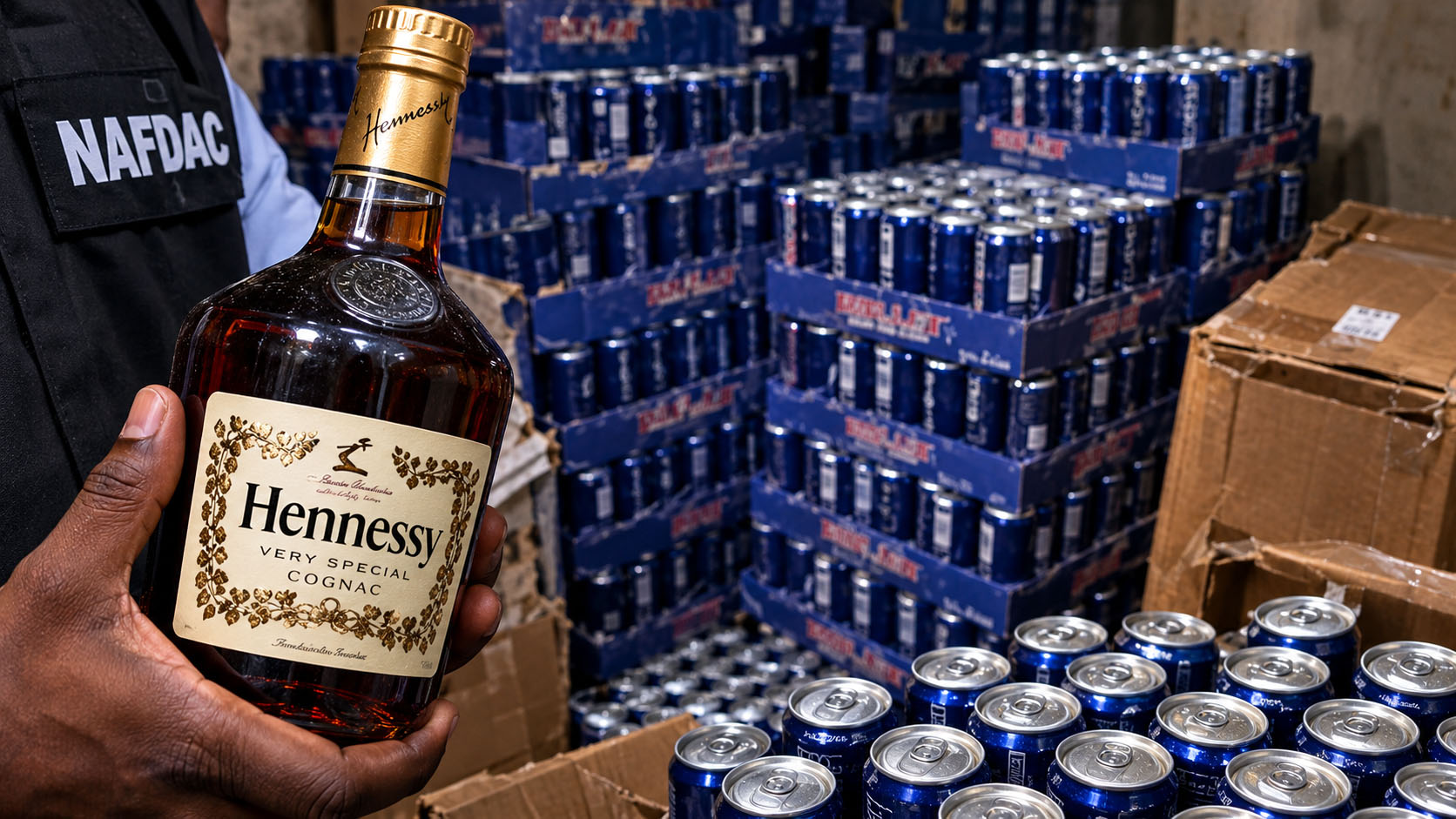
The National Agency for Food and Drug Administration and Control (NAFDAC) has uncovered a suspected large-scale counterfeit alcoholic beverage operation at the Lagos International Trade Fair Complex, seizing products reportedly valued at more than ₦2 billion.
The operation, conducted on Tuesday, October 13, 2026, followed intelligence reports about suspected illegal activities within the commercial complex.
The raid reportedly led to the discovery of more than 20 illegal stores allegedly used for the production and distribution of counterfeit alcoholic beverages and other prohibited activities.
According to reports on the operation, the facilities were concealed within makeshift stores originally designated as parking spaces within the complex.
During the exercise, NAFDAC officials reportedly discovered individuals allegedly involved in blending and counterfeiting popular alcoholic beverage brands, revalidating expired and unsafe drinks for resale, and stockpiling banned imported products.
Two suspects were reportedly apprehended during the operation, while the seized products were evacuated from the premises.
The discovery has raised concerns about the possible circulation of counterfeit, expired and unsafe alcoholic beverages in Nigerian markets, particularly products repackaged to appear genuine.
READ ALSO:
- Cosmetics Top Fake Products as NAFDAC Seals 179 Establishments, Arrests 52
- Nigeria Secures UN Human Rights Council Seat With 172 Votes
- Houthi Missile Targeting Riyadh Shot Down as Debris Injures Four, Damages 15 Homes
NAFDAC has repeatedly warned that the consumption of adulterated or unsafe beverages could expose consumers to serious health risks.
The agency urged members of the public to remain vigilant and report suspected cases of illegal manufacturing, relabelling, revalidation and sale of regulated products.
Consumers were also advised to exercise caution when purchasing alcoholic beverages, particularly products with suspicious packaging, questionable expiry dates or other signs of tampering.
NAFDAC provided its official complaints line, 0800-1-NAFDAC (0800-1-623322), for members of the public to report suspected violations.
The latest enforcement action forms part of the agency’s efforts to combat counterfeit and substandard products and protect public health.
Investigations are expected to establish the full extent of the alleged activities and identify other individuals who may be connected to the suspected distribution network.
NAFDAC Seizes Fake Drinks Worth Over ₦2bn at Lagos Trade Fair Complex
Health
Cosmetics Top Fake Products as NAFDAC Seals 179 Establishments, Arrests 52

Fake and substandard cosmetics accounted for the largest number of product seizure entries recorded by the National Agency for Food and Drug Administration and Control (NAFDAC) between January and August 2026, as the agency intensified its nationwide crackdown on counterfeit and unsafe products.
NAFDAC recorded 401 cosmetics seizure entries during the eight-month period, ahead of drinks, with 215 entries, and drugs, with 112, according to an enforcement report released on Wednesday, October 14.
The agency also reported 213 raids, 474 new cases, 295 concluded cases, 821 product seizure entries, 179 establishments closed or sealed, and 52 arrests during the period.
The figures were disclosed by NAFDAC Director-General, Professor Mojisola Adeyeye, in a statement detailing the activities of the agency’s Directorate of Investigation and Enforcement.
The enforcement operations covered a broad range of regulated products, including food, medicines, cosmetics, medical devices, packaged water, beverages and chemicals.
The agency said it also carried out 157 surveillance activities, imposed 218 administrative sanctions and conducted 22 product destruction exercises between January and August.
READ ALSO:
- Nigeria Secures UN Human Rights Council Seat With 172 Votes
- Houthi Missile Targeting Riyadh Shot Down as Debris Injures Four, Damages 15 Homes
- Outrage as Israeli Settlers Torch Mosque, Burn Vehicle in Occupied West Bank
The report further showed that cosmetics accounted for 64 of the 179 establishments closed or sealed, while drinks accounted for 67 of the 213 raids conducted during the period.
NAFDAC clarified that the seizure figures represented product seizure entries rather than the physical quantity or monetary value of goods confiscated. The numbers therefore indicate the frequency with which product categories appeared in enforcement records, not necessarily the total volume of items seized.
The prominence of cosmetics in the figures raises concerns about the circulation of counterfeit, unregistered and substandard beauty products in Nigeria. Unsafe cosmetics can expose consumers to harmful ingredients, contamination and misleading product claims, particularly when products are manufactured or sold outside regulatory controls.
Some skin-lightening and medicated cosmetic products have previously been seized by NAFDAC during enforcement operations. The agency has repeatedly warned consumers to exercise caution when buying products from unverified suppliers and to check registration details before use.
In February 2026, NAFDAC reported uncovering banned, counterfeit and unregistered cosmetic products valued at more than ₦3 billion in a warehouse at the APT Trade Fair Complex in Lagos. The products included prohibited whitening soaps and other cosmetic items.
The latest enforcement figures also come amid wider concerns over counterfeit medicines and adulterated food and beverages. NAFDAC has warned that falsified products may contain incorrect ingredients, harmful substances or ingredients that do not meet required quality and safety standards.
The agency’s enforcement directorate continued investigations, surveillance, raids and legal processes during the eight-month period. Of the 474 new cases recorded, 295 were concluded, while 52 arrests were made.
NAFDAC has maintained that sustained enforcement is necessary to disrupt the manufacture, importation and distribution of unsafe products and protect consumers from potential harm.
Consumers are advised to buy cosmetics and other regulated products from reputable outlets, inspect packaging and labelling, and verify product registration through NAFDAC’s official channels. Suspicious products or suspected counterfeiting activities can also be reported to the agency.
The figures underline the scale of enforcement activity required to tackle fake cosmetics and other unsafe products in Nigeria, while highlighting the need for continued surveillance, consumer awareness and accountability across the supply chain.
Cosmetics Top Fake Products as NAFDAC Seals 179 Establishments, Arrests 52
-

 metro3 days ago
FG Begins Rollout of 3,700 Telecom Towers to Connect 20m Nigerians
-

 Education3 days ago
Tinubu Scraps Recruitment Waiver Requirement for Federal Universities
-

 metro3 days ago
Oyo Baby Trafficking Scandal: Mother, Doctor Arrested Over Alleged ₦2m Sale of Infant
-

 News3 days ago
Akpabio Under Fire as Senators Move to Secure His Return as Senate President in 2027
-

 Sports3 days ago
Lamine Yamal Shines as Barcelona Thrash Real Betis 5-2
-

 metro3 days ago
Kano: Soldiers Kill Two Kidnappers, Rescue Victim, Recover ₦10m
-

 metro2 days ago
NAFDAC Probes Corps Member’s Death at Enugu Camp as Fake Drug Claims Emerge
-

 Africa3 days ago
Nairobi Mother Says Husband Abandoned Her During Childbirth, Paid Dowry for Another Woman