

Politics
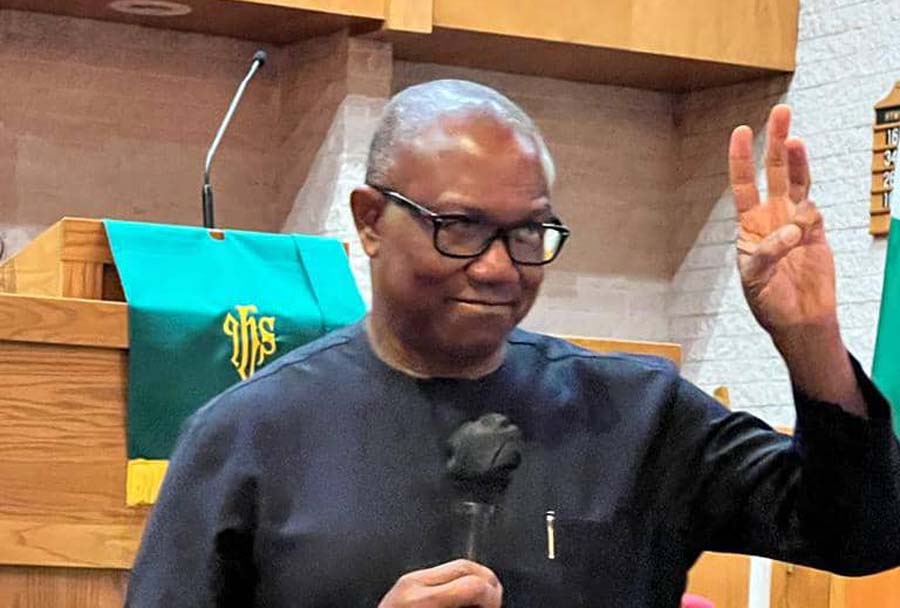
2027 Politics: APC Fires Back at Obi Over Party Switches, Ambition
2027 Politics: APC Fires Back at Obi Over Party Switches, Ambition
The All Progressives Congress has launched a fresh attack on former presidential candidate Peter Obi, describing him as “Nigeria’s inconsolable political drifter” following his latest political movement away from the African Democratic Congress (ADC). In a statement issued on Sunday by its National Publicity Secretary, Felix Morka, the ruling party accused Obi of “roaming” across political platforms in search of a free presidential ticket ahead of the 2027 general elections.
The APC said Obi’s political trajectory reflects inconsistency, claiming he has moved from one party to another without building a stable political base. It alleged that the former Anambra State governor has continued to switch political platforms without committing to long-term party development or ideological consolidation.
The party further claimed that Obi “fantasises about becoming president on a platter of gold,” while referencing his past affiliations with the All Progressives Grand Alliance (APGA), Peoples Democratic Party (PDP), Labour Party, and now the ADC. It maintained that such frequent movements raise questions about his political intentions ahead of the 2027 elections.
READ ALSO:
- Army Neutralises Terrorists, Foils Attacks in Nationwide Operations
- Cooking Gas Crisis Deepens as LPG Price Surges to ₦1,400/kg Across Nigeria
- Funke Akindele Explains Why She Stopped Attending Church
These comments come amid increasing political realignments and coalition discussions involving key opposition figures as parties begin early preparations for the next election cycle. Reports have also linked Obi with former Kano State governor Rabiu Musa Kwankwaso in discussions around a possible joint arrangement under a proposed political platform.
Earlier on Sunday, Obi confirmed his exit from the ADC, citing “endless court cases, internal battles, suspicion, and division” within the party. He also accused some political actors of creating unnecessary crises within opposition parties, warning that such instability could weaken efforts to build a credible alternative ahead of 2027.
Obi, who formally left the Labour Party for a coalition-backed platform in late 2023, said his focus remains on working with like-minded Nigerians committed to electoral reforms and improved governance.
Obi rose to national prominence during the 2023 presidential election under the Labour Party, where he gained widespread youth support and strong urban backing under the “Obidient” movement. Prior to that, he served as governor of Anambra State and previously contested within the PDP before joining the Labour Party ahead of the 2023 elections.
Since losing the presidential election to Bola Tinubu, Obi has remained a central figure in opposition politics and continues to play a key role in ongoing coalition talks and political restructuring ahead of the 2027 general elections.
Political analysts say the latest APC remarks reflect rising tension among major political actors as early positioning for 2027 intensifies. They note that coalition building, defections, and party negotiations are likely to dominate Nigeria’s political space in the months ahead.
2027 Politics: APC Fires Back at Obi Over Party Switches, Ambition






Politics
ADC Crisis: Dino Melaye Blames ‘Sokoto Tsunami’ for Court Judgment Sacking David Mark, Nullifying Atiku’s Presidential Ticket
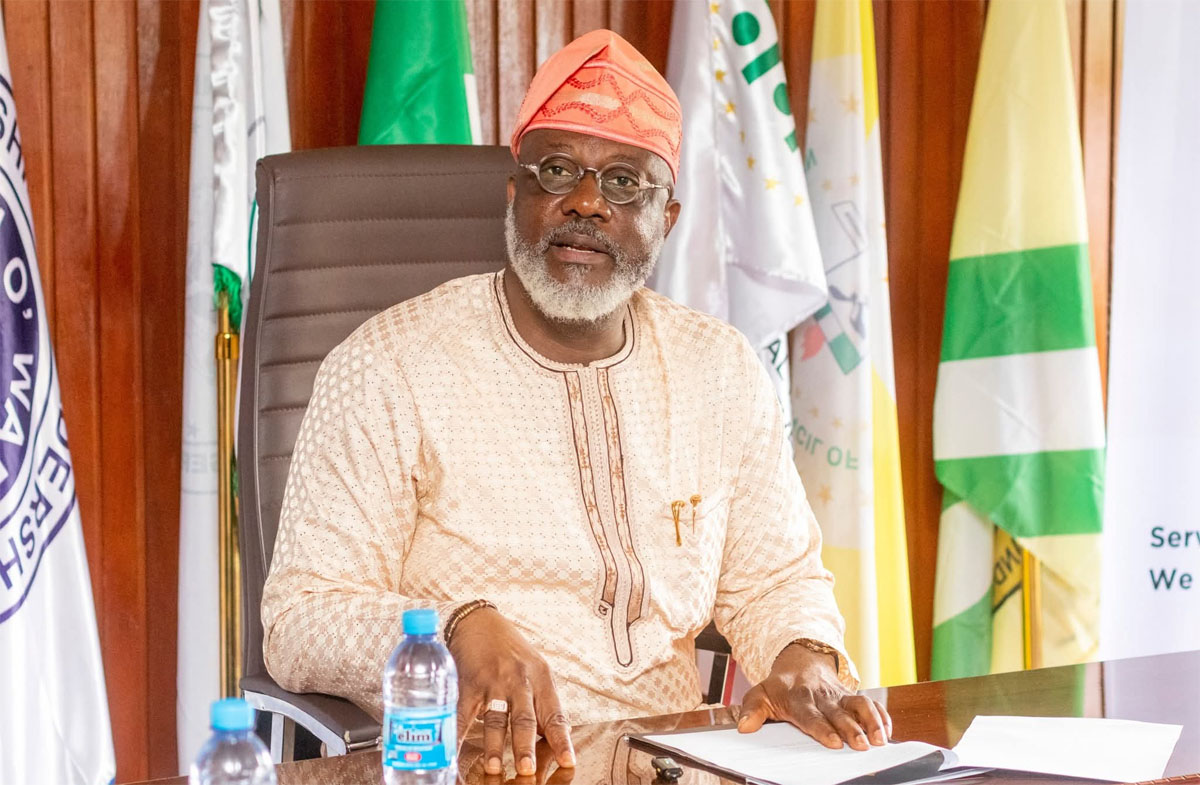
ADC Crisis: Dino Melaye Blames ‘Sokoto Tsunami’ for Court Judgment Sacking David Mark, Nullifying Atiku’s Presidential Ticket
ABUJA — Former Kogi West Senator and chieftain of the African Democratic Congress (ADC), Dino Melaye, has blamed what he described as the political “Sokoto Tsunami” for the Federal High Court judgment that nullified the party’s national leadership under former Senate President David Mark and invalidated the emergence of former Vice-President Atiku Abubakar as its presidential candidate.
Melaye, who spoke on Thursday, November 5, during the ADC presidential campaign in Kebbi State, urged party members and Nigerians to disregard the court judgment, insisting that neither Atiku nor the ADC could be stopped from pursuing their political ambitions.
The development followed a judgment delivered by Justice Peter Lifu of the Federal High Court in Abuja, which declared the Mark-led caretaker committee of the opposition party illegal and invalidated decisions taken under its authority.
The ruling also affected the process that produced Atiku as the ADC’s presidential candidate for the 2027 general elections.
Reacting to the judgment, Melaye linked the legal setback to the party’s growing political influence in Sokoto State, describing the development as a reaction to what he called the ADC’s political tsunami in the state.
He urged supporters not to be discouraged by the ruling, declaring that the party had overcome similar challenges in the past.
“We want to assure Nigerians and the people of Kebbi that you should please ignore the court ruling in Abuja today; that judgment is a reaction to the political tsunami in Sokoto State. It was the tsunami that necessitated the judgment,” Melaye said.
The former lawmaker also questioned the timing of the court proceedings, alleging that the party received notification of the judgment late at night before it was delivered the following morning.
“There was no judgment notice, they sent by 11pm in the night, the judgment will be given in the morning, but they forgot that we have passed through this road many times,” he added.
Melaye also alleged that the ADC campaign convoy encountered an attack by security operatives while travelling to Kebbi State.
According to him, more than 100 policemen allegedly barricaded the campaign team, throwing stones and firing tear gas at them.
He maintained that those behind the alleged attack underestimated the political and security backgrounds of the party’s national chairman and presidential candidate.
The court judgment followed a suit instituted by former ADC Deputy National Chairman (North-East), Nafiu Bala Gombe, who challenged the legality of the process through which Mark and other party officials assumed leadership following the resignation of former National Chairman, Ralph Nwosu.
Gombe argued that he was constitutionally entitled to assume the party’s leadership following Nwosu’s departure and asked the court to invalidate the decisions taken by the Mark-led caretaker committee.
In his judgment, Justice Lifu upheld the plaintiff’s case, declaring the Mark-led caretaker arrangement illegal and nullifying the decisions taken under its authority, including the presidential primary that produced Atiku.
The judgment has thrown the ADC’s preparations for the 2027 general elections into uncertainty, with implications for its national leadership, presidential ticket and other candidates nominated under the disputed arrangement.
The party, however, has rejected the ruling and indicated its intention to challenge the decision at the appellate court.
The latest legal setback comes amid growing political tensions within the opposition party, which has attracted prominent political figures seeking to challenge the ruling All Progressives Congress (APC) in the 2027 elections.
Melaye’s remarks have added another dimension to the controversy, as the ADC grapples with the legal implications of the judgment and questions surrounding its political future.
The outcome of the anticipated legal challenge could prove decisive for the party’s leadership structure and its ability to participate effectively in the forthcoming general elections.
ADC Crisis: Dino Melaye Blames ‘Sokoto Tsunami’ for Court Judgment Sacking David Mark, Nullifying Atiku’s Presidential Ticket
Politics
Aisha Yesufu Fires Warning At INEC After Rufai Oseni Hails Americans For Voting Out Tyranny

Aisha Yesufu Fires Warning At INEC After Rufai Oseni Hails Americans For Voting Out Tyranny
Activist Declares War On Electoral Manipulation Ahead Of 2027 General Elections
By Newstrends.ng Political Desk
ABUJA — Nigerian activist and chieftain of the Nigerian Democratic Congress (NDC), Aisha Yesufu, has issued a strong warning to the Independent National Electoral Commission (INEC), declaring that anyone who attempts to manipulate the outcome of the 2027 general elections will face resistance.
Yesufu made the declaration while reacting to a comment by Arise News journalist, Rufai Oseni, who praised American voters for using their votes to reject what he described as tyranny in the recently concluded United States midterm elections.
Oseni, in a post on his official X account on Wednesday, November 4, wrote: “You can see how Americans voted out tyranny. No complain of INEC. INEC do better.”
The journalist’s observation appeared to draw attention to the role of credible electoral institutions and the power of citizens to determine political leadership through the ballot box.
However, his comment prompted a strong response from Yesufu, who redirected the conversation to Nigeria’s electoral system and the growing concerns surrounding the credibility of the 2027 general elections.
In her response, the activist challenged INEC to ensure that votes cast by Nigerians are accurately counted and reflected in the final results, warning that the commission must not stand in the way of the people’s mandate.
“Whether INEC like let it do better and if INEC no like, let it not do better!
“This election anyone that stands between what the people voted and what is counted will be counted!
“We are done begging for the right thing to be done.
“We will be doing the right thing!!!” Yesufu declared.
Her choice of words has attracted attention, particularly her warning that anyone who attempts to frustrate the people’s electoral mandate will face resistance.
The NDC chieftain’s reaction also underscores the increasing political significance of the 2027 elections, as opposition figures and civil society advocates continue to demand transparency, accountability and institutional independence in the country’s electoral process.
Nigeria has witnessed persistent controversies over election administration, including allegations of result manipulation, logistical challenges and disputes over the credibility of declared outcomes.
Consequently, the responsibility of INEC to conduct transparent, credible and peaceful elections is expected to remain a major issue as political activities intensify ahead of 2027.
Although Oseni’s original comment celebrated the American electorate’s ability to express its political choices through the ballot, Yesufu’s response raised a broader question about whether Nigerian voters would enjoy the same confidence that their votes would count.
For the activist, the 2027 elections must go beyond the mere conduct of voting exercises. The ultimate test, according to the message of her intervention, is whether the choices made by voters will be faithfully reflected in the final results.
Her declaration adds to the growing debate over electoral credibility and the need to protect Nigeria’s democratic process ahead of another crucial general election.
Aisha Yesufu Fires Warning At INEC After Rufai Oseni Hails Americans For Voting Out Tyranny
Politics
Trouble in ADC as Momodu, South-West Leaders Raise Alarm Over Atiku Campaign

Trouble in ADC as Momodu, South-West Leaders Raise Alarm Over Atiku Campaign
Fresh cracks have emerged within the African Democratic Congress (ADC) over the management of the 2027 presidential campaign of former Vice-President Atiku Abubakar, following allegations that influential party leaders and key members of his campaign team are being sidelined.
Those reportedly affected include veteran journalist and publisher Dele Momodu, who was appointed Deputy Director-General in charge of Media and Communications of the ADC Presidential Campaign Council, as well as some South-West party leaders who have accused Atiku of relying on personal associates rather than established party structures.
The development has reportedly generated discontent within the opposition party, raising questions about internal coordination, leadership relations and the effectiveness of the campaign machinery ahead of the 2027 general election.
Momodu’s reported marginalisation has particularly exposed divisions within the campaign council’s media directorate, where disagreements over responsibilities and control of publicity activities are said to have created competing centres of influence.
When Atiku unveiled his presidential campaign council on September 24, Momodu was named Deputy Director-General in charge of Media and Communications.
Former Peoples Democratic Party (PDP) National Publicity Secretary, Kola Ologbondiyan, was appointed Director of Media and Publicity, while Phrank Shaibu, Atiku’s Senior Special Assistant on Public Communication, was named Director of Strategic Communications.
Other members of the media team include Ladan Salihu, who oversees Branding; Moji Rhodes-Vvour, responsible for Digital and Online Media; and David Iyofor, who handles Content Development.
Kenneth Okonkwo, Keturah King and Nana Kazure were also appointed as spokespersons.
READ ALSO:
- Iran Unveils ‘We Will Kill Trump’ Billboard in Tehran Amid Rising Tensions With US
- Tinubu’s Re-election: Osun APC Leaders Reject Oyebamiji-Led Campaign Council
- Tragedy: Spanish Footballer Jesús de Miguel Dies at 30 After On-Field Collision
However, reports indicate that the arrangement has not translated into a coordinated media operation, with Ologbondiyan and Shaibu allegedly running separate publicity activities without adequately involving Momodu.
Sources within the campaign reportedly claimed that Momodu had been excluded from important strategy meetings, press operations and key decisions, despite his position as head of the media and communications directorate.
The disagreement is said to have created two competing camps within the media team, with Momodu reportedly on one side and Ologbondiyan and Shaibu on the other.
The latest indication of the alleged division emerged on Tuesday, November 3, when Atiku addressed a press conference in Abuja to announce the commencement of his presidential campaign.
Momodu and the ADC National Publicity Secretary, Mallam Bolaji Abdullahi, were reportedly absent from the event, while Shaibu was said to have coordinated the media engagement.
The event was reportedly the third press conference organised by Atiku without Momodu’s presence, further fuelling speculation about the veteran journalist’s influence within the campaign structure.
Momodu, who also played a media role in Atiku’s 2023 presidential campaign under the PDP, reportedly returned to Lagos after attending the inauguration of the campaign council on October 9.
His absence from subsequent major media engagements has raised questions about whether he has been able to exercise the responsibilities attached to his appointment.
Efforts to obtain his reaction to the reported disagreements were unsuccessful, according to media reports.
Beyond the disagreements within the media directorate, Atiku is also facing complaints from some ADC leaders in the South-West, who have accused him of marginalising the party’s existing structures in the region.
Some state chairmen and governorship candidates reportedly expressed dissatisfaction with the former Vice-President’s approach to political engagements, alleging that he had been conducting activities through personal friends and loyalists while leaving recognised party officials on the sidelines.
The complaints were reportedly raised at a meeting held in Ibadan, Oyo State, on September 4, where some South-West ADC leaders approached the party’s National Secretary, Rauf Aregbesola, to seek clarification on Atiku’s relationship with the party’s regional structures.
According to reports, the aggrieved leaders insisted that the presidential candidate should channel his political activities through established party structures rather than relying mainly on personal associates.
One of the governorship candidates who reportedly attended the meeting said almost all the ADC leaders present expressed dissatisfaction with what they described as their exclusion from Atiku’s political activities.
The leaders were also said to have complained about the slow pace of campaign mobilisation in the region, attributing the situation partly to the lack of adequate engagement with party officials.
Some reportedly questioned why state party chairmen were not being sufficiently carried along in the organisation of campaign activities.
The Chairman of the ADC Local Government Chairmen in Lagos State, Adewole Ijaogbomo, also reportedly accused some individuals of taking control of Atiku’s campaign activities in the state while established party leaders were being excluded.
He urged the former Vice-President to address the situation, warning that the alleged marginalisation could undermine the party’s mobilisation efforts.
However, Atiku’s camp has rejected allegations that the presidential candidate is deliberately sidelining ADC leaders.
His Director of Strategic Communications, Phrank Shaibu, described the claims as unfounded, arguing that state campaign coordinators and their respective councils had not yet been announced or inaugurated.
According to him, it was therefore premature to accuse the presidential candidate of excluding state executives from campaign structures that had not been formally constituted.
Shaibu maintained that Atiku respects the party’s leadership, members and established structures, describing suggestions that he was conducting political activities outside the party framework as opposition conjecture.
The ADC National Publicity Secretary, Bolaji Abdullahi, has also defended the party’s campaign arrangements, explaining that national party officers do not necessarily have to be appointed into the presidential campaign council.
Abdullahi said party officials had responsibilities beyond the presidential campaign and could support the candidate without holding positions in the campaign council.
He gave the explanation amid questions over the absence of Aregbesola and other senior party officials from the published campaign council list.
The ADC South-West leadership has also pushed back against suggestions that the reported disagreements represent a broader institutional crisis within the party.
The controversy comes as Atiku seeks to consolidate the ADC’s political structures and build a formidable opposition platform capable of challenging President Bola Ahmed Tinubu and the ruling All Progressives Congress (APC) in the 2027 presidential election.
The South-West is considered a strategically important region in the contest, particularly because of Tinubu’s political influence in the zone.
With allegations of internal divisions emerging in both the campaign’s media operations and regional political structures, the ability of Atiku and the ADC leadership to resolve grievances and establish a coordinated campaign machinery could prove crucial to their electoral ambitions.
Trouble in ADC as Momodu, South-West Leaders Raise Alarm Over Atiku Campaign
-

 International3 days ago
Iran Unveils ‘We Will Kill Trump’ Billboard in Tehran Amid Rising Tensions With US
-

 Auto3 days ago
EXEED Sets Sights on Nigeria’s Luxury Car Market, Showcases Technology, Design Vision
-

 Politics3 days ago
Tinubu’s Re-election: Osun APC Leaders Reject Oyebamiji-Led Campaign Council
-
 metro2 days ago
FG’s N50,000 Relief: OPay Details Eligibility Check Process, Issues Strong Warning Against Scams
-
 metro2 days ago
Bandits Demand Over ₦100m Ransom for 15 Abducted Islamiya Students in Niger
-

 International3 days ago
Tourist Killed, Three Injured as Two Helicopters Collide Near Mount Everest in Nepal
-
 International3 days ago
Trump Shocks Israel, Announces End To $4bn Annual US Military Aid
-

 International2 days ago
Australia Under Pressure To Scrap $368bn US-UK Nuclear Submarine Deal As Inquiry Warns Of China War