

International
US Congressman Pushes Bill Requiring Religious Immigrants to Reject Sharia Law
US Congressman Pushes Bill Requiring Religious Immigrants to Reject Sharia Law
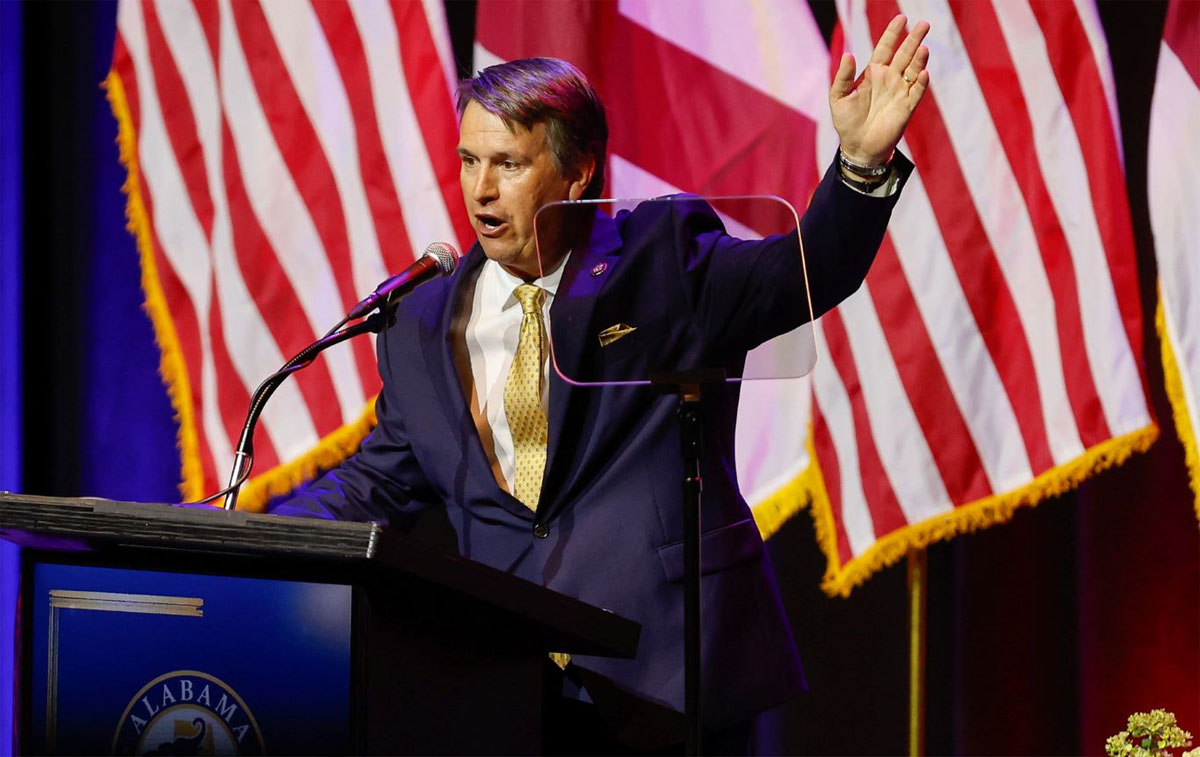
A United States congressman, Barry Moore, has sparked nationwide debate after proposing a bill that would require immigrants entering America as religious workers to formally reject Sharia law and pledge loyalty to the US Constitution.
Moore announced the proposed legislation, known as the CRUSADE Act — short for Countering Radicalism Under Sharia and Defeating Extremism Act — in a statement posted on X and published on his official congressional website.
According to the Republican lawmaker, the bill is designed to prevent the promotion of religious doctrines that he believes conflict with American constitutional values.
“America is built on the rule of law and the supremacy of the Constitution — not foreign legal systems that conflict with our freedoms and values,” Moore said while unveiling the legislation.
The proposal specifically targets immigrants applying through the EB-4 religious worker visa programme, which allows ministers, missionaries and other faith-based workers to enter the United States.
Under the proposed law, applicants would be required to affirm support for the US Constitution and disavow interpretations of Sharia law that Moore claims promote religious persecution, restrictions on women and suppression of dissent.
“Anyone seeking entry into the United States as a religious worker must affirm their commitment to the Constitution and reject extremist practices found in sharia law that have been used to justify persecution, violence, and the suppression of basic human rights,” he added.
READ ALSO:
- EFCC Arrests Energy Commission DG Over Alleged N500bn Money Laundering Probe
- Reuters: Saudi Arabia, UAE Secretly Bombed Iran During Gulf War
- Mourinho Wants Osimhen to Lead Real Madrid Attack in Major Rebuild
The bill has already received backing from several Republican lawmakers, including Andy Ogles, Josh Brecheen and Clay Higgins.
The development comes amid growing political campaigns around the “Sharia-Free America” movement in the United States. Supporters argue that political Islam and Sharia-based governance are incompatible with the American legal system, while critics warn that such measures could stigmatise Muslims and undermine constitutional protections for religious freedom.
The First Amendment of the US Constitution guarantees freedom of religion, making the proposal likely to face legal and political scrutiny if it advances in Congress.
The controversy has also renewed international attention on Nigeria’s religious freedom concerns.
Earlier this year, Republican lawmakers Riley Moore and Chris Smith introduced the Nigeria Religious Freedom and Accountability Act of 2026, a bill seeking stronger US action against alleged religious persecution in Nigeria.
The legislation calls for investigations into violence against Christians, enforcement of anti-blasphemy laws and the implementation of Sharia-based legal systems in northern Nigeria.
The lawmakers argued that some blasphemy laws in northern Nigeria have been used to silence dissent, target minorities and deny due process.
Nigeria currently operates Sharia legal systems in 12 northern states alongside conventional constitutional law, mainly for civil matters involving Muslims, although some states also apply criminal Sharia provisions.
The renewed debate follows the decision by President Donald Trump’s administration to redesignate Nigeria as a “Country of Particular Concern” over allegations of religious persecution and sectarian violence.
Security concerns linked to extremist groups such as Boko Haram and armed bandit networks have continued to fuel international scrutiny of religious tensions in parts of the country.
US Congressman Pushes Bill Requiring Religious Immigrants to Reject Sharia Law







International
US Lawmakers to Hold Fresh Hearing on Nigeria’s Insecurity, Christian Killings
US Lawmakers to Hold Fresh Hearing on Nigeria’s Insecurity, Christian Killings
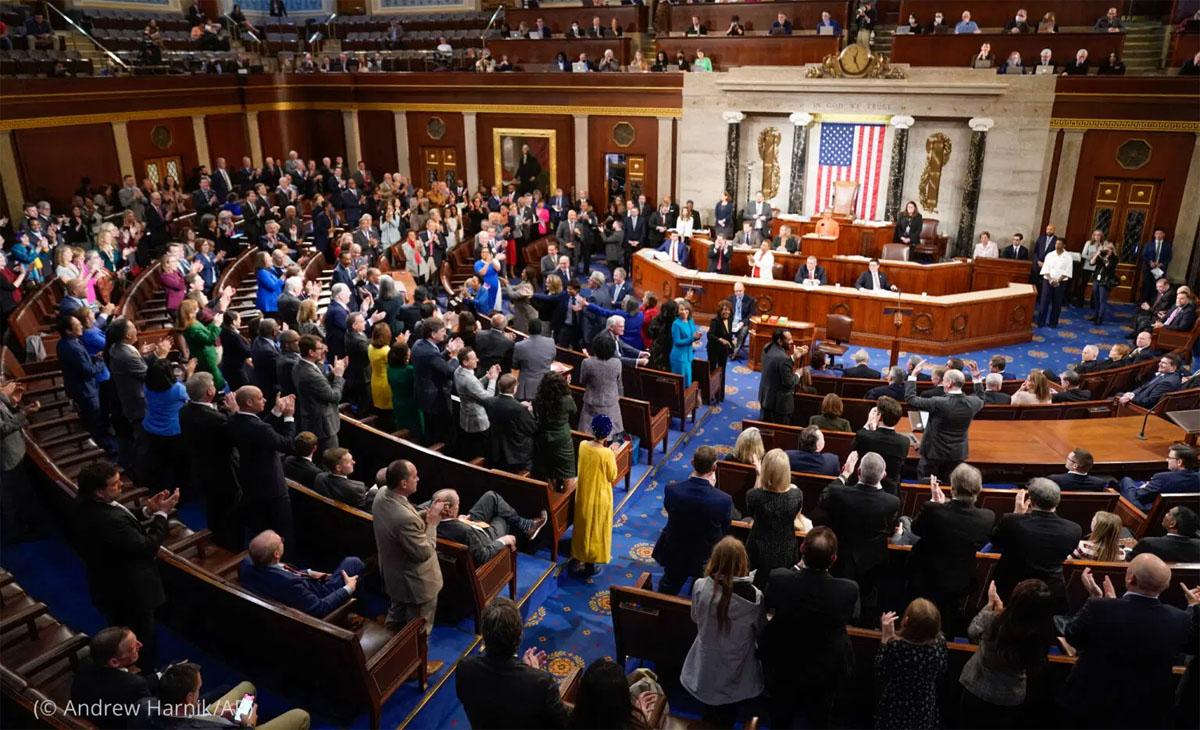
The United States Congress is set to hold another congressional hearing on Nigeria’s security crisis, with lawmakers expected to examine attacks on Christian communities, the Federal Government’s response and the worsening insecurity in the country’s Middle Belt.
The hearing, scheduled for Thursday, November 12, 2026, will be convened by the House Foreign Affairs Subcommittee on Africa and chaired by Republican Congressman Chris Smith.
Titled “One Year Later: Assessing Nigeria’s Efforts to Protect Christians and Secure the Middle Belt,” the session will assess the Nigerian government’s efforts to protect vulnerable communities, prevent religious violence and bring perpetrators of attacks to justice.
According to a statement from Smith’s office, lawmakers will examine violence attributed to extremist organisations, including Boko Haram and armed groups accused of targeting Christian communities.
The hearing will also consider the Nigerian government’s efforts to curb attacks against Christians and non-radical Muslim communities, as well as possible measures the United States could take to encourage greater protection of vulnerable populations.
Smith, who represents New Jersey, said the session would be his 14th congressional hearing on the persecution of Christians in Nigeria.
The proceedings will feature two panels of witnesses, including senior officials of the US Department of State and representatives of international religious freedom and policy organisations.
The first panel will feature Frank Garcia, Assistant Secretary of State for African Affairs, and Riley Barnes, Assistant Secretary of State for Democracy, Human Rights and Labour.
READ ALSO:
- ‘Her Death Must Not Be in Vain’: Lagos Mother Demands Justice for Toddler Killed by Police Bullet
- DR Congo Sentences 66 Soldiers to Death for Cowardice, Mutiny
- Lookman’s Atletico Future Under Question After Simeone Leaves Him Out Against Barcelona
The second panel will include Nina Shea, Senior Fellow and Director of the Centre for Religious Freedom at the Hudson Institute; Ryan Brown, Chief Executive Officer of Open Doors US; and Oge Onubogu, Director and Senior Fellow of the Africa Programme at the Centre for Strategic and International Studies (CSIS).
The hearing will begin at 11am Washington time, equivalent to 5pm Nigerian time, at the Rayburn House Office Building in Washington, DC. It will also be streamed live on YouTube.
The planned congressional session comes amid renewed scrutiny of Nigeria’s security and human rights record by the administration of US President Donald Trump and American lawmakers.
In November 2025, Trump redesignated Nigeria as a Country of Particular Concern (CPC) over allegations of severe violations of religious freedom, particularly attacks on Christian communities.
The designation, made under the International Religious Freedom Act of 1998, applies to countries the US government considers to have engaged in or tolerated particularly severe violations of religious freedom.
Nigeria was previously designated a Country of Particular Concern in December 2020 during Trump’s first administration but was removed from the list in November 2021 under former President Joe Biden.
The renewed designation intensified diplomatic discussions between Washington and Abuja over the protection of religious communities and Nigeria’s response to persistent insecurity.
The United States also conducted military strikes against Islamic State-linked targets in northwestern Nigeria on December 25, 2025, as part of counterterrorism operations.
Trump said the operation was directed at militants responsible for attacks on Christians, although the Nigerian government has maintained that the country’s security challenges cannot be explained solely through religious persecution.
The Federal Government has repeatedly rejected claims that Nigeria’s insecurity amounts to a systematic campaign against Christians, arguing that terrorism, banditry, kidnapping, farmer-herder clashes and communal violence affect Nigerians across religious and ethnic backgrounds.
The security situation remains particularly challenging in parts of the Middle Belt, including Benue and Plateau states, where repeated attacks have resulted in deaths, displacement and destruction of communities.
Armed groups, communal tensions, disputes over land and farming resources, and the activities of criminal networks have contributed to the violence.
The humanitarian consequences have also extended beyond Nigeria’s borders, with thousands of people fleeing attacks and seeking refuge in neighbouring countries.
The latest hearing is expected to provide American lawmakers with an opportunity to question government officials and other witnesses about the scale of the violence, measures taken to protect civilians and the effectiveness of existing security cooperation between both countries.
It will also examine possible diplomatic and policy measures Washington could pursue to encourage accountability and prevent further attacks.
Although the hearing is not a judicial determination of allegations against the Nigerian government, its discussions and recommendations could influence future congressional scrutiny and US policy towards Nigeria.
The proceedings come at a sensitive time in relations between both countries, as Nigeria continues to seek international cooperation in tackling terrorism and other security threats.
US Lawmakers to Hold Fresh Hearing on Nigeria’s Insecurity, Christian Killings
International
UK Councillor Gets 150 Hours Community Service Over ‘Melt Nigerians’ Post
UK Councillor Gets 150 Hours Community Service Over ‘Melt Nigerians’ Post
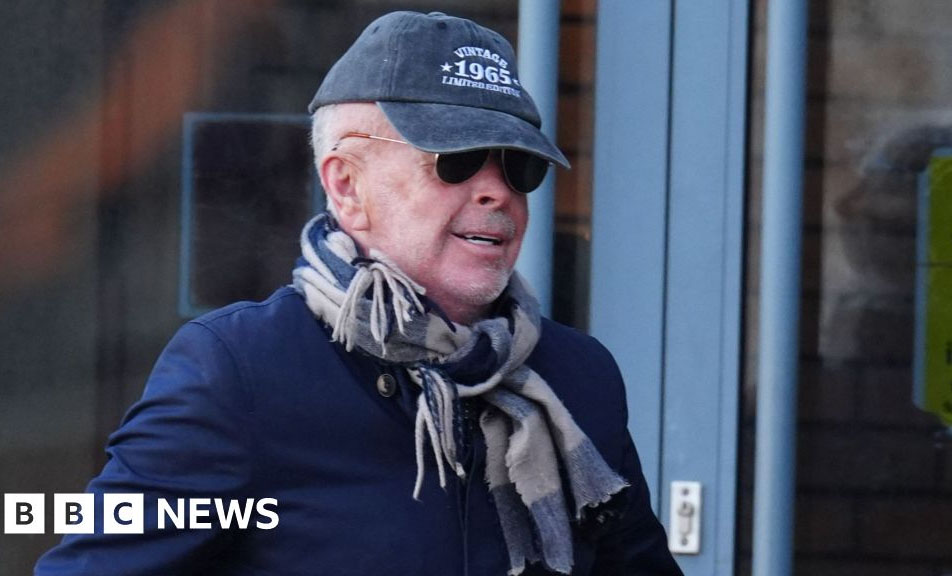
A United Kingdom court has convicted a suspended Reform UK councillor, Glenn Gibbins, over a Facebook post suggesting that Nigerians living in his town should be melted down and used to fill potholes.
Gibbins, 66, who represents the Hylton Castle ward on Sunderland City Council, was found guilty of sending a grossly offensive message following a trial at South Tyneside Magistrates’ Court on Monday, November 9, 2026.
District Judge Zoe Passfield sentenced him to a 12-month community order, including 150 hours of unpaid work.
He was also ordered to pay £650 in court costs and a £114 victim surcharge, bringing his total financial penalty to £764.
The controversial Facebook post was published in March 2024, more than two years before Gibbins was elected to Sunderland City Council.
In the post, he complained about the number of Nigerians in the town and suggested that they should be melted down and used to fill potholes.
The message became public after the campaign group Hope Not Hate examined his social media history ahead of the May 2026 local government elections.
Despite the controversy, Gibbins won the Hylton Castle ward election with 1,295 votes under the Reform UK platform.
The party initially suspended him after the post emerged but later reinstated him following an internal disciplinary process, reportedly issuing him a final written warning.
READ ALSO:
- Three Broken-Down Trucks Paralyse Abuja-Kaduna Highway, Travellers Spend Eight Hours in Gridlock
- Orji Kalu Admits Selling Heavy Weapons to International Buyers
- “Your Connections Won’t Save You,” Police Warn Traffic Offenders
However, he was suspended again after police charged him in July 2026.
During the trial, Gibbins admitted making the post but insisted that it was intended as a joke and should not be taken literally.
He told the court that he had consumed a couple of cans of beer on the night he published the message and had initially attempted to share a similar post written by someone else.
When that failed, he said he typed the message himself and published it on his public Facebook account.
Describing his intention, he maintained that it was a tongue-in-cheek remark rather than a serious threat against Nigerians.
However, prosecutors argued that the statement was grossly offensive and dehumanising because it portrayed Nigerians as people who could be exterminated and reduced to materials for road construction.
Delivering her verdict, Judge Passfield rejected the councillor’s explanation, saying the post specifically targeted Nigerians as an ethnic group and reduced their status as human beings to that of materials used to fill potholes.
She said the comment was neither a genuine political argument nor part of a wider discussion about immigration.
The judge also considered Gibbins’ right to freedom of expression under Article 10 of the European Convention on Human Rights but concluded that the post was not a genuine expression of political views.
The court heard that the publication caused considerable distress among Nigerians living in Sunderland.
Godwin Ejeh, a leader in the Nigerian community, told the court that the post created fear among residents, particularly over their safety and that of their children.
He said the controversy prompted an emergency meeting within the community and a protest outside Sunderland City Hall, where Nigerians demanded an apology from the councillor.
Ejeh, who also contested a council seat under the Liberal Democrats during the May elections, denied suggestions that the matter was being used for political purposes.
He maintained that the issue was about human dignity and the safety of Nigerians living in the area.
Gibbins’ defence lawyer, Adam King, described the Facebook post as an unpleasant and unfunny joke, while raising concerns about the boundaries of freedom of expression.
The court was also told that Gibbins had no previous criminal convictions and had not committed any further offence since publishing the message in 2024.
Following the conviction, his legal team indicated that it intended to appeal the verdict at the Crown Court.
The case has attracted attention among Nigerians at home and abroad, particularly amid concerns about discrimination, xenophobia and the treatment of Nigerian communities in foreign countries.
UK Councillor Gets 150 Hours Community Service Over ‘Melt Nigerians’ Post
International
UK Councillor Gets 150 Hours Community Service Over ‘Melt Nigerians’ Post
UK Councillor Gets 150 Hours Community Service Over ‘Melt Nigerians’ Post
A United Kingdom court has convicted a suspended Reform UK councillor, Glenn Gibbins, over a Facebook post suggesting that Nigerians living in his town should be melted down and used to fill potholes.
Gibbins, 66, who represents the Hylton Castle ward on Sunderland City Council, was found guilty of sending a grossly offensive message following a trial at South Tyneside Magistrates’ Court on Monday, November 9, 2026.
District Judge Zoe Passfield sentenced him to a 12-month community order, including 150 hours of unpaid work.
He was also ordered to pay £650 in court costs and a £114 victim surcharge, bringing his total financial penalty to £764.
The controversial Facebook post was published in March 2024, more than two years before Gibbins was elected to Sunderland City Council.
In the post, he complained about the number of Nigerians in the town and suggested that they should be melted down and used to fill potholes.
The message became public after the campaign group Hope Not Hate examined his social media history ahead of the May 2026 local government elections.
Despite the controversy, Gibbins won the Hylton Castle ward election with 1,295 votes under the Reform UK platform.
The party initially suspended him after the post emerged but later reinstated him following an internal disciplinary process, reportedly issuing him a final written warning.
However, he was suspended again after police charged him in July 2026.
During the trial, Gibbins admitted making the post but insisted that it was intended as a joke and should not be taken literally.
He told the court that he had consumed a couple of cans of beer on the night he published the message and had initially attempted to share a similar post written by someone else.
When that failed, he said he typed the message himself and published it on his public Facebook account.
Describing his intention, he maintained that it was a tongue-in-cheek remark rather than a serious threat against Nigerians.
However, prosecutors argued that the statement was grossly offensive and dehumanising because it portrayed Nigerians as people who could be exterminated and reduced to materials for road construction.
Delivering her verdict, Judge Passfield rejected the councillor’s explanation, saying the post specifically targeted Nigerians as an ethnic group and reduced their status as human beings to that of materials used to fill potholes.
She said the comment was neither a genuine political argument nor part of a wider discussion about immigration.
The judge also considered Gibbins’ right to freedom of expression under Article 10 of the European Convention on Human Rights but concluded that the post was not a genuine expression of political views.
The court heard that the publication caused considerable distress among Nigerians living in Sunderland.
Godwin Ejeh, a leader in the Nigerian community, told the court that the post created fear among residents, particularly over their safety and that of their children.
He said the controversy prompted an emergency meeting within the community and a protest outside Sunderland City Hall, where Nigerians demanded an apology from the councillor.
Ejeh, who also contested a council seat under the Liberal Democrats during the May elections, denied suggestions that the matter was being used for political purposes.
He maintained that the issue was about human dignity and the safety of Nigerians living in the area.
Gibbins’ defence lawyer, Adam King, described the Facebook post as an unpleasant and unfunny joke, while raising concerns about the boundaries of freedom of expression.
The court was also told that Gibbins had no previous criminal convictions and had not committed any further offence since publishing the message in 2024.
Following the conviction, his legal team indicated that it intended to appeal the verdict at the Crown Court.
The case has attracted attention among Nigerians at home and abroad, particularly amid concerns about discrimination, xenophobia and the treatment of Nigerian communities in foreign countries.
UK Councillor Gets 150 Hours Community Service Over ‘Melt Nigerians’ Post
-

 metro3 days ago
[ICYMI] Lagos Summons DisCos, Regulators Over Persistent Power Outages, Seeks 24-Hour Electricity
-
 metro1 day ago
Fayose Petitions IGP, Threatens Lawsuit Over Rape, Torture Allegations
-

 metro2 days ago
‘Miracle’ Turns Sour as Visiting Pastor Vanishes with Congregants’ Phones During Crusade in Edo
-

 Auto2 days ago
Four-day Abuja International Motor Fair begins tomorrow Nov 10
-
 Politics3 days ago
‘My History Is Traceable’: Atiku Fires Back at Tinubu Over University Funding
-

 Politics2 days ago
Tension in Delta as Task Force Members Protest Over Colleague’s Killing at NDC Rally
-
 Politics2 days ago
ADC Raises Alarm as Court Delays Release of Lifu’s Judgment Despite Payment
-

 Railway2 days ago
Tinubu Targets December 3 Inauguration for Kaduna-Kano Rail Project as Construction Hits 90%