

Health
Ebola: FG Rolls Out New Airport Screening Measures, Places 10 States on High Alert

Ebola: FG Rolls Out New Airport Screening Measures, Places 10 States on High Alert
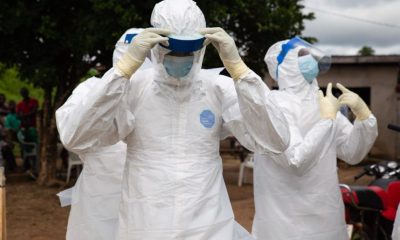
The Federal Government has stepped up surveillance at airports and other entry points across the country following the resurgence of Ebola virus disease in Uganda and the Democratic Republic of the Congo. As part of efforts to prevent the disease from entering Nigeria, authorities have introduced mandatory health screening for incoming passengers, including thousands of pilgrims expected to return from the 2026 Hajj exercise in Saudi Arabia. The measures include the deployment of a dedicated Ebola screening platform for travellers heading to Nigeria, enhanced monitoring at international airports and closer coordination among health and aviation agencies. The latest response follows the declaration by the World Health Organisation on May 17, 2026, that the outbreak linked to the Bundibugyo strain of the virus constitutes a Public Health Emergency of International Concern (PHEIC) .
Speaking on the development, the Director of Operations, Licensing and Training Standards at the Nigeria Civil Aviation Authority (NCAA) , Don Spiff, said travellers bound for Nigeria would be required to complete a health questionnaire before departure. “All passengers flying to Nigeria will have to fill out the Ebola questionnaire before they board the flight,” he said. Spiff explained that the process was being coordinated by the Nigeria Centre for Disease Control and Prevention (NCDC) alongside relevant aviation and health authorities. He noted that the precautionary measure had become even more important as the first batch of Nigerian pilgrims is expected back from Saudi Arabia from June 4 through designated international airports in Lagos, Abuja, Port Harcourt, Enugu and Kano. According to him, support would be provided for pilgrims who may experience difficulties completing the online form due to literacy challenges. He said tour operators, NCDC officials and medical personnel of the Federal Airports Authority of Nigeria (FAAN) would assist affected passengers.
Spiff disclosed that additional screening measures had been introduced for Ugandan Airlines, which operates three flights weekly into Lagos. He stated that flights arriving on Sundays and Mondays would be routed through the Hajj terminal of the Murtala Muhammed International Airport for enhanced health checks and clearance procedures. The NCAA official further revealed that directives had been issued to major international carriers, including Ethiopian Airlines, while staggered arrival schedules were being considered to ease pressure on screening facilities. He added that government agencies would assess the effectiveness of the current measures before deciding on additional interventions.
READ ALSO:
- Gunmen Kill Eight, Burn Six Houses in Imo Community Attack
- Nigeria Beat Jamaica To Clinch Fourth Unity Cup Crown In London
- Trump Will Only Accept Iran Deal That ‘Satisfies His Red Lines’
The NCAA has also instructed all international airlines operating into Nigeria to ensure passengers complete the NCDC Health Declaration Form through the designated portal before arrival. In an advisory dated May 30, 2026, the regulator said surveillance and preparedness activities had been intensified to guard against the importation of Ebola into Nigeria. “The Nigeria Civil Aviation Authority has intensified its surveillance and preparedness measures to prevent the potential importation and spread of the disease into Nigeria,” the advisory stated. The authority said it was working with the Federal Ministry of Health, the NCDC, Port Health Services, state ministries of health and international health organisations to strengthen national preparedness. Airlines were also directed to notify passengers about the health declaration requirement and provide assistance where necessary. Pilots have been instructed to immediately notify Air Traffic Control of any suspected communicable disease case onboard aircraft, while flight crew members must complete Aircraft General Declaration forms for suspected cases. Passengers unable to complete the online process before arrival would be allowed to fill paper forms at the airport, the advisory added. The latest outbreak has rekindled memories of the 2014 Ebola crisis in Nigeria, which was eventually contained after the virus was introduced into the country by Liberian-American diplomat Patrick Sawyer.
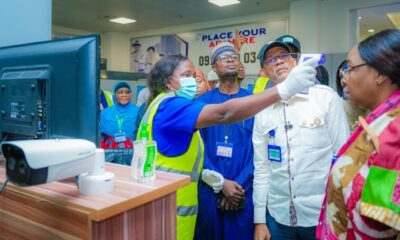
Investigations showed that health screening procedures have already commenced at the Murtala Muhammed International Airport in Lagos. Officials were seen conducting temperature checks, verifying vaccination records and gathering passenger information to support contact-tracing efforts. Similar measures have reportedly been implemented at other international airports nationwide. A security official at the Port Harcourt International Airport, who requested anonymity because he was not authorised to speak publicly on the matter, said monitoring activities by Port Health Services had been strengthened. A traveller arriving from the United Kingdom, identified simply as Adela, observed that screening procedures appeared more stringent than usual, especially for passengers arriving from African countries. The Managing Director of the Federal Airports Authority of Nigeria (FAAN) , Olubunmi Kuku, confirmed that airports across the country had been placed on high alert. “At present, there has been no reported case linked to Ebola at Nigerian airports. However, surveillance and monitoring have been significantly intensified,” she said. FAAN had earlier announced that enhanced Ebola response protocols had been activated at all international airports nationwide, with passengers from high-risk regions undergoing enhanced screening. The authority stated that any suspected case will be promptly isolated and subjected to secondary health checks in line with established national and international health protocols.
READ ALSO:
- ‘I Didn’t Buy ADC Form to Be VP,’ Amaechi Dismisses Speculation
- Appeal Court Sacks Pro-Wike’s Rivers APC Exco, Upholds Nullification of Congresses
- BREAKING: Dangote Refinery Announces New Petrol, Diesel Prices
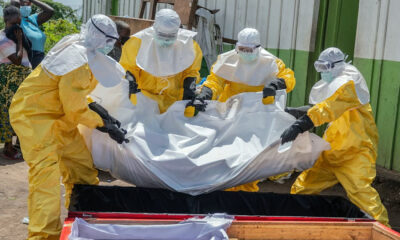
The NCDC has activated nationwide preparedness measures and called on healthcare workers and institutions to maintain a high level of vigilance. In a significant development, the agency has placed Lagos, the Federal Capital Territory (FCT), Kano, Rivers, Enugu, Borno, Akwa Ibom, Cross River, Taraba and Adamawa on high alert over the possible importation of the deadly virus. The NCDC disclosed that a joint Dynamic Risk Assessment conducted with partners showed that “the overall risk of importation of the disease into Nigeria has been assessed as HIGH due to increasing ongoing regional transmission, international travel, regional population movement, major airports, seaports, porous land borders, informal crossings and trade routes.” The agency revealed that more than 1,000 suspected cases and 247 deaths linked to the outbreak have already been recorded in Congo and Uganda, with a fatality rate estimated at 24.6 percent. Its Director-General, Jide Idris, warned that Nigeria remains vulnerable because of international travel and the similarity between Ebola symptoms and those of diseases such as malaria and Lassa fever. He emphasised the importance of promptly identifying suspected cases and adhering strictly to infection prevention and control measures. The NCDC also clarified that the Bundibugyo Ebola strain currently has no approved vaccine or targeted treatment, making early detection and strict public health measures critical to preventing an outbreak. Existing Ebola vaccines and monoclonal antibody therapies are mainly designed for the Zaire strain and may not provide protection against the current outbreak.
A public health physician and epidemiologist, Prof Tanimola Akande, urged Nigerians to remain vigilant and support efforts aimed at preventing a possible outbreak. He warned that the disease could spread from infected animals to humans and subsequently from person to person. “Citizens can take preventive measures such as proper handling of animals during hunting and while displaying dead animals for sale. Nigerians need to be aware of Ebola and know the common symptoms so they can promptly identify suspected cases,” Akande said. He advised that suspected cases should be taken to health facilities immediately and urged Nigerians to avoid close contact with individuals showing symptoms of the disease. The epidemiologist also called for intensified surveillance at airports, seaports and land borders. “Passengers should be screened to ensure that suspected cases are identified early, isolated and moved to appropriate health facilities,” he said. Akande noted that the NCDC was already collaborating with relevant stakeholders to strengthen preparedness. He warned that the Bundibugyo strain currently responsible for the outbreak has a fatality rate of between 30 and 50 per cent and could remain undetected for weeks. “It is, therefore, very important that precautionary measures are taken by the government, partners and Nigerians to ensure that no outbreak is recorded in Nigeria,” the epidemiologist added.
As of the time of this report, Nigeria has not recorded any confirmed case of Ebola Virus Disease. The NCDC continues to monitor the situation closely and has assured citizens that all necessary protocols are in place to prevent the importation and spread of the virus. The agency urged Nigerians to remain calm but vigilant, report any suspected cases to the nearest health facility, and adhere to all public health advisories.
Ebola: FG Rolls Out New Airport Screening Measures, Places 10 States on High Alert





Health
WHO Declares Nigeria Ebola-Free, 52 Contacts Remain Under Surveillance

WHO Declares Nigeria Ebola-Free, 52 Contacts Remain Under Surveillance
The World Health Organisation has declared Nigeria free of active Ebola cases after the evacuation of country’s lone confirmed patient to Switzerland.
Health authorities however continue to monitor 52 contacts to prevent a possible spread of the deadly disease.
The WHO Regional Director for Africa, Dr Mohamed Janabi, announced this in a statement posted on his verified X handle on Monday, confirming that Nigeria would retain responsibility for monitoring 52 contacts, while Switzerland would take over the patient’s continued medical care and follow up with her husband.
Janabi said the patient was clinically stable after Nigerian medical teams successfully managed her through the acute phase of the illness and stabilised her condition before her evacuation.
“Nigeria is now Ebola-free following the evacuation of the index patient to Switzerland,” he said.
He added that Nigeria would maintain close follow-up of the 52 contacts, while Switzerland would assume responsibility for the continued management of the patient and the monitoring of contact number 53, her husband.
The development follows an earlier confirmation by the Nigeria Centre for Disease Control and Prevention that the country had recorded an imported Ebola case involving a patient from Uganda.
Following the confirmation, the NCDC placed 53 contacts under surveillance in Abuja as part of measures to track possible exposure and prevent further transmission.
Although the evacuation of the patient has removed the confirmed case from Nigeria, health authorities are expected to sustain surveillance of the identified contacts in line with established public health protocols.
The monitoring exercise remains critical to ensuring that any potential emergence of symptoms among those exposed is detected promptly and managed appropriately.
Ebola is a severe and often fatal disease that can spread through direct contact with the blood and other bodily fluids of an infected person or someone who has died from the disease.
Public health authorities typically rely on early detection, contact tracing, isolation and appropriate medical care to contain outbreaks and prevent further transmission.
With the index patient now receiving continued care in Switzerland, Nigeria’s immediate focus remains on monitoring the 52 contacts and ensuring that the outbreak does not lead to further infections.
Health
NAFDAC Busts Illegal Herbal Factory in Lagos, Arrests Manager Over Fake Registration Number
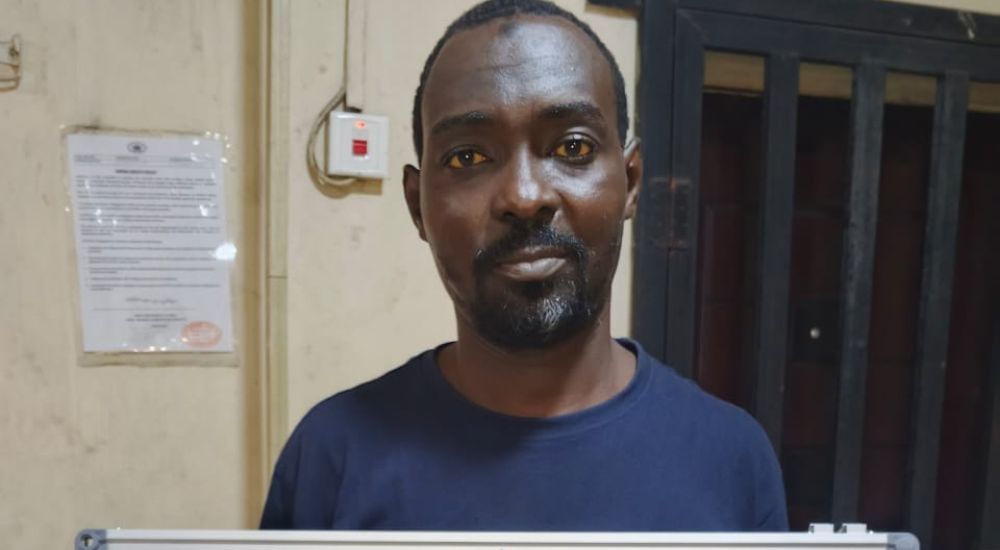
LAGOS — The National Agency for Food and Drug Administration and Control (NAFDAC) has uncovered a suspected illegal herbal product manufacturing facility in Agege, Lagos State, and arrested its manager over the alleged use of a falsified registration number on herbal products.
The agency disclosed the development on Wednesday, October 21, 2026, following an investigation triggered by a report published by The Guardian on October 10 concerning herbal products allegedly carrying fake NAFDAC registration numbers.
According to NAFDAC, its investigative team conducted surveillance before discovering three variants of Asheitu Adams Bitters bearing registration number A7-1827L.
However, checks through the agency’s NAFDAC Automated Product Administration and Monitoring System (NAPAMS) revealed that the registration number belonged to Greentol Cough Syrup, rather than the herbal bitters.
The agency said the discovery confirmed the fraudulent use of the registration number on the products.
During the operation, the company’s managing director and chief executive officer was reportedly absent, while the manager was arrested for further interrogation as investigations continued.
The Sun identified the arrested manager as 39-year-old Abdullazeez Saidu from Kano State. NAFDAC had not announced any court charges against him as of Wednesday.
READ ALSO:
- NELFUND Warns Schools: Student Loans Are Voluntary, Not Compulsory
- ‘I Never Asked Them to Abandon Loved Ones’ — Obi Clarifies Diaspora Remarks
- FG Confirms Ebola Case in Abuja, Identifies 44 Contacts
The agency urged members of the public to provide credible information about suspected illegal manufacturing activities to help strengthen enforcement efforts and protect consumers from potentially unsafe products.
NAFDAC provided the following channels for reporting suspected violations: its call centre numbers, 0800-1-623322 and 0700-1-623322, and the email address reforms@nafdac.gov.ng.
The discovery comes amid a series of enforcement operations by the agency against suspected counterfeit and adulterated products in Lagos and other parts of the country.
On October 14, NAFDAC reported uncovering a suspected facility at the International Trade Fair Complex in Lagos where expired alcoholic and non-alcoholic beverages were allegedly being repackaged for sale. The agency also reported seizures of suspected counterfeit alcoholic drinks in other operations.
The latest operation highlights concerns about the misuse of regulatory registration numbers, which consumers often rely on when assessing whether products have been registered for sale in Nigeria.
NAFDAC has repeatedly urged consumers to verify product registration details and report suspicious products or manufacturing activities.
The agency’s investigation into the Agege facility is ongoing, and further details about the products recovered, their distribution and any potential health effects have not been publicly disclosed.
NAFDAC Busts Illegal Herbal Factory in Lagos, Arrests Manager Over Fake Registration Number
Health
FG Confirms Ebola Case in Abuja, Identifies 44 Contacts

FG Confirms Ebola Case in Abuja, Identifies 44 Contacts
The Federal Government has confirmed a case of Ebola virus disease (EVD) in the Federal Capital Territory (FCT), Abuja, after laboratory tests returned positive for a woman who recently arrived in Nigeria from Uganda.
The Coordinating Minister of Health and Social Welfare, Professor Muhammad Ali Pate, announced the development on Tuesday, October 20, 2026, saying health authorities had identified 44 close contacts and commenced contact tracing to prevent further transmission.
According to the minister, the patient was admitted to a private hospital in Abuja, where she received medical attention for several days before the infection was confirmed. She is currently in isolation and receiving medical care.
The Federal Ministry of Health and Social Welfare is coordinating the response with the Nigeria Centre for Disease Control and Prevention (NCDC), the FCT Health Services Secretariat and other relevant authorities.
Public health teams are tracing and monitoring people who may have been exposed to the patient, including healthcare workers, other patients, caregivers and people who travelled with her.
The government said surveillance had been intensified, while the hospital where the woman received treatment was receiving support to strengthen infection prevention and control measures.
The minister urged public and private healthcare facilities across Nigeria to remain on high alert and promptly identify, isolate and report suspected cases to the appropriate public health authorities.
READ ALSO:
- Breaking: Afenifere Leader Pa Fasoranti Dies at 100
- Army Major, Soldiers Killed in ISWAP Ambush in Yobe State
- Chaos in Abeokuta as Algerian Fans Attack Coach, Vandalise Stadium After Rangers Defeat
Healthcare workers were also directed to maintain strict infection prevention and control practices to reduce the risk of exposure and protect patients and medical personnel.
Pate appealed to Nigerians to remain calm, vigilant and cooperative with health officials, stressing that early detection and prompt reporting were essential to containing the infection.
He noted that Nigeria had successfully contained an Ebola outbreak in 2014 and had experience and public health systems to respond to the current situation.
The government also urged anyone contacted during the tracing exercise, including passengers who may have travelled with the patient, to provide the necessary information and comply with official public health guidance.
Ebola virus disease is a serious illness that can spread through direct contact with the blood or other body fluids of an infected person who has developed symptoms, or through contaminated objects and materials.
Symptoms may include fever, severe weakness, headache, vomiting and diarrhoea. The incubation period ranges from two to 21 days.
Anyone who believes they may have been exposed and subsequently develops symptoms should contact public health authorities for guidance and avoid close contact with others while awaiting advice.
The NCDC operates a toll-free call centre on 6232, available 24 hours a day, seven days a week, for information and reports of suspected cases.
Nigeria’s latest case comes amid a wider Ebola outbreak affecting parts of Africa, including the Democratic Republic of the Congo and countries in East Africa. The NCDC had previously warned of the risk of imported infections and strengthened national preparedness measures.
The Federal Government said investigations and contact tracing were continuing, with further updates expected through the NCDC and the Presidential Task Force on Ebola Virus Disease.
Authorities have urged the public to rely on verified information, follow official health advice and avoid spreading unconfirmed reports as efforts continue to contain the infection.
FG Confirms Ebola Case in Abuja, Identifies 44 Contacts
-

 News22 hours ago
BREAKING: Lagos Senator Idiat Adebule Dies at 56, Hours After Birthday Celebration
-

 News9 hours ago
Canada’s ICAS Stops Assessing Certificates From Four Nigerian Universities, Graduates Face Uncertainty
-
 metro1 day ago
Patience Jonathan Challenges Claims Of Goodluck’s Second Wife, Cites Court Marriage In Viral Interview
-

 News2 days ago
Adeleke Begins Second Term, Pledges Industrialisation, Jobs, Infrastructure
-

 Politics2 days ago
Fayose Accuses Obasanjo Of Using Tinubu Visit To Pursue Daughter’s Governorship Ambition
-

 Politics2 days ago
OK Movement Faction Withdraws Support for Obi, NDC, Pulls Nationwide Structures
-

 News9 hours ago
How Senator Adebule Reportedly Collapsed During APC Campaign Before Her Death
-

 metro2 days ago
BREAKING: Sanwo-Olu Cancels November 28 Environmental Sanitation Exercise Over INEC Mock Accreditation