

metro
Miyetti Allah President Remanded Over $2.63m Money Laundering, Terrorism Charges
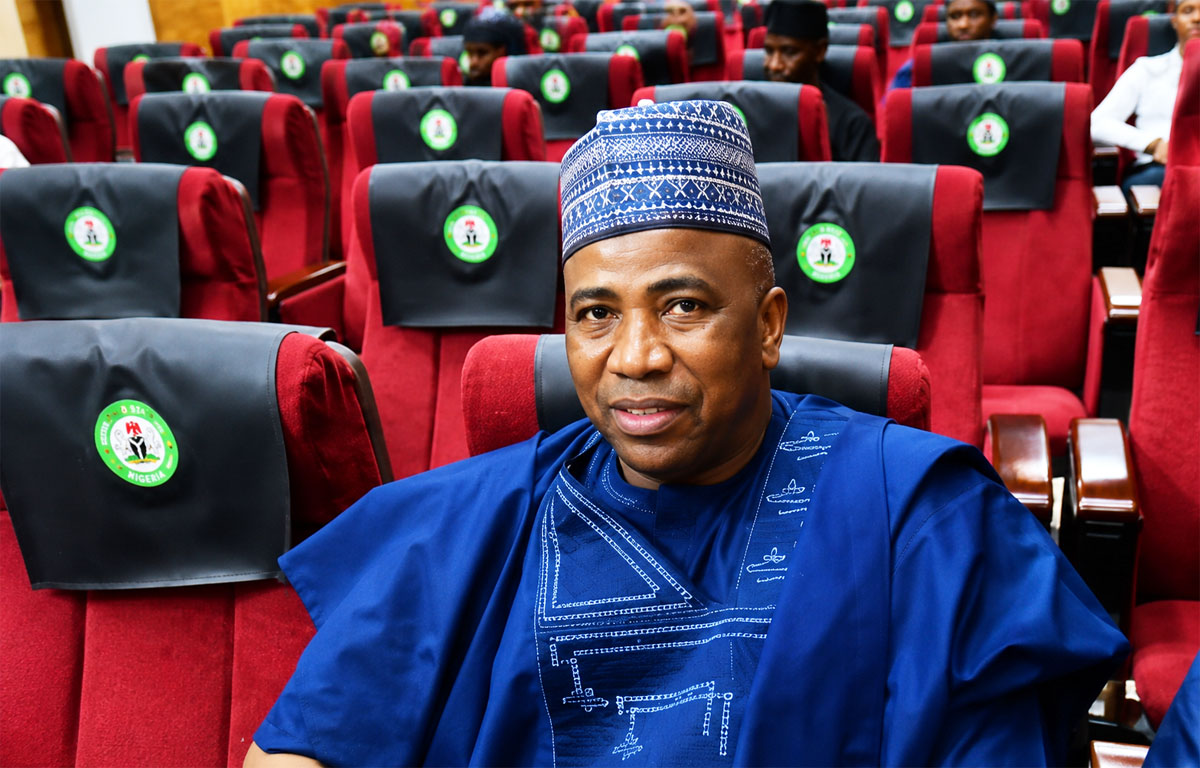
Miyetti Allah President Remanded Over $2.63m Money Laundering, Terrorism Charges
- Bello Bodejo pleads not guilty to 12-count charge as EFCC opposes bail, citing flight risk and witness interference concerns
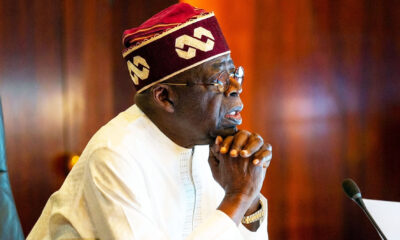
The Federal High Court in Abuja has ordered the remand of the National President of Miyetti Allah Kautal Hore, Bello Bodejo, in the custody of the Economic and Financial Crimes Commission (EFCC) over allegations of laundering **$2.63 million** and engaging in transactions linked to the **financing of terrorism**. Justice Inyang Ekwo issued the order on Thursday after Bodejo was arraigned by the anti-graft agency on multiple counts bordering on alleged violations of Nigeria’s money laundering laws and terrorism financing provisions. Bodejo was brought before Justice Inyang Ekwo, where he pleaded **not guilty** to all the counts after the charges, dated June 24 and filed on June 25, 2026, were read to him. The EFCC, represented by its counsel **Wahab Shittu, SAN**, informed the court that the matter was fixed for the defendant to enter his plea, and the defence counsel, **Ahmed Raji, SAN**, did not object, allowing the arraignment to proceed. According to the charge marked FHC/ABJ/CR/375/2026, the EFCC accused the Miyetti Allah leader of laundering approximately $2.63 million, offences said to contravene the provisions of the Money Laundering (Prevention and Prohibition) Act, 2022, and the Terrorism (Prevention and Prohibition) Act, 2022.
Following Bodejo’s not-guilty plea, the prosecution urged the court to fix a trial date and order the defendant’s remand pending trial. However, Bodejo’s lawyer, Ahmed Raji, informed the court that he had filed a bail application dated June 30, 2026, and urged the judge to hear the motion immediately. Raji argued that the alleged offences are bailable under the Administration of Criminal Justice Act (ACJA) and urged the court to grant his client bail on liberal terms, noting that Bodejo had consistently made himself available to law enforcement agencies and posed no flight risk. Opposing the application, the prosecution filed a 28-paragraph counter-affidavit dated July 6, 2026, arguing that the defendant posed a flight risk and could interfere with witnesses. Shittu told the court that the Department of State Services (DSS) was “on the watch out for him” and that, “being an influential person, he may manipulate the witnesses and progress of the case”. The prosecution also dismissed the defendant’s claim of ill health, contending that the injury cited was not recent and that Bodejo did not appear to be in poor health. Justice Ekwo declined to grant bail immediately and subsequently ordered that Bodejo be remanded in the EFCC’s holding facility pending a ruling on his application. The judge adjourned the matter to July 20, 2026, for a ruling on the bail application. In addition to the money laundering allegations, the EFCC also accused the Miyetti Allah leader of engaging in transactions allegedly linked to the financing of terrorism, an accusation that adds a layer of gravity to the proceedings as the court prepares to rule on his bail application next week.
READ ALSO:
- NANS exposes 43 institutions over alleged failure to refund NELFUND tuition fees
- Xenophobia: Youth Group Issues Picketing Notice to MTN Nigeria
- Flooding, Grid Disruptions Trigger Blackouts Across Lagos, Osun Communities
According to the charge filed by the EFCC on June 25, Bodejo allegedly accepted cash payments totalling about $2.63 million from **Sa’idu Abubakar**, a former Accountant-General of Bauchi State who is currently in police custody over separate corruption allegations. The anti-graft agency alleged that the transactions, carried out between January 2022 and March 2024 in Abuja, exceeded the statutory cash transaction threshold permitted under Nigeria’s money laundering laws and were not processed through financial institutions as required. The specific allegations include that Bodejo received **$100,000** on January 11, 2022; $200,000** on January 21, 2022; **$100,000 on October 26, 2022; $980,000** on February 7, 2024; **$750,000 on March 3, 2024; and **$500,000** on March 20, 2024. Count one of the charge reads that Bodejo “did knowingly and wilfully, without lawful authority or excuse, accept a cash payment of the sum of One Hundred Thousand United States Dollars (USD $100,000.00) in physical currency from one Sa’idu Abubakar, a former Accountant-General of Bauchi State who is currently in the lawful custody of the Nigeria Police Force, which sum exceeded the statutory cash transaction threshold of Five Million Naira (N5,000,000.00), prescribed under Section 1(a) of the Money Laundering (Prohibition) Act, 2011 (as amended), without routing the said transaction through a financial institution as required by law”. Count four of the charge alleges that Bodejo “did knowingly and wilfully, without lawful authority or excuse, accept a cash payment of the sum of Nine Hundred and Eighty Thousand United States Dollars (USD $980,000.00) in physical currency from one Sa’idu Abubakar, a former Accountant-General of Bauchi State, who is currently in the lawful custody of the Nigeria Police Force, which sum exceeded the statutory cash transaction threshold of Five Million Naira (N5,000,000.00) prescribed under Section 2(1)(a) of the Money Laundering (Prevention and Prohibition) Act, 2022, without routing the said transaction through a financial institution as required by law”. The EFCC said the transactions violated provisions of both the Money Laundering (Prohibition) Act, 2011 (as amended) and the Money Laundering (Prevention and Prohibition) Act, 2022, which prohibit cash transactions above the prescribed threshold outside the banking system.
Meanwhile, Sa’idu Abubakar, the former Bauchi State Accountant-General who is alleged to have made the cash payments to Bodejo, is currently facing separate legal troubles. In June 2026, the Bauchi State Government filed a 16-count criminal charge against Abubakar, accusing him of allegedly procuring unauthorised loans and diverting public funds totalling about N11.01 billion. According to the amended charge filed before the Bauchi State High Court, the prosecution alleged that Abubakar, while serving as Accountant-General between 2023 and 2024, fraudulently obtained loan facilities from United Bank for Africa (UBA) and Polaris Bank using forged State Executive Council and House of Assembly resolutions. The prosecution further alleged that the loans were purportedly secured for the supply of thousands of motorcycles to Bauchi State civil servants through Emmanuel Asomugha General Enterprises. Abubakar is currently being held at the Bauchi Correctional Centre following the revocation of his bail. The connection between the two cases raises questions about the source of the funds allegedly paid to Bodejo and whether they may have originated from the diverted public funds Abubakar is accused of misappropriating, though no direct link has been established in court filings.
READ ALSO:
- Gbajabiamila Scandal a Plot to Embarrass Tinubu, Says Wike
- Lasaco Assurance pays N17.60bn in claims, assures policyholders of prompt settlements
- ‘I didn’t eat or bathe for four days,’ Peller says after police detention
The fresh charges against Bodejo come months after he separately faced prosecution by the Federal Government over the alleged establishment of an unauthorised vigilante outfit. In that case, the Federal Government had accused Bodejo of setting up a group known as the “Nomad Vigilante Group” without lawful authority, an action that generated nationwide debate over community security initiatives and the regulation of private armed groups in Nigeria. Bodejo had pleaded not guilty to that charge as well, and the case has been ongoing. The Miyetti Allah leader has also been a controversial figure in Nigeria’s security discourse, particularly regarding conflicts between herders and farmers in various parts of the country. His arrest and arraignment on money laundering and terrorism financing charges have therefore attracted significant public attention, with many viewing the case as a test of the government’s commitment to tackling high-profile corruption and security-related financial crimes.
As the court prepares to rule on the bail application on July 20, the case continues to draw public attention, particularly given the involvement of a prominent leader of a major herders’ association and the gravity of the allegations of money laundering and terrorism financing. If convicted, Bodejo faces a maximum sentence of 14 years imprisonment for each count, according to the Money Laundering (Prevention and Prohibition) Act, 2022. The EFCC has indicated that it will continue to pursue the case vigorously, while Bodejo’s legal team has expressed confidence that their client will be granted bail and ultimately exonerated. The case is expected to proceed to trial once the bail application is determined, with the court set to hear witnesses and examine evidence from both sides. The outcome of the bail application on July 20 will determine whether Bodejo remains in EFCC custody or is released pending trial, a decision that will likely have significant implications for the broader political and security landscape in Nigeria.
Miyetti Allah President Remanded Over $2.63m Money Laundering, Terrorism Charges








metro
MURIC Urges FG to Suspend NYSC Scheme, Discharge 20 Freed Corps Members
MURIC Urges FG to Suspend NYSC Scheme, Discharge 20 Freed Corps Members
The Muslim Rights Concern (MURIC) has called on the Federal Government to suspend the National Youth Service Corps (NYSC) scheme until the country’s worsening insecurity is brought under control.
The Islamic human rights organisation also demanded the immediate discharge of 20 corps members recently released after spending a week in the custody of kidnappers in Imo State.
MURIC urged the government to issue the affected corps members their NYSC discharge certificates and pay them the allowances they would have received throughout the 2026/2027 service year as compensation for their ordeal.
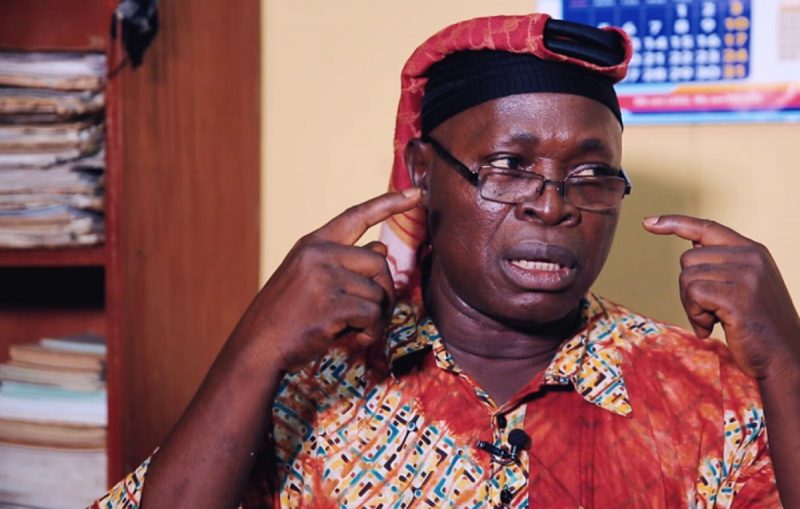
The group’s Founder and Executive Director, Professor Ishaq Akintola, made the demands in a press release issued on Friday, October 9, 2026.
Akintola said the abduction of the corps members had highlighted the security challenges facing participants in the national service scheme, arguing that young Nigerians should not be exposed to such risks while fulfilling their national obligations.
MURIC welcomed the release of the 20 corps members and expressed gratitude for their safe return, while congratulating their parents and families.
The organisation, however, said the traumatic experience of the freed corps members and others who had suffered similar ordeals warranted a review of the scheme’s operation amid persistent insecurity.
READ ALSO:
- ‘Mad People’: Presidency Fires Back at Amaechi Over Tinubu Re-Election Remarks
- ‘What Happens on Day 31?’ Atiku Slams Tinubu’s 30-Day Fuel Discount as Election-Laced Package
- Ronaldo Breaks Silence on Portugal Row as Pelé, Maradona Comparison Sparks Meme Frenzy
According to Akintola, insecurity has become the scheme’s greatest challenge, placing the Federal Government under an obligation to protect young Nigerians participating in national service.
He argued that the government had a responsibility, in its capacity as a guardian, to ensure the safety of corps members deployed to different parts of the country.
“However, in view of the apparent inability to do this, at least presently, we demand the suspension of the NYSC scheme until FG is able to take full control of the security situation in the country,” he said.
The group also insisted that the 20 freed corps members should not be required to continue their service after their reported week-long ordeal in captivity.
MURIC proposed that the affected individuals be formally discharged and compensated with the allowances they would otherwise have earned during the entire 2026/2027 service year.
The organisation said its demands were aimed at protecting young Nigerians from further exposure to kidnapping and other security threats associated with national service.
The call comes amid renewed concerns over the safety of corps members travelling to their places of deployment, particularly in areas affected by kidnapping and other security challenges.
The NYSC scheme, established in 1973, requires eligible Nigerian graduates to undertake a year of national service, including deployment to states other than their places of origin in many cases.
MURIC’s proposal would require a major policy decision by the Federal Government and the relevant authorities responsible for administering the scheme.
The government had yet to respond to the demands contained in the statement at the time of this report.
MURIC Urges FG to Suspend NYSC Scheme, Discharge 20 Freed Corps Members
metro
MTN Network Outage Hits Lagos, Abuja, Four Other Areas as NCC Reports Service Restoration
MTN Network Outage Hits Lagos, Abuja, Four Other Areas as NCC Reports Service Restoration
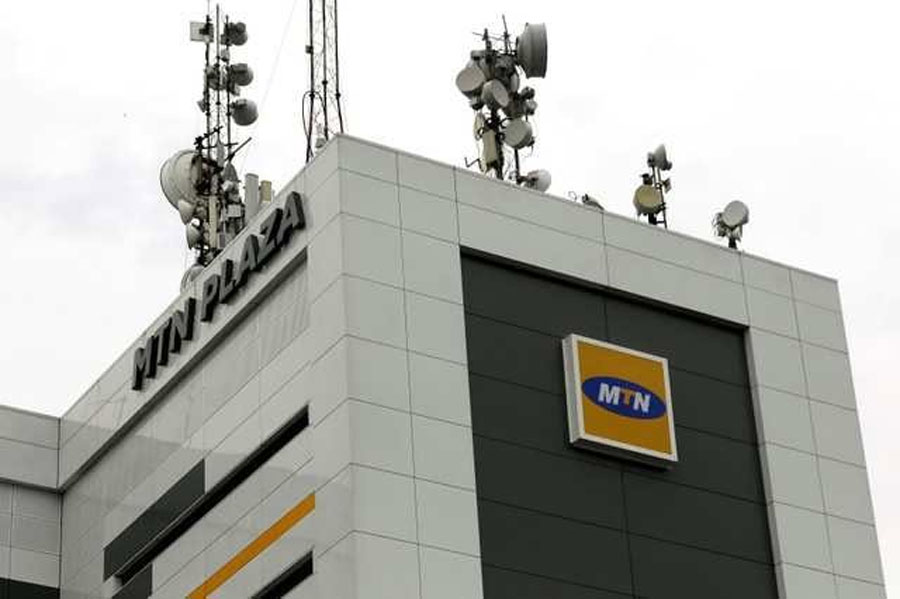
MTN Nigeria subscribers experienced service disruptions across parts of Lagos, Oyo, Rivers and Delta states, as well as the Federal Capital Territory (FCT), following a network outage that affected calls, internet access and other telecommunications services.
The disruption was reported on Thursday, October 8, prompting the telecommunications operator to alert customers that some services might be temporarily unavailable while its technical team worked to resolve the problem.
MTN announced the outage in a notice posted on its official X account, identifying the affected areas as parts of Oyo, Lagos, Rivers, the FCT and Delta states.
The company said its engineers were working to restore normal services as quickly as possible and appealed to customers for patience.
In a subsequent message, the operator apologised to subscribers experiencing difficulties and reiterated that its technical team was addressing the problem.
The disruption affected key telecommunications services, with the Nigerian Communications Commission (NCC) reporting interruptions to voice calls, text messages, data and short-code services.
According to an incident update published by the NCC, the outage was recorded at about 2:45 p.m. on Thursday, with the regulator initially classifying the disruption as a major outage.
The NCC’s incident information attributed the problem to high temperatures at an MTN data centre. The regulator subsequently reported that data and fibre services were affected in Ibadan, Lagos, Port Harcourt, Abuja and Asaba.
However, neither MTN nor the regulator disclosed the number of subscribers affected by the disruption.
The outage raised concerns among customers who depend on mobile connectivity for business communications, online banking, digital payments, remote work and other everyday activities.
READ ALSO:
- Lagos Train Crash: Panic as Train Smashes Honda Car at PWD Crossing, Many Feared Dead
- How Parents Raised Millions to Free 20 Abducted NYSC Members
- Lasaco Assurance Retains A(NG) Rating as Revenue Rises 35.2% to N30.8bn
For businesses that rely on internet access and telephone services to communicate with customers, even temporary network interruptions can delay transactions and disrupt operations.
MTN did not initially provide a specific timeline for restoring all affected services, leaving subscribers waiting for further updates from the company.
However, the NCC subsequently marked the incident as resolved. In an update checked at about 6:29 a.m. on Friday, October 9, the regulator’s incident history stated that power had been restored and all services were back.
The restoration notice provided an indication that the disruption had been addressed, although the regulator did not disclose how many customers had been affected or provide a breakdown of the impact across the affected locations.
The outage also coincided with MTN’s ongoing airtime compensation exercise for eligible subscribers affected by poor network quality recorded between February and April 2026, following directives from telecommunications regulators.
The compensation exercise relates to earlier service failures and is separate from the October 8 outage. MTN had not announced whether subscribers affected by the latest incident would receive additional compensation.
The latest disruption has again drawn attention to the importance of reliable telecommunications infrastructure as Nigerians increasingly depend on mobile networks for communication, financial transactions, education and commercial activities.
MTN has said its engineers are working to resolve service problems as quickly as possible, while the NCC continues to monitor reported network incidents through its service-disruption platform.
Subscribers experiencing persistent difficulties despite the reported restoration may contact MTN customer care or monitor the company’s official channels for further updates.
MTN Network Outage Hits Lagos, Abuja, Four Other Areas as NCC Reports Service Restoration
metro
[UPDATED] Lagos Train Crash: 55-Year-Old Motorist Survives as Honda Car Is Wrecked at PWD Crossing

[UPDATED] Lagos Train Crash: 55-Year-Old Motorist Survives as Honda Car Is Wrecked at PWD Crossing
A 55-year-old motorist escaped unhurt after a moving train collided with his Honda car at the PWD railway crossing in Ikeja, Lagos, on Friday morning, October 9, 2026.
The collision occurred at about 6:54 a.m. along the Agege Motorway, involving a train travelling towards Agege and a Honda car with registration number EKY 902 JT.
The impact extensively damaged the car, leaving it virtually written off. However, the Lagos State Traffic Management Authority (LASTMA) confirmed that the driver survived without injuries and that no casualty was recorded at the scene.
LASTMA operatives and security personnel swiftly intervened after the collision, rescuing the motorist and removing the wrecked vehicle from the railway track.
Their coordinated response cleared the obstruction and allowed the train to continue its journey towards Agege.
Despite the removal of the vehicle, traffic congestion persisted around the PWD axis, disrupting movement along the affected corridor during the morning rush hour.
The wrecked Honda was subsequently handed over to security personnel for further investigation to establish the circumstances surrounding the collision.
The incident had initially raised fears of possible fatalities after reports emerged that a train had smashed into a car at the busy railway crossing. However, the latest information from LASTMA confirmed that the driver survived without injury.
READ ALSO:
- How Parents Raised Millions to Free 20 Abducted NYSC Members
- Lasaco Assurance Retains A(NG) Rating as Revenue Rises 35.2% to N30.8bn
- Man Allegedly Caught Using Old Tyres to Scam POS Operator
Reacting to the incident, LASTMA General Manager, Olalekan Bakare-Oki, commended the agency’s operatives and security personnel for their prompt and coordinated response.
He stressed the importance of cooperation among emergency responders in managing incidents involving railway operations and adjoining road infrastructure.
Bakare-Oki also urged motorists to exercise extreme caution when approaching railway crossings and designated train corridors, warning against attempting to cross the tracks when a train is approaching or already in motion.
He noted that disregarding railway safety regulations could result in devastating and irreversible consequences.
LASTMA appealed to motorists and other road users to obey traffic instructions, warning signs and railway safety regulations, emphasising that responsible driving and caution could prevent avoidable accidents.
The crash has renewed attention on safety at railway crossings in Lagos, particularly at busy intersections where road traffic and train operations share the same corridor.
The PWD railway crossing has witnessed fatal incidents in the past. In October 2025, a dispatch rider died after colliding with a moving train at the crossing in Ikeja. Preliminary findings at the time indicated that the rider attempted to cross the tracks while travelling at excessive speed.
Another major incident occurred in March 2023, when a train collided with a Lagos State Government staff bus, killing six people and injuring about 96 others.
Those incidents involved different circumstances from Friday’s collision, in which LASTMA confirmed that the motorist survived without injury.
Motorists are advised to approach railway crossings cautiously, obey warning signals and never attempt to cross when a train is approaching. Trains require considerable stopping distances and may be unable to avoid vehicles obstructing the tracks.
[UPDATED] Lagos Train Crash: 55-Year-Old Motorist Survives as Honda Car Is Wrecked at PWD Crossing
-
 metro1 day ago
[UPDATED] 20 NYSC Prospective Corps Members Freed After Seven Days in Captivity
-
 Politics2 days ago
‘No Decent Wages, No Credible Elections’ — Sowore Threatens 2027 Boycott
-
 metro2 days ago
Seven Years With Parkinson’s: Man Seeks N65m for Brain Surgery in Türkiye
-

 Politics2 days ago
2027: Obi Makes U-Turn, Vows to Restore Fuel Subsidy If Elected
-

 metro2 days ago
Yayi, Adebule, Muslim Leaders, Others for Imodi-Ijebu Turbaning, ₦1bn Fundraiser
-
 Politics2 days ago
2027: Galadima Alleges APC Offering N50m, N200m to Lawmakers to Step Aside
-
 metro1 day ago
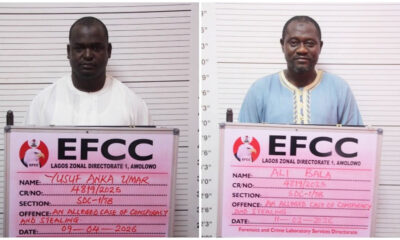
EFCC Re-Arraigns Two Over Alleged £110,000 Money Laundering, ₦500m Fraud
-
 metro1 day ago
NAF Crash: NYSC-Bound Graduate, Only Son, Among 25 Victims