

metro
Sir Joseph Ezeokafor, Jowizaza’s Billionaire Father, Reportedly Kidnapped in Anambra

Sir Joseph Ezeokafor, Jowizaza’s Billionaire Father, Reportedly Kidnapped in Anambra
Jezco Oil founder abducted while praying alone on Awka mountain; Ekwulobia community suspends New Yam Festival for first time in its history
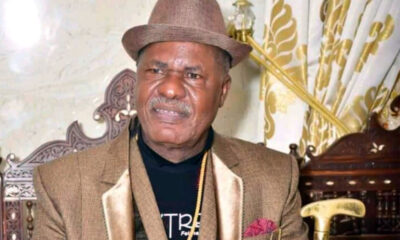
Billionaire businessman and founder of Jezco Oil and Jezco Group, Sir Joseph Ezeokafor, has been reportedly abducted in Awka, Anambra State, after allegedly going alone to a mountain for overnight prayers. Ezeokafor, who is also the father of popular Nigerian social media personality Jowizaza, was reportedly kidnapped last week at Ifite Awka. The alleged abduction was disclosed in a Facebook post on Sunday by lawyer Chukwudi Iwuchukwu, who claimed that the businessman had gone to the mountain without his security aides and police personnel who usually accompanied him. According to Iwuchukwu, unidentified gunmen allegedly seized Ezeokafor while he was praying and took him to an undisclosed location. “Sir Joseph Ezeokafor, a Nigerian billionaire businessman, the founder of Jezco Oil and the Jezco Group, who is also the father of Nigerian Instagram celebrity Jowizaza, was reportedly kidnapped last week from a bush in Awka, in Anambra State,” Iwuchukwu wrote. Iwuchukwu alleged that Ezeokafor had gone to the mountain “alone to pray and seek the face of God” without his security details and police escorts, despite usually moving with them. He further claimed that the businessman was abducted during the prayer session and taken to an unknown destination. Reports indicate that Ezeokafor had made it a regular practice to seek spiritual solitude at the mountain location for overnight prayers.
READ ALSO:
- Sanusi needs one point for first-class degree, Kano Emirate debunks viral claim
- Osun 2026: Oyinlola Leads PDP Heavyweights to Endorse APC’s Oyebamiji
- NRS Boss Blasts $279 Million Frontier Fund Fraud Claims as Sponsored Fake News
The reported incident has thrown Ekwulobia, Ezeokafor’s hometown in Aguata Local Government Area, into anxiety and mourning, with residents reportedly expressing deep concern over his disappearance. Iwuchukwu described Ezeokafor as the community’s wealthiest man and said the reported abduction had disrupted preparations for its annual New Yam Festival. According to a community source, the traditional ruler of Ekwulobia, His Royal Majesty Igwe Emmanuel Chukwukadibia Onyeneke, has officially suspended the Ekwulobia New Yam Festival, which had been scheduled for September 4, 2026. “The Igwe said the community of Ekwulobia cannot celebrate while their son remains in the custody of the kidnappers,” the source told Daily Post. According to Iwuchukwu, the postponement is unprecedented, as the community had never previously suspended the festival in its history. The decision reflects the seriousness with which the community is treating Ezeokafor’s reported abduction. The New Yam Festival is one of the major cultural events celebrated across Igboland, marking the beginning of the harvest of new yam.
The circumstances surrounding Ezeokafor’s reported abduction, his current whereabouts, and the identity of those allegedly responsible remain unclear. A source told Daily Post that Ezeokafor was allegedly kidnapped on Tuesday evening when he stepped out of his house without his security men. It is also unclear whether the kidnappers have established contact with Ezeokafor’s family or whether a ransom has been demanded. As of the time of filing this report, there was no official statement from the Anambra State Government, the Nigeria Police Force, or Ezeokafor’s family confirming the incident. The reported abduction comes against the backdrop of persistent concerns over kidnapping and other forms of criminal activity in parts of Anambra State and the wider South-East region, where wealthy individuals, business owners, and traditional rulers have increasingly been targeted for ransom.
Sir Joseph Ezeokafor is the founder and Chief Executive Officer of Jezco Oil and the Jezco Group of Companies, a conglomerate with a prominent presence in Nigeria’s oil and gas sector. He is widely respected as one of the prominent businessmen from Ekwulobia, with his business interests spanning multiple sectors of the economy. His son, Jowizaza, has gained significant public attention on social media for his lavish lifestyle and high-profile appearances, making the reported abduction of his father a matter of widespread public interest across Nigeria. The news has sparked concern on social media and within business circles.
Sir Joseph Ezeokafor, Jowizaza’s Billionaire Father, Reportedly Kidnapped in Anambra








metro
MURIC Condemns NMDPRA Over Fresh 830,000-Tonne Petrol Import Approval
MURIC Condemns NMDPRA Over Fresh 830,000-Tonne Petrol Import Approval
The Muslim Rights Concern (MURIC) has condemned the decision of the Nigerian Midstream and Downstream Petroleum Regulatory Authority (NMDPRA) to approve the importation of 830,000 metric tonnes of Premium Motor Spirit (PMS), popularly known as petrol, for the fourth quarter of 2026.
MURIC described the approval as “unnecessary, wasteful, counterproductive, regressive and unpatriotic”, arguing that Nigeria should be giving greater priority to its growing domestic refining capacity, particularly the Dangote Petroleum Refinery.
In a statement issued on Thursday, September 24, 2026, the group’s Executive Director, Professor Ishaq Akintola, questioned the rationale behind continued petrol imports at a time when local refining capacity has expanded significantly.
The NMDPRA recently approved the import permits for six major petroleum marketers ahead of the final quarter of the year. The beneficiaries reportedly include Matrix Energy, AA Rano, AYM Shafa, NIPCO, Pinnacle Oil and Bono Energy.
According to MURIC, the latest development is difficult to reconcile with the increasing contribution of domestic refineries to Nigeria’s petrol supply.
“MURIC considers this move as unnecessary, wasteful, counterproductive, regressive and unpatriotic. We therefore condemn it in the strongest terms,” Akintola said.
The group argued that the decision was particularly troubling because of the reported capacity of the Dangote Refinery to supply the Nigerian market.
MURIC said the refinery had repeatedly expressed concern over continued petrol imports, despite its ability to produce substantial volumes of PMS for domestic consumption.
In August, Dangote Refinery said the continued arrival of imported petrol was creating uncertainty in its production planning and inventory management. The refinery said imported PMS accounted for about 43 per cent of the petrol supplied to Nigeria in July and maintained that it had sufficient capacity to meet and exceed domestic requirements.
MURIC therefore questioned why Nigeria would continue importing a product that a major Nigerian refinery is capable of producing.
“Dangote refinery exports fuel to foreign countries including Europe. It should be our pride. How can Nigerian petroleum authorities be importing the same fuel from outside?” the group asked.
The organisation added: “This is not rocket science. It is simple logic. It doesn’t add up. It is laughable. NMDPRA is taking coal to Newcastle.”
However, the NMDPRA has explained that the latest approvals are intended to prevent possible supply shortages during the fourth quarter, particularly as demand is expected to rise during the Christmas and end-of-year travel period. A spokesperson for the authority confirmed that the permits were approved to ensure that there were no supply gaps.
The development has also generated different reactions within the petroleum industry.
The Independent Petroleum Marketers Association of Nigeria (IPMAN) said the regulator was acting within its statutory responsibility by issuing the import licences, while stressing that the real issue would be whether the imported products could compete favourably with locally refined petrol.
IPMAN said the imports could benefit consumers if the landed cost was lower than the price of locally refined petrol.
MURIC, however, maintained that government agencies should work more closely with local refineries instead of continuing to rely on imported petroleum products.
The organisation also cited the need to encourage domestic investment, reduce dependence on foreign refined products and maximise the economic benefits of Nigeria’s refining capacity.
The latest approval comes amid an ongoing legal dispute between Dangote Refinery and the petroleum regulator over the issuance of petrol import licences. Dangote has challenged the continued granting of such licences, arguing that imports should not be encouraged where domestic supply is sufficient. The case remains before the courts.
Available NMDPRA data also show that domestic refineries have become increasingly important to Nigeria’s petrol supply. In the first quarter of 2026, domestic refineries reportedly accounted for about 76.7 per cent of total petrol supply, while petrol imports fell significantly compared with the previous year.
MURIC urged the NMDPRA and other agencies in the petroleum sector to review the continued importation of refined fuel and strengthen cooperation with Nigerian refineries.
“We expect NMDPRA and all other government agencies in the petroleum industry to cooperate with our local refineries. The importation of refined fuel should stop forthwith,” the group said.
The controversy is likely to keep attention focused on the balance between competition, fuel security and the protection of Nigeria’s emerging domestic refining industry, particularly as the country enters the final quarter of 2026.Suggested alternative headlines:
MURIC Condemns NMDPRA Over Fresh 830,000-Tonne Petrol Import Approval
metro
Cameroon Horror: Nigerian Pastor Flees As Mummified Body Is Found Under Church Property
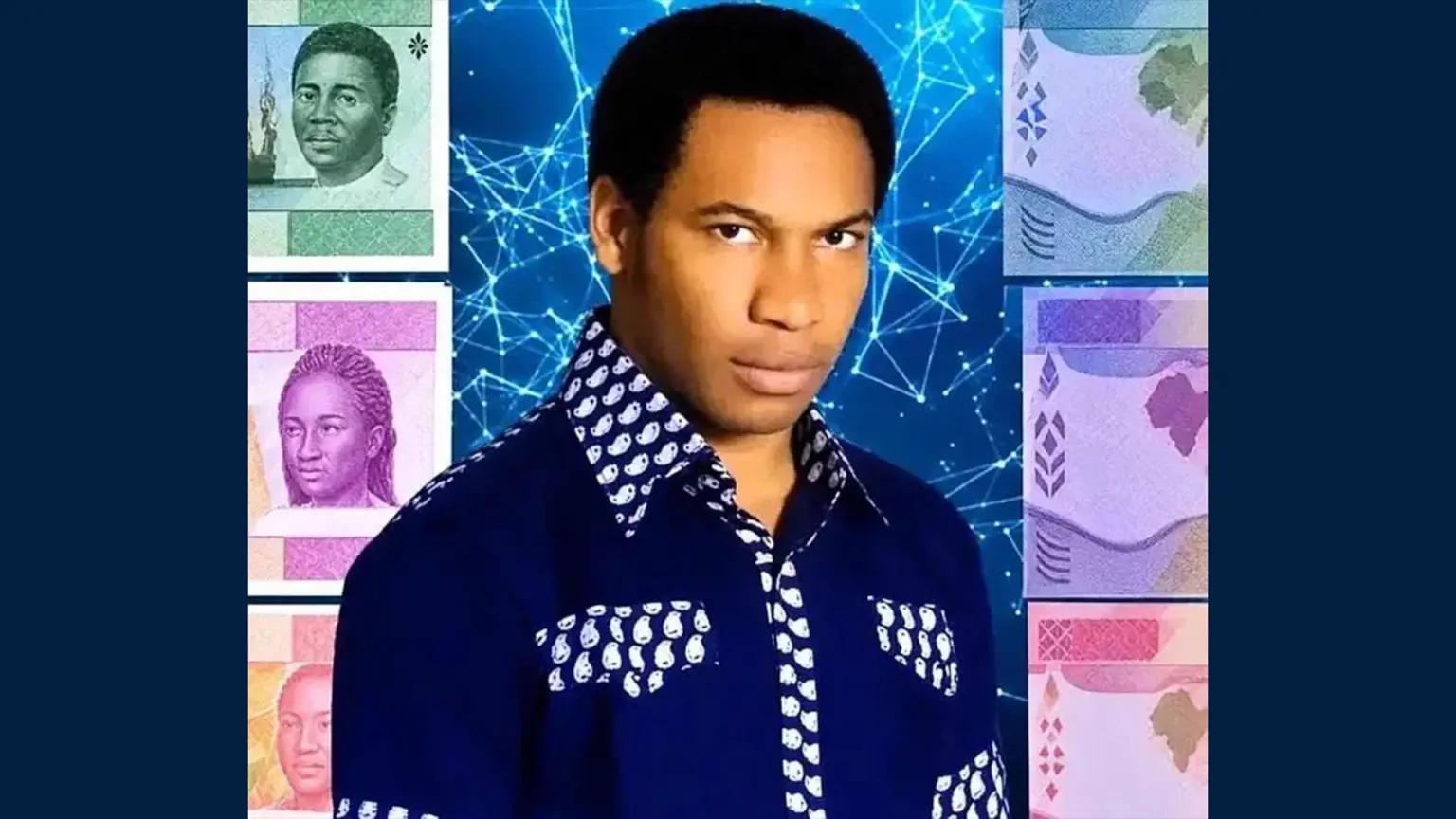
Cameroon Horror: Nigerian Pastor Flees As Mummified Body Is Found Under Church Property
Police uncover coffin buried 1.5 metres underground as investigation into Nigerian pastor’s properties deepens
A Nigerian cleric has reportedly gone into hiding in Cameroon after security operatives uncovered a mummified body buried beneath a concrete slab at a property linked to his church in Yaoundé.
The shocking discovery has plunged Mercy of God Ministry, founded by Nigerian-born cleric Kedi Samuel Kenechukwu, also known as Ekedi Samuel, into the centre of a widening investigation by Cameroonian authorities.
The latest discovery was reportedly made on September 19, 2026, at a property in Nkoabang, Yaoundé, during an investigation into activities allegedly linked to the cleric.
According to reports from Cameroon, police discovered a white-and-gold coffin buried about 1.5 metres underground beneath a concrete slab.
Inside the coffin was what investigators described as a mummified human body.
The remains were reportedly dressed in traditional blue clothing decorated with gold embroidery and appeared to be those of a woman.
But authorities have not yet publicly established the identity of the deceased, when she died or how she came to be buried beneath the property.
The discovery has therefore raised a string of unanswered questions as investigators intensify their probe.
Secret burial uncovered
The discovery reportedly followed an examination of the property after part of the structure was damaged, exposing an underground section.
Police subsequently conducted a search and allegedly found the coffin concealed beneath the concrete.
Investigators are expected to carry out further forensic examinations to establish the identity of the remains and determine the circumstances surrounding the death.
Authorities have also reportedly sought permission to conduct additional searches of the premises amid concerns that further evidence could be hidden within the property.
The latest discovery comes barely days after investigators reportedly made another disturbing finding at a different property linked to the ministry.
On September 6, security operatives reportedly raided a property in the Ngousso area of Yaoundé, where they allegedly found 20 people inside a basement.
The group reportedly comprised 10 women, eight men and two children, aged six and seven.
The discovery triggered further investigations into the activities taking place at properties allegedly associated with the ministry.
30 rooms, underground pit discovered
The investigation subsequently moved to the Nkoabang property.
According to reports, investigators found about 30 rooms, five vehicles, several hundred kilogrammes of food and functioning freezers on the premises.
READ ALSO:
- Former Super Eagles Captain Troost-Ekong Embraces Islam, Recites Shahadah in Doha
- Milei Slams UN as ‘Useless’ Over Falklands Dispute
- Lagos Arrests Man Over Viral Video of Toddler Being Flogged
- Kwara Police Deny Shooting Motorcyclist at Oyun Bridge, Explain Viral Video
An underground pit measuring approximately two metres deep was also reportedly discovered.
The purpose of the pit has not been established publicly.
The discovery of the mummified remains has now added another disturbing dimension to the investigation.
Cameroonian authorities are reportedly examining whether there is any connection between the body and the other findings made during their operations.
However, there is currently no established evidence publicly showing that the cleric caused the death of the person whose remains were discovered.
Cleric reportedly disappears
Kenechukwu, who has reportedly been operating in Cameroon since 2018, is said to have disappeared as authorities intensified their investigation.
Cameroonian security agencies are reportedly searching for him and have taken steps to alert relevant authorities as efforts to locate him continue.
The cleric is reportedly being sought over allegations arising from the broader investigation, including claims concerning human trafficking, unlawful detention and kidnapping.
The allegations have not been proven in court.
Authorities are expected to question Kenechukwu over the discoveries and establish his relationship with the properties and the people found there.
Investigation deepens
The case has generated considerable concern in Cameroon because of the nature of the discoveries reportedly made at properties associated with the ministry.
The finding of 20 people in a basement, the existence of numerous rooms and an underground pit, and the subsequent discovery of a coffin containing mummified remains have all intensified scrutiny of the ministry’s activities.
Investigators are expected to focus on establishing whether the different discoveries are connected or merely occurred at properties belonging to the same religious organisation.
Forensic experts will also be expected to determine the identity of the deceased, establish the cause and approximate time of death, and examine the circumstances surrounding the burial.
Until those investigations are completed, several critical questions remain unanswered.
Who was the deceased?
How did she die?
Why was her body placed inside a coffin and buried beneath a concrete slab?
Who buried the remains there, and when?
And perhaps most importantly, what connection, if any, does the discovery have with the activities under investigation at the church properties?
For now, those questions remain with Cameroonian investigators as the search for the Nigerian cleric reportedly continues.
The case is expected to generate further developments as security agencies conduct additional searches and forensic examinations.
Cameroon Horror: Nigerian Pastor Flees As Mummified Body Is Found Under Church Property
metro
Bauchi Farmer Hacked to Death Over Witchcraft Allegation, Four Arrested
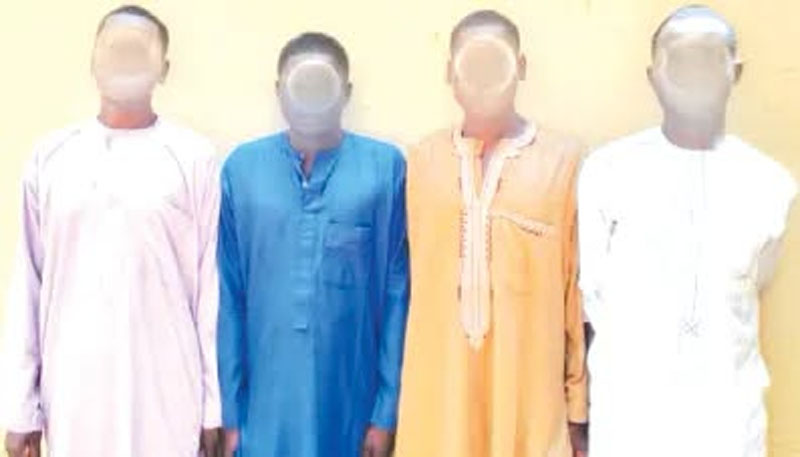
Bauchi Farmer Hacked to Death Over Witchcraft Allegation, Four Arrested
The Bauchi State Police Command has arrested four men over the alleged killing of a 45-year-old farmer, Garba Abdullahi, who was reportedly attacked after being accused of causing a woman’s illness through witchcraft.
The incident occurred on Tuesday, September 22, 2026, in Dunari Village, Atahowa District, when Abdullahi was returning from his farm.
The suspects were identified by the police as Shitu Dahiru, 25; Magaji Dahiru, 42; Sabi’u Auwalu, 20; and Abbah Abdulzahar, 19.
According to the police, the suspects allegedly accused Abdullahi of being responsible for the illness of a woman identified as Sawaida Dahiru before attacking him at about 11:40am.
The suspects allegedly used knives and machetes to inflict multiple injuries on different parts of Abdullahi’s body, leaving him unconscious.
His 35-year-old younger brother later reported the incident at the Gadau Divisional Police Headquarters at about 12:35pm.
Police operatives who responded to the report evacuated Abdullahi to the General Hospital, Azare, where he was subsequently confirmed dead by a medical doctor.
READ ALSO:
- Milei Slams UN as ‘Useless’ Over Falklands Dispute
- Lagos Arrests Man Over Viral Video of Toddler Being Flogged
- Kwara Police Deny Shooting Motorcyclist at Oyun Bridge, Explain Viral Video
His remains were released to his family for burial, while the four suspects were taken into police custody.
The case has since been transferred to the State Criminal Investigation Department (SCID), Bauchi, for further investigation and possible prosecution.
The Commissioner of Police, Sani-Omolori Aliyu, condemned the killing and warned residents against resorting to jungle justice or violence based on unverified and superstitious allegations.
The police commissioner stressed that no person had the right to take another person’s life and urged residents to report disputes, suspicions and suspected criminal activities to security agencies rather than take the law into their own hands.
He also appealed to members of the public to provide timely and credible information that could help security agencies prevent crime and protect lives and property.
The incident has renewed concerns over violence arising from witchcraft allegations in parts of Bauchi State. Another woman, Habse Ubale, was reportedly hacked to death in the state in an earlier incident after she was accused of being a witch.
Police had arrested one suspect in that case and launched a search for two others.
The latest killing highlights the dangers of acting on unverified claims of witchcraft and other forms of superstition. Security authorities have repeatedly urged communities to seek lawful intervention when disputes arise rather than resort to violence.
The four suspects remain accused persons, and their alleged involvement in Abdullahi’s death will be determined through the investigation and judicial process.
Bauchi Farmer Hacked to Death Over Witchcraft Allegation, Four Arrested
-
 News2 days ago
NLC Backs ₦500 Petrol Demand, Workers Propose ₦500,000 Salary
-

 Politics2 days ago
Obi vs Soludo: ₦86.67bn Handover Figure Meets ₦127.37bn Debt Claim
-

 metro2 days ago
Saudi Arabia Rejects Nigeria’s Request for More 2027 Hajj Slots
-

 Education2 days ago
UK Student Visa: 63 Countries Exempt From Proof of Funds, Nigeria Excluded
-

 Health2 days ago
Lagos Intensifies Surveillance as Adulterated Palm Oil Raises Food Safety Concerns
-

 metro2 days ago
Nationwide Blackout Looms As Electricity Workers Give NAF Three-Day Ultimatum
-

 News3 days ago
MURIC Warns FG: Any Move Against Atiku Now Lacks Tact
-

 Entertainment2 days ago
Phyna, Nkechi Blessing Take Social Media Feud To Boxing Ring In Lagos