

metro
Palace Chaos: Police Say Cultists Targeted Davido, Not Gov Adeleke, in Deadly Osogbo Shooting

Palace Chaos: Police Say Cultists Targeted Davido, Not Gov Adeleke, in Deadly Osogbo Shooting
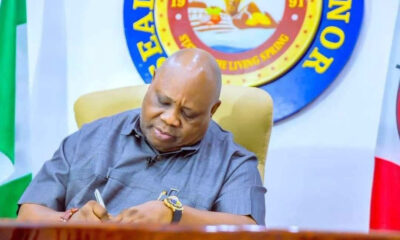
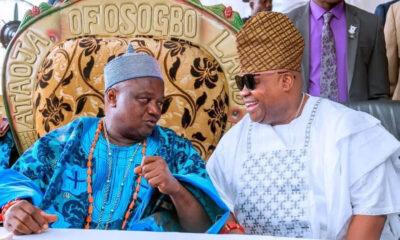
A 60-year-old man was fatally shot in a chaotic incident that unfolded after a confrontation between Davido’s security team and suspected cult members, throwing the ancient city of Osogbo into pandemonium on Wednesday afternoon. The Osun State Police Command has confirmed that music superstar Davido was the target of a gun attack that erupted following Governor Ademola Adeleke’s visit to the palace of the Ataoja of Osogbo, contrary to earlier speculation that the governor’s convoy had been directly ambushed. The attack resulted in the death of an innocent bystander, Tajudeen Yusuf, and has prompted a full-scale police investigation and manhunt for the fleeing suspects. Governor Ademola Adeleke had visited the monarch shortly after receiving his Certificate of Return from the Independent National Electoral Commission (INEC), confirming his re-election, and he was accompanied by his nephew, Davido, along with other members of his entourage and security aides.
According to the police, the incident began when a man identified as Adebayo Taoreed, also known as “Small Rugged,” attempted to gain access to Davido at the palace, sparking a heated confrontation that quickly escalated into violence. Described by police as an ex-convict, a suspected notorious thug, and a member of the Eye Confraternity, Taoreed was reportedly resisted by the singer’s security team, which triggered a chain reaction of events that would leave the palace vicinity in chaos. “The ensuing confrontation reportedly attracted other suspected gang members in the vicinity, who temporarily blocked the entrance to the palace and obstructed the movement of the convoy of the Governor,” explained DSP Abiodun Ojelabi, the police spokesperson, in a detailed statement released to journalists. The exchange of gunfire caused panic among traders and residents in the Oja Oba area, with sporadic shots heard for 12 to 15 minutes, forcing many to abandon their wares and flee for safety as bullets flew through the crowded commercial district.
READ ALSO:
- Lagos declares Thursday work-free for 2026 Isese Day celebration
- South African Consulate Denies Visa Restrictions on Nigerians
- 2027: Peter Obi lost his chance when he left ADC for NDC – Fayose
While the governor’s convoy managed to leave the area safely and no member of his entourage was harmed, the suspected gang members later fled the scene after engaging security personnel in a fierce gun battle. However, as they departed towards the Itaolokan area of Osogbo, they allegedly shot Tajudeen Yusuf, a 60-year-old man who was unfortunately caught in the crossfire or deliberately targeted as they made their escape. Upon receiving the information, a police patrol team was immediately mobilized to the scene, where Yusuf was found in a pool of blood, with bystanders and residents looking on in shock and horror. He was rushed to the University Teaching Hospital, Osogbo, but was pronounced dead by doctors on duty, marking a tragic end to what should have been a routine political visit and celebration of electoral victory. Police have since launched a full-scale investigation and a manhunt for the fleeing suspects, with security forces combing the Osogbo-Ilesa Road and surrounding areas in search of the perpetrators.
Despite the police account, Davido publicly disputed the narrative that the governor’s convoy was attacked, stating on his X handle that the incident was unrelated to the governor’s entourage and dismissing claims of a targeted assault on his uncle. “Lies! It was a fight outside the palace that had nothing to do with us! The pple love excellency!” he wrote in a now-viral post, expressing his frustration with what he perceived as media misrepresentation of events. This statement came before the police clarified that he, rather than the governor, had been the specific target, adding another layer of complexity to an already tense situation. As investigations continue, residents of Osogbo remain on edge, while political observers and fans alike await further updates on the motive behind the attack and the fate of those involved in the deadly confrontation.
Palace Chaos: Police Say Cultists Targeted Davido, Not Gov Adeleke, in Deadly Osogbo Shooting









metro
NSITF Exposes Fake Recruitment Scam, Warns Nigerians Against Fraudsters
NSITF Exposes Fake Recruitment Scam, Warns Nigerians Against Fraudsters
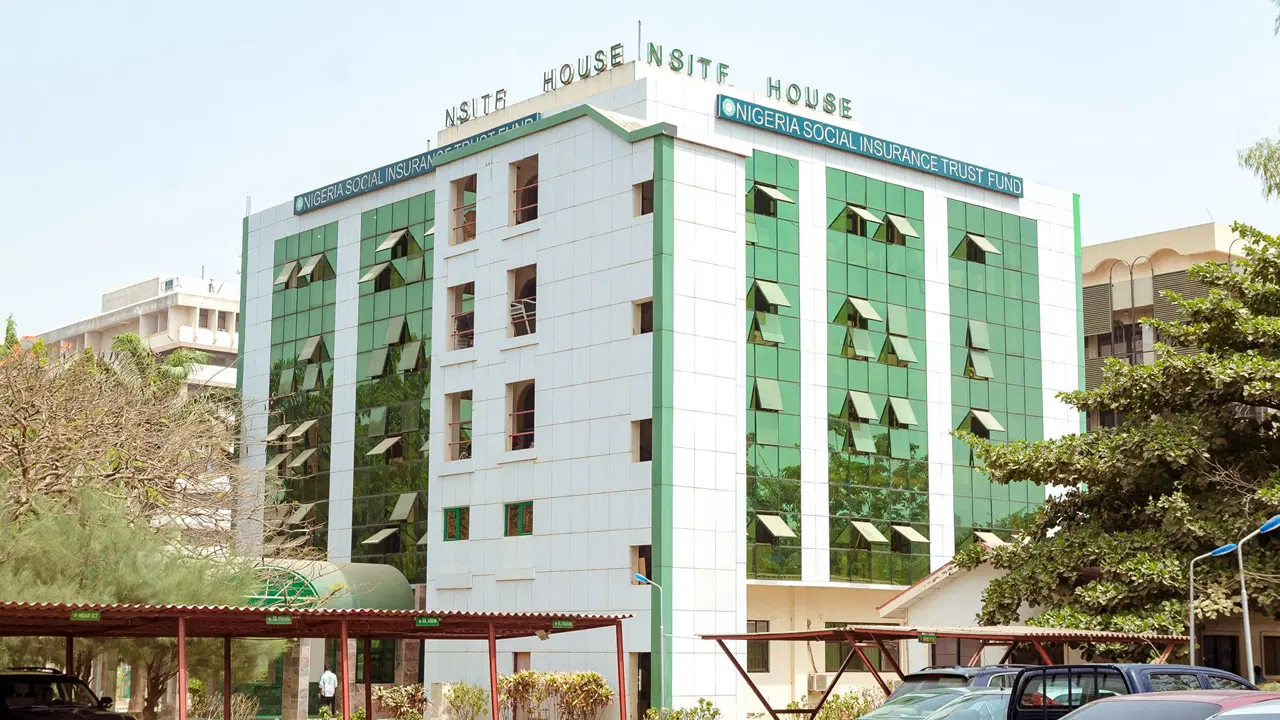
The Nigeria Social Insurance Trust Fund (NSITF) has warned Nigerians, particularly job seekers, against fake recruitment advertisements and forged appointment letters being circulated by fraudsters seeking to deceive members of the public.
The warning was contained in a public notice issued by the Fund and circulated to its Regional and Branch Managers through a memorandum dated October 5, 2026, signed by the Executive Director, Administration, Samaila Abdu.
NSITF said it is not currently recruiting for any position, describing employment advertisements circulating on social media, particularly Facebook, as fake.
The Fund said individuals and groups were falsely presenting themselves as representatives of NSITF and using purported employment opportunities to target unsuspecting members of the public.
It urged Nigerians to disregard such advertisements and not make payments to anyone in exchange for employment opportunities.
READ ALSO:
- Messi Reflects on Argentina Future: ‘I Would Like to Play Forever’
- Seven Years With Parkinson’s: Man Seeks N65m for Brain Surgery in Türkiye
- Trump Links French Protests To Islam ‘Taking Over’ France
NSITF stressed that it does not charge applicants any fee for employment and does not conduct recruitment through unofficial social media platforms or other unauthorised channels.
The Fund said genuine NSITF recruitment opportunities, whenever available, would be announced through its official communication channels.
“Stay alert, stay safe,” the Fund advised, urging anyone who encounters suspicious recruitment advertisements or requests to avoid responding and report them to the appropriate NSITF authorities.
The Fund has also directed all its Regional and Branch Managers to prominently display the warning at strategic locations within their offices.
The directive covers reception areas, main entrances and exits, notice boards, SERVICOM desks and other locations accessible to staff and members of the public.
NSITF said the notices should remain visible to help protect job seekers and other members of the public from fraudulent recruitment activities.
The Fund further urged Nigerians to verify recruitment claims through official NSITF channels before providing personal information, making payments or taking any other action.
The NSITF warning comes amid continued concerns over online recruitment scams in which fraudsters exploit job seekers by offering supposed government employment in exchange for money or personal information.
NSITF reiterated that legitimate employment opportunities would be communicated through its recognised channels and warned Nigerians to remain vigilant when responding to unsolicited job offers.
NSITF Exposes Fake Recruitment Scam, Warns Nigerians Against Fraudsters
metro
Seven Years With Parkinson’s: Man Seeks N65m for Brain Surgery in Türkiye
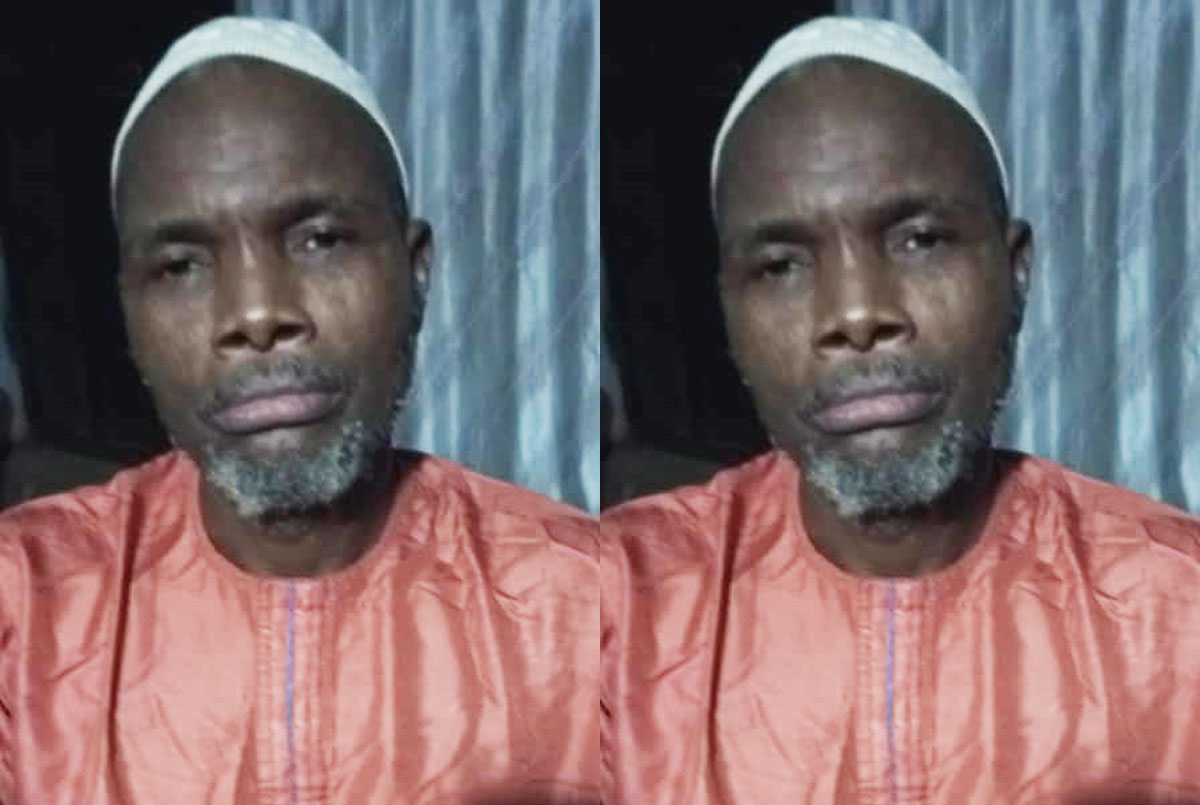
Seven Years With Parkinson’s: Man Seeks N65m for Brain Surgery in Türkiye
A 54-year-old Nigerian man, Aliyu Abdulmalik, who has battled Parkinson’s disease for about seven years, is seeking N65 million to undergo specialised brain surgery in Istanbul, Türkiye.
Abdulmalik is seeking public assistance after his condition reportedly became resistant to drug treatment, leaving him with serious symptoms including difficulty walking and rigidity.
A medical treatment report issued by Atasehir Medicana International Hospital, Istanbul, and dated February 10, 2025, described his condition as drug-resistant Parkinson’s disease.
The hospital’s Department of Neurosurgery and Neuromodulation Centre, under Prof. Atilla Yilmaz, recommended Deep Brain Stimulation (DBS) surgery for Abdulmalik.
According to the medical report, the procedure is an approved treatment for drug-resistant Parkinson’s disease, and doctors concluded that Abdulmalik needed the surgery based on his condition. (Punch Newspapers)
The estimated cost of the procedure is $35,000.
The hospital said the amount would cover neurological evaluations, necessary radiological and laboratory investigations, the surgery and required equipment, as well as post-operative care and programming of the implanted pulse generator.
READ ALSO:
- Trump Links French Protests To Islam ‘Taking Over’ France
- Court Denies Bail To Anambra Pastor Accused Of Marrying Mother, Daughter
- Nigeria Fight Back From 3-1 Down To Hold Russia To 3-3 Draw
The treatment package also includes transportation between the airport and hospital, a 15-day hospital and hotel stay, and accommodation for two companions.
A fundraising appeal launched on Abdulmalik’s behalf said he spent much of his youthful years involved in Islamic da’wah activities before his health condition began to significantly affect his life.
The appeal said he urgently needed to undergo Deep Brain Stimulation surgery in Istanbul to help him regain a more normal life.
The fundraising target of N65 million is expected to cover the treatment, post-surgery care, accommodation, transportation and feeding during his stay in Istanbul.
As of the latest update contained in the appeal, N1,114,688.37 had been raised, leaving a shortfall of about N63.89 million.
The organisers appealed to individuals, organisations and well-meaning Nigerians to support Abdulmalik in raising the funds needed for his treatment.
They said contributions would help him access the recommended surgery and related care.
Donations can be made through:
Stanbic IBTC
Account Name: Kudirat Hammed A
Account Number: 0057418305
OPay
Account Name: Hammed Kudirat Ajoke
Account Number: 7063094566
For enquiries: 09025138148 or 07063094566.
Seven Years With Parkinson’s: Man Seeks N65m for Brain Surgery in Türkiye
metro
Court Denies Bail To Anambra Pastor Accused Of Marrying Mother, Daughter

Court Denies Bail To Anambra Pastor Accused Of Marrying Mother, Daughter
The Anambra State High Court sitting in Awka has denied bail to Harrison Anazodo, a pastor and spiritualist facing a seven-count charge over alleged abduction, forced marriage and other offences.
Justice Jude Obiora rejected the bail application as proceedings continued in the case involving the General Overseer of Day Spring Assembly.
Anazodo had sought bail through his lawyer, W. Abonye, who reportedly cited health concerns in asking the court to release his client.
However, the prosecution, led by Chief State Counsel Chineze Ekwerekwu, opposed the application.
The prosecution filed a 20-paragraph counter-affidavit and two exhibits in opposition to the bail request and told the court that the state was ready to proceed with the trial.
The allegations against Anazodo include claims that he abducted a woman and her daughter and allegedly subjected them to forced marriage. He is also accused of taking several women as wives and engaging in conduct allegedly prohibited under the Anambra State Homeland Security Law, 2025.
READ ALSO:
- Troops Take Down Zamfara Bandit Kingpins Baban Love, Mai Zamani, Three Others
- FG Gives N250m To Families Of 37 Miners Who Died In NSCDC Custody
- Tompolo’s PBAT Movement Suspends Campaign Over Ondo Military Crash
Anazodo has pleaded not guilty to the charges, and the allegations against him have not been established by the court.
The case attracted public attention following his arrest by officials of the Anambra State Government in June. Reports surrounding the arrest also alleged that about 11 babies were found at his residence.
The prosecution is expected to call witnesses as the trial progresses, with the state indicating its readiness to present its case.
The court subsequently adjourned the matter until October 16, 2026, for further proceedings.
There was also a confrontation involving some of the defendant’s supporters and journalists at the court premises. Reports said some journalists were allegedly prevented from recording the defendant’s arrival, with claims that phones and cameras belonging to some members of the media were damaged.
The incident was reportedly brought to the attention of the court by Anambra State Attorney-General and Commissioner for Justice, Tobechukwu Nweke, SAN. Defence counsel subsequently apologised over the incident, while the court directed that damaged equipment be replaced.
With the bail application rejected, Anazodo will remain in custody as the criminal trial continues.
Court Denies Bail To Anambra Pastor Accused Of Marrying Mother, Daughter
-

 metro2 days ago
Tragedy Strikes FMC: Medical Director Loses Two Daughters—A Doctor and a Pharmacist—Within 48 Hours
-

 metro2 days ago
Transporters Urge IGP Disu to Arrest Illegal Highway Tax Collectors
-

 Politics2 days ago
2027: Soludo Govt Accuses Peter Obi Of Plot To Destroy APGA
-

 metro2 days ago
Army, DSS, Amotekun Kill ISWAP Commander Planning Attacks in Southern Nigeria
-
 metro2 days ago
Kidnappers torture abducted corps members, slash ransom to N100m
-

 metro3 days ago
Osun Iyaloja-General Row: Ataoja Explains Asindemade’s Reinstatement
-

 News2 days ago
BREAKING: Many Feared Dead as Helicopter Crashes in Ondo Community
-

 metro3 days ago
‘We Can’t Raise N1bn’ — Parents of Abducted Corps Members Beg Olubadan