

metro
FG Upgrades Four Lagos Substations, Adds 360MW to Boost Power Supply
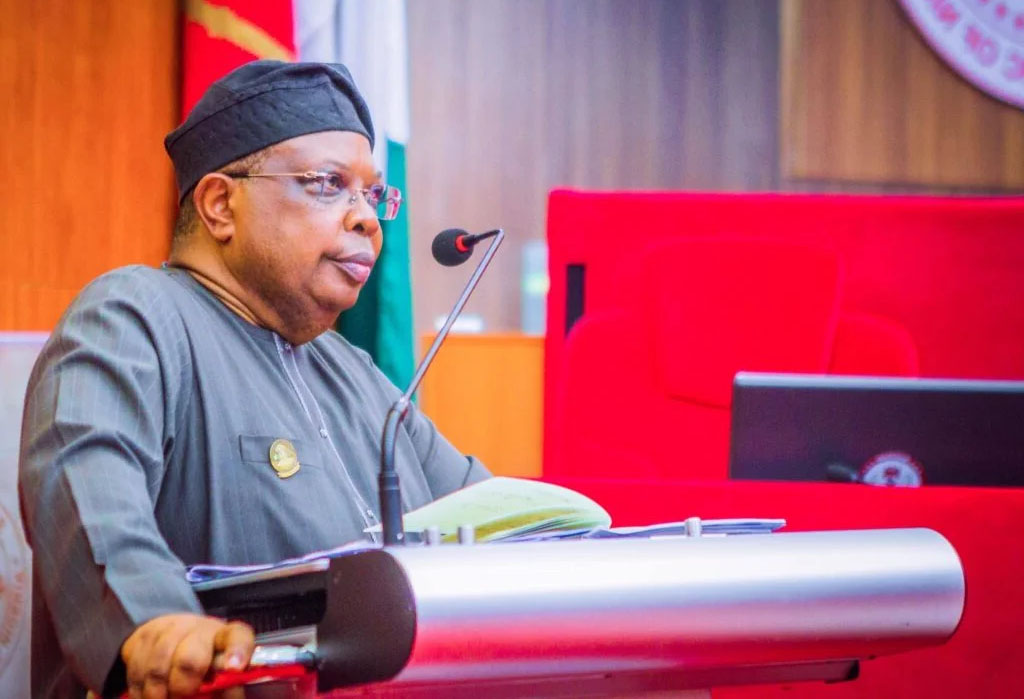
FG Upgrades Four Lagos Substations, Adds 360MW to Boost Power Supply
The Federal Government has commissioned upgraded transmission facilities at four major substations in Lagos, adding approximately 360MW of transmission capacity to boost electricity supply across Nigeria’s commercial capital, with the projects at Ijora, Apapa Road, Alausa and Lekki substations expected to strengthen bulk power delivery to residential, commercial and industrial consumers within the networks of Eko and Ikeja Electricity Distribution Companies.
Speaking during the commissioning, Minister of Power, Joseph Tegbe, said the investments were aimed at removing transmission bottlenecks and improving electricity reliability across Lagos, noting that the interventions are part of a broader strategy to address structural constraints in the power sector. He explained that these infrastructures have been in place for over 25 years and that the government is commissioning new power transformers in Apapa, Ijora, Alausa and Lekki transmission substations, which is important as it will increase wheeling capacity and also improve delivery to end-users.
At the Ijora Transmission Substation, two new 100MVA transformers raised installed capacity from 90MVA to 230MVA, adding approximately 112MW of transmission capacity, with the project funded by the Japan International Cooperation Agency and replacing two ageing 30MVA units. The Apapa Road substation received two 60MVA transformers alongside modern gas-insulated switchgear, increasing capacity from 60MVA to 180MVA and adding about 96MW, with this World Bank-funded project strengthening power supply to critical commercial hubs hosting the Tin Can Island Port, Apapa Wharf and manufacturing industries.
READ ALSO:
- PFIPC Scandal: Tinubu Orders Forensic Probe as ICPC Uncovers Multiple Fake Agencies
- Atiku Dismisses Obasanjo’s Political Clout, Says Ex-President Has ‘No Electoral Value’
- Tinubu orders transfer of EFCC cash recoveries, N242bn unclaimed dividends to NELFUND
At Alausa, an existing 30MVA transformer was replaced with a 100MVA unit, raising total capacity from 135MVA to 205MVA and adding approximately 56MW, with the upgrade having increased power allocation to Ikeja Electricity Distribution Company to 80MW for onward delivery to consumers within its franchise area. The Lekki Transmission Substation received two 60MVA transformers, a 300MVA transformer and nine additional 33kV feeders as part of the upgrade, with the intervention doubling transformation capacity at the 132/33kV level from 120MVA to 240MVA, while an additional 1x300MVA, 330/132kV transformer is expected to be energised in November 2026. The project, executed by Shanghai Electric Group Company Limited with World Bank support, also increased transformer capacity at the 330/132kV level from 300MVA to 600MVA, equivalent to approximately 480MW, and the nine new feeders will improve bulk power delivery into the Eko Electricity Distribution Company network.
Tegbe said the Alausa intervention alone could serve about 70,000 households, representing approximately 180,000 people, while the Lekki project is expected to benefit about 100,000 customers, representing an estimated 400,000 people. Speaking at the Lekki commissioning, Tegbe emphasised the strategic importance of the location, noting that Lekki represents the Nigeria we are building towards, a more industrial, more commercially active, more connected to global markets and increasingly attractive to domestic and international capital, and as investment flows into a corridor such as this, electricity infrastructure cannot be an afterthought. TCN Managing Director, Sule Ahmed Abdulaziz, said the upgrades would strengthen overall grid stability and enable more bulk power to reach distribution companies for onward supply within their franchise areas, describing the works as evidence that TCN remains resolute in its mandate of building and sustaining a robust transmission network, capable of transporting Nigeria’s growing power needs to various distribution load centres nationwide.
The Minister revealed that the Federal Government is working to significantly increase the country’s electricity wheeling capacity, stating that the target is to conveniently wheel 6,000MW in this country by the end of this year, and projecting that in the next one or two years, the figure should increase to 8,000MW. He emphasised that the government’s approach is deliberate, focused on identifying bottlenecks, investing in them, removing constraints and unlocking capacity to ensure that businesses can grow, industries can produce, and communities can prosper.
FG Upgrades Four Lagos Substations, Adds 360MW to Boost Power Supply











metro
Gunmen Open Fire At Lagos Bus Stop, Kill NURTW Member, Injure Three
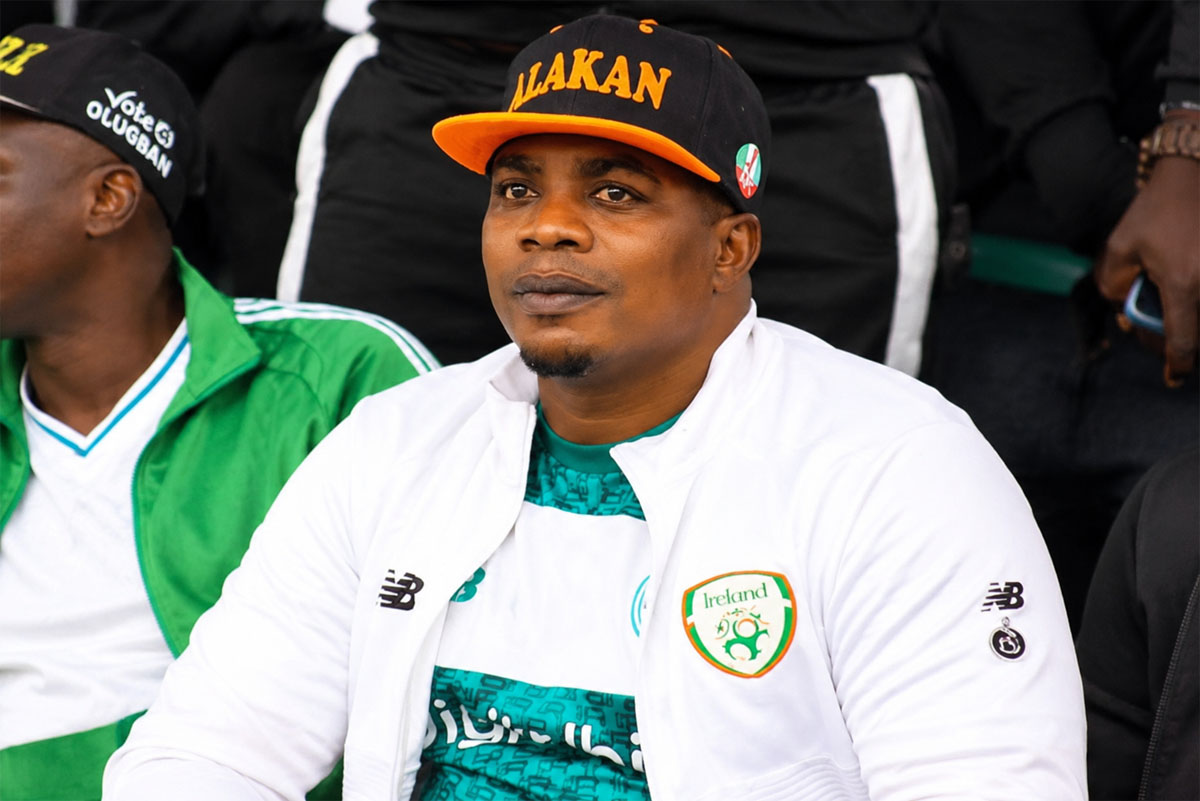
Gunmen Open Fire At Lagos Bus Stop, Kill NURTW Member, Injure Three
A member of the National Union of Road Transport Workers (NURTW), identified as Kamoru Omokoye, popularly known as Zobo, has been shot dead at Abijo Bus Stop in the Ibeju-Lekki area of Lagos State.
Omokoye was reportedly attacked around 9am on Sunday by two men who arrived at the bus stop in an unregistered Lexus RX 350 before opening fire on him.
A police source who confirmed the incident said the victim was shot in the head during the attack. The assailants reportedly sped away immediately after the shooting.
Omokoye was rushed to the Federal Medical Centre, Epe, for treatment but was pronounced dead by a doctor on duty.
Following the incident, detectives visited the scene and combed the area as part of efforts to identify and arrest those responsible for the Lagos bus stop shooting.
The Lagos State Police Public Relations Officer, Abimbola Adebisi, also confirmed the incident, saying the command had commenced an investigation.
READ ALSO:
- Ondo Air Tragedy: Soldiers, Families Among 32 Killed In NAF Crash
- Court Orders NDLEA to Produce Enugu Airport Duty List in Abba Kyari Cocaine Trial
- President Tinubu Mourns 32 NAF Personnel in Ondo Jet Crash, Orders Immediate Probe
While the police source described the attackers as suspected cultists, the exact motive for the killing has not been officially established.
An anti-cultism advocacy platform, Naija Confra, reported that Omokoye was sitting at a drinking spot near the bus stop when the attackers arrived and opened fire. The report said other people at the location fled as the gunmen shot at the gathering.
At least three other people were reportedly wounded in the shooting.
Omokoye was said to have previously worked around Awoyaya Bus Stop before moving to GRA Bus Stop. He was also reportedly the father of an eight-month-old child.
The latest incident has heightened concerns about violent attacks around transport corridors and public gathering points in parts of Lagos State, particularly where criminal or cult-related activities have previously been reported.
Police authorities have yet to announce any arrest in connection with the killing.
The investigation is expected to focus on identifying the attackers, establishing their motive and determining whether the killing was linked to a cult-related dispute, a transport-union conflict or another criminal motive.
Residents have also been urged to provide useful information to the police that could assist in identifying those responsible for the killing of the NURTW member.
Gunmen Open Fire At Lagos Bus Stop, Kill NURTW Member, Injure Three
metro
Ondo Air Tragedy: Soldiers, Families Among 32 Killed In NAF Crash
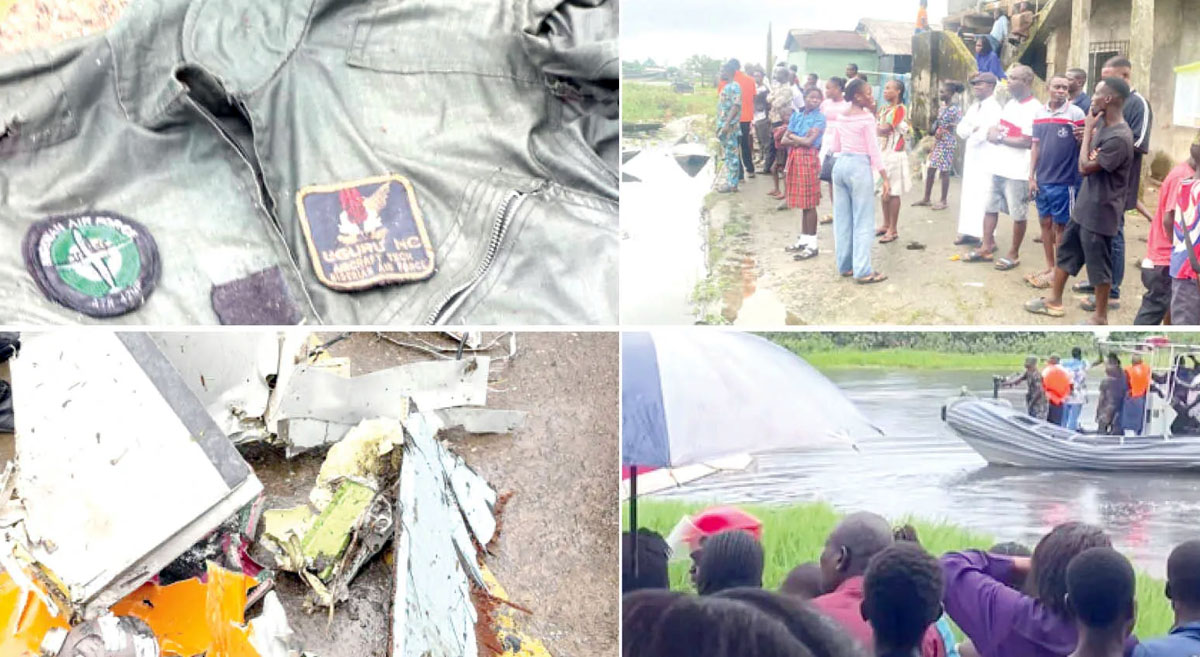
Ondo Air Tragedy: Soldiers, Families Among 32 Killed In NAF Crash
A Nigerian Air Force (NAF) aircraft has crashed in Igbokoda, Ondo State, killing all 32 people on board, including military personnel, family members and seven crew members.
The aircraft, an ATR-42, was carrying 25 passengers and seven crew members when it crashed into a swampy area opposite the Naval Base in Igbokoda, Ilaje Local Government Area, on Monday morning.
The aircraft was reportedly travelling from Benin, Edo State, to Lagos on a routine military mission when communication with air traffic controllers was lost at about 9:13 a.m.
Efforts to re-establish contact with the aircraft reportedly failed before the aircraft disappeared from radar. Its wreckage was later located in the difficult-to-access swamp near the naval facility.
The victims included Nigerian military personnel and members of their families, with reports indicating that some of the family members were children returning to school. The presence of family members on the flight has added to the grief surrounding the Ondo plane crash.
The crash site, located in a swampy and waterlogged area, posed significant challenges to rescuers and recovery teams. Military personnel, emergency responders and local residents were involved in efforts to reach the wreckage and recover the victims.
Ondo State Governor Lucky Aiyedatiwa confirmed that no survivor had been found at the crash site. Responders reportedly recovered parts of the aircraft, military uniforms and identity cards from the area while efforts continued to retrieve the wreckage.
READ ALSO:
- Court Orders NDLEA to Produce Enugu Airport Duty List in Abba Kyari Cocaine Trial
- President Tinubu Mourns 32 NAF Personnel in Ondo Jet Crash, Orders Immediate Probe
- Tragedy Strikes FMC: Medical Director Loses Two Daughters—A Doctor and a Pharmacist—Within 48 Hours
The exact cause of the NAF aircraft crash remains unknown.
Early reports raised the possibility of adverse weather conditions, while another account suggested that the aircraft could have suffered a technical or mechanical problem. Neither explanation has been established as the cause of the crash, and officials have urged the public to await the outcome of the investigation.
The loss of communication between the aircraft and air traffic controllers is expected to form a major part of the investigation, alongside the aircraft’s maintenance history, technical condition, weather conditions, flight-control communications and data from the aircraft’s flight recorder.
President Bola Ahmed Tinubu has ordered a thorough investigation into the NAF plane crash, directing the Nigerian Air Force to establish what led to the tragedy.
Tinubu expressed condolences to the families of the victims and the Nigerian Armed Forces, describing the incident as a painful loss to the country.
The President also declared three days of national mourning for the Air Force personnel killed in the crash and directed that national flags be flown at half-mast across the country.
The Nigeria Safety Investigation Bureau (NSIB) has indicated its readiness to provide technical assistance to the military investigation if requested. Because the aircraft was operated by the military, the primary investigation is expected to be handled by the Nigerian Air Force.
Investigators are expected to examine the aircraft’s flight data, maintenance records and communication with air traffic control to determine what happened during the final stages of the flight.
The Nigerian Air Force is also expected to release the names of the deceased after completing the process of notifying their families.
The Ondo NAF crash is one of the deadliest recent military aviation accidents in Nigeria and has renewed concerns about the safety, maintenance and operational readiness of military aircraft.
For now, attention remains focused on the recovery of the victims, identification of those who died and the investigation that will determine how the aircraft carrying 32 people came down in the Ondo wetlands.
Ondo Air Tragedy: Soldiers, Families Among 32 Killed In NAF Crash
metro
Court Orders NDLEA to Produce Enugu Airport Duty List in Abba Kyari Cocaine Trial
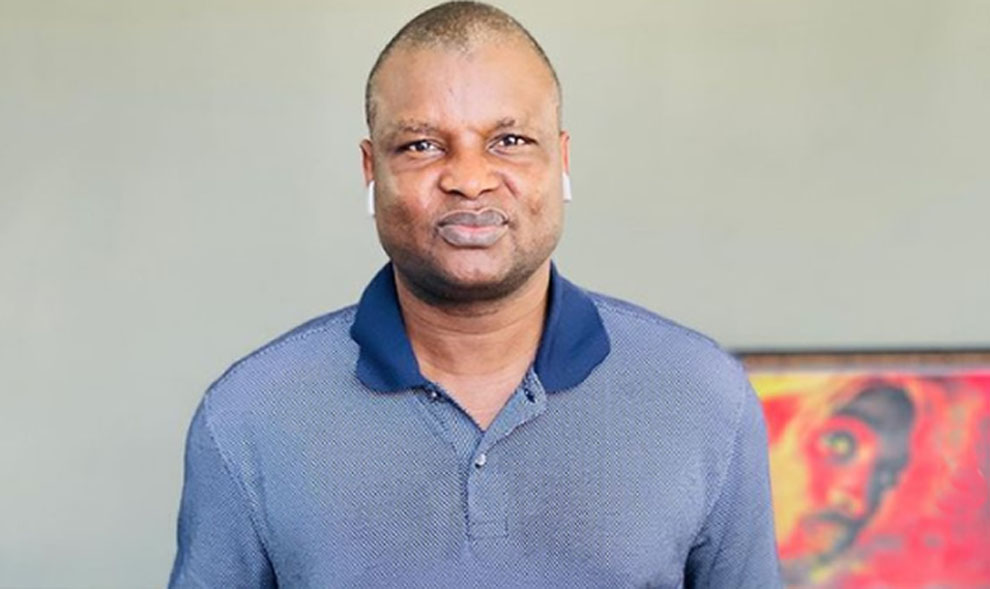
Court Orders NDLEA to Produce Enugu Airport Duty List in Abba Kyari Cocaine Trial
The Federal High Court in Abuja has ordered the Chairman of the National Drug Law Enforcement Agency (NDLEA) to produce the duty roster of personnel deployed to Akanu Ibiam International Airport, Enugu, on January 19, 2022—the day a cocaine consignment central to the Abba Kyari drug trial was intercepted. The ruling marks a significant development in a case that has drawn national attention and raised questions about airport security and inter-agency coordination in Nigeria’s fight against drug trafficking.
Justice Emeka Nwite issued the order on Monday during the continuation of the trial of suspended Deputy Commissioner of Police Abba Kyari and four other suspended officers of the Police Intelligence Response Team (IRT). The defendants are facing charges of alleged tampering with 21.35kg of cocaine and are standing trial on counts of conspiracy and obstruction in the illegal dealing and importation of the substance. They have all pleaded not guilty.
Julius Mba, counsel to Kyari and Inspector Simon Agirgba, told the court that the defence had filed a subpoena duces tecum—a legal order requiring a person or organisation to produce specific documents or evidence. The subpoena directs the NDLEA boss to present certified true copies of the duty roster for personnel deployed to the Enugu airport on the date in question. According to Mba, the document is essential to help the defence establish its case and demonstrate how the cocaine consignment allegedly passed through airport security.
READ ALSO:
- Benue Boat Mishap: Catholic Priest Among Four Dead, Nine Missing
- Rivers Police Arrest OSPAC Operative Over Alleged Killing, Secret Burial
- Adeleke Signs New Law to Regulate Motor Parks Across Osun
The court session also addressed the absence of the defence’s second witness, John Nwonke, who was expected to continue his testimony. Nwonke, who had been subpoenaed to appear, was not in court. His lawyers presented a letter dated October 2 stating that he was ill and unable to attend. The development prompted a sharp exchange between the defence and prosecution.
NDLEA counsel Joseph Sunday strongly opposed the adjournment request, urging the court to foreclose Nwonke’s evidence. He argued that the defence had failed to comply with an earlier order directing the witness to appear on Monday. Sunday also questioned the medical letter, noting that it did not disclose the nature of the illness or the hospital where Nwonke was receiving treatment. He told the court the prosecution was “not aware of any subpoena,” adding: “We don’t conduct trial by ambush.”
In his ruling, Justice Nwite declined to foreclose the witness’s evidence immediately. While he observed that Nwonke’s letter was not convincing enough to justify the adjournment, he adjourned the case until October 7, 2026, in the interest of justice. The judge warned that failure of the witness to appear on that date would lead to the foreclosure of his testimony. He also directed counsel to the first to fifth defendants to submit the names of witnesses they intend to call before the next hearing.
The trial had resumed after an indefinite adjournment in May due to Justice Nwite’s shortlisting for elevation to the Court of Appeal. The defence has been calling witnesses in an effort to establish that NDLEA operatives facilitated the passage of convicted drug traffickers through airport security. In a video played in court in March, convicts Chibunna Umeibe and Emeka Ezenwanne alleged that their photographs were sent ahead to NDLEA officers at the airport to ensure they were cleared without proper screening. The testimony forms part of the defence’s broader argument that the defendants were not the architects of the alleged obstruction.
Kyari and his co-defendants—Sunday Ubua, Bawa James, Simon Agirgba, and John Nuhu—remain at the centre of one of the most closely watched corruption and drug trafficking trials in Nigeria’s recent history. The case has sparked widespread debate about accountability within Nigeria’s law enforcement agencies and the effectiveness of inter-agency cooperation in combating drug crime.
The case was adjourned to October 7, 2026, for further defence proceedings.
Court Orders NDLEA to Produce Enugu Airport Duty List in Abba Kyari Cocaine Trial
-
 metro3 days ago
NYSC Kidnap: Abductors Demand N950m for 19 Prospective Corps Members in Imo
-

 Politics3 days ago
2027: Oshiomhole Dares Opposition Over ₦500 Petrol Promise, Says APC Will Take Argument to Nigerians
-

 metro3 days ago
Tension as Kidnappers Threaten to Kill Abducted Oyo Corps Members
-

 metro2 days ago
‘I Thought I Was Dead’ — Hairstylist’s Daring Escape From Kidnappers After Benin-Ore Ambush
-
 metro3 days ago
Amaechi: Tinubu’s Policies Made My Mother’s Drugs Unaffordable
-
 metro3 days ago
N500 Petrol, Wage Award: Public Sector Workers Begin Warning Strike
-

 Entertainment3 days ago
Less Than Four Months After Wedding, Jarvis Threatens Peller With Lawsuit Over Second-Wife Plan
-

 Politics3 days ago
Wike to Amaechi: What Did You Bring to Rivers After 24 Years in Power?