

metro
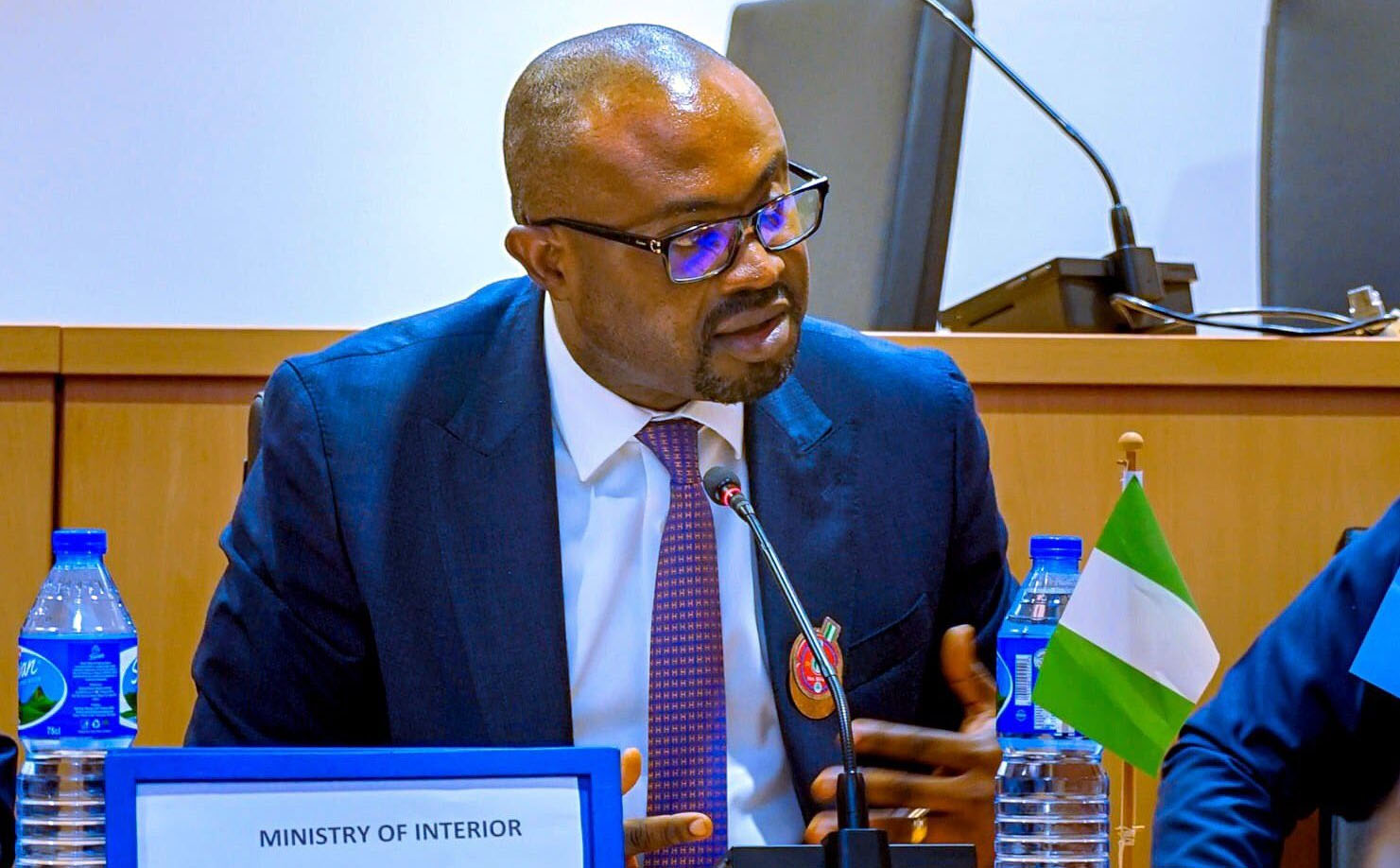
You Can’t Reopen What Is Already Open — Tunji-Ojo Fires Back at Atiku
You Can’t Reopen What Is Already Open — Tunji-Ojo Fires Back at Atiku
Minister of Interior Olubunmi Tunji-Ojo has responded to former Vice President Atiku Abubakar’s 2027 border reopening pledge, insisting that Nigeria’s land borders are already open and therefore cannot be reopened.
Tunji-Ojo’s response came shortly after the Presidency rejected Atiku’s claim that he would reopen the country’s borders if elected president in the 2027 presidential election.
Special Adviser to President Bola Tinubu on Media and Public Communication, Sunday Dare, had described Atiku’s claim as misleading, arguing that the Federal Government had already reopened most of Nigeria’s land borders and had not subsequently ordered a general closure.
Dare said the government reopened most land borders on March 14, 2024, as part of efforts to facilitate legitimate movement and cross-border trade.
He also cited the reopening of the Kamba border in Kebbi State by President Bola Tinubu on February 14, 2026, as further evidence that Nigeria’s land borders remain operational.
Reacting on Saturday, Tunji-Ojo said describing Nigeria’s borders as closed failed to account for the different reasons certain border crossings had been restricted at different periods.
“As the Minister of Interior who supervises the Nigeria Immigration Service being an agency of government in charge of border and migration management, it is expedient to state that Nigerian borders are not closed and so cannot be reopened,” he said.
The minister recalled that Seme, Illela, Maigatari and Mfum borders were reopened on December 16, 2020.
He added that Idiroko and Ikom were reopened for goods and services on April 20, 2022, while the Kamba and Tsamiya border posts in Kebbi State were reopened under the current administration in February 2026.
According to Tunji-Ojo, the reopening of the crossings restored important links between Nigeria and its neighbouring countries, including Niger Republic and Benin Republic.
The minister also addressed Atiku’s references to Nigeria’s borders with Cameroon, Chad, Niger and Benin Republic, explaining that restrictions at some crossings were imposed for security reasons rather than as part of the country’s 2019 trade policy.
Tunji-Ojo specifically referred to the Banki and Amchidé crossings along the Cameroon border, saying they were closed in 2014 following Boko Haram attacks.
He said the crossings were reopened in 2019, while Fotokol and Gambaru followed in 2021 after joint military and stabilisation efforts involving Nigeria, Cameroon, Niger and Chad.
READ ALSO:
- Nepal flood death toll rises to 734 as 2,498 people remain missing
- Meta Ends Free WhatsApp Business Replies, Introduces Per-Message Fees
- Tinubu Joins US Court Battle to Block Release of FBI, DEA Records
The minister argued that treating these different episodes as one prolonged border closure wrongly combines trade policy with counter-insurgency operations.
“Folding this separate, security-driven history into one continuous 2019 shutdown misrepresents two distinct issues, trade regulation and counter-insurgency, as a single failure,” he said.
Tunji-Ojo nevertheless acknowledged that not every border crossing in northern Nigeria operates without restrictions.
He said tighter controls remain necessary in some areas affected by banditry and insurgency, stressing that such measures are intended to protect traders, residents and border communities.
The minister said effective border management cannot be reduced to a choice between completely closing borders and allowing unrestricted movement.
“Modern border management is not a choice between total closure and unrestricted movement; it requires security, documentation, customs compliance and controlled trade facilitation together,” he said.
He also challenged Atiku to provide details of his proposed border policy and explain what changes he intends to introduce if elected president.
“Political competition should not become a competition to rewrite recent history. If he has a new border proposal, he should set it out and explain how it differs from the current approach, rather than treating separate trade, security and infrastructure issues as one and the same,” Tunji-Ojo said.
Atiku’s proposal had centred on the economic importance of Nigeria’s land borders, particularly for businesses and communities that depend on cross-border commerce.
The former vice president has argued that restrictions affecting border trade have hurt entrepreneurs, traders and businesses, particularly young Nigerians who depend on regional commerce for their livelihoods.
He has also advocated measures to strengthen Nigeria’s ports and improve the movement of goods as part of a broader economic agenda ahead of the 2027 election.
The Presidency, however, maintains that an open border does not mean an uncontrolled border.
Dare said the government’s border policy is designed to facilitate legitimate movement, trade and economic activity while preventing terrorism, arms trafficking, smuggling, human trafficking and other transnational crimes.
He challenged Atiku to identify the specific controls he would remove and explain what safeguards would be put in place to prevent criminals from exploiting the country’s borders.
The disagreement has consequently shifted the debate from the simple question of whether Nigeria’s borders are open to the more complex issue of how effectively they are managed.
Nigeria shares land borders with Benin Republic, Niger Republic, Chad and Cameroon, creating significant opportunities for regional trade while also presenting substantial security and migration challenges.
Border communities rely heavily on the movement of agricultural products, livestock, manufactured goods and other commodities across these routes.
However, authorities have repeatedly had to balance these economic interests against concerns over smuggling, irregular migration, trafficking, arms movement and activities by armed groups.
The current debate therefore raises broader questions about the effectiveness of Nigeria’s border infrastructure, customs procedures, immigration controls, surveillance systems and security arrangements.
For Atiku and his political platform, greater openness could boost trade and economic activity in border communities.
For the Federal Government, the priority is to maintain open and functional borders while ensuring that security and regulatory controls are not removed in ways that could expose Nigerians to greater risks.
The controversy is expected to remain part of the political conversation as parties and presidential aspirants develop their 2027 campaign policies.
Ultimately, the key issue may not be whether Nigeria should reopen its borders, but whether the country can make legitimate cross-border movement faster, safer and more affordable while maintaining effective security controls.
Atiku is now likely to face pressure to provide greater detail on what his proposed border policy would change, while the Federal Government will be expected to demonstrate that the existing system is genuinely facilitating legitimate trade and movement across Nigeria’s international borders.
You Can’t Reopen What Is Already Open — Tunji-Ojo Fires Back at Atiku





metro
Attempted Suicide: ‘If You Survive, We’ll Jail You’ – Akpabio
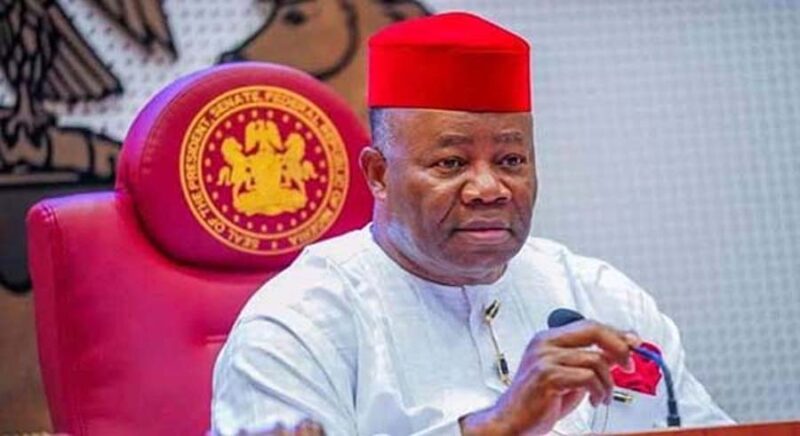
Senate President Godswill Akpabio has sparked controversy with his opposition to a bill seeking to decriminalise attempted suicide in Nigeria, insisting that people who survive suicide attempts should face imprisonment.
Akpabio made the remarks on Tuesday during a Senate debate on the proposed Suicide Prevention Bill 2026, which seeks to replace criminal punishment for suicide attempts with medical treatment, rehabilitation and support for survivors.
“As far as we are concerned, we are saying that suicide is a crime for now. Therefore, if you attempt it, you better succeed. If you don’t succeed, we will send you to prison,” Akpabio said.
He reiterated his position, warning that anyone who attempted suicide but survived would be jailed.
His comments came as the Senate passed the bill for second reading, allowing it to proceed to further legislative scrutiny despite his opposition.
Sponsored by Senator Asuquo Ekpenyong, who represents Cross River South, the bill seeks to establish a national framework for suicide prevention, early intervention, treatment and long-term support for people who survive suicide attempts.
Ekpenyong argued that Nigeria’s existing legal framework contains a contradiction because the National Mental Health Act 2021 recognises attempted suicide as a psychiatric emergency requiring intervention, while provisions of the Criminal Code and Penal Code continue to criminalise the act.
He specifically cited Section 327 of the Criminal Code and Section 231 of the Penal Code, which expose people who survive suicide attempts to possible criminal punishment under applicable laws.
READ ALSO:
- Yamal Inspires Barcelona Comeback to Sink Osimhen’s Galatasaray
- Press Freedom: Judge Blocks Trump’s Ban on Three Major US Media Outlets
- Money Rituals: Four Arrested in Kwara Over Suspected Human Parts
The senator said criminalising attempted suicide could discourage people experiencing severe emotional distress from seeking professional help. It could also make families conceal incidents for fear of prosecution and stigma, while undermining the collection of reliable data needed to strengthen prevention efforts.
Ekpenyong challenged lawmakers to consider whether a person who survives a suicide attempt should face prosecution or receive protection and medical care.
He maintained that decriminalising attempted suicide would not mean encouraging suicide or excusing anyone who assists, persuades or procures another person to take their life. Rather, the proposal would recognise suicide prevention as a public health responsibility requiring coordinated medical, psychological and social support.
The bill proposes a framework for medical assessment, referral services, rehabilitation and follow-up care for survivors. It also provides for crisis helplines, public awareness campaigns and training for police officers, teachers and healthcare workers to help them identify and respond appropriately to people experiencing suicidal distress.
Another proposed measure is the establishment of a national data system to improve understanding of suicide attempts and support evidence-based prevention programmes.
During the debate, Senator Ned Nwoko, representing Delta North, seconded the motion for the bill’s second reading but questioned how the proposed legislation would work in practice to prevent suicide.
Senate Leader Opeyemi Bamidele also raised concerns about the legal implications of the proposal, particularly how amendments involving the Criminal Code and Penal Code would apply across Nigeria’s states.
Bamidele urged lawmakers to examine the relationship between federal legislation and state legal frameworks to avoid conflicts during implementation.
Akpabio similarly called for input from state Houses of Assembly during the proposed public hearing, arguing that the legal implications of amending the existing provisions required careful consideration.
Senator Abdul Ningi, representing Bauchi Central, welcomed the proposal and said the legislative process would provide an opportunity for medical professionals, legal experts and other stakeholders to contribute to the debate.
The bill’s supporters argue that people who survive suicide attempts should not automatically be treated as criminals without consideration of the circumstances that led to the crisis. They maintain that punishment alone cannot address the underlying psychological, social or medical factors associated with suicidal behaviour.
The Senate’s decision to pass the bill for second reading does not mean that the proposed changes have become law. The legislation has been referred to the relevant Senate committees on health and judiciary for further consideration, including a public hearing.
Until the legislative process is completed and any resulting law takes effect, attempted suicide remains punishable under applicable provisions of Nigeria’s existing criminal laws.
The debate has brought renewed attention to Nigeria’s approach to suicide prevention and the treatment of survivors, with lawmakers now facing further scrutiny of whether criminal penalties or a health-centred response should take priority.
Attempted Suicide: ‘If You Survive, We’ll Jail You’ – Akpabio
metro
Money Rituals: Four Arrested in Kwara Over Suspected Human Parts

The Kwara State Police Command has arrested four suspects in two separate investigations involving suspected human body parts and the alleged removal of human heads from graves, amid concerns about crimes reportedly linked to money-making rituals.
The cases involve the recovery of two suspected human hands along Bakase Road in Alapa, Moro Local Government Area, and the alleged exhumation of graves at a cemetery in Omupo, Kwara State.
The Commissioner of Police, Adekimi Ojo, disclosed the arrests during a security briefing in Ilorin on Tuesday, October 13, 2026, as the command announced operations targeting suspected criminal activities across the state.
In the Alapa case, police arrested Kamalden Lukmon and AbdulGaniyu Ibrahim after recovering two suspected human hands on October 8.
According to the police, preliminary investigations indicated that the suspects allegedly intended to use the body parts for money-making rituals.
The suspects reportedly told investigators that a vigilante member identified as Abdulraf Apata had handed the suspected human hands over to them. Police said the allegation was being investigated to establish how the body parts were obtained and whether other individuals were involved.
The command has not publicly established the identity of the possible victim or the circumstances surrounding the origin of the suspected human hands. The allegations against the suspects and the person they reportedly named have yet to be determined by a court.
READ ALSO:
- Osogbo Cultism Crackdown: Six Suspects Arrested as Police Recover Drugs, Charms
- 2027 Elections: INEC Reveals Why Pantami, Adebutu, Others Were Excluded
- IPOB Denies Monday Sit-at-Home Return, Challenges Police to Produce Evidence
In a separate investigation, police arrested Abu Jimoh and Ayo Jimoh over the alleged exhumation of graves and removal of human heads from a cemetery in Omupo.
The case reportedly came to light in May 2026 when residents visited the cemetery to bury a deceased person and discovered that some graves had been disturbed and the heads of bodies buried there were missing.
The discovery prompted a police investigation into the suspected grave exhumation and the whereabouts of the missing remains.
The commissioner said the two suspects were arrested at about 5 a.m. on October 8 while they were allegedly digging graves at the cemetery.
During interrogation, the suspects reportedly named Mukaila Bello, a herbalist, as the alleged buyer of the missing human heads. However, the police account did not establish whether Bello had been arrested or whether the allegation against him had been independently verified.
Investigators were continuing efforts to establish the full circumstances of the incident, locate the missing remains and determine whether other people were involved.
The police have not established a direct connection between the Omupo cemetery case and the separate recovery of suspected human hands in Alapa. The incidents remain distinct investigations.
The arrests were among several security cases discussed during the commissioner’s briefing, at which the command reportedly presented 17 suspects linked to various alleged offences, including kidnapping, armed robbery, murder, child abuse and illegal possession of firearms. The figure covers multiple cases and does not refer solely to the four suspects in the human-parts investigations.
The latest developments have drawn attention to concerns about ritual-related crime and the unlawful handling of human remains in parts of Kwara State. Investigations are expected to establish the facts behind the allegations and determine whether further arrests or prosecutions are warranted.
In a separate incident earlier in 2026, a suspect identified as Hamza Woru was reportedly arrested in Kaiama over the alleged possession of a human skull said to have been exhumed from a deceased relative’s grave. That case is separate from the October investigations in Omupo and Alapa.
The police urged residents to report suspicious activities, particularly around cemeteries and other locations where criminal conduct may be taking place. Community leaders and other stakeholders were also encouraged to provide credible information that could assist investigations and help prevent crime.
The command said it would continue intelligence-led operations to identify suspected offenders, investigate criminal networks and strengthen public safety across the state.
The four suspects remain entitled to the presumption of innocence unless the allegations against them are established in court.
Money Rituals: Four Arrested in Kwara Over Suspected Human Parts
metro
Osogbo Cultism Crackdown: Six Suspects Arrested as Police Recover Drugs, Charms
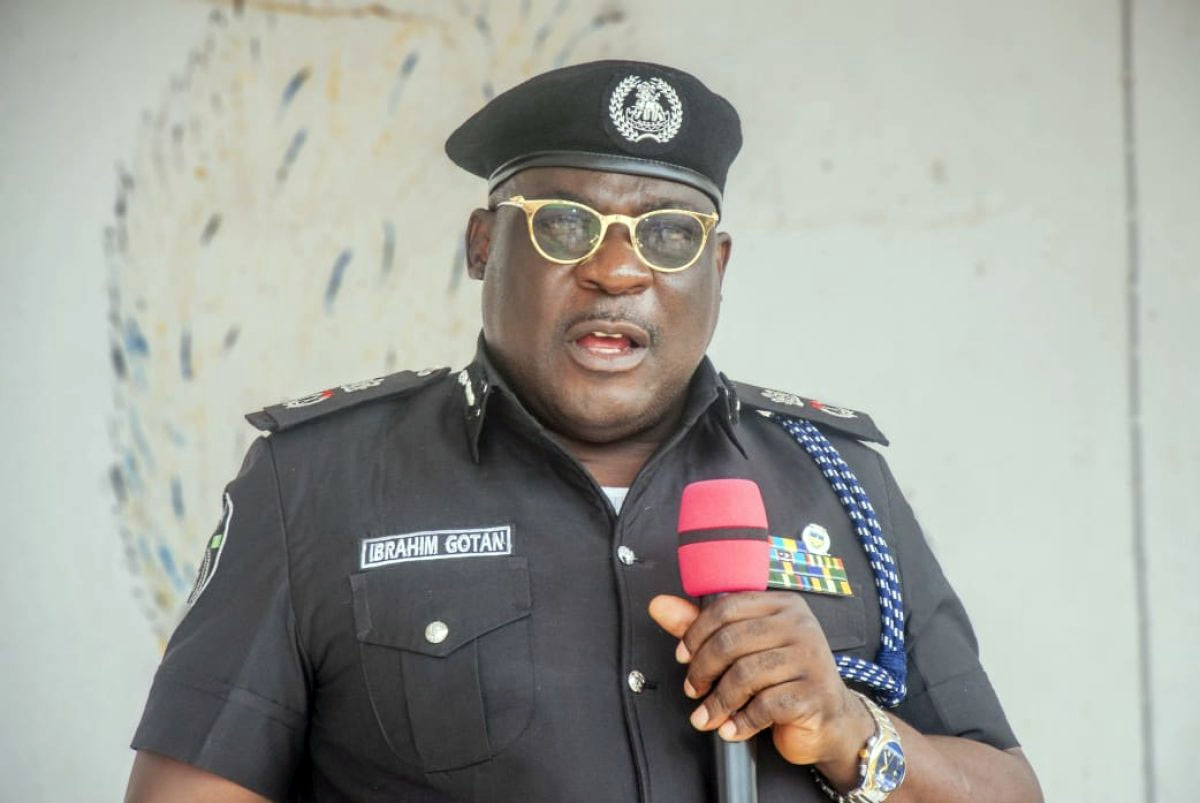
The Osun State Police Command has arrested six suspected cultists during intelligence-led raids on criminal hideouts in Osogbo, the state capital, as security operatives intensify efforts to curb cult-related violence and other criminal activities.
The suspects were allegedly associated with the Eiye Confraternity and were linked by investigators to a suspected gang operating around Mackay Junction in Osogbo, where residents have raised concerns about criminal activities and threats to public safety.
The Police Public Relations Officer, DSP Abiodun Ojelabi, disclosed the arrests in a statement on Tuesday, October 13, 2026, saying the operation followed directives from the Commissioner of Police, Ibrahim Gotan Zungura, to strengthen security and dismantle criminal hideouts across the state.
According to the command, operatives recovered suspected criminal charms, illicit drugs and cash believed to be proceeds of drug-related activities during the raids.
The six suspects were identified as Ajibade Lateef, 21; Olaniyi Kabiru, 27; Ifaleke Ifedeji, 18; Tajudeen Wasiu, 35; Abideen Babatunde, 35; and Opeyemi Lukman, 18.
The police said preliminary investigations indicated that the suspects were allegedly connected to the Eiye Confraternity and a suspected criminal network operating in the Mackay Junction area. However, the allegations against them have yet to be established in court.
Reports by Nigerian media outlets indicated that the suspects had been charged to court, although further details about the charges and proceedings were not immediately available.
READ ALSO:
- 2027 Elections: INEC Reveals Why Pantami, Adebutu, Others Were Excluded
- IPOB Denies Monday Sit-at-Home Return, Challenges Police to Produce Evidence
- FG Moves to Expand CNG Vehicle Production, Targets Cheaper Transport Fares
The arrests come amid renewed concerns over cult-related violence in Osogbo. In a separate incident, two people were reportedly killed in an attack involving suspected rival cult groups in the state capital.
The reported killings have heightened concerns about the activities of suspected cult groups and the risk of further violence. However, the police have not publicly established a direct link between the six suspects arrested in the latest raids and the separate fatal incident.
The latest operation forms part of the command’s wider efforts to identify and dismantle criminal networks, prevent violent confrontations and improve public safety across Osun State.
The Commissioner of Police urged parents, guardians, community leaders, landlords and residents to support security agencies by reporting suspicious movements and providing credible information that could assist investigations.
He also warned young people against cultism, illicit drug use and criminal associations, stressing the importance of community cooperation in preventing violence and protecting lives and property.
The command said it would sustain intelligence-led operations in identified criminal hideouts and other areas considered security threats. It also encouraged residents to report suspected criminal activities to the nearest police station or through established police emergency channels.
The police maintained that the operations were aimed at strengthening security across the state and ensuring that individuals suspected of criminal activities were brought before the appropriate authorities.
Osogbo Cultism Crackdown: Six Suspects Arrested as Police Recover Drugs, Charms
-
 metro3 days ago
₦8.7bn Erosion-Control Budget Gap Raises Questions as Anambra Gullies Expand
-
 Politics2 days ago
Obi Positioning for SGF Role Under Atiku’s ADC Ticket – Sowore
-
 metro2 days ago
How Bandits Demand ₦300m Ransom for Abducted Kaduna Couple, Baby in Viral Video
-
 metro2 days ago
Child Soldiers, Baby Factories: US Raises Alarm Over Official Complicity in Nigeria
-

 News3 days ago
Fuel Subsidy May Ease Hardship Today, But Could Cripple Nigeria’s Economy Tomorrow — FG
-

 Politics2 days ago
Okonkwo Alleges Return of Subsidy, Accuses NNPC of Plotting Trillions in ‘Lost Profit’
-
 metro3 days ago
2027 Elections: Atiku Demands Names of INEC Ballot Printers, Questions Secret Contracts
-
 metro2 days ago
How Military Air Strike Crushed ISWAP Attack Plot, Killed Over 40 Fighters in Borno