

Entertainment
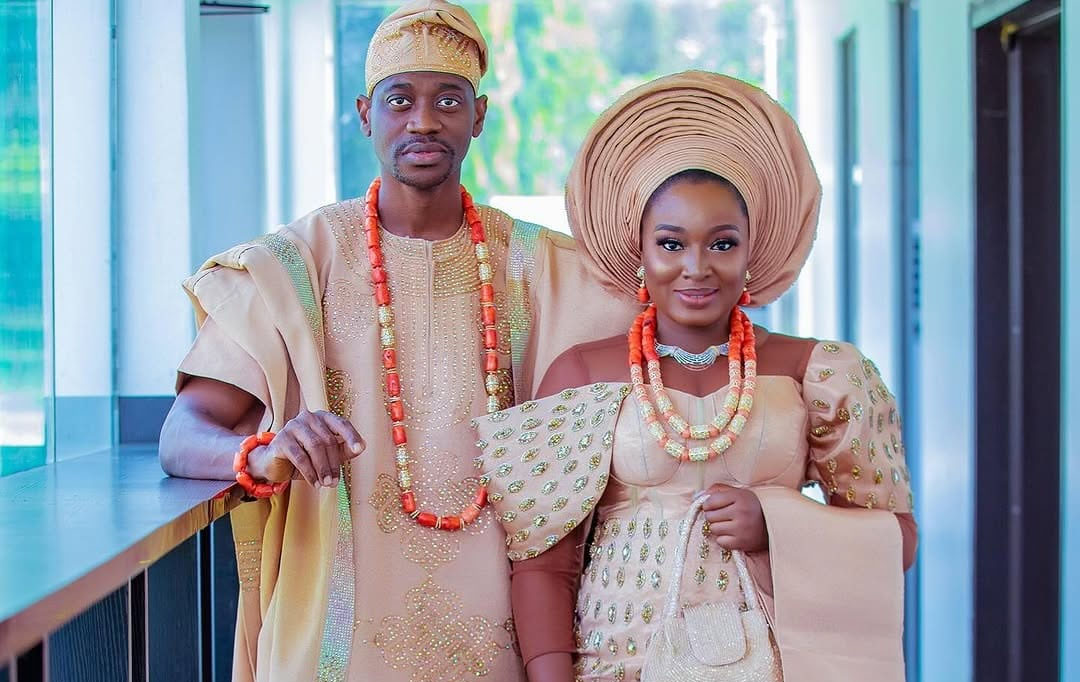
My husband is a secure man – Mo Bimpe claps back at critics
My husband is a secure man – Mo Bimpe claps back at critics
Nollywood actress Mo Bimpe has responded to social media criticism following a viral video showing her interacting with fellow actor Jide Awobona at the premiere of A Mama Deola Wedding Story in Lagos.
The video, recorded at the September 2, 2026 movie premiere, showed Mo Bimpe seated between Awobona and her husband, actor Lateef Adedimeji.
In the clip, Mo Bimpe was seen leaning towards Jide Awobona and resting on his shoulder while they appeared to look at something on her phone.
The brief interaction quickly attracted attention on social media, with some users questioning the nature of the relationship between the two actors and debating whether the moment crossed expected marital boundaries.
Some commentators also scrutinised Lateef Adedimeji’s reaction, with viewers suggesting that he appeared uncomfortable during the interaction. However, neither Lateef nor Mo Bimpe has confirmed that he was upset by the incident.
The growing online discussion eventually prompted Mo Bimpe to address the criticism.
In a statement shared on her Instagram Story on Sunday, September 6, the actress said she found it surprising that an ordinary conversation between friends had been interpreted as something suspicious.
She explained that the viral clip represented only a brief interaction and should not be used to draw conclusions about her marriage.
Mo Bimpe stressed that marriages can be built on trust, friendship, respect and confidence, rather than fear, jealousy or constant monitoring.
“Not every marriage is built on fear, insecurity, and constant monitoring. Some marriages are built on trust, friendship, respect, and confidence,” she said.
The actress further suggested that the strong reactions to the video may reflect the kind of relationships some of the critics are familiar with rather than the reality of her own marriage.
READ ALSO:
- After two decades, Tinubu approves Cabotage fund for Nigerian shipowners
- Hate Speech, Threats During Campaigns Attract ₦10m Fine, 12 Months Jail – INEC
- Market Fire in Indonesia Kills 11, Including Six Children
“The fact that so many of you found that interaction strange says more about the relationships you’re used to than it does about mine,” she added.
Mo Bimpe also rejected the suggestion that every unusual-looking interaction between a married person and a member of the opposite sex should automatically be interpreted as evidence of problems within the marriage.
“Not every marriage is toxic, there are still healthy marriages but I understand if you can’t relate,” she said.
Addressing her husband’s attitude towards her friendships, Mo Bimpe described Lateef Adedimeji as a secure partner who trusts her.
“My husband is a secure man, a brief conversation with a family friend does not threaten our marriage, or require anyone’s concern,” she stated.
The actress’s response has generated further reactions online, with some social media users praising her for defending her marriage and others continuing to discuss the boundaries that should exist between married people and their friends or colleagues.
The controversy has also reignited conversations about celebrity marriages and social media scrutiny, particularly the way short clips can be taken out of context and become subjects of widespread speculation.
Mo Bimpe and Lateef Adedimeji have been married since December 2021 and remain one of the better-known couples in the Nigerian entertainment industry.
Both actors have established careers in Nollywood, and their relationship has frequently attracted public attention.
Jide Awobona is also a colleague within the Nigerian film industry, and Mo Bimpe described him as a family friend while explaining the viral interaction.
The incident occurred during the premiere of A Mama Deola Wedding Story, a wedding-themed entertainment event that attracted several Nollywood stars and generated considerable attention on social media.
For Mo Bimpe, however, the viral video does not indicate a problem in her marriage.
Her response was aimed at making it clear that she and Lateef operate their relationship on a foundation of mutual trust and confidence, and that ordinary interactions with friends should not automatically become a source of suspicion.
The actress’s comments have therefore shifted the focus from the viral clip itself to broader discussions about trust in marriage, relationship boundaries, celebrity privacy and online criticism.
While social media users continue to debate the video, Mo Bimpe has made her position clear: she believes her marriage is secure, and she does not consider a brief conversation with a family friend a threat to her relationship with Lateef Adedimeji.
My husband is a secure man – Mo Bimpe claps back at critics












Entertainment
BREAKING: Veteran Nollywood Actor Francis Duru Dies at 57 After Brief Illness
BREAKING: Veteran Nollywood Actor Francis Duru Dies at 57 After Brief Illness
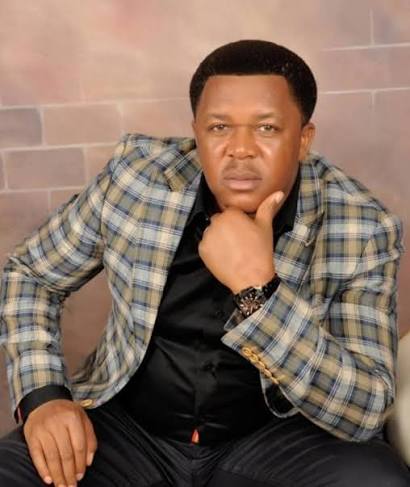
LAGOS, October 23, 2026 — The Nigerian entertainment industry has been thrown into mourning following the death of celebrated veteran actor Francis Duru, who passed away at the age of 57 after a brief illness.
The tragic news was confirmed by the Duru family in an official statement released on the actor’s verified Instagram page in the early hours of Friday, sending shockwaves through Nollywood and across Africa. “We, the family of Francis Duru, regret to announce his passing following a brief illness,” the statement read. “We appreciate your prayers, love, and understanding. May his soul rest in perfect peace. Amen.” The family has requested privacy during this difficult period while expressing gratitude for the overwhelming support from fans and colleagues.
Born on July 27, 1969, in Cameroon to Nigerian parents, the Imo State-born actor built an acting legacy that spanned over three decades, becoming one of the most recognizable faces in African cinema. Duru completed his primary and secondary education in Cameroon before relocating to Nigeria, where he earned a degree in Theatre Arts from the University of Port Harcourt. His academic foundation paved the way for a remarkably versatile career that saw him excel in both comedic and intense dramatic roles. The veteran actor made his debut in the early days of home video cinema, quickly earning a reputation for his discipline, emotional depth, and seamless delivery. His performance in classic hit movies during the 1990s and early 2000s cemented his place as a household name across the continent. Over the years, Duru featured in hundreds of critically acclaimed films and television series, endearing himself to millions of film lovers who grew up watching him on screen. Beyond his work in front of the camera, the late actor was widely recognized for his mentorship of younger talents and his active participation in the Actors Guild of Nigeria (AGN), where he consistently advocated for better welfare standards for veteran performers.
The news of Duru’s death comes just months after the actor publicly dismissed widespread claims about his deteriorating health. In June 2026, concern spread rapidly among fans and industry colleagues after a video showing him looking noticeably frail circulated across various social media platforms. Reacting swiftly to the viral claims, Duru shared a video message on his Instagram account to reassure the public, describing the footage as “fabricated and malicious” while insisting he was in good health and working on upcoming projects. The sudden turn of events has left many fans grappling with the tragedy, particularly given his recent attempt to quell public concern. Industry commentators noted that his reassuring message in June had temporarily put minds at ease, making the news of his sudden demise all the more difficult to process for the Nollywood community.
Tributes have continued to pour in from industry peers, cultural icons, and devoted fans who grew up watching the beloved performer on television screens across the continent. Many colleagues took to social media platforms to express their sorrow and honor the memory of the legendary performer, highlighting his professionalism, humility, and dedication to the craft of storytelling. His passing marks another heavy loss for the Nigerian film industry, which continues to mourn the exit of its pioneering icons.
As funeral arrangements remain under discussion by the family, the Nigerian creative sector prepares to celebrate the life and enduring artistic legacy of a performer who helped shape modern Nollywood cinema. Duru is survived by his wife, Adokiye, and their children. The family had previously suffered the devastating loss of their 15-year-old son, Ifeanyi, in August 2024. The late actor’s journey from his birth in Cameroon to becoming one of Nollywood’s most respected figures stands as a testament to his talent, perseverance, and dedication to his craft. May his soul rest in perfect peace.
BREAKING: Veteran Nollywood Actor Francis Duru Dies at 57 After Brief Illness
Entertainment
Jide Kosoko Reveals Drama Behind Controversial Yoruba Film Amina Eleha

Veteran Nollywood actor and filmmaker, Prince Jide Kosoko, has recounted the controversy surrounding one of his Yoruba films, revealing how objections from some Islamic clerics nearly escalated into a wider confrontation.
The film, initially referred to as Amina Eleha, was later renamed Afomo.
Kosoko made the disclosure during an interview on the African A-List podcast, where he reflected on the challenges he encountered while producing a film whose storyline centred on a Muslim woman involved in adultery.
According to the veteran actor, some Islamic clerics, popularly known as Alfas, objected to the film and reportedly demanded that it should not be released because of its portrayal of a married Muslim woman engaging in an extramarital affair.
READ ALSO:
- Chaos in Abeokuta as Algerian Fans Attack Coach, Vandalise Stadium After Rangers Defeat
- Nollywood Mourns as Actress, Beauty Queen Tenia Abraham Dies at 32
- FG Challenges World Bank’s 124% Debt-to-Revenue Warning, Cites Rising Income
The clerics also reportedly took issue with the name Amina, which they considered religiously sensitive because of its association with the mother of Prophet Muhammad.
Kosoko, however, maintained that his intention was to tell a story about human behaviour and the contradictions that can exist between religious identity and personal conduct.
He questioned the reasoning behind objecting to a fictional character’s name or actions simply because they were associated with a particular religion.
The filmmaker argued that the portrayal of wrongdoing by a character who belongs to a religious community does not necessarily mean that the entire faith is being attacked.
The disagreement reportedly intensified in the Badiya area of Lagos, where some clerics allegedly pulled down posters advertising the production.
Kosoko recalled that the incident attracted the attention of local youths, creating concerns that the disagreement could degenerate into a wider confrontation.
He said he was worried that the situation might be interpreted as an attempt to provoke religious conflict, rather than a disagreement over a film’s storyline.
The actor also credited his colleague, Baba Elesho, with helping him during the tense episode.
According to Kosoko, Baba Elesho confronted the clerics and engaged them in discussions involving Arabic, challenging some of the arguments raised against the production.
Kosoko said the encounter revealed an aspect of Baba Elesho he had not fully appreciated before, particularly his understanding of Arabic and his willingness to intervene when the controversy threatened to escalate.
The veteran filmmaker’s account has renewed attention to the delicate relationship between creative freedom and religious sensitivities in Nigeria’s entertainment industry.
The subsequent change of the film’s title from Amina Eleha to Afomo is an important detail in the history of the production. However, the precise timing and circumstances surrounding the renaming require further confirmation.
The episode also highlights the difficulties filmmakers may encounter when fictional stories touch on sensitive issues involving religion, marriage and morality.
While filmmakers have the creative freedom to explore human behaviour and social realities, such productions can attract strong reactions when audiences believe their religious beliefs or communities are being misrepresented.
Kosoko’s recollection provides a glimpse into an earlier period of Yoruba filmmaking, when disputes over film content could extend beyond public criticism to confrontations involving filmmakers, religious figures and local residents.
Jide Kosoko Reveals Drama Behind Controversial Yoruba Film Amina Eleha
Entertainment
Nollywood Mourns as Actress, Beauty Queen Tenia Abraham Dies at 32
Nollywood Mourns as Actress, Beauty Queen Tenia Abraham Dies at 32
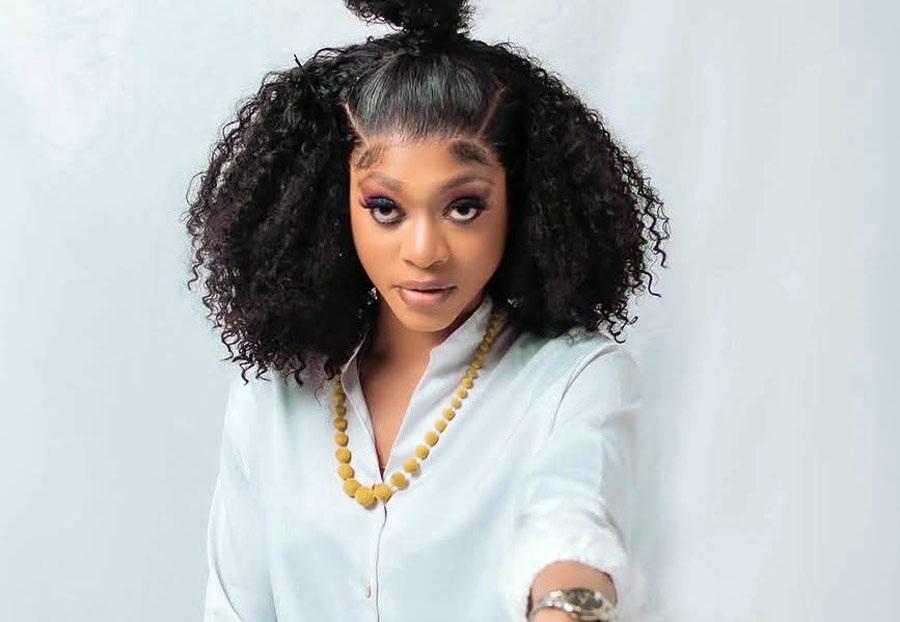
The Nigerian film industry, Nollywood, is mourning the death of actress and beauty queen Tenia Abraham Omenogor, who died at the age of 32 after suffering from a kidney infection.
Abraham died on October 13, 2026, and was buried at Gudu Cemetery in Abuja on Saturday, October 17, according to an obituary shared on her Instagram page.
Her family announced her death on Thursday, October 15, through her TikTok account, expressing deep sorrow over the loss of the actress, whom they described as a vibrant talent and a loving daughter, sister and friend.
“With heavy hearts and deep sorrow, we announce the passing of our beloved Nollywood actress, a vibrant talent, a loving daughter, sister and friend,” the family said in its announcement.
The obituary identified the late actress as Tenia Abraham Omenogor and stated that she died after suffering from a kidney infection. However, the family did not provide further medical details about her illness.
The burial arrangements indicated that relatives, friends and well-wishers were expected to gather at the mortuary of the Federal Medical Centre, Jabi, Abuja, before proceeding to Gudu Cemetery for the burial.
READ ALSO:
- Mbappé Runs Riot as Real Madrid Crush Sevilla 4-1 Ahead of El Clásico
- Ogun House Fire Horror: Husband Arrested After Wife Dies Following Domestic Dispute
- NLC, Falana Mobilise Nigerians Against Petrol Price Hike, Mount Pressure on Tinubu Govt
In a tribute to the deceased, her family described her as a gifted talent whose life touched those around her.
“She lived with passion, touched many lives with her talent and left behind a legacy that will never be forgotten,” the obituary stated.
The family also paid an emotional tribute to the actress, saying her talent, beauty and kindness would remain in their memories.
“Your light may have gone out from this world, but your talent, beauty and kindness will forever live in our hearts,” the tribute read.
Beyond her acting career, Abraham was involved in beauty pageants and held the Beauty Queen South South 2020 title, adding to her profile in Nigeria’s entertainment industry.
Following news of her death, attention also turned to a social media post she shared in August, in which she reflected on mortality and encouraged people to show love to one another.
“One day we will leave this world. Let’s love lead,” she wrote.
The message resurfaced following her death, drawing emotional reactions from social media users who reflected on the actress’s words.
Her death at 32 marks a painful loss for her family, friends, colleagues and admirers, who will remember her for her work in Nollywood and her achievements in beauty pageantry.
Nollywood Mourns as Actress, Beauty Queen Tenia Abraham Dies at 32
-

 metro3 days ago
Army Major, Soldiers Killed in ISWAP Ambush in Yobe State
-
 metro3 days ago
Breaking: Afenifere Leader Pa Fasoranti Dies at 100
-

 metro2 days ago
Atiku: US Lobbying Firm Raises Alarm Over Alleged Assassination Plot
-

 metro2 days ago
Five Arraigned Over Kidnapping of 20 Prospective NYSC Members in Imo
-

 metro3 days ago
‘We Don’t Know What Else to Do’ — Mother Begs for Release of Abducted Children
-

 metro3 days ago
‘I Never Asked Them to Abandon Loved Ones’ — Obi Clarifies Diaspora Remarks
-

 Auto3 days ago
Beyond the Showroom: Why After-Sales Service Will Define Auto Industry Winners
-

 Auto2 days ago
Happening now: Hyundai unveiling of Mufasa and Grand Creta