

metro
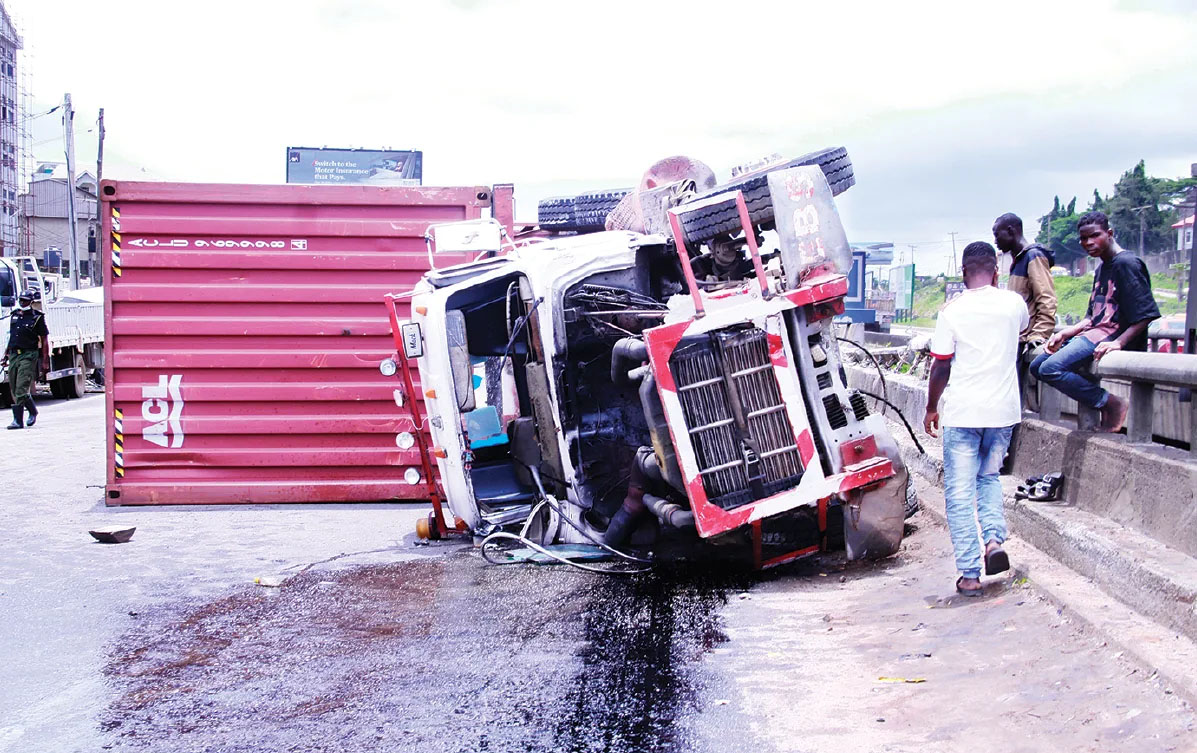
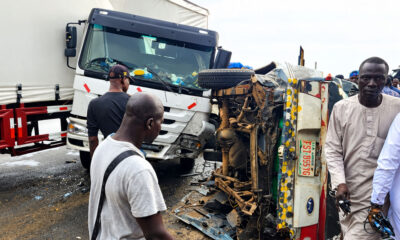
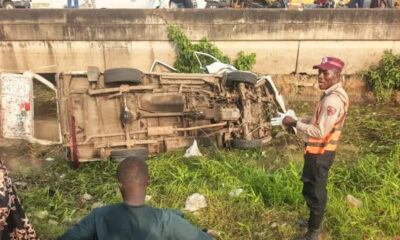
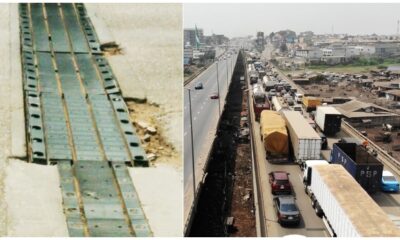
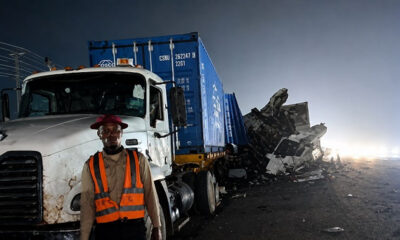
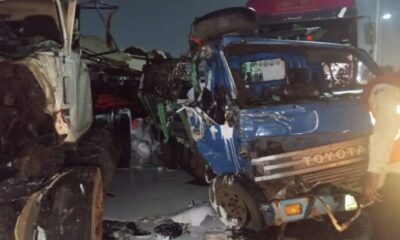
Kara Bridge Repairs, Multiple Crashes Trigger 14-Hour Gridlock on Lagos-Ibadan Expressway






metro
NDLEA Arrests Woman With 266 Rounds of Live AK-47 Ammunition on Abuja-Kaduna Expressway
NDLEA Arrests Woman With 266 Rounds of Live AK-47 Ammunition on Abuja-Kaduna Expressway
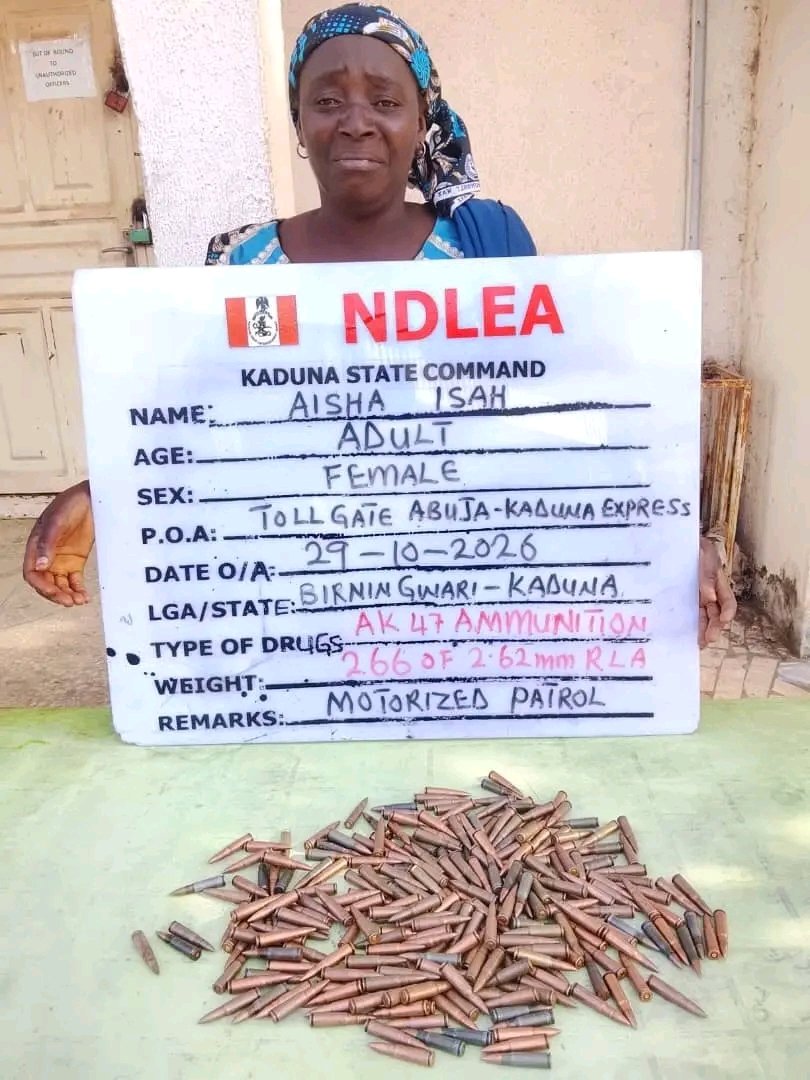
Operatives of the National Drug Law Enforcement Agency (NDLEA) have arrested a woman identified as Aisha Isah after allegedly recovering 266 rounds of live AK-47 ammunition from her along the Abuja-Kaduna Expressway.
The suspect was reportedly arrested at a toll gate during a patrol operation by NDLEA operatives along the busy highway.
The agency’s spokesperson, Femi Babafemi, disclosed the arrest in a statement issued on Sunday, November 1, 2026.
According to the statement, the ammunition recovered from the woman consisted of 266 live rounds meant for an AK-47 rifle.
However, the NDLEA did not disclose where the suspect was travelling from, her intended destination or the circumstances surrounding the possession and transportation of the ammunition.
The arrest comes amid intensified security operations across the country, particularly along major highways and other routes suspected to be used for the movement of illicit substances and other prohibited items.
In a related operation, NDLEA operatives arrested a 68-year-old man, identified as Ifeanyi Egwolonwu, at Gwargwaje in Zaria, Kaduna State, along the Zaria-Kano Expressway.
The suspect was allegedly found with 2,770 ampoules of pentazocine injection, 100 ampoules of diazepam injection, 11,000 tablets of diazepam and 4,500 tablets of Exol-5.
The agency also reported several arrests and major drug seizures in different parts of the country as part of its ongoing operations against drug trafficking and related criminal activities.
The NDLEA has yet to provide further details about the investigation into the alleged ammunition possession by Aisha Isah.
NDLEA Arrests Woman With 266 Rounds of Live AK-47 Ammunition on Abuja-Kaduna Expressway

metro
How 40 Motorcycles-Riding Bandits Ambushed, Brutalised Six Kwara Security Operatives
How 40 Motorcycles-Riding Bandits Ambushed, Brutalised Six Kwara Security Operatives
Suspected bandits have reportedly ambushed and brutalised six members of the Iru Ekun Security Network in Bani community, Kaiama Local Government Area of Kwara State.
The attack occurred as the operatives were returning from a meeting in Kaiama town, shortly before reaching Bani community.
The chairman of the private security organisation, Isiak Olayiwola, disclosed details of the incident, describing the attack as heartbreaking and a disturbing development for community-based security efforts in the state.
According to Olayiwola, the six operatives were travelling back to Bani when between 30 and 40 motorcycles carrying armed men suddenly emerged and launched an attack on them.
He said the attackers were heavily armed with AK-47 rifles and other weapons, adding that the security operatives had only two firearms among them for personal protection.
Olayiwola explained that his men were not on a mission to confront any armed group but were simply returning from their meeting when they were ambushed.
He said, “They were returning from a meeting in Kaiama town to Bani when they were ambushed on their way back.”
The security chief added that the attackers opened fire on the operatives shortly before they entered the community.
He expressed gratitude that none of the six members was killed during the attack, attributing their survival to divine intervention.
A video of the incident, which surfaced on October 26, showed the captured operatives sitting on the ground with their hands tied behind their backs while armed men interrogated them.
In the footage, the captors repeatedly questioned the victims about their membership of the Iru Ekun Security Network and their activities in Bani community.
One of the armed men was heard challenging the operatives over what he described as their refusal to heed earlier warnings against associating with the security organisation or accommodating its members in the community.
One of the captives, identified as Jelili Alagbere, who was wearing an Iru Ekun-branded shirt, was questioned about his involvement in the organisation.
Another captive, Yusuf Alagbere, reportedly identified himself as a hunter, explaining that he had been invited by some individuals known as the Elere boys.
A third captive, identified as Rafiu, was also questioned about his identity and connection with the security outfit.
An elderly man among the captives, however, denied belonging to the organisation, insisting that he was not an Iru Ekun member.
Towards the end of the recording, the armed men reportedly asked the captives whether they would continue participating in the organisation’s activities. The victims were heard responding in the negative.
Olayiwola subsequently identified one of the suspected attackers as Sardauna, alleging that he was among those who participated in the shooting and personally recorded the interrogation.
He claimed that Sardauna was holding the phone and conducting the questioning while also opening fire on the security operatives.
The chairman said the video eventually found its way to the security organisation, although the person who recorded it was allegedly unaware that it would reach them.
Meanwhile, Olayiwola commended the Kwara State Commissioner of Police, Adekimi Ojo, for his efforts towards securing the rescue of the six operatives.
The incident has raised fresh concerns about the security situation in parts of Kwara State, particularly the dangers confronting local security groups involved in protecting vulnerable communities against armed attacks and kidnapping.
The development also highlights the growing risks faced by community-based security operatives operating in areas where heavily armed criminal groups reportedly maintain a presence.
How 40 Motorcycles-Riding Bandits Ambushed, Brutalised Six Kwara Security Operatives
metro
‘My Only Hope’: Mother Mourns Son Found Beheaded in Cross River

‘My Only Hope’: Mother Mourns Son Found Beheaded in Cross River
The body of a 14-year-old boy, identified simply as Ogar, has been discovered without his head in a river at Yahe community in Yala Local Government Area of Cross River State.
The tragic discovery followed the teenager’s disappearance from home, leaving his family and residents of the community in shock.
According to a report by Vanguard, Ogar was last seen on Friday afternoon after returning from school. He reportedly left home shortly after having his meal but failed to return.
His mother, Agnes, said the family became worried when they could not find him and subsequently organised a search.
However, their search ended in tragedy on Saturday afternoon when the boy’s body was discovered in the Yahe River, about one kilometre from the community.
The grieving mother, who reportedly lost her husband three years ago, lamented that her son was her only source of hope.
“I don’t know who did this wicked act to me — my only source of hope after his father died three years ago. His body without the head was found at the river,” she said.
Agnes expressed confusion over how her son ended up in the river, explaining that the water was usually dirty and brownish at this time of the year and was not commonly used for swimming or washing clothes.
She also said she could not establish whether someone had taken the teenager to the river or how he got there.
A classmate of the deceased, identified as Jacob, reportedly said Ogar did not inform him or their other friends that he intended to go anywhere with anybody.
He added that he only learnt about the tragedy after news emerged that the teenager’s body had been discovered.
Meanwhile, a source at the Yahe Police Station confirmed that the incident was being investigated.
The police source, however, declined to provide further details, explaining that the Divisional Police Officer was away in Calabar.
“I can tell you we are investigating the matter,” the source said.
The circumstances surrounding the teenager’s death, including the whereabouts of his missing head and the identity of those responsible, remain unclear.
Residents are awaiting further details from the police as investigations continue.
‘My Only Hope’: Mother Mourns Son Found Beheaded in Cross River
-
 metro3 days ago
Captured Bandit Exposes Alleged Military Arms Supplier, Claims Gang Collected ₦1bn From Two Customs-Linked Kidnappings
-

 Politics2 days ago
2027: G100 Coalition Moves to Unite Opposition as Leaders Meet Cardinal Onaiyekan
-
 metro2 days ago
Ogun Murder: Suspect Reveals How He Strangled, Macheted Retired Civil Servant Over N3.45m
-
 Africa3 days ago
Midnight Horror : Woman Slaughters Husband, Two Children, Escapes Murder Conviction
-

 metro3 days ago
‘You Must Treat Me With Respect’ – Oshiomhole Blasts Rufai Oseni During Heated Live TV Interview
-

 International2 days ago
Romance Scam: FBI Declares Nigerian Woman Wanted, Offers ₦6.7m Reward
-

 metro2 days ago
N100,000 Deposit: FG Opens Homeownership Window for Teachers, Nurses, Police Officers
-
 metro2 days ago
Ghanaian Teen Chased, Shot Dead on Way to School in New York