

News
PDP crisis: APC, two more governors begin defection talks

Following the ongoing crisis in the opposition Peoples Democratic Party (PDP), two more governors have started defection talks with the All Progressives Congress (APC).
The governors might use the defection to curtail threats from APC in their states.
The APC leadership was said to be discussing some terms with the affected governors.
One of the terms is the control of party structure in order to secure a guarantee for their second term in office.
According to a source, who is involved in the preliminary talks, one of the governors is from the South while the other is a high profile governor from the Northwest, who is rumoured to have presidential ambition but now appears to have had a change of heart and views a second term as governor as a more attainable target, using the APC platform.
Former Minister of Aviation, Femi Fani-Kayode, hinted on Thursday that three PDP governors, namely those of Bauchi (Bala Mohammed), Enugu (Ifeanyi Ugwuanyi) and Oyo (Seyi Makinde) were planning to defect to the APC.
He made the declaration while he was being presented to President Muhammadu Buhari by the APC Caretaker Chairman Governor Mai Mala Buni, in Abuja.
However, Governor Ugwuanyi has since refuted the insinuation by Fani-Kayode that he was contemplating defection from PDP to APC.
Reacting to the insinuation while addressing journalists in Enugu yesterday, the Chairman of Enugu Capital Territory Development Authority (ECTDA), Dr Josef Onoh, described Fani-Kayode’s comment as “a figment of his imagination”, adding that Governor Ugwuanyi had no plan to leave the PDP.
Our source said the uncertainty in PDP ahead of preparations for 2023 poll was also making some Senators and members of the House of Representatives to look for alternative platforms.
The source said: “If the negotiation goes well as designed, two more PDP governors, some Senators and members of the House of Representatives will soon join the All Progressives Congress. The way the APC is coordinating and penetrating PDP, the party may end up as a carcass.
“The two governors include one from the North-East and another from the South. I don’t want to mention the second governor’s geopolitical zone in order not to jeopardise the ongoing talks.
“A respected governor is one of those trying to woo the two governors. I think the APC deal is timely for the two governors to checkmate the party’s opposition to PDP in their states.
“This is why the PDP governors have made the control of the party’s structure a condition for defecting to APC. They want to guarantee their second term ticket.”
There were indications that some Senators and members of the House of Representatives may join the two governors if the defection pact sails through.
A senator from one of the affected states said: “I have got wind of the ongoing talks. If my governor thinks that is the best, I will follow him. We work as a team.”
Meanwhile, there were conflicting signals on where PDP is headed on its zoning formula for 2023 elections.
The party’s zoning committee is being led by Governor Ifeanyi Ugwuanyi of Enugu State.
The report of the committee will determine the shape of the National Convention of PDP in October and its presidential ticket for 2023 poll.
But while the committee has set out to work, it was learnt that some Northern PDP leaders have been pushing for the retention of the party’s ticket in their region.
They claimed that the 2023 poll is winnable for PDP with a strong Northern candidate.
They said it will be better to erode the 12 million voting strength of the APC in the North than to fail again at the next poll.
But some Southern governors and PDP leaders believe power should shift to the South in 2023.
They aligned themselves with the position of the Southern governors on Thursday in Enugu.
A third force in the party wants all slots thrown open, especially the presidential slot, to allow the best to emerge.
A member of the National Executive Committee (NEC) of PDP said: “Zoning is a major headache for the party. We have three tendencies in the party. The North is seeking the slot after eight years in power; the South is desperate for power shift; and we have a section of PDP, which is asking us to throw open all offices.
“We are all looking forward to Governor Ugwuanyi committee which some of us see as an afterthought to douse tension in the party. PDP is in custody of a report by Governor Bala Mohammed and we ought to build only on the panel’s recommendations.”
Findings confirmed that the confusion in the party accounted for alleged hide and seek game by some of its governors and leaders.
It was gathered that while Governor Nyesom Wike has been linked with a presidential aspiration, he is also said to be interested in the VP slot as a Plan B.
Others, who are allegedly interested in the office of the Vice President in 2023 include ex-Governor Peter Obi, ex-Deputy President of the Senate Senator Ike Ekweremadu and some PDP governors who will complete second term in office by the next general election.
“The lobby for VP ticket is more pronounced and profound among PDP governors and leaders from the South than any part of the country.
“Some of us are wondering whether or not these leaders are committed to power shift to the South in 2023,” a former governor said.

Interview
“Not as Corrupt as the World Thinks”: Reno Omokri Defends Nigeria’s Image and Safety
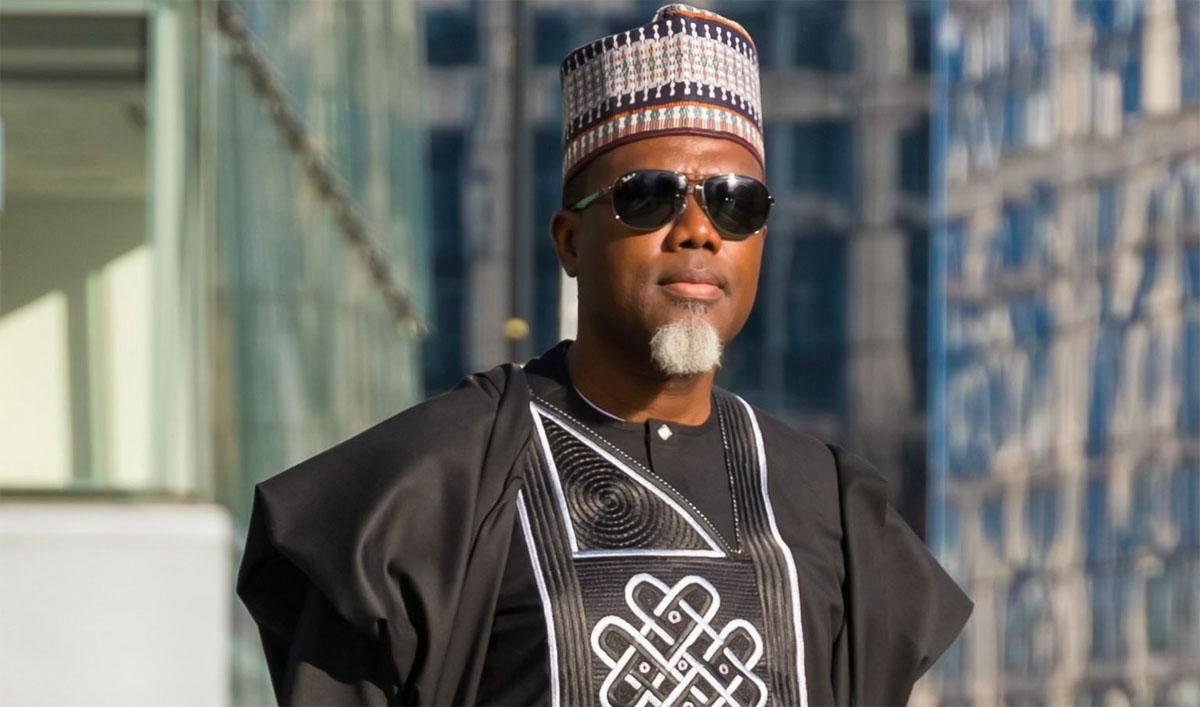
Citing economic growth and safe public festivals, Reno Omokri urges the nation to tell its own story rather than rely on external perception indexes.
Nigeria is not nearly as corrupt or unsafe as foreign reports claim, according to Reno Omokri, Nigeria’s Ambassador-designate to Mexico. In a television interview on Channels Television, Omokri explained that international assessment groups often misunderstand Nigerian customs because they apply global benchmarks that ignore local traditions.
A central issue, Omokri noted, is how different cultures view appreciation. In Nigerian society, offering a gift to say thank you to an official who provides excellent service is a familiar sign of respect, much like tipping in other parts of the world.
However, international observers often label this practice as corruption. Omokri stated that the country needs to share its own experiences directly with the world rather than allowing outside groups to set a negative narrative.
Omokri also defended the country’s safety record by pointing to Lagos, where the economy has expanded steadily and major cultural events draw massive crowds.
He highlighted the annual holiday season in Lagos, which brings more than one million visitors together peacefully each year. For Omokri, these vibrant events show that everyday life in Nigeria is full of energy, community warmth, and safety.
News
‘Jobs Must Not Be Based on Connections’ — Oyintiloye Tells FCC
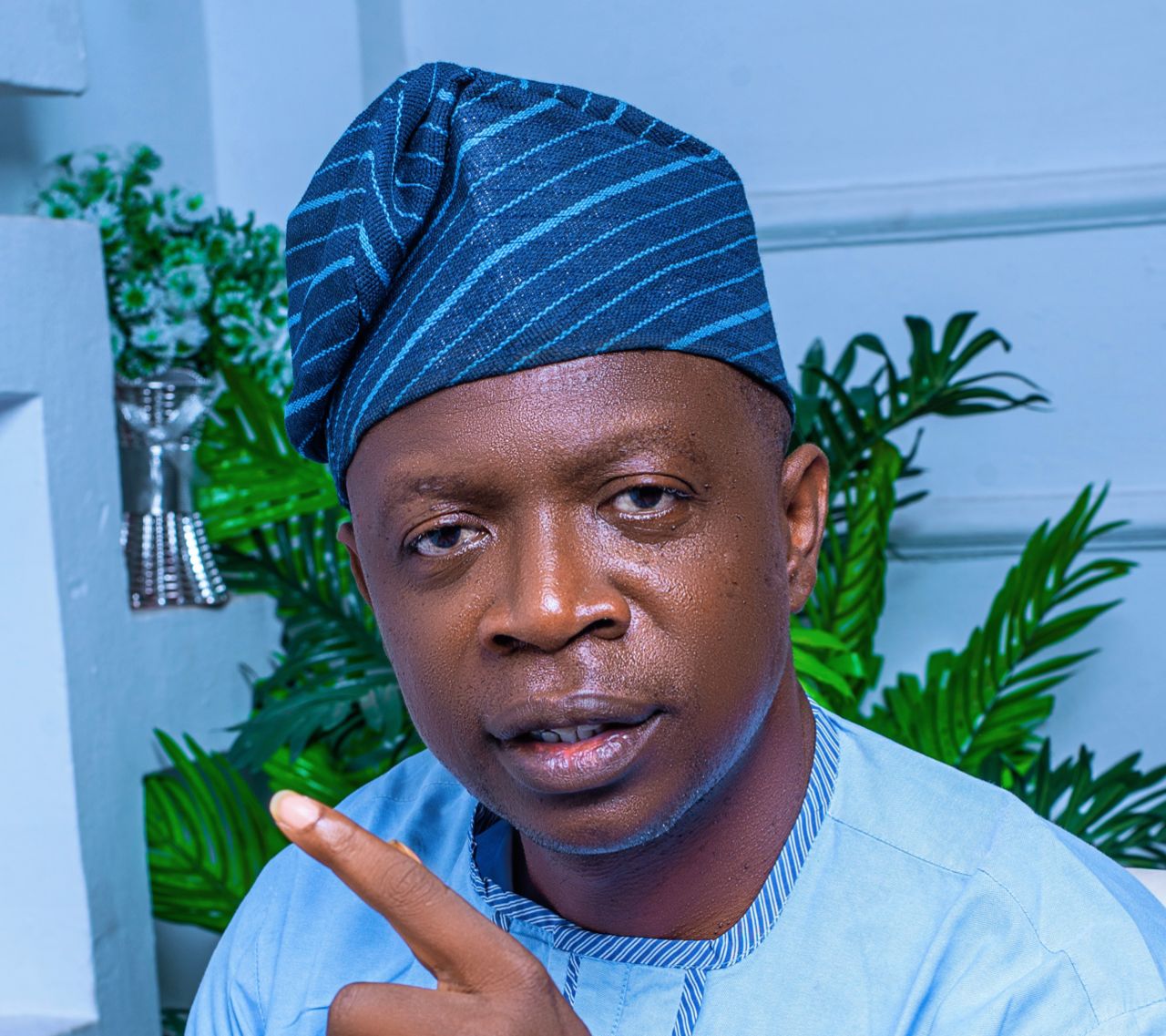
Calls for greater transparency in the distribution of federal employment opportunities have intensified, with APC chieftain Olatunbosun Oyintiloye urging the Federal Character Commission to ensure that recruitment is not influenced by powerful individuals.
Oyintiloye, speaking in Osogbo, Osun State, appealed to the commission’s Executive Chairman, Ayo Hulayat Omidiran, to stand firm against intimidation or pressure while carrying out her responsibilities.
According to him, the credibility of federal recruitment depends on giving qualified Nigerians a fair chance, regardless of their background or connections.
He said the FCC should strengthen its oversight of recruitment processes and prevent situations where applicants are disadvantaged through manipulation or other improper practices.
“The FCC must adopt a renewed commitment to building a commission where merit, fairness and the principles of federal character guide the management of employment opportunities across the public service” Oyintiloye said.
His appeal comes shortly after Omidiran publicly reiterated that federal government jobs were not for sale and that employment opportunities should be available to Nigerians regardless of social status.
Oyintiloye said the position of the FCC was particularly important because of its constitutional responsibility to promote equitable representation in federal institutions.
He also praised the commission for addressing concerns over fairness in recruitment and allegations of corrupt practices, saying greater openness could help rebuild public confidence.
The APC chieftain further urged the commission to ensure that recruitment opportunities are communicated clearly and that qualified applicants from all parts of the country are given an equitable chance.
He expressed confidence that reforms under Omidiran could strengthen the FCC’s credibility, while encouraging job seekers to rely on legitimate recruitment announcements rather than individuals claiming to have connections within the commission.
The FCC itself has warned Nigerians about people offering supposed shortcuts into federal employment, stressing that it does not sell jobs or select candidates for federal appointments.
News
Nwifuru Dismisses Cubana Chief Priest as ‘Attention-Seeker’
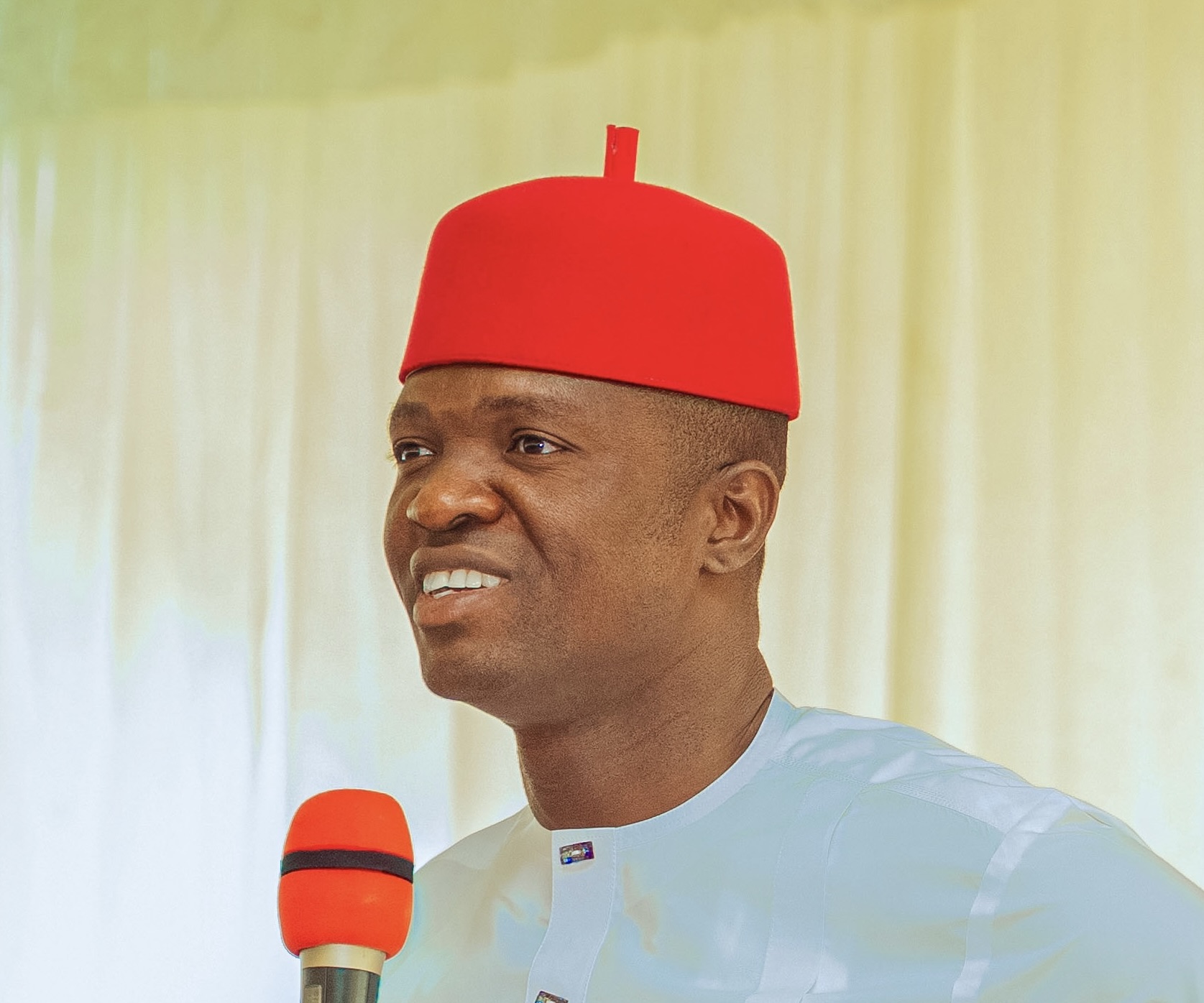
Ebonyi State Governor Francis Nwifuru has hit back at socialite and businessman Paschal Okechukwu, better known as Cubana Chief Priest, after the latter criticised his administration.
The governor dismissed the businessman’s comments while speaking at an event in Abakaliki, saying he had no interest in engaging with him.
“I don’t have time for Cubana Chief Priest. He’s a mere attention-seeker and an individual of no consequence” Nwifuru said.
He added, “However, if I remember him, I feel sorry for him.”
The exchange followed comments by Cubana Chief Priest questioning the governor’s performance in office. He reportedly challenged Nwifuru to explain how an administration could spend about three years in office without having major projects commissioned by the President or other state governors.
The remarks had earlier attracted criticism from Chinedu Ogah, the member representing Ikwo/Ezza South Federal Constituency in the House of Representatives.
Ogah condemned Cubana Chief Priest’s comments, defending the governor’s administration.
Nwifuru’s response now adds another layer to the controversy, although the governor did not provide a detailed response to the specific claims made about projects commissioned under his administration.
The disagreement has consequently shifted attention to the broader question of the Ebonyi government’s record on infrastructure and development projects since Nwifuru assumed office.
-

 metro3 days ago
Woman disguises as Muslim woman in Niqab to steal in Ado-Ekiti market, video sparks outrage
-

 metro2 days ago
Ondo Herbal Drink Tragedy: Survivor Vows Never to Drink Again as Death Toll Tops 30
-

 metro2 days ago
Sokoto Cleric Stabbed Twice in Neck After Juma’at Prayer, Attacker Killed
-

 Business2 days ago
Dangote: ₦525 Refinery Shares Could Rise to ₦10,000
-

 metro2 days ago
MURIC fires back at Peter Obi: Forget Sallah ceremony, free Nigerian Muslims
-

 Community3 days ago
Kaduna Traditional Rulers Set for 100% Pay Rise as Zazzau Emir Backs Proposal
-

 News3 days ago
AI on the Roads: LASTMA Turns to China to Fix Lagos Traffic
-
 News1 day ago
SERAP Threatens Legal Action Over ₦126bn INEC Electoral Funds