

News
US removes Nigeria from religious violators’ list

The United States has removed Nigeria from its list of religious violators, even as it blacklisted Russia, China and eight other countries “as Countries of Particular Concern for having engaged in or tolerated ‘systematic, ongoing, and egregious violations of religious freedom.”
US Secretary of State Antony Blinken made this known in a statement on Wednesday titled, ‘Religious Freedom Designations’.
While the US had in 2020 placed Nigeria and six other countries on its special watch list of states that had engaged in or tolerated the severe violation of religious freedom, Nigeria was missing from the list of countries designated in the 2021 list for religious violations.
Blinken, who is currently in East African nation Kenya on an official visit, is scheduled to physically visit Nigeria this week and meet with the Nigerian President, Major General Muhammadu Buhari (retd.), and other members of his cabinet.
READ ALSO:
- BREAKING: Bandits gun down hunter, abduct 30 in Niger
- 14 killed in fresh Sokoto attacks
- BREAKING: Police take over APC National Secretariat in Abuja
- BREAKING: Another Building Collapses, Trapping Occupants In Badagry
The US Secretary of State, in his statement on Wednesday, said, “The United States will not waiver in its commitment to advocate for freedom of religion or belief for all and in every country. In far too many places around the world, we continue to see governments harass, arrest, threaten, jail, and kill individuals simply for seeking to live their lives in accordance with their beliefs. This Administration is committed to supporting every individual’s right to freedom of religion or belief, including by confronting and combating violators and abusers of this human right.
“Each year the Secretary of State has the responsibility to identify governments and non-state actors, who, because of their religious freedom violations, merit designation under the International Religious Freedom Act.
“I am designating Burma, the People’s Republic of China, Eritrea, Iran, the DPRK, Pakistan, Russia, Saudi Arabia, Tajikistan, and Turkmenistan as Countries of Particular Concern for having engaged in or tolerated “systematic, ongoing, and egregious violations of religious freedom.”
“I am also placing Algeria, Comoros, Cuba, and Nicaragua on a Special Watch List for governments that have engaged in or tolerated “severe violations of religious freedom.” Finally, I am designating al-Shabab, Boko Haram, Hayat Tahrir al-Sham, the Houthis, ISIS, ISIS-Greater Sahara, ISIS-West Africa, Jamaat Nasr al-Islam wal-Muslimin, and the Taliban as Entities of Particular Concern.
“The challenges to religious freedom in the world today are structural, systemic, and deeply entrenched. They exist in every country. They demand sustained global commitment from all who are unwilling to accept hatred, intolerance, and persecution as the status quo. They require the international community’s urgent attention.
“We will continue to press all governments to remedy shortcomings in their laws and practices, and to promote accountability for those responsible for abuses. The United States remains committed to working with governments, civil society organizations, and members of religious communities to advance religious freedom around the world and address the plight of individuals and communities facing abuse, harassment, and discrimination on account of what they believe, or what they do not believe.”
Punch








News
Notorious Bandit Kingpin, Kachalla Bello, Killed in Rival Gang Clash in Katsina Forest
Notorious Bandit Kingpin, Kachalla Bello, Killed in Rival Gang Clash in Katsina Forest
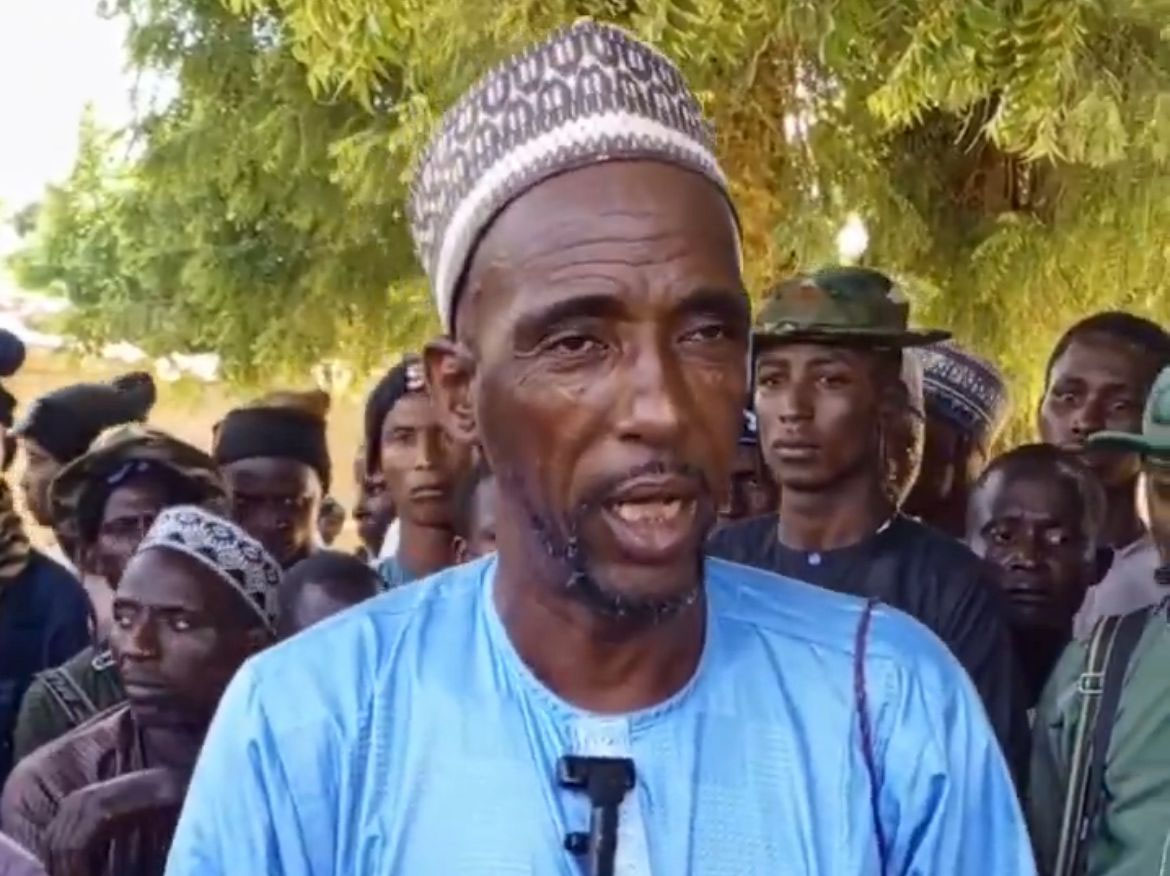
KATSINA STATE – A notorious bandit leader identified as Kachalla Bello has reportedly been killed during a fierce gun battle between rival armed groups in a forest in Faskari Local Government Area of Katsina State.
Bello was reportedly among those killed when rival bandit factions engaged in a deadly confrontation on Tuesday evening, November 10, 2026, amid an apparent struggle for territorial control.
According to local sources and counter-insurgency reports, the clash involved heavy exchanges of gunfire, leaving several fighters dead.
The late bandit leader was reportedly notorious for terrorising farming communities across parts of Katsina State through attacks, abductions and other criminal activities.
Beyond kidnapping for ransom, Bello was accused of subjecting some of his victims to forced labour on farmlands allegedly belonging to him.
Local accounts indicated that he frequently abducted farmers while they were working on their farms and compelled them to work on his farmland before considering their release.
His alleged activities reportedly contributed to insecurity, economic hardship and displacement among residents of affected communities, particularly farmers who depended on agriculture for their livelihoods.
READ ALSO:
- NELFUND Loan: How Parents Can Stop Children from Collecting School Fees Twice
- N52,500 Minimum Pension: PenCom Gives States Condition to Secure Benefits for Retirees
- Gombe Political Tension: Pantami Defies Burning Tyres, Roadblocks as Convoy Comes Under Attack
However, the Katsina State Police Command had yet to officially confirm Bello’s reported death as of the time of filing this report.
The Command’s spokesperson, Abubakar Sadiq-Aliyu, reportedly said he was making efforts to verify the incident and establish the exact location of the alleged confrontation.
He explained that security personnel were working to identify the location of the clash and liaise with the relevant Divisional Police Officers (DPOs) for further investigation.
Meanwhile, security observers have repeatedly identified rivalries and internal disputes among armed criminal groups as factors contributing to violent confrontations within bandit networks operating across Nigeria’s North-West region.
The circumstances surrounding Bello’s reported death, including the number of casualties recorded during the encounter, remain unclear.
Further details are expected as security agencies work to establish what happened.
Notorious Bandit Kingpin, Kachalla Bello, Killed in Rival Gang Clash in Katsina Forest
News
Airtime Deductions: Senate Moves Against MTN, Glo, Airtel, T2, Demands Refunds for Failed Calls

The Nigerian Senate has moved to protect millions of telecommunications subscribers from what it describes as unjustified airtime deductions, directing the Nigerian Communications Commission (NCC) to investigate mobile network operators and introduce measures to ensure customers are not charged for failed, dropped or interrupted calls.
The lawmakers also called for a system that would compel telecommunications companies to automatically refund subscribers whenever airtime is deducted for calls that fail to connect or are disrupted by network-related problems.
The resolution followed the adoption of a motion sponsored by Senator Mohammed Tahir Monguno, representing Borno North, during plenary on Wednesday, November 11, 2026.
The Senate expressed concern over persistent complaints from Nigerians who lose airtime when telephone calls fail to connect, terminate unexpectedly or experience interruptions, forcing subscribers to spend additional money trying to complete the same conversations.
The lawmakers argued that Nigerians should not be made to pay for services they do not effectively receive, particularly when network failures are beyond their control.
They observed that although individual deductions may appear insignificant, the cumulative financial losses could amount to substantial sums across millions of telecommunications subscribers.
The situation, they noted, places an additional financial burden on low-income earners, students, traders, small business owners and other Nigerians who depend on mobile telephone services for their daily activities.
READ ALSO:
- NELFUND Loan: How Parents Can Stop Children from Collecting School Fees Twice
- N52,500 Minimum Pension: PenCom Gives States Condition to Secure Benefits for Retirees
- Gombe Political Tension: Pantami Defies Burning Tyres, Roadblocks as Convoy Comes Under Attack
As part of its resolutions, the Senate urged the NCC to investigate the billing practices of major telecommunications operators, including MTN Nigeria, Globacom, Airtel Nigeria and T2 Mobile, formerly known as 9mobile.
The regulator is expected to examine the extent of airtime deductions arising from failed, dropped and interrupted calls and determine whether subscribers are being charged for services that were not properly delivered.
The upper chamber also called on the NCC to establish an accessible and time-bound complaints and redress mechanism through which affected subscribers can seek refunds or appropriate compensation for unjustified deductions and persistent service failures.
The lawmakers further urged the commission to conduct independent technical audits of telecom operators’ billing systems to ensure that customers are charged only for actual call durations and services effectively delivered.
The Senate also called for stricter enforcement of quality-of-service standards, including appropriate sanctions against operators whose persistent network deficiencies violate existing regulatory requirements.
To ensure compliance, the chamber mandated its Committee on Communications to engage the NCC and telecommunications operators, investigate the complaints, assess the financial losses suffered by subscribers and submit its recommendations within four weeks.
Senate President Godswill Akpabio urged the committee to begin work immediately, warning that the Senate could take over the investigation if the regulator failed to provide satisfactory explanations.
He indicated that the Senate could constitute itself into a Committee of the Whole and summon telecommunications operators, the Minister of Communications, Innovation and Digital Economy, Bosun Tijani, and the NCC leadership to account for the situation.
The intervention comes amid growing complaints by Nigerian subscribers over poor network quality, unexplained airtime depletion and the difficulty of obtaining redress when calls fail or are interrupted.
The lawmakers recalled that the Nigerian Communications Act, 2003, empowers the NCC to regulate the telecommunications industry, protect consumers and enforce acceptable standards of service delivery.
The proposed investigation is expected to establish the extent of the complaints and determine the regulatory measures required to prevent unjustified charges and improve accountability in the telecommunications sector.
However, the Senate’s resolution does not mean that automatic refunds have commenced. The proposed measures will depend on the outcome of the investigation and subsequent regulatory action by the NCC.
Airtime Deductions: Senate Moves Against MTN, Glo, Airtel, T2, Demands Refunds for Failed Calls
News
N52,500 Minimum Pension: PenCom Gives States Condition to Secure Benefits for Retirees
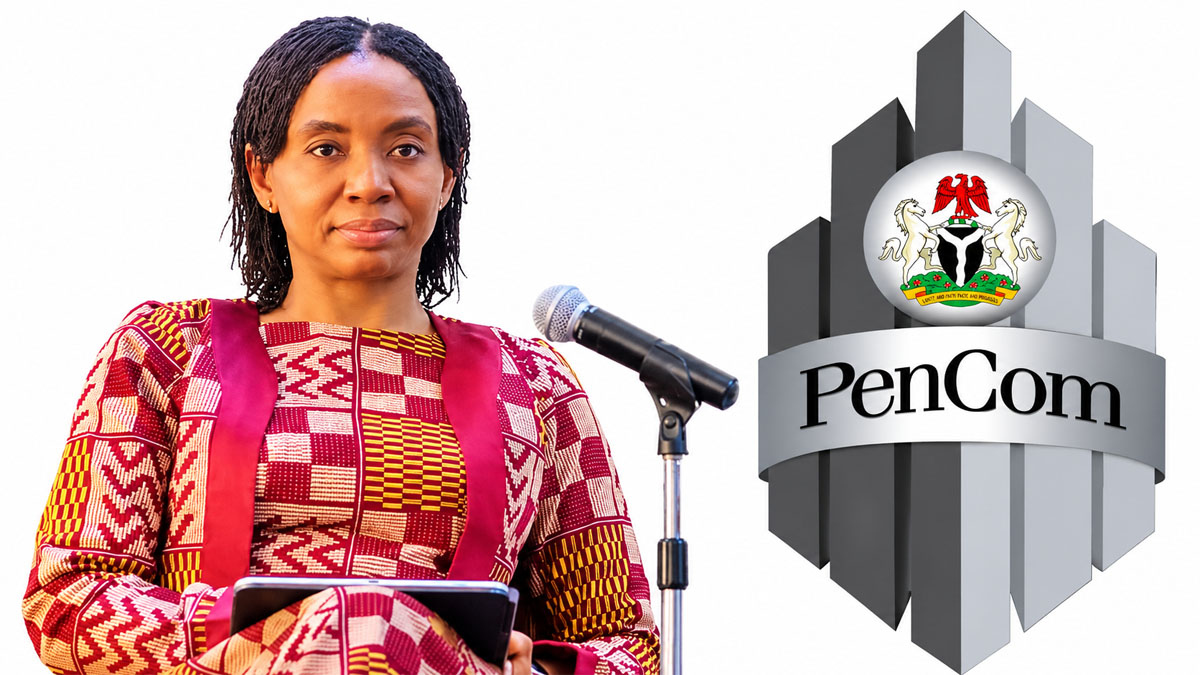
N52,500 Minimum Pension: PenCom Gives States Condition to Secure Benefits for Retirees
The National Pension Commission (PenCom) has made contributions to the N400 billion Pension Protection Fund a compulsory condition for state governments seeking to access the newly introduced N52,500 minimum monthly pension for their retirees.
PenCom Director-General, Omolola Oloworaran, disclosed this on Tuesday, November 10, 2026, during the launch of the Presidential Pension Security Initiative in Abuja.
She explained that although the Minimum Pension Guarantee Scheme covers eligible retirees across the federal public service, state governments and the private sector, states must contribute to the Pension Protection Fund before their retirees can benefit from the arrangement.
According to her, the requirement is intended to guarantee the sustainability of the scheme and prevent the fund from running out of resources as more pensioners are brought under its coverage.
“We are making it a requirement that states must contribute to the Pension Protection Fund before they can be eligible for minimum pension. So we work out that modality at state level because we all know the fund needs to be sustainable,” Oloworaran said.
She warned that allowing states to benefit without contributing could undermine the initiative in the coming years.
“If people are not contributing, we’ll run out of funds, and we can’t start a laudable initiative like this and then five or 10 years from now somebody says it has stopped working because people are not contributing,” she added.
President Bola Ahmed Tinubu formally activated the Minimum Pension Guarantee Scheme at the event, setting N52,500 as the minimum monthly pension for eligible retirees under the Contributory Pension Scheme (CPS).
READ ALSO:
- Gombe Political Tension: Pantami Defies Burning Tyres, Roadblocks as Convoy Comes Under Attack
- NDC in Fresh Turmoil as Deputy Spokesman Quits, Obi’s Adviser Joins SDP
- New York Police Arrest 17-Year-Old Over Murder of Ghanaian Student
The initiative is expected to benefit 173,209 retirees whose monthly pension payments are below the approved threshold.
Oloworaran explained that every eligible retiree under the CPS currently receiving less than N52,500 would have their pension adjusted to meet the new minimum.
“Every eligible retiree who is below N52,500 will be augmented to N52,500. So, of course, like I said, everybody, there’s no discrimination. If you are within the CPS and you’ve been within the CPS, you will get it,” she stated.
She clarified that the contribution requirement specifically applies to state governments seeking to extend the benefit to their retirees. Eligible federal and private-sector pensioners are also covered by the initiative.
A breakdown of the expected beneficiaries showed that private-sector retirees account for 54 per cent of the 173,209 pensioners, while federal public service retirees represent 34 per cent and state government retirees account for 12 per cent.
The PenCom chief also disclosed that more than 65 per cent of private-sector retirees currently receive monthly pensions below the N52,500 threshold.
She consequently appealed to private-sector employers and other stakeholders to contribute to the Pension Protection Fund, stressing that its sustainability required broader financial participation.
Oloworaran said the N52,500 benchmark was determined through an actuarial assessment and would be reviewed periodically to reflect prevailing economic realities.
READ ALSO:
- Canada Announces Permanent Residency Plan for 100,000 Foreign Workers, Families
- MURIC Raises Alarm Over Alleged Overcrowding at Ogun NYSC Camp, Seeks Abiodun’s Intervention
- Two Killed, 17 Injured as Building Collapses in Brooklyn, Seven Children Among Victims
The N400 billion Pension Protection Fund is being supported by the Federal Government and the pension industry to finance the minimum pension guarantee.
Beyond the pension increase, the Presidential Pension Security Initiative also includes PenCare, a healthcare programme designed to provide essential medical services to low-income retirees.
Oloworaran said the pension industry had committed more than N7 billion to the healthcare initiative, with insurance premiums already paid for nearly 30,000 pensioners.
She urged eligible retirees who had not received their healthcare access cards to approach their respective Pension Fund Administrators (PFAs) to obtain them.
The minimum pension guarantee represents the implementation of a provision first introduced under the Pension Reform Act 2004 and reaffirmed in the 2014 legislation.
The provision had remained largely unimplemented for more than two decades before the Federal Government announced its activation.
PenCom said it was also engaging state governments to improve pension administration, address outstanding retirement obligations and encourage regular reviews of pension payments.
The commission maintained that state participation and sustained contributions would be critical to ensuring that retirees receive the benefits promised under the new arrangement.
N52,500 Minimum Pension: PenCom Gives States Condition to Secure Benefits for Retirees
-

 metro2 days ago
Fayose Petitions IGP, Threatens Lawsuit Over Rape, Torture Allegations
-
 News2 days ago
Despite Tegbe’s 72-Hour Promise, Nigerians Still Battle Power Outages
-

 metro3 days ago
‘Miracle’ Turns Sour as Visiting Pastor Vanishes with Congregants’ Phones During Crusade in Edo
-
 Politics3 days ago
ADC Raises Alarm as Court Delays Release of Lifu’s Judgment Despite Payment
-

 metro2 days ago
Three Broken-Down Trucks Paralyse Abuja-Kaduna Highway, Travellers Spend Eight Hours in Gridlock
-

 Politics3 days ago
Tension in Delta as Task Force Members Protest Over Colleague’s Killing at NDC Rally
-

 News3 days ago
INEC Flags 268 Voter Records Over AI-Generated Photos, Begins Cleanup Ahead of 2027 Elections
-

 Entertainment2 days ago
VIDEO: Toluwanisings’ Burial: Uncle Questions Authenticity of Corpse, Alleges Family Was Sidelined