

Business
Buhari appoints Doyin Salami chief economic adviser
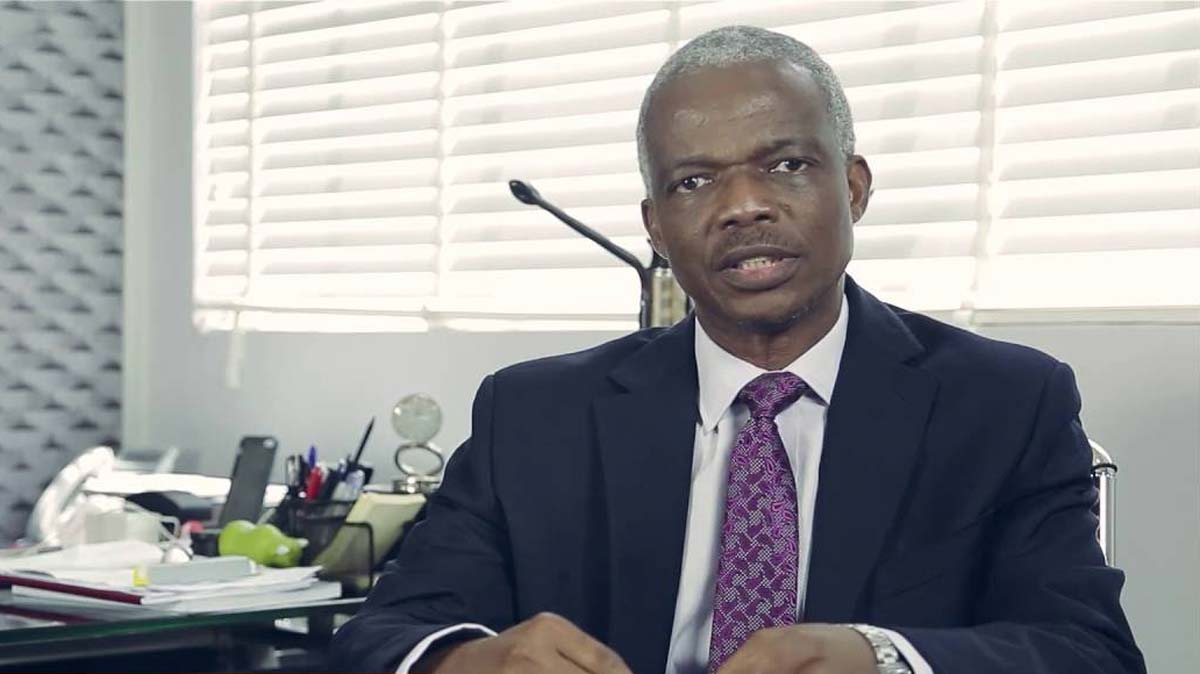
President Muhammadu Buhari has appointed Doyin Salami as his chief economic adviser.
Salami is the current chairman of the presidential economic advisory council (PEAC).
Special Adviser to the President on Media and Publicity, Femi Adesina, said this in a statement on Tuesday.
Salami is a doctorate degree holder in Economics from Queen Mary College, University of London, according to the statement.
“Doyin Salami, 59, is Managing Director and Head Markets Practice at KAINOS Edge Consulting Limited, and member of the Adjunct Faculty at the Lagos Business School (LBS), Pan-Atlantic University, where he recently attained the rank of Senior Fellow/Associate Professor,” the statement said.
“The Chief Economic Adviser to the President is expected to address all issues on the domestic economy and present views on them to the President; closely monitor national and international developments, trends and develop appropriate policy responses; develop and recommend to the President national economic policies to foster macro-economic stability, promote growth, create jobs, and eradicate poverty, among others.”
He was a member of the monetary policy committee of the Central Bank of Nigeria and the federal government’s economic management team.
Apart from leading sessions at Lagos Business School, Salami also consults for multiple organisations, including Department for International Development (DFID), World Bank, United Nations Industrial Development Organisation (UNIDO), United States Agency for International Development (USAID).







Business
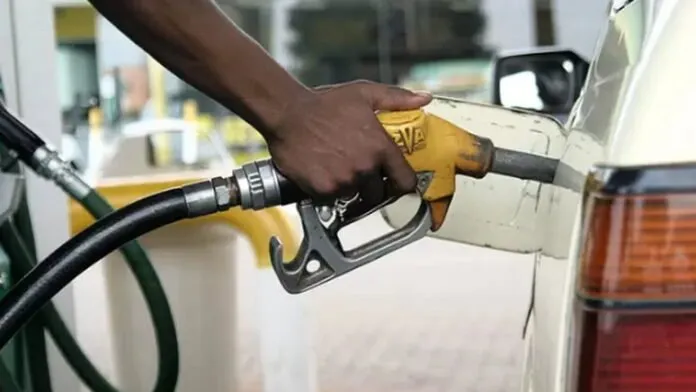
Petrol Prices Crash as Dangote Refinery, NNPCL, MRS Adjust Rates Nationwide
Petrol Prices Crash as Dangote Refinery, NNPCL, MRS Adjust Rates Nationwide
By Newstrends Reporter
Motorists across Nigeria may heave a sigh of relief as petrol prices begin to drop following fresh adjustments by major players in the downstream petroleum sector, including the Dangote Refinery, Nigerian National Petroleum Company Limited (NNPCL) and MRS Oil Nigeria.
The latest development comes amid a decline in international crude oil prices and a reduction in the landing cost of imported petroleum products, raising hopes of cheaper petrol and reduced transportation costs for Nigerians.
Market checks indicate that the Dangote Refinery has adjusted its petrol gantry price to ₦1,159 per litre, while the landing cost of imported petrol has reportedly dropped to approximately ₦1,063 per litre.
The adjustment is expected to influence pricing decisions among depot owners and independent petroleum marketers, many of whom have continued to review their selling prices in response to changing market conditions.
Depot owners are reportedly dispensing petrol to marketers at prices ranging between ₦1,175 and ₦1,215 per litre, while retail pump prices vary across different locations.
In Abuja and some other parts of the country, petrol prices have reportedly ranged between ₦1,325 and ₦1,420 per litre, depending on the filling station and location.
The latest price movement has also drawn attention to the growing influence of locally refined petroleum products in Nigeria’s downstream market, particularly as the Dangote Refinery continues to compete with imported products.
The reduction is expected to bring some relief to commercial transport operators, private vehicle owners, manufacturers and small business operators who have been struggling with rising fuel and operational costs.
For many households, any sustained reduction in petrol prices could also help moderate transportation fares and the cost of moving food and other essential commodities across the country.
Industry observers believe that increased local refining capacity and competition among petroleum suppliers could help improve price stability in the domestic market.
However, the extent of the relief available to consumers will depend on how quickly filling station operators adjust their pump prices and whether the current decline in international oil prices can be sustained.
Other factors, including foreign exchange movements, crude oil prices and distribution expenses, will continue to influence the cost of petrol in Nigeria.
For now, the latest adjustments by the Dangote Refinery, NNPCL and MRS have raised expectations of further reductions in petrol prices, offering a potential reprieve to Nigerians grappling with the high cost of living.
Petrol Prices Crash as Dangote Refinery, NNPCL, MRS Adjust Rates Nationwide
Business
Dangote Refinery: UK Imports £1.02bn Nigerian Refined Fuel in One Year
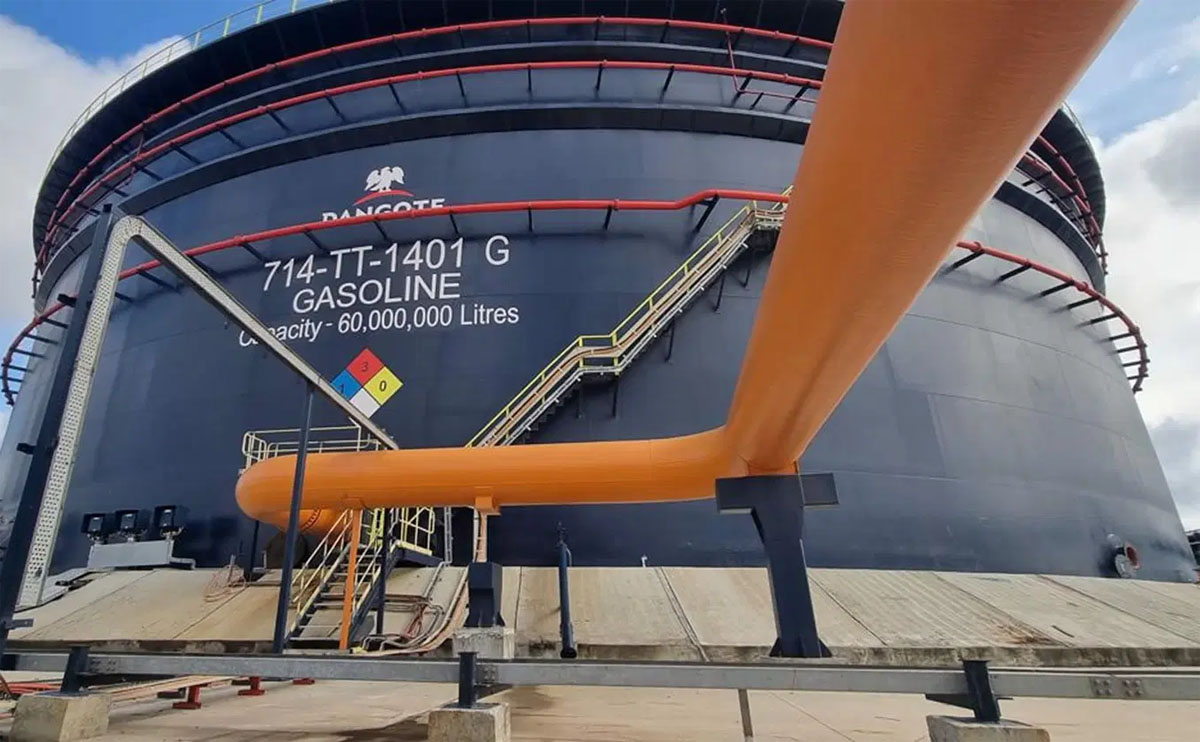
LONDON/ABUJA — The United Kingdom imported more than £1 billion worth of refined petroleum products from Nigeria in the 12 months to June 2026, marking a significant shift in the energy trade relationship between both countries amid the expansion of the Dangote Petroleum Refinery.
The imports, valued at approximately £1.02 billion, represented 53.5 per cent of Britain’s total merchandise imports from Nigeria during the period, making refined petroleum products the country’s largest export category to the UK.
The figures were contained in the latest UK government’s Trade and Investment Factsheet on Nigeria, published on November 6, 2026.
According to the report, British imports of refined petroleum products from Nigeria increased by more than 100 per cent compared with the corresponding 12 months ending June 2025.
The development signals a growing shift in Nigeria’s petroleum trade, with the country increasingly exporting processed fuel instead of relying predominantly on crude oil exports.
The expansion of the 650,000-barrel-per-day Dangote Petroleum Refinery in Lagos has coincided with the increase in Nigeria’s refined petroleum exports to international markets.
However, the UK trade factsheet does not identify individual Nigerian refineries or suppliers responsible for the shipments.
In contrast, Britain’s imports of Nigerian crude oil declined significantly during the same period, falling by 56.2 per cent to £550.3 million.
This means refined petroleum products generated approximately £467 million more in export earnings than crude oil, representing an 85 per cent difference in value.
Combined, refined petroleum products and crude oil accounted for approximately £1.57 billion, or 82.4 per cent, of Britain’s total merchandise imports from Nigeria.
Other major Nigerian products purchased by the UK included natural gas, valued at £179.5 million, representing 9.4 per cent of total imports.
READ ALSO:
- VIDEO: NDLEA Discovers Gun Factory in Kaduna, Arrests 45-Year-Old Owner
- 2027: ‘Either Me or Nobody’ Attitude Undermining Opposition Unity, Donald Duke Warns
- Tinubu-Aregbesola Rift: ‘They Still Have Deep Affection for Each Other’ — Adeyeye
Coffee, tea and cocoa products accounted for £40.3 million, while beverages and tobacco contributed another £30 million.
Overall, Britain’s merchandise imports from Nigeria increased by 10.4 per cent to approximately £1.9 billion in the 12 months ending June 2026, representing an increase of £180 million over the preceding period.
The latest figures also revealed that the UK continued exporting refined petroleum products to Nigeria, although the value of those exports declined considerably.
British exports of refined petroleum products to Nigeria stood at £772.3 million during the period, accounting for 51.5 per cent of the UK’s total merchandise exports to the country.
However, the figure represented a 42.7 per cent decline compared with the corresponding 12 months ending June 2025.
Based on the reported figures, Nigeria recorded an estimated £245 million trade surplus in refined petroleum products with the UK during the period.
The development represents a notable change for Nigeria, which historically depended heavily on imported petrol and other refined petroleum products despite being a major crude oil producer.
The United States Energy Information Administration (EIA) also reported a significant increase in Nigeria’s petroleum product exports, attributing the development to increased domestic refining capacity.
According to the agency, Nigeria’s seaborne petroleum product exports averaged approximately 350,000 barrels per day in the second quarter of 2026, compared with 46,000 barrels per day in 2023.
Exports to Europe also increased to approximately 130,000 barrels per day, up from 40,000 barrels per day in 2025.
The EIA noted that increased domestic petroleum production had reduced Nigeria’s dependence on imported refined products while creating opportunities for greater participation in international fuel markets.
The figures provide fresh evidence of the changing dynamics of Nigeria’s downstream petroleum sector as the Dangote refinery expands its domestic and international operations.
Despite the increase in refined petroleum exports, the UK trade data show that petroleum continues to dominate Nigeria’s merchandise exports to Britain, highlighting the country’s continued dependence on the oil and gas sector for export earnings.
Sources: UK Department for Business and Trade, Nigeria: UK Trade and Investment Factsheet, November 6, 2026; The Punch; The Guardian Nigeria.
Dangote Refinery: UK Imports £1.02bn Nigerian Refined Fuel in One Year
Business
OPay Faces ₦994m Regulatory Fines Over Money Laundering, Terrorism Financing Breaches
OPay Faces ₦994m Regulatory Fines Over Money Laundering, Terrorism Financing Breaches
LAGOS, Nigeria — OPay Digital Services Limited, one of Nigeria’s leading financial technology and mobile money operators, is facing increased regulatory scrutiny following reports that the company incurred statutory penalties totalling approximately ₦994 million between 2023 and 2025 over various compliance breaches.
The reported sanctions, which involved the Central Bank of Nigeria (CBN) and other regulatory authorities, included penalties relating to anti-money laundering (AML), counter-terrorism financing (CTF), customer due diligence, consumer protection and data privacy requirements.
The development has brought renewed attention to the compliance and risk-management practices of the fintech company, which has established a significant presence in Nigeria’s digital payments market through its mobile banking services, agent network and electronic payment platforms.
The revelations also come at a difficult time for OPay’s international expansion ambitions, following the collapse of its proposed Initial Public Offering (IPO) in the United States, which was expected to pave the way for its shares to trade on the New York Stock Exchange.
Although the company has not established any direct connection between its Nigerian regulatory penalties and the termination of the American share offering, the two developments have placed its regulatory record and international growth plans under increased scrutiny.
Details contained in regulatory and financial disclosures reportedly indicate that OPay accumulated several financial penalties over a three-year period, reflecting enforcement actions by different regulatory institutions.
Among the major concerns were alleged violations of anti-money laundering and counter-terrorism financing requirements.
These regulations are designed to prevent financial institutions and payment service providers from being used to conceal proceeds of crime, facilitate illegal financial transactions or channel funds to individuals and organisations involved in terrorism.
Financial institutions operating in Nigeria are required to establish effective customer identification and verification procedures, monitor suspicious transactions, maintain appropriate transaction records and report activities that may indicate money laundering or terrorist financing.
READ ALSO:
- 2027: Atiku, Makinde Move Closer to Alliance Deal to Unseat Tinubu
- Bandits Kill Two Abducted Victims After Collecting ₦6m Ransom in Niger State
- Zamfara Bloodbath: 53 Killed as Vigilantes Ambush Bandits After Kidnapping Spree
The regulatory requirements also place obligations on financial service providers to maintain effective internal controls and ensure that their platforms are not exploited for unlawful financial activities.
According to the reported breakdown, OPay incurred a CBN-related penalty of ₦26 million in 2023 over compliance issues connected to anti-money laundering and counter-terrorism financing requirements.
In 2024, the company reportedly faced another ₦113.7 million penalty over similar regulatory concerns.
Additional sanctions included a reported ₦197 million penalty relating to violations of the Banks and Other Financial Institutions Act (BOFIA) 2020, while another ₦10 million was attributed to customer due diligence lapses.
The company also reportedly incurred a ₦2 million penalty over consumer protection-related violations.
The cumulative penalties highlight the range of regulatory obligations facing digital financial institutions as Nigerian authorities intensify efforts to strengthen oversight of the country’s rapidly expanding financial technology sector.
OPay’s regulatory challenges were not limited to the banking and financial services sector.
The Nigeria Data Protection Commission (NDPC) reportedly imposed a ₦125 million penalty on the company over alleged violations of the Nigeria Data Protection Act 2023.
The legislation establishes requirements governing the collection, processing, storage and protection of personal information belonging to individuals.
For digital financial service providers such as OPay, compliance with data protection regulations is particularly important because their platforms routinely process sensitive customer information, including personal identification details, financial records and transaction histories.
The company also reportedly faced penalties from the Advertising Regulatory Council of Nigeria (ARCON) and the Corporate Affairs Commission (CAC) over issues relating to their respective regulatory responsibilities.
The involvement of multiple regulatory agencies underscores the wide range of legal and compliance requirements applicable to companies operating in Nigeria’s financial technology industry.
However, the individual breakdown of all the reported penalties requires further clarification, as the publicly cited itemised figures do not fully reconcile with the reported cumulative amount of ₦994 million.
The regulatory disclosures have coincided with a significant setback for OPay’s ambition to access the international capital market through a proposed listing in the United States.
The fintech company had planned to raise approximately $304 million through an Initial Public Offering involving 16 million American Depositary Shares, with an indicated offering price of $19 per share.
The proposed listing was expected to provide OPay with access to international investors and potentially strengthen its financial position as it pursued further expansion.
However, the plan encountered an unexpected obstacle after the company and its underwriters agreed to terminate their underwriting agreement.
The termination was announced on October 30, 2026, barely a day after the agreement was signed.
The development meant that the planned offering would not proceed as originally scheduled, effectively halting OPay’s anticipated debut on the New York Stock Exchange.
The company attributed the decision to a regulatory inquiry in an unnamed foreign jurisdiction.
Although details surrounding the inquiry were not fully disclosed, the development raised questions about the regulatory and legal considerations surrounding the proposed public offering.
OPay and its underwriters mutually agreed to terminate the arrangement, bringing the immediate IPO plan to an end.
Despite the setback, OPay has sought to reassure customers, business partners and other stakeholders that the foreign regulatory inquiry would not affect its day-to-day operations.
The company reportedly described the jurisdiction involved in the inquiry as immaterial to its core business operations and expressed confidence that the matter would be addressed.
It also maintained that its services remained operational and that its commitment to regulatory compliance and customer service had not changed.
However, the company has not provided comprehensive public details about the nature of the foreign inquiry or indicated when it might reconsider its proposed US listing.
The circumstances surrounding the withdrawal of the IPO are therefore likely to remain a subject of interest among investors and industry observers.
OPay’s reported penalties come amid increasing regulatory attention on Nigeria’s financial technology industry, which has experienced significant growth as millions of Nigerians embrace mobile banking, electronic transfers and other digital payment services.
The expansion of fintech platforms has created new opportunities for financial inclusion, particularly among people who have limited access to traditional banking services.
However, the growth has also increased the responsibility of regulators to ensure that digital payment operators maintain adequate safeguards against financial crimes, protect customer information and comply with consumer protection requirements.
The CBN has continued to emphasise the importance of effective anti-money laundering controls, customer verification and transaction monitoring across the financial services industry.
Similarly, data protection authorities have been strengthening enforcement of rules governing how companies collect and process personal information.
For major mobile money operators, regulatory compliance is essential not only to maintain operating licences but also to preserve public confidence and sustain relationships with financial institutions, investors and international business partners.
The combination of reported regulatory penalties and the aborted US IPO presents important questions about OPay’s next strategic steps.
While the company remains a major participant in Nigeria’s digital payments market, its ability to maintain investor confidence and pursue international expansion will depend partly on how it addresses regulatory concerns and strengthens its compliance framework.
The termination of the proposed IPO does not necessarily mean that the company has abandoned its plans to access international capital markets.
However, any future attempt to list its shares is likely to attract close attention from investors, underwriters and relevant regulatory authorities.
For now, attention remains focused on the company’s response to the reported sanctions, the circumstances surrounding the foreign regulatory inquiry and any further clarification it may provide regarding its compliance record.
OPay Faces ₦994m Regulatory Fines Over Money Laundering, Terrorism Financing Breaches
-

 Politics2 days ago
Peter Obi, NDC in Fresh Storm as Keyamo Gives Dickson 48 Hours Over Old National Anthem, Raises Secession Alarm
-

 metro2 days ago
Kwankwaso’s Daughter, Kano Governor’s Wife, Files for Divorce, Offers to Refund Dowry
-

 metro2 days ago
“I Cheated Because I’m Human Too” — Divorced Restaurant Owner Accuses Ex-Husband of Sleeping With Over 16 Women
-
 Business2 days ago
OPay Faces ₦994m Regulatory Fines Over Money Laundering, Terrorism Financing Breaches
-

 metro1 day ago
Tragedy: “I Suffered With This Man When He Had Nothing” — Woman Who Begged Alleged Rival To Leave Her Family Dies At 39
-

 metro2 days ago
Pastor Remanded Over Viral Video of Toluwanisings’ Corpse After Failed Attempt to Raise Singer From Dead
-

 metro2 days ago
Zamfara Bloodbath: 53 Killed as Vigilantes Ambush Bandits After Kidnapping Spree
-

 metro1 day ago
Zamfara Attack: Bandits Kill Governor Dauda Lawal’s Aide While Observing Fajr Prayer