

News
Buhari Accuses National Assembly of Inserting N887bn into 2022 budget
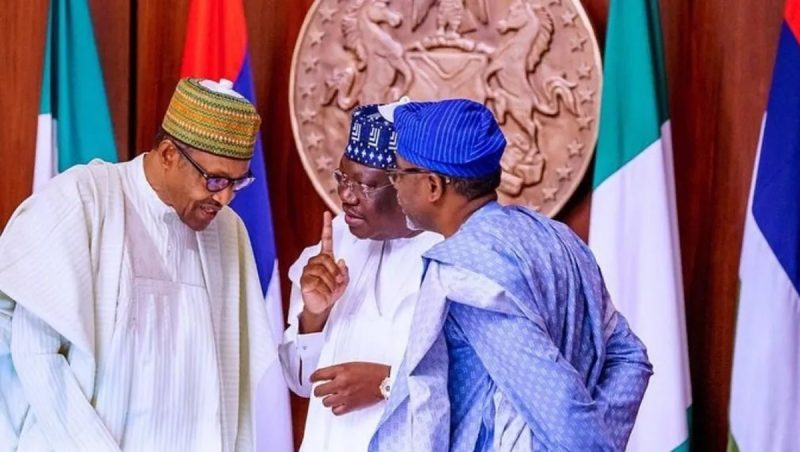
•Sends N2.557trn supplementary budget for petrol subsidy
•Asks Senate to amend 2022 Appropriation Act
President Muhammadu Buhari yesterday criticised the National Assembly for removing crucial projects from the 2022 budget estimates sent to it by the executive and inserting the lawmakers’ projects to the tune of N887 billion in the fiscal document before it was signed into law.
He also accused the federal lawmakers of making unnecessary incursion into the operational areas of the executive.
This was just as the president has asked the National Assembly to amend the 2022 Appropriation Act passed by the National Assembly in December, 2021.
The requests were contained in a letter dated February 10, 2022, and read during plenary by the Senate President, Ahmad Lawan.
Buhari in the letter, he also said it was imperative to remove all capital projects that were replicated in the 2022 Appropriation Act.
He lamented that 139 out of the 254 projects in the budget totaling N13.24 billion had been identified for deletion.
The president, therefore, requested the National Assembly to amend the Appropriation Act to provide for capital expenditure in the sum of N106,161,499,052 billion; and N43,870,592,044 billion for recurrent expenditure.
READ ALSO:
- Commercial bus driver sets self ablaze to protest seizure of vehicle by LASTMA
- 7 stab wounds found on murdered Super TV boss’ neck – Witness
- Couple killed woman, sold head for N70,000
He also requested that an additional provision for N2.557 trillion be appropriated by the National Assembly to fund the petrol subsidy in the 2022 budget framework which was revised to provide fully for PMS subsidy.
Buhari stressed the need to reinstate four capital projects totaling N1.4 billion in the executive proposal for the Federal Ministry of Water Resources.
He said N22 billion should be cut from the provision for the Sinking Fund to retire mature loans needed to meet government’s obligations under already Issued Bonds.
Buhari said: “You will agree with me that the inclusion of National Assembly’s expenditures in the Executive Budget negates the principles of separation of Powers and financial autonomy of the Legislature.
“It is therefore necessary to transfer the National Assembly’s expenditures totaling N16.59 billion in the Service Wide Vote to National Assembly Statutory Transfer provision (see Schedule l).
“It is also imperative to reinstate the N22 billion cut from the provision for Sinking Fund to Retire Mature Loans to ensure that government can meet its obligations under already issued bonds as and when they mature.
“The cuts made from provisions for the recurrent spending of Nigeria’s Foreign Missions, which are already constrained, are capable of causing serious embarrassment to the country as they mostly relate to office and residential rentals.
“Similarly, the reductions in provisions for allowances payable to personnel of the Nigerian Navy and Police Formations and Commands could create serious issues for government. It is therefore imperative that these provisions be restored as proposed
“It is also absolutely necessary to remove all capital projects that are replicated in the 2022 Appropriation Act. 139 out of the 254 such projects totaling N13.24 billion have been identified to be deleted from the budget.”
READ ALSO:
- Abba Kyari’s brother received N279m from Hushpuppi, others – Police report
- Abuja beggar caught with N500,000, $100, suspect detained
- Cocaine Scandal: Heads To Roll As NDLEA Remands Kyari, Others
He added: “Some significant and non-mandate projects were introduced in the budgets of the Ministry of Transportation, Office of the Secretary to the Government of the Federation and Office of the Head of Civil Service of the Federation
“There are several other projects that have been included by the National Assembly in the budgets of agencies that are outside their mandate areas.
“The Ministry of Finance, Budget and National Planning has been directed to work with your relevant Committees to comprehensively identify and realign all such misplaced projects.
“It is also necessary to restore the titles / descriptions of 32 projects in the Appropriation Act to the titles contained in the Executive Proposal for the Ministry of Water Resources (see Schedule IV) in furtherance of our efforts to complete and put to use critical agenda projects.
The president also sought the approval of the federal parliament for a fresh request of N150 billion.
“It is equally important to reinstate the N25.81 billion cut from the provision for the Power Sector Reform Programme in order to meet the Federal Government’s commitment under the financing plan agreed with the World Bank.
“Furthermore, there is critical and urgent need to restore the N3 billion cut from the provision made for payment of mostly long outstanding Local Contractors’ Debts and Other Liabilities as part of our strategy to reflate the economy and spur growth.”
The president said the N2.557 trillion fresh requests was to enable the federal government to subsidise petrol from June to December this year.
He said: “Following the suspension of the petrol subsidy removal, the 2022 Budget Framework has been revised to fully provide for PMS subsidy.
“An additional provision of N2.557 trillion will be required to fund the petrol subsidy in 2022. Consequently, the Federation account (Main Pool) revenue for the three tiers of government is projected to decline by N2 trillion while FGN’s share from the account is projected to reduce by N1.05 trillion.
“Therefore, the amount available to fund the federal budget is projected to decline by N969.09 billion.”
Sun






News
2027 Elections: INEC Reveals Why Pantami, Adebutu, Others Were Excluded
2027 Elections: INEC Reveals Why Pantami, Adebutu, Others Were Excluded
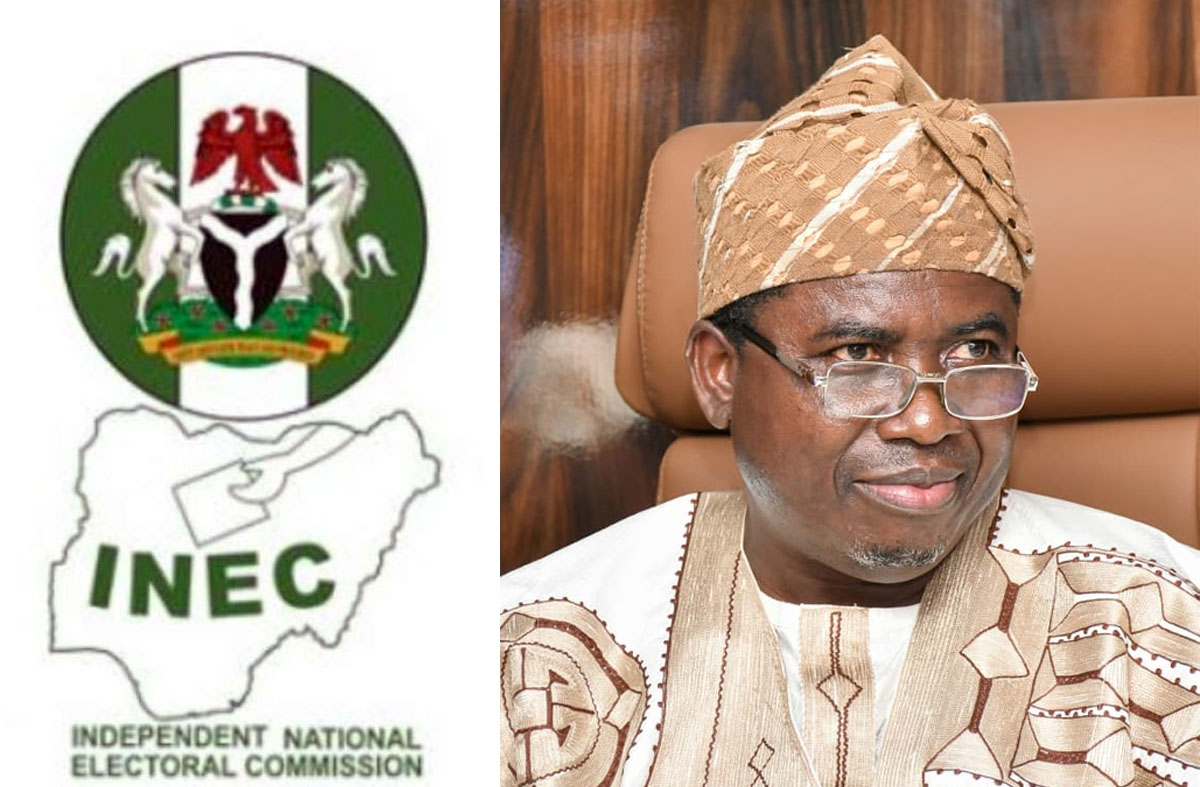
The Independent National Electoral Commission (INEC) has explained why some political parties and their governorship candidates were excluded from the final list for the 2027 elections, citing failure to comply with the statutory requirement to submit membership registers before conducting valid party primaries.
The commission said the decision followed a Supreme Court judgment delivered on September 24, 2026, which upheld the constitutionality of relevant provisions of the Electoral Act, 2026, requiring political parties to submit their membership registers within a prescribed period.
The explanation comes amid complaints from affected political parties and candidates following the publication of INEC’s final list of governorship candidates, which omitted several prominent opposition figures.
Among those affected are Isa Ali Pantami, the Peoples Democratic Party (PDP) governorship candidate in Gombe State, and Ladi Adebutu, the party’s candidate in Ogun State.
Pantami’s name was missing despite his emergence from a court-ordered rerun of the PDP governorship primary in Gombe, while Adebutu and his running mate were also absent from the list.
In a statement issued on Tuesday, October 13, INEC National Commissioner and Chairman of its Information and Voter Education Committee, Mohammed Kudu Haruna, said the commission applied the Supreme Court’s decision when finalising the list.
The judgment arose from an appeal filed by INEC against an earlier Court of Appeal decision that had nullified Sections 77(5)–(7) of the Electoral Act, 2026.
The Supreme Court upheld the provisions, which require political parties to submit their membership registers as a prerequisite for valid party primaries.
READ ALSO:
- IPOB Denies Monday Sit-at-Home Return, Challenges Police to Produce Evidence
- FG Moves to Expand CNG Vehicle Production, Targets Cheaper Transport Fares
- 2027: Adeleke’s Camp Promises 1.5 Million Votes for Tinubu in Osun
It also upheld INEC’s timetable requiring parties to submit their registers between April 21 and May 10, 2026.
According to the commission, the apex court held that parties that failed to comply with the statutory requirements were ineligible to sponsor candidates for the elections.
INEC said it was consequently required to give effect to the judgment in accordance with Section 287(1) of the 1999 Constitution, as amended, which requires compliance with decisions of superior courts.
The commission added that the final lists of presidential and National Assembly candidates had already been published on September 12, 2026, before the Supreme Court delivered its judgment.
The omissions have triggered reactions from affected political parties, with the PDP saying it was engaging INEC over the absence of its candidates in Gombe and Ogun states.
The Nigeria Democratic Congress (NDC) has also raised concerns over the omission of some of its governorship candidates, while other affected political groups have indicated their intention to pursue available remedies.
The development has heightened concerns among opposition parties as preparations continue for the February 6, 2027, governorship elections.
INEC, however, said political parties that believe their candidates were wrongly omitted from the final list have 14 days from the date of publication to notify the commission.
It fixed October 24, 2026, as the deadline for such notifications under Section 32(2) of the Electoral Act, 2026.
The commission reaffirmed its commitment to transparency, adherence to the rule of law and the credibility of the electoral process.
The next steps by affected parties will determine whether the omissions can be resolved through the commission’s notification procedure or other legal avenues available to them.
2027 Elections: INEC Reveals Why Pantami, Adebutu, Others Were Excluded
News
Shell Exits Nigeria’s Gas Distribution Business, Sells Stake to Vaaris Energy
Shell Exits Nigeria’s Gas Distribution Business, Sells Stake to Vaaris Energy
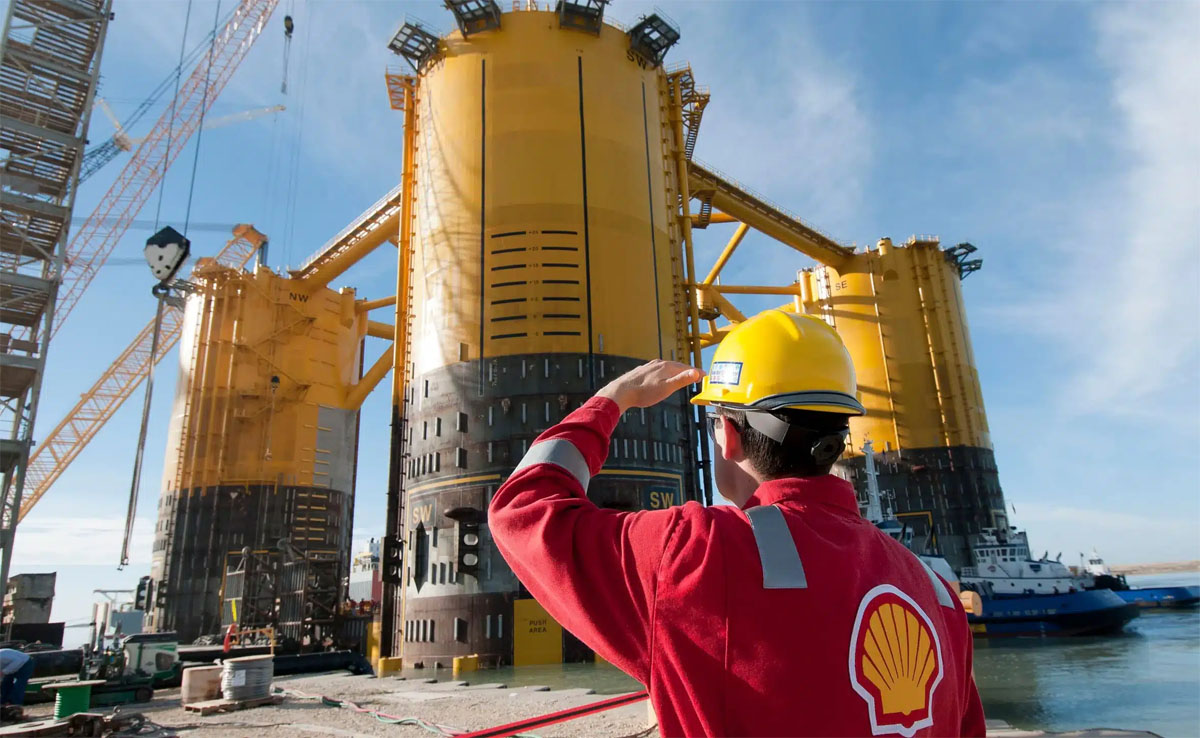
Shell Petroleum B.V. has agreed to sell its entire interest in the Shell Nigeria Gas Group to indigenous energy company Vaaris Energy Limited, marking another major shift in the international oil giant’s business portfolio in Nigeria.
The agreement, announced on Tuesday, October 13, 2026, covers Shell’s domestic gas distribution business in the country. The financial terms of the transaction were not disclosed in the announcement.
The proposed sale will transfer Shell’s interest in the gas distribution group to Vaaris Energy, a Nigerian-owned company seeking to expand its presence in the country’s oil and gas industry.
The transaction represents another adjustment to Shell’s Nigerian operations as the company focuses on selected oil, gas and integrated energy projects.
Shell’s latest move follows its earlier exit from onshore oil production through the sale of its interest in the Shell Petroleum Development Company of Nigeria Limited (SPDC) to the Renaissance consortium. That transaction was completed in March 2025 after receiving the necessary regulatory approvals.
However, the two transactions involve different parts of Shell’s Nigerian business. The earlier deal covered its onshore oil-producing subsidiary, while the latest agreement concerns its domestic gas distribution operations.
READ ALSO:
- Delta Tragedy: Man Allegedly Kills Wife, Dies by Suicide After Land Dispute
- VIDEO: Outrage as Indian National Assaults Nigerian Truck Drivers in Lagos
- Forgery Probe: Police Arrest Ex-Imo Governor Rochas Okorocha in Abuja
Following the SPDC sale, Shell retained other interests in Nigeria, including its deepwater oil and gas operations and its participation in Nigeria LNG Limited. The company also continued operating its domestic gas distribution business, which is now expected to come under Vaaris Energy’s ownership once the latest transaction is completed.
Shell said the proposed divestment aligns with its strategy of simplifying its global portfolio and concentrating investment on projects expected to deliver stronger returns.
Elohor Aiboni, Shell’s country chair in Nigeria, said the company would continue to focus on its strategic deepwater and integrated gas positions in the country.
For Vaaris Energy, the proposed acquisition offers an opportunity to strengthen its position in Nigeria’s natural gas market and expand its participation in the domestic energy value chain.
The company is a privately held Nigerian energy business with interests across the oil and gas sector. However, details of its plans for the acquired business, including any operational changes or investment commitments, were not disclosed in the announcement.
The financial value of the transaction and the precise timeline for completion were also not made public in the information available at the time of reporting.
The deal comes as Nigeria seeks to increase domestic gas utilisation, improve energy supply and attract investment into its gas infrastructure. Gas distribution plays an important role in connecting producers with industrial users and other customers that rely on natural gas for their operations.
The implications of the acquisition for Nigeria’s domestic gas market will depend on the completion of the transaction and how Vaaris Energy manages and develops the business under its ownership.
Shell’s agreement with Vaaris therefore marks another change in the ownership of a significant energy asset in Nigeria, while allowing the international company to maintain its focus on other strategic oil and gas interests in the country.
Shell Exits Nigeria’s Gas Distribution Business, Sells Stake to Vaaris Energy
News
Delta Tragedy: Man Allegedly Kills Wife, Dies by Suicide After Land Dispute
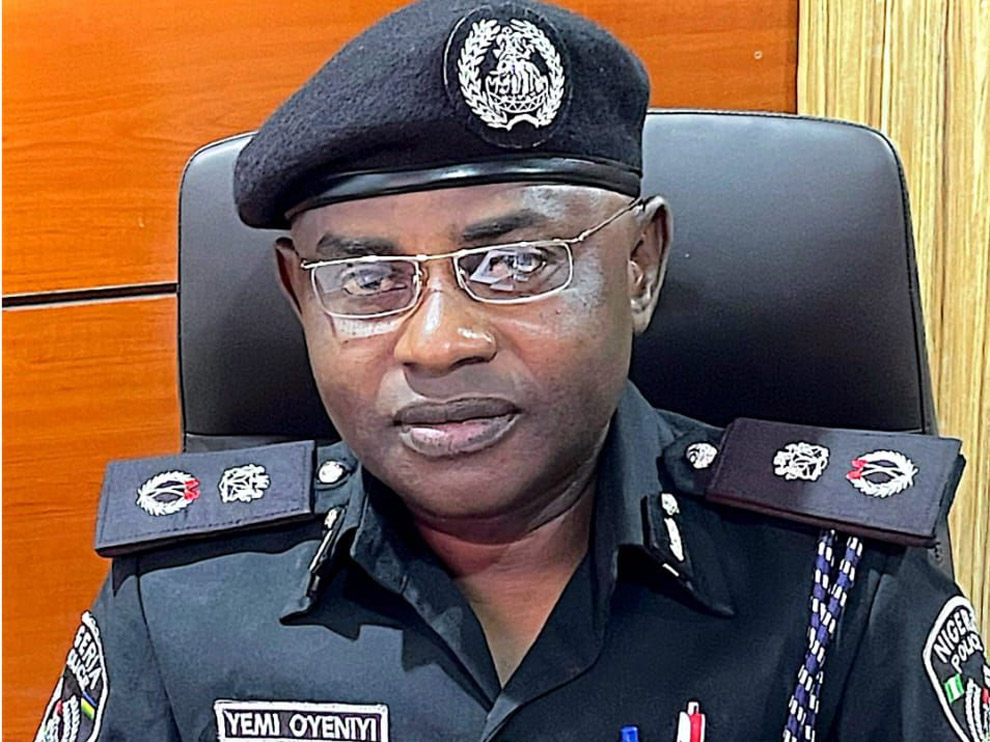
A domestic dispute allegedly involving the sale of landed property and accusations of infidelity has left a couple dead in Agbarho community, Ughelli North Local Government Area of Delta State, leaving their four children without either parent.
The incident reportedly occurred on Owiri Street in Agbarho, where the man allegedly attacked and killed his wife before later dying by suicide after ingesting a poisonous substance.
According to a report published by Vanguard on Tuesday, October 13, 2026, the tragedy followed a disagreement between the couple over landed property and alleged infidelity. However, the full circumstances surrounding the confrontation have not been independently established.
A source quoted in the report said the man was reportedly angered by allegations concerning his wife’s fidelity and the sale of his landed property. The precise sequence of events leading to the couple’s deaths remains unclear.
A neighbour reportedly said the couple had experienced repeated physical confrontations before the incident, suggesting that tensions within the household may have persisted for some time. However, details of the earlier clashes and whether the authorities had previously been alerted have not been confirmed.
READ ALSO:
- VIDEO: Outrage as Indian National Assaults Nigerian Truck Drivers in Lagos
- Forgery Probe: Police Arrest Ex-Imo Governor Rochas Okorocha in Abuja
- INEC Demands Formal Complaints as Missing Candidates Rock 2027 Election List
The deceased man’s elder brother also reportedly expressed shock over the deaths, saying he was not fully aware of what had triggered the fatal confrontation. He confirmed that the couple had four children, with the eldest said to be about 21 years old, but declined to disclose their identities.
A senior police officer at the Agbarho Division reportedly confirmed the incident, saying officers evacuated the bodies to a morgue as investigations began. The officer also indicated that no formal complaint had been lodged by the families as of the time of the report.
Attempts to obtain further comments from the Delta State Police Command’s spokesperson, SP Bright Edafe, were reportedly unsuccessful before the report was published.
The deaths have left the couple’s four children facing the loss of both parents, adding to the devastating consequences of the incident. The circumstances surrounding the reported property dispute, the allegations of infidelity and the events immediately preceding the deaths remain subject to investigation.
The tragedy highlights the potentially devastating consequences of unresolved domestic conflict. Disagreements involving marital relationships, property ownership and land sales should be addressed through peaceful dialogue, appropriate support and lawful channels. Violence is never an acceptable way to resolve such disputes.
Delta Tragedy: Man Allegedly Kills Wife, Dies by Suicide After Land Dispute
-
 metro2 days ago
₦8.7bn Erosion-Control Budget Gap Raises Questions as Anambra Gullies Expand
-
 Politics2 days ago
Obi Positioning for SGF Role Under Atiku’s ADC Ticket – Sowore
-
 International3 days ago
US Names 24 More Nigerians in Fresh Fraud, Money Laundering Crackdown
-
 metro2 days ago
How Bandits Demand ₦300m Ransom for Abducted Kaduna Couple, Baby in Viral Video
-
 metro2 days ago
Child Soldiers, Baby Factories: US Raises Alarm Over Official Complicity in Nigeria
-

 Politics2 days ago
Okonkwo Alleges Return of Subsidy, Accuses NNPC of Plotting Trillions in ‘Lost Profit’
-
 metro2 days ago
2027 Elections: Atiku Demands Names of INEC Ballot Printers, Questions Secret Contracts
-
 Africa3 days ago
Djibouti Boat Disaster: 139 Migrants Dead, Dozens Missing