

Business
FG okays finance bill, to cut import duty on buses, others
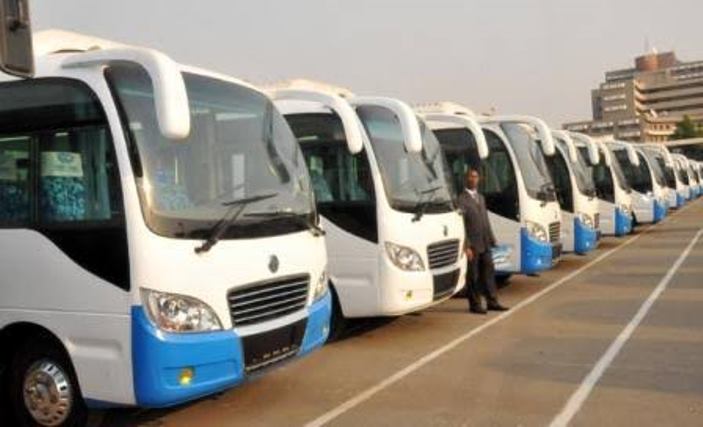
The Federal Government plans to reduce the import duties and levies being paid on buses, tractors and other vehicles used for mass transit as a way to cut the cost of transportation and reduce inflation rate in the country.
This is part of the package of the new finance bill approved by the Federal Executive Council on Wednesday.
Minister of Finance, Budget And National Planning, Zainab Ahmed, gave the indication while speaking with state house correspondents after the FEC meeting in Abuja, adding that bill would now be transmitted to the National Assembly for consideration and passage into law.
Ahmed said the bill was coming with some reforms that would improve the country’s tax laws and reduce some taxes especially for small businesses in addition to those already reduced in the 2019 finance bill.
She said, “These reforms will commence and will be closely followed by the cessation rules for small businesses as well as providing incentives for mass transit by reducing import duties and the levies for large tractors, buses and other vehicles. The reason for us is to reduce the cost of transportation, which is a major driver of inflation, especially food production.
“In the last finance bill, 2019, we reduced taxes from 30 per cent to 20 per cent for enterprises that have a turnover of between N25m and N100m.”
Ahmed also assured that there will be no increase in taxes, adding, “We also have proposed measures to create a legal instrument that supports a crisis intervention fund such as, the crisis intervention that we have had to put in place for COVID-19.
“So we hope that we don’t have other crises but we need to create such a fund so that it is available and it is legislated for. “We are also amending the Fiscal Responsibility Act to enhance fiscal efficiencies and also to control the cost revenue ratios of government-owned enterprises so that we will be able to realise more operating surpluses from these enterprises.”
The minister said, “In producing this bill, what we were doing was amending provisions in 13 different taxes which include the Capital Gains Tax Act, Companies Income Tax Act (CITA), Industrial Development (Income Tax Relief) Act (IIDITRA), Personal Income Tax Act (PITA), Tertiary Education Trust Fund Act, Customs & Excise Tariff (Consolidation) Act, Value Added Tax Act (VATA), Federal Inland Revenue Service (Establishment) Act, the Fiscal Responsibility Act and the Public Procurement Act.
“Some highlights of these provisions include amendments that we have had to make to provide incremental changes to tax laws. These amendments include providing fiscal relief for corporate taxpayers, for instance, by reducing the applicable minimum tax rate for two consecutive years; so from 0.5 per cent to 0.25 per cent.”










Auto
Honda shakes up Nigeria operations, dissolves HAWA, retains HMN
Honda shakes up Nigeria operations, dissolves HAWA, retains HMN
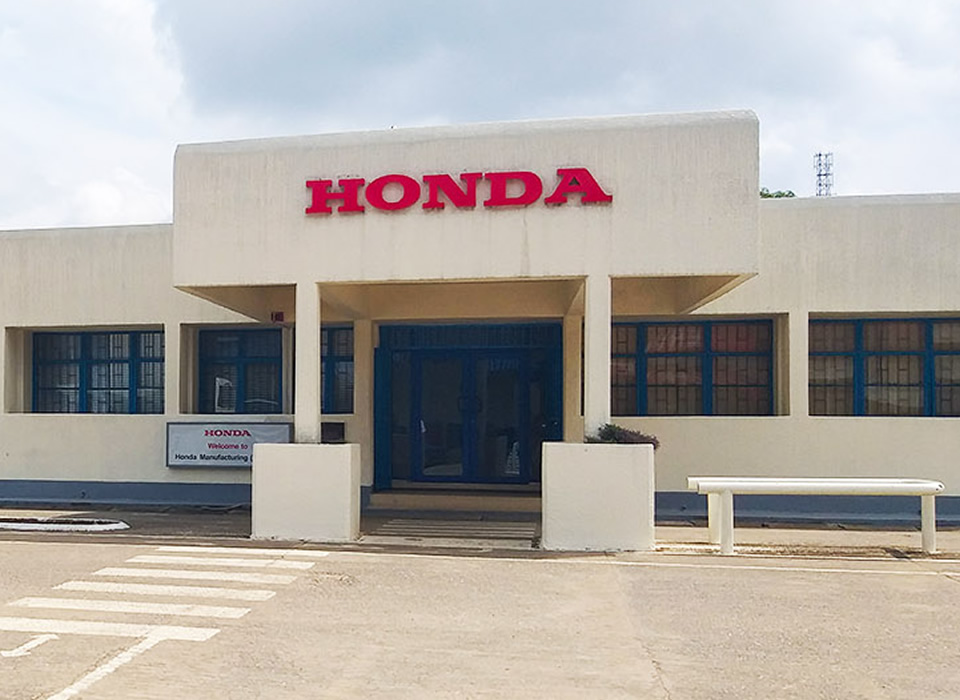
Japanese automobile giant, Honda, has overhauled its operations in Nigeria, dissolving its automobile arm, Honda Automobile Western Africa Limited, and folding its business into Honda Manufacturing Nigeria Limited.
The restructuring, which took effect on September 1, 2026, followed the sanctioning of the merger by the Federal High Court, with HMN emerging as the surviving entity.
Under the new arrangement, HAWA, which had been responsible for Honda’s automobile business operations in the country, has ceased to exist as a separate corporate entity, while HMN has taken over its assets, liabilities, contracts, rights, obligations and ongoing business operations.
Honda, however, moved quickly to allay concerns over the development, assuring customers, dealers and business partners that the restructuring would not disrupt its automobile operations or affect the level of service and support they receive.
In a notification to its business partners dated August 31, 2026, Honda said the restructuring had resulted in the consolidation of both companies into “one unified entity”, with HMN assuming all assets, liabilities, rights, obligations, contracts, undertakings and business operations previously held or conducted by HAWA.
READ ALSO:
- Fire Scare at Abuja Train Station as Electrical Fault Sparks Blaze, NRC Assures Passengers
- Veteran Nollywood Actress Cries Out for Financial Help Over Cervical Cancer Battle
- MURIC Raises Alarm Over Alleged Religious Imbalance in NDA 78RC Admission
The development means that existing relationships, arrangements and commitments involving HAWA will henceforth be managed and administered by HMN.
The company, however, stressed that the restructuring would not disrupt its automobile business operations in Nigeria.
“Automobile business operations previously conducted by HAWA will continue under HMN without interruption,” Honda assured its partners, adding that it remained committed to maintaining the same level of service, support and cooperation that customers and business partners had come to expect.
The restructuring is also expected to streamline Honda’s corporate structure in Nigeria by bringing its manufacturing and automobile business operations under a single surviving entity.
Honda said it was currently updating relevant corporate records and information as part of the integration process. These include corporate details, registered address, authorised signatories, management information and other related documentation.
It added that any changes requiring the attention of its business partners would be communicated in due course.
The company further requested the continued support and cooperation of its partners during the transition, while providing a copy of the Federal High Court order sanctioning the merger as an appendix to its notification.
Honda shakes up Nigeria operations, dissolves HAWA, retains HMN
Railway
Fire Scare at Abuja Train Station as Electrical Fault Sparks Blaze, NRC Assures Passengers
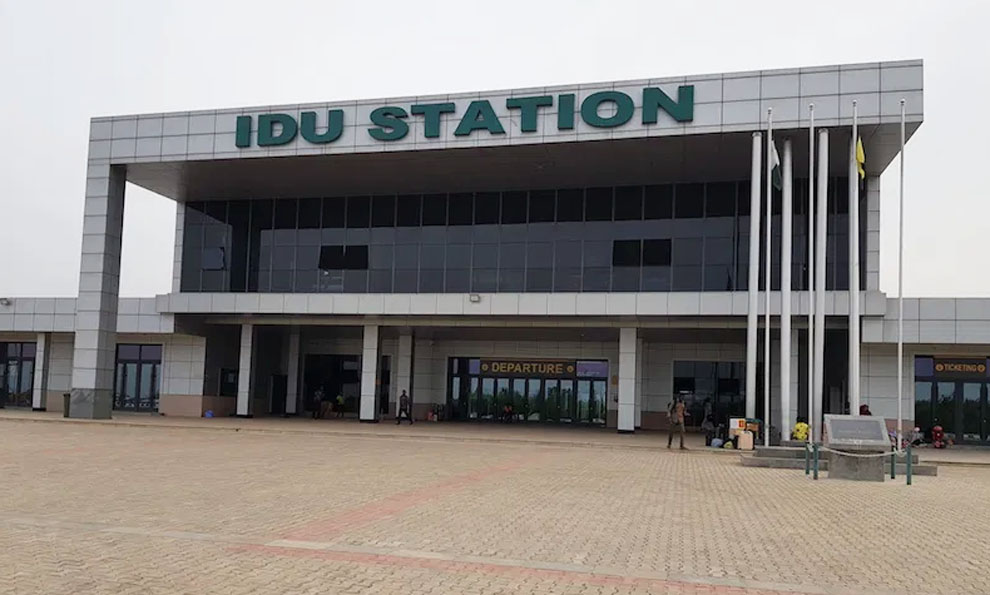
Fire Scare at Abuja Train Station as Electrical Fault Sparks Blaze, NRC Assures Passengers
A minor fire caused by an electrical fault broke out at the Idu Train Station in Abuja on Wednesday night, but the incident did not disrupt operations on the Abuja–Kaduna train route, the Nigerian Railway Corporation (NRC) has said.
The fire, which occurred in the station’s low-voltage electrical room, was detected at about 8:30 p.m. and was quickly brought under control by maintenance personnel.
A preliminary inspection showed that some electrical supply cables connected to the station’s control panels were damaged in the incident.
READ ALSO:
- Veteran Nollywood Actress Cries Out for Financial Help Over Cervical Cancer Battle
- MURIC Raises Alarm Over Alleged Religious Imbalance in NDA 78RC Admission
- Agunbiade fires back at Deji Yesufu: Don’t mistake Boko Haram for Islam
However, the NRC said the station’s solar power system was not affected, while power had been temporarily restored to the lifts and escalators.
According to the Corporation’s Chief Public Relations Officer, Callistus Unyimadu, all the lifts and escalators are currently operational except Lift 1.
The NRC stressed that the incident had no impact on Abuja–Kaduna train services, assuring passengers that scheduled operations would continue as normal.
The Corporation said its technical team was conducting a detailed assessment to establish the cause of the electrical fault and permanently restore the affected installations.
It added that appropriate safety measures had been put in place while the assessment and remedial work continued.
Fire Scare at Abuja Train Station as Electrical Fault Sparks Blaze, NRC Assures Passengers
Business
Nigerians Pay N44 Extra Per Litre as Retailers Defy Falling Depot Prices – Full Report

-
 Politics2 days ago
Why Did Peter Obi Attend Seyi Makinde’s Campaign Launch? Here’s What He Said
-

 News2 days ago
Lagos Moves to Slash Agency Fees, Curb Rent Hikes With New Tenancy Bill
-

 metro3 days ago
El-Rufai Demands ₦10bn from Defence Minister Over Southern Kaduna Killings Allegation
-

 metro3 days ago
Catholic priest leaves priesthood, weds Kenyan woman after 12 years in Kenya
-
 metro2 days ago
Osun Police Arrest Woman After Vigilante Member Dies During Sexual Encounter in Ile-Ife
-

 Education2 days ago
FG opens six-month teacher certification for BSc, HND, ND holders – How to Apply
-
 Politics8 hours ago
Remi Tinubu Appeals To South-East Voters, Says She Wants To ‘Enjoy Nigeria’ In Old Age
-

 Politics12 hours ago
Amaechi will be caged politically, Wike shouldn’t bother about Ikwerre votes — Wihioka
You must be logged in to post a comment Login