

Business
Reps pass bill to prevent non-customs officers from emerging NCS CG
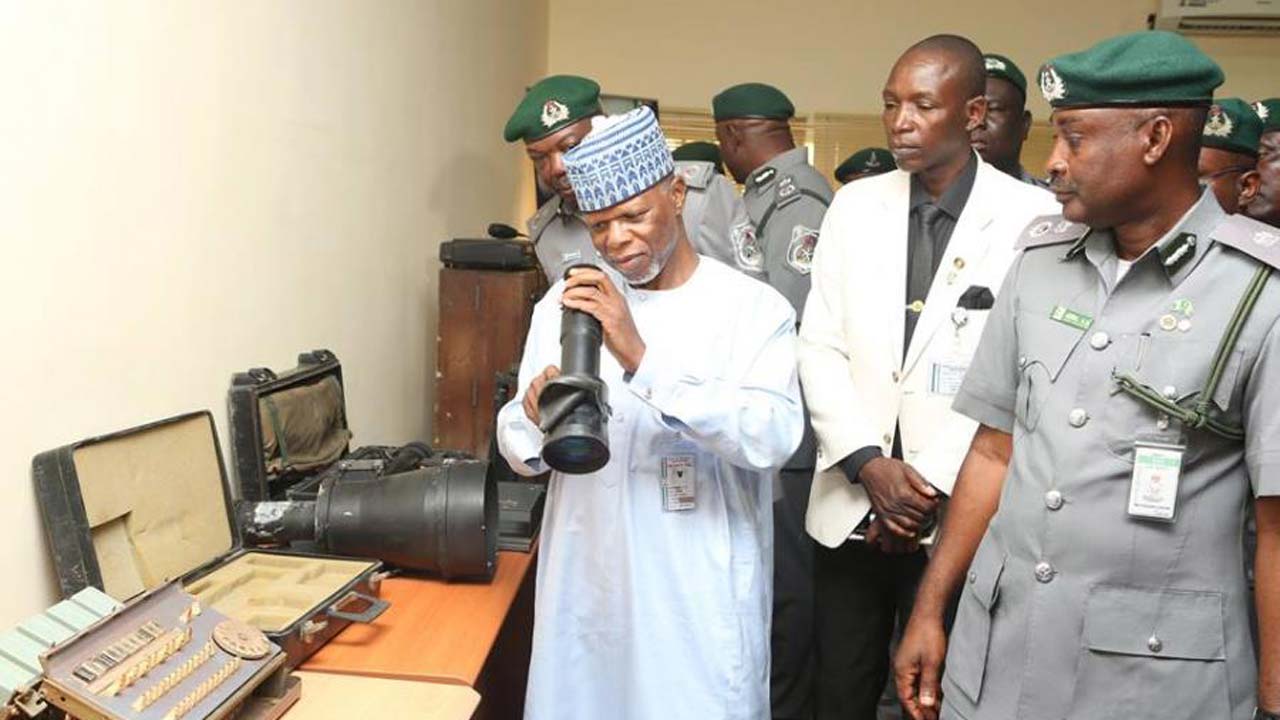
The House of Representatives on Tuesday passed a bill seeking to stop non-serving officers of the Nigeria Customs Service (NCS) from being appointed as comptroller-general of the agency.
A report on the bill was adopted after the Chairman of the Committee on Customs and Excise, Leke Abejide, moved a motion for the consideration of its 283 clauses at the “committee of the whole” presided over by Idris Wase, deputy speaker of the house.
The proposed legislation seeks to repeal the Customs and Excise Management Act, 2004 and reenact the Nigeria Customs Service (Establishment) Bill, 2021.
Hameed Ali, the current comptroller-general of the NCS, is a retired military officer.
Since his appointment in 2015, Ali has been carrying on his duties in civilian attire, and in March 2017, when he appeared before the senate committee on customs and excise duties, he was asked to explain why he refused to wear the customs uniform. Ali said as a retired army officer it was against military tradition for him to wear the uniform of another organisation.
Briefing journalists after plenary, Abejide said the proposed legislation was aimed at transforming the operations of the NCS to make it more efficient and value-driven.
He said the bill proposes “legislative input into the appointment of comptroller-general of customs similar to other organisations like inspector-general of police, Nigeria Immigration Service, and the service chiefs”.
The lawmaker said the existing act did not provide that only customs officers be appointed to head the service.
“The passage of this bill is a step in the right direction, especially in view of the fact that the bill is the first major reform in the Nigeria Customs Service legal framework in 63 years,” he said.
“The old Act has become obsolete in today’s competitive global world. A review of the Act seeks to reposition the NCS for improved efficiency and service delivery. Full automation of the NCS with modern reality will facilitate trade, improve revenue generation and more importantly expose illegal importation of arms and ammunition into the country. All of these would be made possible when this bill becomes an act.
“This bill, when it becomes an act, will position the Nigeria Customs Service to be financially stable and this will enable NCS to recruit the required number of officers they need to man our porous border stations.
“The current seven percent cost of collection from the duties payment is not enough to pay salaries of officers, not to talk of improving the infrastructures. For this reason, this bill provides for a funding system based on four percent FOB according to international best practices to address funding problems and to reposition the service for improved efficiency and service delivery.”
The bill, according to the legislator, proposes “stiffer punishments” for serious customs offences and will encourage more revenue in the area of payment of fines.
The bill also makes provision for “the arbitration panel for the purpose of dispute resolution to reduce multiplicity of cases at the court of law relating to customs issues; introduction of new excise collectable revenue avenues in line with the recently enacted Finance Act 2021; and provides legal backing for the collection of excise duties on all carbonated drinks”.








Railway
Fire Scare at Abuja Train Station as Electrical Fault Sparks Blaze, NRC Assures Passengers
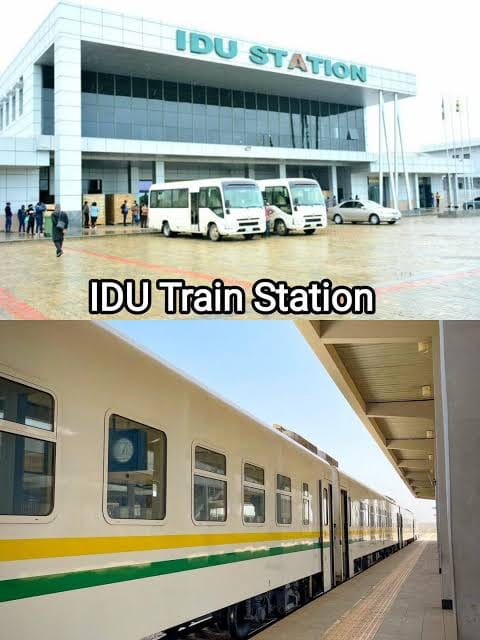
Fire Scare at Abuja Train Station as Electrical Fault Sparks Blaze, NRC Assures Passengers
A minor fire caused by an electrical fault broke out at the Idu Train Station in Abuja on Wednesday night, but the incident did not disrupt operations on the Abuja–Kaduna train route, the Nigerian Railway Corporation (NRC) has said.
The fire, which occurred in the station’s low-voltage electrical room, was detected at about 8:30 p.m. and was quickly brought under control by maintenance personnel.
A preliminary inspection showed that some electrical supply cables connected to the station’s control panels were damaged in the incident.
However, the NRC said the station’s solar power system was not affected, while power had been temporarily restored to the lifts and escalators.
According to the Corporation’s Chief Public Relations Officer, Callistus Unyimadu, all the lifts and escalators are currently operational except Lift 1.
The NRC stressed that the incident had no impact on Abuja–Kaduna train services, assuring passengers that scheduled operations would continue as normal.
The Corporation said its technical team was conducting a detailed assessment to establish the cause of the electrical fault and permanently restore the affected installations.
It added that appropriate safety measures had been put in place while the assessment and remedial work continued.
Business
Nigerians Pay N44 Extra Per Litre as Retailers Defy Falling Depot Prices – Full Report

Auto
Abuja Roars to Life as Jetour X50 Headlines Three-Day Motoring Experience
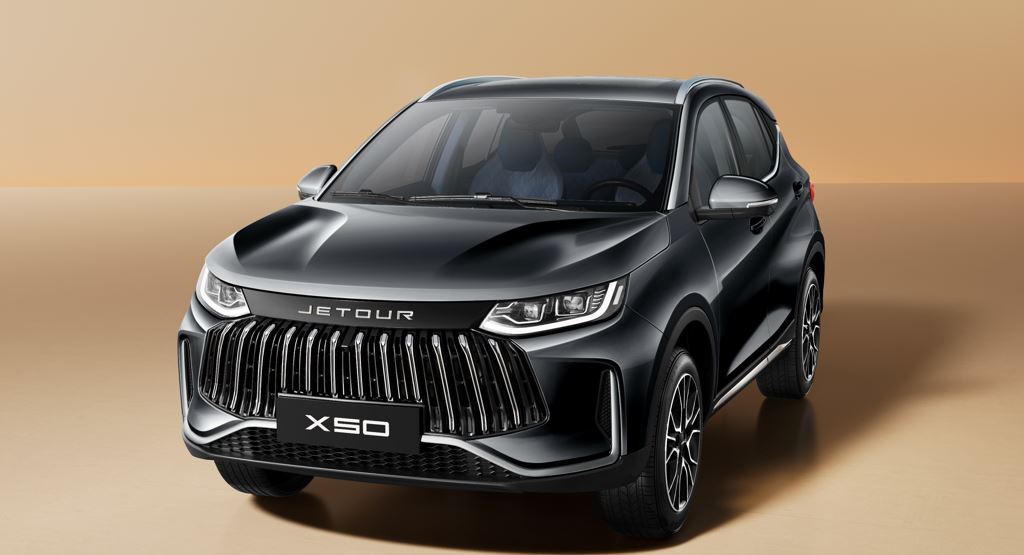
Abuja Roars to Life as Jetour X50 Headlines Three-Day Motoring Experience
Abuja is gearing up for a major motoring spectacle as Jetour Nigeria brings its fast-growing brand experience to the Federal Capital Territory, with the stylish Jetour X50 set to take centre stage in a three-day showcase of performance, technology and automotive innovation.
Scheduled for September 22 to 24, 2026, the Jetour Experience Abuja will move beyond the conventional vehicle exhibition, giving motorists and prospective buyers the opportunity to test-drive the X50, interact with automotive specialists and experience a range of entertainment and interactive activities.
The Abuja activation follows the strong reception recorded during Jetour Nigeria’s recent Lagos experience and forms part of the automaker’s strategy to deepen customer engagement while expanding its footprint across Nigeria.
Backed by an expanding authorised dealer network comprising Elizade Nigeria Limited, Mandilas Autos, Germaine Auto Centre, Kojo Motors, R.T. Briscoe, Tab Autos and New Era AutoVehicle Services, Jetour is also strengthening access to vehicle sales, after-sales support, genuine spare parts and certified technical services nationwide.
At the heart of the Abuja experience will be the Jetour X50, a compact SUV designed to combine contemporary styling, performance and a technology-rich driving environment.
Powered by a 1.5-litre turbocharged engine paired with a dual-clutch transmission, the X50 has positioned itself as a strong contender in Nigeria’s competitive compact SUV segment.
Jetour has equipped the model with a range of premium features, including a 360-degree camera, Blind Spot Detection, 10.5-inch infotainment system with Apple CarPlay and Android Auto, wireless charging and leather upholstery.
The combination of technology, comfort and performance is part of Jetour’s strategy of offering premium motoring features at competitive price points.
The Abuja event also highlights Jetour’s aggressive expansion strategy in Nigeria, following the brand’s recognition with industry accolades including Fastest Growing Auto Brand and Auto Brand of the Year.
With its expanding dealer network providing nationwide sales and after-sales support, Jetour is seeking to deepen customer engagement while making its vehicles and ownership services more accessible to motorists across the country.
As Abuja prepares to welcome the Jetour Experience, the three-day activation is expected to provide motorists with an opportunity to see, feel and drive the X50 while experiencing first-hand what is driving the brand’s growing appeal in Nigeria.
-

 metro2 days ago
El-Rufai Demands ₦10bn from Defence Minister Over Southern Kaduna Killings Allegation
-

 News2 days ago
Lagos Moves to Slash Agency Fees, Curb Rent Hikes With New Tenancy Bill
-
 metro3 days ago
Oyoland Grand Chief Imam Celebrates Dr Sharafudeen Raji for Service to Islam
-
 Politics2 days ago
Why Did Peter Obi Attend Seyi Makinde’s Campaign Launch? Here’s What He Said
-

 metro2 days ago
Catholic priest leaves priesthood, weds Kenyan woman after 12 years in Kenya
-
 metro2 days ago
Osun Police Arrest Woman After Vigilante Member Dies During Sexual Encounter in Ile-Ife
-

 Education2 days ago
FG opens six-month teacher certification for BSc, HND, ND holders – How to Apply
-

 Politics8 hours ago
Amaechi will be caged politically, Wike shouldn’t bother about Ikwerre votes — Wihioka