

Business
NCC Rejects Telecoms Operators’ Request for Tariff Increase

The Nigerian Communications Commission (NCC) has rejected the request by telecom operators for an upward review of tariff, saying that any such decision must be fair to the subscribers and engender healthy competition among services providers.
In a statement issued at the weekend, NCC said there is no cause for alarm as it did not approve any increase, adding that it remained committed to international best practices and established procedures in its regulatory activities in the country.
Telecom providers under the aegis of the Association of Licensed Telecommunications Operators of Nigeria (ALTON) had written to the NCC seeking an upward review of voice calls, SMS and data cost tariffs by 40 per cent due to the high cost of operations.
But in a statement by its Director of Public Affairs, Dr. Ikechukwu Adinde, NCC stated that any tariff increase by telecoms service providers must be approved by the commission guided by regular cost-based and empirical studies to determine the appropriate cost to be adopted by the service providers.
Adinde noted that the commission received the request letter from ALTON about the proposed increase but stated that any decision in that regard must be fair enough to the subscribers and engender healthy competition among services providers.
Part of the statement reads, “Consistent with international best practice and established regulatory procedures, the NCC ensures its regulatory activities are guided by regular cost-based and empirical studies to determine the appropriate cost (upper and floor price) within which service providers are allowed to charge their subscribers for services delivered.
READ ALSO:
- Indian police arrest six Nigerians wanted in murder case
- Angry Ondo youths block police station with corpses over deaths at Police Checkpoint
- Minority Reps caucus tasks Buhari to avert shutdown of airline operations
“The commission ensures that any cost determined, as an outcome of such transparent studies is fair enough to enhance healthy competition among operators, provide wider choices for the subscribers as well as ensure the sustainability of the Nigerian telecoms industry.
“For the avoidance of any doubt, and contrary to MNOs’ agitation to increase tariffs for voice and Short Messaging Services (SMS) by a certain percentage, the commission wishes to categorically inform telecoms subscribers and allay the fears of Nigerians that no tariff increase will be effected by the operators without due regulatory approval by the commission.
“It is noteworthy that tariff regulations and determinations are made by the commission in line with the provisions of Sections 4, 90, and 92 of the Nigerian Communications Act (NCA) 2003, which entrusts the commission with the protection and promotion of the interests of subscribers against unfair practices including but not limited to; matters relating to tariffs and charges.”
It pointed out that the current tariff regime administered by the service providers is a product of NCC’s decision both for voice and SMS.
It however added that “while there could be justifiable reasons for MNOs’ demand for tariff increase, it should be noted that they are not allowed to do such either individually or collectively without recourse to NCC, following the outcome of a cost study. This is not the case for now.
“Through NCC’s commitment to engendering healthy competition among the licensees, the cost of services has been democratised and become more and more affordable for Nigerian subscribers. The regulator is even more committed to this cause to ensure subscribers get greater value for money spent on telecom services.”
Last week, ALTON wrote a letter to the NCC, the telecoms industry regulator, calling for an upward review of the cost of telecoms services.
The operators urged the NCC to consider the move for an upward review of the cost of SMS from N4 to N5.61k and voice call termination rate from N6.40k per minute to N8.95k per minute.
The operators said the move to increase the cost of telecom services became necessary due to the high cost of delivering telecoms services across networks, coupled with the harsh business environment and the continuous rise in the cost of various items in various sectors of the Nigeria economy.
THISDAY








Business
NMDPRA Unveils Sweeping Draft Rules to Ban Fuel Price-Fixing, Artificial Scarcity

Business
Petrol, Diesel Prices Drop as Dangote Cuts Ex-Depot Rates
Petrol, Diesel Prices Drop as Dangote Cuts Ex-Depot Rates
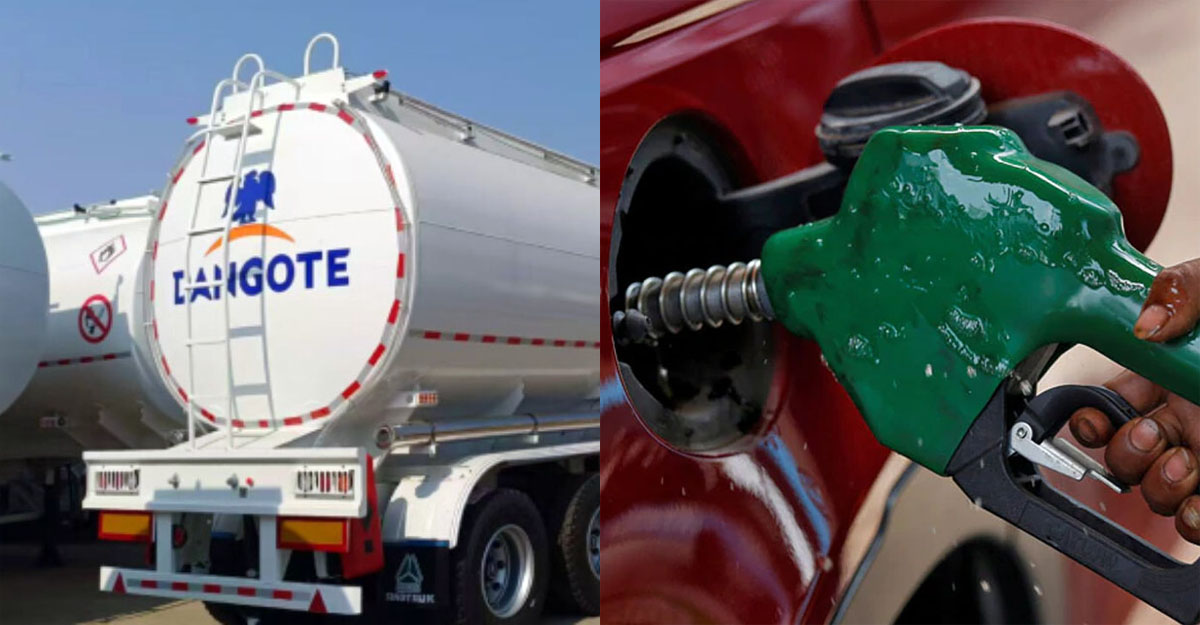
Motorists and businesses may get some relief from fuel costs as Dangote Petroleum Refinery announced fresh reductions in the ex-depot prices of petrol and diesel, cutting the prices by N50 and N80 per litre respectively.
Under the new pricing regime, the refinery reduced the ex-depot price of Premium Motor Spirit (PMS), popularly known as petrol, from N1,215 to N1,165 per litre.
The price of Automotive Gas Oil (AGO), or diesel, was also reduced from N1,650 to N1,570 per litre.
The latest adjustment represents a 4.1 per cent reduction in the price of petrol and a 4.8 per cent cut in diesel.
The refinery said in a statement issued by the Dangote Group on Wednesday that the review was aimed at improving energy affordability, expanding access to locally refined petroleum products and supporting economic activities across the country.
The company said the new prices reflected its commitment to delivering affordable and quality petroleum products while maintaining a stable supply to the Nigerian market.
“Dangote Petroleum Refinery has announced a reduction in the ex-depot prices of Premium Motor Spirit (PMS) and Automotive Gas Oil (Diesel), reaffirming its commitment to providing affordable, high-quality petroleum products to the Nigerian market,” the statement said.
It added that the refinery would continue to leverage operational efficiencies and pass the resulting benefits to consumers whenever market conditions allowed.
The latest reduction comes less than two weeks after the refinery resumed naira-denominated petrol sales and raised its ex-depot price to N1,215 per litre following a brief shift to dollar-based transactions.
The earlier change had triggered concerns among petroleum marketers over rising downstream costs.
In July, the refinery had temporarily suspended petrol truck loading and introduced dollar-denominated sales, with petrol priced at $0.779 per litre under the new framework. It subsequently returned to naira transactions and fixed the ex-depot price at N1,215 per litre.
With the latest adjustment, the refinery has now reversed part of that increase, reducing the petrol price by N50 and diesel by N80.
However, the new figures are ex-depot prices and do not necessarily translate into an equivalent reduction in pump prices. The final price paid by motorists will depend on factors including transportation, depot charges, margins and other downstream costs.
Dangote said it remained committed to ensuring stable supplies while improving operational efficiency and supporting consumers, businesses and other stakeholders.
The refinery, which has a nameplate capacity of 650,000 barrels per day, has increasingly become a major source of locally refined petrol, diesel and other petroleum products as Nigeria seeks to reduce its dependence on imported refined fuels.
The company said its operations were contributing to Nigeria’s energy security by strengthening domestic refining capacity, reducing reliance on imports and supporting economic development.
It added that it would continue to pass on the benefits of improved operational efficiencies to consumers whenever market conditions permitted.
Auto
High Power Bills Force BUK to Halt Electric Vehicle Charging on Campus
High Power Bills Force BUK to Halt Electric Vehicle Charging on Campus
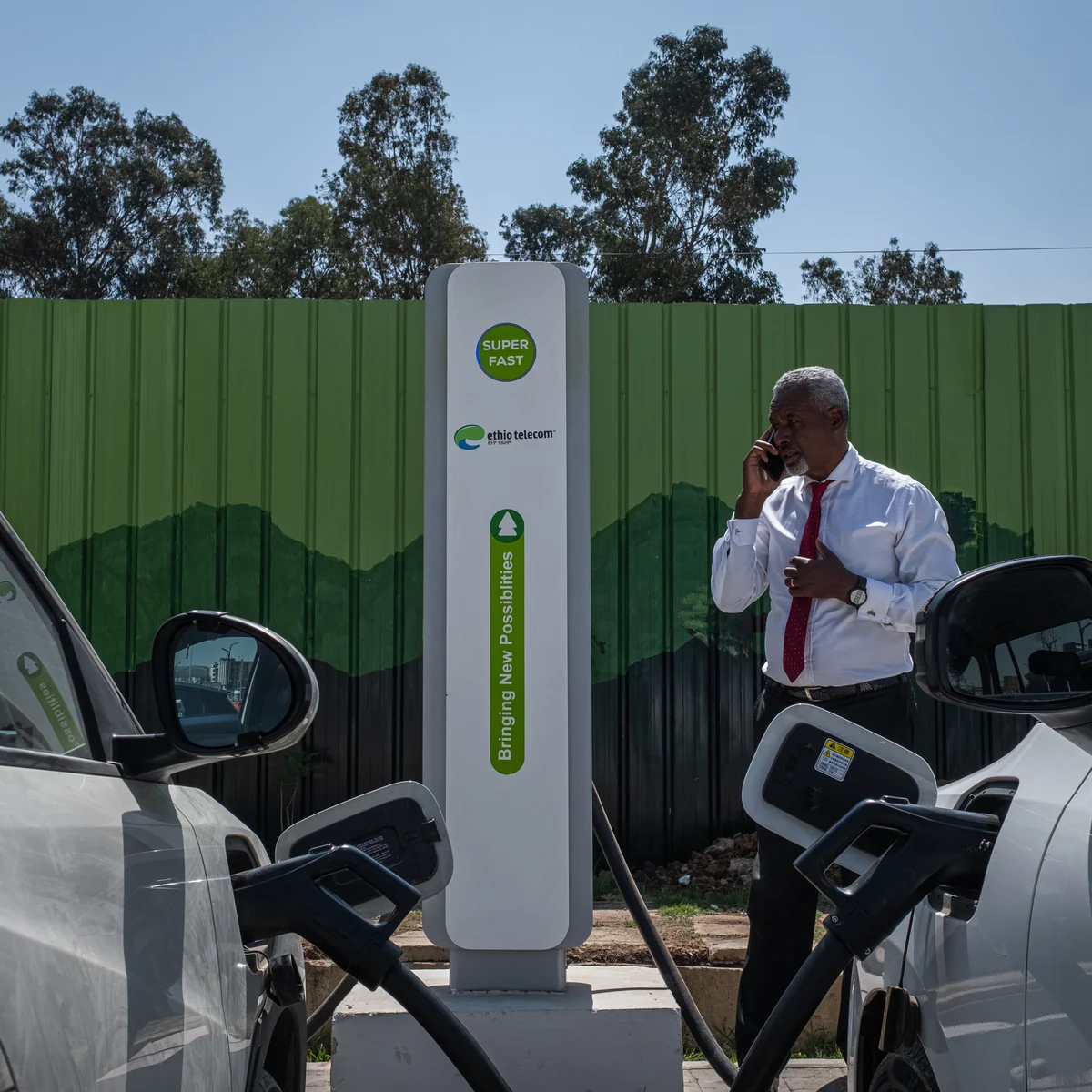
Rising electricity costs have forced Bayero University, Kano, to ban the charging of privately owned electric motorcycles and other electric vehicles across its campuses.
The university said the growing practice of using its electricity supply to charge private electric vehicles had contributed significantly to a sharp increase in its power bills, creating an additional financial burden for the institution.
The directive, which takes immediate effect, was contained in a statement issued on Tuesday by the university’s Director of Public Affairs, Lamara Garba.
According to the statement, the management has observed the “indiscriminate charging” of privately owned electric motorcycles and other electric vehicles using the university’s electricity supply.
It said the development was no longer sustainable at a time when the institution was seeking to manage its resources prudently.
READ ALSO:
- Explosion kills ISWAP bombmakers, foreign IED experts in Borno
- Alleged Coup Mastermind Suggested Approaching Wike for Funding, Court Documents Show
- Adeleke challenges EFCC over freezing of Osun government account
“The Management of Bayero University, Kano has observed with concern the indiscriminate charging of privately owned electric motorcycles and other electric vehicles using the University’s electricity supply across its campuses.
“This practice has contributed significantly to the sharp increase in the University’s electricity bills, thereby placing an enormous financial burden on the institution,” the statement said.
The university consequently directed all staff, students, commercial motorcycle operators and other users of electric motorcycles to stop charging their vehicles with the institution’s electricity.
It warned that anyone who violated the directive would face disciplinary action in accordance with the university’s rules and regulations.
“Management expects full compliance with this directive. Any person found violating this ban will be liable to appropriate disciplinary action,” the statement added.
To enforce the ban, the university directed provosts, deans, directors, heads of departments and heads of units to monitor compliance in their respective areas and report any violations to the appropriate authorities.
It also announced that a monitoring team would conduct regular patrols across the campuses to ensure strict adherence to the directive.
The institution urged all affected persons to cooperate with the measure, saying it was part of broader efforts to reduce energy costs and promote the prudent use of university resources.
High Power Bills Force BUK to Halt Electric Vehicle Charging on Campus
-

 metro3 days ago
Troops arrest four suspected Boko Haram, ISWAP suppliers, intercept 20 relatives
-
 News2 days ago
Tinubu Meets Jim Ovia, NELFUND CEO at Aso Rock as Student Loans Hit ₦303bn
-

 Education2 days ago
BREAKING: 61.54% Pass Rate as WAEC Releases 2026 WASSCE Results – How to Check Results
-

 metro2 days ago
Police Probe AIG Jimoh Over VeryDarkMan’s Corruption Allegations
-

 metro2 days ago
N78 Million Solar Inverters, 410 Cattle, 10 Guns Recovered as Kaduna Police Arrest 25 Suspects
-

 metro2 days ago
Boat Operators Rescue Woman Who Jumped Into Lagos Lagoon From Carter Bridge
-

 Politics2 days ago
‘We’ll Meet at The Field’ – Amaechi Replies Tinubu, Vows to Match Ruling Party’s Campaign Tactics
-
 Politics2 days ago
Why I Rejected Tinubu, Buhari’s Offers to Join APC — Fayose