

Business
Middle East Crisis Pushes Petrol Price to N1,300 Per Litre in Nigeria

Middle East Crisis Pushes Petrol Price to N1,300 Per Litre in Nigeria
Economic hardship is deepening across Nigeria as oil marketers have increased the pump price of Premium Motor Spirit (PMS), popularly known as petrol, to about N1,300 per litre, up from N1,050 per litre in many parts of the country.
The latest increase represents a 24 per cent rise in petrol price, triggered largely by the surge in global crude oil prices, which climbed to about $110 per barrel amid the escalating Middle East war.
The development has intensified the cost-of-living crisis in Nigeria, as higher fuel prices continue to drive increases in transport fares, food prices and the cost of goods and services nationwide.
Diesel price also surges
The price hike has also affected Automotive Gas Oil (AGO), commonly known as diesel.
At some filling stations operated by major marketers, diesel is now sold at around N1,380 per litre, up from about N1,100 per litre, while outlets of NNPC Limited sell the product at about N1,680 per litre in Lagos and surrounding areas.
Similarly, the pump price of petrol in Ibadan and neighbouring communities in Oyo State has risen sharply to between N1,200 and N1,300 per litre, compared with the previous range of N1,020 to N1,080 per litre.
A member of the Independent Petroleum Marketers Association of Nigeria (IPMAN) attributed the increase to the rising landing cost of imported fuel.
According to the marketer, the cost of lifting petrol from Lagos depots has increased to about N1,175 per litre, forcing marketers to adjust pump prices upward.
“The pump price varies depending on the destination. While petrol sells between N1,200 and N1,300 per litre in Ibadan, the price could be higher in areas such as Ogbomoso and Oke-Ogun due to transportation costs,” the marketer said.
READ ALSO:
- OYOSUBEB Chairman Adeniran Joins 2027 Oyo Governorship Race
- BREAKING: Zamfara Governor Dauda Lawal Defects from PDP to APC
- Tragedy in Ibadan as Woman, 26, Dies at Boyfriend’s Residence
Dangote refinery raises petrol gantry price
The increase in retail price followed a fresh adjustment by the Dangote Petroleum Refinery, which raised its gantry price of petrol to N1,175 per litre from N995 per litre.
The refinery also increased the gantry price of diesel to N1,620 per litre, up from N1,430 per litre.
The company attributed the development to prolonged volatility in the international crude oil market, which has pushed prices upward due to ongoing geopolitical tensions in the Middle East.
Industry sources noted that filling stations in Abuja have adjusted prices several times in the past week, reflecting the rising cost of supply.
Petrol price jumps in Abuja
In the Federal Capital Territory (FCT), petrol prices have jumped dramatically from about N880 per litre seven days ago to over N1,300 per litre at many retail outlets.
Within the last week, the price rose successively from N880 to N960, then N1,080, before climbing to N1,103 and eventually exceeding N1,300 per litre at several stations.
The sudden increase has triggered concern among motorists, transport operators and small business owners who rely heavily on fuel for daily operations.
Transport fares rise sharply
The increase in petrol price in Nigeria has already translated into higher transportation costs in many cities.
Checks at major bus stops in Area 8, Garki and the Central Area of Abuja showed that transport fares have increased by over 100 per cent on some routes.
For instance, a trip that previously cost N800 now costs about N1,500, while the fare from Area 8 to Nyanya has risen from N500 to around N1,000.
Similarly, in Ibadan, commercial drivers have increased fares due to the fuel price hike.
Trips from Sango to the University of Ibadan (UI) now cost between N250 and N300, up from N200, while the fare from Dugbe to Ojoo has increased from N600 to N900.
Logistics and transportation determine pump price — IPMAN
The Public Relations Officer of IPMAN, Chinedu Ukadike, confirmed the increase in petrol prices, noting that marketers now purchase the product from private depot operators at about N1,200 per litre.
According to him, the final retail price of petrol is influenced by logistics costs, transportation expenses and marketers’ margins.
“In Lagos, petrol may sell between N1,250 and N1,300 per litre, but outside Lagos the price could reach N1,350 per litre or more,” he explained.
Petrol could hit N2,000 per litre — PETROAN
Meanwhile, the Petroleum Products Retail Outlets Owners Association of Nigeria (PETROAN) has warned that the pump price of petrol could rise to N2,000 per litre if the Middle East war persists.
According to Billy Gillis-Harry, National President of PETROAN, the price of diesel could also climb to about N3,000 per litre if the global crisis continues.
He warned that continued instability in the international oil market could push fuel prices in Nigeria even higher in the coming weeks.
Calls for revival of local refineries
PETROAN has called on the Group Chief Executive Officer of NNPC Limited, Bayo Ojulari, to accelerate the full operation of Nigeria’s government-owned refineries.
The association specifically urged authorities to ensure the effective operation of the Port Harcourt refinery and the Warri refinery to boost domestic fuel production.
According to industry stakeholders, expanding local refining capacity would help reduce Nigeria’s dependence on imported petroleum products and cushion the impact of global oil price shocks.
Energy experts also stressed the need for policies that encourage private refinery investments, improve crude supply arrangements and strengthen Nigeria’s petroleum distribution infrastructure.
They noted that although domestic refining may not completely eliminate the effects of global oil price volatility, it would significantly improve energy security, foreign exchange stability and economic resilience.
Middle East Crisis Pushes Petrol Price to N1,300 Per Litre in Nigeria









Auto
Hyundai Unveils Mufasa, Grand Creta SUVs to Strengthen Nigeria Line-up (Updated)
Hyundai Unveils Mufasa, Grand Creta SUVs to Strengthen Nigeria Line-up (Updated)
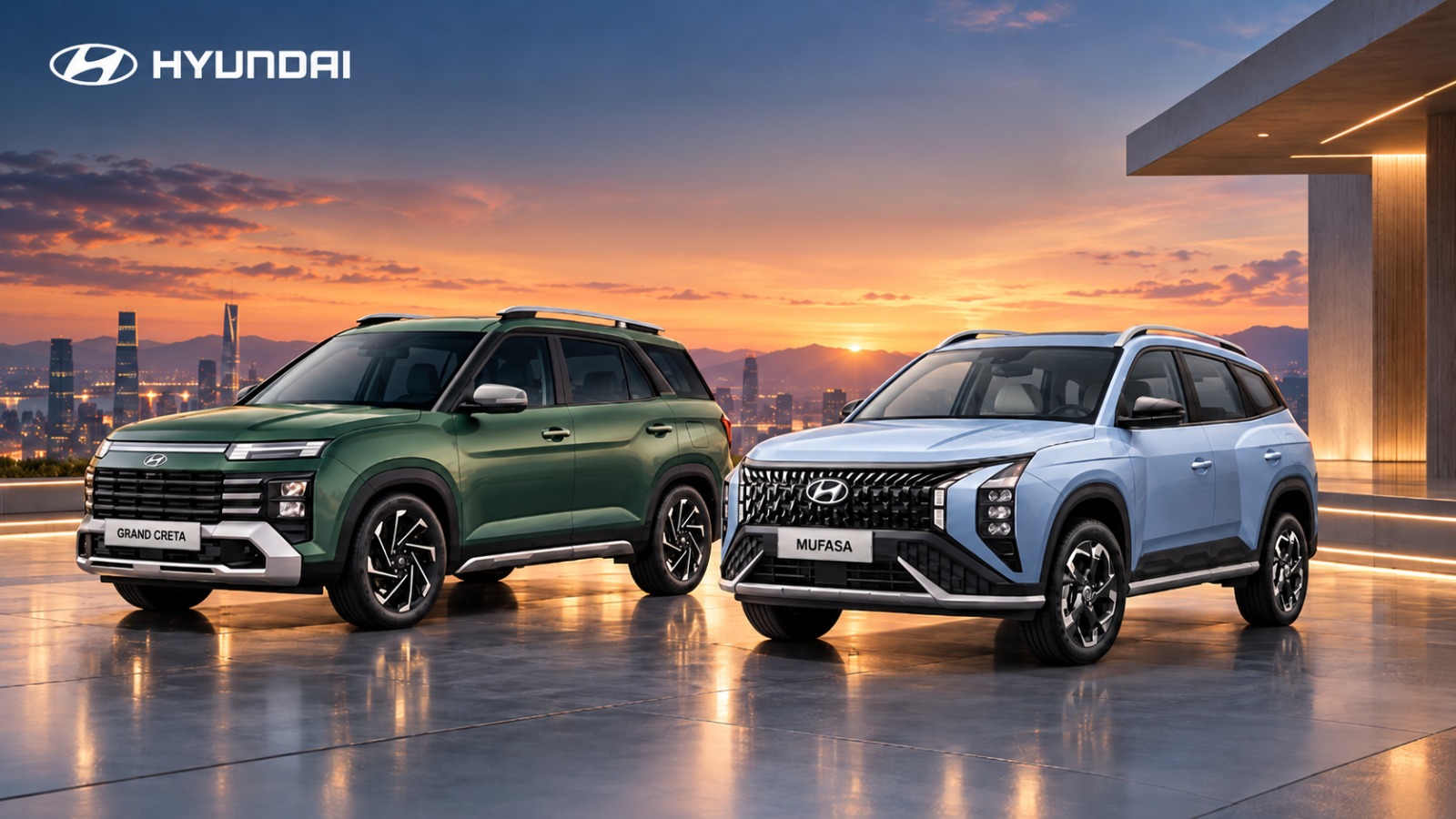
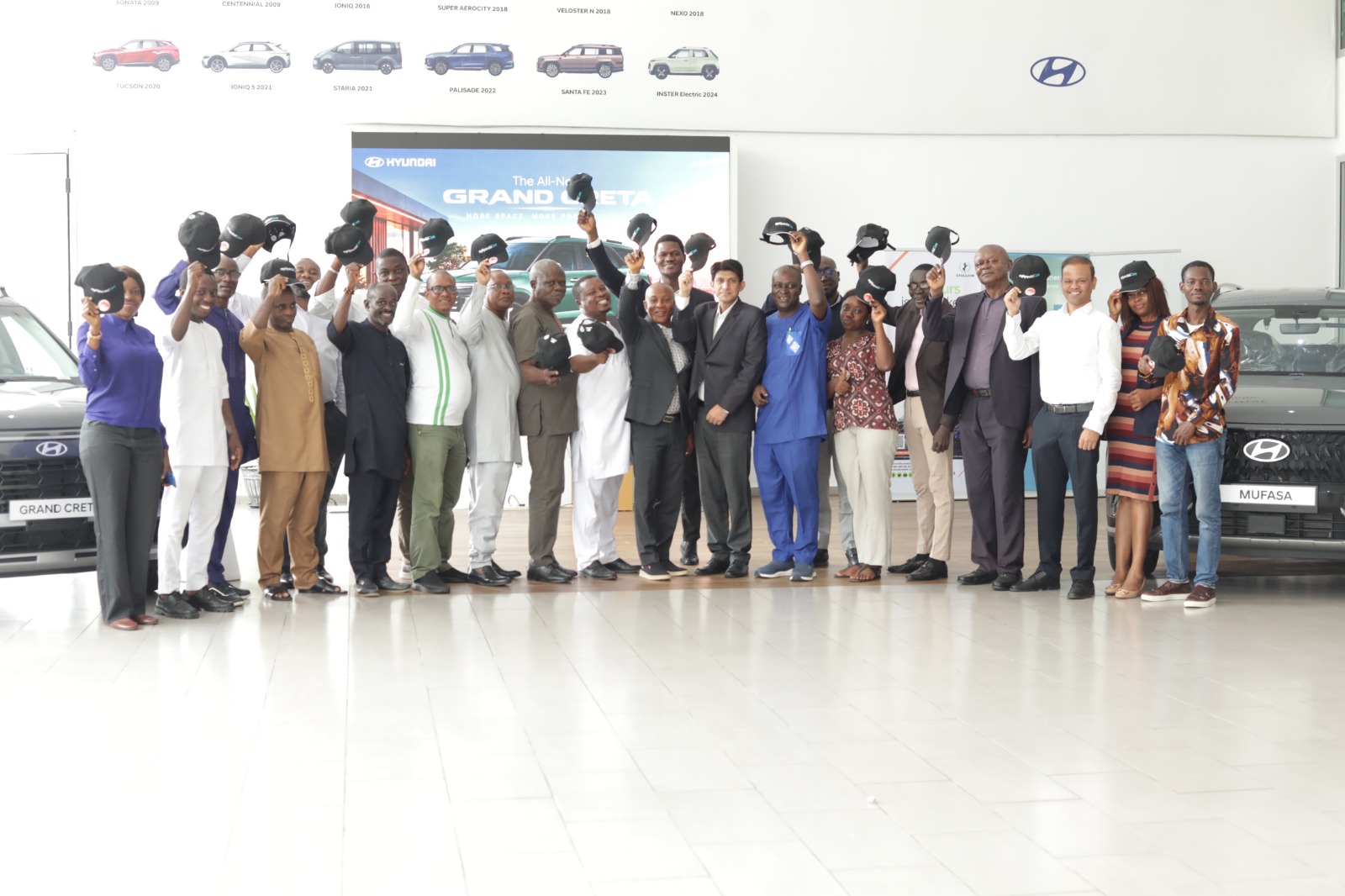
Hyundai Motors Nigeria has expanded its sport utility vehicle (SUV) range with the introduction of the all-new Mufasa and Grand Creta, offering Nigerian motorists more choices in styling, performance, technology and passenger comfort.
The two models, unveiled in Lagos on Wednesday, are targeted at different customer segments, with the Mufasa designed for motorists seeking a stylish, five-seater SUV, while the Grand Creta offers a three-row, seven-seater configuration suited to larger families and customers requiring additional passenger space.
The launch underscores Hyundai’s efforts to strengthen its presence in Nigeria’s competitive automotive market, where demand for versatile vehicles that combine comfort, safety, performance and practicality continues to shape consumer preferences.
Speaking at the launch, Hyundai Motors Nigeria’s General Manager, Sales and Marketing, Mr Gaurav Vashisht, said the new models reflected the company’s commitment to providing vehicles that meet the changing needs of Nigerian customers.
“The SUV segment continues to attract strong interest in Nigeria, as customers increasingly prioritise comfort, safety, technology and versatility,” Vashisht said.
He also gave a rundown of the two new vehicles’ features even as he stated that the Mufasa and Grand Creta were designed to meet different lifestyle requirements while maintaining Hyundai’s global standards of quality and innovation.
Mufasa targets style-conscious motorists
The Hyundai Mufasa combines bold exterior styling with a spacious cabin and features designed for everyday driving. Its distinctive front grille, signature LED lighting and muscular bodywork give it a commanding road presence.
Power comes from a 2.0-litre Smartstream multipoint fuel injection (MPi) petrol engine paired with a six-speed automatic transmission. Depending on the market specification, the engine produces approximately 150–160 horsepower and 193Nm of torque.
The five-seater SUV measures about 4,475mm in length, with a 2,680mm wheelbase, providing room for passengers and luggage while retaining a practical footprint for urban driving and longer journeys.
Its cabin features a modern dashboard, digital displays and storage spaces, while available equipment, depending on the variant, includes touchscreen infotainment, smartphone connectivity, automatic climate control, wireless charging and selectable driving modes.
Safety and driver-support features include anti-lock braking, electronic stability control, airbags and parking assistance, subject to the vehicle specification.
The Mufasa is positioned as an option for professionals, younger motorists and families seeking a combination of contemporary design, technology and everyday usability.
Grand Creta offers seven-seat flexibility
The Grand Creta complements the Mufasa with a larger cabin and seating for up to seven occupants, making it suitable for families and motorists who prioritise passenger capacity and interior flexibility.
The SUV is powered by an available 2.0-litre Smartstream petrol engine producing approximately 159 horsepower and 191Nm of torque. A six-speed automatic transmission is offered on automatic variant.
Its 2,760mm wheelbase supports a spacious three-row layout, while the flexible seating arrangement allows occupants to adjust the cabin to accommodate passengers or luggage.
Depending on the trim, convenience features include an eight-inch touchscreen infotainment system with smartphone connectivity, rear air-conditioning vents, keyless entry, push-button start and a digital instrument cluster.
Higher-specification versions may also feature leather-appointed seats, ventilated front seats, automatic climate control, wireless charging and a panoramic sunroof.
Safety equipment offered across the range includes six airbags, anti-lock braking, electronic stability control, hill-start assist, rear parking sensors, a rear-view camera and ISOFIX child-seat mounting points.
The model is aimed particularly at larger families seeking additional space and comfort without sacrificing the styling and versatility associated with SUVs.
After-sales support in focus
Beyond the new models, Hyundai Motors Nigeria says it is focused on delivering a comprehensive ownership experience through its authorised dealership network, after-sales services and access to genuine spare parts.
Vashisht said the Mufasa would appeal to customers seeking bold styling, modern technology and dynamic performance, while the Grand Creta would cater to those requiring greater passenger capacity, comfort and versatility.
“Our objective is not simply to introduce new vehicles but to deliver a complete ownership experience,” he said, reaffirming the company’s commitment to building long-term customer confidence in the Hyundai brand.
The two additions expand Hyundai’s existing SUV portfolio, which includes the Creta, Tucson, Santa Fe and Palisade.
Their introduction comes as automakers compete to attract Nigerian buyers with vehicles offering a balance of comfort, safety, technology, performance and long-term ownership value.
With the Mufasa and Grand Creta, Hyundai is seeking to broaden its appeal across different customer categories while strengthening its position in Nigeria’s increasingly competitive SUV market.
Auto
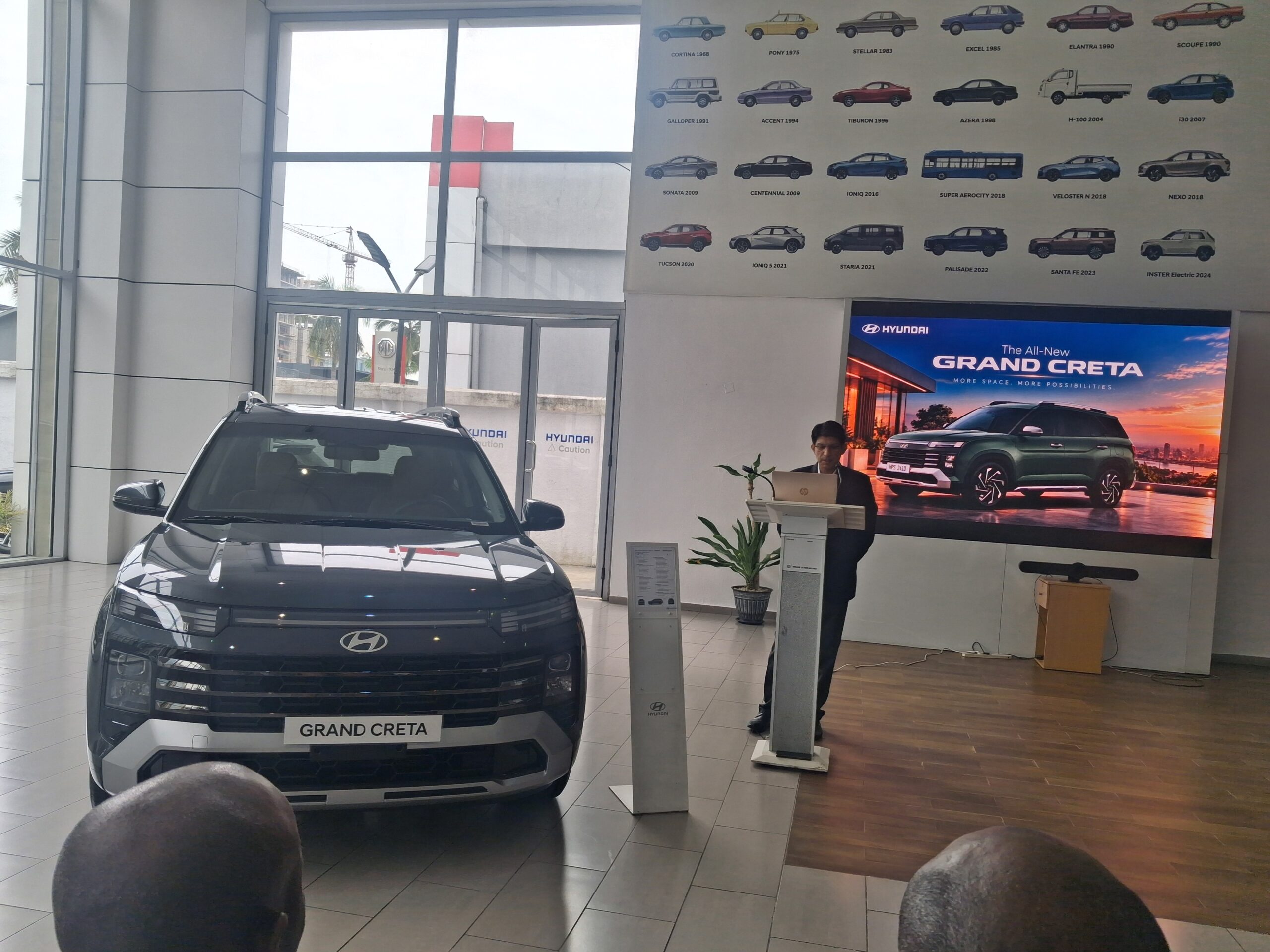
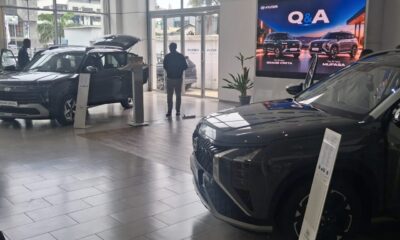
Happening now: Hyundai unveiling of Mufasa and Grand Creta
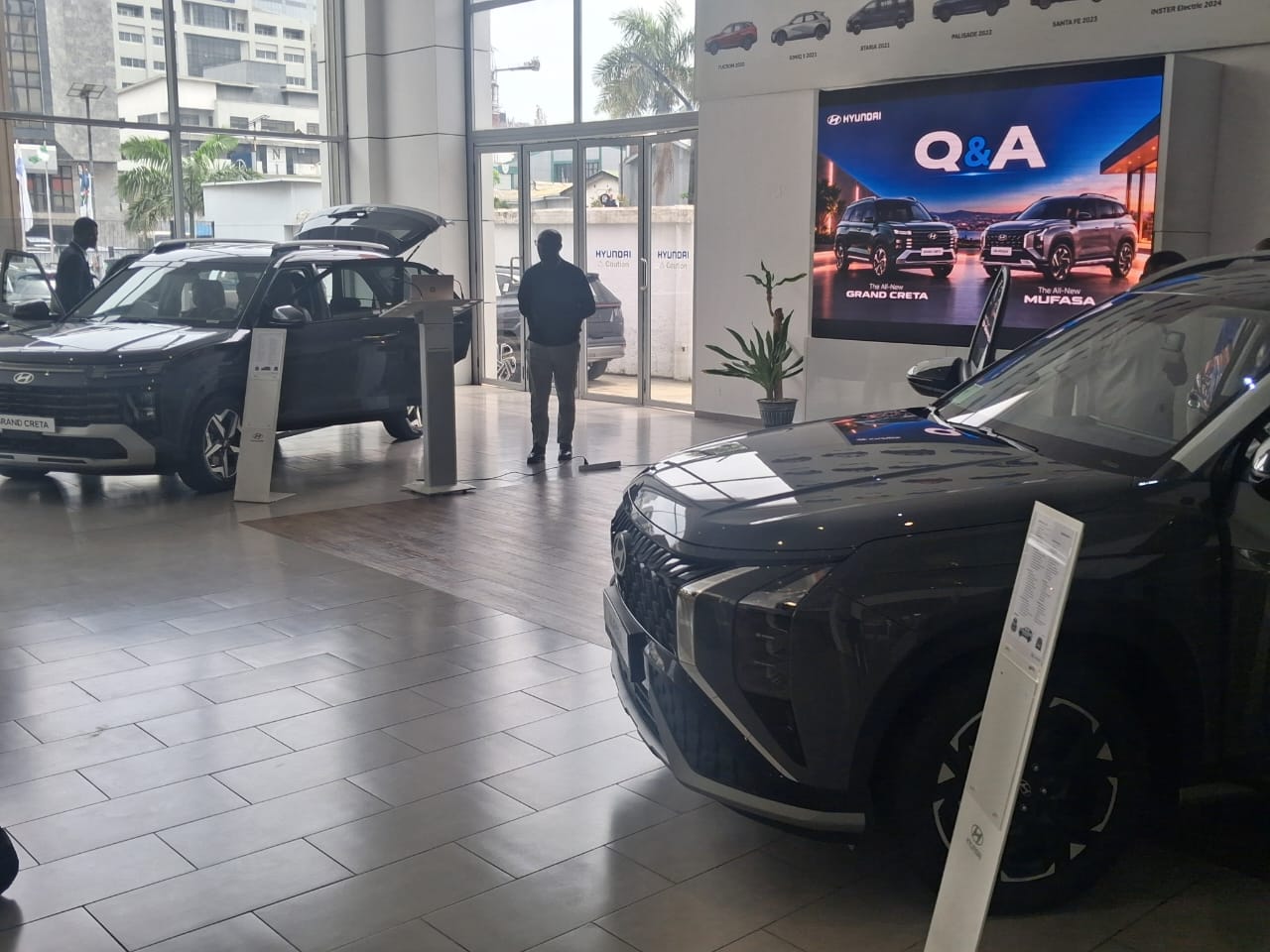
Happening now: Hyundai unveiling of Mufasa and Grand Creta (photos)
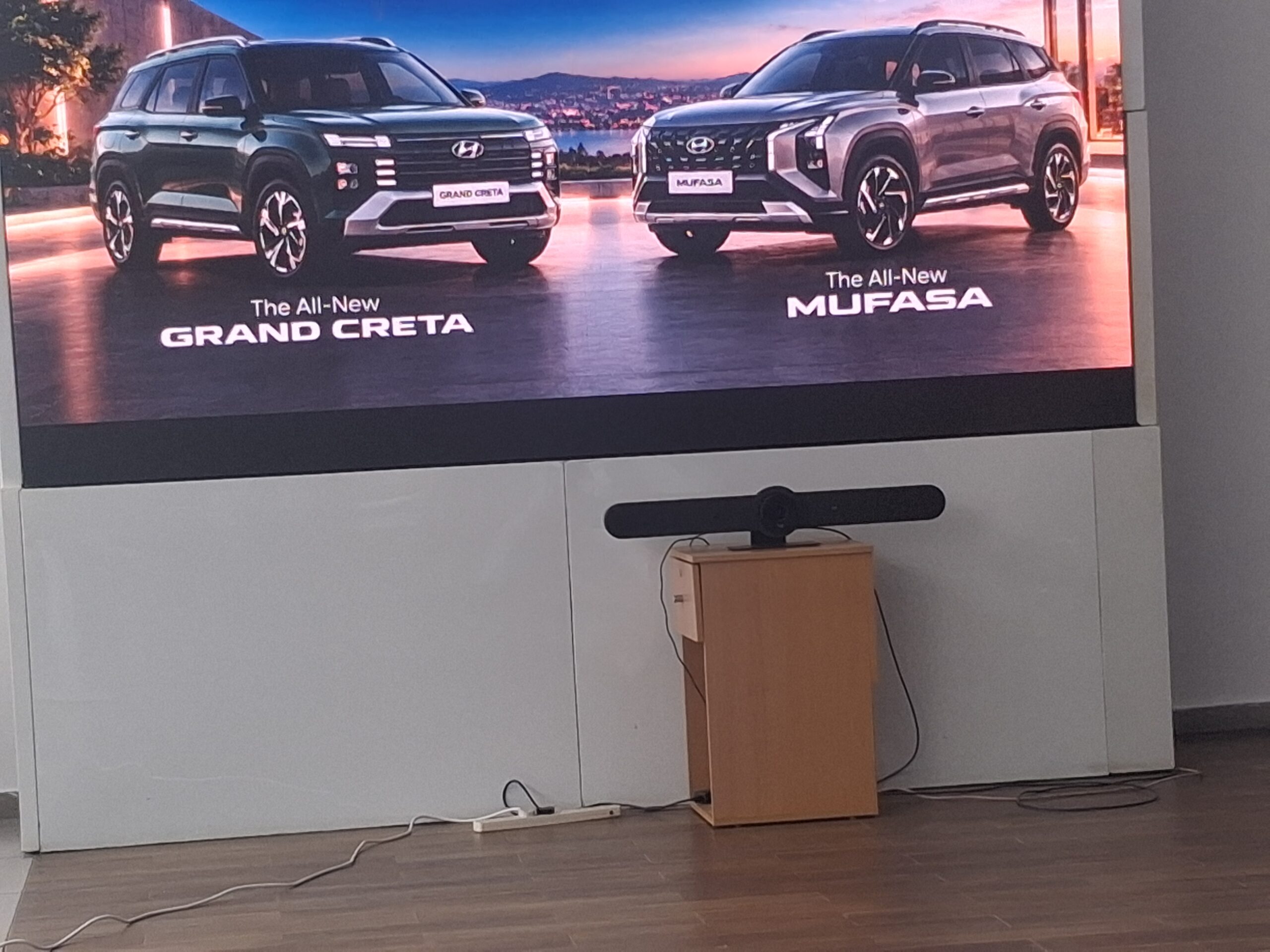
Two latest models of Hyundai auto brands are currently being officially rolled out in Lagos. The new vehicles are Mufasa and Grand Creta.
The unveiling is taking place at the Hyundai showroom on Akin Adesola Street Victoria Island, Lagos.

Auto
No 5% Petrol Tax Plan, Oyedele Says, Amid Public Concerns
No 5% Petrol Tax Plan, Oyedele Says, Amid Public Concerns
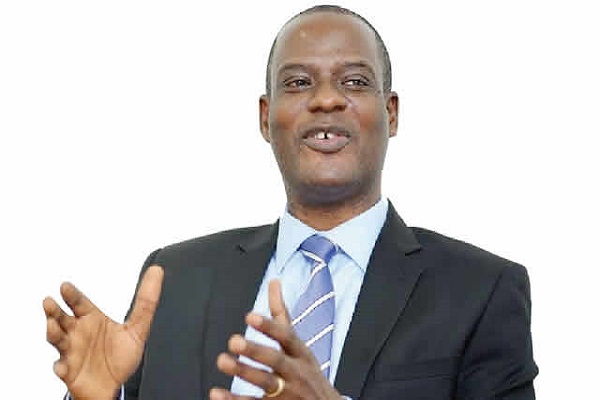
The Federal Government has no plan to introduce a new tax on petrol, Minister of Finance and Coordinating Minister of the Economy, Taiwo Oyedele, has said, dismissing reports that the administration of President Bola Tinubu intends to impose a five per cent levy on petroleum products.
Oyedele clarified the issue in a statement posted on his X account on Tuesday, insisting that a fuel tax was not being considered by the government.
“In my interview with ARISE News, I was clear: a fuel tax is not on the table,” he said.
His statement follows reports linking him to the proposed five per cent tax, which sparked concerns about a possible increase in the cost of petrol amid Nigeria’s persistent cost-of-living crisis.
Petrol prices have remained a major driver of transportation and distribution costs since the removal of the fuel subsidy, contributing to higher prices of food and other essential goods and services.
The prospect of an additional levy had raised fears that households and businesses could face further financial pressure.
However, Oyedele’s clarification indicates that the Federal Government is not currently considering the proposed fuel tax, amid broader efforts to reform Nigeria’s tax system and strengthen public finances.
-

 metro3 days ago
Army Major, Soldiers Killed in ISWAP Ambush in Yobe State
-

 metro3 days ago
Breaking: Afenifere Leader Pa Fasoranti Dies at 100
-
 metro2 days ago
Atiku: US Lobbying Firm Raises Alarm Over Alleged Assassination Plot
-

 metro2 days ago
Five Arraigned Over Kidnapping of 20 Prospective NYSC Members in Imo
-

 metro2 days ago
‘We Don’t Know What Else to Do’ — Mother Begs for Release of Abducted Children
-
 metro3 days ago
‘I Never Asked Them to Abandon Loved Ones’ — Obi Clarifies Diaspora Remarks
-
 Auto2 days ago
Happening now: Hyundai unveiling of Mufasa and Grand Creta
-
 Auto2 days ago
Beyond the Showroom: Why After-Sales Service Will Define Auto Industry Winners