

Business
CBN Reforms Drive Return of Global Transactions on Naira Cards

CBN Reforms Drive Return of Global Transactions on Naira Cards
Nigerian banks are increasingly restoring and expanding international transaction limits on naira-denominated debit cards, a development being driven by improved foreign exchange liquidity and sweeping economic reforms introduced by the Central Bank of Nigeria (CBN) under Governor Olayemi Cardoso.
The move marks a significant turnaround from the foreign exchange crisis that forced many Deposit Money Banks (DMBs) to suspend international transactions on naira cards for more than three years due to severe dollar shortages and mounting pressure on the country’s external reserves.
Industry experts say the resurgence of overseas naira card spending reflects growing confidence in Nigeria’s foreign exchange market following a series of reforms that have boosted dollar inflows, improved liquidity, and restored investor confidence.
Before the Cardoso-led management assumed office in October 2023, Nigeria’s economy was grappling with acute foreign exchange scarcity. Businesses, manufacturers, students and travelers increasingly relied on the parallel market to obtain dollars, fueling speculation and widening the gap between official and black-market exchange rates.
In response, the CBN embarked on far-reaching reforms aimed at restoring stability to the financial system. Key measures included the liberalisation of the foreign exchange market, the unification of exchange rate windows, the clearance of over $7 billion in foreign exchange obligations, and the discontinuation of direct central bank financing of fiscal deficits.
The reforms have contributed to a significant increase in foreign exchange inflows into the economy. Analysts estimate that total FX inflows reached about $112 billion in 2025, driven by stronger autonomous inflows, foreign portfolio investments, diaspora remittances, non-oil export earnings and improved investor sentiment.
The improved liquidity has enabled banks to gradually restore international spending capabilities on naira cards, offering customers easier access to global payment platforms and foreign transactions.
One of the most notable developments came from Guaranty Trust Bank (GTBank), which recently increased its quarterly international spending limit on naira cards to $20,000.
In a notice to customers titled “Important Update on Your GTBank Naira Card,” the bank announced that cardholders can now spend up to $20,000 quarterly through Point of Sale (POS) terminals and online platforms.
READ ALSO:
- Court Strikes Down National Assembly’s ₦110bn SUV, Allowance Spending
- Xenophobia: Ramaphosa Warns Anti-Immigrant Groups, Unveils Tough New Migration Measures
- I Wept for Kidnapped Oriire Pupils Before My Daughter Was Abducted— Adelabu’s Mother
The new limit represents a substantial increase from the bank’s earlier restrictions, which capped online and POS transactions at $1,000 quarterly while limiting ATM withdrawals abroad to $500.
Other major banks have also resumed international transaction services on naira cards.
United Bank for Africa (UBA) announced that its Premium Naira Cards, including Gold, Platinum and World variants, are now enabled for international transactions.
According to the bank, customers can once again use their cards for online shopping, international POS payments and ATM transactions across multiple countries.
Similarly, Wema Bank informed customers that its naira Mastercard can now be used for dollar payments on international platforms such as Amazon, eBay, AliExpress, Netflix, Spotify and YouTube.
FirstBank has also reactivated international transactions on its Naira Mastercard, allowing customers to spend up to $500 monthly across approved channels.
The bank recently partnered with Visa to launch Visa Signature, a premium card targeted at high-net-worth individuals, business executives and frequent international travelers seeking enhanced global payment solutions.
Speaking on the initiative, FirstBank’s Group Executive for eBusiness and Retail Products, Chuma Ezirim, said the bank remains committed to providing financial products that align with the evolving needs of customers.
Visa’s Vice President and Cluster Head for West Africa, Andrew Uaboi, noted that Nigeria’s affluent consumers are among the most globally connected spenders on the continent and require payment products with broader acceptance and enhanced benefits.
Financial analysts say the return of international naira card transactions is one of the clearest signs that liquidity conditions in the foreign exchange market have improved substantially.
READ ALSO:
- Ogbomoso Chief Imam Denies Terrorism Allegations, Threatens Legal Action Against Defamers
- Katsina Confident of Rescue as Search Intensifies for Retired General, Wife
- Cooking Gas Hits ₦2,000/kg, HURIWA Warns Tinubu Against ‘Economic Cruelty’ to Nigerians
Head of Financial Institutions Ratings at Agusto & Co, Ayokunle Olubunmi, said reduced pressure in the parallel market and shrinking arbitrage opportunities have encouraged banks to reactivate overseas card spending services.
Managing Director of Financial Derivatives Company Limited, Bismarck Rewane, attributed the improvement to stronger oil revenues and multiple foreign exchange inflow channels introduced by the CBN.
According to him, measures aimed at boosting diaspora remittances, licensing additional International Money Transfer Operators (IMTOs), implementing a willing-buyer willing-seller foreign exchange framework and improving access to naira liquidity have strengthened dollar supply within the financial system.
Economic analyst and founder of B. Adedipe Associates Limited, Prof. Abiodun Adedipe, believes broader structural reforms are also contributing to the improved outlook.
He pointed to the elimination of arbitrage opportunities in the foreign exchange market, fuel subsidy reforms, bank recapitalisation efforts, fiscal consolidation and ongoing tax reforms as measures that are improving Nigeria’s competitiveness and strengthening investor confidence.
Adedipe noted that Nigeria’s large population, growing urbanisation, expanding internet penetration and rising digital adoption continue to provide strong long-term growth opportunities for investors.
The CBN has repeatedly maintained that monetary reforms alone cannot deliver sustainable economic growth without complementary fiscal measures.
Governor Cardoso recently reiterated the apex bank’s commitment to ending direct deficit financing while working closely with fiscal authorities to strengthen revenue mobilisation, improve public financial management and achieve long-term macroeconomic stability.
According to the CBN, reforms introduced since 2023 have contributed to improved foreign reserves, stronger investor confidence, enhanced liquidity in the official foreign exchange market and renewed access to international capital markets.
The reforms have also earned positive assessments from international institutions and rating agencies, many of which view the exchange rate reforms and foreign exchange backlog clearance as critical steps toward restoring confidence in Africa’s largest economy.
As foreign exchange inflows continue to improve, analysts expect more Nigerian banks to increase international spending limits on naira cards, providing greater convenience for travelers, students, online shoppers and businesses that rely on global payment platforms.
The development is increasingly being viewed as one of the most visible benefits of the CBN foreign exchange reforms, highlighting the impact of improved liquidity and market confidence on everyday banking services.
CBN Reforms Drive Return of Global Transactions on Naira Cards






Auto
Happening now: Hyundai unveiling of Mufasa and Grand Creta
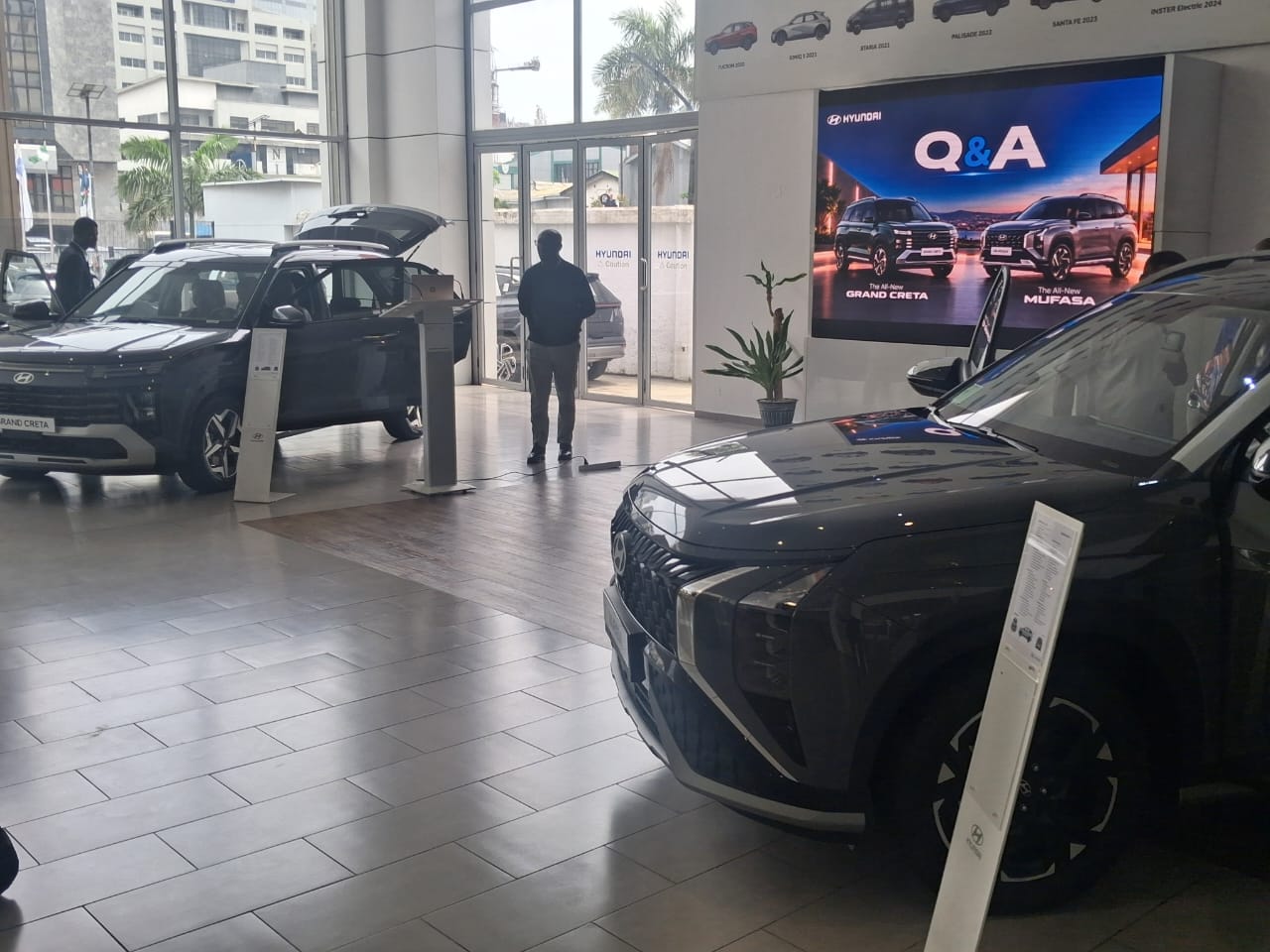
Happening now: Hyundai unveiling of Mufasa and Grand Creta (photos)
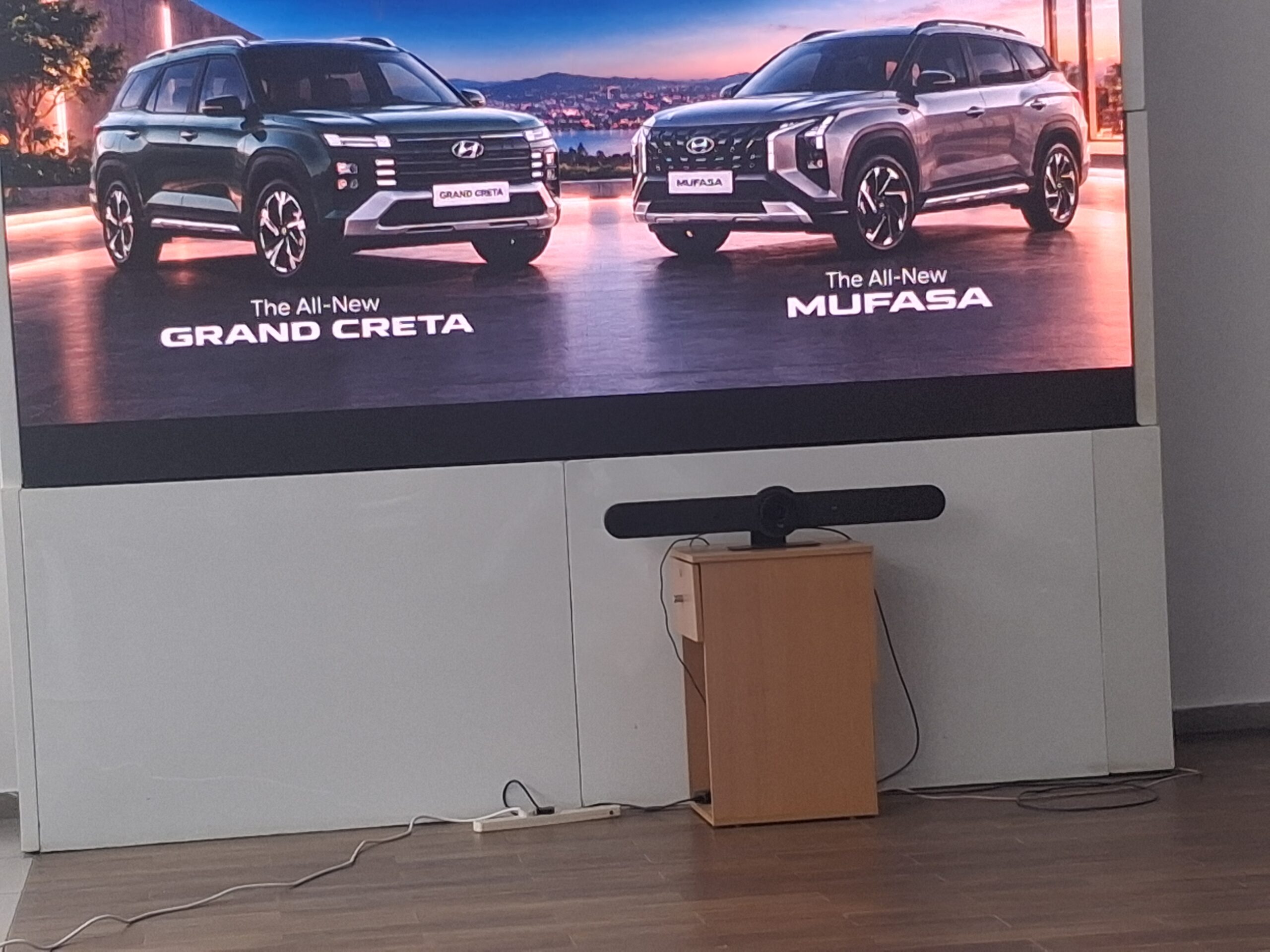
Two latest models of Hyundai auto brands are currently being officially rolled out in Lagos. The new vehicles are Mufasa and Grand Creta.
The unveiling is taking place at the Hyundai showroom on Akin Adesola Street Victoria Island, Lagos.


Auto
No 5% Petrol Tax Plan, Oyedele Says, Amid Public Concerns
No 5% Petrol Tax Plan, Oyedele Says, Amid Public Concerns
The Federal Government has no plan to introduce a new tax on petrol, Minister of Finance and Coordinating Minister of the Economy, Taiwo Oyedele, has said, dismissing reports that the administration of President Bola Tinubu intends to impose a five per cent levy on petroleum products.
Oyedele clarified the issue in a statement posted on his X account on Tuesday, insisting that a fuel tax was not being considered by the government.
“In my interview with ARISE News, I was clear: a fuel tax is not on the table,” he said.
His statement follows reports linking him to the proposed five per cent tax, which sparked concerns about a possible increase in the cost of petrol amid Nigeria’s persistent cost-of-living crisis.
Petrol prices have remained a major driver of transportation and distribution costs since the removal of the fuel subsidy, contributing to higher prices of food and other essential goods and services.
The prospect of an additional levy had raised fears that households and businesses could face further financial pressure.
However, Oyedele’s clarification indicates that the Federal Government is not currently considering the proposed fuel tax, amid broader efforts to reform Nigeria’s tax system and strengthen public finances.
Auto
Beyond the Showroom: Why After-Sales Service Will Define Auto Industry Winners

Beyond the Showroom: Why After-Sales Service Will Define Auto Industry Winners
Nigeria’s automotive industry must look beyond vehicle prices, specifications and flashy new models if it hopes to win lasting customer confidence. The real test of competition increasingly lies in what happens after the sale — when a vehicle needs servicing, spare parts, repairs or warranty support.
A car purchase is not a one-off transaction. It marks the beginning of an ownership journey that could last several years, during which the quality of after-sales service can determine whether a customer remains loyal to a brand or regrets the decision to buy it.
When customers struggle to obtain genuine parts, secure timely repairs or get clear answers to warranty claims, their frustration can damage confidence not only in a dealer but also in the manufacturer and the wider automotive market.
After-sales service must therefore move from the background to the centre of automotive competition in Nigeria.
Promises must translate into performance
Effective customer care starts with clear, credible commitments. Buyers deserve to understand warranty coverage, servicing schedules, access to genuine parts, repair procedures and the support available when problems arise.
But promises alone are not enough. A warranty has limited value if customers cannot access a competent service centre. A roadside assistance number means little without an effective response system. And a repair-time guarantee is only as good as the technicians, parts and processes supporting it.
Automotive distributors and dealers must ensure that their marketing promises are matched by the operational capacity to deliver.
Buyers, on their part, should ask questions before committing their money, examine warranty conditions and establish what support they can realistically expect throughout the vehicle’s lifespan.
Competing on ownership experience
Nigeria’s automotive market would benefit enormously if brands competed not only on the vehicles they sell but also on the quality of ownership experience they provide.
Such competition could drive improvements in service delivery, warranty transparency, spare-parts availability, technical training, repair turnaround and customer communication.
Some players are already putting more structured after-sales propositions before buyers. Carloha’s CarlohaCare 6-6-7 programme, for instance, combines a six-year warranty, six years of free servicing and a seven-day repair promise, subject to applicable terms and conditions. Its CarlohaCare Rescue service extends the proposition to assistance beyond the workshop.
These offerings illustrate how clearly defined service commitments can become part of a vehicle’s value proposition, rather than an afterthought.
However, the objective should not be to crown a permanent winner or single out one company as the industry benchmark. Every provider must demonstrate that its commitments are practical, transparent and consistently delivered.
The wider industry should embrace continuous improvement, with customers ultimately judging brands by their real-world experiences.
Automotive journalism must ask tougher questions
Automotive journalism has a critical role in broadening the conversation.
Coverage of the sector often focuses on vehicle launches, new technologies, prices, specifications and expansion plans. These remain important, but consumers also need independent reporting on the realities of vehicle ownership.
Journalists can examine warranty conditions, investigate spare-parts availability, interview service managers and fleet operators, document consumer experiences and assess how effectively companies resolve complaints.
They should celebrate genuine improvements while holding businesses accountable when their public commitments fall short.
The Nigerian Automotive Journalists Association (NAJA) is well positioned to encourage this conversation through informed reporting, industry analysis, interviews and stakeholder engagement.
The goal should be to bring manufacturers, distributors, dealers, fleet operators and consumers around a fundamental question: What level of care should Nigerians reasonably expect after buying a vehicle?
That conversation must remain independent, balanced and evidence-led, rather than becoming a promotional platform for individual brands.
Make after-sales service a buying criterion
The shift towards stronger customer care will gather momentum when Nigerians begin to assess after-sales support as seriously as they consider engine performance, fuel economy, safety features and purchase price.
A private buyer should ask about warranty coverage, servicing costs and the location of authorised workshops. A fleet operator should evaluate parts availability, repair turnaround and vehicle downtime alongside acquisition costs. Families should know what assistance is available when a vehicle breaks down far from home.
Dealers that offer transparent terms and dependable support should earn a competitive advantage. Those that fall short should have a clear incentive to improve.
This is particularly important in a market where vehicle ownership involves significant financial commitment and prolonged exposure to maintenance costs. A seemingly attractive purchase can become expensive if parts are difficult to source or repairs take too long.
The industry must therefore recognise that customer care is not merely a cost centre. Properly managed, it can build loyalty, strengthen brand reputation, generate repeat business and encourage referrals.
The real test begins after payment
Nigeria does not need an automotive market in which businesses compete only to sell more vehicles. It needs one in which they also compete to keep customers satisfied long after the keys have been handed over.
The true measure of a brand is not simply how attractively it markets a vehicle or how efficiently it closes a sale. It is how responsibly it responds when the customer needs help most.
As competition intensifies, the companies that combine good products with reliable service, accessible parts and transparent customer support will have a stronger foundation for lasting success.
For buyers, the message is equally clear: look beyond the showroom, ask the difficult questions and compare the support behind the badge.
Buy the car. Demand the care.
-

 metro3 days ago
SERAP Sues INEC Over ₦126bn Electoral Funds, Demands Full Accountability
-

 metro3 days ago
Okonjo-Iweala: My Mother Was Kidnapped After I Uncovered $2.4bn Subsidy Fraud
-

 metro2 days ago
NAFDAC Probes Corps Member’s Death at Enugu Camp as Fake Drug Claims Emerge
-

 Politics2 days ago
Buhari Feared Tinubu Presidency, Resisted Pressure to Back Him – Baba-Ahmed Claims
-

 metro17 hours ago
Army Major, Soldiers Killed in ISWAP Ambush in Yobe State
-
 News2 days ago
FG Challenges World Bank’s 124% Debt-to-Revenue Warning, Cites Rising Income
-

 Entertainment2 days ago
Nollywood Mourns as Actress, Beauty Queen Tenia Abraham Dies at 32
-

 metro2 days ago
Ogun House Fire Horror: Husband Arrested After Wife Dies Following Domestic Dispute