

Politics
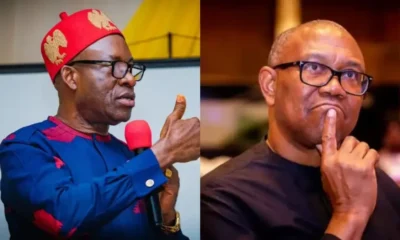
‘It’s a lie’ – Wike’s aide challenges Peter Obi’s ‘I don’t give shishi’ claim
‘It’s a lie’ – Wike’s aide challenges Peter Obi’s ‘I don’t give shishi’ claim
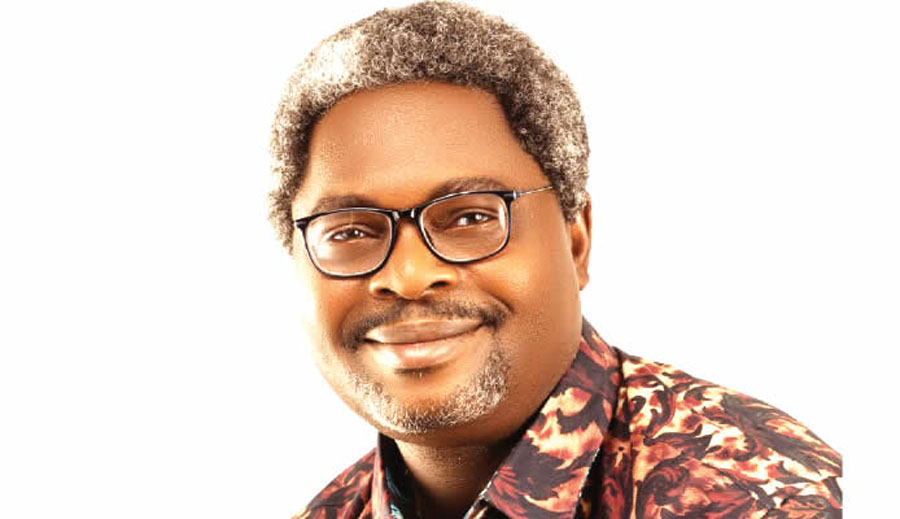
Senior Special Assistant on Public Communications and Social Media to the Minister of the Federal Capital Territory (FCT), Nyesom Wike, Lere Olayinka, has challenged a claim attributed to Peter Obi that he does not give money to politicians or delegates during election campaigns.
Olayinka described the claim as untrue, alleging that Obi gave money to delegates in Ekiti State when he was still a member of the Peoples Democratic Party (PDP) and seeking the party’s presidential ticket.
The FCT minister’s aide made the allegation during an interview on AIT’s Democracy Today, where he discussed political campaigns, election spending and the realities of seeking elective office in Nigeria.
Olayinka, who said he previously contested for the House of Representatives and had served as a political delegate, said he personally witnessed Obi allegedly giving money to delegates during the period when the former Anambra State governor was still in the PDP.
“They said that the candidate of the NDC, Peter Obi, does not give ‘shishi,’ it’s a lie. I was a delegate in Ekiti when he was in PDP before going to the Labour Party, he came to Ekiti and dropped money for delegates,” Olayinka said.
The allegation directly challenges the image Obi has cultivated among supporters as a politician who campaigns against excessive political spending and promotes a more frugal approach to politics and governance.
Obi left the PDP in May 2022 and subsequently joined the Labour Party, under which he contested the 2023 presidential election. He is now associated with the Nigeria Democratic Congress (NDC) ahead of the 2027 presidential election.
Olayinka argued that financial resources remain a major component of political contests, particularly during party primaries and election campaigns.
According to him, politicians require money to mobilise supporters, organise campaigns, secure party structures and compete with opponents.
He said political candidates who refuse to deploy financial resources could find themselves at a disadvantage against better-funded contenders.
READ ALSO:
- Osinbajo raises alarm over chemicals in fruits, recalls wife’s orange juice experience
- Lagos: Army rescues two kidnapped farm workers, kills suspected kidnapper
- JAMB Releases Underage UTME Results, Sets Strict Conditions for Admission
“As a politician or a businessman, if your competitor wins, what happens to you? If you are seeking a contract from somewhere and your competitor wins, what happens to you? You will lose out,” Olayinka said.
He also argued that politicians spend money because gaining political power is necessary for candidates who intend to implement their programmes after winning elections.
“You want to serve me, for instance, why do politicians spend money including the US? Don’t politicians spend money on campaigns? They spend money to seek election,” he said.
Olayinka’s comments come amid intensifying political exchanges ahead of the 2027 general election, with supporters of President Bola Tinubu and opposition politicians increasingly debating the viability, credibility and electoral strength of potential challengers.
The FCT minister’s aide has recently stepped up his criticism of Obi and other opposition figures, questioning whether some of the presidential candidates preparing for the 2027 election have sufficient political structures to win a nationwide contest.
In a recent interview with Arise News, Olayinka argued that not all of the presidential candidates preparing for the 2027 election were necessarily contesting with the expectation of winning.
He specifically questioned the electoral strength of the NDC, saying the party lacked sufficient grassroots structures in several states. He argued that a presidential candidate needs a strong organisation at the state, local government and polling-unit levels to effectively compete in a national election. (Arise News)
Olayinka also pointed to the importance of having candidates contesting other elective positions, arguing that the absence of a strong spread of governorship and legislative candidates could make it more difficult for a presidential party to establish an effective election-day structure.
His latest comments therefore form part of a broader political argument over whether Obi and the NDC can build enough nationwide structures to challenge the established political parties in 2027.
Meanwhile, the controversy involving Olayinka has extended beyond his criticism of Obi to questions about the conduct of political interviews.
A separate confrontation reportedly occurred between Olayinka and Arise News presenter Rufai Oseni during a television interview, with the exchange ending abruptly after Olayinka indicated that he would not respond to questions from the presenter.
READ ALSO:
- Delta Police Arrest Minor, Five Others Over Alleged Illicit Drug Sales
- BREAKING: OPay Warns Customers Against Viral Shutdown Message, Threatens Legal Action
- Ghana Launches Marrify App to Let Users Verify Partner’s Marital Status Before Marriage
The incident attracted reactions from commentators, including Dr Sam Amadi, Director of the Abuja School of Social and Political Thought, who called for greater professionalism from both journalists and public officials during political interviews.
Amadi argued that public officials who accept invitations to appear on television programmes should be prepared to answer legitimate questions, while journalists should also conduct interviews in a professional manner and avoid turning political discussions into personal confrontations.
He said the media should focus on obtaining useful information for the public rather than allowing interviews to degenerate into shouting matches.
Amadi also argued that the quality of political discourse ahead of the 2027 elections should extend beyond personality clashes between politicians and journalists.
According to him, issues such as Nigeria’s economy, hunger, insecurity, healthcare, health insurance and the rule of law should receive greater attention as political parties and candidates seek voters’ support.
He said political actors would respond to the issues that voters, the media and influential institutions place at the centre of public debate.
The political scientist further stressed that voters should assess presidential candidates not only on their campaign promises but also on their integrity, credibility and past conduct.
The latest exchange between Olayinka and Obi’s camp comes as political realignments ahead of 2027 continue to reshape Nigeria’s opposition landscape.
Obi’s emergence as a leading opposition figure has generated sustained debate among supporters and critics over his political record, campaign strategy, financial practices and ability to build a nationwide political structure.
For now, Olayinka’s allegation that Obi gave money to delegates in Ekiti remains a claim made by the Wike aide. No independent evidence establishing the alleged payment was presented in the reports reviewed, and Obi or his representatives have not, in the available reports, publicly responded to the specific allegation.
The dispute nevertheless highlights one of the recurring issues likely to dominate the 2027 political campaign: the role of money, political structures, grassroots mobilisation and personal credibility in determining the outcome of Nigeria’s presidential election.
‘It’s a lie’ – Wike’s aide challenges Peter Obi’s ‘I don’t give shishi’ claim






Politics
Adamawa Political Shake-Up: 21 Council Chairmen, 226 Councillors Dump PDP for APC

Adamawa Political Shake-Up: 21 Council Chairmen, 226 Councillors Dump PDP for APC
YOLA, Adamawa State — The Peoples Democratic Party (PDP) has suffered a major political setback in Adamawa State as all 21 elected local government chairmen and 226 councillors have defected to the ruling All Progressives Congress (APC).
The mass defection, which became public on Tuesday, October 20, 2026, followed the submission of resignation letters by the council chairmen to their respective PDP ward chairpersons.
The development comes months after Governor Ahmadu Umaru Fintiri left the PDP for the APC, triggering a political realignment across the state.
The Adamawa State APC Publicity Secretary, Victor Dogo, confirmed the defections, saying all 21 local government chairmen, area development administrators and 226 councillors had joined the ruling party.
According to Dogo, the council officials decided to align with Fintiri, whom he described as their political benefactor.
He said the defectors believed they could better align their political activities with the governor by joining the same party.
Several council chairmen explained their decisions in resignation letters dated Monday, October 19, 2026, citing personal considerations and consultations with their families, political associates and other stakeholders.
The chairman of Yola North Local Government Area, Jibril Jimeta, said he had decided to pursue a different political path, while expressing appreciation to the PDP for the opportunities and relationships he developed during his membership of the party.
READ ALSO:
- ‘I Never Asked Them to Abandon Loved Ones’ — Obi Clarifies Diaspora Remarks
- FG Confirms Ebola Case in Abuja, Identifies 44 Contacts
- Breaking: Afenifere Leader Pa Fasoranti Dies at 100
The Maiha Local Government chairman, Tijani Atiku, and his Mubi North counterpart, Musa Hassan, also submitted letters announcing their departure from the opposition party.
Similarly, the chairman of Demsa Local Government Area, Akham Jalo, said his decision followed consultations with his family, political associates, stakeholders and residents of his council.
Jalo said he joined the APC to align with Fintiri’s political direction and attract more development to Demsa.
The defections have strengthened the APC’s presence across Adamawa’s 21 local government areas, further reshaping the state’s political landscape ahead of the 2027 governorship election.
The development had been anticipated after Fintiri defected from the PDP on February 27, 2026. However, the newly elected council officials had contested the June 2026 local government elections on the PDP platform after securing the party’s tickets before the governor’s departure.
The PDP had won the chairmanship positions across all 21 local government areas in the election, which was conducted by the Adamawa State Independent Electoral Commission.
The party had previously dismissed speculation that the newly elected officials would abandon it following Fintiri’s defection.
Reacting to the latest development, the PDP leadership in Adamawa played down its implications for the party’s electoral prospects.
The party’s governorship candidate, Maurice Vunobolki, had earlier argued that the departure of council chairmen would not necessarily determine the outcome of the 2027 governorship election, insisting that voters, rather than elected council officials, would decide the winner.
The PDP’s state leadership also expressed confidence that the party could regain the governorship despite the defections.
The mass movement represents a significant shift in Adamawa politics, placing the APC and Fintiri at the centre of a new political alignment while leaving the PDP to reorganise ahead of the next electoral contest.
Adamawa Political Shake-Up: 21 Council Chairmen, 226 Councillors Dump PDP for APC
Politics
Buhari Feared Tinubu Presidency, Resisted Pressure to Back Him – Baba-Ahmed Claims

Buhari Feared Tinubu Presidency, Resisted Pressure to Back Him – Baba-Ahmed Claims
The National Chairman of the Peoples Redemption Party (PRP), Hakeem Baba-Ahmed, has claimed that former President Muhammadu Buhari had reservations about President Bola Ahmed Tinubu succeeding him in 2023, describing the current President as “bad news” for Nigeria.
Baba-Ahmed made the allegation at a summit organised by the Northern Elders Forum (NEF), where he criticised Tinubu’s administration and questioned the President’s handling of the country’s economic and political challenges.
According to him, Buhari resisted pressure from some political associates who wanted Tinubu to emerge as his successor after the 2023 general election.
“Even Buhari saw Tinubu as bad news for this country. In fairness to him, he is not around him. Buhari resisted some people who insisted it had to be Tinubu,” Baba-Ahmed said.
He did not identify the individuals who allegedly pressured Buhari or provide further details of the former President’s reported reservations about Tinubu’s candidacy.
Baba-Ahmed also revisited Tinubu’s declaration of “Emilokan”, a Yoruba expression meaning “it is my turn”, during the build-up to the 2023 presidential election, arguing that Nigerians should have examined the statement more critically.
“Nigerians ought to have known there was something wrong the day Tinubu said ‘It’s my turn’. Maybe we missed it,” he said.
Questioning the purpose behind the declaration, Baba-Ahmed argued that the presidency of a country with more than 200 million people should be about public service rather than the fulfilment of an individual’s political ambition.
The PRP chairman further accused the Tinubu administration of worsening the country’s difficulties, citing economic hardship and what he described as failures across key areas of governance.
READ ALSO:
- NAFDAC Probes Corps Member’s Death at Enugu Camp as Fake Drug Claims Emerge
- Nigerian Universities Have Not Expired, Only Teaching Methods, Professor Tells Ojuolape
- Kano: Soldiers Kill Two Kidnappers, Rescue Victim, Recover ₦10m
He argued that the President should not prioritise his ambition for a second term over the welfare of Nigerians, insisting that the country needed a change in direction.
Baba-Ahmed also expressed confidence that Nigeria would overcome its current challenges, describing its people as resilient despite the economic and political difficulties confronting the nation.
“We are very resilient people. We have seen crises bigger than this, and we survived it. We survived this one, and we will survive this one,” he said.
On the 2027 general election, Baba-Ahmed disclosed that opposition parties were working towards a coalition to challenge Tinubu, adding that the alliance would seek to unite political interests behind a single candidate.
He urged Nigerians opposed to the President’s re-election bid to support whoever emerges as the coalition’s candidate.
Baba-Ahmed also called on the Independent National Electoral Commission (INEC) to ensure that the 2027 elections are credible and reflect the wishes of voters.
Tinubu succeeded Buhari on May 29, 2023, after winning the presidential election on the platform of the All Progressives Congress (APC). His administration has introduced major economic reforms, including the removal of petrol subsidies and changes to the foreign exchange system, which have generated sustained public debate over their impact on households and businesses.
Baba-Ahmed’s claim about Buhari’s alleged opposition to Tinubu’s emergence has not been independently established in the account of the summit. His remarks come amid growing political manoeuvring ahead of the 2027 elections and renewed criticism of the President’s performance by opposition figures.
Buhari Feared Tinubu Presidency, Resisted Pressure to Back Him – Baba-Ahmed Claims
Politics
2027: Shehu Sani Breaks Silence on Claims Kwankwaso Is Working for Tinubu
2027: Shehu Sani Breaks Silence on Claims Kwankwaso Is Working for Tinubu
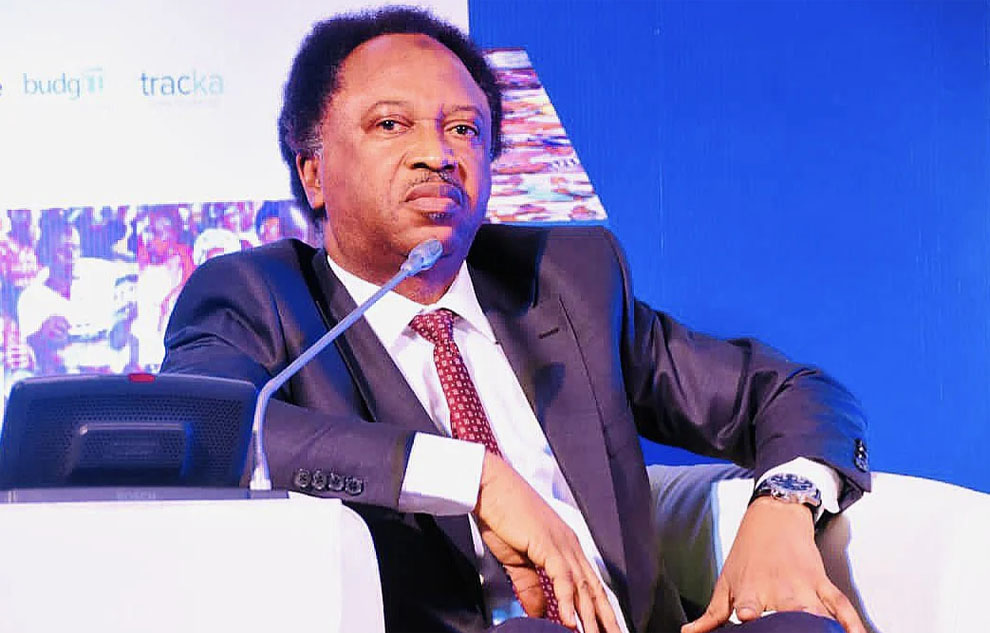
Former Kaduna Central senator Shehu Sani has defended Rabiu Musa Kwankwaso against allegations that the former Kano State governor is working to advance President Bola Ahmed Tinubu’s re-election bid, blaming supporters of the African Democratic Congress (ADC) for what he described as a smear campaign following Kwankwaso’s political split with Peter Obi.
Sani made the remarks in a post on his verified X account while reacting to accusations by the ADC Presidential Campaign Council that Kwankwaso was undermining opposition efforts ahead of the 2027 presidential election.
“The ADC guys are still bitter about the Peter and Kwankwaso divorce, hence the smear that they are working for the ruling party or the President,” Sani wrote.
The former lawmaker argued that Obi and Kwankwaso were established politicians with independent political identities and should be allowed to make their own decisions about political alliances without facing hostility from former allies.
According to him, political figures should have the freedom to associate with political parties and coalitions of their choice or withdraw from them without being accused of working against the interests of the opposition.
“No consideration to the fact that they are all accomplished politicians with their own independent track records, and have the right to associate and disassociate,” he added.
READ ALSO:
- Omoda, Jaecoo Storm Europe as Global Sales Surge 123% to 73,421
- 16-Year-Old Girl Recounts Horror of Hookup Encounter, Says Man Threatened Her With Knife, Acid
- Ex-Super Eagles Coach Westerhof Battles Colon Cancer in Critical Condition, Wife Seeks Help
Sani further criticised political groups that, in his view, attempt to control their members or punish them for choosing a different political direction.
“This is the price they will continue to pay for refusing to be supplementary, and disposable cargoes in someone’s container,” he stated.
He added: “Political parties shouldn’t be cultish groups where one can’t pull out in peace.”
The comments came after the ADC Presidential Campaign Council accused Kwankwaso, who is now the running mate to Obi under the Nigeria Democratic Congress (NDC), of weakening the opposition through his criticism of former Vice-President Atiku Abubakar.
Kwankwaso had called on Atiku, the ADC’s presidential candidate, to step aside for Obi, prompting a strong reaction from the ADC campaign council.
In a statement, the council’s Director of Media and Publicity, Kola Ologbondiyan, described Kwankwaso’s intervention as reckless and self-serving, alleging that it could deepen divisions among opposition politicians and benefit Tinubu and the ruling All Progressives Congress (APC).
Ologbondiyan argued that opposition figures should concentrate on challenging the Tinubu administration rather than attacking one another or attempting to influence the choice of presidential candidates in rival parties.
The ADC campaign council also questioned Kwankwaso’s political calculations, alleging that his actions were driven by personal ambition and future political negotiations rather than a genuine effort to strengthen the opposition.
However, Sani’s response challenged the suggestion that Kwankwaso’s departure from the ADC-led opposition arrangement amounted to support for Tinubu. He maintained that political disagreements and changes in alliances should not automatically be interpreted as evidence of collaboration with the ruling party.
The disagreement reflects the growing tensions among opposition politicians as parties and political leaders position themselves for the 2027 elections.
Obi and Kwankwaso’s move to the NDC followed their departure from the ADC-led opposition coalition, which had sought to bring prominent political figures together behind a common platform to challenge Tinubu.
Their exit has complicated efforts to maintain a united opposition front, with competing presidential ambitions and disagreements over candidate selection continuing to shape political discussions.
For now, the allegations that Kwankwaso is advancing Tinubu’s interests remain a claim by the ADC campaign council, while Sani has publicly rejected that interpretation. Neither the accusation nor Sani’s response, on its own, establishes that Kwankwaso is secretly working with the President.
The exchange underscores the widening political differences among opposition figures as the race towards 2027 gathers momentum.
2027: Shehu Sani Breaks Silence on Claims Kwankwaso Is Working for Tinubu
-

 metro3 days ago
FG Begins Rollout of 3,700 Telecom Towers to Connect 20m Nigerians
-

 metro3 days ago
Oyo Baby Trafficking Scandal: Mother, Doctor Arrested Over Alleged ₦2m Sale of Infant
-
 Education3 days ago
Tinubu Scraps Recruitment Waiver Requirement for Federal Universities
-
 News3 days ago
Akpabio Under Fire as Senators Move to Secure His Return as Senate President in 2027
-

 Sports3 days ago
Lamine Yamal Shines as Barcelona Thrash Real Betis 5-2
-

 Africa3 days ago
Nairobi Mother Says Husband Abandoned Her During Childbirth, Paid Dowry for Another Woman
-

 metro3 days ago
Kano: Soldiers Kill Two Kidnappers, Rescue Victim, Recover ₦10m
-

 metro3 days ago
Singlet Dispute Turns Deadly as 23-Year-Old Kills Elder Brother in Kaduna