

Business
Dangote Refinery IPO approved at ₦525 per share, targets ₦2.15trn
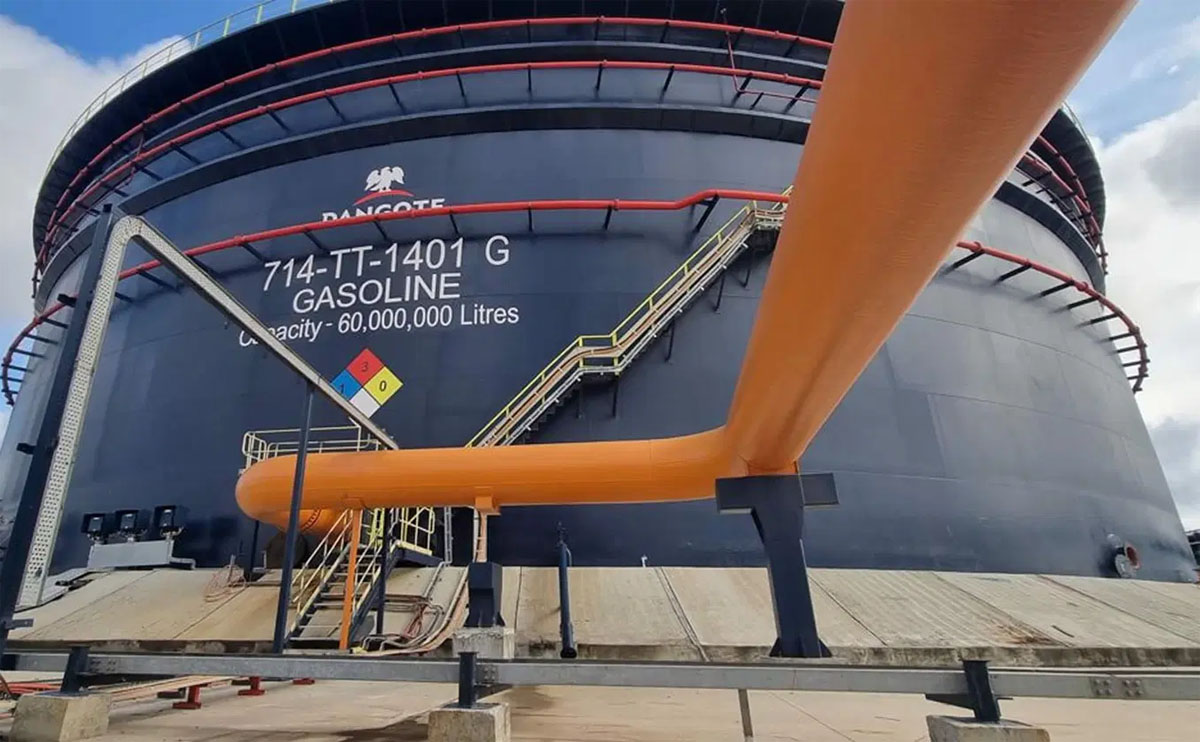
Dangote Refinery IPO approved at ₦525 per share, targets ₦2.15trn
The Securities and Exchange Commission (SEC) has approved the commencement of the Dangote Refinery initial public offering (IPO), clearing the way for the highly anticipated public sale of shares in one of Africa’s largest industrial projects.
Under the approved offer, Dangote Petroleum Refinery and Petrochemicals FZE will offer 4.1 billion ordinary shares at ₦525 per share, with the transaction capable of raising approximately ₦2.15 trillion if fully subscribed.
The development represents a major milestone for the Dangote Refinery IPO and could make the transaction one of the largest public offerings ever undertaken in Nigeria and potentially one of the biggest in Africa.
The SEC conveyed its approval in a letter to Vetiva Advisory Services Limited, the Lead Issuing House for the transaction. The letter was signed by Abdulkadir Abbas, Director of the SEC’s Securities and Investment Services Department.
The regulator also registered the company’s existing 120.13 billion ordinary shares, while approving the refinery’s draft offer documents and authorising it to proceed with the Completion Board Meeting and Signing Ceremony.
The approval brings the refinery significantly closer to its planned entry into the Nigerian capital market, where investors will have an opportunity to acquire a direct stake in one of the country’s most strategically important energy assets.
The Dangote Refinery shares are expected to be offered to a broad range of investors, with the order book scheduled to open on September 14, 2026, according to the latest details surrounding the transaction.
The proposed offer involves 4.1 billion shares priced at ₦525 each, translating to a potential gross fundraising of about ₦2.15 trillion, or roughly $1.5 billion at prevailing exchange rates.
The transaction is also expected to include a 15 per cent greenshoe option, which would give the company the flexibility to sell additional shares if demand exceeds the initial offer.
READ ALSO:
- No One Can Live on N70,000, Not Even a Newborn – Sowore
- Defence Minister Musa accuses El-Rufai of deliberately planning Southern Kaduna killings
- Kano Rainstorms: Nine Lives Lost, Over 4,500 Displaced
The proceeds are expected to support Dangote Group’s ambitious plans to expand the refinery’s capacity from its current 650,000 barrels per day nameplate capacity to approximately 1.4 million barrels per day.
The refinery reached its 650,000-barrel-per-day nameplate capacity earlier in 2026 and has subsequently tested production of up to 700,000 barrels per day.
If the planned expansion to 1.4 million barrels per day is completed, the facility would become the world’s largest refinery, surpassing existing mega-refineries in other parts of the world.
The expansion is expected to strengthen Nigeria’s position in the global refined petroleum products market while further increasing the country’s ability to process crude oil domestically.
Located in Ibeju-Lekki, Lagos State, the Dangote Petroleum Refinery and Petrochemicals Complex occupies approximately 2,635 hectares and forms part of one of Africa’s largest integrated industrial developments.
The complex combines crude oil refining, petrochemical production, power generation, storage and marine logistics infrastructure.
It includes a 900,000-tonnes-per-annum polypropylene plant and a dedicated 435-megawatt power plant, giving the facility substantial internal energy-generation capacity.
The refinery also has extensive storage infrastructure comprising 177 tanks with a combined capacity of approximately 4.742 billion litres.
Its marine facilities include multiple quays capable of handling large vessels, liquid cargo shipments and roll-on/roll-off operations, while its crude and product-handling infrastructure is designed to support large-scale domestic distribution and exports.
The complex also has five Single Point Moorings (SPMs) designed to facilitate the efficient loading and unloading of crude oil and petroleum products.
The scale of the facility has enabled Dangote Refinery to increasingly serve both the Nigerian market and international destinations as production expands.
Since commencing operations, the refinery has become an increasingly important supplier of refined petroleum products in Nigeria, while also developing an export business serving markets across Africa and Europe.
READ ALSO:
- Atiku, X user clash over Almajiri crisis, street begging
- Court restrains Lizzy Anjorin from posting Priscilla Ojo’s son’s photos
- NBA controversy: VDM apologises to security agencies over ‘unknown gunmen’ remarks
Growing exports of refined petroleum products have further strengthened the refinery’s strategic importance, particularly as Nigeria seeks to reduce its historic dependence on imported petroleum products.
The Dangote Refinery IPO is therefore being launched at a significant stage in the company’s development.
The refinery has already undergone major capital investment and is now seeking additional funding to increase its processing capacity and strengthen its position as a major regional energy hub.
Ahead of the IPO, the refinery also completed a major private fundraising exercise and secured additional financial backing to strengthen its position ahead of the public offering.
The proposed listing will also broaden investor participation in the refinery. Until now, ownership of the facility has largely remained within the Dangote Group and associated investors, meaning ordinary investors have had limited opportunities to directly participate in its growth.
The planned NGX listing could change that by opening the refinery’s ownership to a much wider pool of Nigerian and international investors.
Aliko Dangote has previously described the planned listing as an opportunity to broaden participation in the company and allow more Africans to benefit from the growth of one of the continent’s largest industrial investments.
The transaction could also have a significant impact on Nigeria’s capital market because of its sheer size.
A successful ₦2.15 trillion IPO would represent a substantial injection of new capital and could increase the depth, liquidity and attractiveness of the Nigerian equities market.
The listing is also expected to attract considerable attention from institutional investors, pension funds, asset managers, high-net-worth individuals and retail investors seeking exposure to the energy and industrial sectors.
For investors considering the Dangote Refinery shares, however, the ₦525 offer price will be only one part of the investment decision.
Prospective investors will need to examine the company’s final offer documents, financial performance, profitability, debt position, expansion requirements, dividend policy and exposure to changes in crude oil prices, petroleum product prices, exchange rates and global refining margins.
The ability of the refinery to maintain high utilisation rates and generate sufficient cash flow while simultaneously funding its planned expansion will also be closely watched by investors.
The company’s ability to expand its export markets could become increasingly important as its production capacity grows beyond Nigeria’s domestic requirements.
With the proposed expansion to 1.4 million barrels per day, Dangote Refinery is seeking to move beyond its role as Nigeria’s largest refinery and establish itself as a major global refining and petrochemical hub.
The ₦525 per share Dangote Refinery IPO consequently represents more than another stock market transaction. It could mark a new phase in the development of Nigeria’s downstream petroleum sector while giving investors direct access to one of the country’s most ambitious industrial projects.
As the expected September 14 opening approaches, market attention will increasingly focus on investor demand, the final terms of the offering and whether the refinery succeeds in raising the targeted ₦2.15 trillion.
If successfully completed, the IPO would give the Dangote Refinery a new ownership structure, provide additional capital for expansion and potentially establish one of the most significant new listings in the history of Nigeria’s capital market.
Dangote Refinery IPO approved at ₦525 per share, targets ₦2.15trn







Auto
Omoda, Jaecoo Storm Europe as Global Sales Surge 123% to 73,421
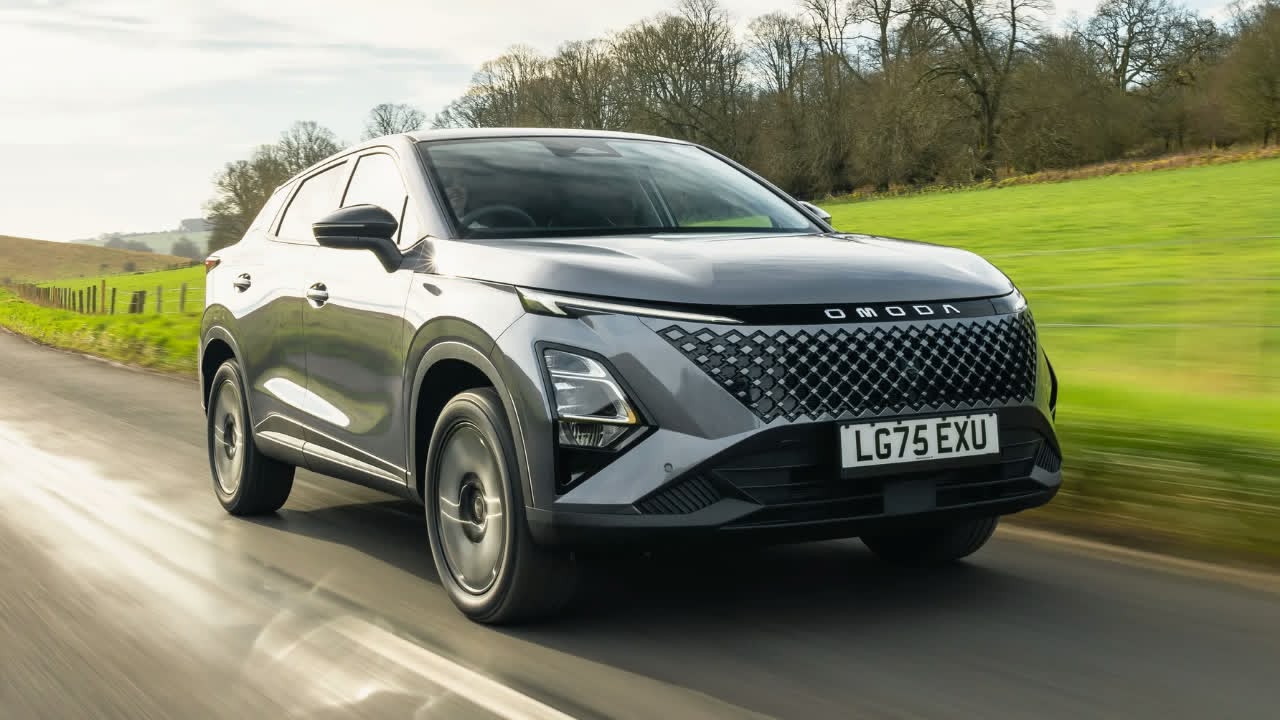
Omoda, Jaecoo Storm Europe as Global Sales Surge 123% to 73,421
Chinese automotive brands strengthen foothold in UK, Spain, Italy and France as new-energy vehicles drive growth
Omoda and Jaecoo are accelerating their European expansion, buoyed by surging demand in key markets and a growing appetite for electrified vehicles, as the automotive brands recorded a 123 per cent year-on-year increase in global sales to 73,421 units in September 2026.
The latest performance underscores the brands’ growing international reach, with cumulative sales for the first nine months of the year reaching 587,846 units, according to figures released by the company.
The United Kingdom emerged as a major growth driver, with the brands recording 22,296 registrations in September, more than double their performance in the corresponding period of 2025. The volume translated into a 6.37 per cent market share and second place among automotive brands in the country for the month.
A standout performer was the Jaecoo 7, which recorded 10,813 registrations in the UK during September to become the country’s best-selling new-car model for the month. Its cumulative registrations for the first nine months of the year stood at 39,473 units.
The model’s performance highlights the growing competitive presence of the Chinese automotive brands in a market traditionally dominated by established European, Japanese and South Korean manufacturers.
READ ALSO:
- 16-Year-Old Girl Recounts Horror of Hookup Encounter, Says Man Threatened Her With Knife, Acid
- Ex-Super Eagles Coach Westerhof Battles Colon Cancer in Critical Condition, Wife Seeks Help
- NRC Denies Ticket Racketeering, Says Abuja-Kaduna Rail Demand Exceeds Seats by 10-Fold
Beyond sales, Omoda and Jaecoo are also deepening their long-term commitment to the UK through plans to establish a research and development centre at UTAC Millbrook in Bedfordshire. The proposed facility will focus on areas such as chassis tuning and advanced driver-assistance systems, enabling the brands to tailor their vehicles more closely to European driving conditions and customer expectations.
Spain, Italy and France also delivered strong performances, reinforcing the brands’ broader European growth strategy.
In Spain, September registrations increased by 91.5 per cent year-on-year to 4,010 units, lifting the brands’ market share to a record 4.3 per cent. Electrified vehicles accounted for 98 per cent of their sales in the country, highlighting the importance of alternative-powertrain models to their European strategy.
Italy recorded 4,678 registrations in September, giving the brands a 3.31 per cent market share. Their cumulative registrations between January and September rose by 256.23 per cent to 32,945 units, reflecting a rapid expansion in one of Europe’s important automotive markets.
France, another market in which the brands are building their presence, recorded combined September registrations of 3,003 units. Jaecoo contributed 2,589 units, an impressive showing approximately six months after its entry into the French market.
The gains across these countries point to an increasingly coordinated European push, with Omoda and Jaecoo seeking to translate their expanding product portfolios into stronger market positions.
Electrification drives global growth
New-energy vehicles (NEVs) remained a major contributor to the brands’ worldwide performance, with sales reaching 53,957 units in September, representing an 184 per cent increase year-on-year.
The volume accounted for approximately 73.5 per cent of total monthly sales, underlining the growing contribution of electrified models to the brands’ global business.
The figures suggest that electrification is becoming central to Omoda and Jaecoo’s expansion, particularly in markets where consumers are increasingly considering hybrid and other electrified powertrains alongside conventional petrol vehicles.
With rising registrations in major European markets, expanding technical development plans and strong demand for the Jaecoo 7, the brands are seeking to consolidate their position in an increasingly competitive automotive landscape.
Sustaining the momentum will depend on their ability to maintain product appeal, strengthen dealer and after-sales networks, and respond to the differing regulatory requirements and consumer preferences across Europe.\
Omoda, Jaecoo Storm Europe as Global Sales Surge 123% to 73,421
Railway
NRC Denies Ticket Racketeering, Says Abuja-Kaduna Rail Demand Exceeds Seats by 10-Fold
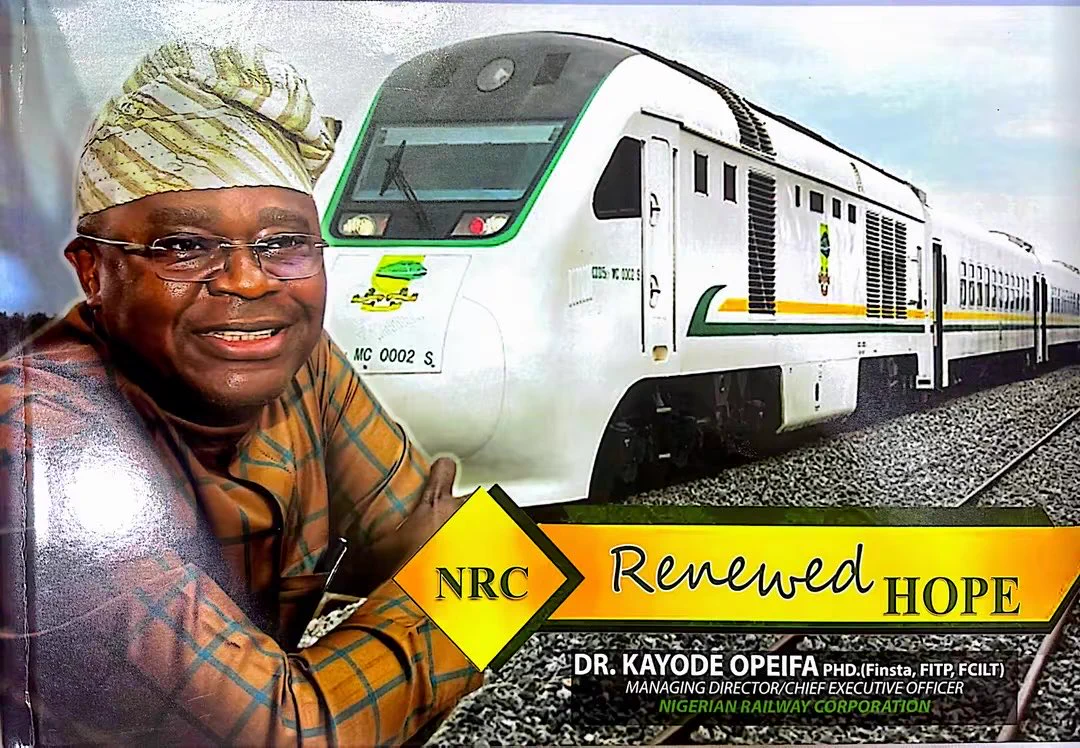
NRC Denies Ticket Racketeering, Says Abuja-Kaduna Rail Demand Exceeds Seats by 10-Fold
The Nigerian Railway Corporation has denied allegations that it deliberately creates artificial scarcity of tickets on the Abuja-Kaduna Train Service to facilitate their resale at exorbitant prices, blaming the persistent shortage on surging passenger demand and the activities of ticket touts exploiting the system.
The corporation, in a statement signed by its Chief Public Relations Officer, Callistus Unyimadu, said demand for rail services on the corridor had exceeded available capacity by more than 10 times, creating a severe imbalance between the number of passengers seeking tickets and the limited seats available.
The clarification followed a viral social media video by Instagram blogger Faizah Raji, operating under the handle @wearegst, who accused the NRC of withholding tickets from its official electronic booking platform and reselling them through unnamed agents at prices reportedly twice the approved fares.
However, the NRC described the allegations as misleading, insisting that the corporation neither buys nor sells train tickets but facilitates passenger access to the railway service through approved ticketing arrangements.
According to the management, Raji had acknowledged in her account that the corporation warned passengers to purchase tickets exclusively through authorised platforms but subsequently bought a ticket from an agent after failing to secure one through the official portal.
The NRC said while her experience might be genuine, patronising unofficial ticket sellers despite repeated warnings did not establish the corporation’s involvement in the alleged racket.
It warned passengers that tickets obtained through unauthorised agents, particularly those purchased with another person’s identification details, could be invalid and expose travellers to financial losses or denial of boarding.
The corporation explained that electronic ticketing across its standard-gauge railway operations was handled by private concessionaires under public-private partnership arrangements approved by the Infrastructure Concession Regulatory Commission and the Federal Executive Council before 2023.
READ ALSO:
- FG Draws Red Line on Fuel Subsidy, Warns of Naira Crisis if Reforms Are Reversed
- NRC Denies Ticket Racketeering, Says Abuja-Kaduna Rail Demand Exceeds Seats by 10-Fold
- Tinubu Reappoints INEC Commissioner, Nominates Six Others Ahead of 2027 Elections
It identified SecureID/TPS as the ticketing service provider for the Abuja-Kaduna Train Service, Global Software Digital Solutions for the Lagos-Ibadan Train Service, and Fane Warri-Itakpe Ticketing Solutions Limited for the Warri-Itakpe Train Service.
NIN verification introduced to combat ticket fraud
The NRC traced the growing challenge of ticket racketeering to fraudulent practices that persisted despite measures introduced to strengthen passenger identification and railway security.
It said the government introduced the use of the National Identification Number as a condition for purchasing train tickets following the 2022 train attack, partly to curb ticket racketeering.
However, according to the corporation, fraudsters subsequently devised ways of obtaining multiple NINs to purchase tickets in bulk for resale to unsuspecting passengers.
To tackle the practice, the NRC introduced an additional verification procedure in 2025, modelled on the system used at the Murtala Muhammed International Airport Terminal 2 in Lagos.
Under the arrangement, passengers’ NIN details are checked against the information used to purchase their tickets, while personal identification cards are also required before boarding.
The corporation said its verification system at Idu and Kubwa in Abuja, as well as Rigasa in Kaduna, is integrated with the National Identity Management Commission database, enabling officials to retrieve the photograph associated with the NIN used for a ticket purchase.
This, it explained, helps officials identify passengers attempting to travel with tickets purchased using another person’s identity.
The NRC, however, acknowledged that security challenges at the Rigasa station, which it described as having been hurriedly adopted, had occasionally made enforcement difficult because of limitations in its access-control infrastructure.
NRC vows crackdown on racketeering
Despite the challenges, the corporation declared zero tolerance for ticket racketeering, warning that any employee found participating in or colluding with fraudulent ticket sellers would face summary disciplinary action.
It also said the electronic ticketing concessionaires had been directed to improve the accessibility and ease of use of their booking platforms to ensure passengers could obtain tickets more conveniently while complying with established procedures.
The management maintained that the growing preference for train travel among Nigerians had placed considerable pressure on available capacity, reinforcing the need for passengers to use only approved booking channels.
It described the purchase of tickets through third parties using another person’s NIN or name as unacceptable and an act of economic sabotage that undermines the integrity of the railway system.
The corporation assured passengers that it remained committed to improving customer service, strengthening security and ensuring that rail travel became a preferred alternative for Nigerians.
It reiterated its commitment to providing safe, affordable, reliable and convenient train services across the country’s railway corridors while intensifying efforts to prevent criminal activities and protect the corporation’s reputation.
NRC Denies Ticket Racketeering, Says Abuja-Kaduna Rail Demand Exceeds Seats by 10-Fold
Auto
Naija Driver 2026: Online CBT Screening Holds today
Naija Driver 2026: Online CBT Screening Holds today
LAGOS, NIGERIA — The race to identify Nigeria’s safest and most skilled drivers enters a decisive phase today, Saturday, October 17, as registered candidates nationwide prepare for the 11am online computer-based test (CBT) screening of the inaugural Nigerian Drivers Challenge, Naija Driver 2026.
The organisers have urged candidates to log in prepared, with a functional laptop or desktop computer, webcam and reliable internet connection, warning that smartphones and tablets will not be supported for the 20-minute, 40-question examination.
-

 metro3 days ago
Suspended Archbishop Ibezim Drags Anglican Primate to Court, Challenges Six-Month Leave
-

 metro3 days ago
Imodi-Ijebu Muslim Community Bets on 20 Chiefs to Drive Education, Economic Growth
-

 metro3 days ago
NAPTIP Raises Alarm as Parents Allegedly Trade Children for Sex, Arrests Woman in Abuja
-
 News2 days ago
FG Draws Red Line on Fuel Subsidy, Warns of Naira Crisis if Reforms Are Reversed
-
 News3 days ago
Tinubu Reappoints INEC Commissioner, Nominates Six Others Ahead of 2027 Elections
-

 metro3 days ago
DSS Arrests Maina’s Fugitive Son in Abuja After Six Years on the Run
-

 Auto3 days ago
Tesla’s Flying Roadster Rekindles Race to Put Cars in the Sky
-

 Entertainment3 days ago
Toyin Abraham Breaks Silence as Leaked Audio Sparks Fresh Nollywood Feud