MTN Defends Mobile Data Prices, Says Nigeria Among World’s Cheapest Markets - Newstrends
Connect with us

Business

MTN Defends Mobile Data Prices, Says Nigeria Among World’s Cheapest Markets
Published

on

MTN Defends Mobile Data Prices, Says Nigeria Among World’s Cheapest Markets

MTN Defends Mobile Data Prices, Says Nigeria Among World’s Cheapest Markets

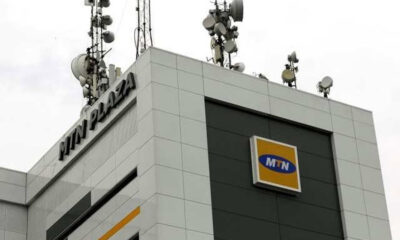
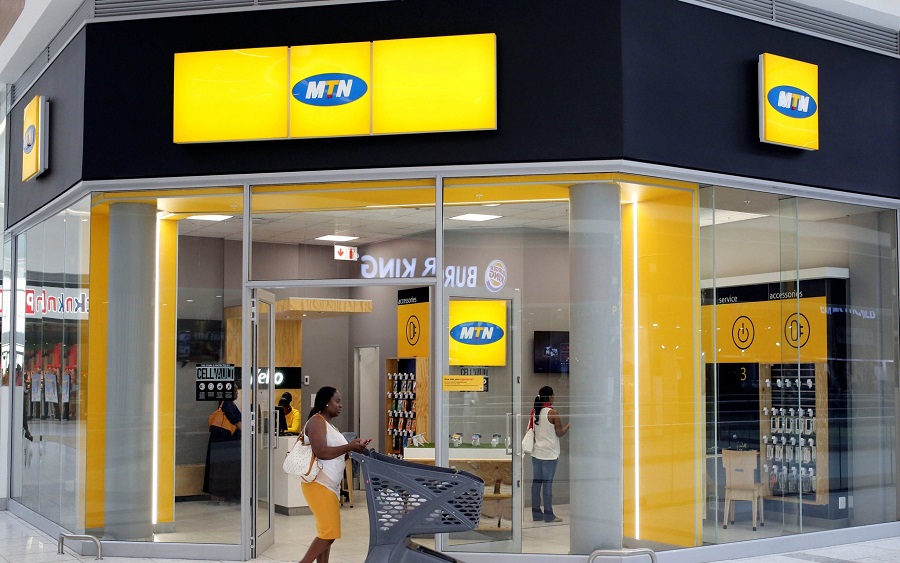
The Chief Executive Officer of MTN Nigeria, Karl Toriola, has defended the cost of mobile data in Nigeria, insisting that the country remains among the cheapest globally despite recent changes in telecom tariffs.

Speaking at the MTN Data Trial Conference in Lagos on Saturday, Toriola dismissed claims that telecom operators are overcharging subscribers, stressing that mobile data prices in Nigeria remain competitive when compared with several countries across Africa and beyond.

He explained that based on global comparisons of data cost per gigabyte, Nigeria still ranks among the most affordable markets. According to him, a review of data pricing across countries such as Kenya, Congo, and others shows that Nigeria remains one of the lowest-cost markets for mobile internet access.

Toriola added that while countries like Ghana also maintain relatively low-cost internet services, operators such as MTN Nigeria and other telecom providers continue to offer some of the cheapest data plans in Africa, even after the recent tariff adjustment.

The remarks come amid growing public debate following a 50% telecom tariff increase in Nigeria, approved by the Nigerian Communications Commission (NCC) in January 2025. The regulator described the adjustment as necessary to address rising operational costs, inflation, and foreign exchange pressures affecting the industry.

READ ALSO:

According to the NCC, telecom operators initially requested more than 100 percent tariff adjustments, but the approved increase was reduced to balance industry sustainability with consumer protection. The commission also stated that the revised pricing structure is aimed at supporting continued investment in telecom infrastructure, network expansion, and improved service delivery across the country.

Despite this explanation, the tariff hike has triggered widespread criticism from consumers, labour unions, and civil society organisations. Many Nigerians argue that the rising cost of data bundles in Nigeria has worsened economic pressure on households already affected by inflation, fuel price increases, and declining purchasing power.

The Nigeria Labour Congress (NLC) has strongly condemned the tariff adjustment, describing it as insensitive and an additional burden on workers and low-income earners. Consumers have also raised concerns that data now depletes faster than before, intensifying dissatisfaction over value for money in mobile internet services in Nigeria.

Telecommunications operators, however, maintain that the tariff review is essential for the survival of the industry. They argue that rising costs of network equipment, electricity, foreign exchange volatility, and infrastructure expansion have made previous pricing structures unsustainable.

They also insist that periodic adjustments are necessary to ensure continued investment in 4G and 5G network expansion, improved connectivity, and better service quality across urban and rural areas.

While Nigeria may rank among countries with relatively low data prices per GB globally, analysts note that affordability depends heavily on income levels and purchasing power. This has created a growing gap between global rankings and local realities, as many Nigerians continue to feel the pressure of rising communication costs despite being classified among markets with relatively cheap internet access.

MTN Defends Mobile Data Prices, Says Nigeria Among World’s Cheapest Markets

Loading

Business

CBN Reforms Drive Return of Global Transactions on Naira Cards

Published

on

CBN Reforms Drive Return of Global Transactions on Naira Cards

CBN Reforms Drive Return of Global Transactions on Naira Cards

Nigerian banks are increasingly restoring and expanding international transaction limits on naira-denominated debit cards, a development being driven by improved foreign exchange liquidity and sweeping economic reforms introduced by the Central Bank of Nigeria (CBN) under Governor Olayemi Cardoso.

The move marks a significant turnaround from the foreign exchange crisis that forced many Deposit Money Banks (DMBs) to suspend international transactions on naira cards for more than three years due to severe dollar shortages and mounting pressure on the country’s external reserves.

Industry experts say the resurgence of overseas naira card spending reflects growing confidence in Nigeria’s foreign exchange market following a series of reforms that have boosted dollar inflows, improved liquidity, and restored investor confidence.

Before the Cardoso-led management assumed office in October 2023, Nigeria’s economy was grappling with acute foreign exchange scarcity. Businesses, manufacturers, students and travelers increasingly relied on the parallel market to obtain dollars, fueling speculation and widening the gap between official and black-market exchange rates.

In response, the CBN embarked on far-reaching reforms aimed at restoring stability to the financial system. Key measures included the liberalisation of the foreign exchange market, the unification of exchange rate windows, the clearance of over $7 billion in foreign exchange obligations, and the discontinuation of direct central bank financing of fiscal deficits.

The reforms have contributed to a significant increase in foreign exchange inflows into the economy. Analysts estimate that total FX inflows reached about $112 billion in 2025, driven by stronger autonomous inflows, foreign portfolio investments, diaspora remittances, non-oil export earnings and improved investor sentiment.

The improved liquidity has enabled banks to gradually restore international spending capabilities on naira cards, offering customers easier access to global payment platforms and foreign transactions.

One of the most notable developments came from Guaranty Trust Bank (GTBank), which recently increased its quarterly international spending limit on naira cards to $20,000.

In a notice to customers titled “Important Update on Your GTBank Naira Card,” the bank announced that cardholders can now spend up to $20,000 quarterly through Point of Sale (POS) terminals and online platforms.

READ ALSO:

The new limit represents a substantial increase from the bank’s earlier restrictions, which capped online and POS transactions at $1,000 quarterly while limiting ATM withdrawals abroad to $500.

Other major banks have also resumed international transaction services on naira cards.

United Bank for Africa (UBA) announced that its Premium Naira Cards, including Gold, Platinum and World variants, are now enabled for international transactions.

According to the bank, customers can once again use their cards for online shopping, international POS payments and ATM transactions across multiple countries.

Similarly, Wema Bank informed customers that its naira Mastercard can now be used for dollar payments on international platforms such as Amazon, eBay, AliExpress, Netflix, Spotify and YouTube.

FirstBank has also reactivated international transactions on its Naira Mastercard, allowing customers to spend up to $500 monthly across approved channels.

The bank recently partnered with Visa to launch Visa Signature, a premium card targeted at high-net-worth individuals, business executives and frequent international travelers seeking enhanced global payment solutions.

Speaking on the initiative, FirstBank’s Group Executive for eBusiness and Retail Products, Chuma Ezirim, said the bank remains committed to providing financial products that align with the evolving needs of customers.

Visa’s Vice President and Cluster Head for West Africa, Andrew Uaboi, noted that Nigeria’s affluent consumers are among the most globally connected spenders on the continent and require payment products with broader acceptance and enhanced benefits.

Financial analysts say the return of international naira card transactions is one of the clearest signs that liquidity conditions in the foreign exchange market have improved substantially.

READ ALSO:

Head of Financial Institutions Ratings at Agusto & Co, Ayokunle Olubunmi, said reduced pressure in the parallel market and shrinking arbitrage opportunities have encouraged banks to reactivate overseas card spending services.

Managing Director of Financial Derivatives Company Limited, Bismarck Rewane, attributed the improvement to stronger oil revenues and multiple foreign exchange inflow channels introduced by the CBN.

According to him, measures aimed at boosting diaspora remittances, licensing additional International Money Transfer Operators (IMTOs), implementing a willing-buyer willing-seller foreign exchange framework and improving access to naira liquidity have strengthened dollar supply within the financial system.

Economic analyst and founder of B. Adedipe Associates Limited, Prof. Abiodun Adedipe, believes broader structural reforms are also contributing to the improved outlook.

He pointed to the elimination of arbitrage opportunities in the foreign exchange market, fuel subsidy reforms, bank recapitalisation efforts, fiscal consolidation and ongoing tax reforms as measures that are improving Nigeria’s competitiveness and strengthening investor confidence.

Adedipe noted that Nigeria’s large population, growing urbanisation, expanding internet penetration and rising digital adoption continue to provide strong long-term growth opportunities for investors.

The CBN has repeatedly maintained that monetary reforms alone cannot deliver sustainable economic growth without complementary fiscal measures.

Governor Cardoso recently reiterated the apex bank’s commitment to ending direct deficit financing while working closely with fiscal authorities to strengthen revenue mobilisation, improve public financial management and achieve long-term macroeconomic stability.

According to the CBN, reforms introduced since 2023 have contributed to improved foreign reserves, stronger investor confidence, enhanced liquidity in the official foreign exchange market and renewed access to international capital markets.

The reforms have also earned positive assessments from international institutions and rating agencies, many of which view the exchange rate reforms and foreign exchange backlog clearance as critical steps toward restoring confidence in Africa’s largest economy.

As foreign exchange inflows continue to improve, analysts expect more Nigerian banks to increase international spending limits on naira cards, providing greater convenience for travelers, students, online shoppers and businesses that rely on global payment platforms.

The development is increasingly being viewed as one of the most visible benefits of the CBN foreign exchange reforms, highlighting the impact of improved liquidity and market confidence on everyday banking services.

CBN Reforms Drive Return of Global Transactions on Naira Cards

Loading

Continue Reading

Business

Cooking Gas Hits ₦2,000/kg, HURIWA Warns Tinubu Against ‘Economic Cruelty’ to Nigerians

Published

on

Cooking Gas Hits ₦2,000/kg, HURIWA Warns Tinubu Against ‘Economic Cruelty’ to Nigerians

Cooking Gas Hits ₦2,000/kg, HURIWA Warns Tinubu Against ‘Economic Cruelty’ to Nigerians

The Human Rights Writers Association of Nigeria (HURIWA) has raised alarm over the continued rise in cooking gas prices across the country, warning that the cost of Liquefied Petroleum Gas (LPG) reaching ₦2,000 per kilogram in some locations is worsening the hardship faced by millions of Nigerians and threatening their constitutional right to life. In a statement signed by its National Coordinator, Comrade Emmanuel Onwubiko, the rights group expressed concern over reports that cooking gas now sells for as much as ₦2,000 per kilogram in several parts of the country. HURIWA described the development as a reflection of weak market regulation and government inaction, arguing that cooking gas, which remains a basic household necessity, is gradually becoming unaffordable for ordinary Nigerians already battling high food prices, rising transport fares and increasing electricity costs.

HURIWA condemned the sharp rise in cooking gas prices, describing the development as “economic cruelty” and warning that unchecked profiteering is undermining citizens’ constitutional right to life. The group linked the soaring cost of LPG to broader constitutional concerns, citing Chapter IV of the 1999 Constitution and arguing that the right to life includes access to conditions that make survival dignified and sustainable. “The astronomical rise in the price of cooking gas is not merely an economic issue but a fundamental human rights concern. The direct consequence of making essential household energy unaffordable is mass hunger, malnutrition, disease, and avoidable deaths among vulnerable populations,” the statement said. According to HURIWA, families already grappling with high food prices, transportation costs, electricity tariffs and healthcare expenses are increasingly finding it difficult to meet basic needs. The organisation warned that many families are now being forced to make difficult choices between purchasing cooking gas and meeting other essential needs.

Official data from the National Bureau of Statistics (NBS) confirms the steady upward trend in cooking gas prices across the country. According to the NBS Cooking Gas Price Watch for March 2026, the average price for refilling a 5kg cylinder rose by 12.60 percent month-on-month from ₦6,799.18 in February 2026 to ₦7,655.73 in March 2026. The average retail price for refilling a 12.5kg cylinder increased by 15.62 percent month-on-month from ₦16,997.94 in February 2026 to ₦19,652.83 in March 2026. State-level analysis shows significant regional variations. For the 12.5kg cylinder, Nasarawa recorded the highest average retail price at ₦23,418.12, followed by Kaduna at ₦23,030.52 and Akwa Ibom at ₦22,816.74. The lowest average price was recorded in Bauchi at ₦15,738.50. By zonal analysis, the North-West recorded the highest average retail prices for both cylinder sizes.

READ ALSO:

The price surge has occurred despite increased domestic LPG production. Data from the Nigerian Midstream and Downstream Petroleum Regulatory Authority (NMDPRA) shows that local refineries and gas processing plants supplied the majority of the country’s LPG needs between April 2025 and April 2026. Domestic LPG supply consistently ranged between 3,300 and 4,500 tonnes per day, reaching 4,500 tonnes daily in both March and April 2026. During the same period, imports dropped sharply from 1,600 tonnes per day in November 2025 to just 200 tonnes per day in March 2026. However, greater domestic production has failed to reduce the financial burden on consumers. Cooking gas, which sold for less than ₦1,000 per kilogramme in many areas only months ago, now sells for around ₦2,000 per kilogramme in some locations.

The Nigerian Association of Liquefied Petroleum Gas Marketers (NALPGAM) has shed light on the challenges driving the price surge. According to the association, marketers currently pay between N25.2 million and N26.2 million for 20 metric tonnes of LPG, depending on location. The National President of NALPGAM, Edu Inyang, and its Executive Secretary, Bassey Essien, aptly described the situation as “sad and rather very pathetic.” NALPGAM warned that the crisis is eroding years of progress made by government policies and public-private campaigns to deepen LPG penetration as a safer alternative to kerosene, firewood, and charcoal. “Millions of Nigerians embraced cooking gas under the national clean energy transition agenda. Those gains are now at risk. Households cannot refill cylinders, small businesses are folding under rising energy costs, and many families are reverting to firewood and charcoal despite serious implications for public health, environmental degradation, and deforestation,” the association said.

READ ALSO:

HURIWA further warned that if cooking gas continues to move beyond the reach of average households, more Nigerians may resort to firewood and charcoal for cooking. It noted that such a shift could increase deforestation, worsen environmental degradation and expose families to health risks associated with smoke inhalation. The scale of the potential health crisis is alarming. According to the Voice of Nigeria, more than 160 million of Nigeria’s estimated 237 million people still lack access to clean cooking solutions. Consequently, millions depend on traditional fuels such as firewood, charcoal, and kerosene for their daily cooking needs. This dependence has devastating health implications. Reports indicate that between 80,000 and 95,000 Nigerians die prematurely every year from illnesses linked to toxic indoor air pollution caused by dirty cooking fuels. Unsafe cooking smoke has become Nigeria’s third-largest silent killer after malaria and HIV/AIDS. Any development that pushes citizens away from cleaner cooking energy should therefore be viewed as a national emergency.

Experts have attributed the surge in cooking gas prices to multiple factors. Mr Opeyemi Alabi, an economist, told the News Agency of Nigeria (NAN) that geopolitical tensions in the Middle East caused by the U.S.-Iran conflict have led to an increase in global Brent crude oil and LPG prices. Additionally, LPG is a globally traded commodity often priced in US Dollars, meaning fluctuations or devaluation of the Naira immediately increase the landing cost of imported gas, which still makes up a large part of Nigeria’s supply despite rising local production. The Petroleum Products Retail Outlets Owners Association of Nigeria (PETROAN) has also decried what it described as the inherent monopoly in the cooking gas value chain in Nigeria, advising the government to break the monopoly and liberalise the market with a view to enabling more operators to manage the market efficiently.

HURIWA called on the administration of President Bola Ahmed Tinubu to urgently investigate the factors driving the increase in cooking gas prices and implement measures aimed at stabilising the market. The group urged relevant regulatory agencies to identify and sanction individuals or companies engaged in exploitative pricing practices, while also advocating targeted interventions and fiscal policies to reduce the burden on consumers. “The association reiterates that governance must ultimately be measured by its impact on the lives of citizens. Any economic policy or regulatory failure that results in widespread hunger, suffering, and preventable deaths cannot be justified under any democratic system,” the statement added. The Centre for the Study of the Economies of Africa (CSEA) has similarly recommended that the government improve domestic gas supply, support local LPG production, invest in distribution infrastructure across the country, and provide social protection measures, particularly for vulnerable households. The Nigerian Midstream and Downstream Petroleum Regulatory Authority (NMDPRA) has yet to issue an official response to HURIWA’s allegations or the growing public outcry over cooking gas prices as of the time of this report.

Cooking Gas Hits ₦2,000/kg, HURIWA Warns Tinubu Against ‘Economic Cruelty’ to Nigerians

Loading

Continue Reading

Business

Updated: MTN Opens Billing System Amid Data Depletion Complaints

Published

on

MTN Opens Data Billing System to Public Review Over Data Depletion Complaints

Updated: MTN Opens Billing System Amid Data Depletion Complaints


MTN Nigeria has unveiled a new transparency initiative aimed at addressing persistent complaints from subscribers over data depletion and billing practices, as the telecommunications giant seeks to strengthen customer trust and improve public understanding of how mobile data is consumed.

At a press briefing in Lagos, MTN announced the launch of “Data on Trial,” a public engagement platform that will allow Nigerians to independently examine the company’s data billing system, network operations and data consumption processes.

Speaking at the event, MTN’s Chief Corporate Services and Sustainability Officer, Tobe Okigbo, said the initiative was designed to determine whether concerns raised by customers stem from technical issues, misconceptions about data usage or a need for greater digital awareness.

According to him, the company is opening its systems to public scrutiny because trust remains critical in the telecommunications industry.

“We want Nigerians to tell us what is wrong, ask questions and help us identify issues so that we can collectively find solutions,” Okigbo said.

He recalled that MTN previously adopted a similar approach when customers complained about unauthorised subscriptions to value-added services. The company responded by suspending the affected services, subjecting its systems to regulatory review and implementing corrective measures that helped restore confidence among subscribers.

As part of the initiative, Nigerians will have the opportunity to nominate and vote for a five-member “prosecution team” made up of consumer advocates, technology experts and digital commentators. The team will challenge MTN’s explanations and present consumer concerns during a live public hearing.

The hearing is expected to follow a courtroom-style format, with both customers and MTN officials presenting evidence, technical demonstrations and real-life experiences relating to data consumption, data depletion complaints and billing records.

To ensure credibility, independent professional services firm KPMG will verify the technical demonstrations and backend systems presented during the proceedings.

READ ALSO:

MTN also disclosed that the event will be broadcast live, enabling subscribers across Nigeria to participate, ask questions and seek clarifications on issues affecting their mobile data usage.

Addressing journalists, MTN’s General Manager for Network Quality, Mike Ndukwe, dismissed claims that telecom operators arbitrarily deduct customers’ data allocations.

According to him, data is consumed whenever users stream videos, browse websites, download files or use applications that continue operating in the background.

Ndukwe explained that high-definition video streaming on platforms such as TikTok, YouTube and Instagram consumes significantly more data than standard-definition content.

He further noted that features including autoplay, cloud backups, automatic software updates, hotspot sharing and background application refreshes can increase data usage without users immediately noticing.

“Many customers do not realise that their smartphones continue to consume data even when they are not actively using certain applications,” he said.

The MTN official added that the widespread adoption of 4G and 5G networks has also contributed to higher data usage because faster internet speeds encourage richer digital experiences and larger content downloads.

Ndukwe stressed that MTN Nigeria’s data billing system operates using internationally accepted measurement standards and verified charging mechanisms.

He explained that differences sometimes occur between customer device records and operator records because smartphones, network infrastructure and billing systems measure different stages of data transmission.

According to him, MTN’s billing platforms undergo regular audits by the Nigerian Communications Commission (NCC) and independent evaluators to ensure compliance with industry regulations.

He added that the billing technologies deployed by MTN are similar to those used in regulated telecommunications markets around the world.

MTN’s General Manager for Network Services, Asura Mshelia, said delivering reliable telecommunications services depends on the seamless operation of multiple network components.

He explained that user traffic passes through base stations, transmission infrastructure, switching centres and internet gateways before reaching online destinations.

Mshelia identified congestion, power outages, equipment failures, adverse weather conditions and fibre optic cable damage as major factors capable of affecting network performance.

He also described vandalism as one of the biggest challenges facing Nigeria’s telecom sector, revealing that MTN has suffered repeated attacks on critical infrastructure, including theft of generators, batteries and solar-powered equipment.

According to him, fibre cuts caused by road construction activities, accidental damage and deliberate sabotage frequently disrupt telecommunications services and affect thousands of subscribers.

The executive appealed to Nigerians to support efforts to protect telecom infrastructure, warning that attacks on network facilities often result in widespread service interruptions.

The initiative comes at a time when internet usage in Nigeria continues to rise rapidly. Industry figures show that millions of Nigerians now depend on mobile internet services for banking, education, business, entertainment and communication.

With increasing reliance on digital services, concerns over data billing, mobile data consumption and network quality have become more prominent among subscribers.

MTN said the Data on Trial initiative is expected to improve transparency, address customer concerns and enhance public understanding of how mobile data is measured, consumed and charged.

The company expressed confidence that the engagement would help bridge the knowledge gap between increasingly sophisticated telecommunications technologies and consumer expectations.

Updated: MTN Opens Billing System Amid Data Depletion Complaints

Loading

Continue Reading

Trending