

Sports
Messi’s final World Cup ends in heartbreak as Spain sweep title, FIFA’s top individual awards
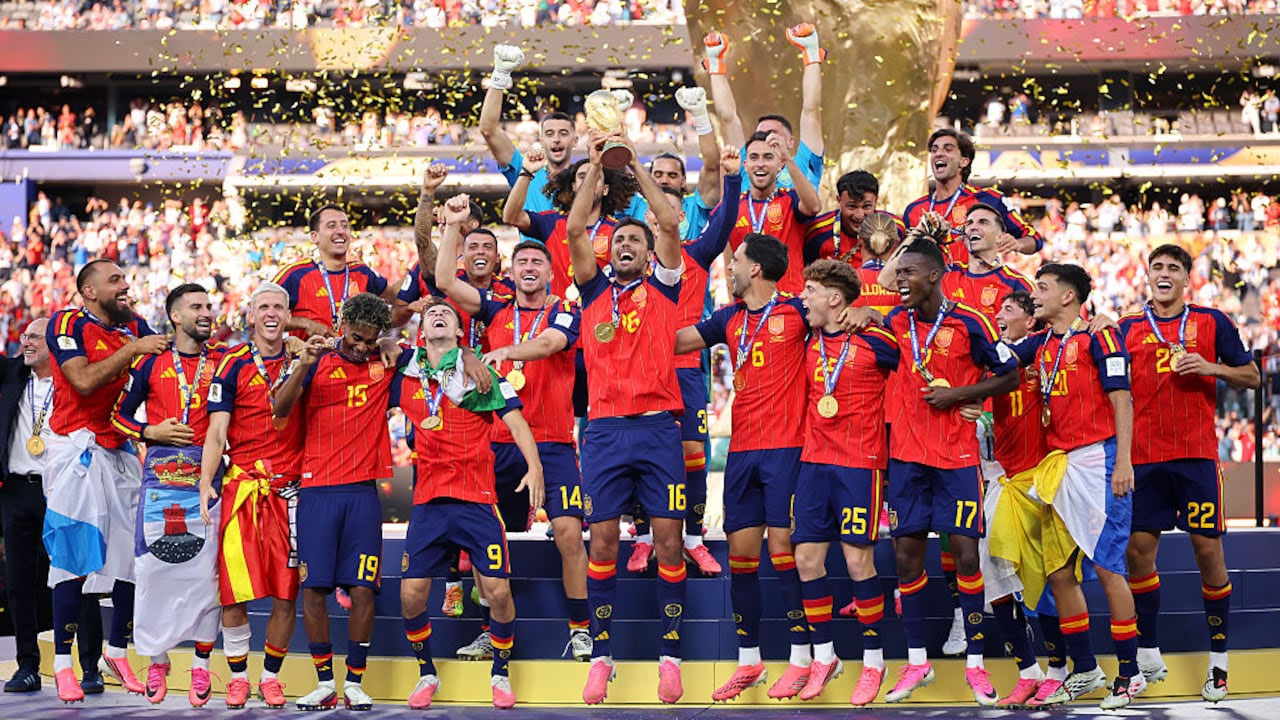
Messi’s final World Cup ends in heartbreak as Spain sweep title, FIFA’s top individual awards
Spain crowned a historic 2026 FIFA World Cup campaign by sweeping the tournament’s major individual awards after defeating Argentina 1-0 after extra time in Sunday’s final at MetLife Stadium, New Jersey.
Luis de la Fuente’s side lifted their second FIFA World Cup title, 16 years after their maiden triumph in South Africa in 2010, and etched their name into football history by becoming the first team to win the tournament after conceding just one goal throughout the competition.
The decisive moment came in extra time when Ferran Torres struck the winner to seal Spain’s memorable victory over Argentina in a tightly contested final. The triumph capped a remarkable month-long campaign built on tactical discipline, defensive resilience and attacking efficiency, with La Roja emerging as the standout team of the tournament.
Spain’s dominance was further reflected in the post-tournament awards, with three of their players claiming four of the five major honours presented by FIFA.
Manchester City midfielder Rodri was named the winner of the Golden Ball as the tournament’s best player after delivering a series of commanding performances throughout Spain’s unbeaten campaign. The midfield maestro controlled matches with his composure, vision, passing accuracy and leadership, providing the platform for Spain’s success from the heart of midfield. The award added another prestigious honour to Rodri’s growing collection of individual accolades and reinforced his reputation as one of the world’s finest midfielders.
READ ALSO:
- Spain dethrone Argentina in extra time to lift 2026 FIFA World Cup trophy
- Just in: Senegal’s President Diomaye Faye Emerges New ECOWAS Chairman
- 16 soldiers killed as terrorists attack military base in Niger Republic
France captain Kylian Mbappé won the Golden Boot after finishing as the tournament’s highest scorer with 10 goals in eight appearances. Mbappé secured the award after another prolific World Cup campaign, becoming the first player to finish as the tournament’s top scorer in two consecutive editions. The French forward also extended his remarkable World Cup record, taking his career tally to 22 goals to become the highest-scoring player in the history of the men’s FIFA World Cup.
Spain goalkeeper Unai Simón received the Golden Glove following an outstanding tournament between the posts. The Athletic Bilbao shot-stopper conceded only one goal throughout Spain’s victorious campaign, kept seven clean sheets and set a new World Cup record by going 650 consecutive minutes without conceding. His commanding presence, crucial saves and calm distribution proved instrumental in Spain’s historic defensive record.
Barcelona teenager Pau Cubarsí was named the Best Young Player after emerging as one of the biggest revelations of the tournament. The 19-year-old centre-back displayed remarkable maturity, composure and tactical awareness throughout the competition, helping Spain keep some of the world’s most dangerous attacking players quiet on their way to lifting the trophy.
The FIFA Fair Play Award was presented to the Netherlands in recognition of the team’s exemplary discipline and sporting conduct throughout the tournament.
Argentina, led by Lionel Messi in what is widely expected to be his final World Cup appearance, finished as runners-up after falling to Spain in the final. England claimed third place after defeating France 6-4 in an entertaining third-place play-off.
Spain’s triumph will be remembered as one of the greatest campaigns in FIFA World Cup history. Besides reclaiming football’s biggest prize for the first time since 2010, La Roja combined attacking quality with extraordinary defensive consistency, conceding only once in eight matches while collecting the majority of the tournament’s top individual honours.
Full list of 2026 FIFA World Cup award winners
- Champions: Spain
- Runners-up: Argentina
- Third place: England
- Fourth place: France
- Golden Ball (Best Player): Rodri (Spain)
- Golden Boot (Top Scorer): Kylian Mbappé (France) – 10 goals
- Golden Glove (Best Goalkeeper): Unai Simón (Spain)
- Best Young Player: Pau Cubarsí (Spain)
- FIFA Fair Play Award: Netherlands
Messi’s final World Cup ends in heartbreak as Spain sweep title, FIFA’s top individual awards






Sports
Chaos in Abeokuta as Algerian Fans Attack Coach, Vandalise Stadium After Rangers Defeat
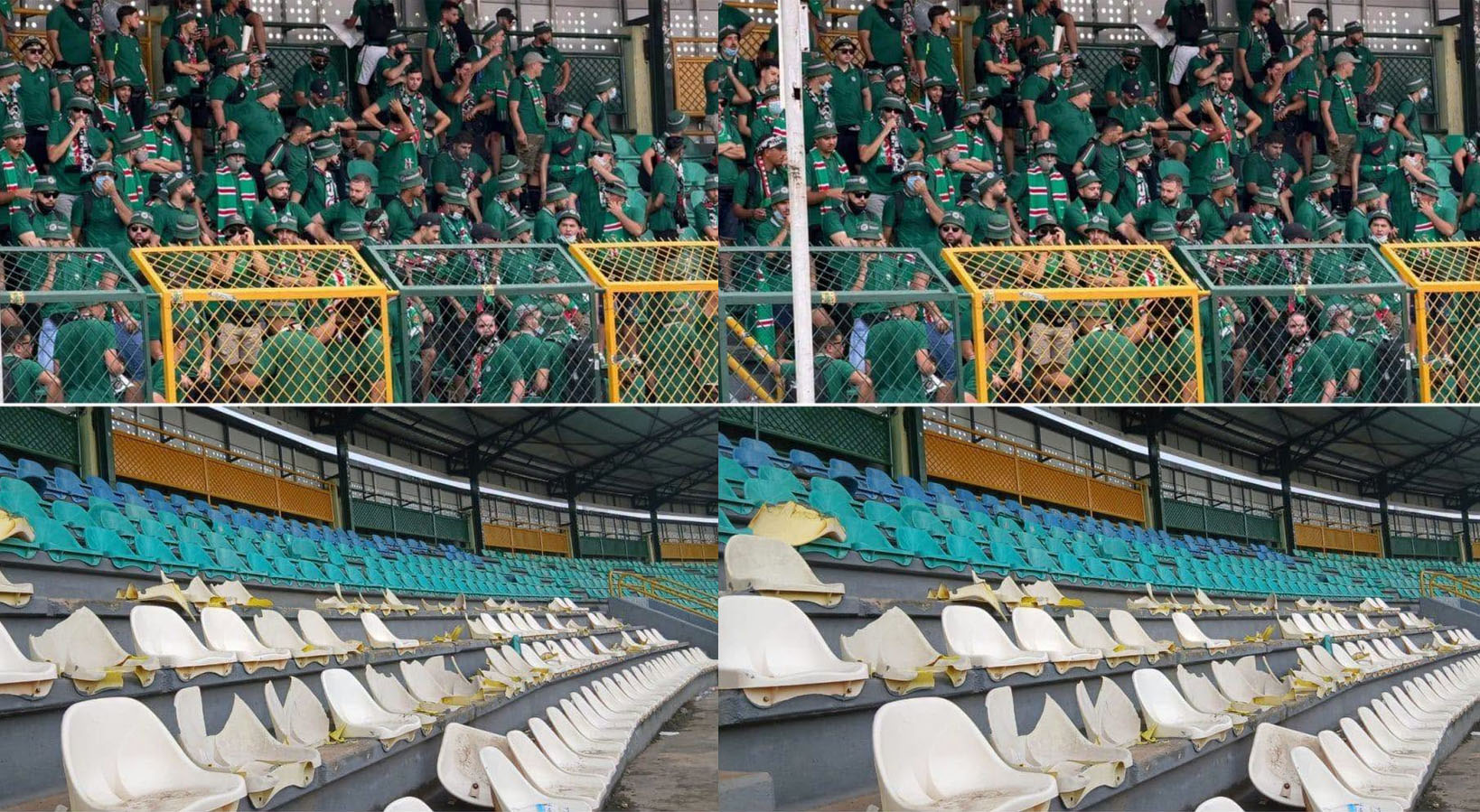
Angry supporters of MC Alger allegedly attacked a member of their club’s technical crew and vandalised stadium facilities after the Algerian side lost 2–0 to Enugu Rangers in the first leg of their CAF Champions League qualifying tie in Abeokuta, Ogun State.
The disorder occurred on Sunday, October 18, 2026, at the MKO Abiola Sports Arena, shortly after Rangers secured a crucial victory against the visiting Algerian champions.
Reports said more than 400 travelling supporters expressed their anger following the defeat, with some allegedly destroying seats in the covered stands and damaging other stadium facilities.
The situation reportedly escalated when some supporters followed members of the MC Alger delegation towards the players’ tunnel, where an assistant coach was allegedly assaulted.
Nigerian police officers attached to the Algerian delegation reportedly intervened and rescued the coach from further attacks, while security operatives subsequently restricted movement around the stadium to prevent additional violence.
READ ALSO:
- Nollywood Mourns as Actress, Beauty Queen Tenia Abraham Dies at 32
- FG Challenges World Bank’s 124% Debt-to-Revenue Warning, Cites Rising Income
- Mbappé Runs Riot as Real Madrid Crush Sevilla 4-1 Ahead of El Clásico
Former Super Eagles striker Victor Ikpeba was also reportedly attacked by members of the Algerian delegation in the VVIP section as he attempted to exchange pleasantries after the match. Further details surrounding the reported incident were not immediately available.
The ugly scenes overshadowed an impressive performance by Rangers, who overcame an early setback to secure a two-goal advantage ahead of the return leg in Algeria.
The Nigerian champions were reduced to 10 players in the first half after goalkeeper Lucky Jimoh was sent off. MC Alger also lost a player when defender Oussama Benhaoua received a second yellow card in the second half.
With both sides reduced to 10 players, Rangers capitalised on their opportunities late in the match. Kenneth Igboke converted a penalty to give the hosts the lead before James Emo scored again to seal the 2–0 victory.
The result puts Rangers in a favourable position ahead of the return fixture scheduled for October 23 in Algiers, where they will attempt to protect their advantage and progress in the continental competition.
However, the reported violence has raised concerns about crowd control, stadium security and the conduct of travelling supporters at African club football matches.
Rangers will also be mindful of their history against MC Alger. In 1976, the Nigerian club won the first leg of their African Cup of Champions Clubs encounter 2–0 but lost the return match 3–0, exiting the competition 3–2 on aggregate. MC Alger went on to win the continental title that year.
The Nigerian side will now seek to avoid a repeat of that outcome as it pursues qualification for the 2026/27 CAF Champions League group stage.
Chaos in Abeokuta as Algerian Fans Attack Coach, Vandalise Stadium After Rangers Defeat
Sports
Mbappé Runs Riot as Real Madrid Crush Sevilla 4-1 Ahead of El Clásico
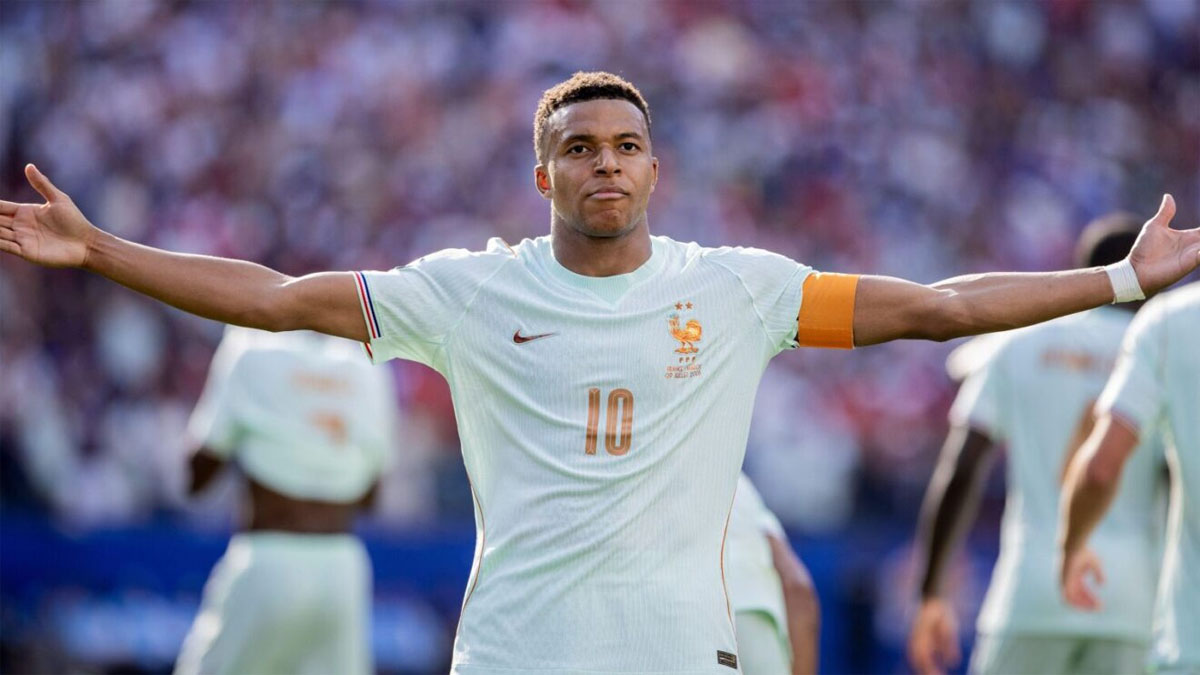
Kylian Mbappé scored twice as Real Madrid defeated Sevilla 4-1 in their La Liga clash at the Santiago Bernabéu on Sunday, October 18, 2026, boosting their confidence ahead of next weekend’s highly anticipated El Clásico against Barcelona.
The French forward produced a standout performance, scoring from open play before converting a penalty to help Real Madrid secure a convincing victory. Arda Güler and Yan Diomande also found the net for the hosts, while Manu Bueno scored Sevilla’s only goal.
Real Madrid took the lead in the 30th minute when Güler collected a pass from Diomande and unleashed a superb left-footed strike into the top corner.
Mbappé doubled the advantage seven minutes later after combining with Jude Bellingham. The striker controlled a clever backheel pass, evaded his marker and goalkeeper Odysseas Vlachodimos, and calmly finished to put the hosts firmly in control.
The Real Madrid forward completed his brace in the 63rd minute, converting a penalty with a cheeky Panenka-style chip after Sevilla defender Andrés Castrín brought him down inside the penalty area.
READ ALSO:
- Ogun House Fire Horror: Husband Arrested After Wife Dies Following Domestic Dispute
- NLC, Falana Mobilise Nigerians Against Petrol Price Hike, Mount Pressure on Tinubu Govt
- Buhari Feared Tinubu Presidency, Resisted Pressure to Back Him – Baba-Ahmed Claims
Sevilla attempted to fight their way back into the contest when substitute Manu Bueno scored in the 80th minute, capitalising on a mistake by Mbappé.
However, Real Madrid responded almost immediately. Diomande collected the ball and unleashed a powerful strike in the 82nd minute to restore the hosts’ three-goal advantage and seal the 4-1 victory.
The result provided Real Madrid with a timely boost before their meeting with Barcelona in El Clásico on October 25. The Spanish giants will look to carry their attacking momentum into the crucial encounter.
Sevilla, meanwhile, were left to reflect on another disappointing result at the Bernabéu as Real Madrid demonstrated their attacking strength and ability to punish defensive mistakes.
Mbappé Runs Riot as Real Madrid Crush Sevilla 4-1 Ahead of El Clásico
Sports
Lamine Yamal Shines as Barcelona Thrash Real Betis 5-2
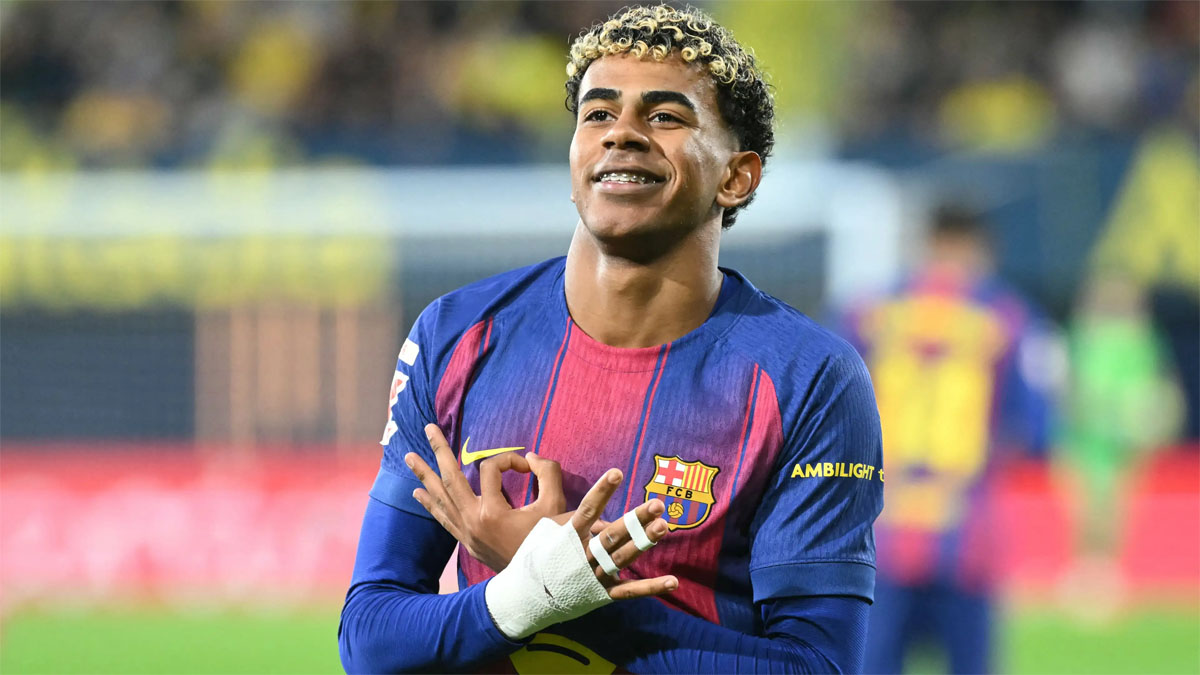
Lamine Yamal delivered a dazzling performance as Barcelona defeated Real Betis 5-2 away from home on Saturday, October 17, 2026, extending their perfect start to the Spanish LaLiga season with a ninth consecutive league victory.
The 19-year-old winger opened the scoring with a superb finish and later provided an assist as Barcelona overcame a spirited Betis challenge at the Estadio La Cartuja in Seville.
Rodri, Gabriel Jesus, Eric Garcia and substitute Dani Olmo also scored for Barcelona, while Valentín Gómez and Ez Abde found the net for the hosts.
The victory took Barcelona to 27 points from nine matches, keeping them five points clear at the top of the LaLiga standings. Real Betis remained third with 19 points following the defeat.
Yamal set the tone in the 10th minute with a moment of individual brilliance. Cutting in from the right, the young forward created space before curling a left-footed effort from outside the penalty area into the top corner, leaving the Betis goalkeeper with little chance.
Real Betis responded in the 27th minute when Pablo Fornals delivered a cross into the box and Valentín Gómez rose above the Barcelona defence to head home the equaliser.
Barcelona regained the lead four minutes before half-time. Rodri powered a header into the net from Fermín López’s corner in the 41st minute, restoring the visitors’ advantage.
READ ALSO:
- Tinubu Scraps Recruitment Waiver Requirement for Federal Universities
- FG Begins Rollout of 3,700 Telecom Towers to Connect 20m Nigerians
- 37 Miners’ Deaths in Custody: Suspended NSCDC Commandant Admits Tragedy Was Avoidable, Apologises to Families
Betis appeared to have drawn level again shortly afterwards when Giovani Lo Celso scored with a spectacular volley. However, the goal was disallowed following a video assistant referee (VAR) review that identified a handball by Cucho Hernández earlier in the move.
Barcelona increased their advantage shortly after the restart. In the 51st minute, Yamal drove down the right flank before squaring the ball for Gabriel Jesus, who finished neatly inside the penalty area to make it 3-1.
Betis responded almost immediately, with Ez Abde finishing a counterattack in the 53rd minute to reduce the deficit to 3-2 and revive hopes of a comeback.
However, the contest changed dramatically a minute later when Betis midfielder Facundo Bernal was sent off following an altercation with Yamal. Bernal was dismissed for violent conduct after headbutting the Barcelona winger, while Yamal received a yellow card for his involvement in the incident.
With Betis reduced to 10 players, Barcelona took greater control of the match and exploited the numerical advantage.
Eric Garcia extended the lead in the 62nd minute after Pau Cubarsí helped direct the ball across goal from a set-piece situation, allowing Garcia to finish from close range.
Substitute Dani Olmo completed the scoring in the 81st minute, curling a right-footed effort into the top corner to seal an emphatic 5-2 victory for the visitors.
The result strengthened Barcelona’s position at the summit of LaLiga, with the Catalan side recording nine wins from nine league matches and scoring 39 goals during that run.
Barcelona have also maintained an impressive start across all competitions, having won their first 11 competitive matches of the campaign.
The victory comes ahead of a demanding week for Hansi Flick’s side, with a Champions League meeting against Paris Saint-Germain and the much-anticipated El Clásico against Real Madrid on the horizon.
For Yamal, the performance further underlined his importance to Barcelona’s attack. His opening goal and assist for Gabriel Jesus proved decisive in a match that remained competitive until Bernal’s dismissal.
Real Betis, meanwhile, will look to regroup after a defeat in which their attacking moments offered promise but defensive difficulties and the red card ultimately worked against them.
Lamine Yamal Shines as Barcelona Thrash Real Betis 5-2
-

 metro2 days ago
Suspended Archbishop Ibezim Drags Anglican Primate to Court, Challenges Six-Month Leave
-

 metro2 days ago
Imodi-Ijebu Muslim Community Bets on 20 Chiefs to Drive Education, Economic Growth
-

 metro3 days ago
NAPTIP Raises Alarm as Parents Allegedly Trade Children for Sex, Arrests Woman in Abuja
-
 News2 days ago
FG Draws Red Line on Fuel Subsidy, Warns of Naira Crisis if Reforms Are Reversed
-
 metro2 days ago
DSS Arrests Maina’s Fugitive Son in Abuja After Six Years on the Run
-
 News2 days ago
Tinubu Reappoints INEC Commissioner, Nominates Six Others Ahead of 2027 Elections
-

 Auto3 days ago
Tesla’s Flying Roadster Rekindles Race to Put Cars in the Sky
-
 Education1 day ago
Tinubu Scraps Recruitment Waiver Requirement for Federal Universities