

metro
I Didn’t Take a Dime for Testifying, It’s Blood Money, Says #EndSARS Activist

Victoria Oniru, a witness of the October 20, 2020 shooting of protesters at the Lekki toll gate, Lagos, has denied receiving a N5 million compensation from the state government.
Oniru, reacting to claims by Temi Majekodunmi, youth representative at the Lagos State Judicial Panel on Restitution for Victims of SARS-Related Abuses and Other Matters, that the panel awarded N5 million compensation to her, Perpetual Kamsichukwu and Dabira Ayuku, and N10 million to Sarah Ibrahim, said she did not receive any money.
Majekodunmi earlier told FIJ that the panel recommended compensations for all four but the state government’s white paper omitted them and only mentioned Ibrahim.
He had said back in December: “Serah Ibrahim was not the only eyewitness that the panel awarded a compensation to. That was why I said the state did not read the report.
“There were four: Perpetual Kamsichukwu, Dabira Ayuku and Victoria Oniru. The panel awarded compensations of N5 million each to them, while Serah Ibrahim was awarded a compensation of N10 million because she was the star witness.”
READ ALSO:
- US-Based Nigerian Murder Suspect Googled ‘How to Be a Serial Killer’ Before Disappearing
- APC Senator Offers Hajj Slots To Delegates Who Returned Cash After Voting Against Him
- Mbaka violated canon law by calling Peter Obi stingy man – Catholic diocese
However, after the claims were brought to Oniru’s notice on Thursday, she denied ever receiving any compensation from the state. She also said she did not expect to receive any, as she would reject it.
“I was one of the coordinators at Lekki toll gate during the #EndSARS protests. I was one of the first persons – alongside Dabira, Kamsi and Sarah – to go to the panel of inquiry to testify that a massacre happened, that police truly shot at innocent protesters holding flags, and ever since then, we have been struggling, putting all our best to make sure that justice is served and our nation is better,” she told FIJ.
“I am saying all this because I saw an article that was published December 2nd, and in the article, it was claimed they paid me N5 million as a witness alongside Dabira, Kamsi and Sarah.
“What I am saying and would continue to say is that I don’t need to be paid for doing the right thing. I don’t need to be paid to be on the side of justice. All I did during the #EndSARS [protest] and during the panel of inquiry, I did for love, for justice, because it was the right thing. I don’t need the compensation from the panel, from Lagos. I don’t need anything from them now. I don’t need anything from the government in the future.
“I have never taken a penny from them. In case one day the government thinks to do the right thing and pay the victims – and no money can fix their disabled bodies – mine should be shared among the victims.”
She described money given as compensation for testifying as ‘blood money’.
“If I take it, that money will be blood money. I was raised to be a leader; I was not raised to lie. I was not raised to steal or deceive. I was not raised to get money from people unlawfully. I was not raised to be wicked and corrupt,” she told FIJ.
“I was raised to be a leader, be honest, progressive, smart, hardworking and humanistic, a leader who wouldn’t eat if people haven’t eaten, a leader who would advocate and support for the best of the best of this country.
“I’m not a fake, and I am not going to lie. Come rain, come shine, I remain my humble self. Again and again, I repeat, I have not taken any money from the government. I don’t need to be compensated for doing the right thing, because we can be human together. I don’t need anything. I am fine, I am good, and the struggle continues.”
When FIJ contacted Gboyega Akosile, Chief Press Secretary to Babajide Sanwo-Olu, Lagos State Governor, he told our reporter the state did not adopt all recommendations of the judicial panel.
“There is a white paper. The state government is not bound by the panel report, we are bound by the white paper,” he told FIJ.
He said the government questioned the recommendation for compensation, but only mentioned Sarah Ibrahim in its white paper.
When FIJ asked if the state paid Ibrahim, Akosile said, “Go and ask Sarah Ibrahim if we paid her. Call her and ask if we paid.”
FIJ called Ibrahim, but she had not responded to calls at press Time, and her number was switched off. A text message sent to her was unanswered as well.

metro
NSCIA warns FG against weaponising state institutions in El-Rufai case

NSCIA warns FG against weaponising state institutions in El-Rufai case
The Nigerian Supreme Council for Islamic Affairs breaks its silence on the former governor’s legal ordeal, citing “serious concerns” over possible sectarian agenda in the multiple prosecutions keeping El-Rufai in the spotlight.
ABUJA – The Nigerian Supreme Council for Islamic Affairs (NSCIA) has raised the alarm over what it described as “an extraneous involvement of an underlying religious bias” in the ongoing prosecutions of former Kaduna State Governor, Nasir El-Rufai. The Islamic body, which had deliberately stayed out of the controversy until now, said recent developments had forced it to break its silence on the matter. In a statement signed by its Secretary-General and immediate-past Registrar of JAMB, Prof. Is-haq Oloyede, the NSCIA explained that its earlier restraint was based on its belief that El-Rufai’s prosecution, like those involving other political figures, was a standard judicial process and that the judiciary had the inherent capacity to uphold justice. However, the council said recent developments in the public domain had raised serious concerns that strongly suggested religious considerations might be creeping into a process that should be determined solely by law and evidence.
The NSCIA called on the Federal Government and the Judiciary to ensure that individuals with vested religious interests were strictly prevented from weaponising public institutions or the legal system to pursue what it described as a sectarian agenda against El-Rufai. “Consequently, the Council calls upon the Federal Government of Nigeria and the Judiciary to ensure that individuals with vested religious interests are strictly prevented from weaponizing public institutions or the legal system to execute a sectarian agenda against him,” the statement read. The council stressed that its position was anchored on the Islamic principle of justice and fairness, regardless of political, religious or personal considerations, and clarified that its intervention was not intended to interfere with the judicial process but to emphasise the need for justice to be administered without religious or sectarian considerations. The Islamic body also appealed to the general public to refrain from incendiary comments that could prejudice the fair trial of El-Rufai or exacerbate the security situation in the nation. “Furthermore, the Council appeals to the general public to refrain from incendiary comments that could prejudice the fair trial of Mallam El-Rufai or exacerbate the security situation in our nation,” the statement read.
READ ALSO:
- Lagos Records 33,009 Domestic Violence Cases Amid Economic Hardship
- Nigerians Pay N44 Extra Per Litre as Retailers Defy Falling Depot Prices – Full Report
- NOUN appoints Ramatu Ibrahim acting Bursar after Marafa’s death
The NSCIA‘s intervention comes against the backdrop of a protracted legal battle that has kept El-Rufai in the spotlight since February 2026. The former governor is facing multiple prosecutions by different agencies on charges bordering on alleged abuse of office, money laundering, breach of national security, and wiretapping. The council’s decision to speak out followed comments by the Minister of Defence, General Christopher Musa (retd.), who accused El-Rufai of planning killings in Southern Kaduna while he was governor between 2015 and 2023. Musa had described the situation in Kaduna during El-Rufai’s administration as “toxic”, adding that many residents of Southern Kaduna remained unhappy with the former governor over killings recorded in the area.
El-Rufai, through his family, rejected the allegation and demanded that the minister withdraw the claim, with his eldest son, Mohammed Bello El-Rufai, giving Musa seven days to provide evidence supporting the allegation or publicly retract it. The controversy generated by Musa’s remarks has further widened the debate surrounding El-Rufai’s legal battles, with the NSCIA‘s intervention effectively placing the prosecution within a wider debate over the alleged politicisation and religious manipulation of state institutions. The Middle Belt Forum (MBF) has taken a sharply divergent position, backing the Defence Minister’s allegations and demanding an independent investigation into alleged killings and human rights abuses during El-Rufai’s administration, with possible prosecution before the International Criminal Court (ICC). The NSCIA’s intervention, which did not identify any individual or group it accused of pursuing a religious agenda, serves as a significant development in a case that has become a flashpoint for broader debates about judicial independence, political persecution, and religious neutrality in Nigeria’s legal system.
The council concluded its statement by praying for peace, stability and security in Nigeria. “May Almighty Allah grant peace, stability, and security to Nigeria,” it said.
NSCIA warns FG against weaponising state institutions in El-Rufai case
metro
Bandits abduct Kaduna lawmaker’s brother, kill three KADVS operatives
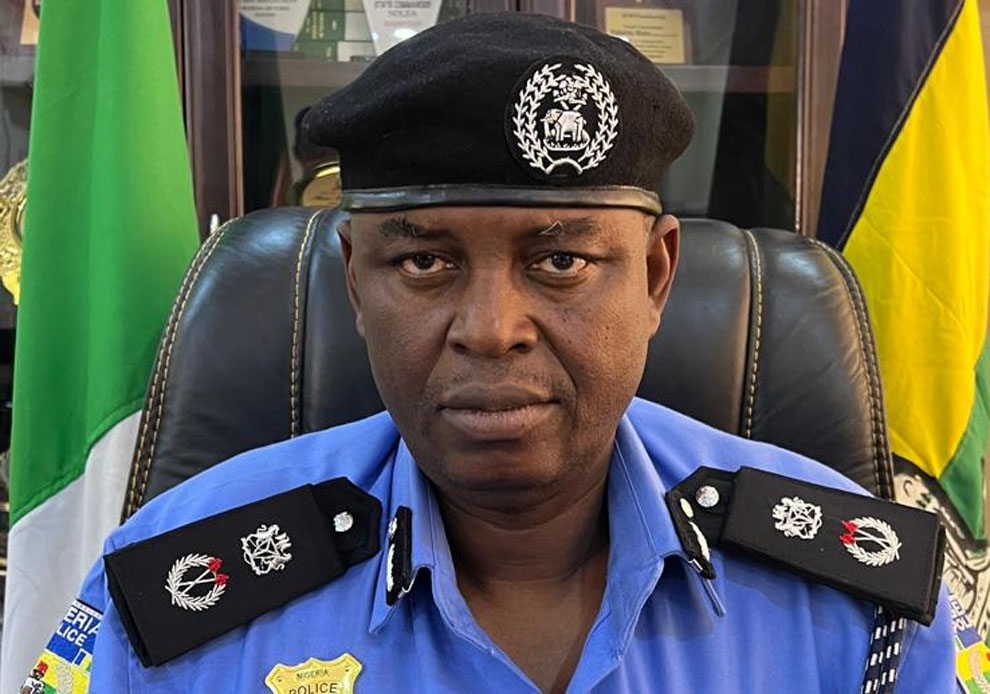
Bandits abduct Kaduna lawmaker’s brother, kill three KADVS operatives
Suspected bandits have abducted the younger brother of a Kaduna State lawmaker and killed three personnel of the Kaduna State Vigilance Service (KADVS) in separate attacks in Kubau Local Government Area of the state.
The incidents, which occurred within hours of each other, have heightened security concerns in Pambegua and surrounding communities, with the attacks taking place along the Zaria-Pambegua axis before the lawmaker’s brother was abducted from his residence.
The KADVS Public Relations Officer, Yunusa Ibrahim, confirmed the incidents in a statement issued on Tuesday.
Ibrahim identified the abducted victim as Sanusi, the younger brother of Shehu Pambegua, who represents Kubau Constituency in the Kaduna State House of Assembly.
According to the KADVS spokesman, the suspected attackers arrived at Sanusi’s residence in a Sharon vehicle at about 10pm on Monday and forcibly took him away.
The abduction came after three KADVS personnel were killed earlier in the day while carrying out a routine security operation in the area.
The deceased personnel were identified as Dallami Dantani, the Second-in-Command of KADVS in Kubau, Abdullahi Hamisu and Zakariyya Musa.
Ibrahim said the incident began when the vigilantes attempted to stop a red Volkswagen Golf Salon during a routine check, but the driver allegedly refused to comply.
READ ALSO:
- Oyoland Grand Chief Imam Celebrates Amubieya’s Decades of Islamic Scholarship
- FG opens six-month teacher certification for BSc, HND, ND holders – How to Apply
- How I Sold My Twins for N300,000, Stole 13 Other Children — Suspect
The KADVS personnel reportedly pursued the vehicle in their patrol van in an effort to identify the occupants and establish why they were travelling through the area.
The occupants allegedly opened fire during the pursuit, killing Dantani.
The attackers reportedly turned back towards the KADVS office after the initial shooting and opened fire on the personnel there, killing Hamisu and Musa before escaping towards Zaria.
The killings occurred hours before Sanusi was reportedly abducted from his residence, creating renewed anxiety among residents and security personnel in the area.
Reacting to the deaths, the Kaduna State Commander of KADVS, CP Ali Audu (rtd.), condoled with the families of the three personnel and described their deaths as a major loss to the service.
Audu praised the deceased personnel for their courage and commitment to duty, assuring their families that their sacrifices would be remembered.
He also pledged the continued support of the service to the bereaved families.
The KADVS commander disclosed that security surveillance had been intensified in Pambegua and neighbouring communities as efforts continued to locate the abducted victim and identify those responsible for the attacks.
He urged KADVS personnel to remain vigilant while carrying out their duties and strengthen collaboration with other security agencies, particularly in communities regarded as vulnerable to bandit attacks and kidnapping.
Audu reaffirmed the service’s commitment to protecting residents and property across Kaduna State.
As of the latest reports, authorities have not announced the arrest of any suspect or the rescue of Sanusi. The circumstances surrounding his abduction remain under investigation as security agencies intensify efforts to locate him and bring those responsible for the attacks to justice.
The latest incidents have further underscored the security challenges facing parts of Kaduna State, where residents have continued to contend with threats linked to banditry, kidnapping and armed attacks.
Bandits abduct Kaduna lawmaker’s brother, kill three KADVS operatives
metro
Oyoland Grand Chief Imam Celebrates Amubieya’s Decades of Islamic Scholarship
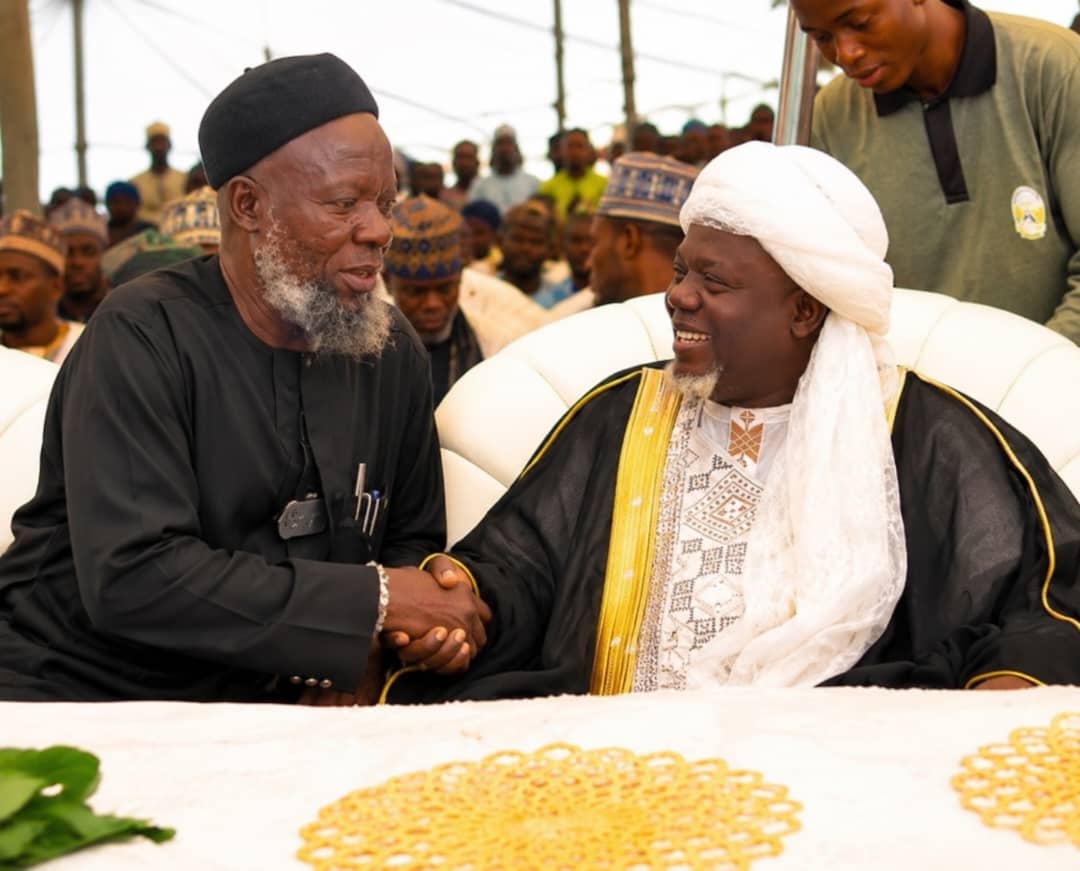
Oyoland Grand Chief Imam Celebrates Amubieya’s Decades of Islamic Scholarship
- Celebrates decades of scholarship, Hadith teaching, Da‘wah in Nigeria, Côte d’Ivoire
The Grand Chief Imam of Oyoland, Fodhilatu Shaykh Bilaal Husayn Akinola Akeugberu, has celebrated and honoured a renowned Islamic scholar, Shaykh Muhammadul Awwal Sulayman Amubieya, for his decades of commitment to Islamic scholarship, teaching, Hadith studies and propagation of the faith.
Amubieya, the Mudeer of Daarul Hadeeth, Ibadan, Oyo State, was honoured by the Office of the Grand Chief Imam on Friday, September 4, 2026, in recognition of his enduring contribution to Islamic education and the spiritual development of Muslims.
The ceremony was particularly significant because the Grand Chief Imam’s office stressed that it was a celebration of a living scholar, not a posthumous tribute.
The office stated emphatically that Shaykh Amubieya is alive and remains actively involved in the service of Islam, the Qur’an and the Sunnah.
According to the statement, the recognition was intended to appreciate the scholar’s contribution while he is still alive and able to witness the acknowledgement of his years of sacrifice and service to the Muslim Ummah.
A life devoted to knowledge
For years, Shaykh Amubieya has been associated with Islamic teaching and Da‘wah in Ibadan and other parts of South-West Nigeria.
As Mudeer of Daarul Hadeeth, he has been particularly identified with the teaching and study of Hadith and other branches of Islamic knowledge.
His lectures have covered a broad range of subjects, including Tawḥīd, Qur’an and Hadith, Islamic creed and methodology, family responsibilities, the duties of students of knowledge, morality, social issues and general Islamic guidance.
He has also featured in Jumu’ah sermons, Islamic conferences and question-and-answer sessions, using such platforms to educate Muslims and encourage adherence to the Qur’an and Sunnah.
READ ALSO:
- FG opens six-month teacher certification for BSc, HND, ND holders – How to Apply
- How I Sold My Twins for N300,000, Stole 13 Other Children — Suspect
- No More Embassy Visits: Step-by-Step Guide to Nigeria’s Contactless Passport Renewal
The Grand Chief Imam’s office described his years of teaching as part of the wider effort to preserve Islamic knowledge and pass it from one generation to another.
From Ibadan to Côte d’Ivoire
The scholar’s Da‘wah activities, according to the statement, have not been restricted to Nigeria.
His recorded lectures and participation in Islamic programmes have taken him to parts of Côte d’Ivoire, including Youpougon, Dimbokro, Yamoussoukro, Tiébissou, Divo and areas around Abidjan and Lakota.
His ability to communicate Islamic teachings in Yoruba has also made his preaching accessible to Yoruba-speaking Muslims both within Nigeria and in parts of neighbouring West African countries.
The Grand Chief Imam’s office said this aspect of Amubieya’s work demonstrated the importance of indigenous-language preaching in spreading Islamic knowledge and strengthening religious understanding.
Building the next generation of scholars
Beyond preaching to the general Muslim population, Shaykh Amubieya has also placed considerable emphasis on the training and responsibilities of students of Islamic knowledge.
At a programme themed “Reviving the Ummah,” he was among the principal lecturers and spoke on the roles and responsibilities of students of knowledge in society.
The Grand Chief Imam’s office said this reflected an important dimension of his scholarship—his belief that knowledge should translate into character, responsibility and service.
It said the true value of Islamic education was not merely in acquiring information but in producing Muslims who understood their obligations, demonstrated good character and positively impacted their communities.
A voice for Qur’an and Sunnah
Amubieya has also been associated with the Ahlus-Sunnah/Salafiyyah-oriented scholarly environment in South-West Nigeria.
His public teachings have consistently placed emphasis on Tawḥīd, Islamic creed, adherence to the Sunnah and the acquisition and proper application of Islamic knowledge.
His continued appearance at Ramadan programmes, lectures and other Islamic gatherings, the office said, showed that his scholarly journey remained active.
His archive of recorded lectures and teaching materials further provides a record of years of Islamic teaching and Da‘wah.
‘We celebrate him while he is alive’
The Grand Chief Imam of Oyoland, Shaykh Akeugberu, said the recognition was a demonstration of appreciation for the contributions of Islamic scholars before their passing.
He noted that scholars occupy a crucial position in Muslim society because they preserve religious knowledge, educate the younger generation and provide guidance to Muslims.
Through their teaching, preaching, counsel and scholarship, the Grand Chief Imam said, scholars help preserve the Islamic heritage and ensure its transmission to future generations.
The office therefore described the honour as a privilege and an opportunity to publicly appreciate Shaykh Amubieya for his years of service.
Prayers for more years of service
The Grand Chief Imam prayed for Allah’s continued protection, good health and strength for Shaykh Amubieya.
He also prayed for increased beneficial knowledge and wisdom, steadfastness upon the Qur’an and authentic Sunnah, blessings upon his family and students, and acceptance of his efforts in the service of Islam.
The prayer further sought long life upon righteousness and continued strength for the scholar to serve Islam and humanity.
The Office of the Grand Chief Imam of Oyoland described Shaykh Muhammadul Awwal Sulayman Amubieya as a living scholar whose contribution to Islamic education, Hadith studies, Yoruba-language Da‘wah and the training of students of knowledge had extended beyond Ibadan to other parts of Nigeria and West Africa.
The office concluded by congratulating the scholar and praying that Allah would grant him many more years of fruitful scholarship and service to the Muslim Ummah.
“Long life, good health and continued strength in the service of Islam to Shaykh Muhammadul Awwal Sulayman Amubieya,” the office prayed.
Oyoland Grand Chief Imam Celebrates Amubieya’s Decades of Islamic Scholarship
-
 Education3 days ago
FG Opens N2.5bn Grant Window For 50 Student Innovators Under “Next Moonshot Initiative”
-
 Politics3 days ago
Peter Obi, Others Challenging Tinubu Cannot Transform Nigeria — Datti Baba-Ahmed
-

 Auto2 days ago
Kaduna to Lead Govt Patronage of Local Vehicles as Sani Unveils Peugeot 5008
-

 metro2 days ago
Socialite Igho ‘Tiny’ Ubiribo Dies After Penis Enlargement Surgery
-

 metro3 days ago
Three killed, 20 injured in Ife-Ilesa Expressway crash
-
 Entertainment3 days ago
Kneeling to Propose Is Why Western Marriages Fail — Pete Edochie Sparks Fresh Debate
-
 Politics3 days ago
Demystifying the Political Monolith: Wike’s ‘See Finish’ Doctrine and Nigeria’s New Political Calculus
-
 International3 days ago
US Strikes Three Iranian Oil Tankers in Retaliation for Missile Attack on Navy Ships