

News
University of Ibadan Senate elects Ekanola acting VC

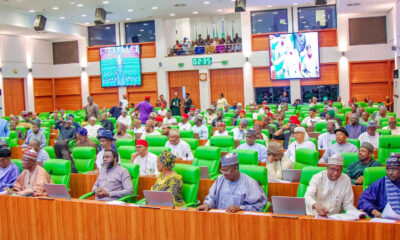
The Senate of the University of Ibadan has elected Prof. Adebola Babatunde Ekanola as the new acting vice-chancellor of the university.
Ekanola, who is the current Deputy Vice-Chancellor, Academics, was elected on Monday – the same day the tenure of Prof Idowu Olayinka expired as the VC of the 72-year-old university.
Sources at the meeting, where the election took place, said Ekanola scored 275 votes to beat four other professors nominated for the position.
Prof A. Oluleye was said to have scored 80 votes to come second while Prof Adigun Agbaje polled 15 votes to place third; Prof Gbemisola Oke polled 14 votes and Prof Olanike Adeyemi got 13 votes.
The development is coming after the selection of a new VC for the university was initially mired in crisis, the process was cancelled and a fresh one was ordered by the National Universities Commission.











News
2027: ADC Faction Disowns Atiku, Rejects G-100 Alliance Amid Party Crisis
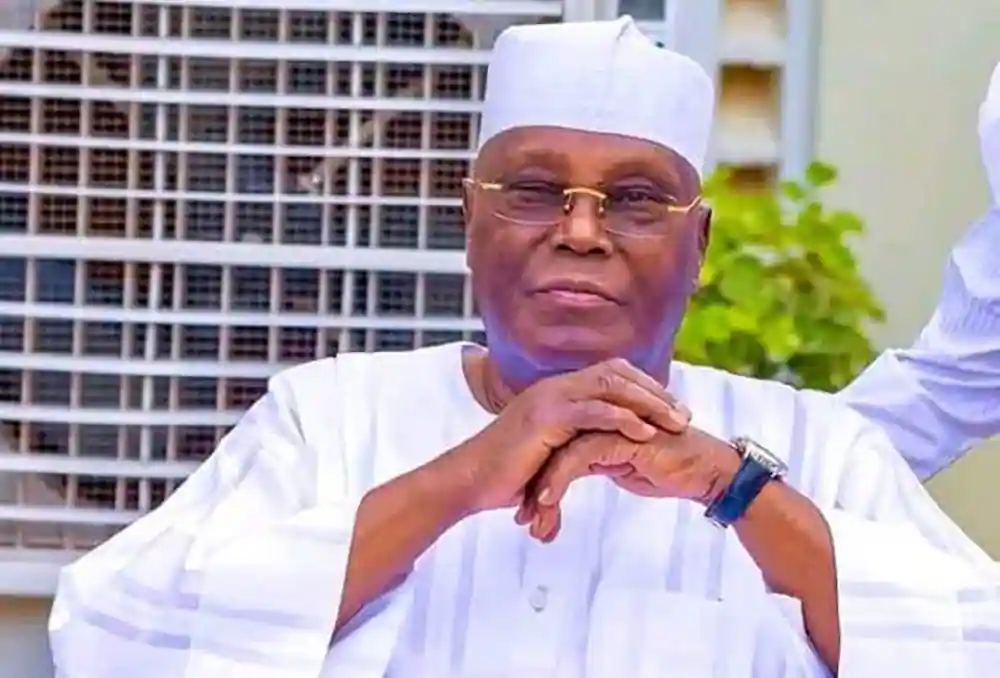
ABUJA — A fresh leadership dispute has emerged within the African Democratic Congress (ADC) after a faction led by Nafiu Bala Gombe disowned former Vice-President Atiku Abubakar as its presidential candidate for the 2027 general elections and rejected any alliance with the G-100 opposition coalition.
The faction insisted that it would not allow its political platform to be used to advance arrangements it had not authorised, warning Atiku and individuals associated with the G-100 against presenting him as its flagbearer.
In a statement, Gombe accused some elements within the G-100 coalition and Atiku of allegedly attempting to pressure the faction into a political alliance or merger ahead of the elections.
He maintained that the faction would protect the party’s identity, organisational structure and political independence rather than surrender its platform to the ambitions of individual politicians.
“The African Democratic Congress is NOT, and will NOT, be in any alliance, merger, or coalition with any political party ahead of the 2027 general elections,” the faction declared.
Gombe also issued a direct warning to Atiku, urging the former vice-president to stop presenting himself as the faction’s presidential candidate or speaking on its behalf.
The development comes amid continuing divisions over the leadership and direction of the ADC as opposition politicians explore ways to challenge the ruling All Progressives Congress (APC) in 2027.
READ ALSO:
- Omoda, Jaecoo Storm Europe as Global Sales Surge 123% to 73,421
- 16-Year-Old Girl Recounts Horror of Hookup Encounter, Says Man Threatened Her With Knife, Acid
- Ex-Super Eagles Coach Westerhof Battles Colon Cancer in Critical Condition, Wife Seeks Help
The G-100 initiative has been involved in discussions aimed at improving cooperation among opposition forces, including proposals for a common platform or a single presidential candidate capable of mounting a stronger challenge to the ruling party.
However, the discussions have encountered resistance from political figures unwilling to abandon their presidential ambitions in favour of a consensus candidate.
Atiku’s position within the ADC has also become a point of contention between rival factions. While the Gombe-led group rejects his candidacy, the faction led by former Senate President David Mark has recognised him as its presidential candidate.
The ADC’s publicly available announcements previously stated that Atiku won its presidential primary and that his name, alongside that of former Rivers State governor Rotimi Amaechi as running mate, was submitted to the Independent National Electoral Commission (INEC).
The competing claims underscore the importance of distinguishing the Gombe faction’s position from that of the rival ADC leadership. The latest statement does not, by itself, establish that the entire party has withdrawn its endorsement of Atiku.
Meanwhile, the ADC’s National Publicity Secretary, Bolaji Abdullahi, said the party’s discussions facilitated by the G-100 were focused on electoral cooperation rather than necessarily producing a single presidential candidate.
The clarification highlights the differences between efforts to coordinate opposition parties and proposals requiring individual candidates to withdraw from the presidential race.
For Atiku, who is seeking another opportunity to contest Nigeria’s highest political office, the controversy presents an additional challenge as opposition groups negotiate their strategies ahead of the 2027 elections.
The dispute also raises questions about the ADC’s ability to maintain unity while managing rival leadership claims, coalition negotiations and competing political interests.
With the election approaching, the resolution of the party’s internal disagreements could prove significant to its preparations and its prospects of presenting a united opposition front.
For now, the Gombe-led faction has maintained that it will pursue its political objectives independently and will not accept an alliance or candidate arrangement it considers unauthorised.
2027: ADC Faction Disowns Atiku, Rejects G-100 Alliance Amid Party Crisis
News
16-Year-Old Girl Recounts Horror of Hookup Encounter, Says Man Threatened Her With Knife, Acid

16-Year-Old Girl Recounts Horror of Hookup Encounter, Says Man Threatened Her With Knife, Acid
A 16-year-old girl, identified as Christiana, has recounted a frightening experience during a purported hookup encounter, alleging that a man she met produced a knife and a bottle of acid before asking her to choose between the two.
The teenager narrated her experience during an interview with Sahara TV, in a video reportedly shared by online news platform Newsvista.
According to Christiana, her involvement in the hookup business began after a woman allegedly approached her with a promise of helping her secure employment. She claimed, however, that the arrangement led her into a potentially life-threatening situation.
Recounting the incident, the teenager said the encounter took a frightening turn at about 1 a.m. when the man allegedly brought out a knife and acid.
“He brought out a knife and acid at 1 a.m. and told me to choose one,” she said.
Her account has raised concerns about the risks confronting minors who may be lured into exploitative situations through promises of employment or other opportunities.
Christiana’s narration also highlights concerns about the vulnerability of young girls who may be exposed to violence and exploitation by adults who take advantage of their circumstances.
The circumstances surrounding the alleged incident, including the location where it occurred, how the teenager escaped and the identity of the man involved, were not established in the account provided.
READ ALSO:
- Ex-Super Eagles Coach Westerhof Battles Colon Cancer in Critical Condition, Wife Seeks Help
- NRC Denies Ticket Racketeering, Says Abuja-Kaduna Rail Demand Exceeds Seats by 10-Fold
- FG Draws Red Line on Fuel Subsidy, Warns of Naira Crisis if Reforms Are Reversed
It was also unclear whether the woman Christiana accused of introducing her to the arrangement had been identified or whether the police had begun investigating the allegations.
The interview has generated reactions on social media, with calls for the circumstances surrounding the teenager’s experience to be investigated and for those responsible, if identified and found culpable, to be held accountable.
The incident underscores the importance of protecting minors from exploitation and ensuring that allegations of threats and violence against children are promptly reported to the appropriate authorities.
Parents, guardians and child-protection advocates have repeatedly stressed the need to provide young people with safe channels to seek employment and assistance, while encouraging them to report suspicious approaches and potentially dangerous encounters.
However, the allegations require independent verification, and no conclusion can be drawn about the identities or culpability of those involved without further investigation.
As of the time of writing, no official statement from law enforcement concerning the specific incident was available in the information provided.
16-Year-Old Girl Recounts Horror of Hookup Encounter, Says Man Threatened Her With Knife, Acid
News
2027: Davido Says Nobody Can Force Presidential Candidate on Him, Claims He Defeated 17 Governors With Phone
2027: Davido Says Nobody Can Force Presidential Candidate on Him, Claims He Defeated 17 Governors With Phone
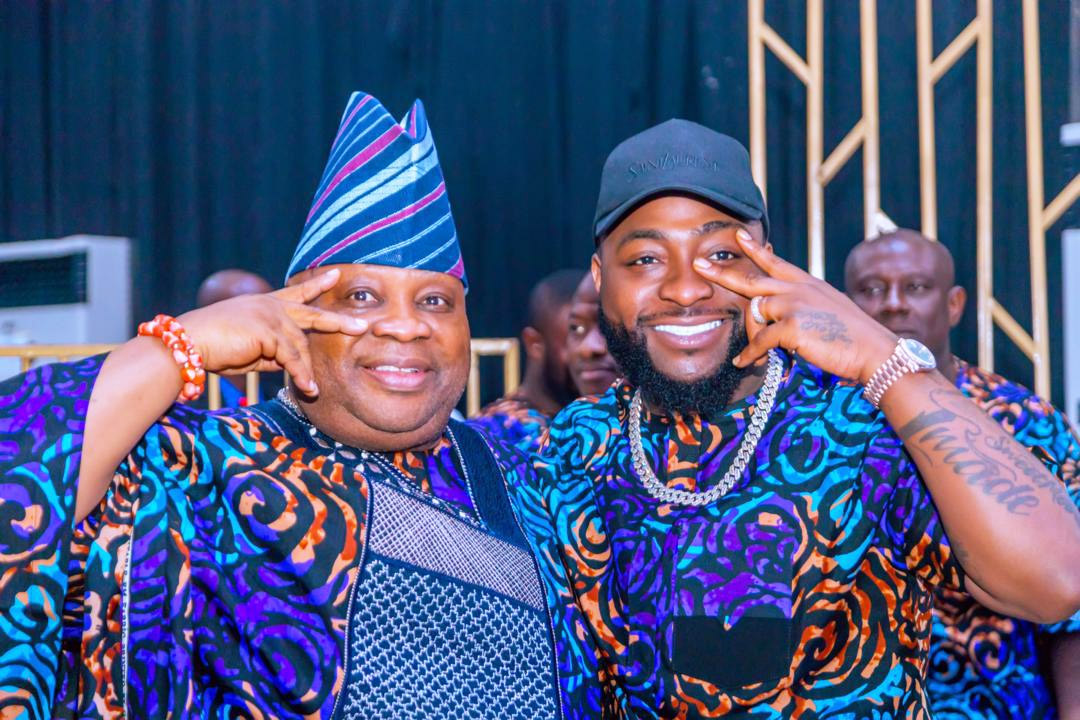
Nigerian Afrobeats star David Adeleke, popularly known as Davido, has declared that nobody can force him to support a presidential candidate in the 2027 general elections, insisting that his political choices remain personal despite his uncle’s endorsement of President Bola Ahmed Tinubu.
The singer made the remarks while reflecting on his involvement in the Osun State governorship election, where he campaigned for his uncle, Governor Ademola Adeleke, against the All Progressives Congress (APC).
Davido also claimed that he confronted the political influence and resources of 17 APC governors during the campaign, saying he relied largely on his mobile phone and social media presence to mobilise support.
“I defeated 17 governors with all their power, with all their immunity, with all their aides, with all their escort commanders, with all their DSS, with all their billions. I defeated them with my phone,” the singer said during an interview with News Central TV.
The remark referred to his role in the Osun governorship contest and was Davido’s personal assessment of the campaign, rather than an independently established account of the involvement of 17 governors.
The singer’s comments have drawn renewed attention amid discussions about the political influence of celebrities and expectations that he might support a presidential candidate in 2027 following his involvement in his uncle’s campaign.
Davido said he had received messages from people urging him to replicate his support for Governor Adeleke at the national level. However, he rejected the suggestion that his participation in the Osun election meant he had already chosen a presidential candidate.
READ ALSO:
- NRC Denies Ticket Racketeering, Says Abuja-Kaduna Rail Demand Exceeds Seats by 10-Fold
- FG Draws Red Line on Fuel Subsidy, Warns of Naira Crisis if Reforms Are Reversed
- NRC Denies Ticket Racketeering, Says Abuja-Kaduna Rail Demand Exceeds Seats by 10-Fold
“For now, I feel like I did what I had to do for the Osun people and my family. You can’t force me to have a presidential candidate,” he said.
He also made it clear that Governor Adeleke’s political decisions did not automatically determine his own position.
The Osun governor declared support for President Tinubu after his electoral victory, but Davido said his uncle might have personal or state-related reasons for the decision.
According to the singer, maintaining a cordial relationship with the Federal Government could be beneficial to a state administration seeking support and allocations. He stressed, however, that such considerations were for his uncle to make.
Davido further stated that he was not prepared to endorse any presidential candidate at the time of the interview and ruled out supporting the ruling APC, while leaving open the possibility that his position could change.
The singer recalled supporting political candidates in previous elections, including former Vice-President Atiku Abubakar when he was associated with the Peoples Democratic Party. He also referred to his involvement in earlier political campaigns linked to his late uncle, Isiaka Adeleke.
His latest position highlights the distinction between his support for Governor Adeleke in a state election and his personal decision about the next presidential contest.
Davido has also previously discussed the challenges facing Nigeria’s electoral process and questioned whether the country’s political system adequately protects voters’ choices. During the interview, he reflected on the difficulties of participating in politics and the responsibilities that come with seeking public office.
Despite his involvement in political campaigns, the award-winning musician has not announced a presidential candidate for 2027.
His comments come as political parties and prospective candidates prepare for the next general election, with public figures and entertainers likely to remain part of the wider debate over political participation and voter mobilisation.
For now, Davido says he intends to make his own decision rather than follow pressure from supporters or family members.
2027: Davido Says Nobody Can Force Presidential Candidate on Him, Claims He Defeated 17 Governors With Phone
-

 metro2 days ago
₦130m Toyota Tundra Wrecked: Lagos Dealer Questions Police Over Suspect’s Release
-

 News2 days ago
₦200m Fake Alcohol Packaging Uncovered as NAFDAC Raids Aba Market
-

 metro3 days ago
Borno Woman Jailed Two Years for Sexual Exploitation of 16-Year-Old Girl
-

 metro3 days ago
Outrage as Residents Scoop Groundnut Oil From Lagos Tanker Crash Scene
-

 metro23 hours ago
Suspended Archbishop Ibezim Drags Anglican Primate to Court, Challenges Six-Month Leave
-
 Politics3 days ago
Shettima Attacks Atiku Over Tinubu Remarks, Questions Subsidy Plan
-

 Sports2 days ago
Real Madrid Demand Tebas’ Exit After Explosive Nazi Propaganda Row
-

 News3 days ago
Terrorists Storm Borno Military Post in Fierce Gun Battle, Soldiers Feared Dead
You must be logged in to post a comment Login